Yo, what’s the deal? Megumi here, coming at you live from Tokyo. As an event planner, my whole gig is about crafting vibes, creating moments that stick. But sometimes, the most powerful vibes are the ones that are already there, baked into the culture, just waiting to be rediscovered. Today, we’re diving deep, like, Mariana Trench deep, into one of my absolute faves: the world of Japanese pixel art. You know what I’m talking about—that crunchy, blocky, totally iconic aesthetic that powered our childhoods. Think back to the first time you booted up a Game Boy. That chunky little console, the faint electronic hum, and then… bam. The world of Pokémon Red or Blue, rendered in a handful of pixels, yet feeling as vast as the real world. That, my friends, is the magic. It’s an art form born from limitations that became a whole-ass mood, a nostalgic language spoken by a generation. It’s not just about old video games collecting dust; it’s a living, breathing part of Japan’s creative soul. We’re going on a quest, a proper hero’s journey, to find where this pixelated magic lives on in modern Japan. We’ll explore the neon-drenched streets of Akihabara, uncover hidden treasures in Nakano, and see how this retro style is still leveling up in today’s culture. This ain’t just a trip down memory lane; it’s a full-on immersion into the heart of a digital art form that refuses to fade away. Get ready to press start.
For a full-on immersion into the heart of a digital art form that refuses to fade away, you can also explore how fans are keeping the Nintendo spirit alive by slaying Nintendo anthems in Japan’s private karaoke realms.
The Birth of the Dot: A Legacy Etched in Pixels
To truly appreciate the pixel art scene, you need to rewind the tape. We’re going way back to the Famicom era (also known as the Nintendo Entertainment System, or NES) and the original Game Boy. These weren’t the sleek, powerful devices we have now. No, these were pioneers working within serious constraints. We’re talking about tiny memory capacities—kilobytes, not gigabytes—and a very limited color palette. On the Game Boy, artists had only four shades of gray-green to work with. Just four! Yet from these modest foundations, entire worlds were created. This wasn’t a limitation; it was a feature. It inspired a unique kind of creativity, a visual shorthand focused on suggestion and imagination.
The Pokémon Paradigm Shift
Then came Pokémon. The original Red and Green (and Blue internationally) games were a masterclass in this minimalist art style. Consider that first sprite of Bulbasaur, Charmander, or Squirtle. It was a few black-and-white pixels on a greenish screen, but it was full of character. Their personalities shone through. The artists at Game Freak weren’t just designing monsters; they were crafting companions. Every pixel mattered. A slight head tilt, the curve of a tail—each detail was intentional, meant to convey emotion and identity within a tiny grid. Towns felt cozy, forests mysterious, and the battle animations, though simple, felt epic. Your imagination filled in the gaps, painting a richer picture than what appeared on screen. This is the essence of pixel art: a collaboration between creator and player.
When Pokémon Gold and Silver arrived for the Game Boy Color, it was a game-changer. Suddenly, that world burst into color. The pixelated art style, the beloved dot-e (ドット絵), remained, but now it featured a vibrant palette. Cyndaquil’s flames flickered with red and yellow hues, Totodile’s scales gleamed in blue. This was a monumental leap forward that never abandoned its origins. It showed pixel art could grow, becoming more complex and expressive without losing its core charm. This era firmly planted the aesthetic in millions of hearts. It wasn’t just ‘old graphics’ anymore; it was an enduring style. The very look of adventure.
The Modern Renaissance: Pixel Art as an Aesthetic Choice
Fast forward to today, where photorealistic graphics and cinematic cutscenes rival Hollywood movies. Yet, why do so many people—both creators and fans—remain obsessed with pixel art? Because it’s no longer a technical constraint; it’s a deliberate artistic choice. It’s a vibe, a direct connection to that pure, unfiltered sense of nostalgia. Indie developers worldwide have embraced pixel art, drawing deep inspiration from the Japanese classics of the 8-bit and 16-bit eras. Games like Stardew Valley, Celeste, and Undertale have become global phenomena, their visuals serving as love letters to the golden age of JRPGs and platformers.
This contemporary movement recognizes that pixel art offers a unique texture and warmth. It feels handcrafted and intimate. In a world dominated by slick, corporate perfection, the humble pixel comes across as authentic and human. It’s punk rock—a conscious refusal to accept that ‘more’ is always ‘better.’ Its beauty lies in simplicity, demanding that you engage your imagination. A photorealistic character shows you exactly what they look like; a pixel art character invites you to envision the finer details and project your own emotions. This aesthetic respects the intelligence of its audience, which is why it’s not just surviving—it’s thriving. Pixel art is the visual equivalent of a lo-fi hip-hop beat: cozy, nostalgic, and endlessly cool.
The Ultimate Quest: Hunting for Pixel Art in Tokyo
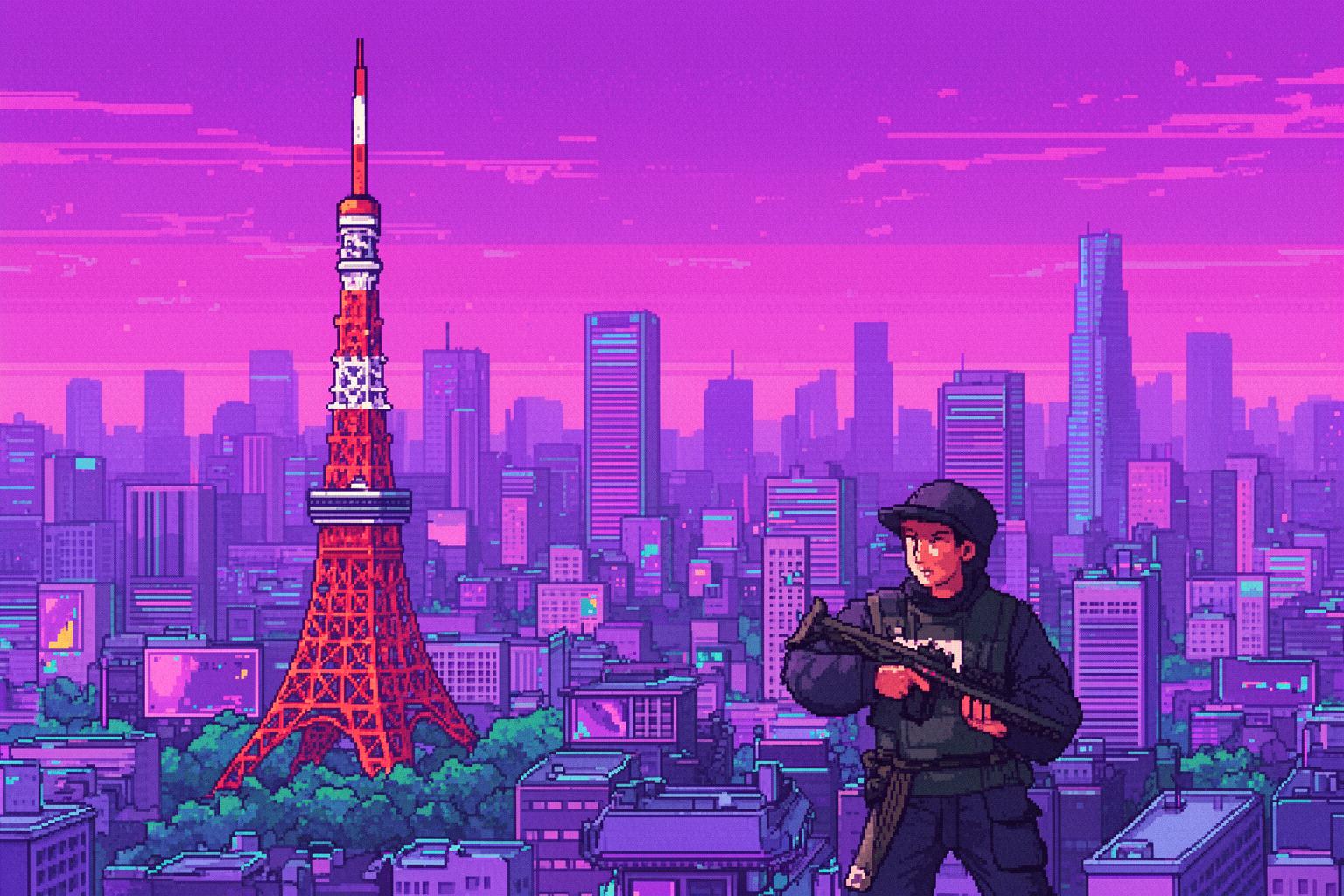
Alright, so you’re hooked on the vibe and eager to explore this pixelated realm yourself. Where should you head? Friend, you’ve landed in the perfect spot. Tokyo stands as the epicenter—a vast metropolis where past and future collide at every turn. For a pixel art pilgrimage, there are several essential destinations you simply must visit.
Akihabara: The Neon-Lit Mecca
The first stop, without a doubt, is Akihabara. Akiba. Electric Town. This place is iconic for good reason. Stepping off the JR Akihabara Station is an immersive sensory rush. It’s a flood of sights and sounds. Towering buildings are covered with massive anime and game character murals. J-pop blares from shops, blending with the electronic beeps and jingles of arcades. The atmosphere practically buzzes with electric energy. It can feel overwhelming—embrace it. This is the epicenter of otaku culture.
Your chief mission here is hunting retro game shops. The unbeatable king is Super Potato. Finding it is part of the adventure—look for a small doorway and a narrow, modest staircase. Climbing up, you’ll see walls adorned with retro game memorabilia, and then you’ll catch it: the faint, tinny 8-bit tunes of long-forgotten games. The store itself is an organized treasure trove of gaming history. Walls from floor to ceiling are lined with Famicom, Super Famicom, Game Boy, and Sega Genesis cartridges. Glass cases showcase mint boxed consoles that are practically museum relics. The top floor even hosts a retro arcade where you can play the exact games you saw for sale. The vibe is pure nostalgia—like the scent of old plastic and cardboard, reminiscent of unwrapping a brand-new game on Christmas morning.
But Akiba offers more than just that one shop. Explore Beep and Mandarake for other retro treats. Mandarake Complex is an eight-story black tower of otaku dreams, with each floor dedicated to everything from manga to vintage toys, and naturally, video games. Spend time wandering the backstreets, where you’ll find smaller, specialized shops selling everything from game soundtracks on vinyl to rare PC-98 titles. And don’t overlook the arcades! The multi-story GiGO buildings are gaming cathedrals. While upper floors host the latest rhythm games and crane machines, the lower levels often feature retro sections. Standing before a candy cab, feeling the joystick click and the solid thwack of buttons—that’s a tactile connection to gaming history you just can’t get on a modern console.
A-Gamer’s Tip: Akihabara is at its most vibrant on weekend afternoons but also extremely crowded then. For serious hunting, visit on a weekday morning where you’ll have more room to browse. While many larger stores accept cards, most smaller shops are cash-only, so bring some yen with you.
Nakano Broadway: The Maze of Hidden Gems
If Akihabara is the bright, mainstream concert, Nakano Broadway is the intimate underground gig. This is where hardcore collectors and die-hards gather. Just a short train ride from Shinjuku on the JR Chuo Line, Nakano Broadway looks like any other shopping mall from outside. But once you ascend its escalators to the second, third, and fourth floors, you enter a wholly different world. It’s a labyrinth of narrow corridors packed with over 300 tiny, highly specialized shops. This spot is less about broad appeal and more about the rare finds.
The vibe here is totally distinct from Akiba. Quieter, more focused. You’ll see collectors carefully digging through bins of cartridges, hunting for rare titles to complete their collections. Shops here are devoted entirely to animation cels from the 80s and 90s, selling actual hand-painted frames from Dragon Ball Z episodes. There are stores brimming with doujinshi (fan-made comics), vintage manga, and loads of retro game memorabilia. Mandarake’s original flagship store calls this place home, sprawling across the floors with multiple storefronts, each specializing in unique niches.
What makes Nakano Broadway special is the thrill of discovery. You never know what you might stumble upon: a tiny shop selling only aged game guidebooks or a glass case displaying a prototype game cartridge never officially released. This place rewards curiosity. Spend hours wandering its maze-like halls. It’s like stepping into a time capsule, a tangible archive of pop culture history. It’s less touristy than Akihabara, offering a more intimate, genuine experience.
Pro Tip for Nakano: The layout can be confusing. A smart approach is to take the escalator all the way up to the top floor (4F) and gradually work your way down. This ensures you don’t miss any hidden spots. And take your time—rushing through Nakano Broadway misses the whole point.
More Than a Game: The Pixel Aesthetic in Everyday Japan
The influence of pixel art in Japan reaches far beyond the confines of retro game shops. It has woven itself into the very essence of modern visual culture and serves as a powerful tool for brands and artists aiming to evoke that warm, nostalgic feeling.
Merch, Collaborations, and Pop-Up Culture
One of the most visible manifestations of this influence is in official merchandise. The Pokémon Company excels in this arena. Visit any Pokémon Center in Japan, and you’ll almost certainly find a range of products featuring the original dot-e sprites from the Game Boy era. Known as the “Pokémon Dot” series, it’s incredibly popular. From t-shirts and hoodies to keychains, stationery, and even nanoblock sets, these pixelated renditions of Pikachu and other characters resonate deeply with fans who grew up with the original games. It’s a way to bridge the franchise’s past and present.
This trend extends to collaborations as well. Clothing brands like Uniqlo frequently release collections showcasing pixel art from classic games such as Street Fighter II and Super Mario Bros. These items are far from niche, often selling out quickly. This demonstrates how these blocky characters have become widely recognized cultural icons. Keep an eye out for pop-up cafés too. Though usually temporary, Japan’s fondness for themed cafés means retro game collaborations are a constant hit. Imagine enjoying a coffee with a pixelated Pac-Man printed in the foam—a small but delightful cultural experience.
Pixel Art as a Living Art Form
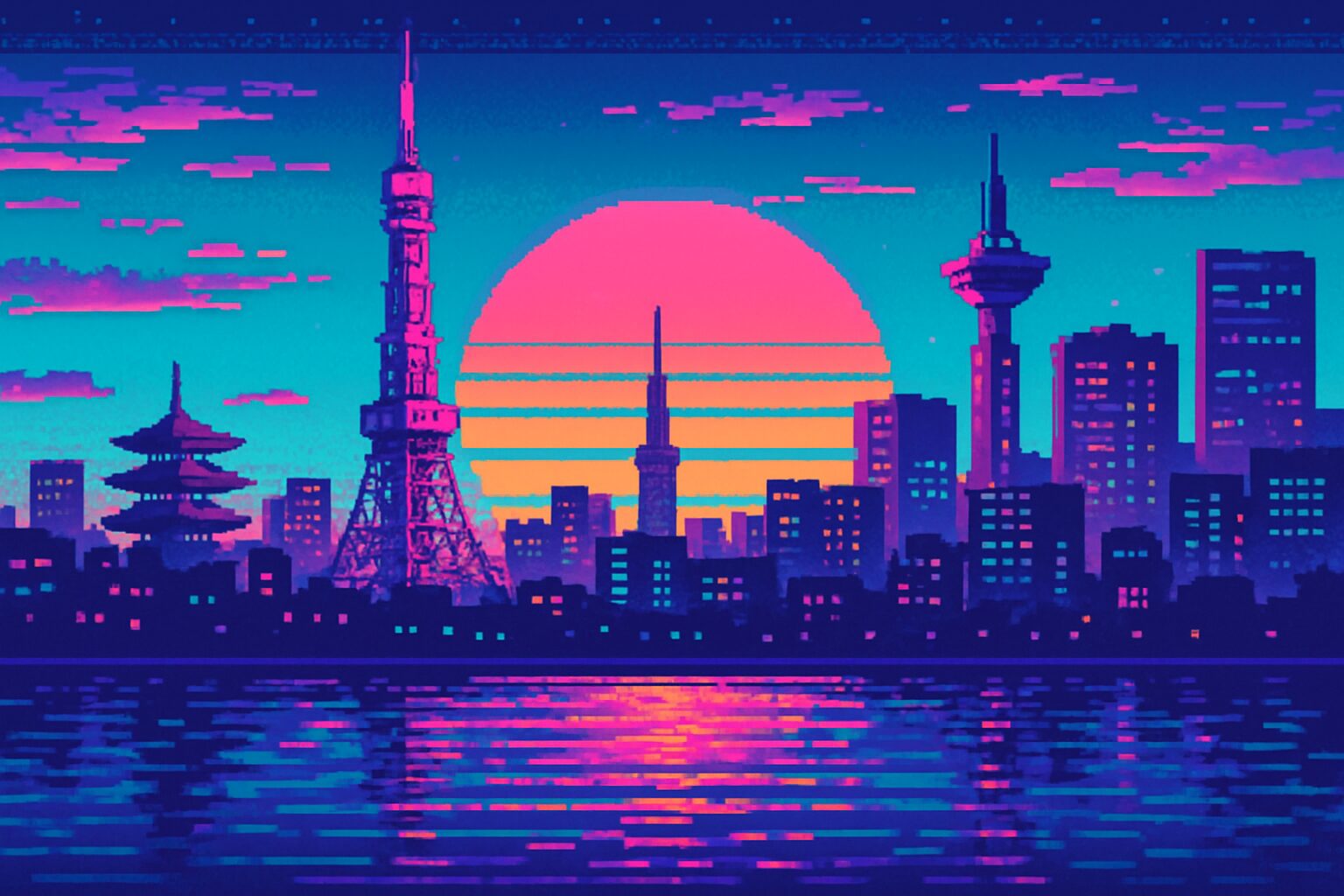
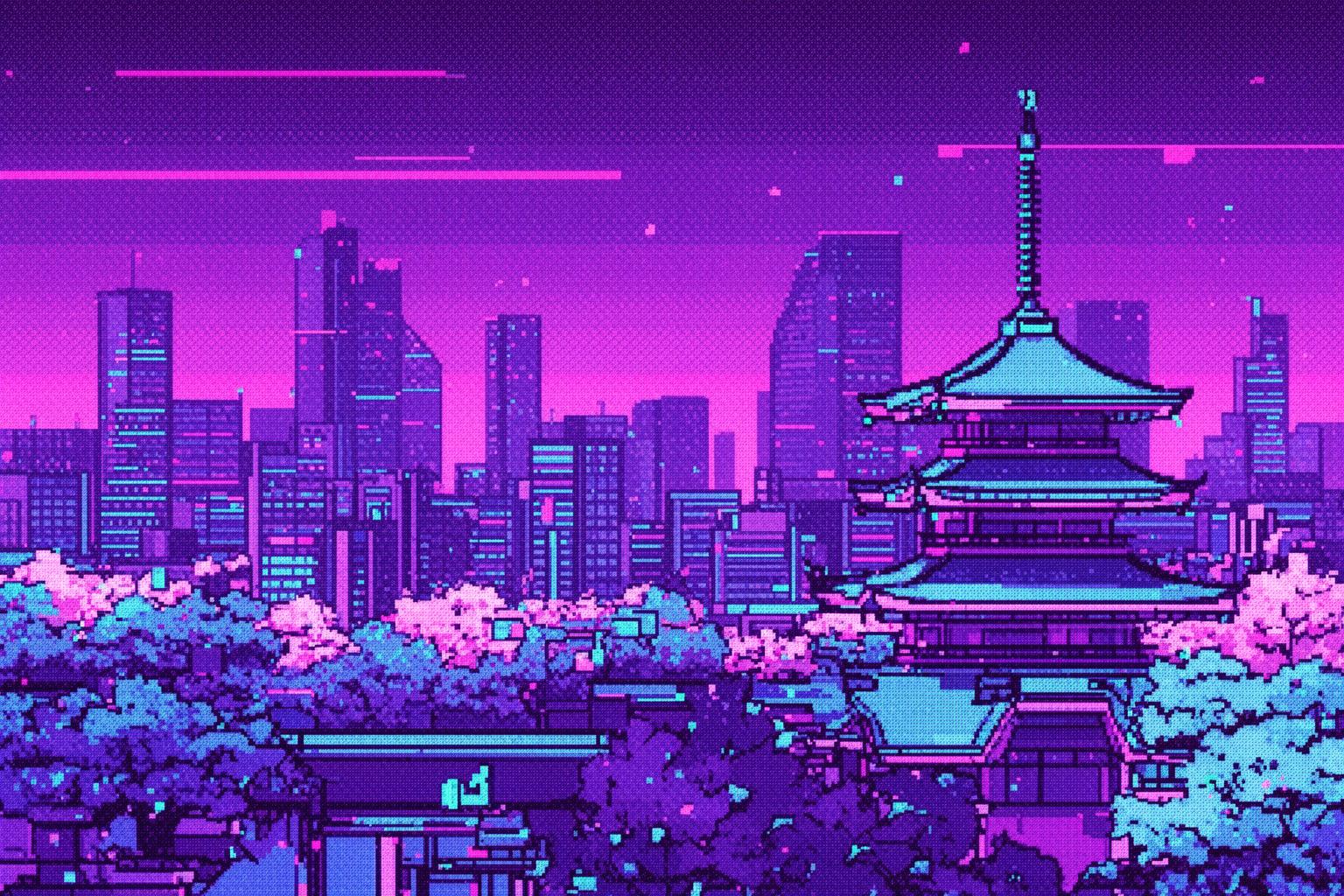
Beyond commercial uses, there is a vibrant community of contemporary pixel artists in Japan who are advancing the medium in innovative ways. These artists don’t just recreate classic game sprites; they produce stunning original works, ranging from detailed cityscapes brimming with life to beautiful, emotive character portraits. Their work is often showcased at independent art events like Tokyo’s “Pixel Art Park,” a festival celebrating all things dot-e. It’s an excellent venue to witness the art form’s cutting edge, purchase prints and zines directly from creators, and engage with the community. These events highlight that pixel art is not merely a nostalgic relic but a dynamic and respected modern art medium. Following Japanese pixel artists on platforms like X (formerly Twitter) or Pixiv is an excellent way to appreciate the scene’s vibrancy. Just search the hashtag #ドット絵 and prepare to be impressed.
Your Personal Quest: Tips for the Pixel-Hunting Traveler

Ready to start your own pixelated journey? Here’s a handy cheat sheet to help you get the most out of it.
For the Aspiring Collector
- Do Your Research: If you’re after specific games, look up their Japanese titles. Packaging and names often differ from international versions. Also, keep in mind region locking on consoles like the Super Famicom.
- Check the Battery Life: Many older cartridges, especially RPGs, have small internal batteries for saving game data. These batteries don’t last forever. Some stores note if batteries have been replaced, but it’s something to watch out for.
- Look Beyond the Games: Don’t just focus on the cartridges. Original instruction booklets, strategy guides, and promotional materials (known as ‘chirashi’ in Japan) are wonderful collectibles in their own right, often beautifully designed.
For the Arcade Enthusiast
- Bring Plenty of 100-Yen Coins: Arcades operate with 100-yen coins. While change machines are usually available, having coins ready means you won’t have to pause your game.
- Respect the Environment: Japanese arcades serve as community spaces. Be considerate of players deep in a game session—you can watch, but give them room.
- Try New Games: Don’t limit yourself to familiar titles. Japan features unique genres like rhythm games and complex fighting games. Insert a coin into something unfamiliar—it’s part of the excitement.
For the Art and Culture Lover
- Check Event Listings: Before you go, search for pixel art exhibitions or events. Galleries in neighborhoods like Shibuya, Ginza, and Kichijoji often host special showcases.
- Notice the Details: As you explore the city, watch for pixel art popping up in surprising places—on construction barriers, train advertisements, or quirky café menus. It’s a fun scavenger hunt.
One Last Tip for First-Timers: Don’t hesitate to ask! Shopkeepers in Akihabara and Nakano are accustomed to international visitors. Even if your Japanese is limited, a smile, a point, and a polite “Kore, ikura desu ka?” (How much is this?) will take you far. The love for this culture is universal, and people are usually happy to share it.
Press Continue
Exploring Japan’s pixel art scene is more than a nostalgic trip; it’s a journey into the essence of a distinctly Japanese form of creativity. It tells a story of how limitations can inspire innovation and how simple color blocks can evoke entire worlds of emotion. The nostalgic feeling you get when seeing an old Pokémon sprite isn’t just about recalling a game; it’s about recalling a sentiment—a sense of wonder, adventure, and a world full of possibilities, all contained within a tiny screen. That feeling remains vibrant in Japan today. You can discover it in the lively arcades of Akihabara, the quiet, treasure-filled corridors of Nakano Broadway, and the works of a new generation of artists who continue to keep the pixel art dream alive. So come along—your very own pixelated adventure awaits, and there’s no need to worry about saving your progress. This is one experience you’ll never forget.