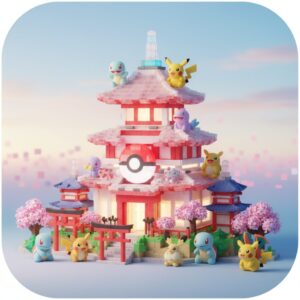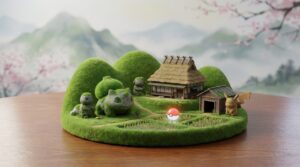
Alright, let’s set the scene. You know that feeling when you fire up a new Pokémon game for the first time? That iconic, chipper music starts, and you find yourself in a cozy little town. The houses are quaint, the world feels full of possibility, and the first person you meet gives you a friendly welcome to this brand-new adventure. It’s a feeling of pure, unadulterated nostalgia and excitement, a sense of home before you’ve even taken ten steps. Now, what if I told you that you could literally walk into that feeling? In Japan, you can. It exists, and it’s called a Dagashiya. These are the OG retro candy shops, tiny treasure troves brimming with colourful, cheap snacks and a vibe so thick with nostalgia it feels like a time warp. They are, no cap, the real-world equivalent of Pallet Town, and stepping into one is like hitting the start button on a uniquely Japanese quest. These shops are more than just places to get a sugar rush; they are living museums, community hubs, and a direct portal to the heart of Japan’s Showa Era. They’re a core memory for generations of Japanese people, the backdrop to countless after-school stories. So, grab your adventurer’s spirit, because we’re about to explore these magical little corners of Japan, the places where every journey, big or small, begins with a handful of cheap, delicious candy. Let’s get this bread.
If you’re captivated by this nostalgic journey into Japan’s Showa-era pop culture, you might also enjoy exploring the digital afterlife of Tamagotchi.
What Even is a Dagashiya? The Vibe Check on Japan’s OG Snack Shops
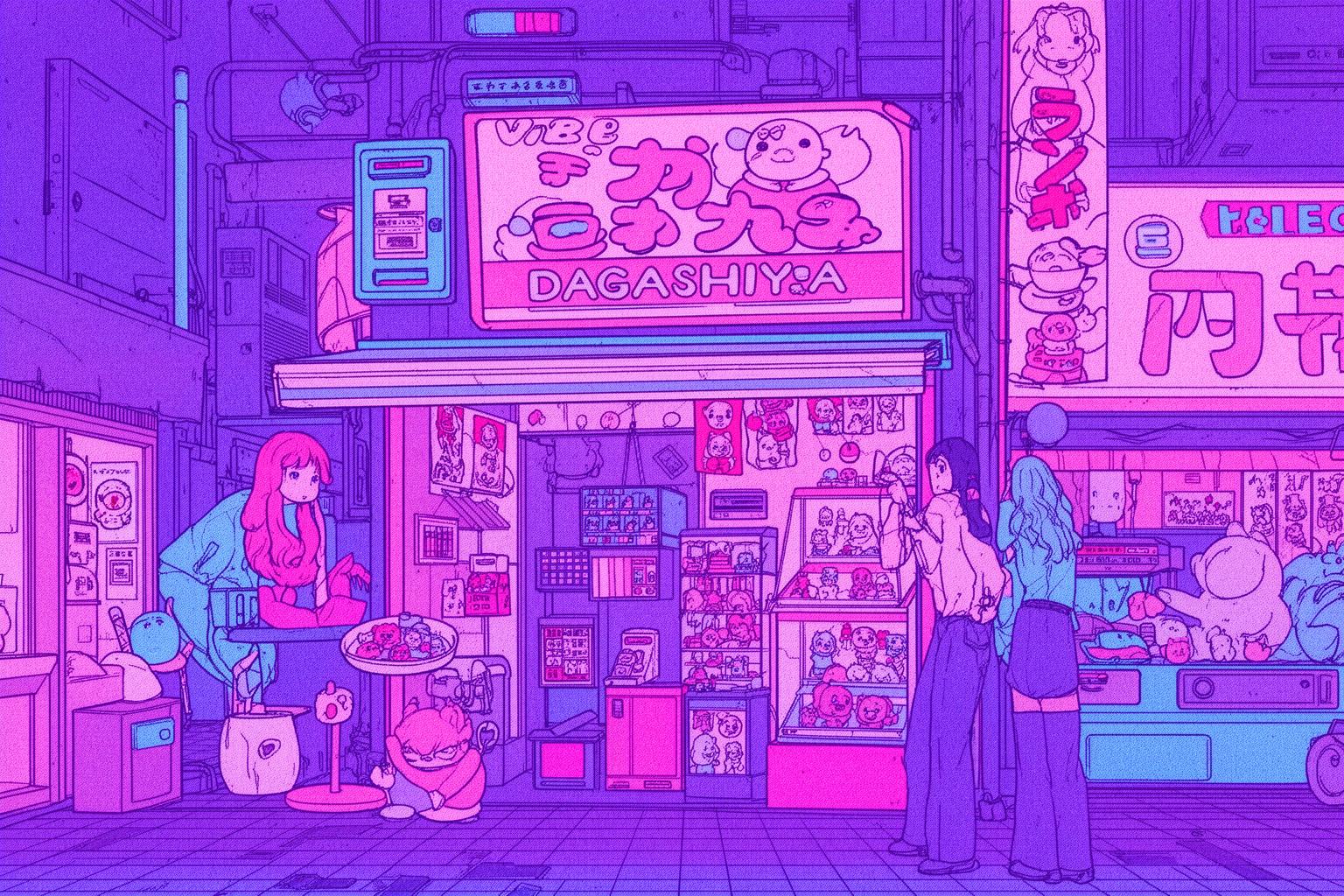
Before we plunge into the candy-lined aisles, let’s get the basics down. What exactly is a Dagashiya? At first glance, it might seem like just a candy store. But honestly, calling it that is like calling Pikachu merely a mouse—it’s a huge understatement. A Dagashiya is a particular type of traditional confectionery shop specializing in “dagashi.” These aren’t your fancy, upscale department store chocolates; they are childhood dreams sold for mere pocket change.
Beyond Candy: The Cultural Background
The word itself holds meaning. “Dagashi” (駄菓子) consists of two kanji characters. “Gashi” (菓子) means sweets or confectionery. But “Da” (駄) means something like “futile,” “low-grade,” or “cheap.” This term was intended to set these snacks apart from the high-end, exquisitely made “Jogashi” (上菓子) served at formal tea ceremonies. Dagashi catered to the masses, especially kids with just a few yen jingling in their pockets after school. We’re talking about prices like 10 yen, 20 yen, or maybe 50 yen for a premium treat. This incredibly low price point defines the whole Dagashiya experience. It empowers children, giving them their first taste of economic independence—a chance to come in with the equivalent of a quarter and leave with a small basket of treasures. It’s a world scaled just for them, and that’s a powerful, enchanting thing.
A Window to the Showa Era
To fully grasp the Dagashiya, you need to understand the Showa Era (1926-1989). These shops flourished most during the post-war decades, from the 1950s to the early 1980s. This era was marked by rapid economic growth in Japan but also predated the widespread presence of 24-hour convenience stores, or “konbini,” on every street corner. The Dagashiya served as the neighborhood hub—a social network before social media. After school, children would drop their heavy leather “randoseru” backpacks and head straight to the local Dagashiya. The atmosphere of these shops is distinctly Showa: weathered wooden shelves packed from floor to ceiling, glass jars brimming with colorful, individually wrapped candies, faded posters of bygone celebrities or anime characters peeling at the edges, and perhaps a few vintage tin toys or gachapon machines standing sentinel by the door. The scent of sugar, aged wood, and maybe a faint aroma of savory snacks warming on a small hot plate filled the air. The shopkeeper was almost always a kindly grandmotherly figure—the neighborhood “obaa-chan”—who knew every child by name, offered kind words, and might overlook if you were a few yen short. These shops were much more than retail outlets; they were safe havens and community centers where kids learned to socialize, manage their small allowances, and settle playground disputes over a shared bag of Baby Star Ramen.
The Pokémon Connection: Why Dagashiya Feel Like Pallet Town
Now, let’s return to that Pokémon feeling. The connection goes beyond a simple sense of nostalgia; it’s deeply woven into the atmosphere, design, and entire experience of visiting a Dagashiya. It serves as the perfect real-world embodiment of that starting zone where your grand adventure begins.
The Aesthetics of Adventure’s Beginning
Visually, a traditional Dagashiya is a near-exact replica of an early-game building. Typically, it’s a modest, unpretentious storefront, often part of an older family home, tucked away on a quiet residential street. There’s no flashy neon or sleek modern look. Instead, a warm, inviting glow spills out from an open doorway, beckoning you inside. It feels safe, familiar, and simple. Inside, the world is compact and full of wonder. The dense array of items within arm’s reach reflects how a game world provides your first set of tools and supplies. The shopkeeper, a friendly obaa-chan, is the ultimate NPC. She sets you on your path—not with a Pokédex, but with a tiny plastic basket and a warm smile. The other kids in the shop are your fellow trainers, your rivals and companions, each beginning their own little quests. The whole space hums with quiet, preparatory energy—the calm before the storm of the larger world beyond.
Your First Inventory: Stocking Up on Potions (aka Ramune)
This is where the fantasy truly comes alive. Think of the Dagashiya as your first Poké Mart. You’re not merely buying candy; you’re building your inventory for the journey ahead. Every snack serves a purpose, playing a role in your adventure. That bottle of Ramune, with its iconic marble sealing the top? That’s your first Potion. The fizz and sugar provide an instant energy boost. Those gold-foil-wrapped chocolate coins are your initial stash of currency. An Umaibo, the legendary puffed corn stick, is your essential ration, offering sustenance in a dozen different flavors. Interactive candies, like those you mix with water, are akin to learning your first simple magic spell. You’re gearing up, preparing for the challenges of… well, the walk home from school. But in that moment, it feels just as epic. Filling your basket becomes a strategic mission. You balance savory against sweet, long-lasting hard candies against the instant gratification of a chocolate bar. It’s a game of optimization, all unfolding with a handful of coins in a magical, timeless little shop.
Your Dagashi Pokedex: A Guide to Iconic Snacks
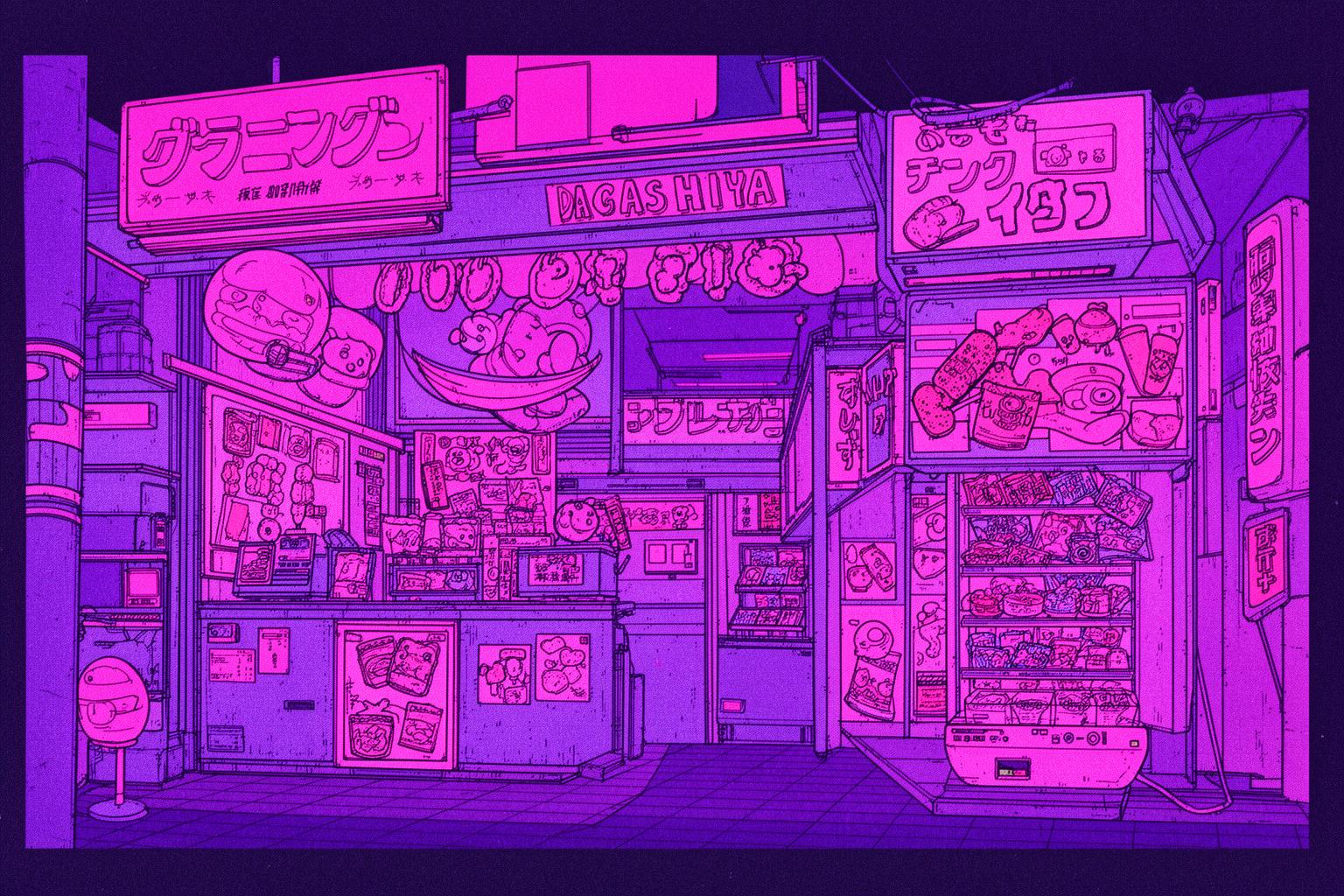
Alright, trainer, it’s time to get acquainted with the wild creatures of the Dagashiya world. You can’t just dive in blindly—knowing the key players is crucial to maximizing both your haul and your enjoyment. This isn’t an exhaustive list—that would be impossible—but think of it as your starter Pokedex for the must-try items that embody the Dagashi experience. Instead of a boring list format, let’s embark on a journey through the various types of treasures you’ll encounter.
The Savory Staples: Fuel for Your Adventure
Every journey needs a strong foundation, and that comes from the savory side of the aisle. First, you’ll inevitably come across the legend, the icon, the one and only Umaibo. Often dubbed the “delicious stick,” it’s a puffed corn snack, airy and incredibly crunchy, shaped like a thick cylinder. Its packaging is iconic, featuring a cat-like character, and the variety of flavors is astonishing. You’ve got classic favorites like Corn Potage, Cheese, and Salami, but you can also explore more daring options like Takoyaki (octopus ball), Mentaiko (spicy cod roe), or Teriyaki Burger. At about 10 yen, it’s the most satisfying and cost-effective snack in the country. Without exaggeration, it’s the Pikachu of Dagashi—universally recognized and adored.
Next up, you might spot a brightly colored packet of Baby Star Ramen. This snack is pure genius—exactly what it sounds like: crunchy, fried, and seasoned instant ramen noodles you eat straight from the bag, no cooking needed. It’s salty, savory, and highly addictive. Perfect for on-the-go munching, it offers a satisfyingly crisp texture and a burst of umami flavor that keeps you energized. Another savory heavyweight is Big Katsu. Don’t let the name fool you; this isn’t pork cutlet. It’s a thin, breaded sheet of fish surimi (the same stuff used for imitation crab), deep-fried to golden perfection and drenched in a sweet and savory tonkatsu-style sauce. It’s deliciously greasy, surprisingly filling for its size, and packs a flavor punch far beyond its weight class. For a meatier option, watch for Yagai Otsunami Calpas, tiny individually wrapped dry sausages bursting with smoky, peppery flavor. They feel more substantial than typical snacks, like proper provisions for a long trek.
The Sweet Sensations: Your HP & MP Recovery Items
After all that savory adventuring, it’s time to restore your energy, and that’s where the sweet section shines. The king of Dagashiya drinks is Ramune. This isn’t just a soda; it’s an experience. The bottle has a unique Codd-neck design, sealed with a glass marble at the top. To open it, you use a plastic plunger to push the marble down into the bottle, where it rattles around as you drink—an iconic sound of Japanese summer. The soda itself usually features a light, citrusy, bubbly flavor. This classic taste has been adapted into countless candies, most famously the small, white, chalky tablets in a mini plastic bottle designed to mimic the original. They dissolve in your mouth with a fizzy zing.
For a taste of true tradition, you have to try Fugashi. It’s a long, feather-light stick of dried wheat gluten coated in a crackly layer of brown sugar. The texture is incredible—super crunchy on the first bite, then almost instantly melting in your mouth. It’s rustic, simple, and deeply satisfying. You may also recognize the famous tin of Sakuma Drops. These fruit-flavored hard candies were immortalized in Studio Ghibli’s film “Grave of the Fireflies,” adding a poignant layer of cultural history to the act of enjoying a candy. Shaking the tin and hearing the candies clatter inside is a nostalgic sound of Japanese childhood. Another traditional treat is Kinako-bou, a chewy, pliable stick made from starch syrup and generously coated in kinako, roasted soybean flour. It offers a nutty, earthy sweetness that’s distinctly Japanese. For a truly unique experience, especially for Western visitors, there’s Botan Rice Candy. It’s a soft, chewy, citrus-flavored candy, but the magic lies in its edible rice paper wrapper that dissolves on your tongue—a small marvel of food science that delights both kids and adults.
The Interactive & DIY Zone: Side Quests in a Wrapper
Some of the best Dagashi are not just for eating—they’re for playing. This is where the shops really come alive. The undeniable champion of this category is Nerunerunerune. It’s a mini chemistry set in a plastic tray, complete with several packets of powder and a tiny spoon. You mix one powder with water, which changes color and fluffs up into a bubbly, goo-like substance. Then you add another powder to enhance the flavor and dip it into crunchy candy sprinkles. Does it taste great? That’s up for debate. Is it incredibly fun? Absolutely. It’s candy that’s all about the process, not just the end product.
Then there’s Fue Ramune, or whistle candy—a small polo-shaped candy with a hole in the middle. Place it between your lips and blow to produce a high-pitched whistle. It’s both a snack and a toy, guaranteed to drive nearby adults slowly insane. Each box often includes a small, sometimes quirky toy, adding an extra layer of excitement. From a historical perspective, you might also find candy cigarettes—usually chocolate or sugar sticks packaged to mimic real cigarette brands. Though they might seem surprising today, they’re a nostalgia bomb from a different era with very different social norms. Finally, many Dagashi, especially gum and chocolate, include a “kuji” or lottery. Inside the wrapper, you might find a fortune, a simple game, or even a prize—often another piece of the same candy. This turns snacking into a low-stakes gamble, and the thrill of a winning wrapper is unbeatable.
Legendary Dagashiya Locations: Where to Start Your Quest
While small, hidden Dagashiya can be found scattered throughout residential neighborhoods across Japan if you look closely, there are a handful of legendary locations where the spirit of these shops truly converges. These are the major hubs and elite venues of the Dagashiya world, places worth making a special trip to for a complete, immersive experience.
Kawagoe’s Kashiya Yokocho (Candy Alley): The Elite Four of Dagashi
If there is a capital city of Dagashi, it is undoubtedly Kashiya Yokocho in Kawagoe, Saitama. The town of Kawagoe itself is a treasure, often called “Little Edo” for its beautifully preserved “kurazukuri” or clay-walled warehouse buildings dating back to the Edo Period. Just a short train ride from central Tokyo, it feels like stepping into another world. Nestled within this historic town is Kashiya Yokocho, which literally means “Candy Store Alley.” This isn’t just a single shop; it’s an entire cobblestone street lined with them. The atmosphere is electric, filled with the sweet scent of burnt sugar, soy sauce, and countless other delicious aromas. Vendors sell extraordinarily long Fugashi sticks, nearly a meter in length, as well as freshly made sweet potato chips. The shops themselves are old, their wooden fronts worn smooth by time and the hands of millions. Strolling down this alley is a full sensory experience like no other. It’s busy, especially on weekends, but the lively energy adds to its charm. To get there, you can take the Tobu Tojo Line from Ikebukuro or the Seibu Shinjuku Line from Shinjuku. Weekdays offer a calmer visit, while weekends provide a chance to soak up the vibrant festive mood.
Yanaka Ginza, Tokyo: A Wild Dagashiya Appears!
For a more genuine neighborhood experience within Tokyo proper, one should head to Yanaka. This area is part of the city’s “shitamachi,” or old downtown, an enclave that remarkably escaped much of the devastation caused by war and modernization. It preserves a slower, more human-scale atmosphere. At the heart of this area is the Yanaka Ginza shopping street. Not a polished tourist spot, it’s a thriving local shopping street where residents do their grocery shopping, have shoes repaired, and stop to chat. Here, you’ll find butcher shops selling freshly fried menchi-katsu (minced meat cutlets), tiny tea shops, and if you watch carefully, a classic Dagashiya. Discovering one here feels like a genuine find. It’s not a big, flashy store but rather a small, cluttered space wedged between a fishmonger and a tofu shop, marked by gachapon machines outside and colorful wrappers visible through the door. This is Dagashiya in its natural setting. A visit here can easily be paired with a peaceful walk through Yanaka Cemetery and a stop at the beautiful Nezu Shrine, making for a perfect day trip into Tokyo’s past. The area is accessible from Nippori Station on the JR Yamanote Line or Sendagi Station on the Chiyoda Metro Line.
Kamishibai & Dagashi: The OG Food Truck
To truly understand the history, we must mention a once-common but now rare phenomenon central to Japanese childhood: Kamishibai, or “paper theater.” Storytellers, usually men, would travel by bicycle equipped with a small wooden stage on the back. They’d attract children by clapping two wooden blocks together. Once a crowd gathered, they would tell stories using a series of beautifully illustrated storyboards, sliding them in and out of the stage. This was the television before television existed. And how did they earn money? By selling dagashi—the candy serving as the admission fee. This tradition elegantly combines storytelling, community, and sweets. Although the traveling Kamishibai performer is nearly extinct, revivalists occasionally appear at local festivals or parks. Witnessing one is like spotting a rare and magical Pokémon, a unique experience that connects you directly to the roots of Dagashiya culture.
Pro Gamer Tips: How to Master the Dagashiya Experience

Walking into a Dagashiya for the first time can feel a bit overwhelming. The sheer variety of choices, the cramped spaces, and the unfamiliar products can lead to some analysis paralysis. But don’t worry—here are a few pro tips to help you navigate your first visit like a seasoned regular.
The 500 Yen Challenge
This is the single best tip for any first-timer. Head to a currency exchange or withdraw from an ATM to get a 500-yen coin (roughly $3-4 USD at the time of writing). This is your budget. The game is simple: see how much you can buy with it. Grab one of the small plastic baskets by the entrance and begin your treasure hunt. This challenge does a few things. First, it completely removes any financial anxiety—you can’t really go wrong when items cost just 10 or 20 yen. Second, it encourages you to engage with the products, check the prices (often written in simple Japanese numerals, offering a fun little learning moment), and make choices. It turns you from a passive observer into an active participant. You’ll be amazed at the massive, glorious haul of snacks you can gather for such a small amount. The joy of handing over your coin and receiving a bag bursting with treats is pure and unadulterated.
Embrace the Chaos
Dagashiya aren’t curated, minimalist spaces. They are vibrant explosions of organized chaos. Products are packed onto every available surface, packaging is loud and colorful, and the layout can seem completely random. Don’t resist it—embrace it. This isn’t a place for a systematic, aisle-by-aisle sweep; it’s a place for discovery. Let your eyes wander and grab whatever looks interesting, unusual, or delightful. The beauty of Dagashi is the incredibly low stakes. If you pick something you don’t like, you’ve lost maybe 20 cents. The risk is minimal, but the potential reward—finding your new favorite snack—is huge. A great tip is to watch what local kids buy—they’re the true experts. If you see a group of them heading straight for a particular item, it’s probably a winner.
Mind Your Manners: The Unspoken Rules
While Dagashiya are very casual, there are a few simple etiquette points to remember. First, don’t open and eat your snacks inside the store—it’s a shop, not a café. Pay for your items first, then enjoy them outside. The only exception is if there’s a small, designated seating area, which is rare. When you pay, try to use small change if possible. These are small businesses, often run by elderly owners who might not have much change for large bills. Lastly, be mindful of photography. These tiny, often privately-owned shops usually have the shopkeeper nearby. While most are happy for you to take photos of the candy, it’s polite to ask first, especially if the owner might be in the shot. A simple “Shashin, ii desu ka?” (“Is it okay to take a photo?”) with a smile goes a long way. And of course, make sure to buy something—it’s the best way to say thank you for letting you experience their wonderful world.
Beyond the Candy: Press Start on Your Own Nostalgic Journey
As you leave the Dagashiya, your bag clinking with newly acquired treasures, you realize you’re carrying more than just candy. You’re holding a small piece of Japanese culture, a tangible connection to a simpler, perhaps gentler, time. These shops serve as powerful anchors to the past, preserving not only the snacks but the entire social fabric that once surrounded them. They offer a potent dose of “natsukashii,” the unique Japanese word for a fond, bittersweet nostalgia for things gone by. Even if you didn’t grow up with these exact treats, the feeling is universal—the memory of a favorite childhood candy, pooling money with friends, and the freedom of a summer afternoon.
Ultimately, the connection to that Pokémon starting town feels deeper than ever. Just as Pallet Town is the deceptively simple beginning of a vast, world-spanning adventure, a visit to a Dagashiya can mark the start of a much richer journey into Japan. It’s an accessible, delicious, and joyful doorway into the nuances of Japanese history, community, and daily life. So next time you’re in Japan, wandering through a quiet neighborhood, keep an eye out. You might just catch the warm glow of a Dagashiya’s doorway. Don’t hesitate—step inside, grab a basket, and press start on your own adventure. You never know what you might find.