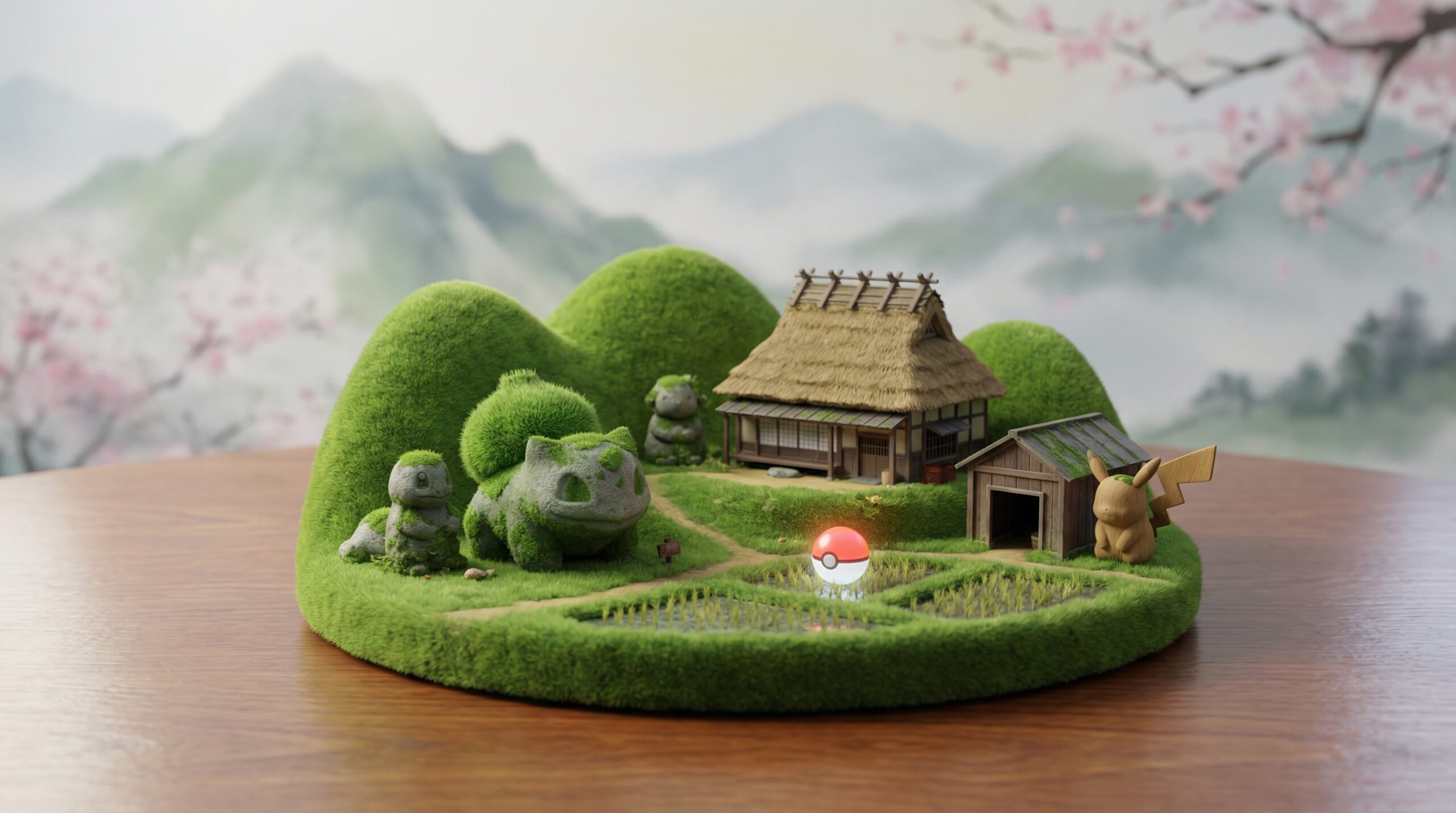
What’s up, fellow adventurers! Li Wei here, and let’s get real for a sec. If you grew up with a Game Boy in hand, you know the feeling. That electric thrill of stepping into tall grass, the iconic music shift, the screen flashing—a wild Pokémon appeared! We’ve all dreamed of our own Pokémon journey, of leaving Pallet Town with a trusty partner, ready to explore forests, mountains, and mysterious caves. But what if I told you that vibe, that pure, uncut feeling of discovery, isn’t just confined to a cartridge? No cap, it’s out there, waiting for you in the Japanese countryside, the inaka. Forget the neon hustle of Tokyo for a minute; we’re about to ghost the city and log into a real-world RPG. We’re talking ancient forests that feel like Celebi could pop out at any second, volcanic landscapes that scream Cinnabar Island, and coastal towns where you can almost hear the Magikarp splashing. This isn’t just a trip; it’s about activating your main character energy and finding those places where nature hits different, where every winding path feels like a new route to explore. It’s about catching a feeling, a moment, a memory—the ultimate shiny hunt. So, pack your bag, charge your phone (your modern-day Pokédex), and get ready. Your very own Pokémon adventure is loading. Peep this map of Yakushima Island to get a taste of the legendary-tier locations we’re talking about. This place is straight out of a Ghibli movie, which is basically the highest compliment you can give a forest, you know?
If you’re looking to keep that retro pixelated feeling alive even after your countryside adventure, be sure to explore Japan’s vibrant dot art scene.
The Vibe Check: What Makes a Place Feel Like a Pokémon World?
Before we explore specific locations, let’s first break down the aesthetic. What exactly are we seeking? It’s more than just scenic beauty—it’s an entire mood, an atmospheric blend that instantly transports you into the game world. It’s a multi-sensory experience that makes you feel like the hero of an epic quest. When you encounter it, you just know. It’s an IYKYK moment, but I’m here to share the secret recipe. It’s about recognizing the patterns and elements game designers pulled from the real world, especially from Japan’s rich natural and cultural heritage. Grasping these core components is like obtaining the Town Map early on—it helps you see the bigger picture and navigate your journey with purpose.
Beyond the Pixels: It’s All About the Biomes
First, diverse biomes are essential. Pokémon games are famous for their unique environments, and Japan is essentially a real-world version of that. You have dense, sprawling forests reminiscent of Viridian Forest or Eterna Forest—towering trees that block the sunlight, moss-covered ground, rustling creatures in the shadows, and a faintly mystical, eerie vibe. Then, there are the majestic mountains, the real-life counterparts to Mt. Moon and Mt. Coronet. These spots feature winding, challenging trails, sudden weather shifts, hidden caves, and stunning summit views that give a real sense of accomplishment. The air is thin, the winds fierce, and conquering these heights feels genuinely rewarding. Don’t forget the dramatic coastlines, with rugged cliffs, secret coves, and crashing waves that evoke routes to Cinnabar Island or the shores of Hoenn. Here, you can imagine spotting a Lapras on the horizon or discovering a rare water-type Pokémon in a secluded tide pool. And volcanic regions, too—steaming vents, sulfur scents, and bubbling hot springs create fire-type habitats that feel ancient and alive, like the earth itself is breathing. Japan’s vast variety means you can move from lush forests to volcanic valleys within a day. This shift, that sense of entering a new ‘level’ with its distinct look and atmosphere, is core to the Pokémon exploration experience. Each biome has its own color scheme, natural soundtrack, and unique set of potential ‘encounters.’
The Local ‘Starters’: Encountering Japan’s Real Wildlife
A Pokémon world wouldn’t be complete without its creatures, right? While you won’t be tossing Poké Balls, experiencing real-life wildlife encounters is arguably even more magical. Japan’s fauna inspired countless designs. In the mountains around Nagano, you’ll find Japanese macaques—snow monkeys lounging in hot springs, their red faces and playful personalities reminiscent of Mankey and Primeape. They’re social, intelligent, and endlessly captivating. Then there are the Sika deer in places like Nara and Miyajima, comfortable around humans and roaming freely as if they own the land. Their gentle, graceful presence channels pure Sawsbuck or Deerling vibes, especially as their coats shift with the seasons. If you’re lucky enough to explore Japan’s remote rivers, you might spot the Japanese giant salamander—a real-life Slowpoke or Quagsire, a massive, ancient amphibian that looks like it stepped out of a fantasy world. It’s rare and protected, so encountering one feels like finding a legendary Pokémon. In Hokkaido, you enter Ursaring and Beartic territory inhabited by the Ussuri brown bear and the majestic Steller’s sea eagle—powerful, top-tier creatures that command respect. The key is to see these animals not just as wildlife, but as the living soul of the landscape—the heart-pounding moments when you round a corner and discover something extraordinary and unique.
Shrines as PokéStops and Onsen as Healing Centers
Now let’s translate game mechanics into real life. The journey isn’t just about wild areas; it also includes points of interest that support your quest. In Pokémon, there are PokéStops to restock and Pokémon Centers to heal your team. In rural Japan, ancient Shinto shrines and Buddhist temples perfectly fill those roles. Nestled in forests, on mountainsides, or by the sea, these sacred places offer peace and reflection. Discovering a weathered torii gate deep in the woods feels like uncovering a hidden landmark. You sense the history and spiritual energy. These shrines often honor local deities or nature spirits (kami), echoing the legendary and mythical Pokémon that guard their realms. You can make an offering, draw a fortune (omikuji), or simply soak in the serene atmosphere. It’s a moment to recharge your spirit. And after a long day of hiking—aka grinding and leveling up—what’s the ultimate healing spot? An onsen, a natural hot spring. Bathing in mineral-rich, geothermally heated water is the real-world equivalent of Nurse Joy’s care, soothing tired muscles, calming the mind, and preparing you for the next day’s adventure. Many rural inns (ryokan) are centered around these hot springs, offering a fully restorative experience. These cultural anchors elevate a simple nature trip into a full RPG-like journey, providing structure, lore, and recovery mechanics for your real-life quest.
Levelling Up Your Itinerary: Top Regions for Your Pokémon Journey
Alright, you’ve got the theory down and know the vibes to look for. But where do you actually go? Where are the real-life Kanto, Johto, and Hoenn regions hiding? Japan is full of potential, yet some areas capture that ‘Pokémon’ essence with a bit more flair. These are the places where biomes are epic, wildlife thrives, and the sense of adventure is off the charts. Think of this as your guide to picking a starting region. Each has its own unique challenges, rewards, and legendary encounters waiting for you. Get ready to mark your map.
The Classic Kanto Experience: Hakone and the Izu Peninsula
For a classic, Kanto-style journey easily reachable from Tokyo, Hakone and the Izu area are unbeatable. It offers a perfect blend of volcanic mountains, serene lakes, ancient forests, and a breathtaking coastline. Imagine Route 1, Viridian Forest, Mt. Moon, and Cinnabar Island fused into one incredible region. It’s an ideal ‘first gym’ challenge for aspiring trainers.
Hakone’s Volcanic Landscapes and Enigmatic Lakes
Hakone sits within the caldera of a massive volcano, where geothermal energy is palpable. Your first stop should be Ōwakudani, or the “Great Boiling Valley.” This spot is literally the home turf of Weezing and Koffing, with yellow sulfur vents, steaming vapors, and the unmistakable scent of sulfur filling the air. It feels almost otherworldly. Don’t miss out on the famous black eggs (kuro-tamago) boiled in the hot springs, said to add seven years to your life. Then head down to Lake Ashi, a stunning crater lake with iconic views of Mount Fuji on clear days and the red torii gate of Hakone Shrine standing in the water. It’s a magical, vast lake where you could easily picture a Gyarados or Dratini lurking below. You can take a pirate-ship-themed sightseeing cruise—somewhat kitschy but adds to the fun, RPG side-quest atmosphere. The surrounding forests are crisscrossed by ancient trails like the Old Tokaido Highway, where stones worn smooth by centuries of travelers give a deep sense of journeying through a land rich in history and nature, just like in the games.
Izu’s Coastal Trails and Secret Coves
South of Hakone lies the Izu Peninsula, perfect for a coastal adventure. Its dramatic, wild coastline features the Jogasaki Coast, formed by a volcanic eruption thousands of years ago. Here, jagged lava-rock cliffs are battered by the Pacific Ocean. Walking its trail, with stunning views and a thrilling suspension bridge over a churning inlet, feels like navigating a perilous seaside route en route to the next gym. Spend hours exploring tide pools in search of small marine creatures—your real-life Krabby and Staryu. The peninsula boasts sandy beaches and secluded coves ideal for summer swims, capturing that classic vibe of ‘discovering a secret beach’ from the games. Inland, natural wonders like the Jōren Falls—a stunning waterfall surrounded by lush greenery and wasabi farms—add to the landscape’s charm. The mix of fire and water shapes a geography perfect for exploration. Driving the winding coastal roads, ocean on one side and mountains on the other, offers peak main character energy as you prepare for an epic Pokémon League showdown.
The Ancient Woodlands of Johto: Yakushima Island
For a place that feels truly ancient, mystical, and charged with legendary grass-type energy, Yakushima is your destination. This subtropical island south of Kyushu is a UNESCO World Heritage site and a living, breathing forest rather than just a destination. The vibe here transcends a journey, inviting you into a sacred realm—the real-world counterpart of Ilex Forest or the mythical forests where you find Pokémon like Celebi. The air feels different—heavy with moisture, life, and millennia of history.
Princess Mononoke’s Realm is Basically Celebi’s Forest
Yakushima is renowned for its ancient cedar trees, the Yakusugi, some thousands of years old. Hiking through the Shiratani Unsuikyo ravine, which inspired Studio Ghibli’s Princess Mononoke forests, is transformative. The vibrant carpet of over 600 moss species covers everything in an almost psychedelic green. Light filters through the dense canopy, creating ethereal beams through the mist. Silence reigns, broken only by dripping water and birdsong. Time seems to stand still. Winding trails, moss-covered wooden bridges over crystal-clear streams, and massive tree roots create a magical labyrinth where you might expect forest spirits, or kodama, to peek from behind the trees. It’s the ultimate grass-type sanctuary, where the forest’s life force envelops you, offering a deeply humbling, spiritual connection to nature unlike anything you’ve experienced.
The Local Crew: Yakuzaru Monkeys and Yakushika Deer
Yakushima hosts unique subspecies evolved in isolation, such as the Yakushima macaques (Yakuzaru) and Yakushima Sika deer (Yakushika). What’s astonishing is their symbiotic relationship: monkeys often ride on the deer’s backs as the deer benefit from eating fruit dropped by monkeys. It’s a natural partnership that feels straight out of Pokémon lore. These animals are the island’s true inhabitants; seeing them in their ancient habitat deepens the sense of visiting a sacred world. They embody the forest’s wild spirit, guardians of the land. Watching a tiny Yakushika fawn cautiously step through the mossy undergrowth is pure magic. These encounters make Yakushima feel less like a tourist spot and more like a living ecosystem that you have the privilege to witness.
Hoenn’s Tropical Paradise: The Islands of Okinawa
Ready to swap hiking boots for fins? Head to Okinawa, Japan’s answer to the Hoenn region—a chain of subtropical islands with distinct culture, turquoise waters, and lush jungles bursting with unique life. The vibe here is laid-back, vibrant, and soaked in sun-drenched adventure. It’s the place to train water-types and explore some of the world’s most stunning marine environments. Warm air, amazing food, and a slower pace make it a realm apart from mainland Japan.
Yanbaru National Park: A Jungle Full of Surprises
Northern Okinawa island hosts Yanbaru National Park, a dense subtropical rainforest—the classic jungle level. The humidity hits you as you step under canopies of giant ferns and evergreen trees. The air is alive with insect choruses and strange bird calls. This biodiversity hotspot shelters many endemic species, including the Okinawa Rail, a flightless bird with bright red legs and a sharp beak—like a rare live Pokémon, and spotting one is a major accomplishment for nature lovers. Hiking here feels like a true expedition, crossing rivers, navigating muddy paths, and keeping an eye out for unique flora and fauna. The sense of isolation and wilderness is strong, worlds away from the sunny resorts and beaches to the south.
Diving into the Blue: Kerama Islands’ Coral Reefs
A short ferry ride from Okinawa’s main island, the Kerama Islands are a national park and aquatic paradise. This is where your ultimate water-type Pokémon dreams come true. The water, famously called “Kerama Blue,” is incredibly clear and vibrant. Snorkeling or diving immerses you in a colorful underwater world filled with fish of every shape and size—clownfish hiding in anemones, graceful sea turtles (real-life Tirtouga or Carracosta), and maybe even a manta ray if luck is on your side. It’s a silent, beautiful underwater realm. Floating above coral gardens and watching marine life’s intricate dance creates core memories and highlights the planet’s incredible biodiversity. Far more than a fun activity, it’s an encounter with a new biome as rich and complex as any forest or mountain.
Sinnoh’s Majestic North: Hokkaido’s Wilderness
For the final leg, journey to Japan’s far north—the wild, untamed frontier of Hokkaido. This is the Sinnoh region: vast open spaces, harsh winters, and powerful nature on a grand scale. Mountains are rugged, forests immense, wildlife formidable. It’s where you face end-game challenges, experience nature’s raw power, and meet some of Japan’s most iconic creatures. Here, respect for the land is essential, and rewards come as unforgettable experiences.
Shiretoko National Park: Where the Titans Roam
Shiretoko National Park, one of Japan’s most remote and pristine areas, juts into the Sea of Okhotsk and is a UNESCO World Heritage site. The Ainu indigenous people call it Sir Etok, or “the end of the earth”—and it truly feels that way. This is brown bear country, with one of the world’s highest brown bear densities. A wildlife cruise along the coast is the safest way to see these powerful, real-life Ursarings foraging or climbing cliffs. It’s awe-inspiring and humbling. The park also hosts sperm whales, orcas, and a rich variety of seabirds, including Steller’s sea eagle, which winters here. Nature here is raw and untamed, for serious adventurers eager to witness the wild’s grand drama. The scale and strength of the landscape and creatures make you feel marvelously small.
The Mystical Lakes of Akan Mashu National Park
Nearby, Akan Mashu National Park features three spectacular caldera lakes, each with its own character. Lake Mashu is famed as one of the world’s clearest lakes but is often shrouded in thick, mysterious fog, evoking ghost and psychic-type vibes. When the fog lifts, the deep blue water is breathtaking. Sacred to the Ainu, it radiates mystical energy. Lake Akan hosts marimo, rare algae that form green spheres—strange, protected, otherworldly organisms that feel like real-life Oddish or Gloom. The third, Lake Kussharo, is Japan’s largest caldera lake and boasts its own mythical monster, “Kusshie.” This region blends stunning natural beauty and local folklore, creating a layered experience akin to uncovering Sinnoh’s deep lore.
Trainer Tips: How to Be the Very Best Tourist
Alright, you’re pumped. You’re ready to book your flight and kick off your adventure. Bet. But a true Pokémon Master understands that the journey is about more than just visiting new places; it’s about growing, learning, and showing respect for the world around you. Being a good traveler is like being a good trainer—it demands preparation, respect for the environment, and a willingness to engage with the local culture. Here are some pro tips to ensure your journey is legendary for all the right reasons.
Packing Your Adventure Bag
Your bag is your lifeline on the road, so pack wisely. Don’t be the person who shows up to a mountain hike in flip-flops. First and foremost, good shoes are a must. Invest in a comfortable, sturdy, and waterproof pair of hiking boots. Your feet will thank you. Layers are key. Weather in the Japanese mountains and countryside can change quickly. Bring a lightweight waterproof jacket, a warm fleece or mid-layer, and breathable shirts. That way, you can easily adjust to everything from a sunny afternoon to an unexpected downpour. Pack a reusable water bottle to stay hydrated and cut down on plastic waste. A portable power bank is crucial for keeping your phone—your camera, map, and Pokédex—charged. While you’re at it, consider bringing a small field guide for local birds or plants. It adds a fun, educational twist to your explorations, helping you identify the “wild Pokémon” you encounter. Don’t forget a small first-aid kit with essentials like bandages, antiseptic wipes, and blister treatment. Lastly, learn a few basic Japanese phrases: “Konnichiwa” (hello), “Arigatou gozaimasu” (thank you), and “Sumimasen” (excuse me/sorry). They go a long way in showing respect and making connections.
Respecting the Habitat: Leave No Trace, Fam
This is the most important rule of all. The beautiful places we’ve talked about are delicate ecosystems. As visitors, it’s our duty to protect them. The golden rule is Leave No Trace. This means packing out everything you bring in—every snack wrapper, every plastic bottle, everything. Trash cans are often absent on hiking trails, so carry a small bag to hold your garbage until you find a proper disposal spot. Stick to marked trails. Wandering off the path can harm fragile plants and accelerate soil erosion. And please, for the love of Arceus, don’t feed the wildlife. It harms their health, makes them reliant on humans, and can provoke aggressive behavior. Observe animals from a respectful distance. Remember, you’re a guest in their home. Think of it this way: a true Pokémon trainer would never damage the natural habitat where their cherished partners live. They’d protect it. That’s the mindset we need to bring to our travels. Be a guardian, not just a tourist.
Catching the Local Flavors, Not Just the Views
A major part of any RPG is interacting with NPCs and exploring local towns. Don’t just rush from one nature spot to another. Take time to explore the small villages and towns in the countryside. This is where you’ll discover the true heart of Japan. One of the best ways is through food. Skip convenience store meals and seek out local restaurants serving kyōdo ryōri, or regional cuisine. Each area boasts specialties made with fresh, local ingredients. It’s a delicious way to connect with the culture and support the local economy. Instead of staying at big hotel chains, consider booking a ryokan (traditional Japanese inn) or a minshuku (family-run guesthouse). These options offer a more authentic experience. You might sleep on a futon on tatami mats, enjoy a homemade Japanese breakfast, and even chat with the owners. These are the “NPCs” who can offer the best side quests—tips on hidden gems, local stories, and a genuine look into life in rural Japan. This is how you turn your trip from a checklist of sights into a rich, immersive story.
The Journey Continues: It’s Not the Destination, It’s the Grind
So there you have it—a guide to discovering that elusive, magical Pokémon vibe deep in the heart of Japan. But here’s the real secret: it’s not confined to Hakone, Yakushima, or Hokkaido. It’s a mindset. It’s about seeing the world through eyes filled with wonder and a spirit eager for adventure. It’s the excitement of choosing an unknown path, the quiet pleasure of watching a deer in the forest, the fulfillment of reaching a summit after a tough climb. It’s about being present, respectful, and open to whatever the journey brings your way. The places I’ve mentioned are fantastic starting points, your “Route 1” into a much broader world. But the true magic begins when you discover your own hidden groves, secret beaches, and favorite onsen towns. Your personal Pokémon adventure is waiting for you. It’s about embracing that main character energy, stepping beyond your comfort zone, and realizing that the greatest adventure is the one you create. The world is your map—go explore.