Yo, let’s talk about Japan. When you picture it, you’re probably thinking neon-drenched Tokyo streets, serene Kyoto temples, maybe even a bowl of ramen that’s about to change your life. And yeah, that’s all legit. But what if I told you there’s a whole other side to Japan? A place where the pace slows to a crawl, the air is thick with the scent of saltwater and hibiscus, and the color palette shifts from city gray to every shade of impossible blue. Welcome to Okinawa, fam. This isn’t just an island; it’s an entire archipelago of pure, unadulterated tropical bliss, floating in the East China Sea. It’s Japan’s getaway, its Hawaii, its Caribbean, all rolled into one. And the main event, the reason people fly from all corners of the globe to be here, is hiding just beneath the waves. The underwater world of Okinawa is straight-up legendary. It’s a psychedelic dreamscape of vibrant coral, shimmering schools of fish, and ancient sea turtles gliding through water so clear it feels like you’re flying. Forget everything you thought you knew. We’re about to trade the bullet train for a dive boat and discover a side of Japan that will absolutely blow your mind. This is where the adventure really begins.
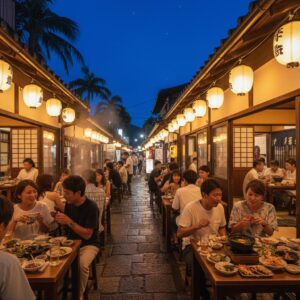
After exploring the underwater wonders, you can continue the adventure by experiencing Japan’s vibrant nightlife from a seaside bar.
Why Okinawa is Straight-Up Legendary for Water Babies
So what’s the secret ingredient? Why does Okinawa’s ocean scene feel on a whole different level? It all begins with something called the Kuroshio Current. Imagine it as a vast, warm-water river flowing through the ocean, starting near the Philippines and passing by Japan. This current acts like a life-sustaining conveyor belt, delivering warm, nutrient-rich water to the Ryukyu Islands—the official name for the Okinawan archipelago. This warm water is crucial. It sets the ideal environment for one of the world’s most spectacular coral reef ecosystems to flourish. We’re talking over 400 species of coral, forming intricate, expansive underwater cities that shelter thousands of marine life species. The clarity of the water also plays a big role in the allure. On a clear day, you can see 30 to 40 meters ahead—like swimming in liquid air, an endless blue expanse where the only limit is your sense of wonder. But it’s more than just biology and oceanography. The sea is the heart and soul of Okinawa. For centuries, the islands were the center of the Ryukyu Kingdom, a proud maritime nation trading with China, Southeast Asia, and mainland Japan. The ocean was their highway, their source of nourishment, their guardian. This deep-rooted cultural bond to the sea remains tangible today. You can sense it in the relaxed, go-with-the-flow vibe called “Uchinaa time,” or Okinawan time. You can hear it in the soulful tunes of the sanshin, a three-stringed instrument whose melody often drifts on the sea breeze. When you immerse yourself in Okinawan waters, you’re not just entering a stunning environment; you’re connecting with a culture that has revered the ocean for generations. It’s a profound, almost spiritual experience that lingers long after you’ve dried off.
The Main Squeeze: Okinawa’s Top Dive and Snorkel Zones
Alright, let’s dive into the best part. Where exactly should you go to experience this magic? Okinawa is a chain of islands, each with its own unique character and special underwater wonders. You could spend a lifetime exploring and still not discover everything, but there are a few must-visit spots that you simply can’t miss. Whether you’re an experienced diver with hundreds of dives logged or a complete beginner who’s never worn a snorkel mask, there’s a place that’s perfect for you.
The Kerama Islands: Truly Postcard-Perfect
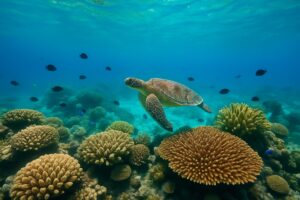
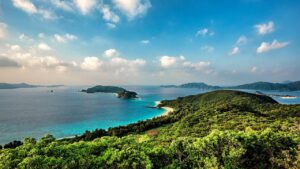
If you’ve seen a stunning photo of Okinawa’s water, chances are it was taken in the Kerama Islands. This group of about 20 islands, just a short ferry ride from Naha, the capital of the main island, is a designated national park—and for good reason. The water here is famously called Kerama Blue, a shade so vivid and radiant it almost seems unreal. The main islands to visit are Tokashiki, Zamami, and Aka. Each has its own appeal, but all share world-class snorkeling and diving. The true highlights are the sea turtles. Green and hawksbill turtles live here year-round, and on nearly every snorkel or dive trip, you’re virtually guaranteed to encounter these graceful, ancient creatures. Watching them glide serenely through the water while nibbling on seagrass is an unforgettable experience. For divers, spots like Gishippu Island boast stunning coral gardens teeming with angelfish, butterflyfish, and the ever-popular clownfish nestled in their anemone homes. The vibe here is all about relaxation. The islands are sparsely populated, with small villages, quiet beaches, and a laid-back pace that makes the main island feel bustling by comparison. The best way to visit is to catch an early high-speed ferry from Tomari Port in Naha. You can do a day trip, but staying overnight for a night or two is the ultimate move. It lets you enjoy the sunset, admire the starry night sky, and get in the water before the day-trippers arrive. Summer offers the calmest seas, but visiting in winter (January to March) has a major perk: humpback whales. The Keramas are their breeding ground, and whale-watching tours let you witness these magnificent giants breaching and playing.
The Blue Cave, Onna Village: Bring Your Insta Game
Prepare yourself for one of the most surreal experiences you’ll ever have. Situated on the main island in the resort area of Onna, the Blue Cave (also known as Maeda Point) is one of Okinawa’s most famous and popular spots. Yes, it can get really crowded, but it’s something you have to see to believe. The cave is a sea-carved grotto, but the real magic comes from the light. Sunlight enters through an underwater opening in the cave floor and reflects off the white sand, lighting up the entire space with an ethereal blue glow. Swimming into that blue feels like stepping into another dimension. Your skin, your fins, the fish around you—all are bathed in this stunning cobalt light. It’s an epic photo opportunity and a truly unforgettable sensory experience. Because it’s so accessible, it’s a hotspot for beginner dives and snorkeling tours. No experience required. Tour operators provide all the gear and guide you safely into the cave. Timing is key to enjoy the Blue Cave. Tour groups start arriving in waves around mid-morning, so booking the earliest tour gives a more serene and personal experience. Watching the cave light up as the sun rises is magical, and you’ll share the moment with far fewer people. Access is via a long set of stairs down a cliff or a short boat ride from a nearby port. The boat ride is often easier and offers nice views of the coastline. Just be ready for the crowds and embrace it as part of the experience; the reward is a glowing memory.
Ishigaki & The Yaeyama Islands: The Wild Side
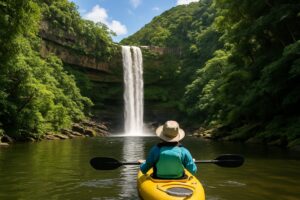
If the main island is the introduction, the Yaeyama Islands are the deep dive. This archipelago, including Ishigaki, Iriomote, and Taketomi, is Japan’s southernmost and westernmost region. It feels wilder, more remote, and ripe for adventure. You’ll need to fly here, usually into Ishigaki Airport, but the trip is absolutely worth it. The undisputed star of diving in the Yaeyamas is the manta ray. Ishigaki’s Kabira Bay hosts the famous Manta Scramble dive site—a cleaning station where giant manta rays, with wingspans over four meters, gather to have smaller fish remove parasites. Divers descend to the sandy bottom, find a spot, and watch the spectacle. Seeing these majestic, gentle giants glide gracefully overhead is a bucket-list experience for any diver. It’s truly humbling. Beyond the mantas, the coral reefs here are some of Japan’s healthiest and most colorful. The Sekisei Lagoon, Japan’s largest coral reef, is a kaleidoscope of hard and soft corals. Iriomote Island, mostly dense jungle and mangroves, offers a different kind of adventure, with rivers to kayak and waterfalls to explore when you’re not in the ocean. The vibe here is rugged and untamed. It’s for travelers looking to venture off the beaten path. You can base yourself in Ishigaki and take day trips to the other islands or fully immerse yourself by staying on one of the smaller, quieter islands. It’s a commitment, but the reward is raw, untouched nature both above and below the water.
Miyako Island: For Topography Enthusiasts
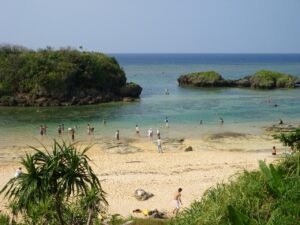
While other islands are famous for their colors and marine life, Miyako Island and its surrounding islets are renowned for their terrain. This is the destination for divers who enjoy exploring unique underwater landscapes. Think dramatic drop-offs, massive archways you can swim through, and intricate cave and cavern systems resembling submerged cathedrals. The geology here is truly remarkable. Visibility around Miyako is famously incredible, often reaching 30 to 40 meters. It’s so clear, it can be disorienting in the best way. Famous dive sites like “Maou no Kyuden” (The Devil’s Palace) and “Toriike” (Passing Pond) are not for the faint-hearted but offer some of Japan’s most exhilarating diving. You’ll navigate dark tunnels that open into massive chambers, with beams of light piercing the darkness from above. It’s technical, awe-inspiring, and an adventure from start to finish. Of course, there’s plenty for snorkelers and less experienced divers too. Miyako is fringed by some of Japan’s loveliest beaches, such as Yonaha Maehama, with its seven kilometers of pristine white sand, and Yoshino Beach, where you can snorkel right from the shore amid dense coral reefs and friendly fish. Miyako has a more polished, resort-style vibe compared to the Yaeyamas but still retains a relaxed island charm. It’s the perfect mix of high-adventure diving and quality relaxation.
Getting Your Feet Wet: A Noob’s Guide to Okinawan Waters
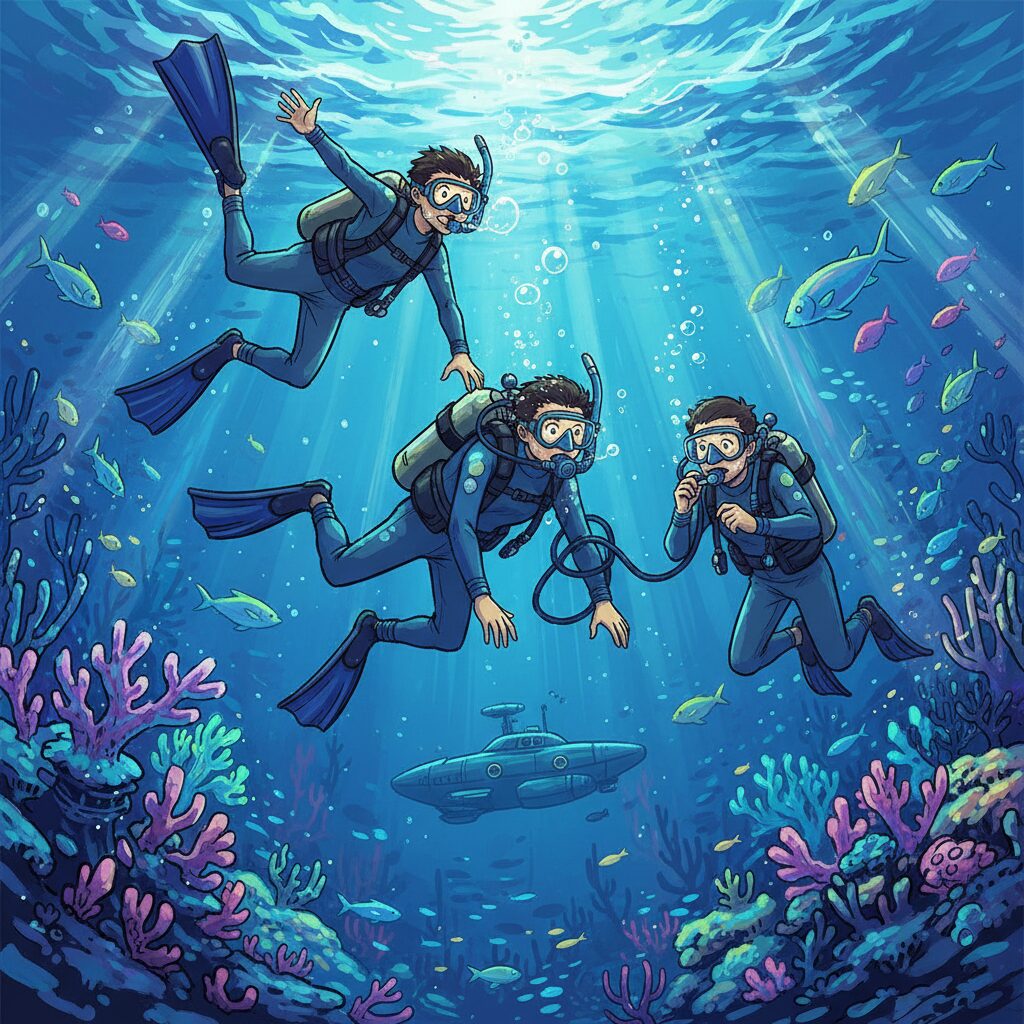
Feeling drawn to the vast blue but worried you lack the skills? Relax. Okinawa is one of the best places worldwide for beginners. The local industry focuses on making the ocean accessible to everyone in a safe and easy way. You definitely don’t need to be a certified expert to enjoy an amazing underwater adventure.
You Don’t Have to Be a Pro, Fam
The key phrase to know is “taiken diving,” which means “experience diving.” This program is made for complete beginners. No PADI license or prior experience is required. It starts with a thorough briefing on land covering equipment basics, breathing techniques, and essential hand signals. Then, in shallow water, a certified instructor will guide you every step of the way. They’ll be with you throughout the dive, often literally holding onto your tank or hand, managing your buoyancy and ensuring your complete safety and comfort. All you need to do is breathe and admire the stunning fish. It’s the perfect way to literally test the waters and see if diving suits you. For those not ready to dive fully, guided snorkeling tours are widely available. They provide all the necessary gear—mask, snorkel, fins, and a life vest for extra buoyancy—and take you by boat to the best spots where reefs are shallow and fish abound. It’s zero stress, maximum fun.
The Details: Booking Your Adventure
While walk-in bookings can sometimes work out, it’s highly recommended to book your dive or snorkeling tour ahead of time. This is especially important during Japan’s busy travel periods: Golden Week (late April/early May), Obon (mid-August), and summer months of July and August. These times see a huge surge of domestic tourists, and slots fill up quickly. The good news is that most dive shops in popular areas like Onna, the Keramas, and Ishigaki have English-speaking staff and English websites. A quick Google search for “Okinawa English diving” will give you plenty of trusted options. When booking, make sure to confirm what’s included. Most tours cover gear rental, a guide, boat fees, and sometimes lunch and hotel pickup. Prices vary, but as a general guide, expect around 10,000 to 15,000 yen for a two-tank fun dive for certified divers, and a similar price for an introductory taiken dive. Snorkeling tours are usually a bit cheaper, often between 6,000 and 9,000 yen. Don’t hesitate to email a few shops to compare prices and find one that fits your vibe.
What to Bring for Your Ocean Day
Your tour operator will supply the main gear, but a few personal items will improve your experience. First and foremost: reef-safe sunscreen. The Okinawan sun is intense, and standard sunscreens contain chemicals like oxybenzone that harm coral reefs. Do your part to protect what you’ve come to see. A long-sleeved rash guard is also a smart choice. It offers excellent sun protection in the water, so you don’t have to keep reapplying sunscreen, and provides some defense against possible jellyfish stings. An underwater camera, such as a GoPro, or a waterproof phone pouch is essential. The underwater views are too spectacular not to capture. If you’re prone to seasickness, take medication before boarding the boat. Ferry rides and dive boats can get choppy, and you don’t want nausea to spoil your day. Lastly, bring a towel, a change of clothes, and some cash for small purchases or tips. Most shops handle everything else.
Beyond the Reef: The Okinawan Vibe
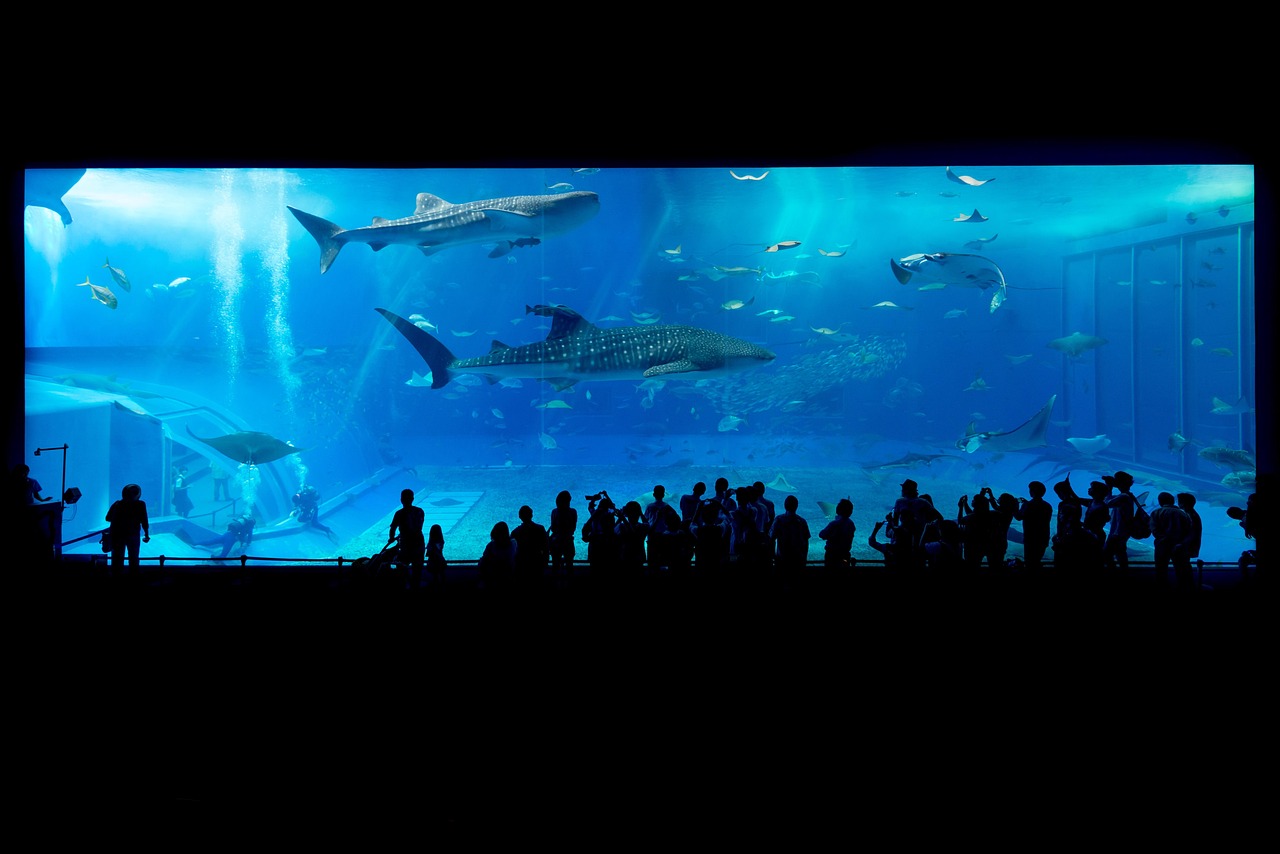
Your connection to Okinawa’s ocean doesn’t end once you leave the water. The sea influences every part of life here. The ideal post-dive ritual is to find a small, local shokudo (diner) or izakaya (pub) near the port. There, you can enjoy a cold Orion beer—the local brew—and refuel with some amazing Okinawan cuisine. Be sure to try goya champuru, a stir-fry made with bitter melon, tofu, egg, and pork, which is considered the quintessential Okinawan soul food. The sea’s influence is also evident on your plate. Seek out umibudo, or “sea grapes,” a distinct type of seaweed that resembles tiny green caviar and bursts with salty flavor in your mouth. The fresh sashimi is, of course, exceptional. This deep connection is also seen in local traditions. If you visit during summer, you might witness a Hari boat race, an exciting competition where teams paddle long, dragon-shaped boats in a festival praying for safe voyages and abundant catches. This tradition dates back centuries to the Ryukyu Kingdom. Even modern attractions honor the sea. The Churaumi Aquarium, one of the world’s largest and most impressive aquariums, is a must-visit. Its vast Kuroshio Sea tank, home to giant whale sharks and manta rays, is a captivating sight. It functions not only as an attraction but also as an important research and conservation center, dedicated to protecting the fragile marine ecosystems you’ve just explored. Spending a day on land, enjoying the food and learning about the history, gives you a deeper appreciation for the underwater world. You begin to realize the reef is not just a playground; it’s the heart of a culture, a source of life, and a precious treasure that the Okinawan people take pride in sharing.
The Final Splash: Go Make Some Memories
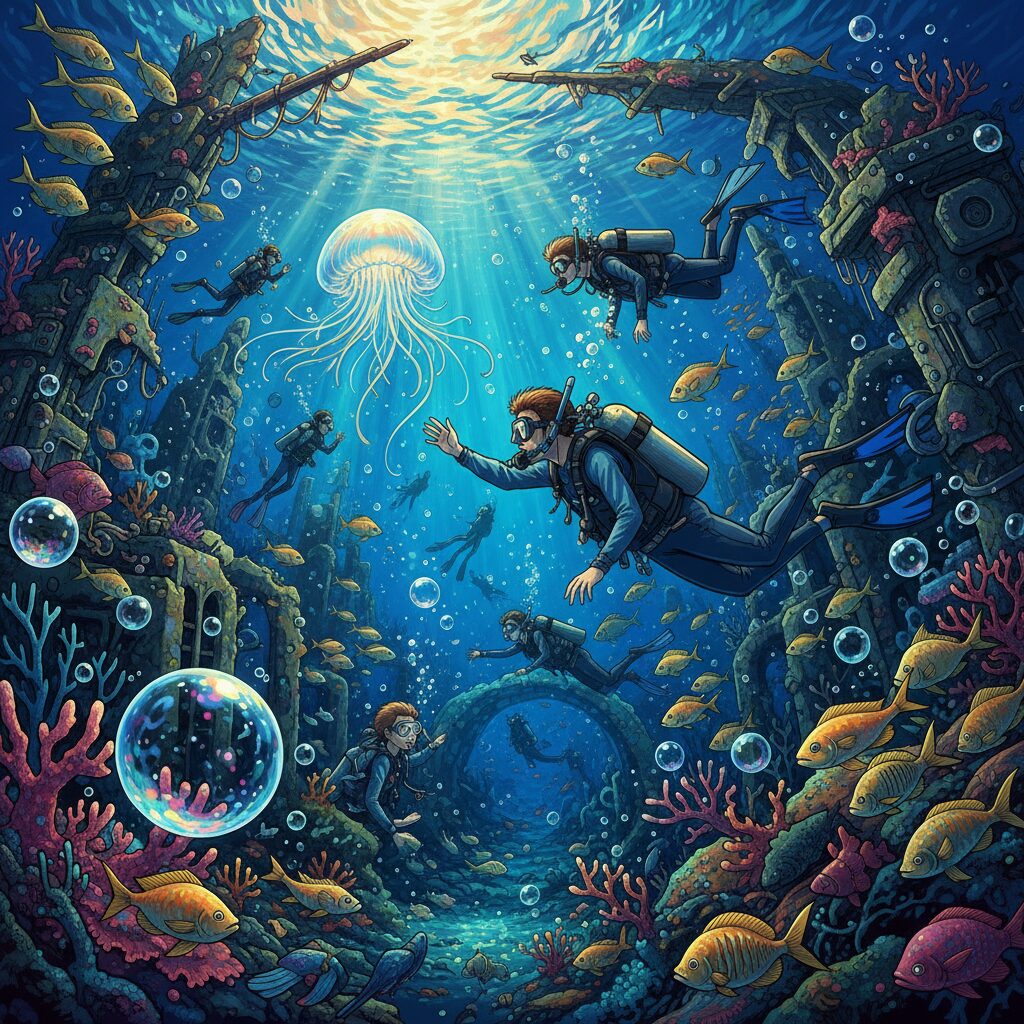
So here it is: Okinawa is calling. It’s more than just a destination for diving or snorkeling; it’s a chance to unplug from the chaos and reconnect with the simple, profound beauty of nature. It’s the warmth of the sun on your skin after a long dive, the salty taste on your lips, the gentle sound of waves soothing you into complete tranquility. It’s the excitement of spotting a majestic manta ray glide by or the quiet joy of watching a tiny clownfish darting in and out of its anemone home. When you’re floating weightlessly in that surreal Kerama Blue, surrounded by vibrant life and color, the stresses of everyday life simply dissolve. You’re left with a sense of awe and deep gratitude for this incredible planet we call home. So pack your bags, book your flight, and get ready to dive in. Be a respectful visitor—avoid touching the coral, use reef-safe products, and heed your guides. Leave this stunning place even better than you found it. Create memories that will last a lifetime. It’s an experience you’ll never forget. Trust me.