Yo, what’s the deal? Ryo Kimura here. Forget what you think you know about Japan for a sec. Ditch the neon-drenched scenes of Tokyo and the tranquil temples of Kyoto from your mind. We’re going way, way off the grid. Like, seriously off the beaten path. We’re talking about a place that’s 90% untamed subtropical jungle, a spot so wild it’s been dubbed the ‘Galapagos of the East.’ We’re dropping into Iriomote Island, the absolute gem of Okinawa’s Yaeyama archipelago. This isn’t your average island getaway; it’s a full-blown expedition into the heart of a UNESCO World Natural Heritage Site. The main event? A legendary combo of jungle kayaking through ancient mangrove forests and trekking to waterfalls so ridiculously stunning they look like they’ve been ripped straight from a fantasy movie. This is the kind of trip that gets your heart pumping and your soul buzzing. It’s raw, it’s real, and it’s a vibe you won’t find anywhere else in the country. This is Iriomote, and trust me, it’s about to become your new obsession. Get ready to disconnect from the noise and plug into nature’s mainframe, because this adventure is legit life-changing. No cap.
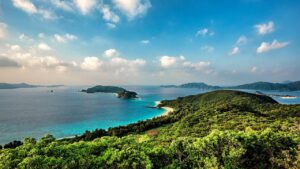
For a different kind of aquatic adventure, consider exploring the incredible diving spots in the nearby Kerama Islands.
The Vibe of Iriomote: More Than Just an Island
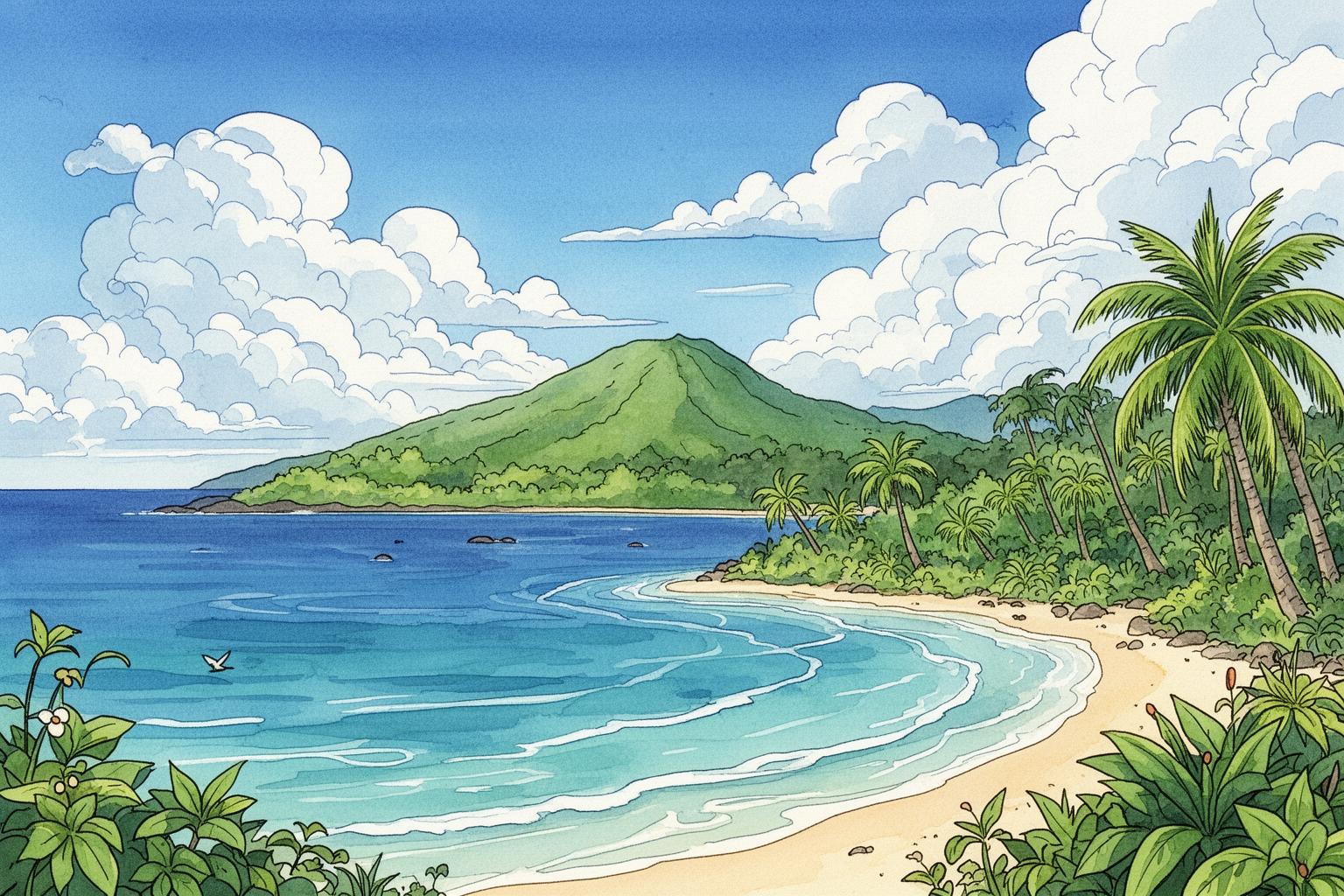
Before you even step into a kayak, you need to grasp the mood of this place. Iriomote feels different. From the moment you disembark the ferry from Ishigaki, the atmosphere shifts. It’s thick, humid, and alive with the buzz of countless cicadas and unseen creatures. The scent of damp earth, salt, and sweet, decaying flowers fills the air. This isn’t a manicured resort island; it’s a living, breathing ecosystem that barely tolerates human presence. The few small villages cling to the coastline, linked by a single road that doesn’t even circle the entire island because the interior is just too daunting. This is a place where nature rules, and we are merely temporary visitors. The UNESCO World Natural Heritage designation, shared with neighboring Amami Oshima, Tokunoshima, and northern Okinawa Island, isn’t just a prestigious title. It’s a commitment. It acknowledges the island’s incredible biodiversity and the vital importance of its ecosystems, which have evolved in isolation for millennia. This recognition carries a heavy responsibility, deeply felt by locals and visitors alike, to tread lightly and protect this wild paradise. The atmosphere here is one of deep respect and wonder. You’re constantly reminded of your insignificance in the face of such ancient, powerful nature. It’s genuinely humbling. Everywhere, signs urge you to drive slowly to protect the island’s most famous resident, the critically endangered Iriomote Yamaneko, or wildcat. The entire island runs on ‘shima jikan,’ or ‘island time’—a slower, more intentional pace that follows the tides and sun, not the clock. It compels you to slow down, observe closely, and listen intently. The true Iriomote experience is about shedding your city self and letting the jungle’s energy immerse you. It’s a complete system reboot.
Gearing Up for the Main Event: Kayaking the Mangrove Labyrinth
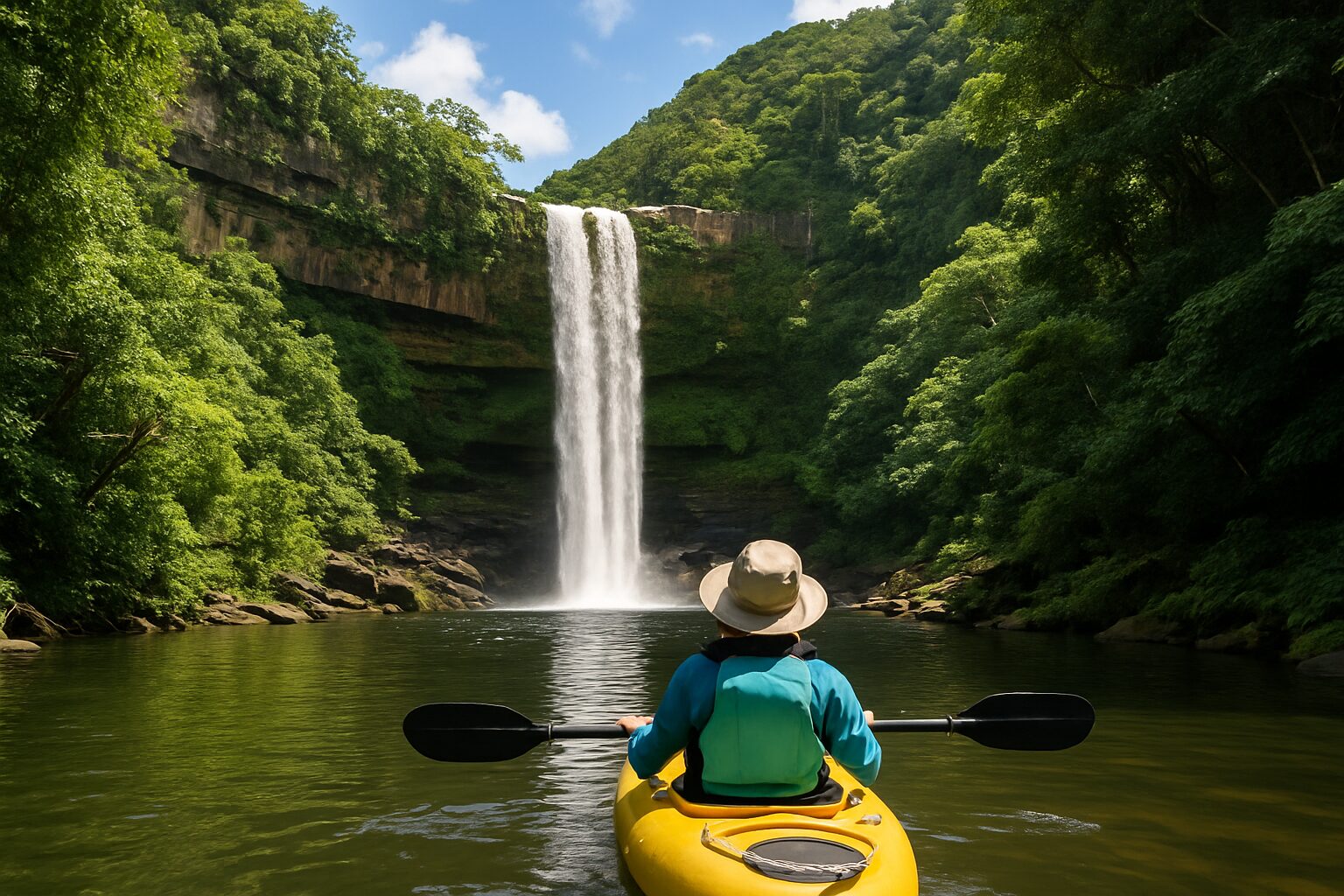
The quintessential Iriomote adventure starts on the water. The island is woven with dozens of rivers that flow from the mountainous interior to the sea, their estuaries hosting Japan’s most extensive and stunning mangrove forests. These aren’t merely trees growing in water; they form a complex, essential ecosystem that serves as a nursery for countless marine species and acts as a natural barrier against storms. Kayaking offers the perfect, low-impact way to immerse yourself in this environment. Most tours begin from either the Uehara or Ohara port areas, where you’ll meet your guide. These guides are the true heroes—they’re not just instructors but seasoned naturalists, storytellers, and stewards of the island. They know these rivers intimately, from the shifting tides to the best spots to spot a crested serpent eagle perched on a branch. After a brief safety briefing and an easy-to-learn paddling lesson suitable even for complete beginners, you’ll be fitted with a life vest, handed a paddle, and settle into your kayak. There’s a moment of wobbly uncertainty, then you push off the shore, and suddenly, you’re gliding. The transition from land to water feels seamless, and you’re instantly transported to another realm. The world quiets, replaced by the gentle splash of your paddle in the brackish water and the distant symphony of the jungle.
The Paddle Begins: Entering Another World
As you paddle away from the river’s mouth, the scenery changes dramatically. The open sky narrows, and the dense green walls of the mangrove forest close in around you. Rivers like the Pinaisara, Sangara, or Hinai become your wild highways. The water is often calm and mirror-like, reflecting the intricate tangle of roots and lush canopy above. It feels like paddling through a flooded forest, a surreal and fully immersive experience. The scale of it all is awe-inspiring. The silence is profound, but it’s not empty—it’s a living silence filled with the hum of insects, the splash of a jumping fish, and the occasional, piercing call of a bird. Your guide will often have you pause, letting the kayaks drift as they encourage you to listen deeply and absorb the environment. They’ll point out details you’d never notice alone: a tiny mudskipper basking on a root, a family of fiddler crabs waving their oversized claws, or subtle changes in the water signaling the tide’s shift. Paddling here is a meditative act. It’s rhythmic and requires gentle focus, making you more present and aware of your surroundings. You’re not just observing nature—you’re moving with it, becoming part of its flow. This offers a completely different perspective from hiking a trail. You’re at water level, looking up, feeling the gentle currents guide you deeper into the island’s heart.
Whispers of the Mangroves: The Ecosystem’s Low-Key Power
Let’s dive into why these mangroves are so impressive. They truly form the foundation of Iriomote’s coastal health. Your guide will likely point out the different mangrove species, each uniquely adapted to this salty, low-oxygen environment. You’ll spot the iconic stilt roots of the Yaeyama hirugi (Rhizophora stylosa), which raise the tree above the mud, resembling a spider on tiptoes. These roots create a dense, protective maze that dissipates wave energy and prevents coastal erosion. They also provide a sheltered nursery for juvenile fish, crabs, and shrimp, playing a crucial role for the surrounding coral reefs. Then there are the mehirugi (Kandelia obovata) and the ohirugi (Bruguiera gymnorhiza), each contributing to this intricate botanical community. The ecosystem is a masterclass in survival and symbiosis. As you paddle, you’re literally floating through the island’s lifeblood. The detritus from fallen leaves and branches sustains a rich community of microorganisms, which feed crabs and shrimp, which in turn feed fish and birds. It’s a perfectly balanced cycle of life, death, and renewal. Understanding this adds a new depth to the journey. You’re not just on a cool kayaking trip—you’re witnessing an ancient, powerful life force in action. It’s a subtle but remarkable display of Mother Nature’s strength, and it’s absolutely awe-inspiring.
From River to Ridge: The Trekking Glow-Up
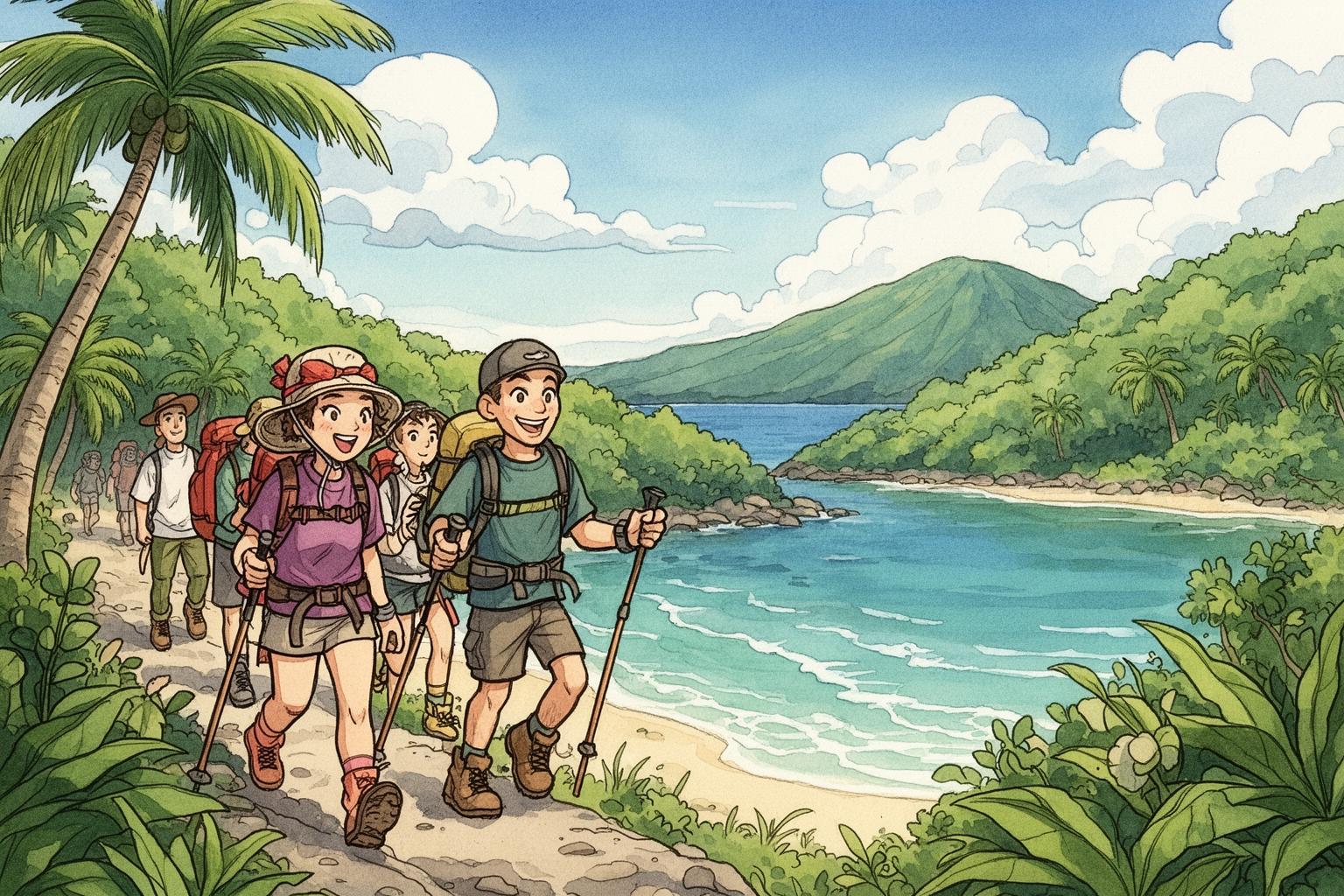
After an hour or two of peaceful paddling, your journey shifts. You’ll steer your kayak toward a makeshift landing on a muddy riverbank, often marked by little more than a rope tied to a tree. Here, the adventure intensifies. You swap your paddle for your own two feet, moving from the aquatic mangrove environment to the dense jungle’s terrestrial world. As soon as you step onto the trail, the atmosphere changes again. The air grows heavier, humidity clings to your skin, and the forest sounds deepen. The path ahead is seldom a clear, well-worn track. It’s a true jungle path—muddy, root-covered, and frequently challenging as it winds into the island’s interior. This is the trekking part of the tour, where you experience the raw, untamed spirit of Iriomote up close. It’s definitely physically demanding, but the reward at the end makes the sweat and mud worthwhile. This is the transformation from a calm cruise to a full-fledged expedition, and the sense of achievement is profound.
The Ascent: It’s a Jungle Out There
The trek overwhelms your senses in the best way. Your feet squish in the mud, you steady yourself on twisted roots and mossy rocks, and sometimes you rely on ropes anchored to the hillside to tackle steep or slippery sections. The jungle canopy is dense, allowing only scattered sunlight to dapple the forest floor, creating a mystical, almost prehistoric vibe. Everything here is giant-sized. Ferns unfurl in enormous spirals, some as tall as a person. You’ll spot the sakishima-suounoki, or Heritiera littoralis, famous for its massive buttress roots that spread across the ground like something out of a Tolkien story. These roots symbolize the island’s fierce typhoons, providing the trees stability against powerful winds. Your guide will be your lifeline, pointing out intriguing plants and creatures as you go. They might highlight a ‘strangler fig’ slowly encasing its host tree or a colorful beetle you’d otherwise miss. They’ll know which streams are safe to refill water and maintain a steady pace suited for the entire group. The physical effort bonds you to the environment in a primal way. You feel the incline in your legs, the sweat on your brow, and become acutely aware of the terrain below your feet. It’s a tough, yet incredibly fulfilling process that strips away distractions and immerses you fully in the wild beauty surrounding you.
Pinaisara Falls: The Epic Reward
After a tough trek, you begin to hear it—a faint, low rumble, barely distinguishable from the jungle’s hum. But as you draw near, the sound swells into a thunderous roar. Your guide points ahead, and through a break in the trees, you catch your first view of the prize: Pinaisara Falls. The name ‘Pinaisara’ means ‘old man’s beard’ in the local dialect, a fitting image for the long, white waterfall. Dropping about 55 meters, it’s Okinawa’s tallest waterfall, and seeing it live feels like a spiritual moment. The trail opens into a clearing where you stand at the base of this natural cathedral. A vast curtain of water crashes down a sheer cliff into a deep, crystal-clear pool below. The air is cool and filled with fine mist that refreshes your sweaty skin. The raw power and beauty are awe-inspiring. It’s a sight that makes you stop and simply exist in wonder. Most tours pause here for lunch, and there’s no finer dining spot anywhere. You’ll sit on massive boulders, unpack the bento box your guide has carried all this way, and eat to the waterfall’s thunderous soundtrack. Then comes the best part: a swim in the waterfall’s basin. Diving into the cool, rejuvenating water after the hot, sweaty climb is pure bliss. It washes away mud and fatigue, leaving you refreshed and deeply connected to this place. This moment—swimming beneath an ancient waterfall, deep in a subtropical jungle, on a remote East China Sea island—is the pinnacle of the Iriomote experience. It’s a memory that will last a lifetime.
Iriomote’s Secret Residents: The Local Legends
What qualifies Iriomote as a certified UNESCO-level treasure is its distinctive and often endemic wildlife. This island is a biodiversity hotspot, a living laboratory of evolution. While jungle kayaking and waterfall trekking are the activities that immerse you in this world, it’s the possible encounters with its wild inhabitants that bring an exciting element of unpredictability to any visit. You are traversing the habitat of some of Japan’s rarest creatures. Although sightings are never guaranteed—and in some cases, extremely rare—simply knowing they exist alongside you in the forest is a powerful experience. It underscores the importance of conservation and serves as a reminder that this place is a sanctuary, not merely a playground.
The Phantom of the Forest: Iriomote Yamaneko
Let’s focus on the island’s star, the Iriomote Yamaneko (Prionailurus bengalensis iriomotensis). This isn’t just any cat; it’s a critically endangered subspecies of the leopard cat found only on this single island. With a population estimated at just 100-150 individuals, it ranks among the rarest felines worldwide. Spotting one in the wild is like hitting the jackpot. The Yamaneko is a living fossil, a relic from when Iriomote was linked to the Asian continent. It is predominantly nocturnal, extremely shy, and its population faces ongoing threats from habitat loss and, most notably, traffic accidents. That’s why many signs urge drivers to slow down, and specially designed underpasses (‘neko-roads’) have been built to help the cats cross roads safely. While you’re highly unlikely to see one during a daytime jungle trek, the Yamaneko’s presence permeates the island’s spirit. It symbolizes Iriomote’s wildness and vulnerability. Conservation efforts centered on this single species have had widespread benefits, helping preserve the whole ecosystem. The cat is a legend, a phantom of the forest, whose story adds profound meaning and honor to your visit.
The Supporting Cast: A Biodiversity Showcase
While the Yamaneko may be the headline act, the island’s supporting wildlife is equally remarkable. Keep your eyes open, and you’ll be rewarded. High above the canopy, you might spot the majestic Kanmuriwashi, the crested serpent eagle, another of the island’s unique inhabitants. Along the riverbanks, you’ll almost certainly see the Ishigakijima Tokage, a skink with a dazzling iridescent blue tail that flashes as it darts through the undergrowth. The island also shelters the yellow-margined box turtle, a species endangered on the mainland but thriving here. In the rivers, watch for giant mottled eels and the massive Ryukyu Ayumodoki, a type of freshwater fish. The insect life is extraordinary, featuring giant stick insects, vibrant butterflies such as the tree nymph with its delicate, paper-like wings, and the world’s largest moth, the Atlas moth. Of course, the mangrove mudflats teem with life; comical mudskippers (Tobi-haze) use their fins to ‘walk’ on land, while armies of crabs—from tiny fiddler crabs to enormous mangrove crabs (Nokogirigazami)—scurry about. Every rustle in the leaves, every splash in the water, signals life. Iriomote demands your attention, rewarding those who watch quietly and patiently with glimpses into a wild and wondrous world.
The Logistics Lowdown: How to Actually Do This Thing
Alright, so you’ve decided on the epic adventure. But how do you actually make it happen? Iriomote is remote, and getting there and around takes some planning. Don’t worry, though—it’s entirely doable and part of the fun. Here’s the essential info to help you start planning your trip to this jungle paradise. Think of this as your cheat sheet for a smooth and legendary journey.
The Journey to the Jungle: Access and Ferries
There are no airports on Iriomote Island itself. Your trip begins with a flight to New Ishigaki Airport (ISG), which connects from major Japanese cities like Tokyo, Osaka, and Fukuoka, as well as from Naha on Okinawa’s main island. Ishigaki serves as the transportation hub for the entire Yaeyama island chain. From the airport, you’ll take a bus or taxi about 30 minutes to Ishigaki Port Ritoh Terminal, the gateway to the outer islands. Two main ferry operators, Anei Kankou and Yaeyama Kankou Ferry, offer high-speed boats to Iriomote, with tickets available right at the terminal. The ferry ride itself is a highlight, gliding over turquoise waters and offering views of the passing islands. Here’s an important tip: Iriomote has two main ports, Ohara in the south and Uehara in the north. Your choice matters. Most kayaking and trekking tours—especially those to the famous Pinaisara Falls—depart from Uehara, making it the more convenient option for tourists. However, the route to Uehara crosses open sea and is often canceled during rough weather, particularly in winter. If your ferry to Uehara is canceled, all boats divert to the more sheltered Ohara Port. Don’t panic—there’s a public bus linking the two ports, though it takes around an hour along the island’s single main road. Always check ferry status on the morning of your travel and have a backup plan. This is all part of the ‘island time’ experience.
Choosing Your Guide: The Real MVPs
This is non-negotiable: you must explore the jungle and rivers with a certified local guide. Iriomote’s interior is true wilderness. Most areas lack marked trails, cellphone service is non-existent, and it’s easy to get lost. More importantly, weather can change instantly, and river levels may rise dangerously fast. A guide ensures your safety above all else. But they do much more—they are your interpreters of the natural world. They teach you about plants, help spot elusive creatures, and share local lore that brings the island to life. They also guarantee your visit is environmentally responsible, adhering to leave-no-trace principles and protecting the fragile ecosystem. There are dozens of tour operators offering everything from half-day kayaking trips to full-day kayak-and-trek combos, as well as advanced canyoning and multi-day expeditions. Research and book in advance, especially during peak seasons like Golden Week in May and July-August. Look for companies with good reviews that emphasize small groups and ecological responsibility. A great guide can transform your trip from a fun activity into a profound, educational, and unforgettable experience.
Island Time: Picking Your Perfect Season
Iriomote is a subtropical destination, making it enjoyable year-round, but each season offers a slightly different vibe. Your choice depends on your tolerance for heat, humidity, and rain. Spring (March to May) is arguably the best time: the weather is warm and pleasant, humidity is still low, and the island bursts with new life. It’s perfect for paddling and hiking. Summer (June to September) is hot and very humid, plus it’s typhoon season. This is peak season, so the island is busiest. The heat can be tough during treks, but the reward of a cool waterfall swim is unbeatable. Just be flexible—typhoons can shut everything down for days. Autumn (October to November) is another sweet spot. Temperatures and humidity drop, crowds thin, but water remains warm enough for swimming. The risk of typhoons declines as the season progresses. Winter (December to February) is the coolest and driest time. You’ll need a light jacket, especially on the water. While some may find it too chilly for swimming, it’s arguably the most comfortable season for long treks. Northern winds can be strong, causing more frequent cancellations of the Uehara ferry, but the island is peaceful and quiet. There’s no bad time to visit, just different versions of paradise.
What to Pack: The ‘Fit Check for the Wild
Packing for Iriomote is all about practical, quick-drying gear. Leave cotton and denim at home—they’ll get wet and stay wet. Your outfit for tours should be ready for anything. Start with swimwear as your base layer. Over that, wear quick-drying synthetics like a rash guard or athletic t-shirt, paired with board shorts or leggings. For footwear, choose sturdy shoes that can get submerged in water and mud, yet offer good grip on slippery rocks. Old sneakers work, but aqua shoes or trail sandals with closed toes are ideal. Most tour companies rent felt-soled river shoes—the best for gripping wet rocks—so take advantage of that. Besides your clothes, bring a waterproof dry bag for your camera, phone, and other valuables. Also pack a reusable water bottle (stay hydrated!), reef-safe sunscreen, a wide-brimmed hat, and sunglasses. A small towel is handy for after your waterfall swim. Finally, bring a strong insect repellent with DEET or Icaridin—the jungle bugs can be relentless. Your tour will provide the big gear like kayak, paddle, life vest, and usually lunch, so you just need your personal items and a ready-for-adventure spirit.
Beyond the Paddle: Soaking in the Island Culture
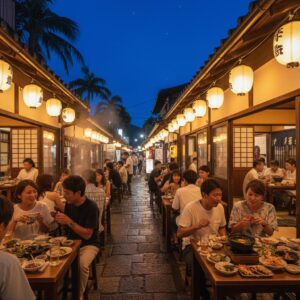
While jungle adventures are the main attraction, be sure to set aside some time to immerse yourself in the island’s unique culture. The people of Iriomote share a deep bond with their land and sea, preserving a heritage that combines traditional Ryukyuan culture with their own distinct island identity. Villages like Sonai and Hoshizuna are peaceful and charming, where life moves at a leisurely pace. Take a stroll and you’ll find traditional Okinawan houses with red-tiled roofs and shisa (guardian lion-dog) statues protecting against evil spirits. The local cuisine is a must-try—seek out a small shokudo (diner) and savor Yaeyama Soba, a flavorful noodle soup with a light broth, or chanpuru, a stir-fry featuring local ingredients. For a truly unique experience, ride the water buffalo cart from Iriomote across the shallow channel to the tiny, idyllic Yubu Island. The whole island is like a subtropical botanical garden, and the slow, swaying cart ride accompanied by the driver playing a sanshin (a three-stringed Okinawan instrument) and singing traditional songs is pure magic. It offers a glimpse into a gentler, more traditional way of life. Respect is essential here. The local communities are small and close-knit; always be mindful of their privacy, ask permission before photographing people, and support local businesses. Engaging with the culture in these small ways enriches your trip, turning a simple vacation into a meaningful travel experience.
Final Thoughts: The Iriomote Afterglow
Leaving Iriomote feels like waking from a vivid dream. Though your body may ache from paddling and hiking, your clothes may be stained with mud, and your skin covered in mosquito bites, your spirit will feel thoroughly rejuvenated. There’s an “afterglow” to an Iriomote trip—a lasting sense of peace and connection that remains long after you’ve boarded the ferry back to civilization. You’ve ventured into one of Japan’s last wild places, a land governed by its own ancient rhythms. You’ve witnessed the power of a roaring waterfall, paddled through a silent, primeval forest, and experienced the immense privilege of sharing space with some of the world’s rarest creatures. This island teaches valuable lessons: about resilience, the delicate interconnectedness of life, and the significance of preservation. It reminds you that truly wild places still exist on this planet, and that we bear a profound responsibility to protect them. So, if you seek an adventure that offers more than just an adrenaline rush—one that challenges you physically and transforms you spiritually—Iriomote is calling. Arrive with an open heart and a respectful spirit. Get muddy, get sweaty, get disconnected. I promise, the jungle will reward you beyond your imagination. It’s an experience that’s completely unforgettable, one that will stay with you forever.