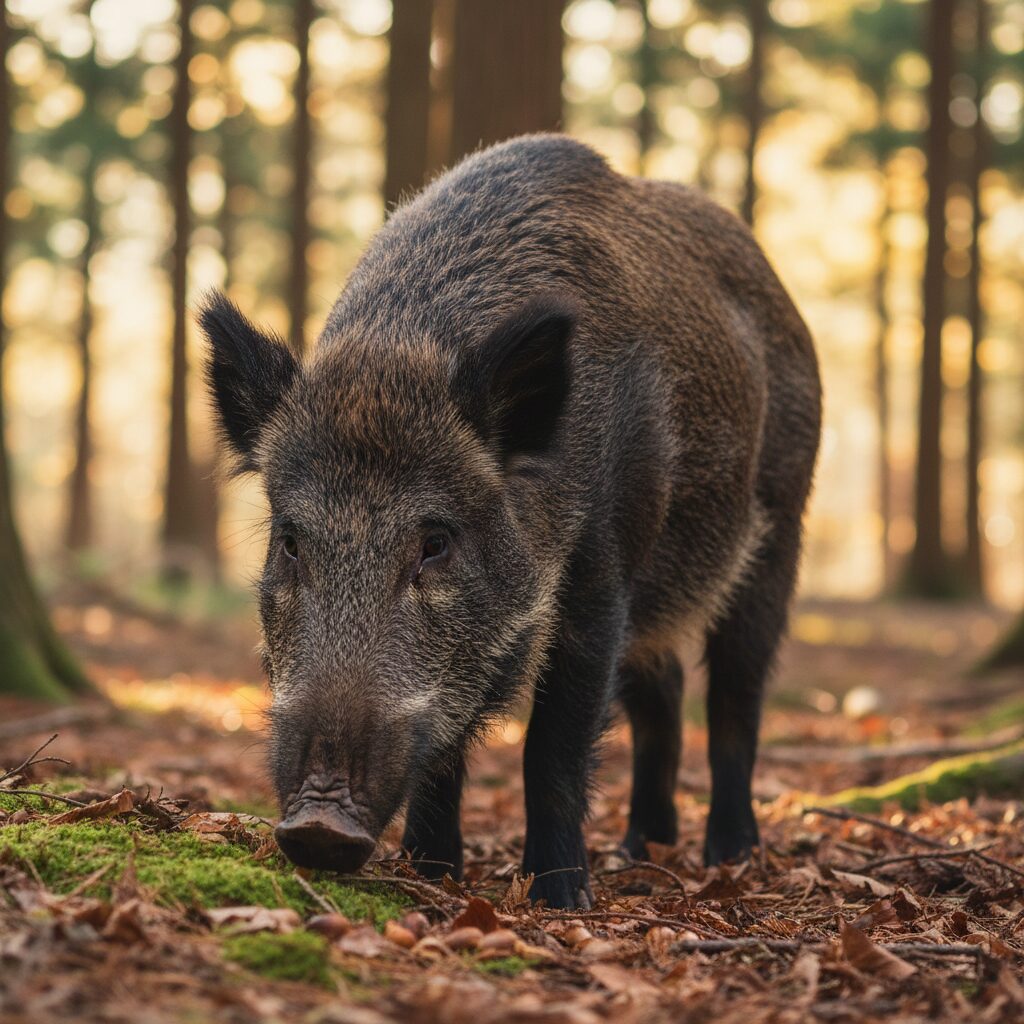
Yo, let’s get real for a sec. You think you know Japan? You’ve hit up Tokyo, done the Kyoto shrine thing, maybe even chilled in Osaka. Mad respect. But you’ve been cruising on the main quest line. It’s time to unlock a side quest that’s so fire, it’ll change your whole perspective on Japanese food. We’re talking about going off the grid, deep into the mountains of Okayama Prefecture, to a low-key town called Kagamino. This ain’t about sushi or ramen. Nah, we’re on a whole different level. We’re here to hunt for flavor, to taste the wild heart of Japan. We’re talking about inoshishi—the absolute legend, the wild boar. In Kagamino, this ain’t just some novelty dish; it’s a whole vibe, a tradition, a culinary masterpiece that connects you straight to the soul of the mountains. Forget everything you think you know about game meat. This is a story of savory, untamed deliciousness that’s about to blow your mind. It’s a taste of a Japan that’s raw, real, and unapologetically epic. So buckle up, ’cause we’re diving headfirst into the world of Kagamino’s wild boar cuisine, and trust me, it’s a game-changer.
The Vibe Check: What is Kagamino Even?

Picture this: you leave behind the hustle of Okayama City. The scenery begins to change. Buildings grow smaller, and the spaces between them widen. Then, the mountains start to appear—not just small hills, but grand, majestic, tree-covered peaks that seem to have stood since the dawn of time. That’s when you realize you’re getting close. Kagamino isn’t a place you stumble upon; it’s a destination. Nestled in the Chugoku Mountains, it’s a place where the air feels different—cleaner, crisper, with hints of damp earth and pine. The soundtrack isn’t traffic noise but the rush of clear streams, the rustle of leaves, and the distant call of a bird. The atmosphere is pure, unfiltered nature. It’s a place that feels timeless and sacred, where you can almost sense the kami, the spirits of the land, resting in the ancient forests and along the riverbanks. This isn’t a tourist trap. The streets are quiet, the buildings traditional, and the people exude a calm that comes from living in harmony with the seasons. It’s the kind of place that makes you slow down and breathe deeper. And it’s this very setting—wild, untamed nature—that gives rise to its most famous culinary treasure: the inoshishi. The boars roaming these mountains are part of the ecosystem, embodying the raw power of the land. Eating their meat here doesn’t feel like a mere transaction; it’s a ritual, a way to connect with the spirit of the mountains themselves. It’s a deeply spiritual experience disguised as dinner. The entire atmosphere sets the stage for the feast ahead, creating a sense of anticipation almost as rich as the food itself.
A Deep Dive: The Culture of the Hunt
Before we even talk about the food, you need to understand the backstory. This isn’t simply about grabbing some meat and tossing it on a grill. The culture of eating wild boar and game meat in general, known as jibie (from the French gibier), is deeply embedded in Japanese history. For centuries, long before Buddhism introduced taboos against eating four-legged animals, hunting was a way of life, especially in the mountainous regions. The hunters, called matagi in some parts of Japan, were legendary figures. They weren’t just men with weapons; they were masters of the mountains, possessing an incredible depth of knowledge about the land, the weather, and the animals. They held deep spiritual beliefs, seeing the mountains as a sacred realm and the animals as gifts from the mountain gods. Every hunt was a ritual, performed with respect for the life taken. It was a sustainable practice born from necessity and reverence. This concept resonates strongly throughout East Asia. Coming from a Chinese background, I recognize a clear parallel in the reverence for 山珍海味 (shānzhēn hǎiwèi), the treasures of the mountains and delicacies of the sea. The idea that the most potent and flavorful ingredients come from the wild, untamed parts of the world is a shared cultural touchstone. It’s about more than sustenance; it’s about consuming the essence of a place.
Fast forward to modern Japan, and you see this tradition evolving. For a period, game meat fell out of favor, seen as old-fashioned or even somewhat rough. But now, there’s a significant jibie boom underway. Why? Several reasons. First, there’s a growing appreciation for sustainable and ethical food sources. These boars truly live free-range, thriving in the mountains. Second, rural depopulation has led to a boom in wild boar and deer populations, sometimes causing damage to farms. This has turned a problem into an opportunity—a way to manage the population while creating a valuable local product. Towns like Kagamino are leading this movement. They’ve invested in modern, hygienic processing facilities, which is a total game-changer. This ensures the meat is handled expertly from the moment of the hunt, eliminating old concerns about gaminess or safety. The result is boar meat that is clean, rich, and incredibly flavorful. They’ve perfected the craft, turning a rustic tradition into a gourmet experience. So when you eat inoshishi in Kagamino, you’re not just having a meal; you’re savoring an incredible fusion of ancient mountain lore and modern culinary science. You’re supporting a local community and participating in a truly sustainable food cycle. That’s truly conscious consumption—and it makes every bite taste that much better. No cap.
The Main Event: A Savage Feast of Inoshishi
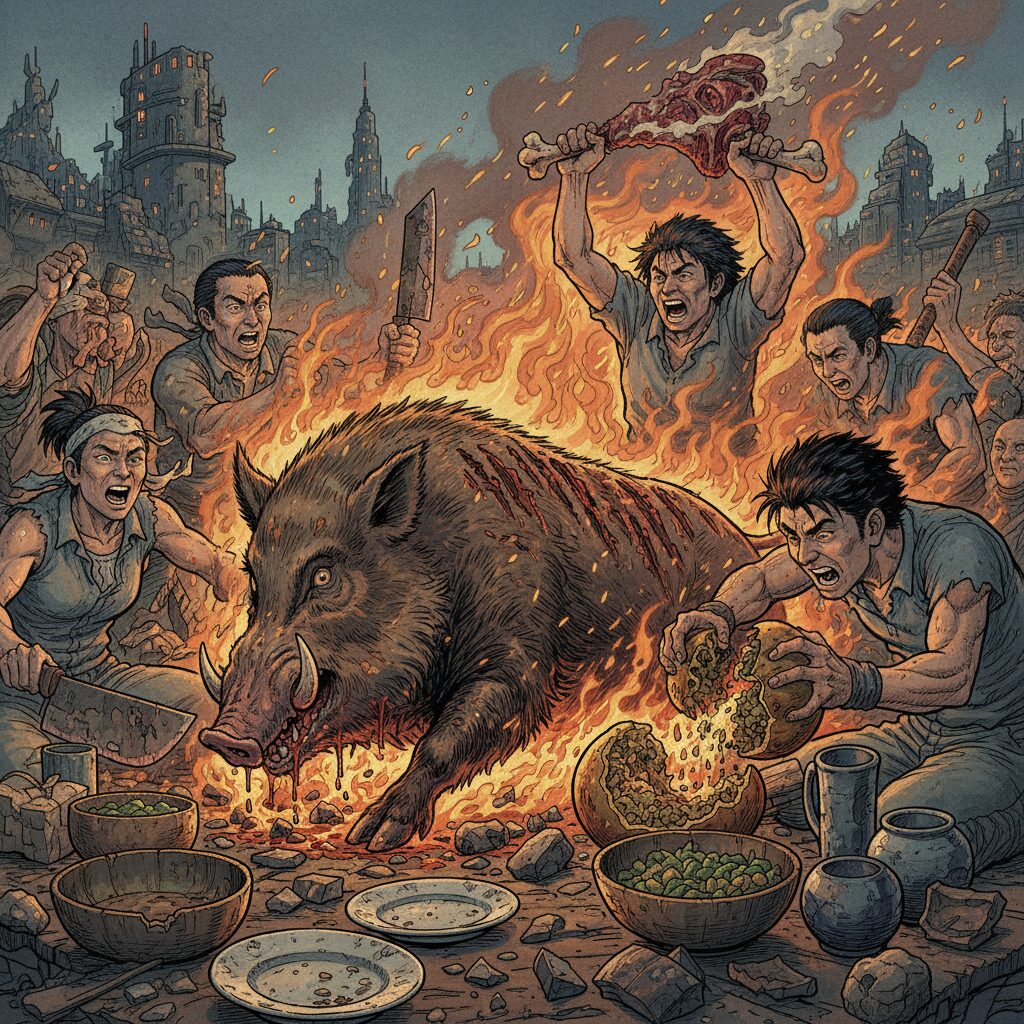
Alright, let’s get down to business. You’ve made the journey, embraced the mountain atmosphere, and grasped the culture. Now it’s time to eat. And let me tell you, the ways Kagamino prepares its signature ingredient are nothing short of legendary. This isn’t a one-trick pony; the versatility of inoshishi is extraordinary.
Botan Nabe: The Crown Jewel
If there’s one dish you absolutely must try, it’s botan nabe. This is the undisputed king of inoshishi cuisine. The name itself is poetic: botan means peony, and nabe means hot pot. Why peony? Because when the thinly sliced boar meat is artfully arranged on a large platter, it looks like a stunning, blooming peony flower. It’s a feast for the eyes before it even touches your lips. This dish is meant to be shared, a communal experience perfect for a chilly evening. A large clay pot, the donabe, is placed in the center of your table over a portable stove. Inside simmers a broth that, in Kagamino, is often a rich, savory blend of miso, soy sauce, and mirin. The aroma alone is intoxicating. The server brings the platter of boar meat—a magnificent display of deep crimson flesh marbled with pure white fat. This fat is the secret weapon. Unlike pork fat, wild boar fat has a higher melting point and a cleaner, sweeter flavor. It’s what makes the meat so succulent and never greasy.
Next come the vegetables, a bounty from the local mountains. Think thick chunks of daikon radish, earthy burdock root, chewy shiitake mushrooms, slippery konjac noodles, and vibrant greens like shungiku (chrysanthemum greens). The process is an interactive ritual. You take a slice of the beautiful boar meat and swish it in the simmering broth. It cooks in seconds, turning a pale, tender pink. You dip it in a small bowl of freshly ground sansho pepper or a raw egg and take your first bite. The explosion of flavor is astonishing. The meat is incredibly rich and savory, with a depth you simply don’t find in farmed meat. It has a slight, pleasant firmness that yields to remarkable tenderness. And that fat? It melts in your mouth, coating your tongue with a sweet, nutty flavor that perfectly balances the miso broth. Then you add the vegetables, letting them simmer and soak up all the deliciousness. The broth evolves throughout the meal, becoming richer and more complex as the flavors of meat and vegetables meld together. It warms you from the inside out, a sensation of pure, rustic comfort. You’re not just eating a hot pot; you’re tasting the entire mountain ecosystem in one bowl. It’s an experience that’s both refined and primal—a true culinary triumph.
Yakiniku Style: Grilling the Beast
If hot pot is the comforting soul of inoshishi cuisine, then yakiniku is its fiery, untamed heart. Imagine classic Japanese BBQ, but instead of beef, you’re grilling thick, juicy slices of wild boar over charcoal. The sound is iconic—that satisfying sizzle as marbled meat hits the hot grate. The rising smoke is fragrant and wild, filling the air with an aroma that will make your stomach rumble. In Kagamino, you’ll often be served a platter with various cuts of boar, from the lean, flavorful loin to the decadently rich belly. Each cut offers a unique texture and taste. The belly, with its thick layers of fat, crisps and caramelizes on the outside while staying unbelievably juicy inside. The leaner cuts offer a satisfying chew and deep, meaty flavor that beautifully complements the smoky char from the grill. You dip the grilled pieces in a simple sauce—perhaps a ponzu with grated radish to cut the richness or a sweet and savory tare. The beauty of inoshishi yakiniku lies in its simplicity. There’s nowhere for the meat to hide. It’s all about the pure, unadulterated quality of the boar, spotlighted by the primal element of fire. It’s a more direct, wilder way to experience the flavor. You feel like a mountain warrior feasting after a successful hunt. It’s a high-energy, utterly delicious introduction to the wild side of Japanese BBQ.
Beyond the Classics: The Inoshishi Glow-Up
Kagamino’s creativity doesn’t stop at hot pot and BBQ. The locals have discovered countless ways to incorporate their star ingredient into a wide variety of dishes, proving just how versatile this meat truly is. You might find a deep, comforting inoshishi stew, where the meat has been slow-cooked for hours until it’s fall-apart tender, swimming in a rich, demi-glace-style sauce alongside root vegetables. It’s the ultimate winter comfort food, a Japanese take on classic boeuf bourguignon. Then there’s inoshishi curry. The powerful, savory flavor of the boar stands up perfectly to the complex spices of a Japanese curry roux, creating a dish that’s both familiar and thrillingly fresh. Some places even make their own inoshishi sausages or cured hams, showcasing a European-style approach to charcuterie. These are often seasoned with local herbs and spices, producing a product uniquely Kagamino. You might even find inoshishi as a ramen topping, the rich slices melting into the hot, flavorful broth. This culinary innovation reflects a deep respect and understanding of the ingredient. They’re not just sticking to tradition; they’re pushing boundaries to ensure the legacy of inoshishi cuisine continues to evolve and excite new generations of food lovers. It’s a testament to the town’s passion for its wild treasure.
Level Up Your Trip: Kagamino and Beyond
While the inoshishi undoubtedly takes center stage in any visit to Kagamino, the town and its surroundings provide so much more to craft a genuinely memorable itinerary. You can’t come all this way just for dinner, can you? You need to turn it into a full adventure. The ideal complement to a rich, hearty boar feast is a long, relaxing soak in a natural hot spring, and Kagamino has just that with the famed Okutsu Onsen. This is a traditional, old-fashioned onsen town with a history stretching back centuries. The atmosphere is incredibly calm and nostalgic. The waters are renowned for their skin-enhancing qualities, earning the nickname Bijin-no-Yu or “Bath of the Beauties.” One of the most distinctive aspects of Okutsu Onsen is the ashibumi sentaku, or “river laundry,” where local women dressed in traditional clothing rhythmically wash clothes by stepping on them in the hot spring water that flows through the river—a custom preserved over generations. Soaking in one of the rustic ryokan baths after a day of exploration, feeling the warmth penetrate your muscles, is the perfect way to prepare for or recover from your inoshishi meal. It’s a sensory blend of relaxation and indulgence.
Beyond the onsen, Kagamino’s natural beauty is a major attraction. The area is a haven for outdoor enthusiasts. Numerous hiking trails lead deep into the mountains, offering stunning views and opportunities to glimpse the boar’s natural habitat up close. The Okutsu Valley is particularly breathtaking, especially in autumn when the maple leaves burst into a vibrant display of red, orange, and yellow. It’s like a scene from a painting. In winter, the landscape is often dusted with snow, turning the town into a quiet, magical wonderland—which happens to be the peak season for inoshishi, as the boars build up extra fat to survive the cold, making their meat even more flavorful. In spring, cherry blossoms frame the clear streams, while summer brings lush greenery that offers a refreshing escape from the city heat. Each season provides a unique backdrop for your culinary journey, adding different flavors to your trip. So plan to stay a night or two. Lodge in a traditional ryokan, awaken to the sounds of nature, explore the mountains by day, soak in an onsen in the afternoon, and feast on wild boar by night. This is more than just a trip; it’s an experience you’ll remember forever.
Pro-Tips for Your Kagamino Quest

Embarking on a new culinary adventure can feel intimidating, but Kagamino is incredibly welcoming. Here are some tips to ensure your trip goes smoothly and your meal becomes legendary. First, timing is crucial. While inoshishi is available year-round, the best time to go is from late autumn to winter, roughly November through February. This corresponds with the official hunting season, when the boars have built up a delicious layer of fat for the cold months, making the flavor at its very peak. Second, make reservations in advance! Kagamino is a small town, and the top inoshishi restaurants are especially busy on weekends during peak season. A quick call from your hotel or a Japanese-speaking friend to book a table is a smart move that could save you from disappointment. For first-timers nervous about game meat, let me ease your concerns. Forget any tales about tough or strongly “gamey” meat. Thanks to skilled hunters and modern processing facilities in Kagamino, the meat is remarkably clean-tasting and tender. It’s rich, certainly, but in the best way—more like high-quality, free-range heritage pork or a flavorful cut of beef than anything else. When dining, don’t hesitate to ask for the osusume (recommendation). The staff take pride in their local specialty and will be excited to guide you. If you’re trying botan nabe, just relax and let them show you the proper way—it’s an experience they love to share. Finally, embrace the adventure. You’re in a unique place, enjoying something deeply connected to the land and its history. Be fully present and savor every single savory, wild, unforgettable bite.
The Final Word
Leaving Kagamino, with the lingering taste of the mountains on your palate and the warmth of the hot springs still in your bones, you sense a different kind of connection to Japan. You’ve moved beyond the neon lights and ancient temples into a world that feels more elemental, more authentic. You’ve experienced a flavor that no city can replicate—a flavor born from the wild forests and clear streams of Okayama. Eating inoshishi in Kagamino is far more than just a meal. It’s a dialogue with nature, a taste of history, and a celebration of a sustainable tradition that honors the land and the life it sustains. It reminds you that sometimes the most profound and delicious experiences come when you take a chance, venture off the beaten path, and embrace the wild side. So, the next time you plan a trip to Japan, dare to dig a little deeper. Seek out that side quest. Visit Kagamino. Your taste buds—and your soul—will thank you. It’s an adventure that’s, no cap, absolutely fire.