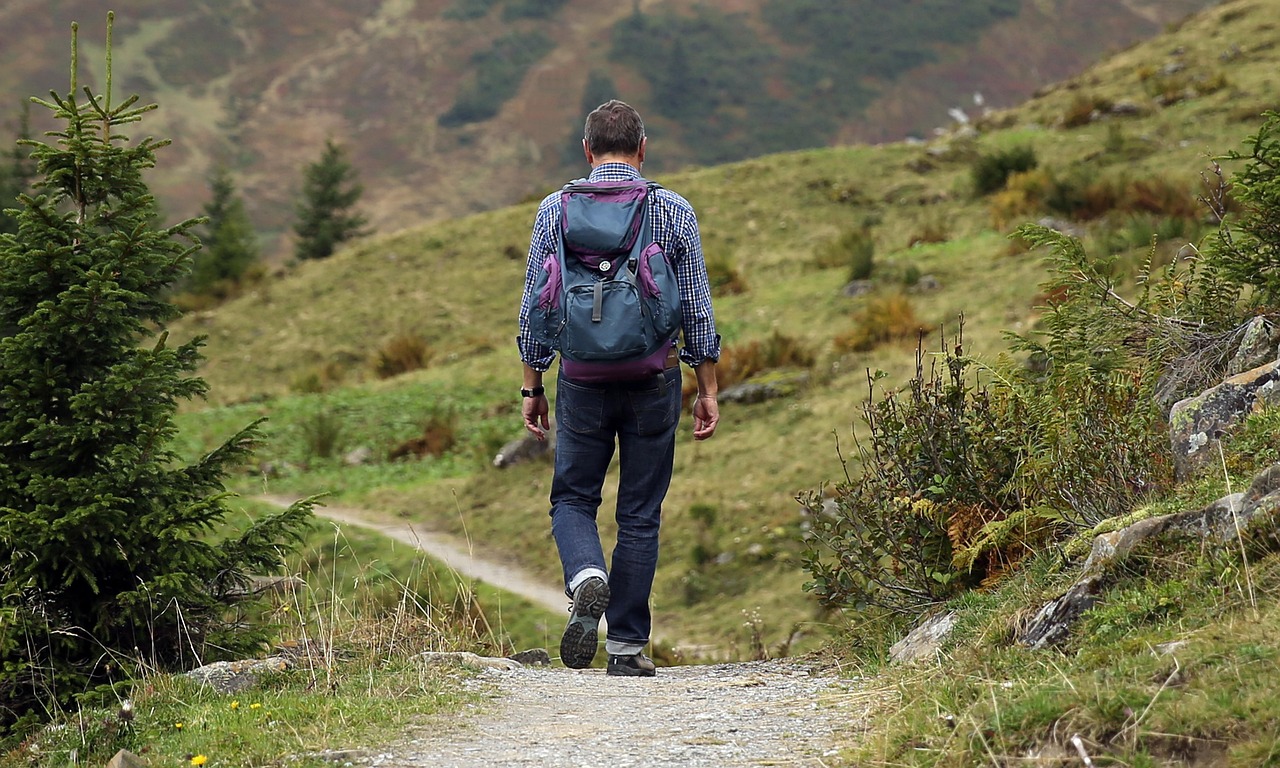
Yo, what’s up, globetrotters and adventure seekers! Emily here, and I’m about to spill the tea on a place that completely rewired my brain and my hiking boots. Forget the neon-drenched streets of Tokyo and the serene temples of Kyoto for a sec. We’re going off the beaten path, deep into the heart of Kyushu, Japan’s southern island. I’m talking about a place so vast, so raw, and so ridiculously beautiful it feels like you’ve been yeeted onto another planet. Welcome to the Kuju Mountains, the absolute GOAT of Japanese hiking and the centerpiece of the sprawling Aso-Kuju National Park. This isn’t just a walk in the park; it’s a full-blown main character moment waiting to happen. Imagine trekking across Japan’s largest volcanic plateau, with panoramic views that hit different, landscapes that look like they were ripped from a fantasy RPG, and air so fresh it’ll clean your soul. You’ll be navigating a world of steaming vents, alpine flowers that pop off in a riot of color, and ancient peaks that hold stories older than time. This is where Mother Nature decided to show off, no cap. It’s a place that challenges you, changes you, and leaves you with a camera roll full of pics that look straight-up fake, but are 100% real. So, if you’re ready to level up your travel game and experience a side of Japan that’s wild, untamed, and pure fire, then listen up. This is your official guide to conquering the epic Kuju Mountain range.
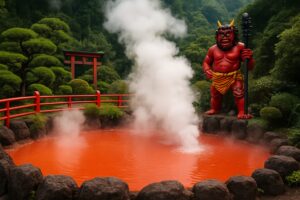
After experiencing the raw volcanic power of the Kuju Mountains, you might be curious about other unique geothermal activities in Kyushu, such as the famous volcanic sand baths in Beppu.
The Vibe Check: What’s Kuju All About?
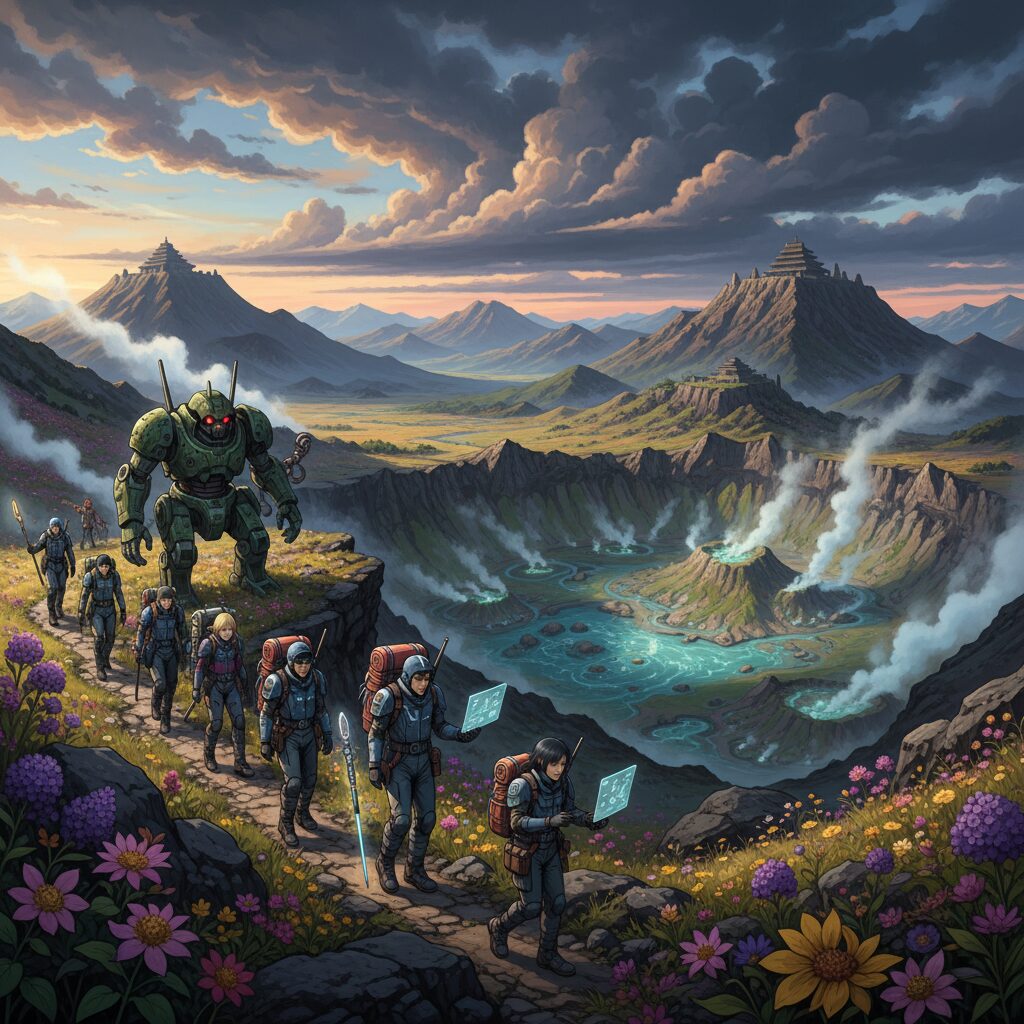
First things first, let’s set the mood right. When you step onto the Kuju plateau, the vastness of it all is the first thing that strikes you. It’s enormous. You feel tiny in the most wonderful way, like a single pixel in a high-resolution photo of the universe. The air up here feels different—thinner, crisper, and charged with a wild, volcanic energy. You can literally smell the earth breathing, with faint hints of sulfur from nearby fumaroles reminding you that this landscape is very much alive. It’s a complete sensory experience. The soundscape is just the wind sweeping across the grasslands and the crunch of your boots on volcanic gravel. It’s a powerful quiet, a world apart from the constant buzz of the city.
The terrain is an incredible blend of contrasting textures and colors. One moment you’re walking on well-kept wooden boardwalks winding through lush, green wetlands, and the next you’re climbing a steep, rocky trail of dark, reddish-brown volcanic scree. The mountains aren’t your typical sharp, pointed peaks. Instead, they are grand, rolling domes and jagged ridges forming a breathtaking, almost intimidating skyline. People often confuse Kuju with the nearby Mt. Aso, known for its massive caldera. Both are part of the same national park, but Kuju is a distinct range of peaks, including Mt. Naka-dake, the highest point on mainland Kyushu. It’s a landscape of contrasts: harsh, barren rock faces give way to soft, grassy plains. In spring and summer, these slopes bloom with vibrant wildflowers, creating a scene that’s both rugged and delicate. It feels ancient and powerful, a place that commands reverence. You’re not just hiking; you’re a guest in a giant’s playground, and that feeling is both humbling and thrilling.
Picking Your Player: Trailheads and Routes for Every Skill Level
Alright, let’s discuss strategy. The Kuju range is threaded with numerous trails, allowing you to tailor your adventure according to your fitness level and available time. Whether you prefer a relaxed stroll with breathtaking views or a tough, all-day challenge to conquer several peaks, Kuju has a route suited for you. The two primary access points are Makinoto Pass and the Chojabaru Visitor Center, each offering distinctly different experiences.
The Main Quest: Makinoto Pass (牧ノ戸峠)
For the most spectacular views, Makinoto Pass is your go-to spot. Sitting at an elevation of 1,330 meters, it is the highest vehicle-accessible mountain pass in Kyushu, giving you a significant altitude advantage right from the start. Think of it as an express elevator to the alpine zone. The moment you step out of your car, stunning views greet you. The trail starting here is popular for good reason. It begins with concrete steps and boardwalks, making the initial ascent relatively easy. Soon, you’ll reach a ridge called Kutsukake-yama, where the entire Kuju range bursts into view—truly a jaw-dropping moment.
Beyond this ridge, the path becomes more rugged, with rocky sections and wide-open plateaus offering uninterrupted 360-degree vistas. The trail leads toward the range’s core, with clear signposts directing you to major peaks. A classic day-hike loop from Makinoto Pass could include summiting Mt. Kuju and then continuing to Mt. Naka-dake. This hike takes about 5 to 6 hours and involves some challenging climbs, but every step is rewarding. Standing atop Mt. Naka-dake, the highest point in Kyushu, surrounded by a sea of volcanic peaks, is an unforgettable experience. This route is a top choice for anyone with a reasonable fitness level.
The OG Route: Chojabaru Visitor Center (長者原)
For those seeking the full mountain experience from base to summit, starting at the Chojabaru Visitor Center is ideal. This route feels like a grand pilgrimage. You begin at a lower elevation, making for a longer and tougher climb, but the journey is deeply satisfying. Before your ascent, you’ll pass through the Tadewara Wetlands, a breathtaking marsh crisscrossed with boardwalks that offer a peaceful and scenic walk, with the imposing Mt. Taisen in the background. It’s a perfect warm-up and a spectacular sight, especially in autumn when the grasses turn golden.
The real adventure from Chojabaru starts with the trail leading up to Bogatsuru, a legendary location among Japanese hikers—a vast, stunning wetland basin nestled in the heart of the Kuju peaks. It’s also home to Hokkein Onsen Sanso, a mountain hut where you can spend the night. Imagine hiking all day then soaking in a natural hot spring surrounded by mountains beneath a starry sky—it’s a dream come true. From Bogatsuru, you can tackle various peaks like Mt. Taisen or connect to trails leading to Mt. Naka-dake. This route is perfect for an overnight trip or for those who want to feel truly earned summit views.
For the Side-Quest Seekers: Hidden Gems and Shorter Treks
If you’re not up for a full-day adventure or wish to avoid the crowds, there are plenty of other options. Around Kuju Forest Park, you’ll find gentler, forested trails that are both beautiful and tranquil. You can also explore one of the ‘Kyushu Olle’ routes in the area. These trails, originally from Korea’s Jeju Island, are designed for a leisurely pace, emphasizing connection with nature and local culture. The Kokonoe-Yamanami route, for example, offers a taste of Kuju’s scenery without the strenuous vertical climb. For a different perspective, consider hiking a slightly more remote peak like Mt. Waita, known for its panoramic views and nearby steamy onsen towns. Exploring these less-traveled paths can feel like having the entire volcanic wonderland all to yourself.
Seasonal Glow-Ups: When to Hit the Trails
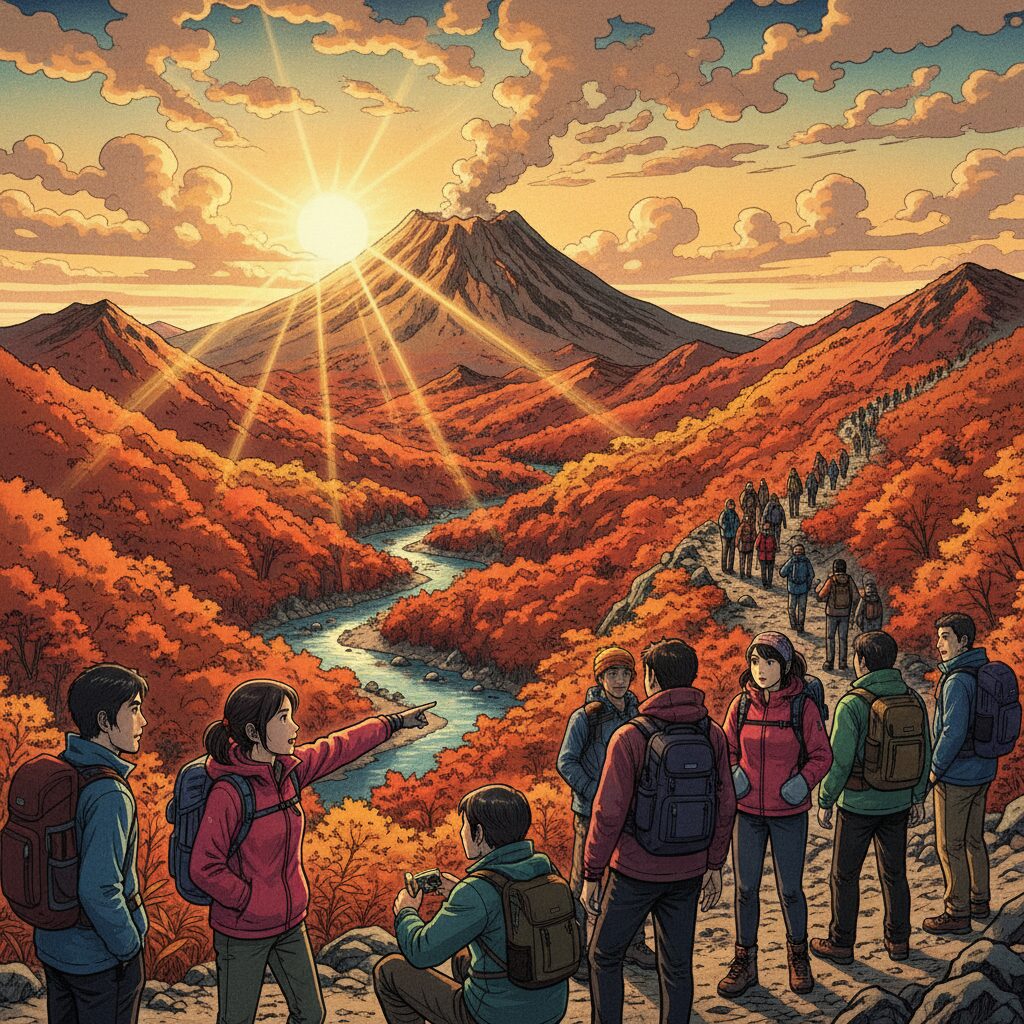
One of the most amazing things about the Kuju Mountains is that they present a completely different appearance every season. There really isn’t a bad time to visit, but each season offers a distinct and unforgettable experience. Your choice simply depends on the aesthetic you’re looking for.
Spring’s Pink Explosion: Miyama Kirishima Season (Late May to June)
If I had to choose one season that is absolutely, breathtakingly iconic in Kuju, it would be late spring. This is when the Miyama Kirishima, a type of alpine azalea, bursts into bloom. The mountainsides, especially around Mt. Taisen and Mt. Hossho, are covered in a vibrant, electric pink carpet. It’s a natural spectacle so intense it almost looks photoshopped. The contrast between the hot pink flowers, the deep green foliage, and the dark volcanic rock is simply stunning. The trails are definitely busier during this time, with everyone from serious photographers to families coming to see the bloom, but it’s 100% worth sharing the view. The air is filled with the sweet scent of flowers, and the entire landscape feels like it’s celebrating. It’s nature’s ultimate glow-up.
Summer Greens & Wide Open Skies (July to August)
Summer in Kuju is all about lush, vibrant life. The mountains are draped in a thousand shades of green, the grasslands are at their most verdant, and the sky feels impossibly vast and blue. It’s the perfect escape from the heavy humidity of the Japanese lowlands. Temperatures are cooler up in the mountains, though strong sun is still a factor. This season is made for long days on the trail, feeling the sun on your skin and the wind in your hair. A tip for summer hikers: the weather can be unpredictable. Sunny mornings may suddenly turn to afternoon thunderstorms, so always start early and watch the skies. Don’t forget your rain jacket. But when the weather holds, a summer day in Kuju is pure magic—a blockbuster performance of epic scale.
Autumn’s Fiery Display: The Koyo Craze (Late October to November)
Japanese autumn, or koyo, is famous for a reason, and Kuju puts on one of the best performances in the country. The entire landscape shifts into a warm, fiery palette. Japanese maples in the lower valleys blaze with brilliant crimson and scarlet hues, but the true highlight on the plateau is the pampas grass. The vast grasslands of Tadewara and Bogatsuru turn into a shimmering sea of gold, glowing softly in the autumn light. Mountain slopes are painted with splashes of red, orange, and yellow from the changing leaves of shrubs and trees. The air is crisp and clear, offering some of the year’s best long-distance views. It’s a photographer’s dream and a hiker’s haven. The atmosphere is a bit more reflective and peaceful compared to the vibrant energy of spring, yet equally beautiful.
Winter’s Icy Charm: A Snowy Wonderland (December to February)
If you’re well-prepared and experienced, hiking Kuju in winter is on another level. The landscape transforms completely into a silent, pristine white world. Mountains are blanketed in thick snow, and trees are adorned with delicate ice crystals, known as rime ice. The stark contrast between the pure white snow and the dark volcanic rock is striking. You may even witness steam rising from volcanic vents, creating a surreal scene against the frosty backdrop. This is definitely expert territory. Proper winter gear is essential—crampons, waterproof layers, and possibly an ice axe depending on conditions. But for those who brave the cold, the reward is solitude and a serene, otherworldly beauty few ever experience. It’s Kuju at its rawest and most powerful.
The Post-Hike Glo-Up: Onsen and Local Grub
After a long day spent conquering volcanic peaks, you’ve more than earned the right to treat yourself. And trust me, the area around the Kuju Mountains is an absolute powerhouse when it comes to rewarding yourself after a hike. We’re talking world-class hot springs and food that will bring tears of joy to your eyes. This is where the foodie in me truly comes alive.
Soaking Your Sins Away: The Onsen Culture
The volcanic activity that formed these mountains also gifted the region with an incredible abundance of natural hot springs, or onsen. Soaking your weary muscles in mineral-rich, geothermally heated water is an essential part of the Kuju experience. It’s the ultimate recovery session. Entire towns near Kuju are dedicated to perfecting the art of the onsen. The most famous is probably Kurokawa Onsen, a wonderfully charming and traditional hot spring town where you can buy a pass to go ‘onsen hopping’ at various ryokans (traditional inns). For something a little different, try Sujiyu Onsen, known for its utaseyu—powerful streams of hot water cascading onto your shoulders like a natural massage. But the most unique has to be Lamune Onsen, where the water is naturally carbonated! You literally soak in a bath of bubbly water, with tiny silver bubbles covering your skin. It’s wild and said to be fantastic for your circulation. Remember to follow onsen etiquette: wash yourself thoroughly at the showers before entering the bath. It’s a moment of pure zen.
Refuel Mode: What to Eat in the Kuju Area
Alright, let’s talk food. Hiking burns a serious amount of calories, so refueling is a top priority. Fortunately, the local cuisine here is absolutely fantastic. First up, the MVP of post-hike treats: soft cream. Every rest stop, gift shop, and mountain pass eatery sells this soft-serve ice cream, and grabbing one is a sacred ritual. Look out for local flavors like blueberry or lavender from the Kuju Flower Park, or rich, creamy vanilla made with fresh milk from nearby dairy farms. It’s simple, but tastes like victory.
For a proper meal, you have to try Dango Jiru. This is the soul food of Oita Prefecture—a hearty, savory miso-based soup packed with root vegetables and thick, handmade flat noodles that are chewy and delicious. It’s like a warm hug in a bowl and the perfect way to warm up after a chilly day on the mountain. Another local specialty is Toriten, Oita’s take on fried chicken. It’s basically chicken tempura—light, crispy, and incredibly juicy. Dip it in a little soy sauce and kabosu (a local citrus fruit) and you’re in heaven. If you’re feeling fancy and want to splurge, you have to try Bungo Beef. Oita is renowned for this high-quality wagyu, known for its incredible marbling and melt-in-your-mouth texture. A yakiniku (Japanese BBQ) dinner featuring Bungo Beef is the ultimate way to celebrate a successful summit.
The Deets: Logistics and Pro-Tips

Before you book your flight and start packing, let’s dive into the essentials. A bit of planning goes a long way to ensuring your Kuju adventure is smooth and hassle-free. Here are some pro tips to help you handle the logistics.
How to Get There: The Mobility Challenge
I’ll be honest with you: renting a car is almost a must for exploring the Kuju area. Public transportation is very limited and infrequent, and the trailheads, onsen towns, and scenic viewpoints are spread out. Having your own vehicle lets you explore at your own pace, chase the best light for photos, and stop whenever a stunning view catches your eye. The closest major airports are Fukuoka, Kumamoto, and Oita. You can rent a car at any of these and enjoy a scenic drive into the mountains. The main road running through the heart of the national park is the Yamanami Highway. It’s one of Japan’s most beautiful scenic drives, winding through volcanic landscapes and offering breathtaking views at every turn. The drive is part of the experience itself—roll down the windows, play your favorite playlist, and savor the ride.
Gear Up: Don’t Get Caught Unprepared
Even for a moderate day hike, you need to come prepared. Mountain weather can be wildly unpredictable and change in an instant. The most crucial gear is a reliable pair of hiking boots with good traction. The volcanic trails can be rocky, uneven, and slippery when wet. Next, think in layers. Even on warm days, ridges can be windy and cold. A base layer, fleece, and waterproof/windproof outer shell make up the mountain attire’s holy trinity. Sun protection is essential, too. Most trails sit above the treeline, so shade is nonexistent. A hat, sunglasses, and high-SPF sunscreen are your best allies. Bring more water than you expect to need and pack some high-energy snacks. Lastly, consider a kuma-suzu, or bear bell. While bear encounters are very rare in Kyushu, many Japanese hikers attach these bells to their backpacks. The soft jingle makes a pleasant soundtrack for your hike and doubles as a unique cultural keepsake.
Respect the Mountain: A Brief Cultural Note
In Japan, mountains are far more than just rocky formations; they carry deep cultural and spiritual importance. In the Shinto religion, mountains are sacred spaces, the homes of powerful deities called kami. Hiking here is, in a sense, like visiting a natural shrine. This belief encourages a profound respect for the environment. The golden rule is to ‘leave no trace.’ Carry out everything you bring in, including all trash. Stay on the designated trails to prevent erosion and protect the fragile alpine plants. It’s also courteous to greet fellow hikers on the trail with a friendly ‘Konnichiwa!’ This shared respect and sense of community is one of the wonderful aspects of hiking in Japan. You become part of a group of people who value the power and beauty of these sacred places.
Beyond the Peaks: More to Explore Nearby
If you find yourself with some extra time, the area around Kuju is packed with other cool spots worth exploring. It would be a shame to come all this way and not take the chance to discover more of what this incredible region has to offer.
Kuju Flower Park (くじゅう花公園)
For a more leisurely day with equally breathtaking views, visit Kuju Flower Park. This vast park, located on a plateau with the Kuju range as its backdrop, showcases expansive fields of seasonal flowers from spring through autumn. Tulips, poppies, lavender, sunflowers, cosmos—you name it, there’s likely a field of it here. It’s an excellent place to stroll, snap photos, and soak in the fragrant air. The park also has several restaurants and cafes, making it an ideal spot for a relaxed lunch with a spectacular view.
The Kokonoe “Yume” Grand Suspension Bridge (九重”夢”大吊橋)
If heights don’t scare you, this bridge is a must-see. The ‘Yume’ or ‘Dream’ bridge is one of Japan’s longest and highest pedestrian suspension bridges. It spans a deep gorge, offering incredible views of two waterfalls and the surrounding forest. Walking across can be a bit nerve-wracking, especially on windy days when the bridge sways slightly, but the breathtaking scenery makes the adrenaline surge worthwhile. It can get quite touristy, but it’s popular for good reason.
Aso’s Caldera
Since you’re already in Aso-Kuju National Park, visiting the other major attraction—the Aso caldera—is a natural choice. Just a scenic drive from Kuju, Aso is home to one of the largest and most active volcanoes in the world. You can drive up to the crater’s edge (when accessible, as it sometimes closes due to volcanic gas) and gaze into the steaming, emerald-green crater lake of Mt. Naka-dake (different from the Kuju peak!). The sheer size of the caldera, large enough to contain towns and farmlands within its ancient walls, is astonishing. It stands as a powerful and humbling reminder of the immense geological forces that shaped this entire region.
The Kuju Mountains are much more than just a hiking destination. They represent a living, breathing world that tells a story of fire, earth, and resilience. Trekking across these volcanic highlands fills your lungs with fresh air, your eyes with stunning beauty, and your heart with a profound sense of awe. It’s a place to challenge yourself physically and reconnect with the wild, untamed spirit of nature. Standing on a summit here, you feel on top of the world, accompanied only by the wind and ancient peaks. So pack your sturdiest boots, charge your camera, and bring your sense of adventure. The mountains are calling—you simply have to answer. Bet.