
Yo, what’s the deal? You’ve probably heard of Tokyo’s Harajuku. Your mind instantly floods with images of rainbow-colored chaos, crepes overflowing with cream, and the vibrant, expressive fashion tribes parading down Takeshita Street. It’s loud, it’s proud, and it’s a total vibe. But that’s just one side of the coin, the glittering, public-facing performance. Tucked away, just beyond the sensory overload, lies a parallel universe. A place where the colors are muted, the streets are quiet, and the fashion is less of a shout and more of a knowing whisper. This is Ura-Harajuku, literally the “Back Harajuku.” It’s not just a location; it’s an ideology, the birthplace of Japanese streetwear as the world knows it, and a clandestine world that operates with the subtlety and precision of a modern-day ninja clan. Forget what you think you know about Harajuku. We’re about to slip down the rabbit hole into a labyrinth of cool, where the real treasure isn’t on display but waiting to be discovered.
Ura-Harajuku is the antithesis of its famous neighbor. It’s a sprawling network of narrow, winding backstreets and quiet alleys that spiderweb between the main thoroughfares of Omotesando and Meiji-dori. There are no giant arches welcoming you, no barkers trying to lure you into their shops. Finding your way here is the first part of the initiation. It demands curiosity. It requires you to consciously step away from the current and explore the eddies. This is the sacred ground where, in the early 1990s, a handful of visionary creators planted the seeds of a global phenomenon. It’s the cradle of brands that are now household names in the streetwear pantheon, but back then, they were just tight-knit secrets shared among a dedicated few. To walk these streets is to trace the footsteps of legends, to feel the pulse of a subculture that redefined cool for generations. This isn’t about fast fashion; it’s about a deeply rooted culture of craftsmanship, exclusivity, and authentic self-expression. It’s where the hunt is just as important as the find, and where every unassuming storefront could be a portal to another world. So, lace up your most comfortable sneakers and quiet your mind. We’re going undercover to explore the hidden dojo of Tokyo fashion.
To truly understand this culture of subtlety and hidden influence, consider how similar themes of quiet power and suspense shaped other Japanese subcultures, like the low-key ninja suspense found in 90s J-Horror.
The Birth of Cool: Unraveling the Urahara Genesis
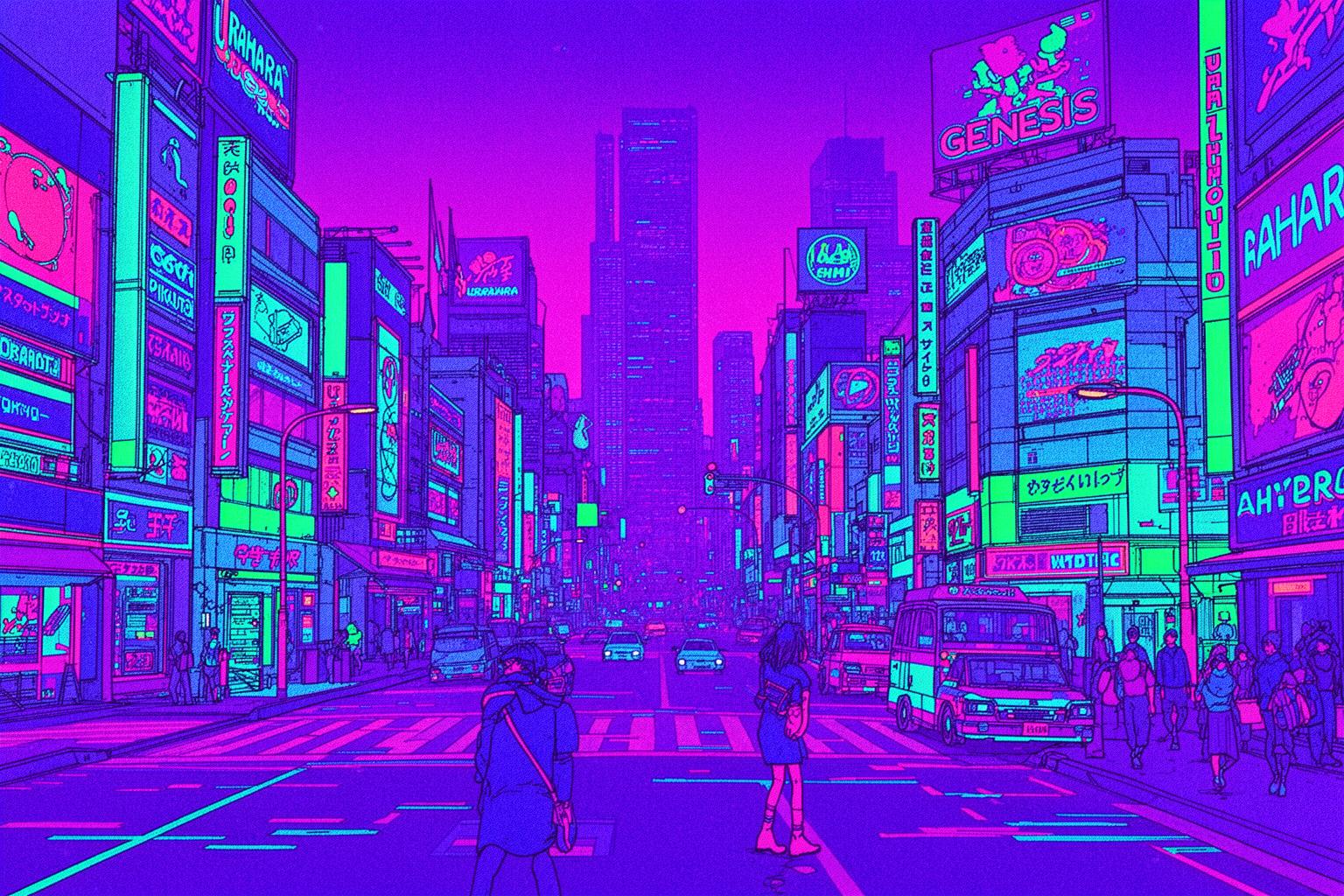
To truly capture the Ura-Harajuku vibe, you need to rewind back to the early 1990s. Japan’s bubble economy had spectacularly burst, leaving a generation of youth disillusioned with the corporate path yet brimming with creative energy. This was not a time of grand ambition in the traditional sense, but rather an era defined by a DIY spirit and subcultural growth. In the quiet backstreets of Harajuku, rent was cheap and spaces were small—ideal for young, independent entrepreneurs who weren’t seeking to build empires but to create something genuine and community-driven. This is where the magic unfolded. A blend of influences—American workwear, vintage denim, military surplus, British punk, hip-hop, and skate culture—was filtered through a uniquely Japanese perspective.
At the heart of this movement were a few key figures who served as cultural gatekeepers and tastemakers. People like Hiroshi Fujiwara, often called the godfather of Ura-Harajuku, played an essential role. He wasn’t just a designer; he was a DJ, musician, and columnist who traveled between Tokyo, London, and New York, bringing back records, sneakers, and ideas that he would remix and introduce to the Tokyo scene. His legendary column in magazines such as Takarajima became a style bible for youth in the know. Then there were the creators who rose to prominence: Nigo with A Bathing Ape (BAPE), known for its pop-culture-infused camouflage and hyper-limited releases; Jun Takahashi of Undercover, who skillfully merged punk aesthetics with high-fashion sensibilities; and Shinsuke Takizawa of NEIGHBORHOOD, who expressed his passion for American motorcycle culture through rugged, meticulously crafted garments. These were more than brands; they were entire worlds, each with a distinct philosophy and a devoted following.
Their first shops were tiny, almost hidden. The legendary NOWHERE store, opened by Nigo and Jun Takahashi in 1993, was a prime example. It felt more like a clubhouse than a retail space—you had to be in the know to even find it. This fostered an organic sense of exclusivity. Their products were made in small batches, not as a marketing ploy but simply because that was all they could afford to produce. This scarcity, born from necessity, unintentionally laid the foundation for the “drop” model that now dominates global streetwear. The lines outside these shops were not filled with tourists, but with kids who lived and breathed the culture, saving up for months to own a single, perfect piece. Owning an item from these brands was like possessing a membership card to a secret society—it meant you understood the codes, respected the craft, and belonged to the movement. This historical context is vital, as the spirit of Ura-Harajuku today is a direct descendant of this legacy. It’s a culture rooted in authenticity, deep knowledge, and a quiet confidence that doesn’t need to shout for attention.
The Ninja Aesthetic: Decoding the Urahara Philosophy
Why refer to the purveyors and patrons of Ura-Harajuku as “ninjas”? It’s more than just a catchy nickname; it serves as a framework for understanding the entire culture. It embodies a set of principles that sharply contrast with the attention-seeking flamboyance of mainstream fashion. Let’s explore this contemporary shinobi code.
First, there is the principle of Invisibility and Stealth. A ninja’s greatest power lies in their ability to blend in and move unnoticed. This is reflected in the physical setup of Ura-Harajuku. The most sought-after shops are often hidden away in basements, on second floors of unremarkable residential buildings, or down alleys without signage. There are no flashy displays in the windows. A simple, almost cryptic logo on a door or a subtle detail on an awning may be the only hint. This deliberate obscurity acts as a filter, ensuring only the truly dedicated—those who have done their research—will discover these spots. It encourages exploration and effort, turning a shopping trip into a mission of discovery. The clothing itself often follows this ethos; while some pieces feature bold graphics, the heart of the Urahara style centers on impeccable fits, understated details, and premium materials that reveal their quality only upon close inspection. It’s a quiet flex, an “if you know, you know” (IYKYK) mentality that prioritizes personal satisfaction over public approval.
Next is the mastery of Tools and Craft. A ninja was an expert in their tools, each crafted precisely for its function. Likewise, Ura-Harajuku brands are characterized by an obsessive dedication to craftsmanship. This is where the Japanese appreciation for monozukuri—the art, science, and spirit of making—truly stands out. Garments aren’t mass-produced; they’re engineered. You’ll find jackets featuring intricate pocket systems, denim woven on vintage looms to achieve a specific texture, and t-shirts made from fabrics so substantial they seem built to last a lifetime. Every detail matters: the type of stitching on jeans, custom-molded hardware on jackets, flawlessly aged washes on hoodies. This devotion to quality rebels against the disposability of fast fashion. It’s about creating pieces designed to be worn, cherished, and lived in for years, becoming part of the wearer’s personal story. Purchasing in Ura-Harajuku means investing not just in clothing but in an artifact of meticulous design and craftsmanship.
Finally, there’s the idea of the Clan and Secret Knowledge. Ninja clans were close-knit groups bound by shared secrets and common goals. The Ura-Harajuku community operates similarly. In its early days, information spread through word-of-mouth and niche magazines. Today, it flows via dedicated online forums, private social media groups, and store staff who are deeply embedded in the culture. Being part of this world means understanding brand histories, recognizing subtle design cues, and knowing the stories behind iconic pieces. It’s a culture that values knowledge and passion over hype. Conversations in stores often focus less on “what’s new” and more on the inspiration behind collections or the technical processes involved in fabric creation. This fosters a strong sense of community among enthusiasts. It is a global clan united by a shared reverence for a unique cultural movement born in the backstreets of Tokyo.
Navigating the Labyrinth: An Explorer’s Guide
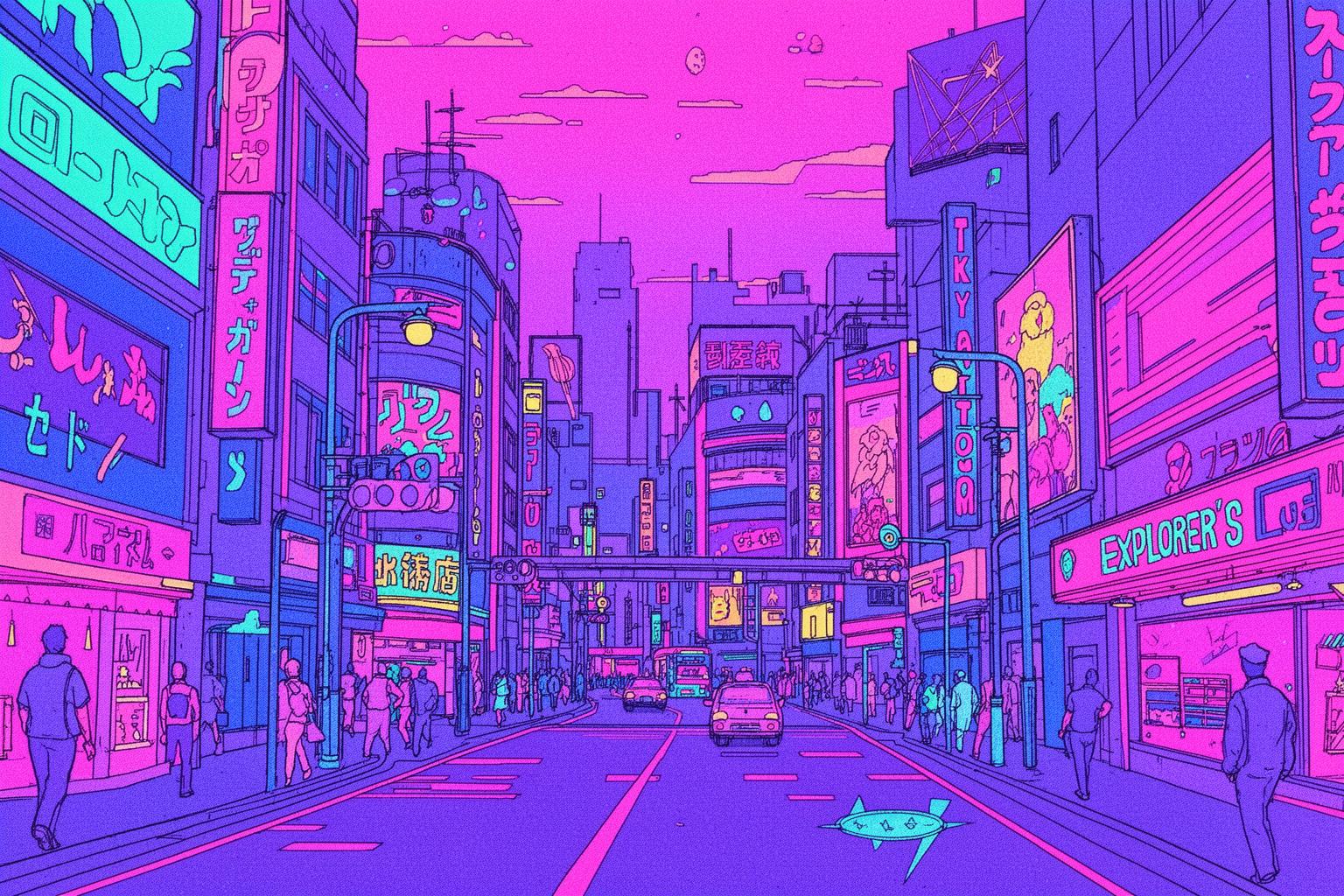
So, how do you truly immerse yourself in this world? The first step is to reset your senses and expectations. Don’t come armed with a checklist and a rigid map you intend to follow exactly. The real pleasure of Ura-Harajuku lies in the experience of becoming wonderfully, productively lost.
Your adventure will most likely start at Harajuku Station. As you exit, you’ll be carried along by the flow of people heading towards Takeshita Street. Acknowledge it, maybe even take a brief stroll through to soak up the pure, unfiltered kawaii energy, but remember your destination is elsewhere. Your goal is to break away from this main flow. A good place to begin is by heading toward Meiji-dori, the broad street running parallel to the train tracks. Cross over, and you’ve officially entered a new territory—in a good way. The moment you step into the side streets, the atmosphere changes dramatically. The noise of the crowd fades to a soft murmur. Neon signs give way to understated storefronts and the gentle buzz of air conditioning units. The streets narrow, lined by low-rise concrete buildings weathered by city life. This is your playground.
Cat Street is one of the key arteries of this neighborhood. It’s a pedestrian-friendly path winding from Harajuku down toward Shibuya. While it has become somewhat more commercial over time with the influx of larger international brands, it remains the backbone of the area and an excellent reference point. The real charm, though, lies in the smaller alleys branching off from it. These are the capillaries of the Urahara ecosystem. Trust your instincts. Spot a street that catches your eye? Take it. See a small sign indicating a second-floor shop? Go explore. Now is not the time for hesitation.
The shops themselves form a diverse ecosystem. You’ll find flagship stores of pioneering brands, often resembling art installations or temples dedicated to the brand’s philosophy rather than simple retail spaces. They’re meticulously crafted environments where every detail—from the music to the scent in the air—is thoughtfully curated to immerse you in the brand’s universe. Then there are the “select shops,” multi-brand boutiques run by owners with impeccable taste. These are treasure troves where you can uncover new and emerging Japanese designers alongside established international labels. They provide a carefully curated snapshot of contemporary style filtered through an informed local perspective.
Don’t ignore the vintage and secondhand shops. Ura-Harajuku houses some of the best-archived clothing you’ll find anywhere. These aren’t typical thrift stores brimming with random cast-offs. They are highly curated collections focusing on specific eras or aesthetics. You can discover pristine examples of iconic pieces from the early Urahara days, rare American vintage, and military surplus that inspired a generation of designers. Visiting these shops is like taking a fashion history lesson, with staff often serving as encyclopedias of knowledge.
Be sure to look both up and down. Some of the most intriguing spots aren’t at street level. A discreet stairway might lead down to a basement filled with rare sneakers, while an old elevator could take you upstairs to a tranquil space featuring avant-garde designers. The vertical dimension of Tokyo is fully on display here. Be patient, stay observant, and prepare to be surprised. The best discoveries in Ura-Harajuku are rarely the ones you set out to find.
Practical Intel: Mission Briefing for First-Timers
Before you set out on your Ura-Harajuku adventure, a bit of practical knowledge will greatly enhance your experience, making it smoother and more enjoyable. Consider this your essential pre-trip briefing.
Access and Orientation
Your primary entry points are JR Harajuku Station (Yamanote Line) and Meiji-Jingumae ‘Harajuku’ Station (Chiyoda and Fukutoshin subway lines). From either station, it’s just a short walk to the entrance of the maze-like area. Ura-Harajuku refers to the network of streets behind Meiji-dori Avenue. To get your bearings, locate Cat Street and use it as your main pathway, exploring the various “branches” extending from it. Feel free to use a smartphone map, but rely on it mainly for orientation rather than following a fixed path. The aim is to explore, not just to reach a specific point.
Timing is Everything
Ura-Harajuku operates on its own schedule. Don’t arrive at 9 a.m. expecting stores to be open—you’ll encounter shuttered shops and empty streets. The area wakes up gradually, with most shops opening around 11 a.m. or, more commonly, noon. Activity peaks in the mid-afternoon and continues into the early evening, with most shops closing around 8 p.m. For a quieter, more intimate shopping experience, visit on a weekday afternoon. Weekends bring larger crowds and lively local fashion scenes, great for people-watching but busier stores. Plan your day accordingly: start with a late morning coffee and begin exploring as the neighborhood springs to life.
Shop Etiquette and Culture
This is possibly the most vital tip. Ura-Harajuku shops tend to be quiet, intimate spaces that deserve your respect. A gentle greeting like “Konnichiwa” upon entering is always welcomed. Staff are usually knowledgeable and passionate, but not overly enthusiastic or pushy as seen in some Western retail environments. They value giving you space to browse. If you have questions, don’t hesitate to ask; their expertise is a valuable asset. Handle merchandise carefully—these are often high-quality, costly items. Avoid bringing food or open drinks inside. Most importantly, respect photography rules. Many independent stores enforce a strict “no photos” policy to protect designs, preserve the store’s exclusive atmosphere, and respect customer privacy. Always look for signs or ask before snapping pictures. Violating this rule will quickly label you as an uninformed tourist.
Financials and Sizing
While Japan is gradually becoming more credit card-friendly, some smaller, older, or niche shops—especially in the vintage market—may still prefer cash or require a minimum for card use. It’s wise to carry a reasonable amount of Japanese Yen just in case. Regarding sizing, Japanese sizes generally run smaller than Western ones. For instance, an American “Large” could correspond to a Japanese “XL” or even “XXL.” Don’t be discouraged by the size label; trying items on is the best approach. In some upscale streetwear stores, staff may help you try on pieces to ensure proper handling. Embrace the attentive service and enjoy the experience.
Beyond the Racks: Soaking in the Atmosphere
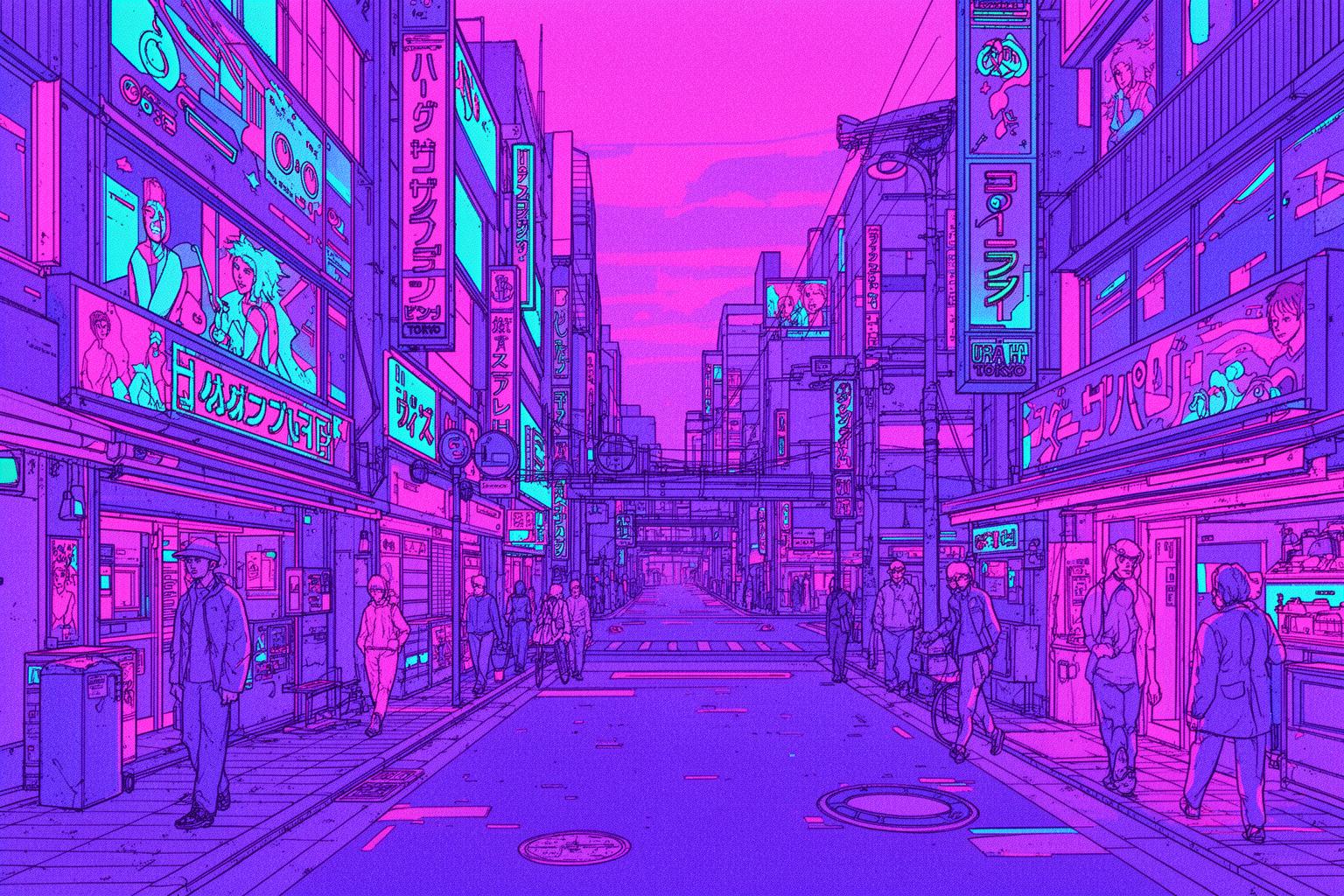
Although shopping is undeniably the main attraction, a visit to Ura-Harajuku feels incomplete if you focus solely on the clothes. The true spirit of the area is discovered in the spaces between stores, in quiet moments of observation. This is a place to slow down and immerse yourself in the culture.
Pause at one of the small, independent coffee shops or cafes scattered throughout the neighborhood. These spots are often as thoughtfully designed as the boutiques and serve as gathering places for local creatives. They provide ideal settings for people-watching and recharging before your next round of exploration. You might spot designers sketching in notebooks, photographers reviewing their shots, or shop staff enjoying a brief coffee break. These cafes are woven into the community’s fabric.
The architecture and urban landscape of Ura-Harajuku tell their own story. It’s a blend of old and new. Sleek, minimalist concrete facades stand beside older, two-story wooden houses that have somehow survived Tokyo’s rapid development. Notice the intricate web of electrical wires overhead, the carefully tended plants in pots outside shops, and the street art and stickers adorning lampposts and utility boxes. These layers of detail form a rich visual tapestry that reflects the area’s history and ongoing evolution.
Listen to the soundscape. It’s a stark contrast to the J-pop blasting on Takeshita Street. Here, the prevailing sounds are the gentle hum of the city, punctuated by the clatter of a skateboard, the distant rumble of the Yamanote Line, and the faint, carefully chosen music drifting from a half-open shop door—perhaps obscure 90s hip-hop, ambient electronica, or raw punk rock. These sounds offer clues to the identity of each space.
Even if you don’t buy a thing, a day spent wandering Ura-Harajuku is a deeply rewarding cultural experience. It provides a glimpse into a subculture that has had a significant impact worldwide. It stands as a testament to the power of independent creativity and the lasting appeal of authenticity. It teaches you to look closer, appreciate the details, and find beauty in the understated. So, put your phone away for a while, let your curiosity guide you, and simply walk. The spirit of Ura-Harajuku will reveal itself in its own time.
A Parting Thought
Leaving the quiet maze of Ura-Harajuku and stepping back onto the bustling main streets of Harajuku can feel like waking from a dream. You return to a world of bright lights and loud noises, yet you carry a secret with you. You’ve seen the other side. You’ve wandered the streets where a fashion revolution began and felt the calm, confident rhythm that still pulses there today. Ura-Harajuku is more than just a cluster of shops; it’s a living museum, a tribute to a time when a few creative youths chose to do things their own way and ended up reshaping the world’s wardrobe. It reminds us that the coolest things are rarely the loudest, and true style isn’t something you buy off a rack—it’s something you discover, understand, and make your own. So next time you’re in Tokyo, dare to venture behind the curtain. The ninjas are waiting.