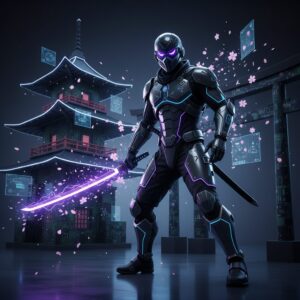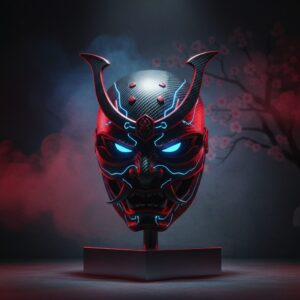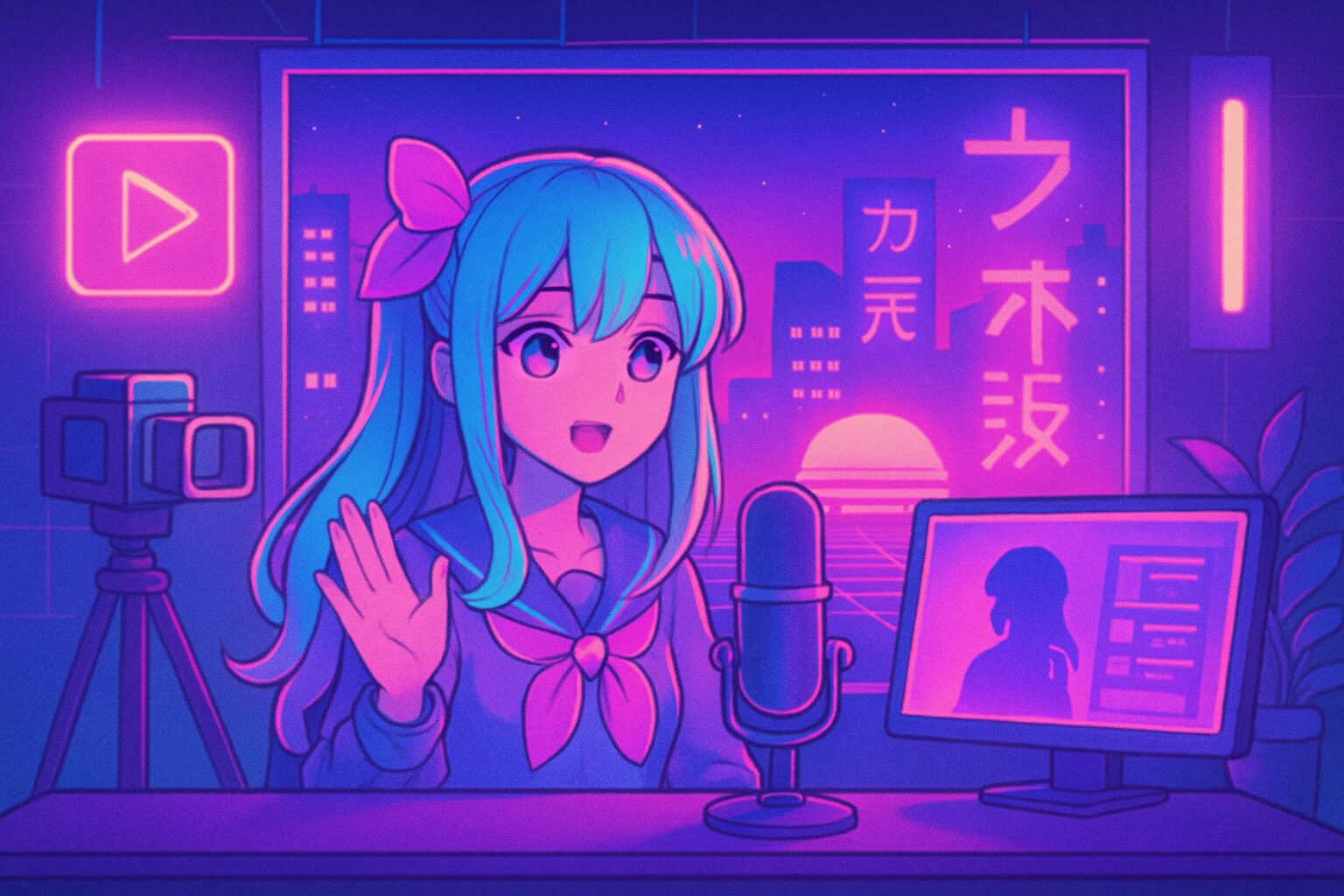
In the ever-shifting landscape of global culture, Japan has perennially been a source of profound fascination, a place where ancient traditions and hyper-modernity perform an intricate, mesmerising dance. From the serene rituals of the tea ceremony to the neon-drenched canyons of Shinjuku, the nation presents a study in contrasts. Yet, bubbling just beneath the surface of mainstream consciousness, a new cultural phenomenon has erupted, one that is quintessentially Japanese in its DNA yet global in its reach. It is a world inhabited by performers who are everywhere and nowhere at once, commanding audiences of millions from clandestine digital dojos. They are the Virtual YouTubers, or Vtubers, and to truly understand them, one must see them for what they are: the digital shinobi of the 21st century. These are not mere internet personalities; they are modern-day ninjas, masters of disguise, information, and influence, wielding technology as their ninjutsu and the internet as their field of operations. They operate behind a mask—a meticulously crafted digital avatar—that grants them anonymity while allowing a curated, often larger-than-life persona to engage, entertain, and build powerful communities. This is not just a niche hobby; it is a multi-billion yen industry, a new frontier of entertainment, and a fascinating window into the future of identity and human connection in an increasingly virtual world. Our mission, should we choose to accept it, is to infiltrate this shadowy realm, to understand its origins, its clans, its techniques, and its profound impact on the culture of Japan and beyond. Our journey begins, as it so often does, in the electric heart of Tokyo’s otaku culture.
The Genesis of the Shinobi: Unmasking the Origins of Vtubing

To understand the rise of the Vtuber, one cannot attribute it to a single invention or a sudden trend. Much like the deeply rooted arts of the historical shinobi, Vtubing did not emerge from nowhere but grew from a rich cultural and technological foundation nurtured in Japan over decades. From a historian’s viewpoint, this phenomenon is a direct descendant of several intersecting cultural lineages. The foremost among these is Japan’s longstanding and intricate relationship with virtual characters and idols. Long before the term ‘Vtuber’ was coined, the idea of a digital celebrity had already taken hold. This can be traced back to creations such as Kyoko Date, a ‘virtual idol’ developed by the talent agency Horipro in 1996. Though technologically simplistic by today’s standards, she served as proof of concept: audiences could, and would, develop an emotional bond with a computer-generated persona.
This lineage transformed significantly with the introduction of Crypton Future Media’s Vocaloid software and its iconic character Hatsune Miku in 2007. Miku was not a traditional idol; she was a tool—a voice synthesizer personified in anime style. Yet, this is precisely where her power lay. She became a vessel for collective creativity. Thousands of producers, artists, and writers used her voice to create a vast universe of music and stories. Miku performed ‘live’ concerts as a hologram in sold-out arenas, conclusively demonstrating that a fictional character could inspire real-world adoration and wield substantial economic influence. Miku and her Vocaloid counterparts deconstructed the concept of a performer by separating the voice, the image, and the creative output into distinct, flexible elements. This deconstruction provided the philosophical foundation for the Vtuber, who essentially represents a real-time, interactive evolution of this same principle.
Then, in late 2016, the Vtuber universe experienced its ‘Big Bang.’ A YouTube channel appeared featuring a lively, energetic anime girl with a pink bow who introduced herself as Kizuna AI. With her iconic greeting, “Hai, domo!” she established the very template of a Vtuber. She was not a pre-programmed animation; she was a personality. She played video games, answered fan questions, commented on trends, all with a sense of genuine, spontaneous life. Kizuna AI was the proto-ninja who set the core techniques: a motion-captured avatar controlled by a real, anonymous human performer, creating content on a live-streaming platform. She proved the model was not only feasible but profoundly engaging.
Japan’s cultural landscape was uniquely receptive to this new form of entertainment for reasons deeply embedded in the national psyche. The visual culture is dominated by anime and manga aesthetics, making anime-style avatars an instantly recognizable and appealing visual language. Additionally, Japanese society has a nuanced relationship with public and private personas, often described through the concepts of tatemae (the public facade one presents) and honne (one’s true, private feelings). The Vtuber avatar represents the ultimate tatemae, a carefully crafted public face that allows the performer—the naka no hito (the person inside)—to express their honne with a level of freedom and safety that a direct public identity might not permit. This cultural acceptance of masks and layered identity created an ideal environment for the digital shinobi to flourish, enabling a unique blend of authentic personality channeled through an entirely artificial form.
The Clans of the Digital Age: Major Vtuber Agencies
As the Vtubing phenomenon surged in popularity, what started as a scattered group of independent agents rapidly formed into organized structures, much like the ninja schools or clans of feudal Japan. These agencies offer training, resources, and strategic guidance for their talents, each fostering a unique philosophy and style. To truly understand the world of Vtubers, one must grasp the influence and traits of these dominant clans.
Hololive Production: The Idol Shinobi Clan
Perhaps the most internationally renowned of these clans is Hololive Production, overseen by Cover Corporation. Hololive’s method can be compared to a ninja clan specializing in infiltration through charm and performance. Their core identity is deeply rooted in the Japanese idol tradition. Hololive Vtubers are more than just streamers; they are entertainers expected to sing, dance, and nurture a devoted fanbase through a blend of cute antics and impressive musical skills. Their group concerts, known as ‘HoloFes,’ are grand productions with intricate 3D choreography and production values rivaling major J-Pop artists. This idol-focused model cultivates a strong group identity. The talents are portrayed as a family, often living together in a fictional ‘Holo-house,’ with interactions full of supportive, positive energy that fans find highly appealing. The lore is rich, with each ‘generation’ debuting under its own overarching theme, from fantasy adventurers to secret society agents. This clan has demonstrated exceptional skill in cross-border activities, establishing successful international branches like Hololive English and Hololive Indonesia. These branches have expanded the Vtuber phenomenon to vast new audiences, adapting the idol-ninja appeal to various cultural contexts while preserving Hololive’s signature charm. Their streams often take the form of long performances where ‘cute’ (`kawaii`) and endearing (`moe`) qualities serve as primary tools in winning over viewers.
Nijisanji: The Diverse and Unpredictable Ronin Collective
If Hololive is the polished idol clan, then Nijisanji, run by Anycolor Inc., represents the sprawling, diverse, and often chaotic collective of master specialists. Boasting a roster of over one hundred active talents, Nijisanji’s strength lies in its wide array of personalities and content styles. Their philosophy focuses less on creating a unified idol image and more on enabling individual streamers to carve out their unique niches. The agency’s breakthrough came with a proprietary app that allowed performers to create Live2D avatars using only an iPhone, dramatically lowering entry barriers and fueling rapid expansion. This led to a talent lineup that resembles a collection of individual artists and comedians rather than a cohesive idol group. Nijisanji is well-known for large-scale, often wildly unpredictable collaborations. Bringing together dozens of strong personalities for tournaments, game shows, or group projects generates a chaotic synergy that is a spectacle in itself. Fans treasure these spontaneous interactions, affectionately calling them `teetee` (a slang derived from the Japanese word `toutoi`, meaning precious or noble, used to describe heartwarming moments). While many Nijisanji members are also talented singers, the collective generally emphasizes personality-driven streaming, especially in gaming and `zatsudan` (just chatting) streams. They are the shinobi who depend on wit, improvisation, and raw charisma, making them a formidable and endlessly entertaining force in the digital arena.
The Independent Ronin: Lone Wolves of the Digital Realm
Outside the towering strongholds of major agencies lies a vibrant ecosystem of independent Vtubers, the `ronin` of the modern era. These creators work without corporate backing, managing their own marketing, schedules, merchandise, and technical support. The indie Vtuber path is challenging, demanding not only performance talent but also business acumen and self-promotion skills. Yet, it offers complete creative freedom. These digital ronin answer only to themselves and their communities. They experiment with niche content, unconventional avatar designs, and unique branding that might not fit the mold of large agencies. Success as an independent is a testament to pure talent and perseverance. They build their followings from scratch, fostering deeply personal connections with their audiences. The rise of accessible tools and platforms like VTube Studio and VRoid Studio has empowered this new generation of lone wolves, equipping them to create high-quality avatars and streams without a corporate budget. Watching the indie scene is like observing a thousand different ninjutsu schools in practice simultaneously—it’s a realm of pure innovation and passion where the next great digital shinobi can emerge at any time.
The Ninja’s Arsenal: The Art and Technology of the Avatar
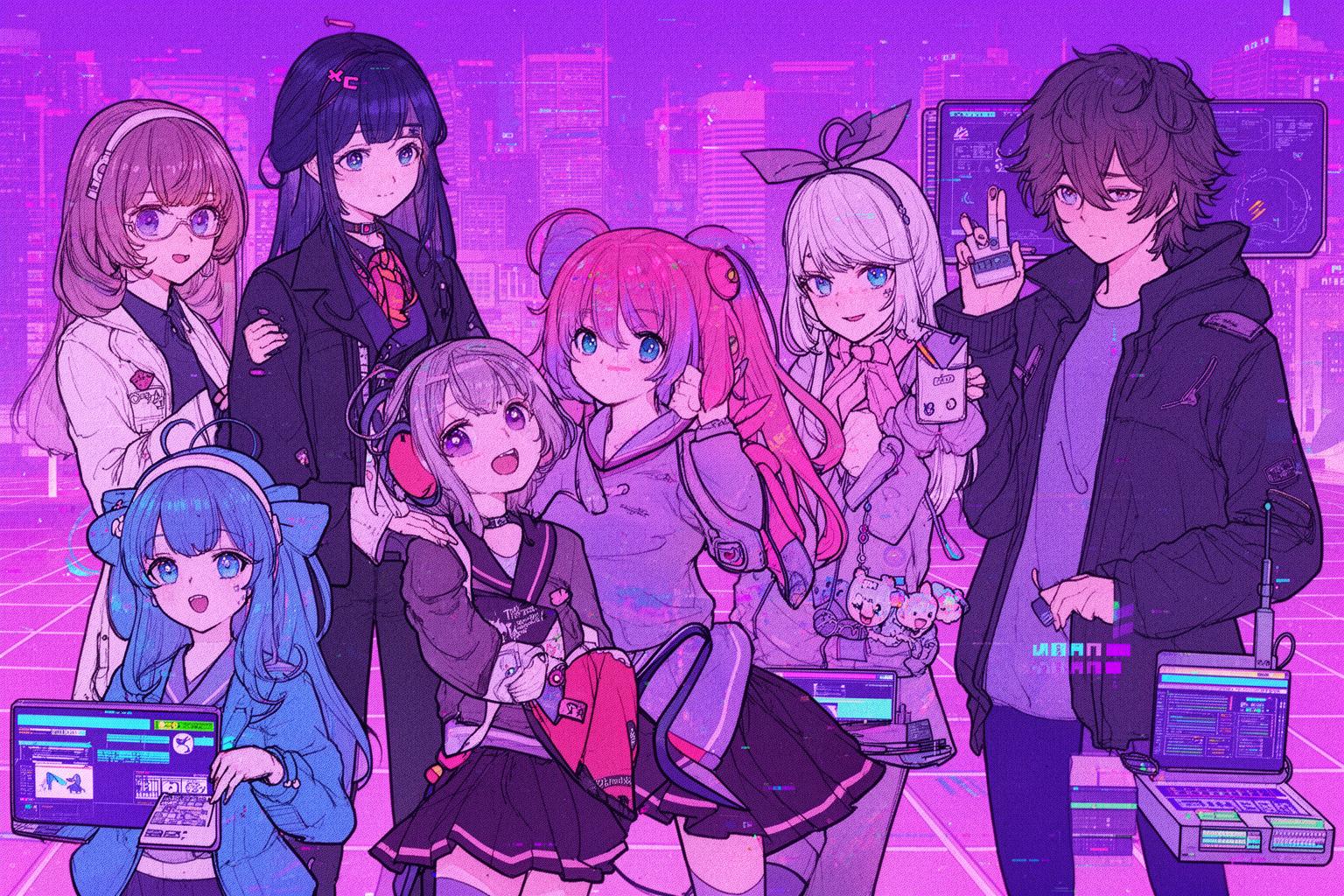
The avatar is the most fundamental tool in a Vtuber’s arsenal, serving as the very foundation of their existence. It acts as their mask, their disguise—their `menpo`. Yet, it is much more than a mere costume; it represents a sophisticated fusion of art and technology, enabling the digital shinobi to master their craft. The creation and operation of these digital puppets is an art form in itself, carried out by a dedicated team of specialized artisans.
The Mask (`Menpo`): Crafting the Digital Persona
An avatar’s journey begins with an artist, affectionately known within the community as the ‘papa’ or ‘mama’ (the father or mother) of the character. This illustrator crafts the Vtuber’s visual identity, producing a multi-layered digital file that includes every expression, hairstyle, and outfit variation. The style is heavily influenced by anime and manga, but within that broad range exists a vast spectrum of artistic diversity—from classic `moe` aesthetics to sleek, futuristic designs and even monstrous or non-human forms. A compelling character design is essential; it creates the first impression with the audience and must instantly convey personality and charm.
Once the artwork is finished, it moves to another expert: the rigger. The rigger is the true magician who breathes life into the static image. Using software such as Live2D, they carefully map the artwork onto a complex digital skeleton. They determine how the eyes blink and track movement, how the mouth syncs with speech, how the hair flows, and how the body shifts and breathes. Skilled rigging creates the illusion of smooth, natural motion, making the avatar seem truly alive. For 3D models used in concerts and special events, this process is even more intricate, involving full 3D modeling, texturing, and rigging, similar to techniques in the video game and film industries. The avatar is not simply a picture; it is an advanced digital puppet, awaiting its master.
The Soul (`Kotodama`): The Performer Within
No matter how exquisitely designed, an avatar is an empty vessel without its soul—the performer, or `naka no hito`. This individual provides the voice, the movements, and most importantly, the personality. The connection between the performer and the avatar is a delicate and captivating dance. They are distinct yet perceived as one entity. The performer must fully embody the character, abiding by their lore and personality, a practice known as maintaining ‘kayfabe’. A sweet, angelic character behaves accordingly, while a mischievous demon acts in kind.
However, the enchantment of Vtubing shines brightest when the performer’s genuine personality, their `honne`, breaks through the avatar’s `tatemae`. An unplanned laugh, a moment of sincere frustration during a tough game, or a heartfelt story shared with viewers—these moments forge a strong parasocial bond between the Vtuber and their fans. The audience recognizes the real person behind the mask, and it is this blending of fictional character and authentic human emotion that makes the experience so compelling. The performer’s voice is their principal instrument, rooted deeply in Japanese culture through the concept of `kotodama`—the belief in the spiritual power of words. For a Vtuber, their voice is literally the soul of their digital form.
The Tools (`Ningu`): The Technology of the Stream
The digital shinobi’s dojo is their streaming setup, outfitted with modern `ningu`, or ninja tools. The heart of the operation is motion tracking technology. For 2D Live2D models, this is frequently accomplished with just a standard webcam or a recent iPhone, which uses sophisticated facial recognition sensors to capture the performer’s expressions and head movements with impressive precision. This data is then processed through software like VTube Studio or PrprLive, which translates the performer’s movements onto the 2D avatar in real time.
For 3D performances, the setup becomes much more elaborate. It requires a full motion capture suit covered in sensors that record every movement the performer makes. Combined with facial tracking data and sometimes specialized gloves to detect hand gestures, this allows for full one-to-one control of a 3D model within a virtual environment. This technology powers spectacular 3D concerts and interactive events. All visual elements are composited with gameplay or other content using streaming software like OBS (Open Broadcaster Software), then broadcast worldwide via platforms such as YouTube and Twitch. This technological suite is the Vtuber’s ninjutsu—the secret arts that enable them to project their presence globally from their hidden base of operations.
The Mission Briefing: What Do Digital Ninjas Actually Do?
A digital shinobi’s missions vary widely, but their primary goal remains constant: to capture the attention and loyalty of their audience. They accomplish this through a diverse range of content, broadcast live for extended hours. These streams serve as the battlegrounds where they forge their legends, and understanding the main mission types is essential to grasping the culture.
Infiltration and Espionage: The Art of the Gaming Stream
The most typical mission for a Vtuber is the gaming stream. It’s their staple, a format that supports long-form, engaging content. The performer plays a video game live, offering real-time commentary, reacting to events, and engaging with their audience via live chat. The choice of game can vary greatly, from the newest blockbuster titles to brutally difficult indie games or calming farming simulators. These streams focus less on expert gameplay (though many Vtubers are highly skilled gamers) and more on the shared experience. The audience isn’t merely watching someone play; they are spending time with a friend, celebrating victories, laughing at failures, and experiencing a story together. These multi-hour sessions act as a form of digital endurance, a prolonged infiltration into the daily lives of viewers, fostering a sense of comforting and consistent companionship.
Intelligence Gathering: The `Zatsudan` (Just Chatting) Stream
Perhaps the most intimate and revealing format is the `zatsudan` stream. Without the distraction of a game, these missions center around conversation. The Vtuber simply chats with their audience, reading messages, answering questions, sharing stories from their day, or discussing various topics. This is where the performer’s personality truly shines. A successful `zatsudan` stream demands exceptional charisma and the ability to entertain using nothing but one’s voice and wit. It is during these streams that the parasocial bond is strongest. Viewers feel as though they are engaged in a private one-on-one conversation, gaining insight into the Vtuber’s inner world. It’s a masterclass in intelligence gathering—not in a sinister sense, but as a way to build deep understanding and rapport with the community, discovering what they enjoy, and making them feel acknowledged.
Psychological Operations: The `Utawaku` (Karaoke Stream)
Rooted in the idol tradition, the `utawaku` or singing stream is pure performance art. Here, the Vtuber delivers a live karaoke session, singing a variety of songs, often requested by viewers. These streams highlight the performer’s musical talents and are a key aspect of the Vtuber-as-idol persona. Productions can range from simple streams with backing tracks to elaborate 3D concerts featuring multiple performers, intricate choreography, and stunning virtual stages. Music is a universal language, and these performances serve as a potent form of cultural outreach—a psychological operation aimed at winning hearts and minds through melody and emotion. The release of original songs and albums has become standard for leading Vtubers, positioning them as legitimate contributors to the music industry.
Joint Operations: The Power of Collaboration
No shinobi works alone. Joint missions, or collaborations (`collabs`), are cornerstone events in the Vtuber community. These streams involve two or more Vtubers interacting, playing games together, or working on special projects. Collabs are highly effective for cross-promotion, introducing one Vtuber’s audience to another. Beyond that, they produce some of the most memorable and entertaining content. The chemistry, banter, and unexpected interactions between different personalities generate a unique energy that solo streams can’t replicate. These events are often hyped for days or weeks beforehand and are celebrated as major occasions by the community—a gathering of clans to create something extraordinary.
The Shadow Economy: The Cultural and Financial Impact of Vtubing

Although Vtubers operate within a realm of fantasy and entertainment, their influence on the real world is deeply tangible, both culturally and economically. They are not merely entertainers; they are leaders of a powerful new “shadow economy” that has emerged around their activities, shaping everything from language to corporate marketing.
Economically, the Vtuber industry is a powerhouse. Its revenue model is diverse. The most direct form of support occurs during live streams through platform features like YouTube’s Super Chats and Twitch’s Bits, which are monetary donations highlighted in the chat, often accompanied by a message from the donor. This system serves as a modern form of patronage. A large donation, called an “Akasupa” (Red Super Chat) on YouTube, is a public demonstration of strong support, a digital offering to the performer. Additionally, channel memberships provide monthly subscriptions that grant fans access to exclusive content such as custom emojis and special community posts. However, the economy extends far beyond the streams themselves. Merchandise is a significant revenue source, ranging from simple acrylic stands and keychains to intricate figurines, clothing lines, and even branded food products. Sponsorships are also increasingly prevalent, with major international brands in gaming, technology, and food service partnering with Vtubers to advertise their products to a highly engaged and loyal audience.
This economic strength directly translates into cultural influence. Vtubers have become trendsetters and cultural tastemakers. Phrases and inside jokes originating from their streams quickly enter the broader internet lexicon. Words like “kusa” (the Japanese term for grass, symbolizing laughter because the repeated letter ‘w’ resembles blades of grass) or the earlier mentioned “teetee” have become common in worldwide online gaming and anime communities. Their influence is so notable that Vtubers now appear regularly in mainstream advertising in Japan. It is common to see Vtubers from Hololive or Nijisanji featured on billboards in Shibuya, on instant noodle packaging in convenience stores, or even in government-sponsored public service ads. They have become brand ambassadors, bridging the divide between niche otaku culture and the broader public.
One of the most impressive aspects of their cultural impact is their global reach. Although the phenomenon began in Japan, it is now truly international. This was made possible by the tireless, often thankless efforts of fan translators and clippers. These devoted fans take segments from lengthy Japanese-language streams, translate them into English or other languages, and upload short, easily consumed clips. These clippers served as the original cultural interpreters, decoding the content and spreading it worldwide, effectively opening the door for the Vtuber invasion of the West. Their efforts generated such enormous demand for Vtuber content that agencies like Hololive and Nijisanji responded by establishing official English-speaking branches, which have since achieved great success, creating a continuous loop of cultural exchange.
A Visitor’s Guide: Experiencing Vtuber Culture in Japan
For the cultural traveler or devoted fan, a pilgrimage to Japan presents a unique chance to witness the tangible footprint of this digital realm. Although the performers themselves remain unseen, their presence is strongly felt in the urban hubs of otaku culture. Knowing where to look enables you to engage with the phenomenon on an entirely new level.
The Holy Land: Akihabara Electric Town
Your first and most crucial destination is Akihabara. This Tokyo district has long stood as the global epicenter of anime, manga, and gaming culture, warmly embracing Vtubers. Exiting Akihabara Station, you’ll be met by towering billboards and video screens promoting the latest Vtubers. The atmosphere buzzes with energy, a mix of J-Pop, video game sound effects, and the excitement of countless passionate fans. Your goal here is to explore the multi-story specialty shops. Stores like Animate, Gamers, and AmiAmi dedicate entire sections to Vtuber merchandise. Here, you’ll find everything from keychains and clear files featuring your favourite digital shinobi to limited-edition birthday items and pricey, highly detailed scale figures. Watch for pop-up shops and themed cafes, often announced on short notice. These temporary venues offer exclusive goods and themed food and drinks, providing a special experience for avid fans. Simply strolling through Akihabara offers an immersive experience, showcasing how deeply Vtubers have become woven into the fabric of modern Japanese pop culture.
The Western Bastion: Ikebukuro
While Akihabara reigns supreme, Ikebukuro serves as another vital cultural center, especially for content appealing to a female audience. The area around Sunshine City, particularly Otome Road, is filled with stores catering to anime and manga fans who favour handsome male characters. Vtubers from male-focused groups within agencies like Nijisanji frequently have a strong presence here. Ikebukuro’s Animate flagship store is vast, offering an extensive range of merchandise. It presents a slightly different vibe from Akihabara but is no less vibrant and essential for a full picture of the fan culture landscape.
The Grand Assemblies: Live Events and Conventions
To truly experience the power of the Vtuber community, try to schedule your visit during a major live event. Agencies like Hololive and Nijisanji hold huge anniversary concerts, such as ‘HoloFes’ and ‘NijiFes’, typically hosted at large convention centers like Makuhari Messe or Tokyo Big Sight. These spectacular events feature dozens of talents performing live on stage in their 3D avatars. The crowd’s energy is electrifying—a sea of fans waving color-coded glow sticks in unison for their favourite performers. Tickets can be hard to obtain, often requiring participation in Japanese-language lottery systems, but the experience is unforgettable. Additionally, major conventions like Comiket (Comic Market) showcase countless circles (independent creators) selling fan-made Vtuber merchandise (doujinshi), highlighting the boundless creativity and passion of the fanbase.
A First-Timer’s Ninjutsu: Practical Tips
For newcomers to the online Vtubing world, a few etiquette tips might help. When joining a live stream, take a moment to read the rules in the video description. Most Vtubers have guidelines about staying on topic, avoiding spoilers, and not mentioning other streamers unless they do so first. Politeness is crucial. Although the chat moves quickly, simple, positive comments are always welcomed. Learning a few basic Japanese phrases used in streams can enrich the experience: konnichiwa (hello), otsukare (good work/thanks for the stream), and the aforementioned kusa (for laughter) will help you feel like part of the community. Remember, you are a guest in their digital dojo; respect the performers and fellow fans to ensure a positive experience for everyone.
In the vast tapestry of Japanese culture, the Vtuber is a vibrant new thread, woven from strands of ancient performance traditions and cutting-edge digital technology. They are the jesters and storytellers, idols and confidants of the modern era. Operating from the shadows, their true faces and identities remain concealed, yet their influence resonates in the bright, public squares of global internet culture. Like the shinobi of old, they are masters of their craft, using a unique arsenal of tools and techniques to captivate, influence, and entertain. They embody a bold leap into the future of entertainment—a world in which the boundaries between the real and the virtual blur, and the power of a single, authentic voice can resonate from behind any mask. The realm of the digital shinobi is vast, intricate, and ever-evolving, a testament to the limitless creativity of the human spirit in the face of a new technological frontier. The mission continues, the shadows deepen, and the story is just beginning.