Alright, let’s get real. You’ve been scrolling, right? You’ve seen them on your feed: these impossibly charming, perfectly cluttered Japanese cafes. Sunlight streams through a window, hitting a collection of mismatched vintage mugs just so. There’s a single, perfect slice of cheesecake next to a well-worn novel. Every single object, from the sugar bowl to the coat hook, looks like it was chosen with the precision of a museum curator. You’ve probably thought, “What is this place? Is it even real?” Welcome, fam, to the world of the zak-ka cafe (雑貨カフェ). And if you’re wondering if it’s just another Instagram trap or something deeper, you’ve come to the right place. Because to get what these cafes are all about, you need to understand they’re not really about coffee. They’re a whole mood, a quiet rebellion, and a window into the Japanese soul’s deep, deep craving for a personal touch in a world of mass production. It’s a vibe that’s way more than just aesthetically pleasing; it’s a cultural statement. We’re about to spill the tea on why these spaces are so much more than what they seem, serving up a slice of social history alongside that hand-dripped brew. Forget your basic cafe guide; this is the deep dive, the iykyk cultural translation. This is your key to understanding why, in Japan, a simple cup of coffee is never just a simple cup of coffee. It’s an experience, a story, and a place to just… be. The whole phenomenon is concentrated in neighborhoods that champion individuality, places where you can wander and find these hidden gems tucked away on quiet side streets.
This quiet rebellion against uniformity is a fascinating contrast to the highly dedicated, communal energy found in Japanese cafes that have transformed into idol shrines.
What Even is ‘Zak-ka’? Spilling the Tea on Japan’s OG Aesthetic
Before we dive into the cafe aspect, we first need to explore the central figure of this entire story: zak-ka. Typing 雑貨 into a translator might yield dull terms like “miscellaneous goods,” “sundries,” or “general store items.” Technically, that’s accurate. But culturally, it’s a vast understatement. It’s like calling a Michelin-star dessert simply “sugar.” While the word itself seems ordinary, the concept it embodies is anything but. It’s a whole universe of meaning condensed into two small characters, and grasping it is crucial to understanding much of modern Japanese lifestyle culture. It’s the secret ingredient, the foundational philosophy that gives these cafes their charm and sets them apart from other curated spaces around the world. It represents a distinct Japanese sensibility that has evolved over decades.
Beyond ‘Miscellaneous Goods’: The Vibe Shift
So, what exactly is the vibe of zak-ka? Picture the opposite of mass-produced, soulless plastic items purchased at a big-box store. Zak-ka is a collection of small, everyday objects that elevate the ordinary and add a spark of joy or beauty to daily life. It’s the handmade ceramic mug that fits perfectly in your hand. It’s the set of tiny brass paperclips that make paperwork seem a bit less tedious. It’s the vintage linen tea towel embroidered with a hand-stitched pattern. It’s not about luxury or brand names; in fact, it often embraces the opposite. It’s about character, nostalgia, and a sense of story. A piece of zak-ka carries warmth and a human touch. It might be old, or new but designed to look vintage; it might come from Scandinavia or France, or be crafted by a local artisan down the street. The common thread is intentional selection. It expresses the owner’s personality and values. Here we connect with a core Japanese idea: kodawari (こだわり). Kodawari is the distinct Japanese passion for detail and the relentless pursuit of perfection in one’s craft or interest. It’s the ramen chef who dedicates 20 years to perfecting his broth or the woodworker deeply familiar with every grain of timber. Zak-ka is kodawari applied to the small, seemingly insignificant objects of life. It’s the belief that even your toothbrush holder or soy sauce dispenser deserves to be special—something that quietly brings joy. It’s a thoughtful, personal curation of your immediate surroundings, a resistance against the generic.
The Backstory: A Low-Key Rebellion Against the Beige Life
This dedication to curated, personal items didn’t arise spontaneously. To truly understand it, we need to rewind to post-WWII Japan. The nation was in overdrive with one goal: economic recovery and rapid industrialization. This period, known as the high-speed economic growth era, emphasized efficiency, functionality, and uniformity. The government constructed massive housing complexes called danchi (団地)—clusters of identical, beige or grey concrete apartment blocks. Families moved in and, for the first time, many owned modern conveniences like refrigerators and washing machines. But everything was standardized. Your apartment looked exactly like your neighbor’s, which looked just like the one in the next town. The products filling these homes were mass-produced and uniform. It was a life of beige practicality. This produced a stable, growing middle class but also sparked a deep, unspoken cultural craving for individuality and personal expression. People lived in cookie-cutter homes with cookie-cutter appliances—where was the space for you? The zak-ka movement, which began gaining traction in the 1970s and truly flourished in the 80s and 90s, was the response. It was a quiet, domestic rebellion. Primarily led by women, it was a way to reclaim personal space and infuse personality into these uniform settings. They couldn’t alter the concrete shell they inhabited, but they could change the details within. They could choose a special cup, a unique piece of fabric, or a charming wooden figurine. These small acts of curation said, “This space is mine. It reflects who I am.” Magazines like Olive and an an became bibles for a generation of young women—not just teaching fashion but fostering an entire lifestyle—a seikatsu (生活)—centered on this love of cute, often European-inspired, zak-ka. It was about creating a dream world, a cozy, idealized life within the confines of a small apartment.
Okay, But Why Put it in a Cafe? The Ultimate Chill Space
So, we’ve established that zak-ka is a philosophy centered around personal curation. But why did this philosophy align so seamlessly with cafe culture? Why not simply have more zak-ka shops? The answer lies in the Japanese concept of space and the pursuit of a place to belong. This fusion was no accident; it was an evolutionary move to provide a very specific kind of comfort and experience that contemporary Japanese life demands. It transformed the simple act of buying a cup of tea into a form of lifestyle immersion—a brief escape into a meticulously crafted world.
The ‘Third Place’ Theory, Japanese Style
Sociologist Ray Oldenburg coined the term “third place” to describe essential social environments separate from the two primary ones: home (the first place) and work (the second place). In many Western cultures, this might be a pub, a bustling coffee shop, or the town square. It’s where community forms, where people can relax and be themselves. In Japan, however, this concept takes on a unique twist. Homes, especially in large cities, tend to be very small—functional but often not ideal for hosting friends or finding quiet personal time when living with family. Workplaces are usually formal and highly structured, with a clear divide between professional and personal identities. Therefore, the need for a comfortable, relaxing third place is enormous. But loud, crowded chain coffee shops don’t quite fit this need. A zak-ka cafe fills this niche perfectly. It’s designed to evoke an idealized version of someone’s home—a cozy living room, a quiet study, a dreamy kitchen. Intimate, personal, and carefully crafted for comfort and visual enjoyment, it’s more than just a spot to get caffeine; it’s a destination. It allows you to “rent” a beautifully curated atmosphere for an hour or two, providing an escape from the pressures of work and the confines of a small apartment. It offers a glimpse of teinei na kurashi (a carefully lived life) that you aspire to, without the obligation of owning everything yourself.
More Than a Store, It’s an Experience (Though You Can Buy the Mug)
This can be the most puzzling part for first-time visitors. You walk in, sit down, and notice that the elegant ceramic mug your coffee was served in has a small price tag underneath. The antique-looking spoon carries one too. The art print on the wall? For sale as well. You might start wondering, “Am I in a cafe or a store?” The truth is: you are in both. A zak-ka cafe is a hybrid space that blurs the line between hospitality and retail. The entire cafe acts as a living showroom. The owner isn’t just a barista; they are a curator, a lifestyle expert. They’ve crafted a complete, immersive world driven by their personal taste, and everything in that world reflects their aesthetic. You don’t merely order a coffee; you order the whole experience. You sit on furniture they chose, listen to music they handpicked, and drink from cups they sourced. If you fall for any part of that experience—the cup, a plate, a small vase—you can often purchase it and bring a piece of that curated world home. This business model is brilliant. It transforms every customer into a potential shopper and enables the owner to monetize their curation passion beyond just food and beverages. The experience becomes interactive and tangible—you aren’t just admiring from afar but living with these objects briefly, forming an emotional attachment that might lead to a purchase. It’s the ultimate “try before you buy” for a lifestyle.
The Owner as the Central Figure
It’s crucial to understand that a zak-ka cafe is not a brand; it’s a person. These cafes are rarely franchises or chains. They are deeply personal passion projects, often managed by an individual or a couple. The cafe acts as a direct, unfiltered extension of the owner’s identity. If the owner is fascinated by Showa-era vintage toys, the cafe will be filled with them. If they favor Scandinavian design, the space will be minimalist, clean, and full of natural wood. If they are a potter, the cafe will showcase their own creations. This gives each zak-ka cafe a unique, irreplaceable spirit. It also means you are entering the owner’s personal territory. The owner holds “main character energy” in their own domain. They’ve invested heart, soul, and savings into creating this perfect little world. As a guest, you’re part of that realm. This is why the atmosphere might sometimes feel a bit particular. There could be unspoken rules: no loud conversations, no laptops, or limits on how long you can stay. This isn’t meant to be discourteous; it’s about preserving the specific vibe and carefully curated ambiance the owner has painstakingly established. You’re not just purchasing a product; you’re engaging with their artistic vision. Understanding this is key to appreciating the experience rather than feeling confined by it.
Navigating the Zak-ka Cafe Scene: A Vibe Check
So, you’re ready to jump in. You’ve spotted a promising place tucked away in a quiet alley. But before you rush in with your laptop and order a venti-whatever, pause for a moment. Successfully navigating a zak-ka cafe takes a bit of cultural savvy. You need to check the vibe, read the atmosphere, and adjust your expectations. This isn’t about strict rules, but about honoring the space and the intention behind it. It’s about shifting your mindset from a transactional one to one of appreciation, which will enhance your experience immensely.
Reading the Room: It’s Not Starbucks, Friend
First and foremost, remember that speed and efficiency aren’t the priorities here. The whole point of a zak-ka cafe is to offer a respite from the fast-paced, hyper-convenient world outside. Typically, the owner is the sole person running the place—acting as host, barista, chef, and cashier. Your coffee might be a slow, careful pour-over that takes ten minutes to prepare. Your slice of cake will be served with artistic care. Don’t tap your foot or glance at your watch. This is slow time. The Japanese concept of kuuki wo yomu (空気を読む), meaning “to read the air,” is essential here. Before entering, take a peek inside. Does it look like a lively spot for chat, or is it library-quiet? Are customers working on laptops, or quietly reading books? The ambiance will reveal what behavior is expected. If it’s silent, speak softly. If no laptops are visible, it’s probably not appropriate to pull yours out. Many cafes have clear signs like “No PC” or “Limit stay to 90 minutes.” These guidelines exist to protect the peaceful, escapist atmosphere that is the cafe’s core offering. You’re there to disconnect, notice little details, and savor the moment. Treating it like a co-working space or rushing defeats the whole purpose.
Spotting the Different Flavors of Zak-ka
“Zak-ka cafe” is a broad term encompassing a wide range of styles and aesthetics. The fun lies in discovering the various “flavors” and finding those that speak to you. While not exhaustive, here are some common archetypes you might encounter, each offering a unique fantasy world to step into.
The ‘Showa Retro’ Vibe
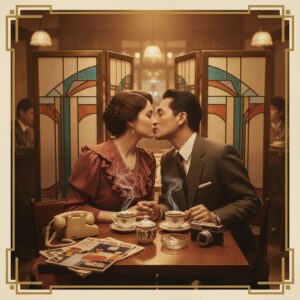
This style is pure nostalgia for Japan’s Showa Era (1926–1989), especially the mid-century boom and optimism. Walking into one of these cafes is like stepping onto a 1960s movie set. Expect dark wood furniture, velvet chairs in mustard yellow or avocado green, and walls decorated with vintage movie posters or tin ads. The zak-ka might include old-fashioned patterned glassware, amber ashtrays (even if smoking isn’t allowed), and collections of vintage manga or vinyl records. The menu often matches the theme, with classics like melon cream soda topped with vanilla ice cream, Napolitan spaghetti (ketchup-based pasta), or thick toast with red bean paste. It’s a cozy, slightly kitschy look that taps into a shared longing for a simpler, more hopeful era.
The ‘French Countryside’ Aesthetic
This popular and enduring style romanticizes rustic life in Provence or rural France. These cafes tend to be bright and airy, featuring a palette of white, cream, and soft pastels. You’ll see distressed whitewashed wooden tables, mismatched chairs, and dried flowers like lavender and baby’s breath dangling from the rafters. The zak-ka here includes linen napkins, antique-style silverware, enamel pitchers, and delicate floral porcelain. The vibe is soft, feminine, and highly photogenic, evoking a slow, natural, and beautiful lifestyle far from the city’s concrete jungle. It’s less about strict historical accuracy and more about capturing a mood—a gentle, sunlit tranquility.
The ‘Handmade & Crafty’ Corner
These cafes often serve as galleries or shops for local artists and craftspeople. The emphasis is on the human touch and the beauty of handmade items. Decor is usually simple, designed to highlight the products for sale. You might sit at a table made by a local woodworker and sip from a mug crafted by a neighborhood potter. The zak-ka includes hand-stitched pouches, unique jewelry, hand-printed postcards, and one-of-a-kind ceramics. These places foster a strong sense of community. Owners are often craftspeople themselves, passionate about supporting local creators. Visiting feels like connecting to the local creative scene. It’s less about escaping into fantasy and more about valuing genuine, contemporary craftsmanship.
The ‘Wabi-Sabi’ Minimalist
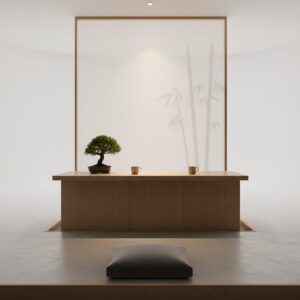
This style focuses less on “cuteness” and more on deep, contemplative beauty. Rooted in the traditional Japanese aesthetic of wabi-sabi (侘寂), it finds beauty in imperfection, impermanence, and simplicity. These cafes tend to be stark and minimalist, emphasizing natural materials such as wood, stone, and clay. The color palette is earthy and subdued. The zak-ka is chosen with great care: a single irregular ceramic vase holding one branch; a rough wooden tray; hand-blown glasses, each slightly different. The beauty lies in the texture, asymmetry, and signs of time’s passage. These spaces are incredibly quiet and serene, designed for introspection. They stand in stark contrast to cluttered, cute zak-ka styles; here, profound beauty is found in the absence of excess.
So, Is It Worth It? The Real vs. The Instagram Post
After all this, we return to the original question: Are these places truly worth the hype, or are they merely curated backdrops for your next social media post? The answer, much like many things in Japan, is nuanced. It’s both. Zak-ka cafes are undeniably linked to Instagram’s visual culture, yet their cultural importance and the experience they provide extend far beyond the surface appeal of a filtered photo. They tap into a sincere and deeply felt need within contemporary Japanese society.
Beyond the ‘Gram: The Quest for ‘Teinei na Kurashi’
At its core, the zak-ka cafe phenomenon is a tangible expression of the modern lifestyle ideal known as teinei na kurashi (丁寧な暮らし), which means “a carefully lived life” or “a life of 丁寧.” This idea has become a significant cultural buzzword in Japan over the past decade. It represents a deliberate shift away from the convenience-store, disposable culture toward a more mindful, intentional way of living. It’s about taking time to grind your own coffee beans, mend a piece of clothing instead of discarding it, arrange flowers in a vase, and appreciate the small, beautiful details of everyday life. In a society often marked by overwhelming speed, efficiency, and demands, teinei na kurashi serves as a form of self-care, a way to reclaim time and well-being. A zak-ka cafe stands as a shrine to this philosophy. It’s a space that encourages you to slow down. The attentive service, the carefully selected objects, the quiet ambiance—all are designed to enhance presence and mindfulness. It provides a tangible, immersive experience of this idealized lifestyle. For the price of coffee and a slice of cake, you can enter this world and, for a moment, feel like you’re living that careful, beautiful life. It acts as a temporary refuge, a kind of therapy, an analog hug in a digital era.
The Flip Side: When Curation Turns into Pressure
Now, for a candid critique. This culture of perfect curation isn’t without its drawbacks. Though it started as a form of personal expression, social media has, in many respects, transformed it into a performance. The pressure to live a teinei na kurashi lifestyle and showcase it on Instagram is very real. Sometimes, it feels less like a joyful personal choice and more like a competitive contest in good taste. Who owns the most artisanal coffee dripper? Who discovered the rarest vintage plate? This can breed feelings of anxiety and inadequacy. Moreover, the intensely personal, vibe-driven nature of these spaces can occasionally feel exclusionary. If you don’t immediately “get” the aesthetic, or if you unknowingly break one of the unwritten rules, you might feel like an unwelcome outsider. The quiet can feel less like tranquility and more like surveillance. The meticulous curation can seem less charming and more like a fragile, hands-off museum where you’re anxious about putting your glass down incorrectly. For foreign visitors in particular, the absence of explicit guidelines can be stressful. This culture relies heavily on context and non-verbal signals, which can be challenging to navigate if you’re unfamiliar with them. It’s important to recognize that what feels like a peaceful refuge to one person can be an intimidating social minefield to another.
The Final Word: More Than a Cafe, It’s a Mood
So, when you encounter a zak-ka cafe on your next trip to Japan, or even on your phone screen, try to look beyond its surface-level cuteness. Don’t just write it off as another Instagrammable spot. Instead, recognize it for what it truly is: a rich, intricate cultural phenomenon. See it as a quiet yet powerful statement against the relentless tide of mass production and uniformity. It’s a classroom for appreciating the Japanese obsession with detail, kodawari, and a living museum showcasing the things people treasure. It stands as a physical expression of a decades-long quest for individuality and a personal refuge in a society that often values the group over the individual. It embodies the deep desire to create a small, beautiful, and manageable world as an escape from the vast, chaotic one outside. It’s proof that profound meaning and joy can be found in the small, everyday objects that surround us. A zak-ka cafe is more than just a place to enjoy coffee. It’s an experience you inhabit, a story you step into, a mood you borrow for an afternoon. And grasping that means understanding a very real, very important part of the modern Japanese spirit.