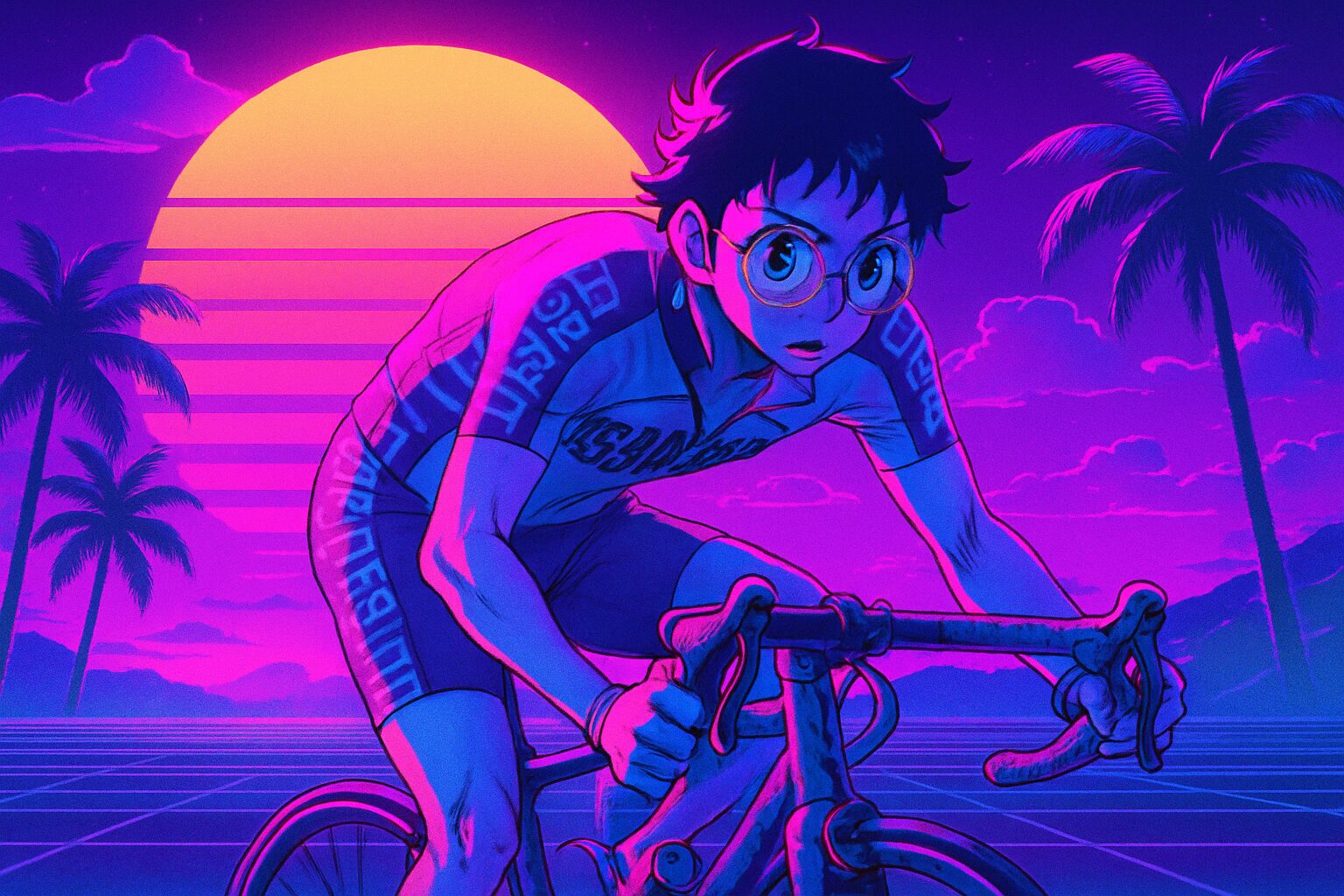
Yo, what’s good, world travelers and anime fans! Hiroshi Tanaka here, your local guide to the real Japan, the one that slaps different, you know? Today, we’re ditching the usual tourist tracks. We’re clipping in, grabbing our handlebars, and dropping the hammer on a journey that’s straight-up legendary. We’re talking about a pilgrimage, but not the quiet, temple-hopping kind. This is a high-cadence quest, a real-life anime adventure. We’re cycling the actual, no-cap courses from Yowamushi Pedal. This ain’t just a workout; it’s about chasing that feeling, that raw, unfiltered passion you see on screen. It’s about feeling the same burn in your legs that Onoda felt, the same salty sea spray as the Sohoku crew, and staring down the same beast of a mountain that the kings of Hakone Gakuen call their kingdom. This trip is for anyone who’s ever watched an episode and thought, “Maji de… I wanna do that.” Bet. We’re about to make that dream a reality. We’ll start where it all began, in the breezy coastal vibes of Chiba, and then, we’ll face the ultimate boss level: the brutal, beautiful, and absolutely iconic Inter-High course in Hakone. This is your sign to stop dreaming and start pedaling. It’s gonna be epic, it’s gonna be tough, but trust me, the view from the top? It’s a whole new level of sugoi. Let’s get it.
If you’re looking for a more relaxed cycling adventure, consider exploring the Shimanami Kaido for a scenic coastal ride.
The Sohoku Spirit: Cruising Chiba and the Shonan Coast
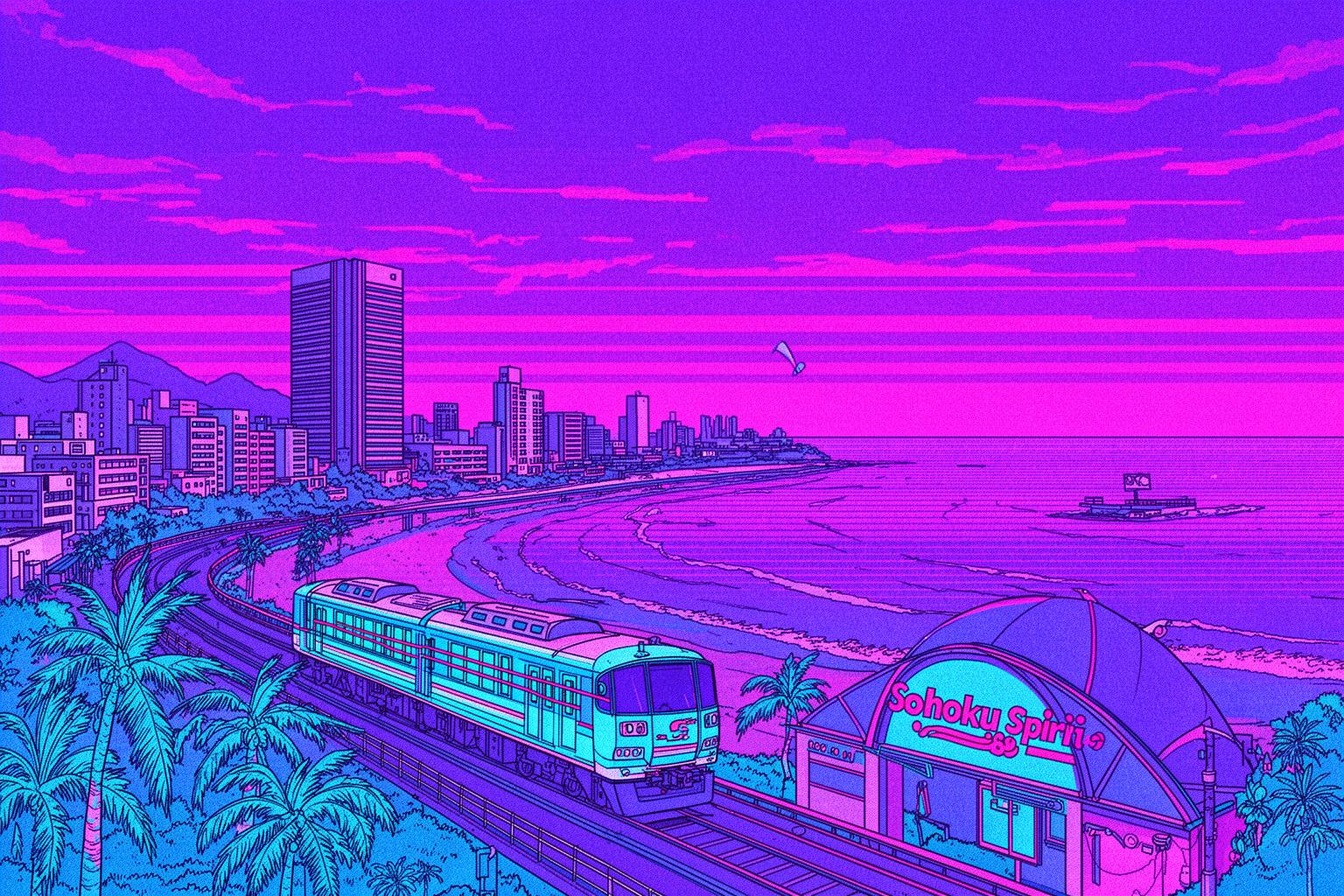
Before we even consider the monster climbs of the Inter-High, we need to pay homage to where the journey began. We’re talking about Sohoku High’s home ground: Chiba Prefecture. This is where a shy otaku named Sakamichi Onoda first discovered the incredible joy of road racing. The atmosphere here isn’t about epic mountain battles; it’s about the everyday grind, the foundation of teamwork, and the pure, simple love of cycling. Riding in Chiba feels like a soulful warm-up lap. The routes are generally flatter, breezier, and filled with that slice-of-life anime energy.
Chasing Onoda’s Ghost on the Sakura-Narita Ride
To truly get into the Sohoku mindset, you start in Sakura City, the real-life inspiration for Sohoku’s hometown. This isn’t a bustling metropolis; it’s a quiet city with a rich historic core. You can almost imagine Onoda humming the “Love Hime” theme song as he tackles the infamous twenty-percent grade hill on his mamachari, the one he rode daily to Akihabara. Finding the exact hill is part of the fun for pilgrims, but any of the short, punchy climbs nearby will give you a taste of his everyday challenge. The real highlight, though, is cycling from Sakura toward Narita. The route takes you through classic Japanese countryside, or inaka. Picture endless green rice paddies stretching out under a wide blue sky, quiet roads with little traffic, and the occasional charming old farmhouse. It’s a peaceful, meditative ride. The air smells fresh, like earth and growing things. This is where you build your foundation, just like the Sohoku first-years. It’s where you find your rhythm and let your mind drift. Here, you remember that cycling isn’t always about winning; sometimes, it’s about the freedom of the open road. It’s a low-key vibe, but an essential one. It grounds you. When you’re grinding up a mountain later, you’ll recall the simple joy of this flatland cruise, and it’ll give you strength.
The Enoshima Sprint: Sun, Salt, and Speed
Now, fast forward to the main event, the stage that defines coastal racing in the series: the Enoshima-Shonan coast. This is the finish line for Day 1 of the Inter-High, and it’s where the sprinters get to absolutely shine. The atmosphere here is a complete contrast to the quiet fields of Chiba. This is Japan’s surf culture capital. The moment you hit the coast road, Route 134, the vibe changes. It’s lively, it’s cool, and it’s buzzing. On one side, you have the sparkling Sagami Bay, and on the other, a parade of trendy cafes, surf shops, and classic Japanese homes. You can literally taste the salt in the air. On a clear day, you get a breathtaking, almost spiritual, view of Mount Fuji rising majestically across the water. It’s so perfect it almost looks unreal, like a painting.
Cycling here feels cinematic. The road is mostly flat, a perfect tarmac ribbon along the coastline, inviting you to open up the throttle. You’ll share the road with other cyclists, joggers, and vintage VW vans with surfboards strapped to their roofs. The soundscape blends crashing waves, the whir of your chain, and distant beach chatter. This is Tadokoro and Naruko’s territory. You feel the urge to drop low on your handlebars and sprint for an imaginary finish line, yelling “ORA ORA ORA!” No joke, you will feel it. The final approach to Enoshima Island, crossing the Bentenbashi Bridge, is the showstopper. The island, with its iconic shrine and observation tower, grows larger and larger. You can feel the energy building. This is it. This is the finish line. Crossing that bridge, with the wind at your back and the island in sight, is a moment of pure triumph. It’s an addictive rush of accomplishment. You’ll want to do it again and again.
After your sprint finish, the reward is exploring Enoshima itself. Park your bike securely and wander up the island’s winding paths. You can enjoy delicious local snacks like tako senbei (a giant, paper-thin octopus cracker) or sweet dango. The views from the top, looking back over the coastline you just conquered, make every pedal stroke worth it. It’s the perfect way to savor the victory and get pumped for the next stage of the journey: the mountains.
The King’s Domain: Conquering the Hakone Mountains
Alright, team, hydrate well and double-check your gear because this is the main event—the big one, the legendary Stage 2 of the Inter-High. We’re talking Hakone. This course isn’t just a route; it’s a character in the story. It’s the sacred training ground of Hakone Gakuen, the undisputed kings of high school cycling. Hakone is a land of raw power and breathtaking beauty, a volcanic national park filled with winding mountain roads, dense forests, steaming hot springs, and views that will literally stop you in your tracks. The air here feels different—cooler, thinner, charged with energy. Riding here is a rite of passage. It will test your body, your bike, and your spirit. This is where climbers are born and legends come to life. To say the course is tough is an understatement. But conquering it brings a feeling unlike any other. Let’s break down this epic challenge.
The Approach: From Sea Level to the Mountain Base
The real course begins in Odawara, a historic castle town near the coast. The first part of the ride is deceivingly easy—a gentle, rolling warm-up as you leave the city behind and follow the Hayakawa River upstream. The road, National Route 1, is busy at first, but as you progress, the urban landscape fades, replaced by lush greenery. The sound of traffic diminishes, replaced by the rush of the river and bird calls. This section is all about finding your rhythm, conserving energy, and mentally preparing for what’s ahead. You’ll pass through Hakone-Yumoto, the gateway to the onsen region. The air faintly smells of sulfur from the hot springs—that signature scent of Hakone. This is the calm before the storm. You can sense the gradient subtly, almost stealthily, starting to climb. Here, you’ll spot signs for the famous Hakone Ekiden marathon, signaling you’re on a legendary stretch of road. You might feel like Toudou Jinpachi, smoothly leading the pack, chatting, confident—but you know what’s coming. The mountain awaits.
The Climb: A Dialogue with the Mountain God
After passing Hakone-Yumoto station, the terrain shifts. The road tilts upward and maintains that incline for about 15 kilometers. This is the real climb—the big one. The road twists into a series of switchbacks, carving its way up the mountainside. The forest closes in, with giant, centuries-old cedar trees towering overhead, their leaves forming a dappled canopy filtering sunlight. The air grows cooler, and the atmosphere feels ancient and sacred. This is Manami Sangaku’s domain. He’d say the mountain is alive, and on this climb, you truly feel it. Its presence is unmistakable.
Every pedal stroke is a struggle. Your legs burn; your lungs demand more oxygen. Your world narrows to the patch of asphalt ahead, the sound of your breathing, and the steady beating of your heart in your ears. This is as much a mental battle as it is physical. You break the climb into smaller sections—just reach the next turn, then the next, then the next. You’ll see fellow cyclists on the road—some flying up effortlessly, others grinding like you. A silent nod of respect passes between you. Everyone here is facing the same challenge. Occasionally, a break in the trees rewards you with a breathtaking view of the valley below—a powerful reminder of how far you’ve ascended. It pushes you to keep going.
This is where you channel your inner Onoda. When your legs threaten to give out, you start singing. Whether it’s “Love Hime” or your own power anthem, you find that high cadence, that spinning rhythm that seems impossible but propels you forward. You think of the team, of everyone cheering you on—even if they’re just voices in your head. It’s that power of friendship and shared struggle that carries you through the toughest moments. Reaching the course’s highest point near Lake Ashi isn’t a loud, triumphant moment—it’s a quiet, personal victory. You stop, breathe, take in the serene, stunning lake cradled by mountains, and feel an overwhelming sense of peace and achievement. You did it. You faced the mountain god—and earned its respect.
The Descent and the Final Sprint: Flying to the Finish
What goes up must come down—and in Hakone, the descent is just as thrilling and technical as the climb. The road down to Moto-Hakone is fast and full of sharp turns. This is where fearless descenders like Arakita Yasutomo thrive. It demands total concentration. You pick your lines perfectly, control your speed, and trust your tires. The wind rushes past your ears, and the scenery blurs into a wash of green. It’s an adrenaline rush like no other. You feel like you’re flying. But it’s not over yet.
The course circles the beautiful Lake Ashi, offering some of Japan’s most iconic views. You’ll ride past the famous floating red torii gate of Hakone Shrine, a magical sight. This section is relatively flat—a chance to catch your breath and spin your legs before the final push. The finish line in the anime is near the Hakone Checkpoint Museum, a reconstruction of the historic checkpoint that once controlled passage into and out of Edo (now Tokyo) for centuries. Approaching it, you find that last burst of energy you didn’t know you had. You rise out of the saddle and give it everything in one final, glorious sprint. Crossing that imaginary line, utterly exhausted but exhilarated, is the ultimate reward. You’ve completed one of Japan’s most challenging and iconic cycling courses. Now it’s time to celebrate—with a victory meal and a long soak in the hot springs. You’ve more than earned it.
Your Ultimate Yowapeda Pilgrim Playbook
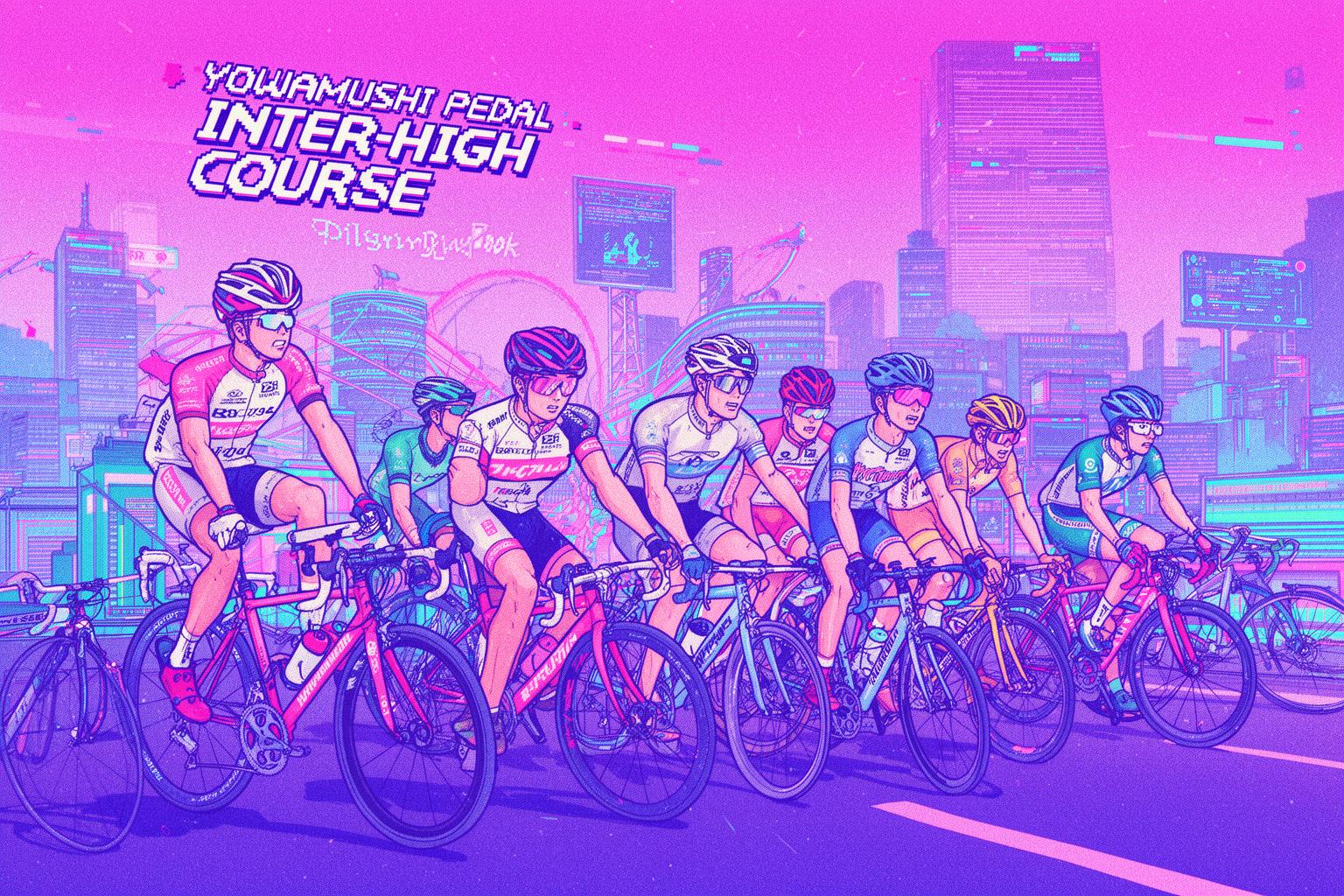
Alright, so you’re pumped and ready to turn your anime dreams into reality on two wheels. That’s the spirit! But hold on—before you book your flight and pack your gear, let’s talk logistics. A bit of preparation can transform this trip from good to absolutely legendary. Think of me as your support crew, sharing all the expert tips you need for a smooth ride. This is your complete game plan, covering everything from renting the ideal bike to grasping the unspoken rules of Japan’s roads.
Gearing Up: Renting a Bike in Japan
Unless you’re a pro bringing your own custom-built ride, you’ll need to rent a bike—and Japan won’t disappoint. The quality of rental road bikes here is top-notch. You won’t be stuck with some rusty old clunker.
Types of Rental Shops
- High-End Road Bike Specialists: These shops are your best option. Located in major cities like Tokyo or close to cycling spots like Odawara, they offer fleets of high-performance carbon and aluminum road bikes from brands such as Giant, Trek, Specialized, or Japanese brands like Anchor. You can often reserve these online ahead of time—a major pro tip, especially during peak seasons. They’ll assist with sizing, fitting, and provide essentials like helmets, pumps, and basic repair kits. Some even deliver to your hotel.
- Cross Bike/City Bike Rentals: These are more common in tourist spots like Kamakura or near train stations. They’re great for a casual ride along the Shonan coast, but if you’re planning to tackle the Hakone mountains, you absolutely need a proper road bike with appropriate gearing. Don’t try to conquer Hakone on a mamachari unless you seriously channel Onoda Sakamichi.
- What to Inspect: When renting, check the components carefully. Ensure brakes respond well, gears shift smoothly, and tires are in good shape. Ask about gearing—you’ll want a compact crankset and a cassette with a large cog (like 28 or 32 teeth) for climbing Hakone. That climbing gear will be your best ally. Also, consider pedals. Most serious rental shops let you bring your own pedals and cleats or provide flat pedals or basic SPD/Look Keo pedals.
Where to Stay: Cyclist-Friendly Accommodations
After a long day riding, you need a comfortable place to rest and recover. Japan’s lodging options are excellent, catering to all budgets and styles.
- Ryokan (Traditional Inn): For the full Hakone experience, staying in a ryokan is essential. These traditional inns often have their own onsen (hot springs), perfect for soothing aching muscles. Imagine soaking in a natural hot spring while gazing at a serene Japanese garden—it’s pure bliss. Plus, they typically serve exquisite multi-course kaiseki dinners, ideal for refueling. Some ryokans cater well to cyclists, so it’s worth confirming if they have secure bike storage.
- Minshuku (Guesthouses): These casual, family-run B&B-style accommodations are more affordable than ryokans and offer a warm, local hospitality experience. They’re a great choice in coastal areas or smaller towns.
- Business Hotels: These no-frills, practical hotels near train stations are clean, dependable, and usually have small but comfortable rooms. They are a budget-friendly choice, especially in places like Odawara. Many allow you to bring your bike into the room for maximum security.
- Hostels: Perfect for meeting fellow travelers. Many modern Japanese hostels offer excellent facilities, with some specifically geared toward cyclists, including bike storage and maintenance areas. Ideal for solo travelers or those on a tight budget.
Fueling Up: What to Eat and Drink
Cycling burns a ton of calories, so this is your chance to indulge in Japan’s incredible food scene. Now’s not the time for dieting—you’ll need carbs, protein, and plenty of hydration.
- Convenience Stores (Konbini) are Your Best Friend: Don’t underestimate Japanese konbini like 7-Eleven, FamilyMart, and Lawson—they are lifesavers for cyclists. You can grab everything you need: onigiri (rice balls) for easy carbs, protein bars, sports drinks like Pocari Sweat or Aquarius, soft-boiled eggs for protein, and even good coffee. Stock up before big rides; they’re everywhere, and the quality is outstanding.
- Local Specialties: In Hakone, try the famous kuro-tamago—black eggs boiled in volcanic hot springs, rumored to add seven years to your life! The area is also known for soba noodles and fresh tofu. Along the Shonan coast, fresh seafood reigns. Enjoy a kaisendon (rice bowl topped with fresh sashimi) in Enoshima after a ride—it’s a peak experience, no exaggeration.
- Hydration is Critical: Japanese summers are hot and humid, so you’ll sweat a lot. Carry at least two water bottles and plan your route to pass by konbini or the many vending machines (jidohanbaiki) for refills. Japan’s vending machines are top-tier—you can get water, tea, sports drinks, and even hot canned coffee.
Rules of the Road: Cycling Safely in Japan
Japan is generally very safe for cyclists, but you need to know the rules and customs to enjoy your ride and show respect.
- Ride on the Left: Like cars, bikes must stay on the left side of the road. This is the most important rule. It may feel odd at first if you come from a right-side country, but you’ll adjust. Stay alert, especially at intersections.
- Sidewalks vs. Roads: In cities, many ride on sidewalks. Technically, bikes should be on the road, but it’s a gray area. As a road cyclist on a fast bike, you should ride on the road. Be predictable, use hand signals, and watch for cars pulling out.
- No Phones or Headphones: It’s illegal to ride while using your phone or wearing headphones that block both ears. You need to hear traffic and emergency vehicles.
- Lights Are Required: If you ride at night or through tunnels in Hakone (and there are several), you must have a front light and a rear reflector or light. It’s the law.
- Be Respectful: Japanese culture values harmony. Avoid aggressive riding. Be polite to pedestrians and drivers—a simple nod or slight bow goes a long way. Don’t block traffic, and when you stop, make sure your bike isn’t in anyone’s way.
The Soul of the Ride: More Than Just a Race
So, we’ve covered the routes, the gear, the grind. But let’s be honest for a moment. Undertaking this pilgrimage, retracing the Inter-High course on your own bike, is about much more than just racking up kilometers or chasing a certain speed. It’s about connecting with the spirit of the story. Yowamushi Pedal isn’t simply about who crosses the finish line first; it’s about why they keep pedaling in the first place. And when you’re out there, riding those very same roads, you begin to understand. You truly, deeply understand.
This journey is a test of perseverance. There will be a point on the Hakone climb, I promise you, when every part of your body begs you to quit. Your legs will feel like heavy weights, your lungs will burn, and the little voice inside will whisper, “Just stop and walk. Nobody will see.” That’s the critical moment. That’s when you have to dig deep. You need to find your inner Onoda, your inner Makishima, your inner Toudou. You have to recall that urge to see what lies over the next hill, that drive to push beyond your limits just to find out if you can. Powering through that moment, discovering a second wind, and reaching the summit under your own strength is a triumph far more profound than a mere physical feat. It’s a mental victory. You learn something about yourself on that climb. You find out you’re stronger than you imagined. It’s a lesson that lingers long after the muscle soreness fades.
It’s also about connection. Even when you’re riding alone, you’re never truly solitary. You’re linked to the story, to the characters who fought on these exact roads. Sprinting along the Shonan coast, you can almost hear the crowd’s roar and feel Naruko’s explosive energy. As you climb through Hakone’s misty forests, you sense Manami’s calm, intense focus and Onoda’s cheerful, unwavering resolve. The scenery becomes part of the tale. That tight hairpin isn’t just a turn; it’s where Makishima executed his wild, spider-like climb. That long straight stretch isn’t just a road; it’s where Kinjou and Fukutomi faced off in their epic ace battle. The ride turns into a conversation among you, the landscape, and the echoes of the story.
And finally, it’s about pure, unfiltered joy. It’s that simple, beautiful freedom that only cycling can bring. The rush of a fast descent, the wind rushing past you. The satisfaction of a perfectly timed gear shift. The surprise of Mount Fuji suddenly appearing through the clouds. The refreshing taste of a cold drink after a hard climb. The shared smile and nod with a passing cyclist. These small, perfect moments form the true soul of the ride. You’re not just replaying a race from an anime; you’re crafting your own story, your own adventure, one pedal stroke at a time. This journey will change you. It will make you stronger, more resilient, and it will give you a story that’s entirely, uniquely yours. It’s a feeling you simply can’t find anywhere else.
Your Starting Line Awaits
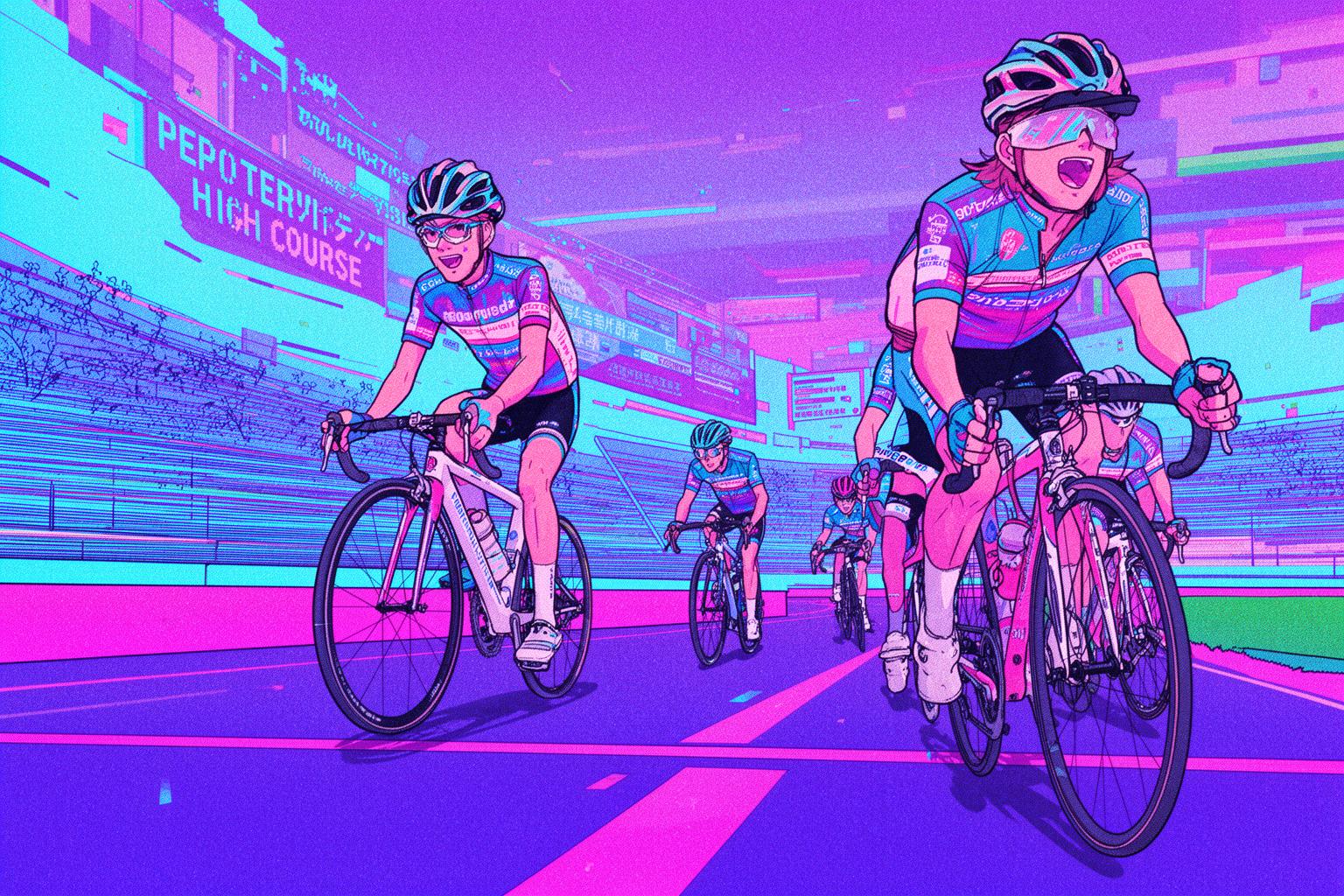
We’ve journeyed far, from the cool coastal roads of Chiba to the towering peaks of Hakone. We’ve discussed gear, food, and the pure, unfiltered spirit of the ride. By now, you should feel it—that subtle buzz, that spark of inspiration. That’s the call of the open road. That’s the Inter-High waiting for you. This adventure is so much more than an anime pilgrimage. It’s an opportunity to challenge yourself, to connect deeply with Japan’s breathtaking nature, and to create unforgettable memories.
Don’t stress about being the fastest or owning the priciest bike. This isn’t about competition. It’s about taking part. It’s about showing up, clipping in, and giving it everything you’ve got. It’s about the struggle on the ascent and the pure joy of the descent. It’s about savoring that victory onigiri at the summit—a taste better than any gourmet meal. This is your story, your race against your own limits. Whether you’re a veteran cyclist or a passionate fan with a dream, these roads await you. They’re ready to challenge you, reward you, and reveal a side of Japan—and yourself—you’ve never experienced before. So, what are you waiting for? The starting line is right here. Your grand tour is set to begin. Get out there and ride. Hime! Hime! Suki suki daisuki!