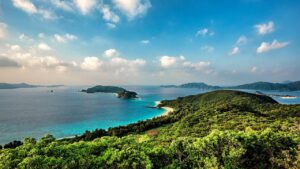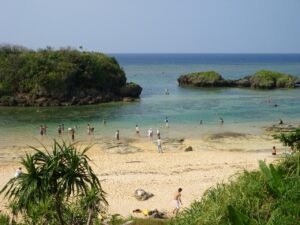
Yo, let’s get one thing straight. When you picture Okinawa, you’re probably thinking turquoise water, epic white sand beaches, and maybe a pineapple-flavored everything. And yeah, you’re not wrong, that side of Oki is straight fire. But what if I told you there’s another Okinawa? A wilder, older, and way more mysterious side hiding up in the island’s northern tip. I’m talking about Yanbaru, a sprawling, ancient subtropical forest that feels like it’s been vibing since the dawn of time. This isn’t just some pretty park; this is a UNESCO World Heritage site, a real-life Lost World teeming with creatures you literally can’t find anywhere else on the planet. We’re talking flightless birds that look like they just strutted out of a prehistoric documentary, woodpeckers that are national treasures, and frogs so beautiful they look like they’ve been hand-painted. Forget the beach for a minute. We’re going on a quest, a deep dive into the emerald heart of Okinawa to find the endemic wildlife that makes Yanbaru a place of pure, untamed magic. This is the real, raw Okinawa, and trust me, it’s a whole different level of awesome.
While the jungle offers incredible terrestrial adventures, you can also explore Okinawa’s underwater paradise with some of the world’s best scuba diving and snorkeling spots.
The Vibe of the Jungle
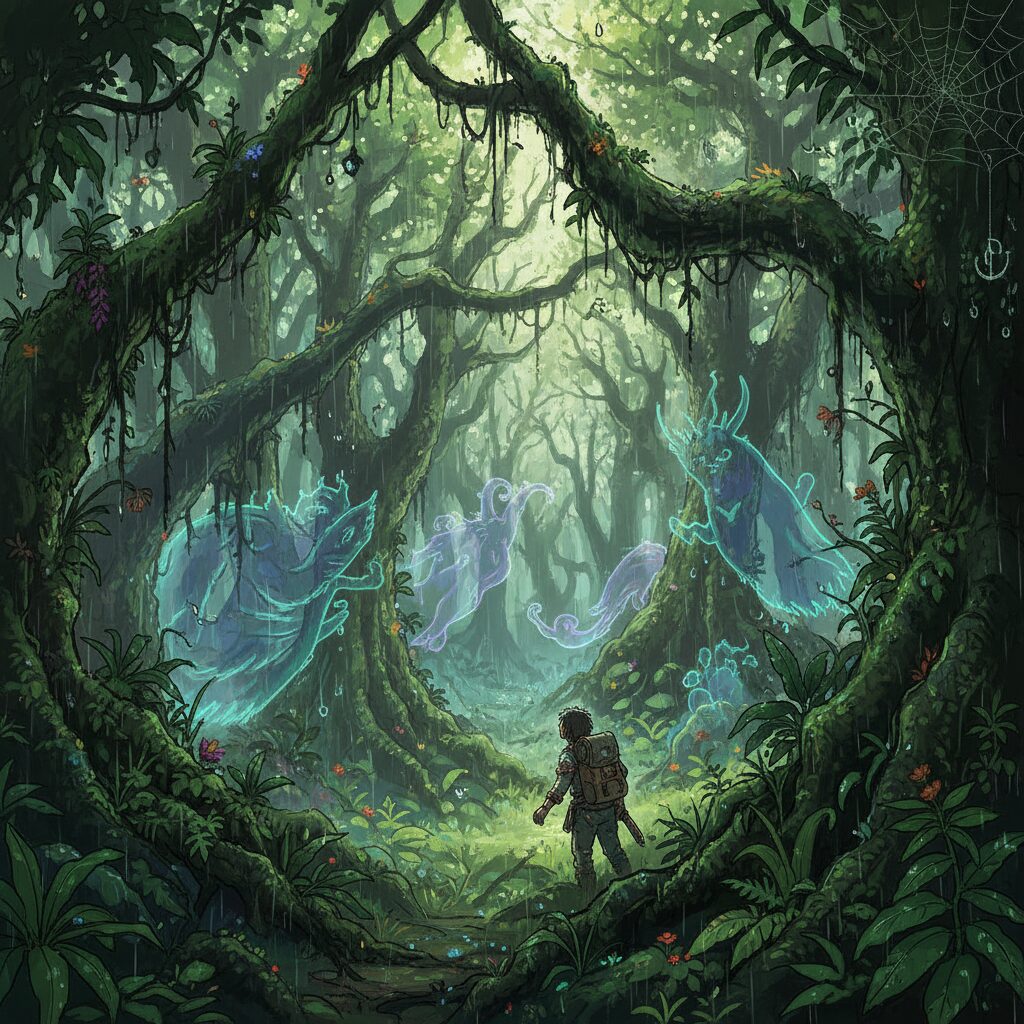
Leaving the bustling city of Naha and heading north along Route 58 feels like stepping through a portal. The scenery changes, buildings become sparse, and suddenly, the ocean on your left vies with a dense wall of green on your right. The very air transforms—becoming heavier, thicker, and filled with the scent of damp earth, chlorophyll, and something ancient and alive. Exiting the car and entering Yanbaru National Park is a full sensory experience. The humidity envelops you like a warm blanket, and the sounds hit you instantly. It’s not silent; it’s a symphony of countless tiny lives—a constant, high-pitched hum of cicadas, the chirps and croaks of unseen frogs, and the rustling of hidden creatures in the underbrush. The soundscape is so rich it almost feels tangible.
The forest floor is a wild mosaic of moss-covered stones, gnarled roots, and decaying leaves cushioning each step. Above, a dense canopy of giant ferns, Itajii chinquapin, and Ryukyu pine trees filters the sunlight, casting shifting patterns of light and shadow across the path. It feels primeval, a place that has grown and evolved on its own terms for thousands of years. You get a profound sense of being a guest here, a temporary visitor in a realm ruled by older, wilder laws. The energy is powerful yet deeply soothing. It’s a place that urges you to whisper, move slowly, and simply listen. You’re not merely observing nature; you’re fully immersed in it, with every sense heightened. This is the living, breathing heart of the Ryukyu Islands.
Meet the Locals: Yanbaru’s Endemic Superstars
Alright, let’s spill the beans on why this forest is so legendary. Yanbaru is what biologists call a ‘biodiversity hotspot.’ Because the Ryukyu Islands were isolated from the mainland for so long, life here followed its own unique evolutionary path. The result? A whole lineup of creatures that are 100% Okinawan originals. Spotting them isn’t like visiting a zoo; it’s a real challenge that makes every sighting feel like hitting the jackpot.
The Elusive Icon: Yanbaru Kuina (Okinawa Rail)
Let’s start with the star attraction, the rockstar of Yanbaru: the Okinawa Rail, or Yanbaru Kuina. Imagine a bird about the size of a small chicken, with a fiery red beak and legs, an olive-brown back, and a slick black-and-white striped belly. Oh, and it can’t fly—at all. This bird is a living fossil, a throwback to a time before mammals ruled the earth, and it exists only here, in this forest. Seriously, nowhere else on the entire planet.
Spotting a Kuina is the ultimate Yanbaru prize. They are masters of stealth, spending their days foraging for insects and snails on the forest floor, their muted colors offering perfect camouflage. They’re extremely shy and will dart into the undergrowth at the slightest noise. Your best chance to see one is early morning or late afternoon, especially after a rainstorm when they come out to feed near roadsides and streams. You’ll likely hear its call long before you see it—a loud, distinctive series of sharp, descending notes, sounding like a frantic “kyu-kyu-kyu-kyaaaa!” echoing through the trees. For many, their only encounter is a fleeting flash of red and stripes crossing a quiet forest road in a split second. But that instant is pure magic—a visceral reminder that you’re in a truly special place. Keep your eyes peeled and drive slowly—the biggest threat to these incredible birds is traffic, and the local community takes protecting them seriously with special fences and underpasses.
The Forest’s Rhythm Section: Noguchi-gera (Okinawa Woodpecker)
If the Kuina is the shy lead singer, the Noguchi-gera, or Okinawa Woodpecker, is the forest’s drummer. This bird is another Yanbaru exclusive and is designated a Special Natural Monument of Japan, which is a significant honor. It’s a striking bird, mostly dark brown with a white-spotted back and a vivid red patch on its head (males have a full red crown, females just the back). What makes it special is its dependence on old-growth forest, needing large, mature trees—often over 30 years old—for nesting and feeding.
Finding a Noguchi-gera requires patience and keen listening. You wander through the quietest parts of the forest, straining to hear its signature sound: a powerful, resonant “tock-tock-tock” as it hammers on a tree trunk, searching for grubs. This sound is your beacon. Once you hear it, the hunt begins. You must move slowly, scanning high branches to locate the source. Seeing one is a huge reward. Watch it expertly chip away at bark, its entire body acting as a finely tuned percussion instrument. Its presence is a bio-indicator—a healthy population of Noguchi-gera signals a thriving, mature forest. They are the living pulse of Yanbaru, and their drumming is the rhythm that animates the entire ecosystem.
The Night Shift Crew: More Rare Critters
The true spectacle, in the best way, emerges after dark. Yanbaru at night is a completely different world, awakening many of its rarest inhabitants. This is when you might encounter some truly astonishing animals.
The Living Fossil: Ryukyu Long-haired Rat
No joke, this is one of the coolest creatures you’ve probably never heard of. The Kenaga-nezumi, or Ryukyu long-haired rat, is a genuine “living fossil.” This means it’s the last surviving species of an ancient rodent lineage long vanished elsewhere. It has long, black fur, a white-tipped tail, and is far bigger and more impressive than your average rat. It spends its days sleeping in tree hollows or burrows and emerges at night to forage for acorns and berries. Seeing one is incredibly rare, a privilege usually reserved for researchers and the luckiest night-tour participants. It’s a furry, scurrying ghost from the past, a direct link to the world millions of years ago.
The Menacing Beauty: Habu Snake
Now, let’s talk about the habu. This venomous pit viper is Yanbaru’s most famous, and most feared, resident. Its beautiful geometric pattern of dark green and yellow is striking, but you definitely need to respect this animal. Though a bite is serious, they are not aggressive and do everything they can to avoid humans. The key is awareness: stay on marked trails during the day, and at night always use a guide and a good flashlight. Never, ever put your hands into dark crevices or thick bushes. Seeing a habu coiled on a branch at night, perfectly still as it waits for prey, is unforgettable. It’s a powerful reminder of the wildness of this place. They play a vital role in the ecosystem, and with caution, you can safely admire their dangerous beauty from afar.
The Forest Jewel: Ishikawa’s Frog
Prepare to be amazed, because Okinawa is home to what many call Japan’s most beautiful frog. Ishikawa’s Frog, or Okinawa Ishikawa-gaeru, is an absolute treasure. It’s large, with vibrant green skin covered in intricate purple and gold splotches, looking like a piece of living, breathing jewelry. It inhabits the pristine mountain streams of Yanbaru. Its call is a surprisingly loud, bird-like whistle heard from a distance. Spotting one clinging to a mossy rock by a stream at night is a peak nature-nerd moment. It’s so perfect, so impossibly beautiful, it barely seems real. Its presence signals clean water and a healthy stream ecosystem. It’s another of Yanbaru’s precious, iridescent secrets.
How to Dive into the Green Deep
So you’re convinced about this jungle adventure. But how do you actually make it happen? You can’t just rush in expecting to see everything. Yanbaru rewards those who plan ahead and show a bit of respect. There are several key ways to discover its secrets, each offering a completely unique experience.
Guided Night Tours: The Expert Choice
If you’re serious about spotting nocturnal creatures, this is the way to go. No doubt about it. Booking a guided night tour is the best investment you can make for your Yanbaru trip. Local guides are phenomenal—having hawk-like vision to spot tiny frogs on leaves or snakes on branches from a moving vehicle in near total darkness. It’s like a genuine superpower. They know the backroads, animal behaviors, and, most importantly, how to locate the wildlife ethically and safely without disturbing them.
The tour typically involves slowly driving along quiet forest roads in a specialized vehicle, with the guide scanning trees and roadside areas using a powerful spotlight. They often use a red light filter, which is less disruptive to the animals. When they find something, the car stops, and you get out for a closer look. They’ll point out everything from sleeping birds and camouflaged insects to the rare highlights like frogs, bats, and maybe, just maybe, a habu or a Ryukyu long-haired rat. With a guide, you’ll see a hundred times more than you ever could alone. It’s both an educational and exhilarating adventure. Make sure to book well ahead, especially during peak times.
Trekking Trails for a Daytime Experience
If you prefer exploring by day, Yanbaru offers stunning hiking trails that let you immerse yourself in the forest’s plant life. This is your chance to admire the towering trees, giant ferns, and lush greenery that serves as the backdrop for the rare wildlife.
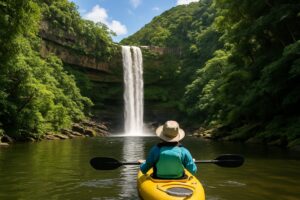
One of the most popular hikes is the trail to Hiji Falls. It’s a well-kept path, about a 40-minute walk each way, leading deep into the valley. You’ll cross an impressive suspension bridge suspended high above the river, offering incredible views of the canopy. The walk is beautiful, accompanied by the sounds of rushing water and the forest. The reward at the end is Hiji Falls—Okinawa’s tallest waterfall—cascading 26 meters into a clear pool. It’s an ideal spot to cool off in the mist and absorb the powerful energy of the surroundings.
For a completely different landscape, visit Daisekirinzan. Located at the island’s northernmost tip, the park features ancient limestone karst formations eroded into surreal shapes over 250 million years. It feels like stepping onto another planet. Several trails range from easy walks to tougher climbs, all offering breathtaking views of the ocean and forest. This geological wonder wonderfully complements Yanbaru’s rich biological diversity.
Kayaking Among the Mangroves
Looking to experience the forest from a new perspective? Take to the water. The Gesashi River basin on Yanbaru’s east coast hosts one of Okinawa’s largest mangrove forests. You can rent a kayak or join a guided tour to paddle through the calm, winding waterways. It’s a tranquil and peaceful adventure. You glide silently among the tangled mangrove roots, creating a surreal watery maze. This vital habitat supports an entirely different range of creatures. Keep an eye out for mudskippers, tiny crabs darting across the mudflats, and a variety of water birds. It’s a fantastic way to see how the forest ecosystem connects to the coast and offers a welcome, refreshing break from the dense humidity of the deep jungle.
The Lowdown: Getting There & Staying Sane
Planning your trip to this remote part of Okinawa takes a bit of preparation. It’s not a place where you can just arrive and have everything conveniently available. But that’s part of its appeal. Here’s the key information you need to make it happen.
Access & Logistics: A Car is Essential
First and foremost: renting a car is a must. Public transportation to and within the Yanbaru region is minimal or non-existent. Pick up a rental car at Naha Airport when you land. The drive north to Yanbaru (covering the villages of Kunigami, Ogimi, and Higashi) takes around two to three hours, depending on traffic. Route 58 is the main road—a scenic coastal route that’s a pleasure to drive. Once you reach Yanbaru, the roads become smaller, narrower, and curvier. Drive carefully, not just for safety, but because you might spot a Kuina crossing the road. Be sure to fill up your tank in a larger town like Nago before venturing into the deep north, as gas stations are few and far between.
Where to Stay: Your Jungle Basecamp
Accommodation options in Yanbaru vary from simple guesthouses (minshuku) in small villages to eco-lodges and small hotels. Staying in Kunigami or Higashi village places you right in the heart of the action, reducing your driving time to trailheads and tour meet-ups. This is ideal for a fully immersive experience. Alternatively, you could base yourself in Nago city, which offers more hotels and restaurants, using it as a hub for day trips into the park. Although this means more daily driving, it provides greater convenience. Whichever you choose, book ahead since accommodations are limited and fill up quickly.
Dining: The Local Food Scene
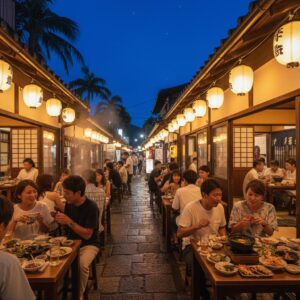
Don’t expect upscale restaurants, but you’ll find some amazing, authentic Okinawan dishes in the small eateries (shokudo) scattered across Yanbaru’s villages. This is your chance to taste true local flavors. Look out for Okinawan soba with its rich, savory broth, goya champuru (bitter melon stir-fry), and dishes featuring local Agu pork. The area is also known for shikuwasa, a small tart citrus fruit found in everything from juices and salad dressings to fish sauces. Stopping for lunch at a tiny, family-run spot with an ocean view after a morning hike is an essential part of the Yanbaru experience.
More Than Just a Forest: The Spirit of Yanbaru
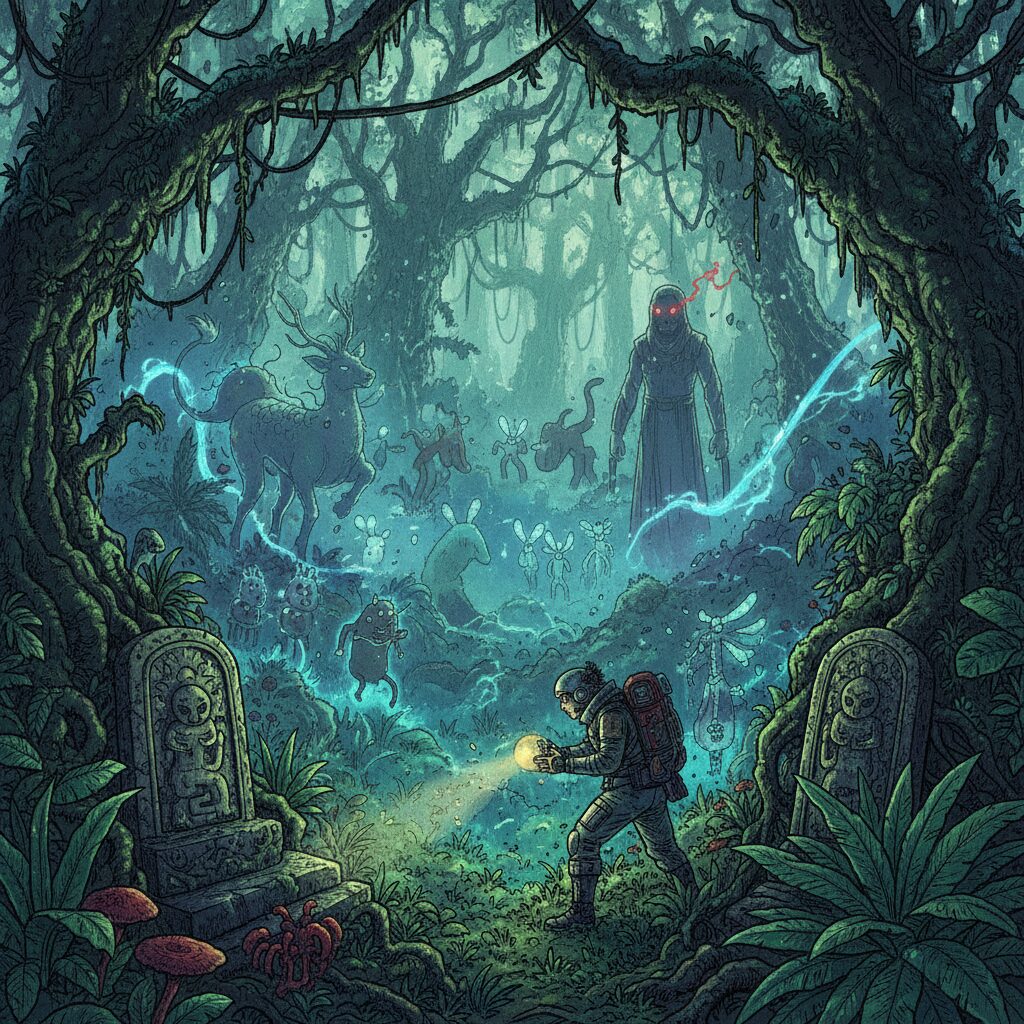
To truly appreciate Yanbaru, you need to recognize that it is more than just a collection of rare animals and ancient trees. For the Okinawan people, this forest is a sacred place, holding deep cultural and spiritual importance. The traditional Ryukyuan religion is animistic, believing that gods and spirits dwell within natural objects. Throughout the forest, and often along its edges, you will find utaki—sacred groves, rocks, or caves regarded as places of worship.
These are not tourist sights but active spiritual sites. You may notice a small stone gate or a rope marking the entrance to one. It is essential to show respect: do not enter, do not take anything, and do not disturb these places. Recognizing the presence of these utaki adds a meaningful dimension to your visit, transforming the forest from a beautiful nature reserve into a living temple. The conservation efforts here are not only about protecting biodiversity but also about preserving a cultural heritage closely tied to the health of this ancient land. Before your visit, stopping by the Yanbaru Wildlife Conservation Center (Ufufu-no-sato) offers valuable insight into the forest’s ecology and the ongoing protection efforts.
The Echo of the Ancient World
Leaving Yanbaru feels like emerging from a strange and beautiful dream. As you drive south, the dense greenery gradually recedes into civilization once more, and the jungle’s symphony is replaced by the hum of traffic. Yet the forest remains with you. The memory of its deep, earthy scent, the glimpse of a flightless bird darting into the shadows, the sound of a woodpecker’s drumming echoing through the trees—it lingers in your soul. Yanbaru is more than a destination; it’s a link to a wilder, more ancient world. It serves as a powerful, humbling reminder that places still exist where magic is real, where living fossils wander, and where life follows an older, greener rhythm. So next time you think of Okinawa, look beyond the beaches. An entirely different world awaits, calling from the depths of its emerald heart. Go discover it.