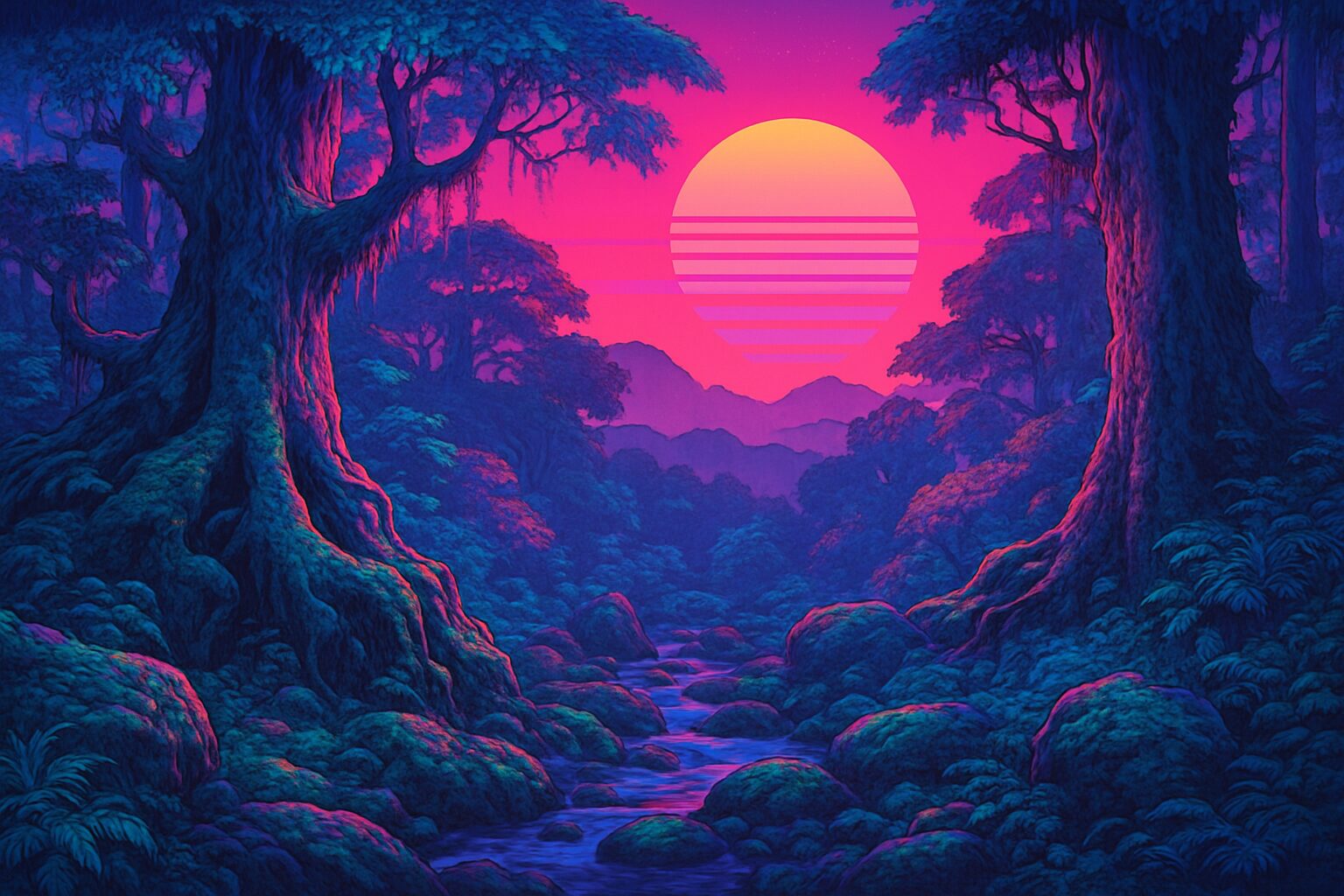
Yo, what’s up, travel fam! Megumi here, coming at you straight from the heart of Tokyo’s event scene, but today we’re trading the neon glow for an ancient green one. We’re talking about a place so legendary, so dripping with mystical energy, it literally inspired one of the greatest animated films of all time. We’re going deep into Yakushima Island, the real-life home of Princess Mononoke’s forest. This isn’t just a hike; it’s a full-on vibe shift, a trip back in time to when the world was ruled by giant gods of the forest. Located south of Japan’s main islands, this UNESCO World Heritage site is a subtropical paradise where ancient cedar trees, some thousands of years old, pierce the sky and everything—and I mean everything—is covered in a blanket of surreal, vibrant moss. Forget your zen garden app; this is the ultimate spiritual reset button. Yakushima is more than a destination; it’s an experience that hits different, a place that reminds you how truly wild and beautiful our planet is. It’s a place to disconnect from the Wi-Fi and reconnect with something way, way older. The energy here is off the charts, and I’m about to give you the full lowdown on how to soak it all in. Get ready, because this island is about to blow your mind. Bet.
If you’re captivated by the way real-world Japan inspires iconic animation, you’ll also love exploring the real-life locations from Whisper of the Heart.
The Vibe Check: What’s Yakushima Actually Feel Like?

Before we even dive into the trails and must-see spots, we need to discuss the vibe. Because honestly, that’s the real reason you visit here. Stepping onto Yakushima feels like entering another dimension. The air itself is different—thick, heavy with moisture, and infused with the scent of damp earth, rain, and fresh cedar. It’s the kind of atmosphere that feels ancient, as if you’re breathing the same air as the dinosaurs once did. The island’s unofficial slogan claims it rains “35 days a month,” and while that’s an exaggeration, it’s close to the truth. But the rain isn’t a downer; it’s the essence of the place. The constant moisture is what gives Yakushima its distinctive, otherworldly appearance. It nourishes the countless varieties of moss, transforming the entire landscape into a soft, green, living sculpture. The soundscape is a continuous symphony of dripping water, the rush of numerous rivers and streams, the chirping of unseen birds, and the rustling of leaves. It’s a place that demands reverence. You find yourself whispering, not out of necessity, but simply because it feels right. The vastness of nature here makes you feel incredibly small, in a comforting and humbling way. You’re just a tiny part of this immense, breathing ecosystem. It’s a powerful sensation that melts away the stress of modern life, leaving a deep sense of peace and wonder. The energy is pure—a potent blend of tranquility and raw, untamed power. It’s a place that feels profoundly spiritual, no matter your beliefs. The ancient trees, known as Yakusugi, are revered as living deities in local Shinto traditions, and when you stand among them, you quickly understand why. They emit a quiet strength, a wisdom born from witnessing millennia pass. This isn’t just a beautiful forest; it’s a living, breathing entity with a soul all its own.
The Main Event: Shiratani Unsuikyo, AKA The Real Ghibli Set
Alright, let’s dive into the main reason you’re likely here: Shiratani Unsuikyo Ravine. No joke, this is the very place that sparked Studio Ghibli’s Hayao Miyazaki and his team into a creative frenzy for Princess Mononoke, and once you step inside, you’ll instantly understand why. It’s not just similar to the movie; it is the movie. The air cools down, the greens deepen to an almost neon glow, and every surface is blanketed in thick, velvety moss that looks like it’s been growing since time began. The atmosphere is simply… profound. It’s quiet, but it’s a “loud” kind of quiet, you feel me? The sounds are all drips and echoes—the gurgle of a crystal-clear stream flowing over mossy boulders, and the rustle of a Yakushika deer slipping through the ferns. You almost expect a little white Kodama with its rattling head to peek out from behind a twisted root.
Shiratani Unsuikyo isn’t a one-size-fits-all kind of place. The ravine offers a network of trails, so you can pick your own adventure based on your fitness and how much time you have. For a relaxed, quick taste of the magic, try the Yayoisugi Course. It’s an easy loop, about an hour long, leading you to Yayoisugi, an awe-inspiring ancient cedar estimated to be around 3,000 years old. It’s a perfect intro to how massive these trees are without committing to a full day hike. It’s accessible and delivers big rewards for minimal effort.
But if you want the full, immersive Princess Mononoke experience, you need to go deeper. The Bugyosugi Course takes you further into the ravine, where the forest truly comes alive. The trees grow weirder, twisted by centuries of typhoons and harsh weather. Their roots resemble giant wooden tentacles clutching the earth, and moss covers everything in a thick, spongy carpet. This trail takes a couple of hours and involves some climbing, but it leads you away from the crowds and deeper into the forest’s primeval vibe.
The real star, though—the trail that leads to the spot—is the one continuing up to Taikoiwa Rock. This is a solid half-day trek, around 4-5 hours round trip, and while it’s a grind with steep, rocky sections, trust me, every drop of sweat is worth it. Along this path, you enter Kokemusu-no-mori, the Moss Forest. This is the heart of the Ghibli magic. It’s a clearing where the ground, rocks, fallen logs, and tree trunks are all completely engulfed in a glowing green moss. Light filters through the dense canopy in surreal, ethereal god-rays, making the entire place feel sacred. You’ll want to sit down and soak it all in. It’s sensory overload in the best possible way. The hike continues beyond this enchanted clearing, climbing steeply up to Taikoiwa Rock, a massive granite boulder with jaw-dropping panoramic views over the whole valley and Yakushima’s central mountains. On a clear day, gazing out over the endless sea of green is a total main character moment. It’s the perfect reward for the climb and a powerful reminder of how wild and vast this island really is.
Meet the OG: The Quest for Jomon Sugi
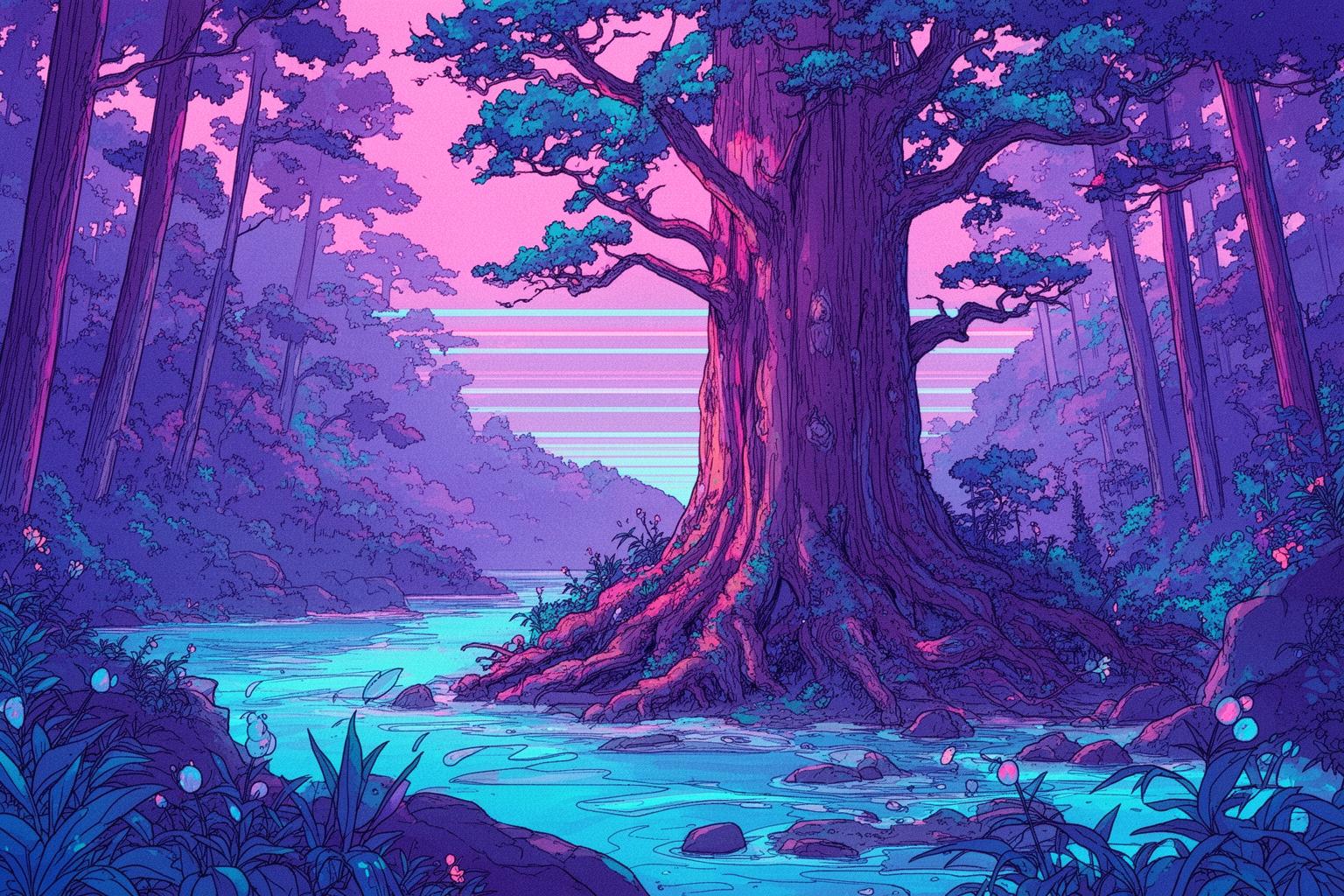
If Shiratani Unsuikyo is like an enchanting movie set, then Jomon Sugi is unquestionably the legendary star of the production. This isn’t merely a tree; it’s an icon, a living monument, and quite possibly the oldest tree in all of Japan. Age estimates vary dramatically, ranging from a modest 2,200 years to an astonishing 7,200 years. Regardless, this tree was ancient by the time the pyramids were constructed. It’s a true legend, a genuine OG that has stood on its mountain perch through countless typhoons, earthquakes, and the entirety of recorded human history. Visiting it isn’t just a simple walk—it’s a pilgrimage. The hike to Jomon Sugi is a serious challenge, a full-day, 22-kilometer round trip that typically takes between 10 and 12 hours to complete. It’s tough, but the reward is an unforgettable experience.
The journey usually begins before dawn. You’ll head out in the dark, with a headlamp, to catch one of the early buses to the Arakawa trailhead. The first part of the hike is surreal in itself. For about 8 kilometers, you walk along an old logging railway, the Kusugawa Rindo path, winding through the forest. The tracks remain, set over wooden sleepers, and you walk on planks laid beside them. It’s a relatively flat but lengthy section that acts as a warm-up, leading you past towering cedar trees and over precarious-looking bridges spanning deep ravines. The early morning mist creates an atmosphere that is hauntingly beautiful.
After a couple of hours on the tracks, you reach the end of the line and the start of the genuine mountain trail, the Okabu Trail. This is where the difficulty intensifies. The path becomes steep and rugged, often requiring you to scramble over a tangle of tree roots and ascend wooden staircases built to protect the forest floor. It’s a strenuous climb, but the forest continuously rewards you with breathtaking sights. Along the way, you’ll pass several other famous Yakusugi, such as the Meoto Sugi (the “Married Couple Cedars” fused together) and the Daio Sugi (“Great King Cedar”). One of the most iconic landmarks is Wilson’s Stump (Wilson-kabu), the huge, hollowed remains of a giant cedar felled centuries ago. You can actually enter the stump, and if you look up from a certain spot, the opening forms a perfect heart shape. It’s a popular photo spot and a great place to rest.
The final push to Jomon Sugi is the most demanding, but the anticipation is thrilling. When you finally arrive, you can’t approach the tree directly. A protective viewing deck is built a short distance away to prevent soil erosion and protect its fragile root system. Yet even from there, its presence is immense. Jomon Sugi isn’t elegantly tall like other cedars; it’s squat, gnarled, and incredibly massive. Its bark resembles a twisted, contorted landscape, and its branches stretch out like ancient, weary arms. It feels less like a plant and more like a living being with a vast, powerful spirit. You stand in silence, sharing a moment with something that has existed for millennia. It’s a deeply humbling and moving experience that makes every sore muscle and drop of sweat completely and utterly worthwhile.
Beyond the Trees: Yakushima’s Other Bops
While the ancient forests are understandably the main attraction, don’t be mistaken—Yakushima has a lot more to offer. The island is a treasure chest of natural marvels, from roaring waterfalls to untouched beaches where sea turtles come to nest. It’s truly an experience, and you’d be missing out if you didn’t venture beyond the forest. The coastline is just as striking and beautiful as the mountainous terrain inland.
First, let’s talk waterfalls. Yakushima is renowned for them, and they are genuinely impressive. Two of the most famous and accessible ones are Senpiro-no-taki and Oko-no-taki. Senpiro-no-taki is more than just a waterfall; it’s a natural powerhouse that has carved its path through a massive granite slab, forming a colossal V-shaped gorge. The viewing platform offers an incredible perspective on its immense scale. Then there’s Oko-no-taki, ranked among Japan’s top 100 waterfalls. This 88-meter cascade is formidable—you can walk right up to its base. The spray is intense, the roar overwhelms, and the raw power you feel standing nearby is incredible. It’s the perfect place to cool down and soak up the island’s abundant water energy.
Next, let’s head to the beach. Nagata Inakahama Beach, a stunning stretch of golden sand on the island’s northwest coast, is ideal for swimming or relaxing. Its real distinction, however, is being the most important nesting ground for loggerhead sea turtles (umigame) in the North Pacific. From May through July, female turtles come ashore under cover of night to lay their eggs. Witnessing this is deeply moving, and local conservation groups offer guided tours to protect the turtles. If you visit between July and September, you might be lucky enough to see baby turtles hatching and making their frantic dash to the sea—a truly once-in-a-lifetime experience.
For the ultimate relaxation, Yakushima’s unique onsen (hot springs) are a must-visit. Hirauchi Kaichu Onsen is the most famous—a natural hot spring located right in the ocean. These rock pools are only accessible for a couple of hours each day during low tide. Soaking in the volcanic-heated water while waves crash nearby is an unforgettable adventure. This is a mixed-gender, very rustic onsen (no changing rooms, just you and nature), but if you’re up for it, it’s absolutely worth doing. The night sky from this spot is breathtaking.
Finally, you can’t discuss Yakushima without mentioning its wildlife. The island is home to unique subspecies of deer and monkeys—the Yakushika and the Yakuzaru. They’re everywhere! You’ll spot them relaxing on roadsides, wandering through forests, and sometimes even in towns. While generally unafraid of people, remember they are wild animals, so no feeding or petting. Just enjoy watching them live in their natural environment. They’re as integral to the island’s character as the ancient trees themselves.
The Lowdown: Getting There & Getting Around
Alright, so you’re hooked on the magic. But how do you actually reach this remote island paradise? And what should you do once you arrive? No worries, I’ve got you covered. Organizing the logistics is crucial for a smooth trip.
Getting to Yakushima
There are two main ways to get there: by air or by sea, both primarily departing from Kagoshima on the southern tip of Kyushu island.
By Air: This is the quickest and easiest method. Japan Air Commuter (part of the JAL group) operates several flights daily from Kagoshima Airport (KOJ) to Yakushima Airport (KUM). The flight takes just 40 minutes and rewards you with stunning views of the island as you approach. There are also a few direct flights from Fukuoka (FUK) and Osaka’s Itami Airport (ITM), which can be super convenient if you’re coming from those cities. It’s the more expensive choice but saves you a lot of travel time.
By Sea: This route is more adventurous and budget-friendly. From Kagoshima Port, you can pick between a high-speed jetfoil or a slower car ferry.
The Toppy & Rocket Jetfoil is the most popular sea option. It’s fast, taking about 2-3 hours depending on the route (some stop at Tanegashima island). It costs more than the ferry but is much quicker. Keep in mind, though: the ride can be quite rough if the seas are choppy, and services may be canceled in bad weather, especially during typhoon season.
The Yakushima 2 Ferry is the slower, steadier option. It’s a large car ferry that takes about 4 hours. It’s considerably cheaper than the jetfoil and flights, and it’s your only choice if you want to bring your car to the island. The journey is more stable, and you can stroll on deck and enjoy the ocean views. There’s typically one round trip per day.
Getting Around Yakushima
After you arrive, getting around the island takes some planning. Public transportation is limited, and the attractions are spread out. Here are your choices:
Rental Car: Hands down, this is the best and most recommended option. Renting a car gives you maximum freedom and flexibility to explore the island at your own pace. You can go anywhere, whenever you want, and stop for photos whenever you spot a monkey lounging by the road. The island has one main ring road circling it, but watch out for the Seibu Rindo forest path on the western side—it’s a narrow, winding road that is sometimes closed and quite an adventurous drive. Book your rental car well in advance, especially during peak season, as they tend to sell out fast. Most rental agencies are near Miyanoura Port or the airport.
Bus: The local bus is the primary public transport option. It’s suitable for budget travelers but requires careful planning. The buses run infrequently, with only a few services daily on most routes. The timetables can be confusing, so pick up an English bus map from the tourist information center when you arrive. Multi-day bus passes (Yakushima Kotsu Free Pass) are available and can be a good deal if you plan to use the bus often. Just be ready to schedule your day around the bus times.
Tours and Taxis: If you don’t want to drive, booking a guided tour is a great way to see the main sights without the hassle of navigating. Local guides are extremely knowledgeable about the island’s ecology and history and can take you to hidden gems you might otherwise miss. Taxis are available too, but they can get expensive quickly, so they’re best for short trips rather than a full day of sightseeing.
Pro Tips from a Pro (That’s Me!)
Alright, you’ve got the what, the where, and the how. Now, here’s the insider info—the small details that will take your trip from great to absolutely epic. These are the pro tips you should know before you go.
When to Go
Yakushima is a year-round destination, but each season brings a completely different atmosphere.
- Spring (March-May): This is the prime season. The weather is generally pleasant, rhododendrons bloom on the mountains, and it’s before the intense summer heat and rainy season. It’s also a busy time, so be sure to book everything well in advance.
- Summer (June-August): June marks the rainy season (tsuyu), so expect plenty of rain. July and August are hot and humid; it’s peak season for sea turtle nesting and hatching. It’s ideal for water activities like kayaking and snorkeling. Keep in mind, this is also typhoon season, so remain flexible as boats and flights may be canceled.
- Autumn (September-November): Often considered the best season. The weather is stable and comfortable, summer crowds have eased, and the autumn foliage is stunning. Typhoon risk remains in September but lessens as the season progresses.
- Winter (December-February): The quietest season. It’s cooler, and mountain peaks are often snow-capped, offering a dramatically different landscape. Hiking to Jomon Sugi in the snow is a thrilling challenge for experienced hikers. Some services might operate on reduced hours, but you’ll feel like you have the island virtually to yourself.
What to Pack
Packing for Yakushima means preparing for water. Regardless of the forecast, expect rain. High-quality, breathable rain gear (jacket and pants) is absolutely essential. Sturdy, waterproof hiking boots with good traction are crucial since the trails are often wet, muddy, and slick with roots and rocks. Bring layers, as temperatures can vary greatly between the coast and mountain summits. Also pack insect repellent—especially for summer—as well as sunscreen, a reusable water bottle (the island’s tap water is delicious and safe to drink), and a portable battery charger for your phone.
Where to Stay
The two main towns on Yakushima are Miyanoura and Anbo. Miyanoura is the largest, hosting the main ferry port and the most services—including supermarkets, restaurants, and rental shops. Anbo, further south, is smaller and quieter but closer to the Arakawa trailhead for the Jomon Sugi hike. For a unique experience, consider staying in one of the smaller villages or a secluded minshuku (Japanese guesthouse) to enjoy local life firsthand.
Foodie Sesh
Don’t overlook Yakushima’s food scene! The island boasts unique local specialties. The most famous is flying fish (tobiuo), served in various ways from sashimi to deep-fried whole (karaage-style). Be sure to try dishes featuring local seafood and mountain vegetables as well. The island is also renowned for its citrus fruits, especially tankan and ponkan, which are incredibly sweet and juicy. For drinks, Yakushima is known for its shochu; the best-known brand is Mitake, a sweet potato shochu highly prized across Japan. Trying it mixed with fresh local water (mizuwari) is the way to go.
Respect the Drip (and the Nature)
This is the most important tip of all. Yakushima is a precious, fragile environment, protected as a UNESCO World Heritage site for good reason. Please be a responsible traveler. Follow the “Leave No Trace” principles. Pack out everything you bring in—including all trash. Stay on designated trails to protect delicate moss and root systems. Never feed the wildlife. Use the portable toilets required on the Jomon Sugi trail. By being mindful and respectful, you help preserve the magic of this island for generations to come.
Time to Make Some Core Memories
Yakushima is more than just a location on a map. It’s a journey into the heart of the world, a place that feels timeless, vibrant, and deeply spiritual. This island tests you physically with its challenging hikes and rewards you with views so stunning they seem dreamlike. Standing beneath a 3,000-year-old cedar, you can’t help but sense a profound connection to our planet’s history. Watching the mist drift through a forest floor covered in countless shades of green, you feel as though you’ve been let in on a beautiful secret. It’s a place that will leave a lasting impression long after you’ve departed. It engages your entire body and soul. So, what are you waiting for? That ancient forest is calling. It’s time to respond. See you on the trails.