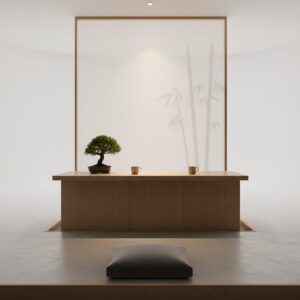
Yo, what’s the deal? It’s your boy Hiroshi, coming at you straight from the heart of Japan. Today, we’re ditching the usual tourist traps, the neon-drenched chaos, and the predictable snaps for your feed. Nah, we’re going deeper. We’re on a quest for something real, something that hits different. We’re talking about the soul of Japanese aesthetics, the ultimate chill: wabi-sabi. Forget perfect, forget shiny. Wabi-sabi is the low-key beauty in the stuff that’s kinda messed up, a little old, or just plain simple. It’s that cracked ceramic cup that’s more beautiful than a flawless one. It’s the vibe of a mossy stone in a quiet garden. It’s about accepting that nothing lasts, nothing is finished, and nothing is perfect. And that’s where the real beauty is at. It’s a whole mood, a philosophy that’s been shaping Japanese art, gardens, and life for centuries. And now, it’s shaping the coffee scene. The cafes we’re diving into today? They’re not just places to get your caffeine fix. They are sanctuaries. They are minimalist temples dedicated to the perfect cup and the perfect moment of quiet contemplation. These spots are aesthetic goals, no cap. They strip everything back to the essentials: incredible coffee, intentional design, and a vibe so thick you could cut it with a knife. It’s about the texture of the wall, the way light falls on a wooden counter, the quiet confidence of a barista who is a true master of their craft. It’s a full-on sensory experience that’ll make you slow down and just… be. So, if you’re ready to explore a side of Japan that’s less about the hype and more about the heart, you’re in the right place. Let’s get this bread and explore the most legit wabi-sabi cafes across the land. Get ready to level up your travel game. Bet.
If you’re craving a different kind of vintage aesthetic, you might also love exploring Tokyo’s classic kissaten for a completely unique vibe.
The Tokyo Vibe: Concrete Jungles & Quiet Corners

Tokyo—a name that instantly conjures images of Shibuya Crossing, crowded trains, and towering skyscrapers. It’s a city that rushes at an incredible pace. Yet, here’s the secret: Tokyo is also a place of deep stillness. Nestled in quiet backstreets and hidden on the upper floors of modest buildings are pockets of calm that feel worlds apart from the city’s bustle. These are Tokyo’s wabi-sabi cafes. Often characterized by raw concrete, aged wood, and stark simplicity, they compel you to focus on the finer details. They serve as an antidote to the city’s overwhelming energy, offering a space to recharge before rejoining the frenzy. Within these spaces, the Japanese concept of Ma (間)—the beauty of negative space—comes alive. It’s not about what exists, but the space in between: the pause in conversation, an empty corner of a room, the silence between musical notes. These Tokyo cafes are masters of Ma.
Yakumo Saryo, Meguro: The Pinnacle of Zen Minimalism
Let’s begin with the undisputed champion, the ultimate minimalist café experience: Yakumo Saryo. Hidden in the tranquil, residential enclave of Meguro, this spot is so understated it feels like a secret. You can’t just drop by—it’s reservation-only, adding to its exclusive aura. Finding it is part of the ritual. Stroll down a serene street, spot an elegant yet simple gate, and step inside. Suddenly, the noise of Tokyo disappears. You’ve entered another realm. Designed by the renowned Shinichiro Ogata, Yakumo Saryo transcends a conventional café. It’s a holistic experience that includes a tea salon (Sabō), a dining area, and a shop for exquisite sweets and goods. Our focus is Sabō. Sliding open its heavy door reveals a space mesmerizing in its simplicity. Dim lighting casts long, dramatic shadows; textures of natural materials—dark weathered wood, rough plaster walls, and cool stone—dominate the room. A single, long counter stands as the centerpiece, where a master of tea or coffee prepares orders with the precision of a surgeon. Silence reigns here, only broken by the gentle whisking of matcha or the soft pouring of hot water over coffee grounds. This isn’t a venue for loud chatter or phone scrolling—it’s a place for reflection. The wabi-sabi here is profound and authentic. You’ll notice it in the gently irregular forms of handmade ceramic cups, the subtle patina on brass utensils, and the commanding presence of a single flower in a simple vase. Ordering wagashi (traditional Japanese sweets) is a must—they are seasonal, edible artworks evolving with nature’s cycles. Paired with perfectly made matcha, the experience becomes transcendent. My advice: dress with respect, set your phone to silent—or better yet, switch it off—and come alone or with someone who appreciates comfortable silence. Take in everything—the interplay of light and shadow, the wood grain, and the graceful, deliberate movements of the staff. It’s meditation cloaked as a café visit. Yakumo Saryo is a short walk from Toritsu-daigaku Station on the Tokyu-Toyoko Line, and although it’s not inexpensive, you’re not paying for mere coffee and sweets—you’re investing in an unforgettable encounter with pure Japanese aesthetics. This ambiance lingers long after you leave.
Koffee Mameya – Kakeru, Kiyosumi-Shirakawa: A Coffee Laboratory for the Soul
Now let’s head to Tokyo’s east side, to Kiyosumi-Shirakawa. Once known for its quiet canals and warehouses, this neighborhood has become the city’s premier coffee hotspot. At its heart stands Koffee Mameya – Kakeru. This café elevates the coffee shop to a high-art performance. Forget grabbing a quick latte to-go; Kakeru invites you into a deep, guided exploration of specialty coffee. The interior is pure minimalist distillation. A vast, monolithic concrete counter commands the space. Behind it, baristas in lab coats move with intense, quiet precision. Bare walls and exact lighting frame an impressive display of glass beakers, drippers, and meticulously labeled bags of single-origin beans sourced from elite roasters worldwide. The vibe feels less like a cozy café and more like a high-end cocktail bar or science laboratory dedicated to coffee. The wabi-sabi here lies in the philosophy of focus. By stripping away distractions, you are compelled to fully engage with the coffee itself. The magic is in the process—the transformation of simple beans and water into something complex and wondrous. You don’t just order coffee; you embark on a “course.” Presented with a menu resembling a wine list, the expert staff will tailor a tasting journey to your preferences. You may sample the same bean prepared three different ways or a flight of beans from a single region. Each cup arrives in a delicate handmade glass or ceramic vessel, allowing you to admire the color and aroma before the first sip. They even offer extraordinary coffee-based cocktails. The whole experience is a dialogue between you, the barista, and the coffee, demanding your full attention. Practical details: it’s a short walk from Kiyosumi-shirakawa Station. Reservations are strongly recommended due to limited counter seating. This is no place for laptop work; it’s a space to learn, taste, and savor. The imperfections celebrated here aren’t in the flawless decor but in the coffee itself—each bean, harvest, and roast has unique character and beautiful imperfections. Kakeru honors this individuality. It’s a masterclass in how minimalism can intensify rather than diminish an experience. Truly exceptional for any serious coffee aficionado.
Higashiya Ginza: Sweet Escapes Amid High-End Hustle
Shifting from hardcore coffee to tea and wagashi, but with the same minimalist, wabi-sabi ethos, we arrive in Ginza, Tokyo’s glitziest shopping district. It might seem an unlikely place for tranquility, but on the second floor of the Pola Ginza building lies Higashiya—a true gem. The moment you step out of the elevator, you’re transported. The space is a striking example of modern Japanese design, again led by the talented Shinichiro Ogata. Higashiya is both tea salon and shop, reinterpreting traditional Japanese aesthetics for the modern era. The interior features clean lines, a muted color palette, and masterful use of natural materials. A long, elegant wooden counter is lined with beautiful cast-iron teapots and tea canisters. Soft, warm lighting creates an intimate, calming ambiance. The wabi-sabi here is subtle and refined—in the texture of washi paper walls, the slight irregularity of hand-poured plaster, and the emphasis on seasonality. The menu celebrates Japan’s changing seasons with an array of teas and wagashi that evolve throughout the year. The sweets steal the show; tiny, exquisite masterpieces that border on too beautiful to eat. But eat them you must. Each delicately balances flavor, texture, and visual artistry. Choose from an extensive selection of Japanese teas—from sencha and gyokuro to rustic bancha and hojicha—the staff preparing each with care, carefully explaining their nuances. Sitting at the counter, observing the bustling Ginza streets below as you sip tea, is a truly special Tokyo moment—a pocket of peace within the splendid chaos. It feels like a clandestine haven for the discerning. My tip: try one of their seasonal tea and wagashi pairings for the full Higashiya experience. Don’t leave without browsing their shop, which offers beautifully packaged teas and sweets perfect as elegant souvenirs. Higashiya Ginza proves that wabi-sabi transcends rustic antiquity—it flourishes in modern, luxurious settings so long as simplicity, naturalness, and an appreciation for the fleeting moment remain central. It’s a high-class vibe imbued with genuine soul.
The Kyoto Mood: Tradition Meets Third Wave
If Tokyo represents the hyper-modern present, Kyoto embodies the lingering, beautiful past. This city is home to ancient temples, geishas gliding along cobblestone streets, and gardens refined over centuries. It is the spiritual heart of wabi-sabi. Therefore, it’s no surprise that Kyoto’s cafe culture is deeply infused with this aesthetic. Here, minimalism is more than a design choice; it is a continuation of a rich cultural heritage. Many cafes are set within machiya, traditional wooden townhouses that are hundreds of years old. The wabi-sabi found here is genuine—it is earned. It is visible in the dark, polished beams, the worn texture of tatami mats, and the view of a small, hidden courtyard garden, or tsuboniwa. In Kyoto, enjoying coffee transforms into a quiet ritual, a contemporary tea ceremony. The atmosphere is slower, more contemplative, and intimately connected to the city’s deep history.
Kaikado Cafe, Gojo: Where History Brews
This is the real deal, no exaggeration. Kaikado is a company that has been meticulously handcrafting airtight tea caddies (chazutsu) from copper, brass, and tin since 1875—over 140 years of devotion to a single craft. A few years ago, they opened a cafe to showcase their craft and philosophy. The result is Kaikado Cafe, housed in a beautifully renovated two-story building near the Kamo River. From the moment you step inside, the weight of history is palpable. The space is a conversation between old and new. The building itself is historic, with its original dark wooden beams and exposed structural elements preserved. Yet, the interior design is clean, modern, and minimalist. The long service counter gleams with Kaikado’s famous caddies, used to store coffee beans and tea leaves. The patina on these metal caddies, which deepens and changes color over time with use, perfectly embodies wabi-sabi—beauty that develops through interaction with human hands. The furniture is simple and elegant, created by Danish masters and Japanese artisans, blending Scandinavian and Japanese design principles beautifully. They collaborate with local artisans for every detail. The coffee is roasted locally in Kyoto by Nakagawaワニ珈琲, the cheesecake is legendary, the cups and saucers come from a nearby pottery studio, and even the wire mesh coffee drippers are crafted locally. This dedication to detail and craftsmanship makes Kaikado Cafe exceptional. It celebrates things made to last—things that improve with age. While there, take your time. Observe the baristas as they carefully measure beans, grind them fresh, and perform the slow, meditative pour-over ritual. Notice how sunlight from large windows highlights the textures of wood, metal, and pottery. The space invites you to slow down and appreciate the beauty of well-crafted objects. Just a short walk from Kiyomizu-Gojo Station, it’s a must-visit for anyone who values design, craftsmanship, and an outstanding cup of coffee. It’s a story told in a cup.
Walden Woods Kyoto: Stepping into the White
Prepare for a completely different approach to minimalism. While many wabi-sabi cafes embrace darkness, shadows, and the texture of aged materials, Walden Woods Kyoto takes the opposite route, embracing pure, ethereal white. Located in a quiet neighborhood a short walk from Gojo Station, this cafe occupies a former Taisho-era Western-style building. From the outside, it appears modest. But upon entering, it’s stunning. The entire two-story space is painted in a stark, uniform white. The ground floor serves as the ordering area, with no flashy menu board—just a simple counter. The real magic lies upstairs. Ascend a white staircase to a large, open room with no tables or chairs. Instead, white tiered benches line the walls in an amphitheater-like arrangement. Numerous antique gas lanterns hang from the ceiling, casting a soft, warm, almost ghostly glow throughout the space. The effect is surreal and incredibly serene—more like an art installation or modern chapel than a cafe. Visitors find a spot on the benches, sit quietly with their coffee, and absorb the atmosphere. The wabi-sabi here lies in the boldness and dedication to a single, powerful concept: stripping away everything—color, clutter, even conventional furniture—to create a space for pure contemplation. The imperfections reveal themselves in the subtle shadows from the lanterns, the slight variations in the white paint, and the human presence of people quietly gathered in community. It’s an exceptionally photogenic space, widely shared on Instagram for good reason, but try to resist just snapping photos. Find a quiet corner, sip your latte, and let the unique, dreamlike atmosphere envelop you. It’s a bold artistic statement and a truly unique Kyoto experience—radiating main character energy.
% Arabica Higashiyama: The Iconic Viewpoint
Let’s be honest—% Arabica is no hidden gem. It’s one of the most famous coffee shops globally, and the line can be intense. Yet it deserves mention because the Higashiyama location perfectly marries minimalist design with an unbeatable historical backdrop. It serves as the gateway to wabi-sabi cafes. Situated on one of Kyoto’s most picturesque cobblestone streets, on the route to Kiyomizu-dera Temple, this tiny cafe is all about framing the view. Designed by renowned architect Masaki Kato, the shop is a pristine white box with a massive glass front. Inside, the decor is pure minimalism: a white counter, a sleek Slayer espresso machine, and a world map graphic adorned on the wall—nothing more. The entire emphasis is on two elements: the meticulous craft of coffee-making and the view of the ancient Yasaka Pagoda rising above Gion’s traditional tiled rooftops. The wabi-sabi here arises from this contrast. The clean, ultra-modern, almost futuristic interior acts as a perfect, simple frame for the timeless, weathered charm of the historic street outside. It’s a moment of stillness and clarity before continuing your trek up the busy, tourist-filled road. The beauty lies in that contrast—the new and the old, simplicity and complexity, the quiet coffee moment amidst the bustling world outside. My insider tip: arrive early, right at opening, to beat the crowds and enjoy a moment of peace. Alternatively, grab your coffee to go and find a quieter spot further up the path to savor it. Yes, it’s famous. Yes, it’s busy. But sipping a perfectly crafted latte from % Arabica while gazing at that iconic Kyoto vista is one of those travel moments that truly lives up to the hype. It’s popular—and for good reason.
Beyond the Capitals: Finding Wabi-Sabi Off the Beaten Path
While Tokyo and Kyoto stand as the main centers, the essence of wabi-sabi and minimalist design permeates all of Japan, often appearing in the most unexpected places. Exploring beyond the usual routes can reward you with experiences that feel even more genuine and unforgettable. These cafes may be located in small coastal villages, hidden within forested mountains, or perched on art-filled islands. Typically, they are run by passionate individuals who have left the city behind to create a space that authentically embodies their values. Discovering them is part of the journey. It’s about being open to exploration, turning down a quiet lane, or following a simple, hand-painted sign. These spots remind us that beauty is not limited to major cultural centers; rather, it quietly and consistently thrives throughout the Japanese landscape.
The Philosophy in a Cup: More Than Just Coffee
What becomes clear as you visit these cafes is that it’s not solely about the coffee. Of course, the coffee is nearly always outstanding, sourced and prepared with obsessive attention to detail. But it’s also about something deeper. It embodies a philosophy of life. It reflects the Japanese concept of kodawari (こだわり), the relentless and passionate pursuit of perfection in one’s craft, fully aware that true perfection can never be reached. You see it in the barista who spends minutes carefully leveling the coffee grounds, in the potter who allows a slight imperfection to remain on their cup, in the designer who dedicates weeks to choosing the exact texture for a single wall. This commitment to the process and the small, often invisible, details is the very soul of these spaces. They stand as a quiet opposition to a modern world dominated by mass production, instant gratification, and disposable culture. These cafes celebrate things that are slow, intentional, and handmade. They invite you to engage with that slowness. The experience encourages an appreciation for the skill and devotion involved in crafting something simple yet beautiful. The wabi-sabi lesson here is that the journey and process are just as vital, if not more so, than the end result. The beauty lies not only in the cup of coffee but in the entire ritual that delivers it to you.
Spotting Wabi-Sabi in the Wild: A Vibe Check Guide
So, how can you find these places on your own? How do you cultivate your wabi-sabi senses? Here’s a quick vibe check guide. Look for simplicity. The most authentic spots don’t demand attention. They often feature simple entrances with a noren (a traditional fabric divider) and a small, understated sign. Look for natural materials. The wabi-sabi palette draws from nature: wood, stone, earth, paper, bamboo, metal. Notice signs of age and use. A worn wooden counter, a stained concrete floor, a tarnished brass handle—these are not imperfections; they are stories. They show evidence of a life fully lived. Pay attention to light. These spaces often masterfully utilize natural light, creating a dynamic play of light and shadow that shifts throughout the day. It’s a key part of their atmosphere. And finally, listen to the silence. A genuine wabi-sabi cafe offers a comfortable, respectful quiet. It’s not awkward but peaceful—a soundscape where people are truly present. If a place matches these criteria, you’ve likely found one with a true wabi-sabi spirit. Trust your instincts. If it feels right, it probably is.
Your Ultimate Guide to Vibing in These Cafes
Okay, so you’ve found the perfect spot. What’s next? Simply walking in is one thing, but truly appreciating these spaces requires a subtle shift in mindset, especially for first-time visitors from different cultural backgrounds. It’s not about following strict rules, but rather understanding the unspoken rhythm and etiquette of these tranquil places. It’s about aligning your energy with the space, rather than forcing the space to conform to your energy. Here are some gentle tips to help you make the most of your visit and show respect for the culture.
The Unspoken Rules: Cafe Etiquette, Low-Key Edition
First and foremost, be quiet. This is the golden rule. People come here to escape noise. Speak softly and quietly. Avoid loud phone calls (take them outside) and set your phone’s ringer and notifications to silent. Second, be considerate of space. These cafes are often small and intimate. Don’t spread your belongings everywhere. Keep your bag and coat within your personal area. Third, photography. This can be delicate. Many of these places are stunning, and it’s tempting to take pictures. However, some traditional or quiet spots may forbid photography entirely or ask you not to photograph other guests. Always look for signs, and if unsure, politely ask the staff quietly, “Shashin, daijoubu desu ka?” (Is it okay to take a picture?). When you do take photos, be quick, quiet, and discreet. Use your phone rather than a large, noisy DSLR. The aim is to capture the memory, not turn the cafe into a photo studio. Fourth, don’t overstay your welcome, especially when it’s busy and others are waiting. These places aren’t co-working spaces. The idea is to enjoy your drink and the moment before moving on. Stay a while, but don’t camp out. Finally, be present. The greatest sign of respect is to put your phone down, look around, and truly engage with the space, your drink, and the moment. It’s a simple gesture, but it’s the essence of the experience.
What to Order When You Don’t Know What to Order
Menus can sometimes be straightforward, but at specialty coffee shops, they may be intimidating. When in doubt, here are a few reliable options. For coffee, you can’t go wrong with a simple pour-over, called “drip coffee” or “hand drip” in Japan. This lets you taste the unique character of the single-origin beans they feature. If the barista asks you to choose a bean, a simple trick is to point at one and say “Osusume wa?” which means “What do you recommend?” They’ll be happy to help. If you prefer lattes, a cafe latte in Japan is always a beautifully crafted, high-quality choice. For tea lovers, if you see matcha, go for it. Experiencing a properly prepared bowl of matcha in these serene settings is a classic Japanese experience. If there are seasonal specials or wagashi on the menu, always try them. It’s the best way to connect with the local culture and the rhythms of nature. Don’t hesitate to ask for recommendations—the staff are passionate experts who enjoy sharing their knowledge with guests who show genuine interest.
A Final Sip
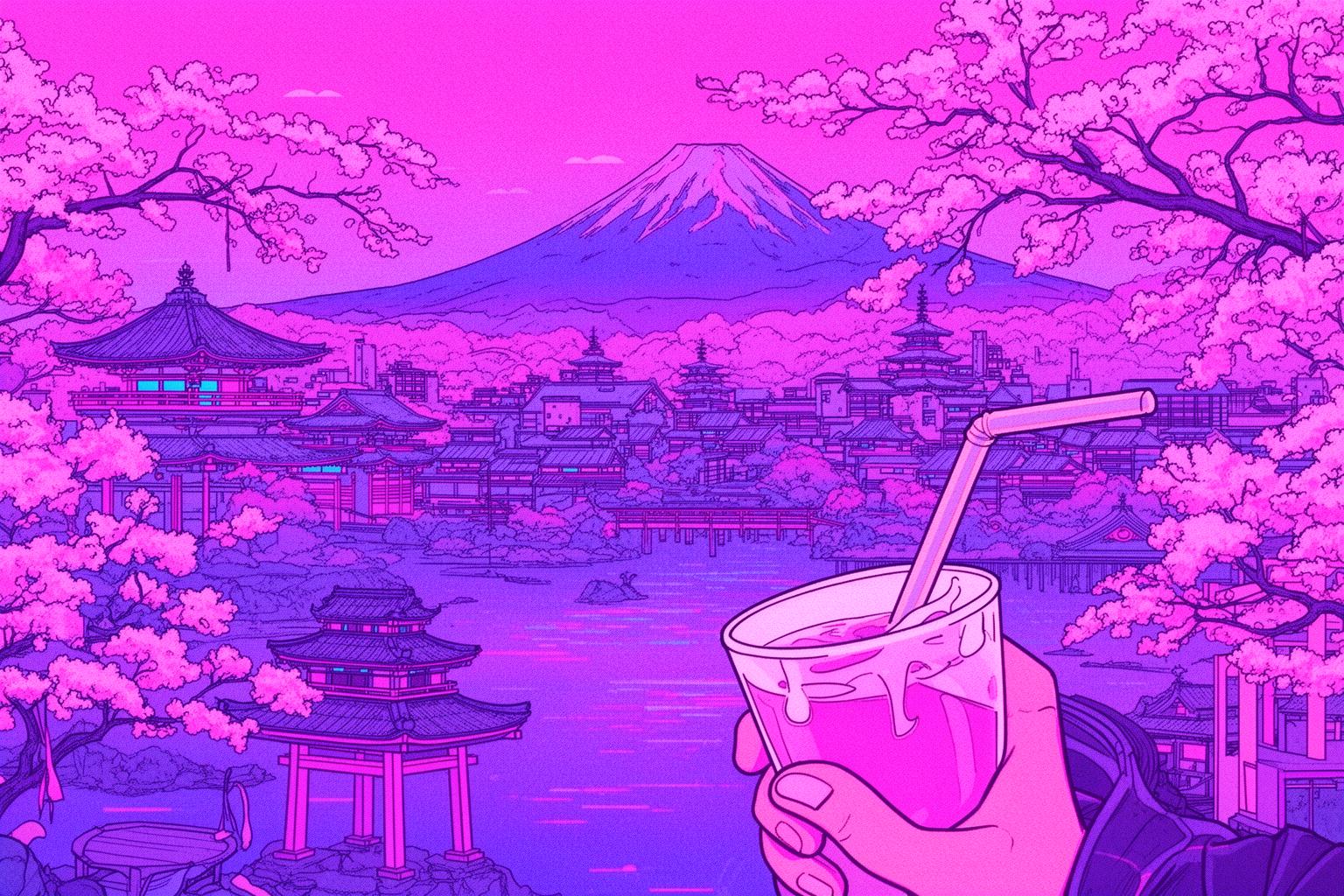
Here it is: our journey through the quiet, beautiful world of Japan’s minimalist, wabi-sabi cafes. These spaces are far more than just a trend—they embody a profound cultural philosophy. They remind us that in a world clamoring for our attention, there is great power and beauty in simplicity, imperfection, and silence. They encourage us to slow down, observe, and cherish the small, fleeting moments that shape our lives. Visiting these cafes is not merely about enjoying a great cup of coffee; it’s about discovering a moment of peace, a connection with Japan’s deeper, quieter essence. So on your next trip, I challenge you to seek them out. Embark on a pilgrimage not just to temples and shrines, but to these modern sanctuaries of contemplation. Find your favorite seat, order a drink, set your phone aside, and simply breathe. Savor the taste, feel the texture of the cup in your hands, and immerse yourself in the perfectly imperfect beauty all around you. It’s a vibe that will refresh your soul—no exaggeration. You’ll leave feeling more revived and inspired than any sugar-packed, trendy beverage ever could. Go find your zen.