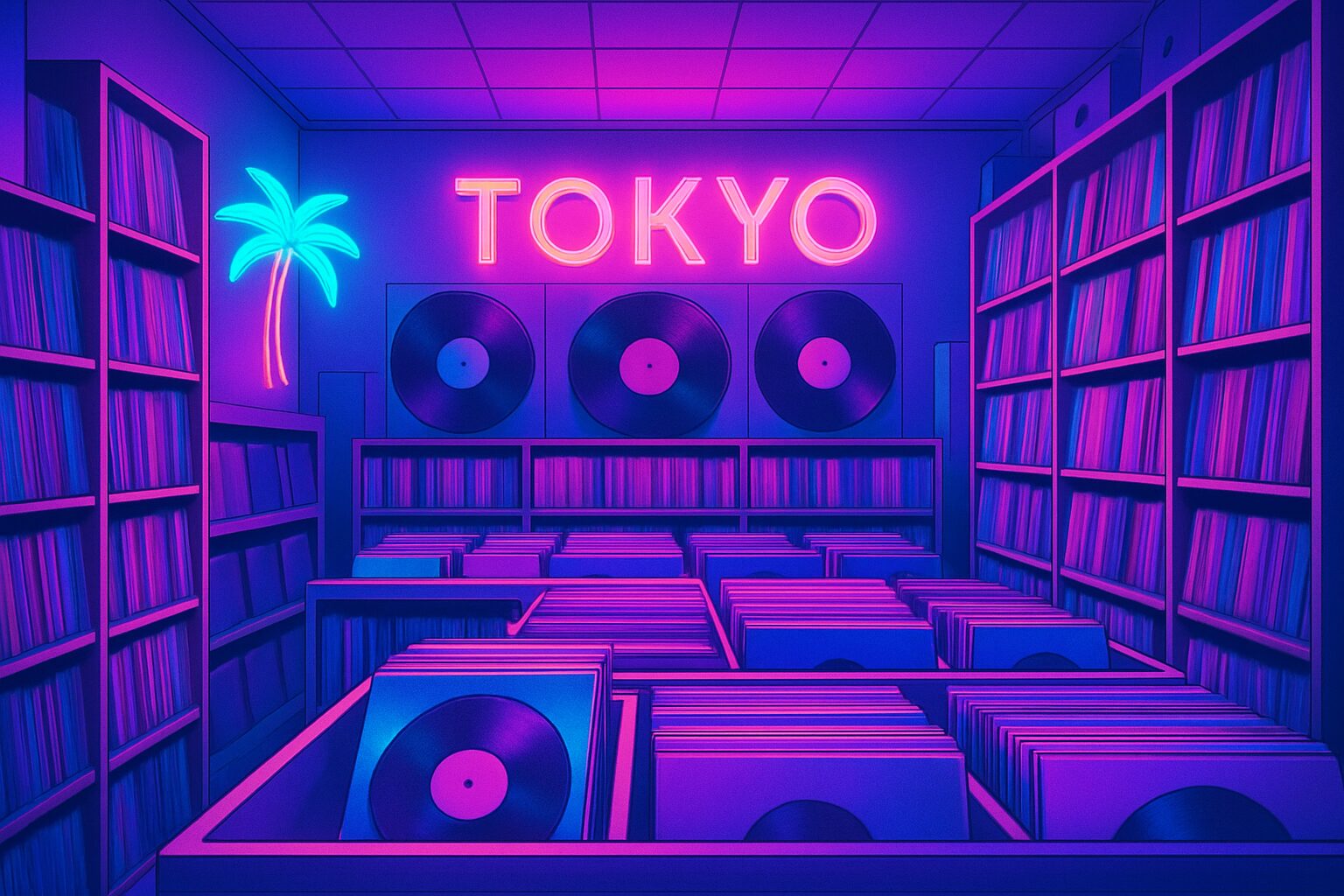
Yo, let’s get real for a sec. Tokyo ain’t just about the future shock, the neon-drenched crossings, and the bullet trains that slice through time. Nah, this city’s got layers, deep-cut tracks that play a melody from another era. I’m talking about a sound that’s pure vibes, a nostalgic wave that’s crashing over the whole world right now: Showa Kayo. This is the music of Japan’s electric dream, the soundtrack to its post-war boom, its bubble-era optimism, and its quiet, late-night melancholy. It’s the sonic soul of a Japan that feels both impossibly distant and incredibly now. And the best way to tap into this frequency? It’s not on some sanitized streaming playlist. It’s by getting your hands dusty. It’s by embarking on the ultimate treasure hunt—digging for original Showa Kayo vinyl in the sprawling, chaotic, and utterly magical record stores of Tokyo. This isn’t just shopping; it’s a full-on archaeological dig into the heart of Japanese pop culture. You’re not just buying a record; you’re buying a story, a perfectly preserved piece of time. From the heart-wrenching croon of enka to the breezy, sun-drenched grooves of city pop, the spectrum is massive. This is your guide to that quest. A map to the gold, a key to the sound. It’s time to drop the needle on a different kind of Tokyo story. Let’s get it.
For a different kind of analog treasure hunt in Tokyo, you might also enjoy chasing the ghost of 90s dojinshi fairs.
What’s the Deal with Showa Kayo? The Vibe Explained

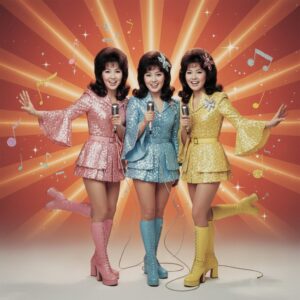
Before you plunge into the crates, you need to grasp the frequency you’re tuning into. What exactly is Showa Kayo? The term itself is a beautifully broad label. The Showa Era spanned from 1926 to 1989, a period of extraordinary transformation for Japan. We’re talking post-war ruins to futuristic cities. The music, or kayokyoku (literally “popular music”), mirrored every twist and turn of that journey. It’s a vast umbrella covering an entire universe of sounds. In the early days, you have the deeply emotional, truly Japanese tones of enka. Imagine heart-wrenching ballads of love, loss, and sake-soaked sorrow, delivered with vocal vibrato that could move the soul. Artists like the legendary Hibari Misora were more than singers; they were national treasures, their voices embodying a generation’s resilience and nostalgia. Her records are foundational texts in the history of Japanese music, and finding a clean pressing of one of her classic LPs feels like discovering a sacred artifact. Then, as Japan’s economy took off in the 60s and 70s, the music evolved. It absorbed Western influences such as jazz, folk, and rock, creating a hybrid sound distinctly Japanese. This is where the “New Music” wave emerges, led by icons like Yumi Arai (before she became Yumi Matsutoya). Her albums from this era, like Hikōki-gumo, are masterpieces of introspective songwriting and sophisticated arrangements—far from traditional enka yet still deeply rooted in Japanese sensibility. Her work laid the foundation for what followed. Then came the late 70s and 80s. The bubble economy was booming; Japan was at its peak, and the music reflected pure, uncut optimism. This marks the birth of what the internet affectionately calls “city pop.” It’s the sound of cruising the Shuto Expressway at midnight with a glittering skyline, rooftop pools, and summer romance. Artists like Tatsuro Yamashita, Mariya Takeuchi, and Toshiki Kadomatsu became the creators of this sound. They crafted slick, irresistibly groovy tracks with top-tier production values that still sound futuristic today. Drawing from American funk, AOR, and soul, they filtered it through Tokyo’s high-tech, high-fashion prism. Yamashita’s For You or Takeuchi’s Variety aren’t merely albums; they’re gateways to that sparkling, aspirational era. The global revival of city pop brought many new fans to the Showa Kayo scene, but it’s vital to remember it’s only one slice of a much larger pie. Exploring Showa Kayo might lead you to a psych-rock gem from the late 60s, a schmaltzy idol pop record from the 80s, or a haunting folk album you’ve never heard before. It’s a journey through the emotional and cultural history of modern Japan, one groove at a time. The sound quality of these records, by the way, is a major part of the allure. Japanese pressings from this era are legendary among audiophiles for their quality—the quiet vinyl, the meticulous mastering. It was a point of national pride. So when you find that record, you’re not just getting a piece of history; you’re getting a piece of sonic perfection. That’s the vibe. It’s deep, it’s diverse, and it’s waiting for you in a dusty sleeve somewhere in Tokyo.
The Holy Trinity of Tokyo Vinyl: Shinjuku, Shibuya, Shimokitazawa
Alright, you know the what, so now let’s get to the where. Tokyo’s vinyl scene is extensive, but for any serious Showa Kayo hunter, there are three essential battlegrounds, three sacred zones you simply must visit. Each boasts its own unique character and flavor of the hunt. This is the holy trinity: Shinjuku, the corporate giant with a crate-digger’s soul; Shibuya, the trendy heart of the beat; and Shimokitazawa, the bohemian paradise of hidden gems.
Shinjuku: The Vinyl Skyscraper
Shinjuku is a complete sensory overload. It’s a concrete jungle filled with skyscrapers, flashing signs, and countless human stories unfolding simultaneously. At the center of this beautiful chaos stands the mothership, the mecca, the undisputed king of Tokyo’s record scene: Disk Union. Make no mistake, Disk Union isn’t just a store; it’s an institution. It’s a multi-building, multi-floor giant that’s a rite of passage for any vinyl collector visiting Japan. The main Shinjuku building is a tower dedicated entirely to music. Upon entering, you’re immediately greeted by that sacred scent—old paper, plastic, and limitless possibility. For a Showa Kayo hunter, the key is finding the dedicated Japanese music floor. Take the small, slightly creaky elevator up, and the doors open to a different world. The frantic energy of Shinjuku fades, replaced by a library-like silence, interrupted only by the soft thwump-thwump-thwump of countless records being flipped. This floor is heaven. It’s meticulously arranged, with sections for enka, kayokyoku, city pop, 60s Group Sounds, 70s folk, and 80s idol pop. The sheer volume is astonishing. Rows upon rows of artists you recognize and hundreds you don’t await here. This is where you discover the deep cuts. The staff are scholars—quiet, focused, and possessing encyclopedic knowledge of Japanese music history. Don’t be intimidated; a polite nod and a simple question can unlock a wealth of information. What truly sets Disk Union apart is their grading system. Check the price tags and the color-coded obi strips on used records. They clearly indicate the condition of both vinyl and sleeve with the standard S, A, B, C grading. This eliminates guesswork when buying used vinyl, revolutionizing the experience. You could easily spend an entire day, possibly two, just on this single floor. Beyond the main tower, Disk Union operates other specialized shops scattered around the neighborhood. The Showa-kan, a short walk away, is a store devoted entirely to Showa-era music. It’s smaller, more intimate, and feels like a time capsule. Vintage posters adorn the walls, and nostalgia hangs thick in the air. If the main store is the university library, the Showa-kan is the professor’s private study, filled with rare and precious artifacts. But Shinjuku isn’t just Disk Union. Keep an eye out for smaller spots like HMV Record Shop, which offers a solid selection, and other independent stores hidden in the basements of office buildings. Still, your journey must begin and end with the Union. It is the benchmark by which all other vinyl experiences in Tokyo are measured.
Shibuya: The Mainstream Beat
If Shinjuku is the serious, academic collector’s sanctuary, Shibuya is its cooler, more fashion-forward younger sibling. After navigating the iconic Scramble Crossing, you’ll find the vinyl scene here has a different rhythm. It’s less about exhaustive back-catalog digging and more about curation and trends. The major player is HMV Record Shop. Located in a spacious, well-lit building, HMV feels more like a modern boutique than a dusty old record store. The vibe is younger, the music louder, and there’s a clear focus on what’s hot right now. Here you’ll find a huge selection of city pop, both original pressings and recent reissues. This is the place where you’re most likely to spot sought-after Mariya Takeuchi or Anri albums. The Showa Kayo section is excellent but curated; they understand what the international crowd is hunting for, so the big names are front and center. It’s a fantastic entry point for a new collector, as the layout is intuitive and the atmosphere incredibly welcoming. They also host in-store events and DJ sets, making it a vibrant part of Shibuya’s music culture. Yet the real magic of Shibuya lies in its backstreets. Tucked away on upper floors of unassuming buildings, you’ll discover smaller, more specialized shops. Face Records is legendary, known for its incredible selection of Japanese jazz, soul, and funk. Digging here feels more intimate; the owner might be spinning rare grooves as you browse, and the selection prioritizes quality over quantity. You’ll also find stores like Recofan, a massive used CD and record shop that can sometimes yield unexpected treasures if you’re willing to dig deep. The Shibuya experience balances large, accessible stores with hidden gems. Start at HMV, get your bearings, pick up some essentials, then lose yourself in the maze of side streets. The energy of Shibuya—the fashion, the art, the constant motion—infuses its record stores. It’s a hunt pulsing with the moment, a perfect blend of retro cool and contemporary style. You won’t just leave with records, but with a sense of what resonates from the Showa era with a new generation.
Shimokitazawa: The Indie Haven
Leave behind the towering skyscrapers and frenetic pace. A short train ride from either Shinjuku or Shibuya brings you to Shimokitazawa, or “Shimokita” as the locals call it. The vibe shift is immediate. The streets are narrower, the buildings smaller, and the air is charged with creative, bohemian energy. Shimokita is Tokyo’s vintage clothing capital, and that love for all things retro and well-crafted extends to its record stores. This is the indie haven, home to super-curated, owner-operated vinyl shops. No massive chains here; instead, a constellation of small, intensely personal stores, each reflecting its owner’s taste. Flash Disc Ranch is a must-see. You climb a narrow staircase and enter a cozy, wood-paneled clubhouse for music lovers. The store is packed to the brim, creating narrow aisles you must squeeze through. The owner is legendary in the scene, and his selection of psychedelic rock, folk, and rare Japanese pressings is unmatched. This isn’t a spot for a quick browse; it’s a place for deep exploration. Another gem is City Country City, a combined cafe and small but expertly curated record shop. Grab a coffee, sit by the window, and listen to the owner’s picks before you begin digging. The focus here tends towards softer, mellower sounds—folk, AOR, and the gentler side of city pop. It’s a completely different, more relaxed digging experience. Shimokita’s joy lies in discovery. You might wander down a quiet side street and stumble upon a tiny basement shop you never heard of, only to find a record you’ve hunted for years. Prices can sometimes be higher, reflecting the curated nature of the stock, but quality is always exceptional. Digging in Shimokita is a slower, more contemplative process. It’s about chatting with store owners, learning their stories, and letting their passion guide you. It feels less like commerce and more like joining a community. It’s the perfect counterpoint to the overwhelming scale of Shinjuku, a reminder that the best treasures are often hidden in the quietest corners.
Beyond the Big Three: Ochanomizu’s Hidden Depths

Once you’ve mastered the holy trinity, you might think you’ve seen everything. Yet Tokyo always reveals another layer to explore. For the truly devoted seeker, the next stop is Ochanomizu. This neighborhood, best known for its astonishing number of musical instrument shops, carries a more academic, old-fashioned vibe. It hosts several universities, and nearby Jimbocho is Tokyo’s renowned book district. This intellectual, slightly dusty ambiance permeates its record stores, making it a distinctive place to hunt for Showa Kayo. The main highlight here is another specialized branch of Disk Union. However, this isn’t just a floor within a larger building. The Ochanomizu Disk Union Showa Kayo-kan stands alone as a temple dedicated entirely to the music of that era. It feels like the Shinjuku Showa-kan’s larger, more scholarly sibling. As soon as you step inside, you’re fully immersed. The selection is impressively extensive, with entire sections devoted to niche sub-genres rarely found elsewhere, like moody kayo, GS (Group Sounds), and obscure independent folk artists. This is the place to go when searching for something rare and specific. The staff’s expertise is truly remarkable. They can recount the life story of an obscure ’60s enka singer or discuss the different pressings of a Happy End album in detail. Visiting this store feels like a pilgrimage—a quiet, serious haven for true enthusiasts. The surrounding areas of Ochanomizu and Jimbocho enhance the experience perfectly. After hours spent in the Showa Kayo-kan, you can stroll through Jimbocho’s streets, browsing century-old bookstores. These two experiences are deeply intertwined—both dedicated to preserving and celebrating the relics of a past culture. You’ll find shops specializing in vintage movie posters, magazines, and other Showa-era ephemera. It’s a full cultural immersion. Digging in Ochanomizu offers a more focused, almost meditative experience. It lacks the trendy buzz of Shibuya or the indie cool of Shimokita, but it provides something deeper: a direct, unfiltered connection to the source. It’s a destination for the seasoned hunter who has moved beyond the hits and now seeks the true soul of the sound.
The Art of the Dig: A Pro’s Guide to Hunting
Walking into a record store in Tokyo can feel overwhelming. Walls filled with vinyl, unfamiliar artists, and a language barrier may seem daunting. However, with a few essential tips, you can sift through the crates like a seasoned expert. This is the art of digging. First, get to know the all-important obi strip — the paper sash wrapped around the spine of most Japanese LPs. Originally a marketing tool displaying information in Japanese like price, tracklist, and slogans, the obi has become crucial for collectors. A record with its original obi is considered complete and often much more valuable. The condition of the obi itself matters as well; a pristine obi on a classic album signifies a well-preserved copy. Many stores will mark “obi-nashi” (no obi) on the price tag. These versions are usually cheaper and ideal if you care more about the music than collectability. Next, learn to interpret the condition ratings. Japanese stores typically use a reliable grading system: S (Sealed/Mint), A (Near Mint), B (Excellent/VG+), C (Very Good), and so on. Reputable stores like Disk Union often attach stickers on the outer sleeve indicating the grade for both the vinyl (disc) and the jacket (sleeve). A ‘B’ grade in Tokyo usually translates to a solid VG+ or better by Western standards. They are very thorough. Still, it’s smart to inspect the record yourself. Most stores allow careful removal of the vinyl from its sleeve to check for scratches. Hold the record under light and tilt it to spot surface marks. Light scuffs on a ‘B’ grade record are normal and typically don’t impact play, but deep, tactile scratches are a warning sign. Don’t hesitate to use in-store listening stations, which most larger shops have. You can bring a pile of potential buys to the counter and ask, “Shichou dekimasu ka?” (“Can I listen to this?”). This is the best way to verify condition and discover new music you’re uncertain about. A few more pro tips: bring a sturdy tote bag — you’re likely to buy more records than planned, and a good bag will protect your finds and your arms. Store etiquette is important too. Handle records gently by their edges, don’t linger too long in one spot if others are waiting, and be quiet and respectful of fellow diggers. It’s a communal, almost sacred space, and a bit of courtesy goes a long way. Lastly, don’t shy away from the cheap bins. Sections labeled “100 Yen” or “300 Yen” can be treasure troves. Although often containing less trendy records, you can uncover fantastic enka, kayokyoku, and instrumental albums that have been overlooked. It’s true treasure hunting, and the rewards are all the more satisfying for the effort.
The Sound and the Story: Why These Records Still Slap
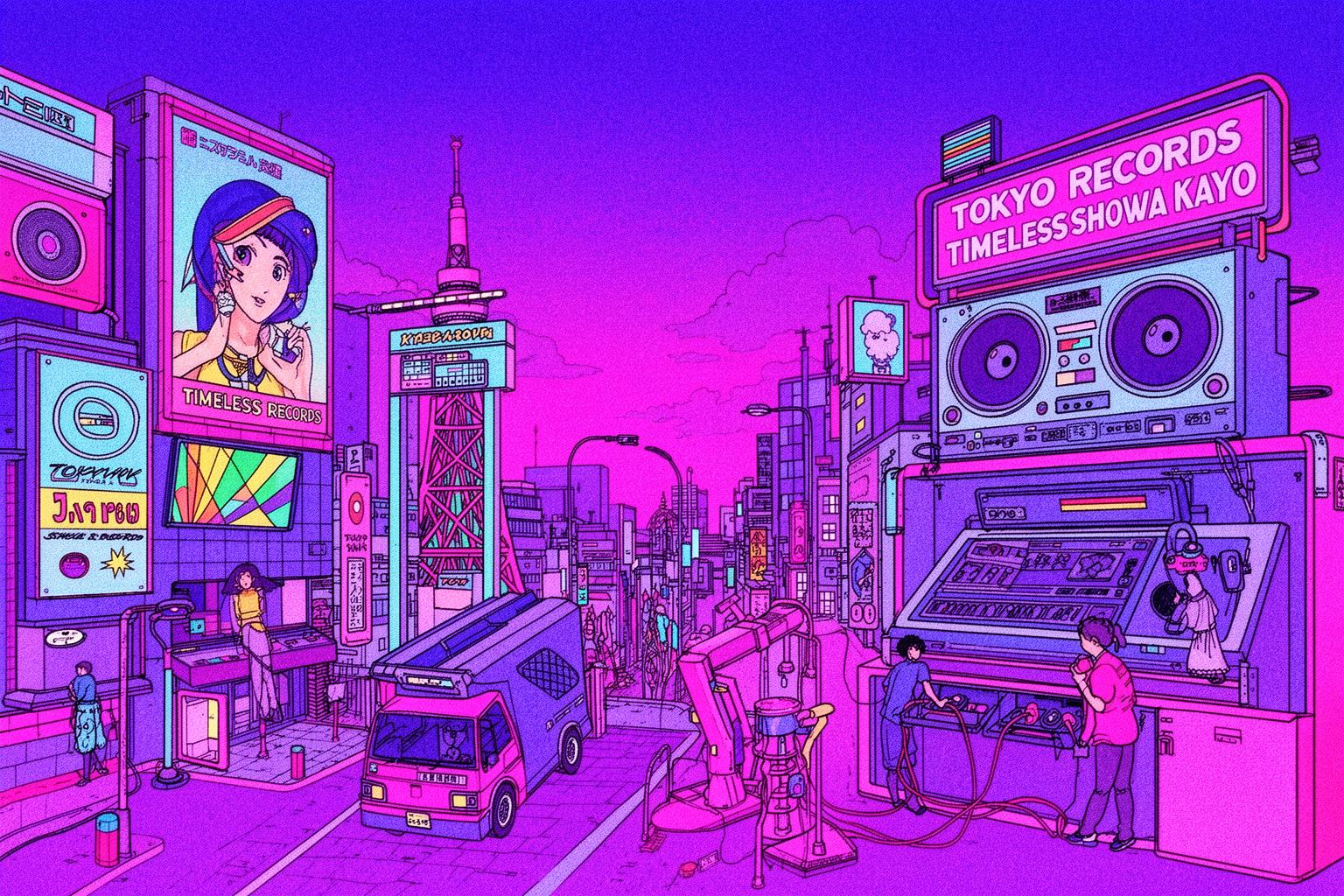
So why go through all this effort? Why travel across the globe to search for old plastic discs? Because what you’re gaining is far more than just music. You’re connecting with a story, a specific moment in time captured with remarkable clarity. The exceptional quality of Japanese vinyl pressings isn’t just a myth; it’s an audible fact. In the 70s and 80s, major labels like JVC used high-grade, virgin vinyl formulas (often called “Everclean” vinyl) that produced a listening experience that is impressively quiet. The noise floor is extremely low, allowing the music to burst forth from the silence. The mastering was also executed with a level of care and precision that was frequently unmatched. This combination of pristine materials and expert craftsmanship means that a well-preserved Showa Kayo record can sound more dynamic, detailed, and vibrant than many modern pressings. When you drop the needle on a Tatsuro Yamashita record, the sharpness of the horns, the punch of the bass, and the sparkle of the keyboards are absolutely stunning. It’s an audiophile’s dream. But beyond the technical excellence lies the story. The album art itself opens a window into the aesthetic of the era. The dreamy, pastel-toned illustrations of Hiroshi Nagai and Eizin Suzuki that adorn so many city pop covers perfectly capture the album’s sun-soaked, aspirational vibe. The dramatic, moody photography on an enka album recounts a tale of heartbreak even before a single note is heard. The fashion, typography, and design—they all contribute to the package, a multi-sensory experience no digital file can replicate. Listening to these records is like time travel. You can close your eyes and almost sense the energy of 1980s Tokyo, a city at the height of its economic power, brimming with confidence and tinged with nostalgia for the simplicity it left behind. You can feel the quiet resilience of the early post-war years in the voice of a singer like Chiyoko Shimakura. The music is a direct connection to the emotions of the people who lived in that time. It’s a richer, deeper way to understand Japan, beyond the temples and tourist attractions. It’s a personal soundtrack you discover for yourself, a narrative formed from the grooves of the records you choose to bring home. Every scratch and pop on a well-loved record isn’t a flaw; it’s a mark of its history, a sign that someone before you cherished this music, that it played at a party, in a lonely apartment, or in a smoky kissaten. You become part of that story. That’s why it still slaps. That’s why the hunt is worthwhile.
Fueling the Hunt: Coffee and Curry Breaks
Let’s be honest: digging for vinyl is more of a marathon than a sprint. It involves hours of standing, flipping through records, and intense focus. You’re bound to get hungry, thirsty, and in need of a break. The good news is that the neighborhoods you’ll be exploring are filled with incredible, old-school spots that perfectly capture the Showa-era vibe of your mission. This isn’t the moment for a generic Starbucks run. It’s the time to embrace the kissaten. A kissaten is a traditional Japanese coffee shop, many of which are like time capsules from the Showa period itself. Around Jimbocho, near the Ochanomizu record stores, you can discover legendary cafés like Sabouru or Ladorio. Stepping into one feels like entering a movie set—with dark wood interiors, velvet seats, stained-glass lamps, and the soft sounds of classical music or jazz. They serve siphon coffee with an almost reverent dedication, making it the ideal fuel for a long day of record hunting. You can sit with your new treasures, savor a carefully brewed coffee, and simply absorb the atmosphere. It’s an essential part of the experience. When hunger strikes, curry is often the go-to solution. Japanese curry is beloved nationwide—a rich, comforting dish perfect for replenishing energy. Many of the best curry spots are small, unassuming eateries, often located near train stations. In Shinjuku, you might come across a tiny counter-only restaurant that’s been serving the same mouthwatering curry for fifty years. In Shimokitazawa, you’ll find trendy places giving a modern twist to the classic dish. Hunting down a great curry or kissaten near your favorite record store adds to the joy of the day. It completes the sensory experience. You’re not just enjoying the music of the Showa era—you’re also savoring its flavors. Don’t rush from store to store. Take these breaks. Let your mind relax. Let the city’s rhythm soak in. The records will be waiting when you return, and you’ll approach the crates with renewed energy and a satisfied appetite. The hunt is as much about the journey and the spaces between stops as it is about the destination.
A Final Spin

The Tokyo vinyl quest is a journey that rewards you on many levels. It offers a deep exploration of a fascinating and influential era in Japanese culture. It’s an opportunity to curate a collection of exquisitely crafted, beautifully sounding records. But beyond that, it’s a way to connect with Tokyo on a different wavelength. It encourages you to slow down, look more closely, explore side streets, and engage with the city’s history in a tangible way. The thrill of the chase is addictive—that instant when you flip through hundreds of records and suddenly there it is: the album you’ve only ever seen online, the one you’ve been longing for. Your heart skips a beat. You pull it from the shelf, inspect its condition, and for that moment, it feels like the most precious object in the world. You’ll leave Tokyo not just with a bag full of vinyl, but with a unique mental map of the city etched into your memory, a map forged from record stores, kissatens, and the echoes of a thousand beautiful songs. So get lost in the stacks. Let the album art guide you. Take a chance on an artist you’ve never heard before. Discover your own personal anthem from the city of yesterday’s future. Your Tokyo soundtrack awaits.