Picture Tokyo in the early 1990s. The champagne-soaked fever dream of the Bubble Economy had just spectacularly burst, leaving a nation with a collective economic hangover and a profound sense of uncertainty. The soaring optimism of the 80s, a period of seemingly endless growth and national confidence, had evaporated. In its place crept the “Lost Decade,” a long, grey period of stagnation. For a generation of young Japanese coming of age in this new reality, the bombastic corporate anthems and saccharine idol pop of their parents’ era felt utterly alien. They weren’t looking for music to fuel corporate warrior ambition; they were searching for a soundtrack to a different kind of life, one defined by personal taste, quiet sophistication, and an escape from the gloomy headlines. They found it in the record stores of Shibuya.
This is where Shibuya-kei was born. It wasn’t a formal movement with a manifesto or a rigid set of rules. It was a sensibility, a shared aesthetic, a subculture that coalesced around a very specific sound and style. The name itself, meaning “Shibuya style,” was coined by the music press to describe a new wave of bands who were mashing up a dizzying array of Western musical influences—from 60s French yé-yé pop and Brazilian bossa nova to American lounge music, British indie, and Italian film scores—and filtering it all through a uniquely Japanese, hyper-curated lens. It was music made by and for obsessive collectors, crate-digging archivists who treated obscure Burt Bacharach B-sides and Serge Gainsbourg film cues with the reverence of holy relics.
But Shibuya-kei was so much more than just music. It was a total aesthetic environment. It was the sharp, mod-inspired fashion seen in the music videos, the retro-futuristic graphic design on the CD sleeves, and the very act of spending an afternoon browsing the seemingly endless aisles of Tower Records or HMV. It was a lifestyle built around connoisseurship, where your value wasn’t determined by your wealth, but by the depth and breadth of your cultural knowledge. It was a deliberate turning away from the national mood of austerity, choosing instead to build a self-contained world of cosmopolitan cool, playful nostalgia, and effortless style. This is the story of that world: how it was built, who its architects were, and why its stylish ghost still haunts the backstreets of Tokyo today.
To truly understand the fashion and social scene that provided the backdrop for this musical movement, one must explore the vibrant energy of Shibuya Center-gai.
The Anatomy of a Vibe: What Exactly Was Shibuya-kei?

To grasp Shibuya-kei, you must first let go of the notion of a traditional music genre. There was no single, unifying beat, tempo, or set of instruments. You couldn’t rely on a simple checklist to decide if a song fit the style. Rather, it was characterized by its attitude—a philosophy of curation and collage. It focused less on inventing something entirely new and more on the artful, thoughtful reassembly of existing, often overlooked, cultural fragments. The artists were like master chefs, gathering the rarest, most exquisite ingredients worldwide and blending them into a dish that felt both comfortingly familiar and excitingly fresh.
A Sound Built from Memories
Shibuya-kei’s sonic palette was remarkably diverse, yet unified by a shared sense of sophistication and a breezy, melodic charm. At its heart lay a profound admiration for the pop craftsmanship of the 1960s. The lush, orchestral arrangements of Burt Bacharach served as a foundational influence, as did the sunlit harmonies of The Beach Boys’ Brian Wilson. One could hear the effortless cool of French pop legends like Serge Gainsbourg and Françoise Hardy, the gentle melancholy of Brazilian bossa nova from artists such as Antônio Carlos Jobim, and the quirky, optimistic futurism of American lounge and exotica music.
These nostalgic influences mixed seamlessly with contemporary sounds from the global indie scene. Bands like the UK’s Stereolab or Saint Etienne, known for their fusion of vintage synths and indie-pop flair, were kindred spirits. The magic lay in the juxtaposition. A Shibuya-kei track might overlay a funky breakbeat sampled from a rare 70s soul record beneath a string arrangement reminiscent of a forgotten Hollywood musical, topped with a breathy, detached female vocal singing in a blend of Japanese, English, and French. The result was playful, referential, and impeccably produced. This was not raw, emotional garage rock; it was meticulously crafted studio music, fashioned with the precision of a watchmaker and the panache of a fashion designer.
Sampling was the movement’s core technique. This era preceded the internet’s instant access to every song ever recorded, making “crate-digging” (reko-bori in Japanese) a central ritual. Artists and fans would spend hours or even days rummaging through dusty bins in record shops, seeking obscure LPs to extract the perfect drum loop, cinematic horn stab, or quirky vocal snippet. This search for sonic treasures was vital to the culture. The more obscure the source, the greater one’s cultural cachet. The resulting music was a tapestry woven from these discovered sounds, a conversation with pop history.
The Scene’s Architects: Flipper’s Guitar and Pizzicato Five
While many artists shaped the Shibuya-kei sound, two stand as its undisputed pillars: Flipper’s Guitar and Pizzicato Five. They represented two sides of the same stylish coin, defining the movement’s creative and aesthetic boundaries.
Flipper’s Guitar consisted of the duo Keigo Oyamada and Kenji Ozawa. They were the scene’s intellectual heartthrobs, its Lennon and McCartney. Their early works owed much to British indie and “neo-acoustic” bands like Aztec Camera and Orange Juice, featuring jangly guitars and introspective lyrics. However, their third and final studio album, 1991’s Doctor Head’s World Tower, marked a Shibuya-kei milestone. They largely set aside traditional songwriting in favor of a dense, sample-heavy collage referencing everything from Primal Scream and The Beach Boys to public service films and random sound effects. The album was dizzying, brilliant, and often bewildering, evoking the sensation of tuning a radio through pop history. The band split acrimoniously soon after its release, but their legacy was secure. Oyamada went on to have a highly influential solo career as Cornelius, becoming a globally recognized electronic musician. Ozawa became one of the 90s’ biggest and most beloved mainstream J-pop stars, translating Shibuya-kei’s melodic sensibilities into stadium-filling hits.
If Flipper’s Guitar were the introspective musical scholars, Pizzicato Five were flamboyant, extroverted ambassadors of cool. This long-running project was led by producer, songwriter, and master curator Yasuharu Konishi. After several lineup changes, the band’s iconic voice and image emerged in vocalist Maki Nomiya in 1990. Together, Konishi and Nomiya perfectly embodied the Shibuya-kei aesthetic. Konishi was the behind-the-scenes mastermind, a walking pop culture encyclopedia crafting sophisticated and catchy songs blending lounge, soul, pop, and jazz. Nomiya was the ideal frontwoman: effortlessly chic, impeccably stylish, and possessing a voice that could be both playful and melancholic. Their music videos were retro-modernist design masterpieces, showcasing Nomiya in an endless array of 60s-inspired outfits. Songs like “Twiggy Twiggy,” “Sweet Soul Revue,” and “The Night Is Still Young” (Tokyo wa Yoru no Shichiji) became scene anthems. They were among the first Shibuya-kei acts to achieve significant international recognition, signing with the American indie label Matador Records and becoming cult favorites on college radio and among style-conscious music fans in the West.
The Physical Space: How Shibuya Became the Hub
The subculture’s name was no coincidence. The physical environment of Tokyo’s Shibuya district was more than just a backdrop for the movement; it was a crucial element. The area’s distinctive mix of commercial and cultural spaces created the ideal ecosystem for this particular style to thrive.
A Neighborhood for the Young and Restless
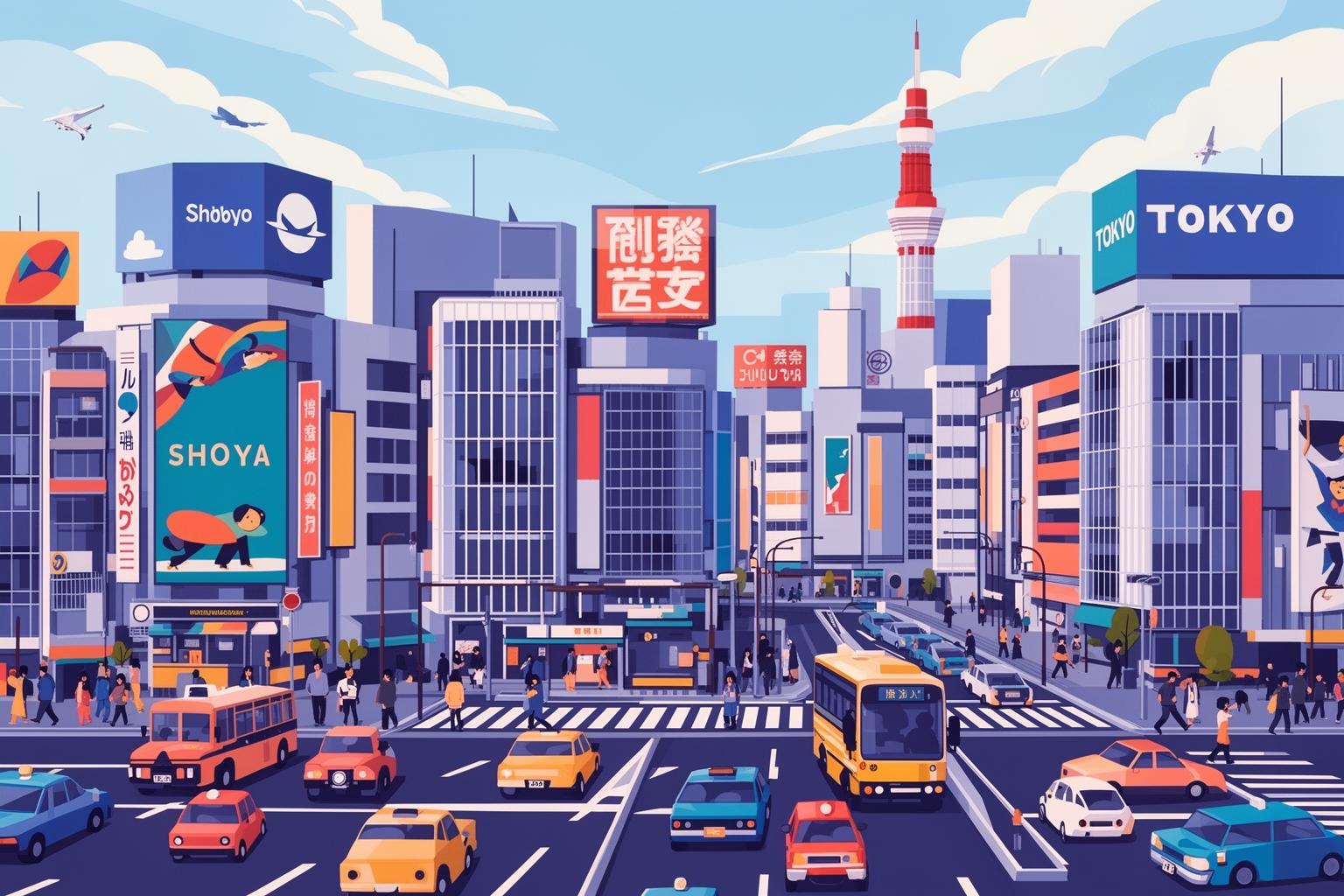
By the early 1990s, Shibuya had already become one of Tokyo’s main youth hangouts—a chaotic and lively center for fashion, food, and entertainment. It contrasted sharply with other major Tokyo districts: Shinjuku catered to salarymen and skyscraper offices, Ginza was known for high-end brands and established wealth, and Akihabara focused on electronics and the growing otaku culture. Shibuya stood apart. It was trend-driven, fast-moving, and wholly dedicated to the interests and passions of young people. The iconic Scramble Crossing was already a symbol of Tokyo’s vibrant energy, perfectly capturing the collision of ideas and styles that characterized the area.
This youthful vigor made it a natural breeding ground for new ideas. The streets were filled with independent clothing boutiques, cozy cafes, and live music venues. It was a place where people went not just to shop but to see and be seen, to soak up the latest trends, and to find their community. This atmosphere nurtured a sense of belonging among like-minded individuals, providing fertile soil for a subculture to develop organically.
The Cathedral of Cool: The Centrality of the Record Store
More than any other single factor, Shibuya-kei was a subculture born inside the record store. In a world before streaming and MP3s, the physical record shop was the undeniable heart of the musical universe. In Shibuya, these stores were not just shops; they were multi-story temples of sound, libraries of cool, and social hubs for music lovers. Giant outlets like HMV Shibuya (once a massive, standalone building) and Tower Records Shibuya (still among the largest record stores worldwide) served as the movement’s unofficial headquarters.
These stores were not merely places to purchase the latest hits. They were curated spaces designed to encourage discovery. The essence of Shibuya-kei could be found in the imported music sections and the listening stations. Knowledgeable staff—often aspiring musicians and DJs themselves—acted as vital gatekeepers and tastemakers. They crafted special displays called shi-kake, hand-writing recommendation cards and grouping albums from various countries and eras that shared a similar vibe. It was through these displays that the “Shibuya-kei” genre was essentially invented and shaped, long before the media officially named it. A French pop compilation might sit alongside a fresh indie band from Glasgow and a Brazilian jazz reissue, creating a meaningful context and drawing connections for curious listeners.
For fans, visiting HMV or Tower was a weekly, sometimes daily, ritual. People came to meet friends, check out the tastemakers’ recommendations, and spend hours with headphones at the listening posts, training their ears. Beyond the big stores, a network of smaller, specialized shops like Zesto, Disques Dessinee, and Flash Disc Ranch catered to even more devoted crate-diggers, stocking rare and out-of-print vinyl. Deep knowledge of these records was the ultimate status symbol. It wasn’t about wealth but the quality of one’s taste and the dedication to cultivating it. The record store served as school, church, and playground for Shibuya-kei, all rolled into one.
The Look and Language: More Than Just Music
The Shibuya-kei aesthetic went well beyond just sound. To be part of the scene meant engaging with a full visual and stylistic language. Fashion, graphic design, and even the choice of cafés were integral to this carefully crafted world. It was a culture of total design, where every aspect was thoughtfully considered and added to the overall atmosphere.
Retro-Modernist Fashion
Shibuya-kei fashion directly reflected its musical inspirations: clean, sharp, and heavily influenced by the 1960s, especially the Mod styles of London’s Carnaby Street and the sleek minimalism of French New Wave cinema. It wasn’t the ripped denim nihilism of grunge or the DIY feel of punk. Instead, it was a polished and intentional look that conveyed intelligence and a distinct European flair.
For women, the style was defined by A-line mini-dresses, turtlenecks, Peter Pan collars, berets, and Mary Jane shoes, featuring simple, graphic silhouettes. Maki Nomiya of Pizzicato Five stood as the ultimate style icon, appearing in videos and photos as if she had stepped out of a Jean-Luc Godard film or a Richard Avedon portrait. The vibe was more Audrey Hepburn than Courtney Love. For men, the aesthetic was equally refined, with slim-fit trousers, top-buttoned polo shirts, cardigans, tailored jackets, and desert boots being common choices. The signature haircut was a clean, rounded bowl cut, echoing 60s pop stars. Achieving this look required effort and know-how—you needed to know the right vintage shops, which French brands were authentic, and how to mix retro and modern pieces without seeming like you were in costume.
The Art of the Album Sleeve
During the compact disc’s reign as the primary format, graphic design played a crucial role in the music experience. Album art and booklets were not mere packaging but extensions of the music itself—visual maps of the artist’s world. Shibuya-kei artists and labels placed great importance on design, often collaborating with a small network of influential designers who helped define the movement’s visual identity.
Studios like Contemporary Production, led by Mitsuo Shindo, were key contributors. They crafted iconic artwork for Flipper’s Guitar and other pivotal artists, perfectly capturing the scene’s look. The style featured clean, often sans-serif typography, a color palette dominated by retro hues like orange, avocado green, and brown, and a playful blend of photography and collage. Designs drew from classic 60s graphics, from Blue Note jazz covers to vintage airline ads. Every element was carefully chosen, from fonts to CD booklet paper quality. Owning the physical CD was a full sensory experience—an elegant object to hold, read, and display. This dedication to visual presentation underscored Shibuya-kei as a culture of complete, curated taste.
The Meaning Behind the Music: A Post-Bubble Escape
To truly understand why Shibuya-kei struck such a powerful chord, you need to grasp the social and economic context from which it arose. It was more than just a blend of trendy sounds and fashionable attire; it served as a psychological reaction to a specific period in modern Japanese history. It provided cultural and emotional refuge from the anxieties of the Lost Decade.
Optimism in an Era of Pessimism
The collapse of Japan’s asset price bubble in the early 1990s was a traumatic blow to the nation. The story of Japan as an unstoppable economic powerhouse came to an abrupt end. For the first time in decades, the future seemed dimmer than the past. A pervasive sense of gloom and stagnation took hold across the country. While mainstream culture was overshadowed by this anxiety, Shibuya-kei deliberately fashioned an alternate world.
The music was almost defiantly cheerful and hopeful. It was bright, airy, and sophisticated. The lyrics and imagery rarely referenced the economic struggles of the time. Instead, they painted a fantasy of international travel, elegant European cafes, vintage sports cars, and stylish romance. It was a kind of aspirational escapism. Listening to Pizzicato Five allowed one to imagine themselves as a jet-setting spy in a 60s film, rather than a university graduate facing a bleak job market. This was not a political protest but a retreat into a self-fashioned paradise composed of the finest and most beautiful pieces of the past. It brought a sense of joy, elegance, and possibility to a world that suddenly seemed to lack them.
The Curator as a New Form of Identity
Shibuya-kei also marked a subtle yet significant shift in Japanese youth identity. Traditionally, cultural worth was often assigned to mastery and flawless execution within an established tradition—the master craftsman, the devoted artist. Shibuya-kei introduced a new type of cultural hero: the curator. In this subculture, the most admired individuals were not necessarily the most technically proficient musicians or the most emotionally intense songwriters. Instead, they were those with the keenest taste, the deepest knowledge, and the smartest ways of combining their influences.
Yasuharu Konishi of Pizzicato Five was the quintessential figure. As a DJ and producer, his main talent was his encyclopedic grasp of music history and his brilliance in recontextualizing it. Fans adopted this mindset as well. Being a Shibuya-kei follower meant becoming a connoisseur of pop culture. You were expected to distinguish between a French yé-yé singer and an Italian soundtrack composer. This emphasis on knowledge and taste created a new form of social hierarchy, one based on cultural capital rather than economic wealth. Amid a recession, this offered a compelling and attractive alternative. Your identity was something you could actively shape and refine through your own exploration and passion, discovering one obscure record at a time.
Fading Out: The Legacy and Lingering Echoes
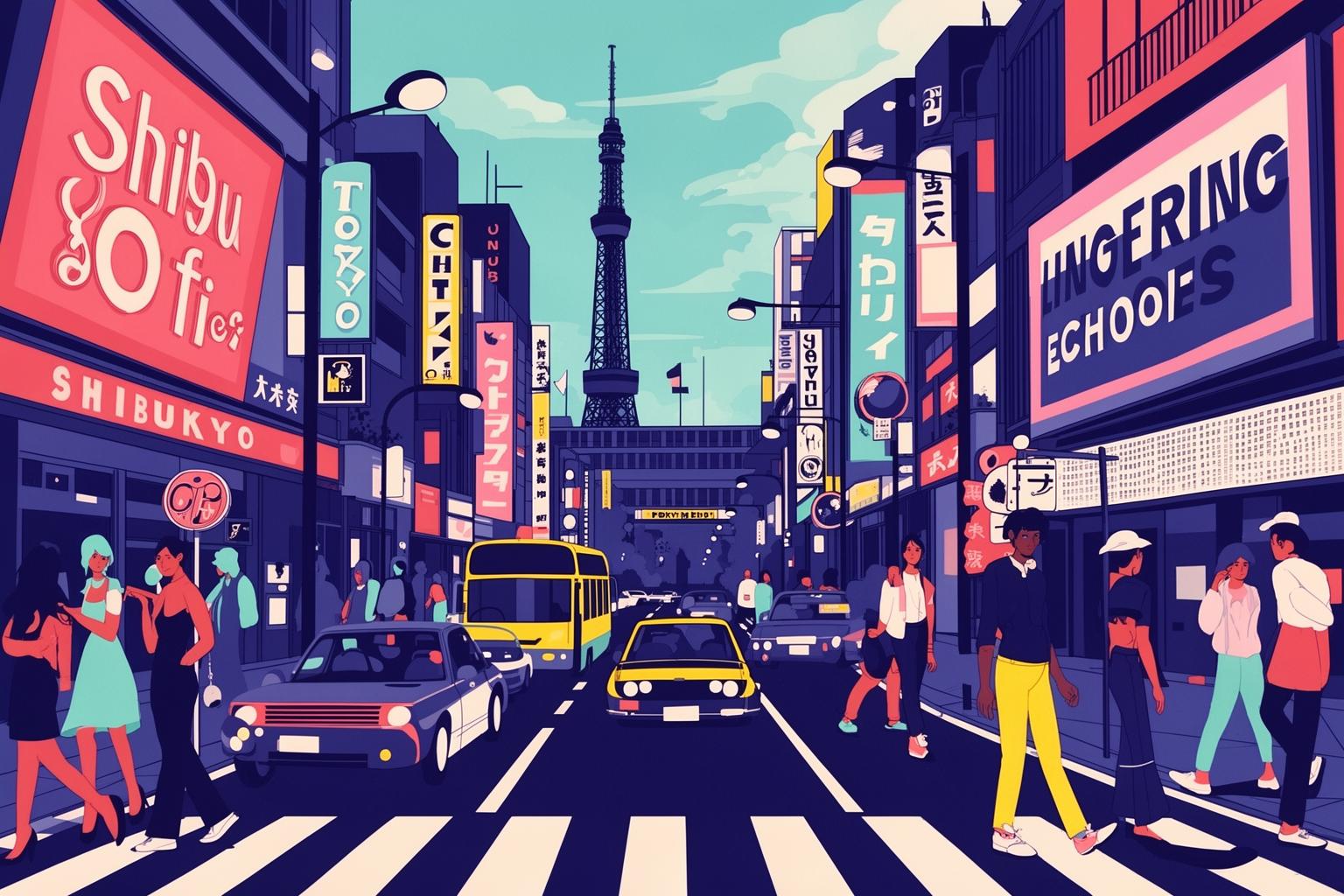
Like all vibrant subcultures, Shibuya-kei had its heyday, and then that moment faded. By the late 1990s and early 2000s, the scene began to unravel. Its leading figures moved on, musical tastes shifted, and technological advances were about to transform everything. Yet its influence didn’t simply disappear; it became embedded in the DNA of Japanese pop music and resonated worldwide.
The End of an Era
The decline of Shibuya-kei was gradual rather than abrupt. Flipper’s Guitar had already dissolved at the peak of their popularity in 1991. Pizzicato Five carried on into the new millennium but disbanded in 2001, believing they had pushed their project as far as it could go. Musical preferences in Japan were evolving. Rougher rock bands, hip-hop, and new styles of electronic dance music started to captivate young audiences. The polished, retro-pop sound of Shibuya-kei increasingly felt like a thing of the recent past rather than the future.
The emergence of the internet also played a pivotal role. Shibuya-kei culture thrived on the scarcity of information and the excitement of physically discovering music in record stores. When Napster, followed by blogs and streaming platforms, enabled access to nearly any song from anywhere with ease, the exclusive knowledge that once defined the scene became democratized and thus lost much of its value. Record stores lost their status as the primary arbiters of cool.
A Lasting Influence
Despite its relatively brief duration, Shibuya-kei’s impact was deep and enduring. Its key players continued to influence Japanese music for decades. Cornelius (Keigo Oyamada) became a globally acclaimed artist, recognized for his complex audiovisual performances and innovative electronic music. Yasutaka Nakata, the producer behind major acts like Perfume and Kyary Pamyu Pamyu, is a direct creative heir. His polished, design-focused, and playfully electronic pop sound carries forward the spirit of Shibuya-kei into the 21st century.
Globally, Shibuya-kei helped reshape the Western perception of Japanese pop music. It was no longer viewed as mere quirky novelty; instead, it was appreciated as sophisticated, stylish, and deeply informed. It paved the way for future generations of Japanese artists to reach international audiences and inspired numerous Western indie musicians attracted to its melodic creativity and postmodern charm.
In many respects, the recent worldwide surge in interest for “City Pop”—the refined, funk- and jazz-tinged Japanese pop of the late 70s and 80s—is a spiritual successor to Shibuya-kei. Both movements are fueled by a nostalgia for a chic, optimistic, and economically thriving era in Japanese history, and both were embraced by new generations discovering forgotten treasures through modern media. Shibuya is a different place today—more global, more commercial, even more crowded. But if you stroll down the right side street to find a small, basement-level record bar, or spend hours exploring the countless floors of Tower Records, you can still sense the lingering energy of that time. It’s the ghost of a sound, the echo of an era when the coolest thing in the world was a flawlessly curated record collection.