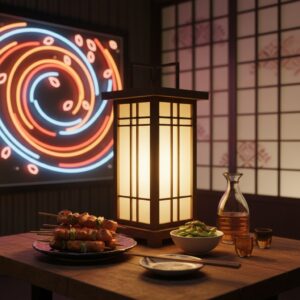
Yo, let’s get real for a sec. Remember the mid-2000s? Before the endless scroll, when digital was new and kinda gritty, and the world felt both bigger and smaller at the same time. There was this whole aesthetic, a mood you can’t just Google. It was in the indie films, the lo-fi beats leaking from chunky headphones, the feeling of being main-character-level anonymous in a massive city. For me, that vibe is forever crystallized in Tokyo. It’s the rain-slicked streets of Shibuya, the quiet hum of a late-night train, and the intimate glow of a hidden bar. It’s a feeling that’s low-key epic, and honestly, it’s what I’m always chasing when I’m out exploring after putting the little one to bed. Lately, I’ve found that feeling bottled up, distilled, and served in tiny, moody bars that specialize in shochu, Japan’s unsung hero of spirits. These aren’t the flashy cocktail joints or the rowdy izakayas. They’re time capsules. Sanctuaries of quiet contemplation, wooden counters worn smooth by decades of elbows, and a master who pours your drink with the focus of a surgeon. This is a guide to finding those spots. It’s for when you want to unplug, sip on something that tells a story, and just soak in that authentic, cinematic, mid-2000s Tokyo energy. No cap, this is the real deal.
For a different, more lively take on Japan’s nightlife, explore the energetic world of Gaya Gaya izakayas.
What Even Is Shochu? A Real Talk Guide

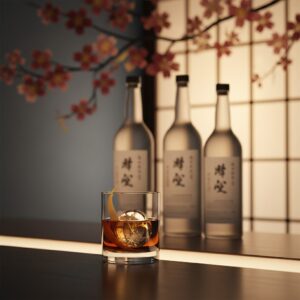
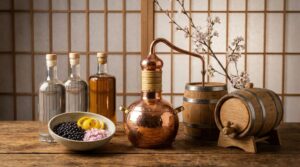
Alright, before we plunge into the labyrinthine back alleys of Tokyo, we need to get familiar with shochu. If you’re assuming it’s just another type of sake, hold on right there. That’s like saying a guitar is just a kind of drum. Both are iconic Japanese drinks, but they belong to completely different categories. Sake is brewed from rice, similar to beer—fermented, delicate, and usually with a lower alcohol content. Shochu, however, is distilled. Think of it as Japan’s counterpart to vodka, gin, or whiskey. It’s a spirit, and the distillation process is where the true magic happens, producing a wide array of flavors far richer than most people expect. Shochu is like a whole universe in a glass, and grasping the basics is your ticket into these amazing bars, because trust me, the experts there respect a little informed curiosity.
Imo, Mugi, Kome: Meet Your Crew
The base ingredient of shochu defines its entire character. Although there are over fifty approved ingredients, you’ll most commonly encounter the big three, and knowing them is the ultimate cheat sheet. This isn’t just about sounding knowledgeable; it’s about discovering a flavor profile that genuinely suits your taste.
First, there’s imo-jochu, made from sweet potatoes. This one is the heavyweight, the bold and brash option. It mainly hails from Kagoshima in southern Japan. At first sip, you might be greeted by a strong, earthy, even funky aroma. It’s an acquired taste for some, but once you appreciate it, you really get it. Its range spans from deeply rustic and smoky to surprisingly fruity and floral. Served oyuwari (diluted with hot water), it releases an incredible, comforting sweetness that’s perfect for a chilly Tokyo evening. It’s full of character, a true statement drink.
Next up is mugi-jochu, the smooth operator made from barley. Often the beginner’s go-to shochu, it’s generally lighter and more approachable. Clean, crisp, with a mellow, toasty flavor, it’s very easy to drink. If imo-jochu is a peaty Scotch, mugi-jochu is like a smooth Irish whiskey or a quality vodka. It’s versatile, ideal mizuwari (with cold water) or served on the rocks (rokku). It won’t challenge your palate as much as imo does, but its subtle complexity is where its charm lies.
Finally, there’s kome-jochu, made from rice. Sharing its base ingredient with sake, it often carries some of those familiar notes. Typically smooth, clean, and possessing a delicate, slightly sweet, almost floral aroma reminiscent of a fine ginjo sake, it’s elegant and refined—a spirit that doesn’t demand attention but rewards it. This is a superb choice if you want something subtle and sophisticated that pairs beautifully with delicate Japanese cuisine.
Of course, there are others, like kokuto (brown sugar) shochu from the Amami Islands, which is rum-like and delicious, or soba (buckwheat) shochu with its nutty profile. But starting with imo, mugi, and kome will give you a solid foundation to explore from. Don’t hesitate to ask the master for an osusume (recommendation) based on your usual preferences.
How to Drink It: The Lowdown on Mizuwari and Oyuwari
Ordering shochu isn’t just about choosing a type; it’s about selecting your style. How it’s served greatly influences the experience, and this is where the culture truly shines. You rarely see premium shochu consumed as straight shots. It’s meant to be savored, enjoyed over the course of a good conversation.
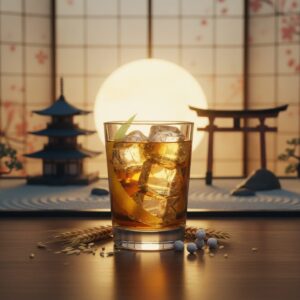
The most common method is mizuwari, mixed with cold water and ice. This is refreshment perfected. The master typically fills a glass with crystal-clear, hand-carved ice, pours in the shochu, and tops it with mineral water, stirring gently for the perfect dilution. This unlocks the spirit’s aromas without dulling its flavor, making it incredibly easy to sip. It’s the standard for good reason.
Then there’s oyuwari, mixed with hot water, which is my personal favorite on a cold night. It feels like a warm embrace from the inside. Traditionally, hot water is poured into the ceramic cup first, then the shochu is gently added on top. This allows the liquids to mix naturally through convection, releasing the spirit’s full aromatic bouquet. The warmth enhances sweetness and depth, especially in imo shochu, transforming it into a complex, savory, and deeply comforting drink. The steam rising from the cup, carrying earthy notes of sweet potato or toasted barley, is pure sensory bliss.
Of course, you can also enjoy it rokku (on the rocks) to experience the undiluted flavor as it chills and evolves slowly, or even straight if it’s a particularly fine, aged shochu. Some modern spots might use it in a chuhai or sour, but in the kind of moody, traditional bars we’re seeking, you’ll mostly see it served with water—hot or cold. It’s all about honoring the distiller’s craft and letting the spirit speak for itself.
The Quest for the Vibe: Our Top Moody Spots
Now that we’ve unlocked our shochu knowledge, it’s time to start the hunt. Discovering these bars is part of the adventure. They don’t boast flashy signs or sit on ground floors with large windows. Instead, they are secrets shared among friends, tucked away down alleys or up creaky staircases. Here are a few of my favorites—spots that perfectly capture that mid-2000s vibe, allowing you to experience the city’s pulse from a quiet, safe distance.
Bar Kagemusha: A Shimokitazawa Hideaway
Shimokitazawa sets a distinct mood. It’s the epicenter of Tokyo’s indie culture—a labyrinth of vintage shops, intimate theaters, and live music spots. This neighborhood has resisted the sleek modernization seen in Shibuya and Shinjuku, making it ideal for finding a bar that feels timeless. Bar Kagemusha fits that description perfectly.
The Entrance: A Real-Life Loading Screen
To reach Kagemusha, you have to find the right alley—a narrow lane off the main street that carries faint scents of old records and fried takoyaki. No English signs mark the spot, only a small, worn wooden plaque with Japanese kanji beside a dark, steep staircase. It feels like a test: are you really searching for this, or did you just wander here by chance? Ascending the creaky stairs feels like a leap of faith. The air cools, street noise fades, and you sense you’re stepping into another realm. At the top, a heavy wooden door with a small barred window awaits. You slide it open and are greeted by a wave of warm light and soft sounds.
Inside the Ambience: Dim Lighting and Perfect Tunes
Upon entering Kagemusha, the vibe hits you immediately. The bar is tiny, seating at most ten people, all lined along a stunning, dark wooden counter that seems carved from a single ancient tree. The lighting is moody—a few low-wattage Edison bulbs hang above the bar, casting a warm amber glow, while shadows envelop the rest of the room. Shelves line the walls, packed with hundreds of shochu bottles, each uniquely shaped with beautiful labels. Behind the master, a vintage turntable spins vinyl. The music is always on point: obscure ‘90s Japanese indie rock, or perhaps some Nujabes or instrumental hip-hop that defined the era. It serves as both background and focal point, perfectly setting a cool, detached tone. The experience channels Lost in Translation in the best possible way.
The Shochu Collection: A Master’s Curated Selection
Tanaka-san, the master, is a man of few words but vast knowledge, running this place for thirty years. He nods when you sit, polishes a glass, and waits. There’s no menu—you simply converse. You can describe your flavor preferences or point at an appealing bottle. His collection is immense, focusing on small, family-run distilleries from Kyushu. He’ll select a bottle, share a brief story behind it, and prepare it with great care. My favorite is the aged imo shochu “Mura,” served oyuwari in exquisite black Arita porcelain. Its warm, sweet, complex aroma fills the space as you sip slowly, listen to the music, and observe the bar’s quiet rhythm. This isn’t just a bar—it’s a sanctuary.
Still Life Ebisu: Where Time Truly Pauses
Ebisu feels more mature than Shimokitazawa—chic, with upscale restaurants and fashionable shops. Yet beneath that polished exterior lie pockets of old-school cool among Tokyo’s best. Still Life is one such place, tucked away on the third floor of an unassuming office building you’d likely pass a thousand times without noticing. This is the spot when you want a moody atmosphere with a refined, minimalist edge.
Discovering Narnia in an Urban Jungle
Finding Still Life is an urban adventure. The Google Maps pin drops you in front of a generic building, with a lobby directory listing accounting firms and design studios. “Still Life 3F” appears in small print. The elevator is slow and smells like old paper. On arriving, you face a plain, unmarked grey door. There’s a moment of hesitation—is this really it? You open the door, and the drastic shift is breathtaking. The space transforms from fluorescent-lit corridor to an artfully balanced play of shadow and light, like stepping into a painting.
The Atmosphere: Cinematic Simplicity
Still Life exemplifies Japanese minimalism, tempered with warmth. The space is a long, narrow rectangle with a concrete wall on one side and floor-to-ceiling windows overlooking the sparkling Ebisu skyline on the other. The bar is crafted from simple light wood, illuminated only by a spotlight over the master’s workspace and city lights outside. Seating is limited to eight. The silence contrasts with Kagemusha: no music, only ambient city sounds—distant sirens, traffic hum, and the soft clink of ice. It’s meditative. The crowd typically includes architects, designers, and writers who appreciate quiet and aesthetics. It feels less like a bar and more like a drinkable art installation. The mid-2000s vibe here isn’t indie grunge but the sleek, reflective melancholy seen in films of that era—a curated loneliness suffused with beauty.
What to Order: The Barley Bible
Yuko-san, the master, specializes in mugi (barley) shochu, showcasing the spirit’s broad potential. Her collection stretches from light, unaged mugi that drinks like premium vodka to richly barrel-aged variants resembling fine whiskey. She’s passionate and happy to guide you, explaining how roasting and water sources impact flavor. Ask for a tasting flight, and she’ll present three small glasses of different mugi styles, leading you through a sensory journey and education. My favorite is the vacuum-distilled “Suzume,” served mizuwari with a perfectly clear, hand-carved ice sphere. Clean and smooth, it carries a subtle toasted grain and melon note. This drink clears your mind, letting you savor the view, the quiet, and the moment’s simple perfection.
Neon Ghost Shinjuku: A Golden Gai Relic
No guide to moody Tokyo bars is complete without Golden Gai in Shinjuku. This tiny cluster of narrow alleys houses over 200 minuscule bars—a post-war Tokyo relic that’s chaotic, cinematic, and utterly unique. While many bars cater to tourists, a handful maintain an old, slightly intimidating, regulars-only vibe. Neon Ghost is one such place—not its real name of course, but a fitting spirit to capture it by feel rather than label.
Navigating the Maze
Finding your ideal Golden Gai bar is a rite of passage. You roam lantern-lit alleys barely wide enough for two, peeking into tiny doorways and glimpsing moments of life: salarymen laughing, a solitary woman reading, a bartender silently smoking. Many bars display “No Tourists” signs or charge steep cover fees to preserve their vibe. The key is to find a place that feels right. Neon Ghost sits atop a notoriously steep, ladder-like staircase. Its window glows faint blue, like an old TV screen. It feels unwelcoming, which paradoxically signals you’ve found an authentic spot.
The Experience: Intimate and Raw
Inside, the bar is impossibly small—seating just five, elbow-to-elbow. Walls are plastered with yellowed ’70s and ’80s movie posters, signed by legendary actors and directors. The air is thick with cigarette smoke—a rarity since many old Japanese bars still permit smoking—and filled with ghosts of countless conversations. The master is an elderly man who seems to have seen it all. He might grunt a greeting or simply stare until you order. Intimidating for sure, but if you’re respectful, quiet, and know what you want, you’re rewarded with a pure, unfiltered Tokyo experience. This is moody at its rawest. It’s neither comfortable nor curated—it’s real.
The Pour: Classic Old-School Cool
The shochu here isn’t artisanal or extensive. The master keeps a few staple brands, classics beloved for decades. Think large, economical bottles of Nikaido (mugi) or Kurokirishima (imo). This isn’t a place for tasting notes or flights—it’s a place for drinking. You order, and he pours generously, often handing you the bottle and a glass of ice to pour yourself. It’s a trust-based space, embodying what a bar should be: simple, unpretentious, and built for drinking and being. Ordering imo oyuwari here feels perfectly fitting, matching the gritty, warm, and slightly dangerous energy of Golden Gai. You drink, absorb muffled alley sounds, and feel the beating heart of the city.
How to Act Cool: A Crash Course in Shochu Bar Etiquette

Alright, so you’ve located the bar. What comes next? These cozy spots have their own unspoken etiquette, and understanding it is essential to enjoying yourself and, more importantly, getting invited back. It’s all about showing respect for the space, the master, and the other guests. It’s not complicated, but it’s important.
Seating, Ordering, and Paying
When you arrive, don’t just plop down anywhere. Wait for the master to notice you and indicate an available seat. In these small bars, seating is a sensitive balance. Once seated, take a moment to absorb the environment rather than immediately pulling out your phone. When you’re ready to order, make eye contact with the master. If there’s no menu, it’s wise to start with something familiar. Saying “Mugi, rokku, kudasai” (Barley shochu, on the rocks, please) is a straightforward, perfect order. For recommendations, you can ask for the “osusume.” When your drink is served, it’s customary to give a small nod of thanks. Many of these bars will also provide a small appetizer called an otoshi as part of the seating fee. Accept it politely; it’s just part of the experience. When it’s time to pay, avoid waving your money around. Instead, quietly place it on the small tray provided. Though more places accept cards these days, cash remains king in these traditional spots, so always carry some.
To Chat or Not to Chat? Reading the Room
This is the key point. The atmosphere in these bars tends to be quiet and reflective. People come to relax, contemplate, or have subdued conversations. Don’t be the loud foreigner who disturbs the calm. Speak softly. If the master or other patrons start a conversation, by all means, join in. Some of the most memorable talks I’ve had took place with complete strangers in these bars. But it’s important to gauge the mood. If the master is occupied or others are keeping to themselves, just enjoy your drink quietly. Silence in a Japanese bar isn’t awkward; it’s a shared, comfortable moment. It shows respect for the overall ambiance. Being a good bar guest isn’t about entertaining; it’s about blending smoothly into the existing atmosphere.
Don’t Just Drink: The Art of Otsumami
You can’t discuss drinking in Japan without mentioning the food that accompanies it. Otsumami are the small snacks or dishes served alongside alcohol, and they are absolutely vital to the experience. They aren’t just there to soak up the alcohol; they’re crafted to complement and enhance the flavors of your drink. In a specialized shochu bar, the otsumami menu is often limited but thoughtfully curated.
Salty, Savory, and Seriously Delicious
The offerings are usually simple items that don’t require a full kitchen. Think salty, savory flavors that cut through the alcohol and make you crave another sip. You might find eihire, dried stingray fin, lightly grilled until chewy and smoky, served with a dollop of Japanese mayonnaise. It’s an iconic bar snack and pairs incredibly well with a crisp mugi shochu. Another classic is shiokara, fermented squid guts. Yes, it sounds intense—and it is! It’s extremely salty, funky, and briny, but a small amount paired with a sip of strong imo shochu creates a flavor explosion that is, honestly, sublime. For something milder, try atsuage, a thick slice of deep-fried tofu, served hot with ginger and soy sauce. It’s warm, comforting, and filling. You may also encounter various pickles (tsukemono), smoked items like cheese or eggs, or a simple bowl of high-quality nuts. Ordering a small plate of otsumami signals that you’re settling in and ready to enjoy the full experience. It’s a gesture of respect toward the drinking culture in Japan, which is always closely tied to the culture of eating.
Final Thoughts: Catching That Tokyo Feeling

Tokyo is a city made up of endless layers. You could spend a lifetime here and still feel like you’re merely scratching the surface. It’s easy to get swept up in the bright lights, iconic landmarks, and bucket-list experiences—and all of that is incredible. But sometimes, the most meaningful moments, the ones that leave a lasting impression, are found in the quiet spaces between. They’re discovered in a tiny bar up a shadowy staircase, where a master pours your drink as if it’s a sacred ritual, accompanied by a soundtrack that transports you to another era. That mid-2000s vibe—a mix of nostalgia, melancholy, and low-key cool—is still alive and thriving in these shochu bars. It’s a feeling of being fully present, of tuning out the noise and connecting with something genuine and timeless. So next time you’re in Tokyo after dark, I challenge you to skip the popular spots. Wander a bit. Get lost. Find an unpretentious door, take a deep breath, and slide it open. You just might discover the feeling you’ve been searching for.