Yo, what’s the move? If you’re scrolling through Tokyo content, you’ve probably seen it: a glistening, jewel-toned drink, fizzing with promise, crowned with a perfect scoop of vanilla ice cream and a cherry that just pops. That, my friends, is the cream soda, and it’s not just a drink—it’s a whole mood. It’s the main character of Tokyo’s retro cafe scene, the legendary kissaten. Forget your standard flat whites and minimalist cafes for a sec. We’re about to dive headfirst into a world of velvet seats, moody lighting, and Showa-era charm. This is a journey into the heart of old Tokyo, a quest for the most photogenic, soul-soothing, and straight-up delicious cream sodas this mega-city has to offer. It’s a vibe that’s both nostalgic and totally fresh, a quiet rebellion against the rush of modern life. We’re talking about places that are less about Wi-Fi and more about switching off, where the clink of a spoon against glass is the only soundtrack you need. These aren’t just cafes; they’re time capsules, and their signature cream sodas are the key. So get ready to level up your travel game, because we’re about to hit up some spots that are pure aesthetic goals. It’s more than a sugar rush; it’s a trip back in time, and trust me, it’s a trip you absolutely want to take. Let’s get this bread and find that fizz.
If you’re craving a different kind of caffeine fix after all that retro sweetness, explore Tokyo’s cutting-edge third-wave coffee scene.
The Vibe Check: What’s the Deal with Kissaten Culture?
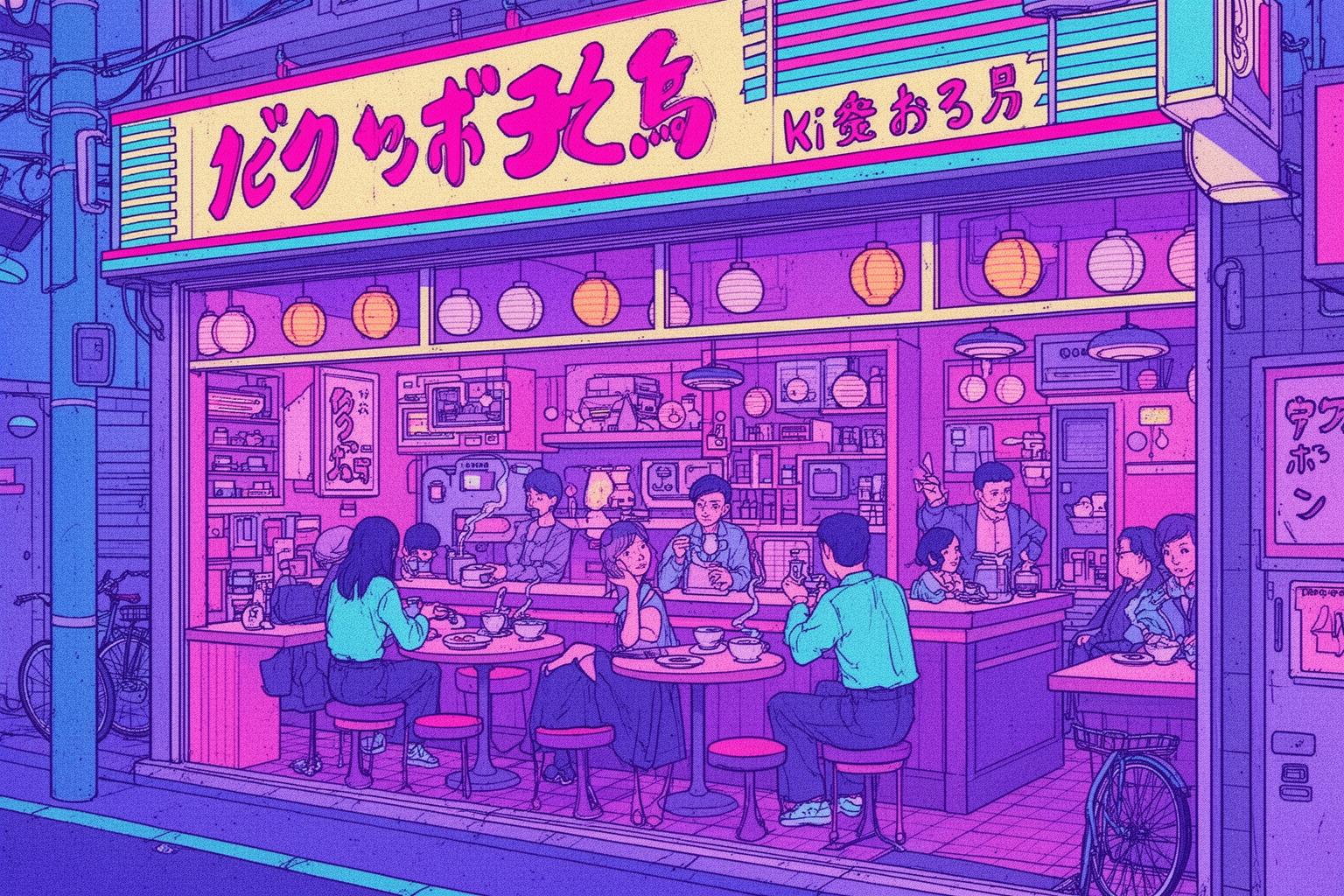
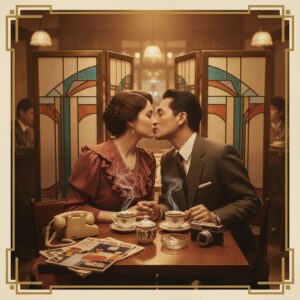
Before we slide into the DMs of these particular spots, let’s get the lore straight. What exactly is a kissaten? The term literally means “tea-drinking shop,” but that’s quite the understatement. These aren’t your quick grab-and-go coffee places. Kissaten are the original third places—the sanctuaries that existed long before corporate coffee chains claimed every corner. They flourished in Japan’s Showa era (1926–1989), becoming essential hangouts for artists, writers, students, and salarymen seeking a quiet moment. They were spots to read for hours, have secret meetings, listen to vinyl records, or simply zone out amid a gentle haze of cigarette smoke (yes, we’ll get to that).
The whole vibe is a nostalgic mood board. Imagine dark, polished wood, plush velvet or worn leather seating, ornate Tiffany-style lamps casting a warm, moody light, and the soft hum of a vintage air conditioner. The air often carries the scent of siphon-brewed coffee, toasted bread, and a faint, sweet trace of tobacco from a bygone era. The soundtrack isn’t some algorithm-designed playlist; it’s usually classical music, old-school jazz, or sometimes just the comforting silence of patrons lost in their own worlds. It’s a sharp contrast to the bright, loud, and fast-paced energy of modern Tokyo just outside. Stepping into a kissaten is like discovering a secret level in a video game—a pocket dimension where time slows down. The “master” or owner is often a permanent fixture, a quiet artisan perfecting the art of hand-drip coffee or classic Napolitan spaghetti. These places carry serious history, and you can feel it in the walls. They’re living museums—only way cooler, because you can actually touch things and order a fiery cream soda. Understanding this context is key, because when you order that drink, you’re not just getting soda and ice cream; you’re sipping a piece of cultural history. You’re buying into the vibe, honoring the sanctuary, and taking part in a ritual cherished for generations. It’s a genuine cultural experience, and the cream soda is your delicious, bubbly ticket in.
Ginza’s Glamour Sip: Shiseido Parlour Salon de Café
Alright, first up, we’re going boujee. Let’s head to Ginza, Tokyo’s high-fashion, high-finance playground. Amid flagship stores of global luxury brands and Michelin-starred restaurants, you’ll find the iconic Tokyo Ginza Shiseido Building. Inside this sleek, crimson tower is the Shiseido Parlour Salon de Café, a place serving elegance since 1902. This isn’t your moody, dimly-lit kissaten; it’s more like its high-society cousin who studied abroad. The vibe is less Showa-era hideout and more Taisho-era romance blended with a Parisian tearoom. It’s bright, airy, and unapologetically fancy. The waitstaff, dressed in crisp, classic uniforms, move with such grace you might feel the urge to straighten your posture. Everything, from the high ceilings to the custom chinaware, whispers “luxury.” It’s the kind of spot you bring your mum to treat her, or where you go to feel like the star of a classic film.
While Shiseido Parlour is famous for its fruit parfaits—towering works of art and a rite of passage for any Tokyo dessert fan—their cream soda is a study in refined perfection. Ordering it feels like making a statement. It arrives in a tall, elegant, custom-designed glass that feels substantial in your hand. The soda is often a seasonal flavor, perhaps a delicate peach or a rich grape, but their classic melon soda is a true beauty. The color is a gentle, translucent green, not the harsh, fluorescent shade found elsewhere. The fizz is delicate, and the ice cream is undeniably next level. It’s a rich, dense, vanilla bean-speckled scoop made with premium milk from Hokkaido, melting into the soda to create a creamy, dreamy foam. The cherry on top isn’t just any cherry; it’s a perfect, glossy, stem-on maraschino that looks like a tiny jewel. The whole experience is less about retro kitsch and more about timeless elegance. It’s photogenic in a clean, sophisticated, “old money” aesthetic kind of way. You’ll want to capture how the light hits the glass, the perfect swirl of melting ice cream, with the Ginza skyline softly blurred in the background. It’s an investment—you’re paying for the Ginza address and brand legacy—but for a taste of pure, unadulterated class, it absolutely delivers. Pro tip: The queue can get insane, especially on weekends, so try to visit on a weekday, either right at opening or during the late afternoon lull. It’s just a few minutes’ walk from Ginza Station or Shimbashi Station, making it an easy stop on a high-end shopping day.
Jinbocho’s Literary Legend: Sabouru & Sabouru 2
From the polished shine of Ginza, we take a sharp left into the wonderfully chaotic, book-scented streets of Jinbocho. This neighborhood is Tokyo’s book town, a maze of narrow lanes filled with over a hundred bookstores offering everything from rare Edo-period woodblock prints to contemporary manga. Right in the heart of it all is a legendary kissaten: Sabouru. Finding it is part of the fun. You’ll be searching for a storefront that looks like a log cabin from a mountain village, complete with a red telephone box and totem poles. It’s wild, iconic, and has been a cherished spot for students, writers, and intellectuals since 1955.
Stepping inside Sabouru feels like entering a cave of wonders. The dimly lit, multi-level interior resembles a maze. The walls are adorned with decades of graffiti, business cards, and handwritten notes left by countless visitors, a testament to its long-standing role as a community hub. The air is thick with the scent of coffee and nostalgia. It’s cramped, cluttered, and utterly perfect. This is the place for drinks and light snacks, such as their famously thick cinnamon toast. For the full experience, including the iconic cream soda, head next door to its sister restaurant, Sabouru 2, which serves the meals. Sabouru 2 shares the same rustic, chaotic charm but has more space for dining. Here, you can order their legendary Napolitan spaghetti—a sweet, ketchup-based pasta dish that epitomizes kissaten comfort food—and pair it with their famous cream soda. The cream soda is a spectacle, arriving in a kitschy, boot-shaped glass perfect for photos. The soda is a vibrant, nearly neon green, fizzing with energy. A generous scoop of vanilla ice cream tops it off, making it pure, unabashed fun. It’s not elegant; it’s a joyful, nostalgic blast from the past. Holding that boot-shaped glass amidst towering stacks of books in the heart of Jinbocho is a quintessential Tokyo experience. It exudes a raw, authentic energy that can’t be fabricated. A few practical tips: expect to wait in line. Sabouru is famous, and people will queue. It’s also cash-only, so be sure to visit an ATM beforehand. This is old-school Tokyo, sticking to old-school rules. Embrace the chaos, soak in the history, and capture the perfect shot of the green soda in the glass boot. It’s a story you’ll share for years. If you love books, plan to spend hours before or after your visit wandering the incredible bookstores lining Jinbocho’s streets.
The Jewel Box of Dreams: Kissa Housekibako in Chitose-karasuyama
Hop on the Keio Line and venture beyond the usual tourist spots, because this next place is a true hidden gem. Nestled in the quiet residential neighborhood of Chitose-karasuyama, you’ll discover Kissa Housekibako, a spot that perfectly embodies the word ‘photogenic.’ Its name means ‘Jewel Box Cafe,’ and it genuinely lives up to that. This is more than just a café; it’s a carefully curated realm of whimsy and charm. From the moment you glimpse its pastel-colored exterior, you know something special awaits inside.
The interior resembles a dream world, filled with antique furniture, lace curtains, sparkling trinkets, dried flowers, and soft pastel hues. It feels like stepping into an ethereal dollhouse or the secret sanctuary of a magical girl. The owner has devoted immense care to crafting a unique, enchanting atmosphere, evident in every detail. It’s a tranquil, serene space, often filled with a quiet reverence from patrons soaking in its beauty. The highlight here, without question, is the cream sodas. These are not mere drinks but edible art, each named after a different gemstone. Choose from the ‘Ruby’ (a deep red pomegranate or strawberry), the ‘Emerald’ (classic melon), the ‘Sapphire’ (bright blue curaçao), or the ‘Topaz’ (golden apricot or lemon). Each one is a masterpiece, served in delicate vintage-style glasses, with shimmering colorful jellies lurking inside the soda, sparkling like real jewels in the light. The ice cream is perfectly scooped, colors vibrant, often garnished with extras like edible flowers or silver dragées. These are undeniably some of the most beautiful and visually captivating cream sodas in all Tokyo. They’re meant to be admired, photographed, and ultimately savored.
Because it’s a small and popular venue, there are usually rules to ensure a pleasant experience for all: you may need to make a reservation, there might be a time limit on your stay, and photography guidelines typically apply (such as no flash and consideration for other guests). It’s best to check their official social media for the latest updates on reservations and rules before you visit. Though it takes some effort to get there and secure a seat, the reward is an unforgettable experience and a camera roll filled with pure magic. This truly defines a destination café—you come for the cream soda and leave feeling as if you’ve stepped out of a fairytale.
Ueno’s Showa Time Capsule: Galant
Let’s journey back to the heart of the city, to the lively center of Ueno. Renowned for its expansive park, world-class museums, and the vibrant chaos of Ameya Yokocho market, Ueno is where high culture and street culture intersect. Just a short walk from the station, on a busy corner, stands Galant, a kissaten that serves as a glorious, unabashed tribute to Showa-era extravagance. Established in 1977, Galant is a time capsule reflecting the spirit of Japan’s booming economy. From the outside, its grand, slightly dated sign and golden-brown brick exterior hint at what awaits inside. But as soon as you push open the heavy door, you are transported.
Inside, the atmosphere is sheer, magnificent excess. Think dark red velvet seats, ostentatious chandeliers dripping with faux crystals, faux marble columns, and elaborate dark wood paneling. The second floor, accessible via a sweeping staircase, offers a fantastic vantage point over the entire scene. It’s the kind of place where you might expect a yakuza boss from an old film to hold a meeting in a corner booth. The patrons are a fascinating mix of elderly locals who have been coming for decades, shoppers taking a break, and young visitors drawn specifically to capture the cafe’s remarkable retro aesthetic. The air buzzes with conversation, the clatter of plates, and the sense of a place that has truly been lived in. The menu features classic kissaten staples: coffee, toast, sandwiches, and pasta. But you’re here for the visuals, and the cream soda does not disappoint. It’s served in a timeless, curved glass, and while it lacks the quirky twists of boot-shaped glasses or gemstone jellies, its charm lies in its context. The bright green of the melon soda against the rich reds and dark woods of the interior is a photographer’s dream. It’s a splash of color that boldly declares ‘retro.’ The contrast is everything. Photographing your Galant cream soda with the opulent, slightly kitschy background softly blurred behind it is a must for anyone exploring Tokyo’s kissaten culture. It embodies a distinct kind of nostalgia—not quiet and literary, but bold, confident, and a bit flashy. It’s the perfect spot to rest your feet after a long day exploring Ueno Park and the Tokyo National Museum. Sit by the large second-floor windows, watch the bustling scene of Ueno below, and sip your perfectly classic, perfectly photogenic cream soda. It’s a vibe you won’t soon forget.
Nishi-Ogi’s Rainbow Riot: Tsunaguya Kaku
For our next destination, we’re traveling west on the Chuo Line to Nishi-Ogikubo, a neighborhood that perfectly embodies effortless cool. It’s a paradise for antique shops, independent boutiques, cozy bars, and exceptional food. Compared to the bustling energy of Shibuya or Shinjuku, it offers a more relaxed, community-driven atmosphere, where the traditional kissaten concept receives a vibrant, modern makeover. Enter Tsunaguya Kaku, a spot that transforms the humble cream soda into a full-spectrum rainbow experience. While maintaining the warm, welcoming vibe of a classic kissaten, its fresh and playful twist draws a younger crowd eager to brighten up their social media feeds.
The main attraction, widely seen all over Instagram, is their incredible cream soda flight. That’s right—a flight. Instead of choosing just one flavor, you get a set of several miniature cream sodas, each a different dazzling color of the rainbow, lined up side by side. It’s an absolute visual delight. You might enjoy a classic green melon, a bright yellow lemon, a dreamy blue curaçao, a soft pink peach, and a rich purple grape. Seeing them together—the vibrant hues, the fizzing bubbles, the tiny scoops of ice cream—is pure joy. It’s an interactive and shareable experience, ideal for visiting with friends. You can taste each flavor, share your thoughts, and, naturally, spend plenty of time arranging the perfect photo. The cafe itself exudes a warm, inviting atmosphere, often featuring wooden furniture and charming decorations that blend tradition with modern flair. They’ve created a space that honors kissaten heritage while embracing contemporary style. This modern reinterpretation is what makes Tsunaguya Kaku truly special. They nailed it: turning a nostalgic favorite into a memorable event. Due to its popularity, it’s advisable to check their hours and anticipate possible wait times during peak periods. A visit here is a perfect highlight for an afternoon exploring the enchanting backstreets of Nishi-Ogikubo. It’s proof that kissaten culture isn’t just surviving—it’s evolving, with a future that looks deliciously colorful.
Tips for the Ultimate Kissaten Crawl

So, you’re ready to begin your own cream soda adventure. Bet. Before you head out, here are some insider tips to ensure your kissaten experience is smooth, respectful, and absolutely fire. This is the kind of info guidebooks often overlook—the real IYKYK knowledge.
First and foremost: Cash is King. Many of these charming, family-run spots embrace an old-school vibe, including their payment methods. They might not have card machines and almost certainly won’t accept mobile payments. Always carry enough yen to cover your bill. Don’t get caught off guard.
Next, keep in mind the One Order Per Person rule. Kissaten aren’t co-working venues. You’re paying for the seat and atmosphere as much as for the drink. It’s basic etiquette for everyone in your group to order at least one menu item. Don’t try to share a single coffee among four people; it’s just not the right vibe.
Speaking of vibes, let’s discuss noise levels. Keep it Low-Key. The essence of a kissaten is its calm, relaxing atmosphere. People come to read, reflect, or engage in quiet conversations. Avoid loud talking, laughter, and definitely don’t take phone calls at your table. Match the room’s energy. It’s a sanctuary—treat it as such.
Photo Etiquette is Crucial. These spots are incredibly photogenic, and their owners know it. However, they remain private businesses. The golden rule is to be discreet and respectful. Never use flash. Focus on your table, drink, and food. Avoid capturing other customers in your shots. If you want to photograph the wider interior, politely ask the owner or staff first. A simple ‘Shashin, ii desu ka?’ (Is a photo okay?) goes a long way—they’ll almost always appreciate the courtesy.
Now, for a potentially sensitive topic: Embrace the Smoke. Or at least be aware of it. Smoking was once ubiquitous in kissaten. Though recent laws have made most Tokyo eateries smoke-free, many older kissaten obtained exemptions or have designated smoking areas. If you’re sensitive to cigarette smoke, it’s something to keep in mind. Some places now have separate non-smoking sections, but the smell might still linger. For some, it’s part of the authentic Showa atmosphere; for others, it’s a dealbreaker. Just good to know what you might encounter.
Finally, if you’re an early riser, seek out the Morning Set. Many kissaten offer a ‘morning service’ or ‘モーニングサービス’ (mōningu sābisu), a breakfast set typically available until around 11 a.m., offering incredible value. For the price of a coffee, you’ll often get a thick slice of toast, a boiled egg, and sometimes a small salad or yogurt. It’s one of the best breakfast deals in Japan and a perfect way to kick off your day of exploring.
The Final Sip: More Than Just a Drink
Chasing the perfect cream soda across Tokyo is more than just a quest for your Instagram feed. It’s an incredibly fun and tasty way to explore the city’s hidden corners and connect with its history. Each sparkling glass serves as a gateway to a different era, a different neighborhood, a different story. From the upscale charm of Ginza to the book-lined alleys of Jinbocho, from the whimsical dreamscape of a ‘jewel box’ to the lavish time capsule of Ueno, you realize that the kissaten is truly one of Tokyo’s hearts. It’s where the city slows down, takes a breath, and reflects.
These places are precious. They represent living history, cared for by dedicated owners preserving an essential part of Japanese culture. By visiting and ordering that dazzling cream soda or a carefully brewed siphon coffee, you’re not just a tourist—you’re a participant. You’re helping to keep these incredible spots alive. So head out and find your favorite. Maybe it’s a legendary place with lines out the door, or perhaps a tiny, nameless gem tucked away in a quiet neighborhood. Pull up a velvet chair, watch the master at work, and savor that first perfect sip. It’s a simple pleasure, but in the whirlwind that is Tokyo, these simple, beautiful moments are the ones that stay with you. It’s a whole vibe, a sweet taste of nostalgia that, no joke, you’ll never forget.