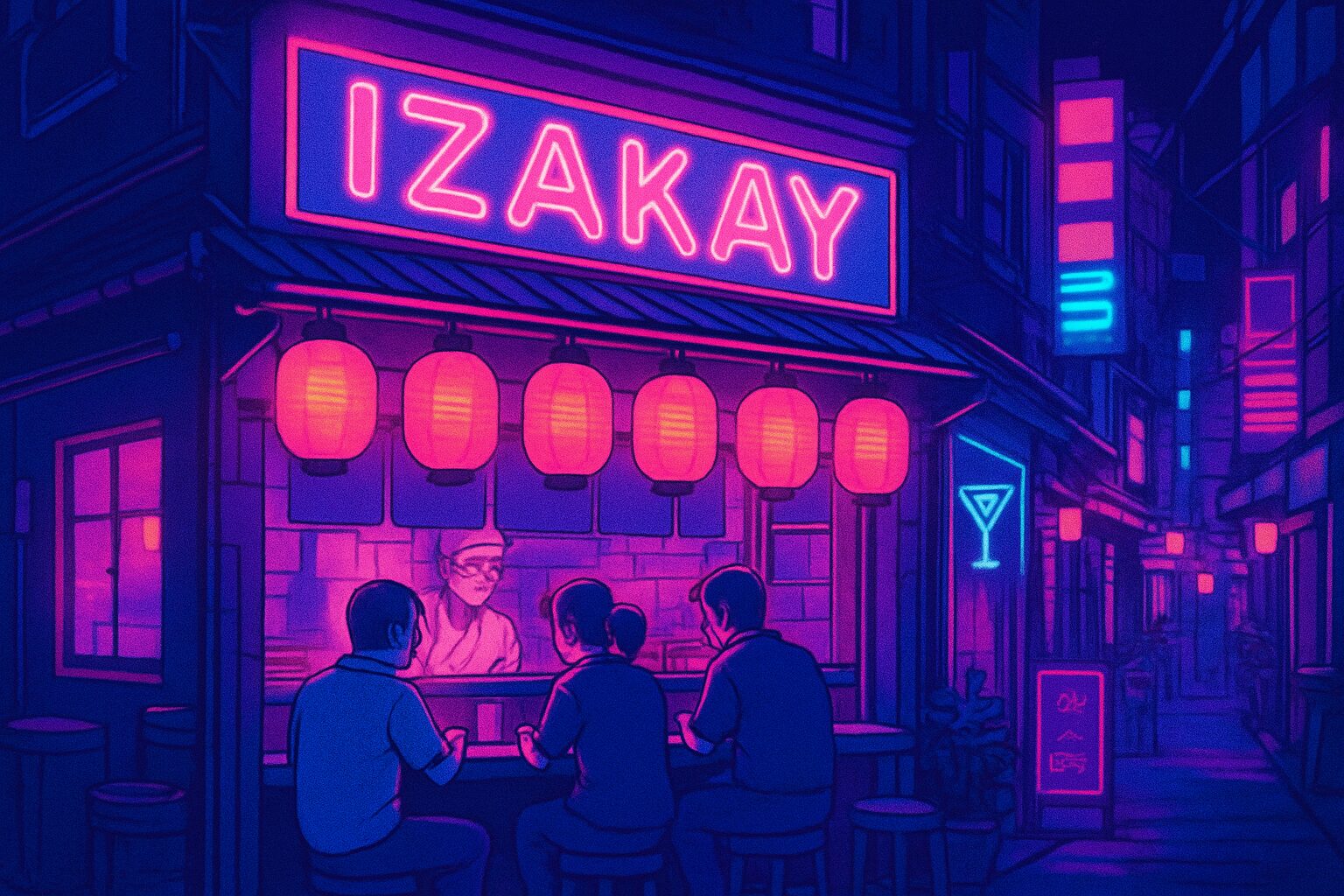
Yo, what’s the move? So you’ve done the Tokyo grand tour. You’ve seen the scramble, bowed at the shrine, maybe even caught a glimpse of Fuji-san on a clear day. Bet. But now you’re back, and that shiny, polished version of Japan feels a little… one-dimensional. You’re looking for the flip side of the record, the B-side track that the real heads know. You’re chasing a vibe. That raw, unfiltered, slightly dangerous energy you felt watching a Takeshi Kitano film late at night, or the melancholic beauty of a back-alley scene in a Wong Kar-wai-esque Tokyo story. It’s the hum of neon reflecting on wet asphalt, the steam rising from a ramen cart, the gruff but warm welcome of a master behind a scarred wooden counter. This is the Japan that doesn’t make it into the glossy brochures. This is the real deal, the living, breathing soul of the city found in its Showa-era izakayas – those gritty, time-worn drinking dens that feel like walking onto a film set from the year 2000. These spots are portals, man. They’re where salarymen loosen their ties and their tongues, where stories are traded over cheap shochu, and where the true flavor of Tokyo life is simmering in a pot of nikomi stew. It’s not about fine dining; it’s about feeling something authentic. It’s about finding a place where the past isn’t just remembered, it’s still living, smoking, and pouring another round. So, if you’re ready to ditch the tourist trail and step into the scene, let’s go. We’re about to dive deep into the heart of Tokyo’s cinematic underbelly.
If you’re captivated by Tokyo’s vibrant subcultures, you might also enjoy exploring the city’s electric Decora fashion scene.
The Anatomy of a Vibe: Decoding the Cinematic Izakaya
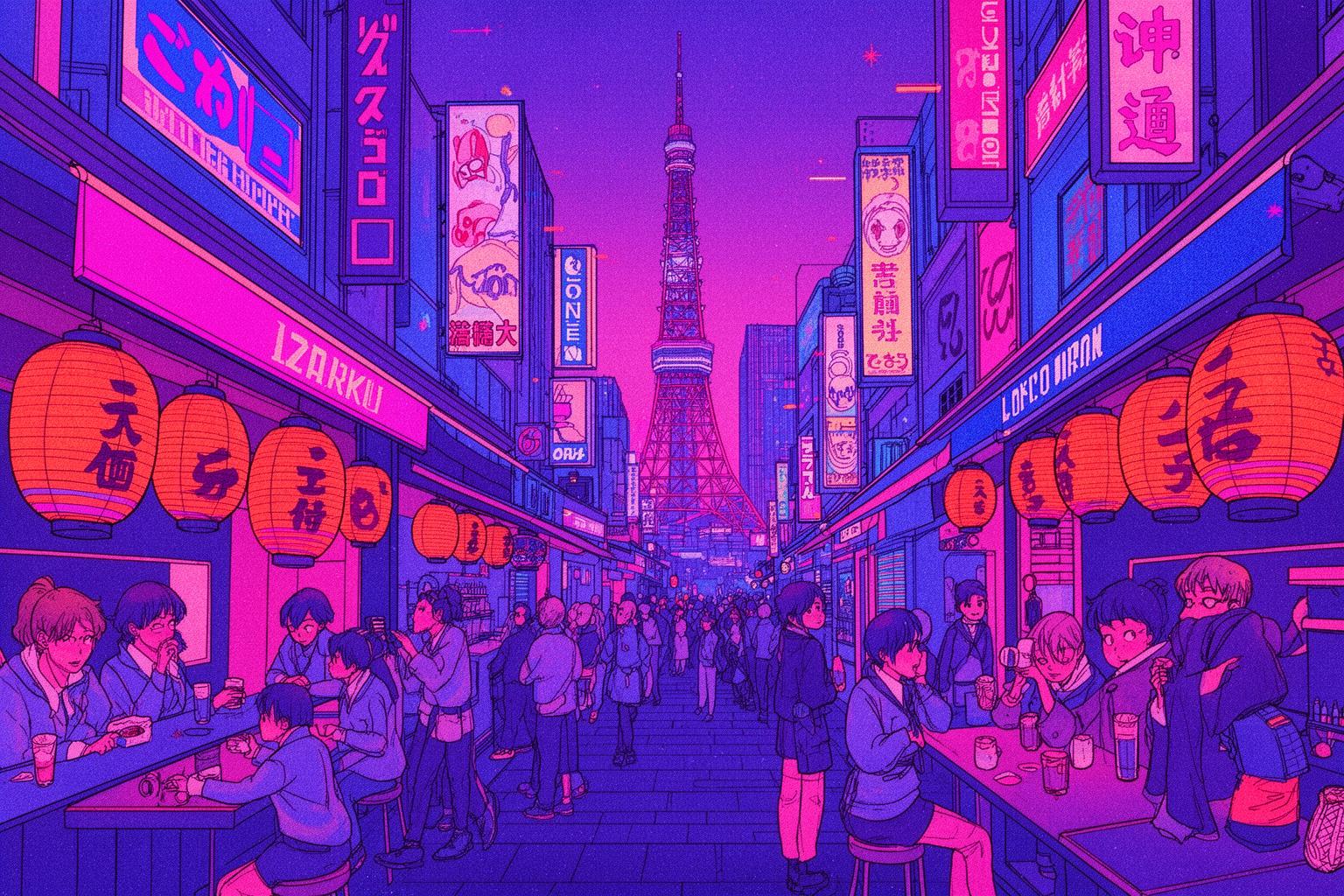
Before we hit the streets, you need to understand what we’re actually searching for. This isn’t your trendy, minimalist neo-izakaya with craft beer and an English menu. No, we’re chasing ghosts. The spirit of the Showa era (1926-1989) clinging desperately to life in the 21st century. The aesthetic means everything, and it’s a full-on sensory bombardment, no holds barred.
First, the visuals. Your eyes must adjust to the dim, warm glow, usually from a single bare bulb or the iconic red light of an akachochin lantern hanging outside. This is your signal, your authenticity beacon. Inside, forget sleek lines and empty space. These places are layered with the patina of time. The walls are likely amber-tinged from decades of cigarette smoke, plastered with yellowed posters of old B-movies, vintage beer ads featuring starlets from a forgotten era, and handwritten menus, or oshinagaki, with characters scrawled in thick, confident ink. The wooden counter is the centerpiece, a slab of keyaki or hinoki wood smoothed and darkened by countless elbows and sake spills. It holds history in its grain. The clutter adds to the charm – stacks of dusty manga, a small fuzzy TV in the corner showing a baseball game, rows upon rows of sake and shochu bottles with intriguing labels, some reserved for regulars in a system called ‘bottle keep’ (ボトルキープ). It’s an organized chaos that feels lived-in, a personal space you’re granted temporary access to.
Then, the soundscape hits you. It’s far from silent. It’s a symphony of the city at rest. The sizzle and pop of something cooking on the grill, the rhythmic clatter of the chef’s knife on a cutting board, the satisfying glug of sake being poured into a small ceramic ochoko. Over it all, the low, rumbling murmur of conversation – salarymen grumbling about their bosses, old friends laughing over past glories, a lone drinker quietly reflecting on his drink. The master, or taisho, is the conductor of this orchestra. He may not say much, a grunt of acknowledgment here, a gruff “irasshai” (welcome) there, but he’s the anchor of the entire scene. A character straight out of central casting: stoic observer, keeper of secrets, silent protagonist of this nightly drama. He’s seen everything, and his presence grounds the space, makes it feel real.
And the smells… man, the smells. They surround you the moment you part the noren, the fabric curtain at the entrance. It’s a complex mix of charcoal smoke from the yakitori grill, the sweet, savory aroma of dashi broth simmering in a large pot, a hint of stale beer, and the ever-present ghost of tobacco. It’s not a perfumed, sanitized scent; it’s the raw, honest smell of food cooking, drinks pouring, and life unfolding. It’s the scent of nostalgia, even if for a past you never lived. This mix of sight, sound, and smell creates the ‘vibe’. It’s what elevates a simple bar into a cinematic experience. It’s a place that feels like a memory, a tangible piece of history defiantly resisting the relentless march of modern life just beyond its doors.
Urban Exploration: Mapping the Gritty Izakaya Havens of Tokyo
Alright, you get the idea. But where exactly do you find these cinematic treasures? While you might stumble upon them down any random side street if luck is on your side, there are a few legendary districts where this raw atmosphere is concentrated. These spots are the sacred grounds for izakaya devotees. Think of them as distinct film genres – each boasting its own unique setting, storyline, and cast of characters.
Shinjuku: The Heart of Neon-Noir and Nostalgia
Shinjuku is the sprawling, chaotic core of Tokyo, and nestled within its concrete canyons are two of the most iconic izakaya neighborhoods: Omoide Yokocho and Golden Gai. Though adjacent, they provide completely different takes on the same gritty narrative.
Omoide Yokocho: A Journey into the Past
Let’s begin with Omoide Yokocho, which means ‘Memory Lane’. However, locals have a far more… colorful nickname for it: ‘Piss Alley’. Don’t let that deter you; it’s a nod to its post-WWII black market origins when sanitation was far from ideal. Today, it’s a cramped, smoke-filled maze of tiny eateries packed side-by-side. Stepping into this alley feels like traveling back 70 years. The air hangs heavy with smoke from numerous yakitori grills, while the narrow walkway forces you into an intimate dance with fellow diners and bustling staff.
The atmosphere here is pure, unfiltered Showa era. The establishments are tiny, some seating no more than six or seven people on tight stools around a counter. You’ll be literally elbow-to-elbow with your neighbor, which is all part of the charm. It breaks down walls; conversations with strangers aren’t just possible, they’re practically guaranteed. The main attractions in Omoide Yokocho are yakitori (grilled chicken skewers) and motsu-yaki (grilled offal skewers). This is hearty, no-frills food that has fueled Tokyo’s workforce for generations.
When you find a spot, don’t hesitate. Slide onto an empty seat and start with the classic phrase: “Toriaezu, nama,” meaning “For now, a draft beer.” It’s the universal icebreaker. From there, simply point at what looks appetizing. You’ll see skewers of momo (thigh), negima (thigh and leek), kawa (crispy skin), and for the more adventurous, hatsu (heart) and reba (liver). The eternal question is salt (shio) or tare (a sweet, savory soy-based sauce)? A seasoned patron might ask the master for a recommendation, ‘osusume de’. For motsu-yaki, you’re diving deeper into the city’s culinary soul. Try the shiro (intestine), which becomes wonderfully tender and flavorful when grilled over charcoal. It’s a taste of history. Pair it with a ‘Hoppy set’. Hoppy is a beer-flavored, nearly alcohol-free drink mixed with shochu. It served as a cheap beer substitute in post-war years and remains a retro-cool classic. A tip for these tiny spots: don’t stay for hours. The idea is to have a few drinks and a few skewers, then move on—a practice called hashigo-zake, or bar-hopping. It keeps the energy alive and lets you sample multiple fantastic places in one night.
Shinjuku Golden Gai: A Maze of Micro-Bars
Just a short stroll from the smoky passageways of Omoide Yokocho lies another world entirely: Shinjuku Golden Gai. This is a different kind of film set. If Omoide Yokocho is a gritty post-war drama, Golden Gai is arthouse noir. It’s a preserved cluster of six narrow, atmospheric alleys packed with over 200 tiny, two-story bars. Its history traces back to the black market and underground dealings of the mid-20th century, and it has miraculously survived fires, yakuza conflicts, and relentless redevelopment that reshaped much of Shinjuku.
The bars here are even smaller, some seating only four or five guests at a time. This isn’t a place for large, boisterous groups. It’s for intimate talks, quiet reflection, and unexpected connections. Each bar has its own personality, a reflection of its owner, or ‘master’. Many feature distinct themes – bars dedicated to punk rock, classic French cinema, Japanese literature, or even medical paraphernalia. Peering through their tiny windows is like flipping channels through Tokyo’s underground cultures.
Exploring Golden Gai takes a bit of courage. The doors are often shut, and you can’t always peek inside. The trick is to pick one that feels right and just step in. Keep in mind that many bars have a cover charge, or ‘otoshi’, usually including a small snack. This ensures patrons plan to stay for a drink or two, not just to look around. Prices are sometimes higher than Omoide Yokocho, but you’re paying for the ambiance and singular experience. Don’t be surprised if the master strikes up a chat or if the person beside you is a famous filmmaker or struggling musician. Golden Gai has long been a refuge for artists, writers, and intellectuals. Here, you can feel creative energy humming in the air. The best way to enjoy it is to get lost. Wander the alleys, follow intriguing music, and let serendipity guide you. You might discover your new favorite tiny haven, a room seemingly made just for you.
Ueno/Okachimachi: Ameyoko’s Open-Air Frenzy
If Shinjuku’s izakaya world is a tightly directed noir, the area around Ueno and Okachimachi stations, especially Ameya Yokocho (Ameyoko), is a wild, sprawling documentary filmed with a shaky handheld camera. Ameyoko is a lively market street running beneath the elevated Yamanote Line. It’s loud, packed, and gloriously, unapologetically chaotic. The vibe here emphasizes vibrant, outdoor energy over intimate, dim interiors.
This is the realm of tachinomi (standing bars) and hiru-nomi (daytime drinking). The party starts early and lasts late. Walking down the main street, you’re bombarded by vendors selling everything from fresh tuna to knock-off sneakers, the rumble of trains overhead, and the joyful clinks of beer mugs from countless open-front bars spilling onto the sidewalk. Patrons range from shoppers taking breaks and local workers off shifts to tourists soaking in the spectacle.
The food here reflects the market’s bounty. You can enjoy ultra-fresh sashimi, grilled scallops, or oysters at a fraction of restaurant prices. Many bars connect directly to fishmongers or produce stalls. Just grab a spot at a makeshift table (often made from stacked plastic crates), order a draft beer or highball, and point at what looks good on the grill. It’s a direct, satisfying way to eat and drink.
This spot is ideal to experience tachinomi culture. Standing bars are designed for quick, efficient drinking. There are no seats, just a tall counter. Prices tend to be very low, encouraging a rapid customer turnover. It’s a democratic space where everyone stands shoulder-to-shoulder, regardless of status. You might find yourself next to a construction worker, salaryman, and university student, all enjoying a cheap drink and quick bite before moving on. It creates a unique, fleeting sense of community. Confidence is key. Slip into a gap, catch the staff’s eye, and order clearly. Payment is often ‘cash on delivery’—place your money on a small tray, and staff take payment as you order. It’s an ultra-efficient system that keeps things flowing. Ameyoko offers a different cinematic vibe—raw, live, capturing Tokyo’s vibrant street life at its core.
Kichijoji: The Local Labyrinth of Harmonica Yokocho
Heading west from Tokyo’s frenetic center, you’ll find Kichijoji, a neighborhood often ranked among the city’s most desirable places to live. It has a more relaxed, bohemian atmosphere but hides one of Tokyo’s most charmingly gritty drinking spots: Harmonica Yokocho. Located right at Kichijoji Station’s north exit, this maze of impossibly narrow alleyways takes its name from the way tiny storefronts line up like harmonica reeds.
Like the others, Harmonica Yokocho started as a post-war black market. While it retains that Showa-era layout and vibe, it has uniquely evolved. Ancient family-run fish shops and yakitori stalls sit comfortably alongside trendy Spanish tapas bars, gyoza specialists, and natural wine bars. This blend of old and new creates a fascinating cultural tension and a truly unique drinking experience. It feels less like a perfectly preserved museum and more like a living, evolving organism. The tone here might be described as coming-of-age—respectful of the past yet eagerly embracing the future.
Exploring Harmonica Yokocho is an act of discovery. The alleys are a true maze, so the best approach is simply to dive in and get lost. One moment you’re in a narrow passage that feels like a forgotten 1950s corner; the next, you turn a corner to the sounds of modern jazz spilling from a stylish new bar. A classic experience is visiting a traditional fish shop that transforms into a standing bar at night. You can enjoy fresh sashimi, just feet from where it was sold that afternoon, paired with sake. Or squeeze into a tiny, perpetually packed gyoza bar for crispy dumplings and a cold beer. The close quarters mean you’ll inevitably strike up conversations with neighbors, who are usually locals rather than tourists. They’re happy to share their favorite spots and insider knowledge. Harmonica Yokocho offers a slightly more polished but no less authentic version of the gritty izakaya experience. It’s the perfect place for a return visitor eager to see how Tokyo’s past and present blend in a beautiful, delicious, and slightly chaotic harmony.
The Unwritten Rules: Mastering the Izakaya Code
Stepping into one of these traditional izakayas feels like entering a private club. There’s an unspoken code of conduct, a set of informal rules that guide the evening’s flow. Understanding them will not only make you feel more at ease but also earn you a nod of approval from the master and regular patrons. This is advanced-level knowledge.
First, the order. Once seated, it’s expected that you’ll order a drink right away. The classic phrase is “Toriaezu, nama biiru” (“A draft beer for now”), which gets things started. As you enjoy your beer, browse the menu. Avoid ordering all your food at once; the izakaya experience is a marathon, not a sprint. Begin with a few small dishes, then add more as the night goes on. To get the staff’s attention, a polite but clear “Sumimasen!” (“Excuse me!”) works best—avoid frantic hand-waving.
Shortly after your first drink arrives, you’ll likely receive a small dish you didn’t order: the otoshi. This mandatory appetizer doubles as a table charge. Don’t refuse it; it’s part of the system—consider it your entry ticket to the experience. The quality of the otoshi often reflects the overall quality of the food to come.
Sharing is key. Izakaya dishes are meant to be shared around the table. Order a variety and let everyone sample. It’s a communal experience. Regarding drinks, especially sake or shochu served from a large bottle, etiquette dictates pouring for others, never yourself. Your companions will do the same for you. When someone pours for you, it’s polite to hold your glass with both hands. And of course, don’t drink until everyone has their drink and you’ve all said “Kanpai!” (Cheers!).
Reading the atmosphere, or ‘kuuki wo yomu’ (literally, ‘reading the air’), is essential. Some izakayas are lively, encouraging interaction among strangers; others are quiet spots where regulars come for a peaceful drink. Notice the vibe. If the master is chatty, feel free to ask a question. If he’s quietly focused, best to leave him be. If the regulars nearby seem open to conversation, engage; if they’re inward-focused, respect their space. A great way to break the ice is to offer to buy a drink for a regular or the master—though this is a pro-level move and requires good situational awareness.
When it’s time to leave, request the bill by saying “O-kaikei kudasai.” Cash is often preferred or even required in these traditional places, so be sure to have some on hand. Splitting the bill, or ‘betsu-betsu,’ can sometimes be tricky, so it’s usually easier for one person to pay and have others reimburse them later. A simple “Gochisousama deshita” (“Thank you for the meal”) to the master as you leave is the perfect way to end the evening.
The Izakaya Lexicon: A Deeper Dive into the Menu
To fully immerse yourself in the cinematic izakaya experience, you need to understand the language of the food. It extends far beyond just yakitori and edamame. These are the unsung stars of the izakaya menu, dishes that reveal a deeper narrative about Japanese culinary culture.
Let’s begin with nikomi, the heart and soul of izakaya cuisine served in a bowl. This slow-simmered stew is unique to each establishment, often based on miso or soy sauce, and usually includes beef or pork offal (motsu), daikon radish, konnyaku (a firm jelly made from a type of yam), and tofu. Hearty and richly savory, it pairs perfectly with a strong drink on a chilly evening. Watching the chef ladle it from a massive, timeworn pot that’s been simmering for days is a captivating sight.
Next up is the realm of agemono, or fried dishes. Japanese frying techniques are true craftsmanship, and izakayas offer a fantastic opportunity to savor them. Karaage (Japanese fried chicken) is a must – tender and juicy inside, with a light, crispy crust. Ham katsu is a nostalgic favorite: a thick slice of ham, breaded and deep-fried, evoking memories of Showa-era childhoods. Menchi katsu, a fried patty of minced meat, is another comforting classic. These simple yet satisfying dishes are ideal for soaking up alcohol.
As the evening draws to a close, you’ll want to order a shime dish. This final, carb-rich offering “wraps up” the meal and soothes your stomach—like the closing credits of a film. A classic shime is ochazuke, a bowl of rice topped with hot green tea or dashi broth, often garnished with pickles, seaweed, or salted salmon. It’s straightforward, cleansing, and deeply comforting. Another popular option is yaki onigiri, a grilled rice ball with a crispy exterior brushed with soy sauce. It provides a smoky, savory end to the night.
Naturally, you’ll need something to wash it all down. Look beyond beer. This is your chance to explore sake and shochu without hesitation. For sake, simply order atsukan (hot) or reishu (cold). Hot sake is warming and traditional, perfect for a gritty, old-school atmosphere. Shochu, Japan’s native spirit, is incredibly versatile and can be made from barley (mugi), sweet potatoes (imo), rice (kome), and more. Common ways to enjoy it include with ice (rokku), mixed with water (mizuwari), or hot water (oyuwari). A hugely popular choice is chuhai, shochu blended with soda and fruit flavors like lemon or grapefruit. And don’t overlook the whisky highball—a refreshing mix of Japanese whisky and highly carbonated soda water. Crisp, invigorating, and dangerously easy to drink.
The Final Scene
These izakayas are more than mere spots to eat and drink. They function as living museums, time capsules safeguarding a fading aspect of Japan. They serve as stages where the quiet dramas of daily life play out each evening. Stepping past the noren into that warm, smoky, and noisy world is an act of engagement. You become more than a tourist watching from afar; you become an extra in the story, a temporary regular, a part of the scene. It is within these unpolished, beautifully imperfect spaces that you can truly connect with the city’s spirit. So on your next visit, be adventurous. Leave behind the bright lights and carefully curated experiences. Wander down a dark alley, follow the scent of charcoal smoke, and settle at a worn wooden counter. Order a drink, try something unfamiliar, and simply listen. You may discover that the best stories are those never written down, only shared over a few drinks in a place that feels like a forgotten scene from a beloved film.