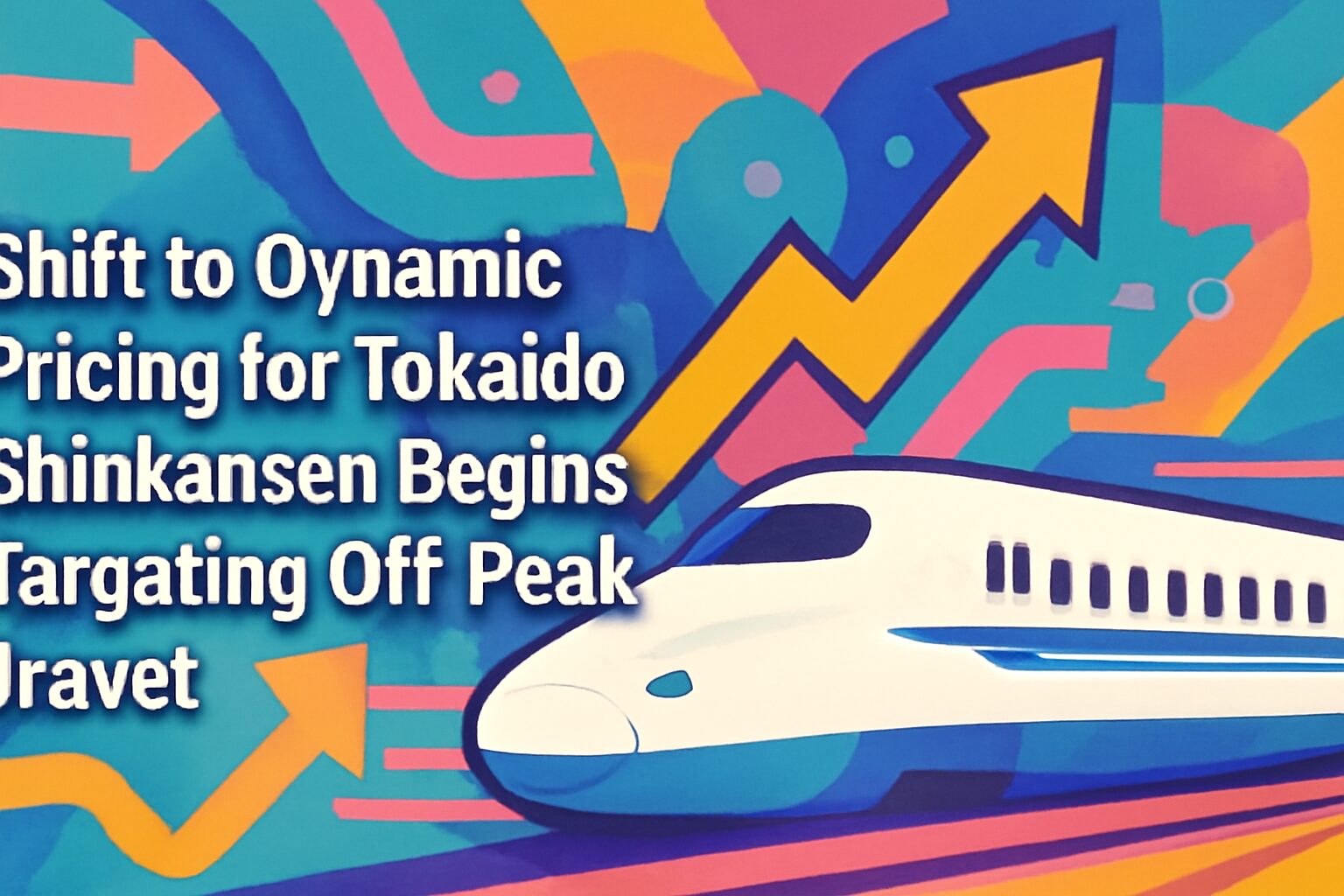
Central Japan Railway Co. (JR Central) has launched a trial for dynamic pricing on the Tokaido Shinkansen, Japan’s busiest and most iconic bullet train line connecting Tokyo, Nagoya, and Osaka. This move signals a major potential shift in how fares are determined for the country’s premier rail service, aiming to ease chronic overcrowding and encourage travel during less congested hours.
Why Now? The Pressure on Japan’s Golden Route
For decades, Shinkansen fares have been largely fixed, with only minor variations for peak and off-peak seasons. However, a combination of factors has pushed JR Central to explore a more flexible, airline-style pricing model.
The Overcrowding Challenge
The Tokaido Shinkansen is the backbone of Japan’s transportation network, serving over 170 million passengers annually before the pandemic and having since recovered to similar levels. During peak travel periods like Golden Week, Obon, and the New Year holidays, ridership can surge to over 150% of capacity, leading to packed carriages and a stressful travel experience. This new system is designed to incentivize passengers to shift their travel to earlier or later trains, thereby distributing the load more evenly throughout the day.
A Surge in International Tourism
Japan is currently experiencing an unprecedented tourism boom. In March 2024, the country welcomed over 3 million international visitors in a single month for the first time in history. The majority of these tourists flock to the “Golden Route” of Tokyo-Kyoto-Osaka, relying heavily on the Tokaido Shinkansen. Dynamic pricing could help manage this massive influx of travelers, preventing bottlenecks and improving the overall quality of travel for everyone.
How the Dynamic Pricing Trial Works
The trial is not a full-scale, system-wide implementation but a targeted experiment. Here’s what we know about the initial phase:
Focus on “Nozomi” Services
The trial will primarily apply to select “Nozomi” superexpress trains, the fastest service on the line. Fares for these trains will fluctuate based on demand, which is determined by the time of day, day of the week, and how far in advance a ticket is booked.
Discounts for Off-Peak Travel
The core incentive of this system is discounts. Passengers booking specific, less-popular Nozomi trains through JR Central’s “EX Service” online booking platform can access lower fares. The goal is to make off-peak travel a more attractive financial choice for flexible travelers. Conversely, while not explicitly stated for the trial, a full-scale dynamic pricing model could see prices for the most in-demand trains increase.
What This Means for Your Future Japan Trip
This experiment, if successful and implemented permanently, could fundamentally change how you plan and budget for travel in Japan.
Potential Benefits for Travelers
- Cost Savings: Flexible travelers who can avoid morning and evening rush hours or peak holiday dates could see significant savings on their Shinkansen tickets.
- A More Comfortable Journey: By smoothing out demand, the system could lead to less crowded trains, making for a more pleasant and comfortable experience for all passengers.
Potential Impacts and Future Outlook
- Planning is Key: Spontaneous train trips might become more expensive. Travelers will be rewarded for planning and booking their journeys in advance to secure the best prices.
- Regional Tourism Boost: By encouraging off-peak travel, the initiative could also indirectly promote tourism in less-visited areas. If travelers adjust their schedules, they may have more time to explore destinations beyond the major hubs.
- A New Standard for Japan Rail? If the trial on the Tokaido Shinkansen proves successful in managing congestion and optimizing revenue, it is highly likely that other JR companies will consider adopting similar models for their own Shinkansen and limited express lines across Japan.
This trial represents a bold step for Japan’s railway system, moving from a predictable, uniform fare structure to a responsive, modern pricing strategy. For international visitors, it means that with a little forward planning, your journey along Japan’s Golden Route could become both cheaper and more comfortable.