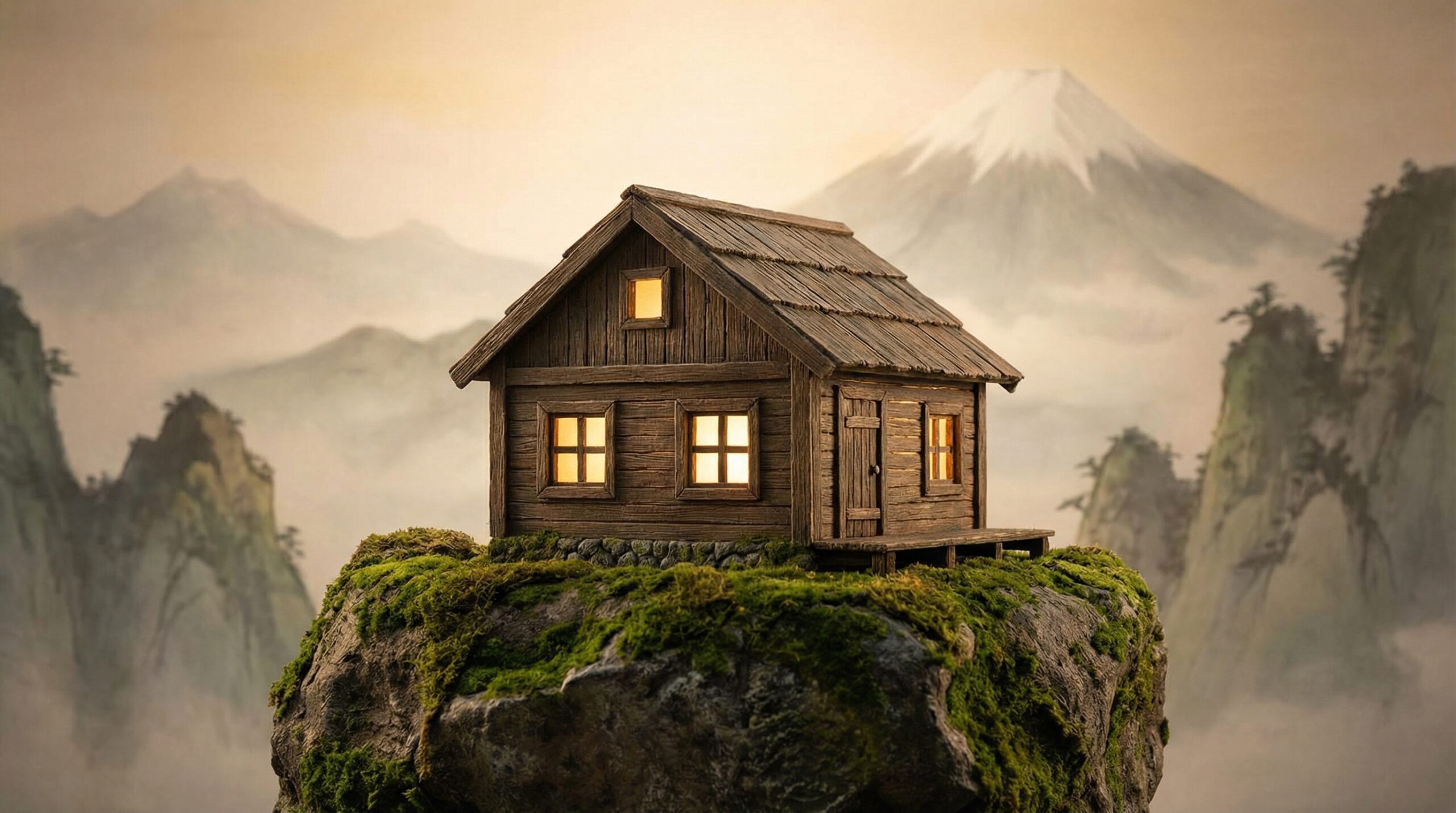
Yo, what’s up, Japan explorers! Ayaka here, ready to spill the tea on something seriously special. We’re all scrolling through our feeds 24/7, living that hyper-connected digital life. But what if I told you there’s a way to hit pause? Like, a legit time machine that transports you back to a chiller, more analog era. I’m talking about Japan’s mountain huts, or `yamagoya` (山小屋), these epic wooden sanctuaries nestled high up in the clouds, where the vibe is pure, unadulterated 1970s Showa-era goodness. Forget Wi-Fi signals and trending topics; up here, the only things trending are jaw-dropping sunrises and the quiet hum of conversations under a kerosene lamp. This isn’t just about hiking; it’s about stepping into a living photograph, a world of wood-paneled walls, retro curry rice, and shared sleeping spaces where the sense of community is totally real. It’s a full-on sensory deep dive into a Japan that’s raw, rugged, and ridiculously soulful. These huts aren’t just shelters; they’re the heartbeats of the mountains, built by legends and maintained by people who live and breathe the alpine air. They’re a place to disconnect from the noise and reconnect with something way more elemental. So, if you’re down to trade your screen for epic scenery and experience a mood that’s been vibing for fifty years, you’re in the right place. Let’s get into it. This is your official guide to the coziest, most time-warped mountain huts in Japan. Bet you’re gonna wanna book a flight ASAP.
For the ultimate retro playlist to accompany your analog adventure, check out our guide to Japan’s most vibey toge hikes.
Enzanso Hut: The OG Queen of the Northern Alps
The Legendary Climb to a Retro Mountain Lodge
First on our journey back in time is the one and only Enzanso (燕山荘). No joke, this place is an absolute legend. Dramatically perched on the ridge of Mount Tsubakurodake in the Northern Japan Alps, it stands as one of the oldest and most cherished mountain huts in the country. Getting there is part of the adventure. The main trail starts from Nakabusa Onsen, and honestly, it’s a tough climb. The endless switchbacks of the Kassen-goya route are nicknamed the “Alpen Ginza,” and it’s a relentless uphill push. But with every step, you gradually leave the 21st century behind. The air sharpens, the trees shift from lush greens to hardy alpine pines, and city noises give way to the chirps of ptarmigans and the steady rhythm of your breathing. After hours of ascent, you break through the tree line, and BAM. There it stands. Enzanso, with its iconic red roof and wooden exterior, like a scene from a vintage postcard. The thrill of seeing it for the first time after the climb? Absolutely electric.
Stepping Inside: A Showa-Era Atmosphere You Can Almost Taste
Opening the doors of Enzanso is when the time warp really hits. The `genkan`, or entrance, buzzes with hikers shedding their muddy boots—a scene unchanged for decades. Inside, dark, polished wood dominates the space, floors creaking with the weight of countless footsteps. The main dining hall, or `shokudo`, is the hut’s heart. Long wooden tables invite communal meals, encouraging conversation with strangers who quickly become friends, bound by the mountain experience. The walls brim with Showa-era memorabilia: black-and-white photos of early climbers with vintage gear, faded maps charting mountain trails, and nostalgic posters advertising everything from beer to climbing tools. In one corner, a small shop offers souvenirs—hand towels (`tenugui`) emblazoned with the hut’s logo, retro stickers, and perhaps even a cassette tape of mountain folk songs. It’s all wonderfully analog. There’s a coffee shop inside, “Cafe Komakusa,” where you can sip a hot drink while gazing through panoramic windows at a sea of granite peaks. The scents of brewing coffee, aged wood, and damp wool gear are the unmistakable perfume of Enzanso.
Refueling, 1970s Style
The food at a `yamagoya` is legendary in its own right, and Enzanso is no exception. Don’t expect Michelin-star dishes; expect something even better—hearty, warming, life-affirming fuel. Dinner arrives at a set time, usually around 5:30 PM. Everyone sits down together as staff bring out trays filled with classic mountain lodge fare. Think perfectly cooked fish or a juicy hamburger steak, a scoop of potato salad, pickled vegetables, and endless bowls of rice and miso soup. Simple, balanced, and after a day of hiking, it tastes like the best meal ever. It’s the very definition of comfort food. Breakfast is equally ritualistic, served before dawn. Typical fare includes grilled salmon, `tamagoyaki` (rolled omelet), `nori` (seaweed), rice, and miso soup—the ideal fuel for another day on the trails. Sharing these meals among fellow hikers in the warm, lamplit dining room feels like a family dinner. It’s a memory in the making.
A Room with a View (and a Few New Friends)
Sleeping in most Showa-era huts is a communal affair. At Enzanso, you’ll probably be assigned to a large room with futons lined up side-by-side. You get one futon and one blanket—your space for the night. For some, this might feel intense, but it’s a big part of `yamagoya` culture. It fosters shared experience and mutual respect. You learn to be quiet and considerate of others. Lying there in darkness, hearing gentle snores and the wind whipping outside wooden walls, you feel a deep sense of safety and community. The true magic happens in the morning. The wake-up call usually comes over a crackling intercom or a soft song around 4:30 AM. You pull on warm layers, grab your headlamp, and stumble outside into the pre-dawn chill. And then you witness it. The `goraiko`, or sunrise. Watching the sky burst into colors of orange, pink, and gold above a sea of clouds (`unkai`), with Mount Yari’s sharp peak piercing the distance, is a spiritual moment. It’s experiences like this that make the climb, the cold, and communal sleeping worth every second. Enzanso delivers this magic, day after day, as it has for generations.
Kurobe Goro Hut: A Rustic Refuge in the Deep Alps
The Epic Quest for Simplicity
If Enzanso reigns as the queen of the Alps, then Kurobe Goro Ko-sha (黒部五郎小舎) stands as the wise old hermit dwelling deep within the wilderness. This hut is not for the faint-hearted. It’s situated in what seems like the very heart of the Northern Alps, nestled in a pristine valley among towering peaks such as Mount Washiba and Mount Kurobe-Goro. Reaching it demands serious dedication, often involving a multi-day trek from trailheads like Kamikochi or Oritate. There’s no easy path in—and that’s precisely the point. The journey weeds out casual tourists, leaving only the committed hikers seeking true solitude and a profound bond with nature. The final approach to the hut, descending into the high-altitude cirque beside a babbling stream, feels like uncovering a secret world. The hut itself is a simple, unpretentious wooden structure that merges seamlessly with its surroundings. It’s smaller, cozier, and radiates a deep tranquility that envelops you the moment you arrive. This place is authentic—a genuine mountain refuge seemingly frozen in time.
Inside the Hermit’s Lair: Lamplight and Quietude
Step inside Kurobe Goro Hut, and the bustle of the modern world vanishes completely. Electricity is provided by a generator that runs only for a few hours each evening. When it switches off, the only illumination comes from the gentle, warm glow of kerosene lamps. The effect is enchanting, casting long, dancing shadows on the wooden walls and creating an intimate, cozy atmosphere. The common area forms the heart of the hut, centered around an `irori`, a traditional sunken hearth that offers warmth and a gathering place for hikers. This is where the magic unfolds. You might find yourself swapping stories with a seasoned mountaineer from Hokkaido, a university student on their first solo adventure, and the quiet yet welcoming hut keeper. There’s no cell service, no Wi-Fi, no distractions. Entertainment here is analog: reading worn manga or dog-eared novels from the hut’s small library, studying the large, detailed map on the wall, or simply listening to the nearby river’s soothing sound. The simplicity itself is a luxury, compelling you to be present—to connect with those around you and with the wild nature just outside the door.
Mountain Sustenance, Pure and Simple
The food at Kurobe Goro Hut reflects its rustic philosophy. It focuses on providing hearty, nourishing meals to restore your energy after a demanding day of trekking. Ingredients are often flown in by helicopter, a massive logistical challenge you come to appreciate with every bite. Dinner is a communal affair served on simple trays. You might enjoy a delicious, slow-cooked Japanese curry—a staple of `yamagoya` cuisine—that warms you from within. Or perhaps a dish of ginger-fried pork (`shogayaki`) accompanied by fresh cabbage. It’s always paired with endless refills of hot tea, rice, and richly flavorful miso soup. Portions are generous because the staff knows exactly what your body needs at 2,300 meters above sea level. Breakfast comes early in the dark, long before sunrise, to send hikers on their way. It’s a simple, traditional Japanese set meal crafted to provide slow-release energy for the day ahead. Eating this food, in such a remote and beautiful place, feels like a sacred ritual—a moment of gratitude for warmth, shelter, and the strength to continue your mountain journey.
Whispers of the Wild: The Rhythm of the Hut
Life at Kurobe Goro Hut follows the rhythm of the sun and mountains. The day starts in darkness and ends shortly after sunset. Lights-out time (`shoutou`) is early, usually around 8 or 9 PM. In your shared sleeping space, tucked into a warm futon, the only sounds are the wind, the distant river, and the breathing of your fellow adventurers. It’s an intensely peaceful experience. The hut is a sanctuary not only for people but also for wildlife. It’s not unusual to spot a ptarmigan (`raicho`), a bird revered in Japan, wandering around the hut in the morning mist. Or to see a Japanese serow (`kamoshika`) grazing nearby on the slopes. The hut keepers possess deep knowledge of local flora and fauna, as well as the ever-shifting mountain conditions. They are the guardians of this place, and their quiet expertise and profound respect for the environment are inspiring. Staying at Kurobe Goro Hut is more than just a place to sleep—it’s an education in alpine living. It’s a reminder of a slower, more mindful way of life that has been preserved in this hidden valley for generations, feeling truly like a time capsule from the golden era of Japanese mountaineering.
Kitadake Sanso: High-Altitude Living in the Southern Alps
Gateway to the Giants
Let’s change direction and head south to the Minami Alps, a range known for being wilder, deeper, and a bit less frequented than its northern neighbor. Here, nestled in the saddle between Japan’s second-highest peak, Mount Kita-dake, and the imposing Mount Aino-dake, you’ll find Kitadake Sanso (北岳山荘). This hut offers a distinct brand of retro. While some huts emphasize quaint wooden charm, Kitadake Sanso embraces a more solid, functional 1970s style. Built to endure the harsh conditions at nearly 3,000 meters, its wood-and-concrete structure prioritizes safety and durability over rustic decoration. And honestly, that’s its entire vibe. It’s a serious hut for serious mountains, a basecamp for those dreaming of summiting the giants of the Southern Alps. The journey here is an adventure in itself — a long, demanding climb from Hirogawara through ancient forests and into a stunning world of alpine flowers and rugged rocky ridges. When you finally spot the hut, it resembles a solitary outpost on another planet, a welcome sight for weary legs and pounding hearts.
Functionalism and Breathtaking Panoramas
Inside, Kitadake Sanso buzzes with activity. Its design reflects the Showa-era boom in mountaineering, built to accommodate large numbers of climbers. The dining hall is enormous, capable of seating dozens of hikers at once in an efficient, almost school-cafeteria style. Wooden tables are worn smooth from decades of use. The walls may display educational posters about alpine plants or exhibits on the geological history of the Southern Alps, all featuring that distinctively retro graphic design. The sleeping quarters are expansive, with long bunk platforms, sometimes two or three tiers high—a system perfected for maximizing space and warmth. Though it lacks the cozy intimacy of smaller huts, it vibrates with a unique energy—the collective excitement and anticipation of climbers from all over Japan, united in a shared goal. What truly distinguishes Kitadake Sanso are the views. Situated high on an open ridge, the panoramas are incredible. On one side, the jagged peak of Kita-dake rises. On the other, the endless ridges of the Southern Alps unfold before you. On clear days, you get the ultimate sight: a perfect, unobstructed view of Mount Fuji, majestic and awe-inspiring, floating above a sea of clouds. Watching the sunset bathe Fuji in purples and oranges from the hut’s deck is a memory you’ll cherish forever.
The Rituals of High-Altitude Life
Life at Kitadake Sanso follows a steady and comforting routine. Mealtimes are announced over a loudspeaker, and you line up with your tray, cafeteria-style. The food is classic `yamagoya` fuel: a warm bowl of `oden` or a hearty stew for dinner, with plenty of rice to carb-load for the next day’s climb. The staff, a mix of experienced veterans and young seasonal workers, operate with remarkable efficiency, feeding and housing hundreds in this remote location. One of the most nostalgic experiences is the water situation. All drinking, cooking, and washing water comes from melted snow or rain. It’s a precious resource, and you’re constantly reminded to conserve it. Communal sinks feature taps of ice-cold mountain water, perfect for a refreshing face wash that wakes you up faster than any espresso. In the evenings, the common room becomes a space for quiet reflection and preparation. Hikers carefully check their gear, study maps for the next day’s route, and quietly discuss weather and summit conditions. The atmosphere balances relaxation with focused determination. It feels like a genuine expedition basecamp from a bygone era, where the spirit of adventure is truly alive.
Touching the Sky at Dawn
The ultimate reason to stay at Kitadake Sanso is the unrivaled access it provides to the surrounding peaks. The pre-dawn wake-up call feels especially urgent here. You join a silent line of headlamps ascending the final rocky scramble to Kita-dake’s summit. Reaching the top at 3,193 meters just as the first sunlight illuminates Mount Fuji is an indescribable experience. It’s a moment of pure, unfiltered awe. You feel on top of the world, sharing the feeling with dozens of fellow hikers who’ve made the same pilgrimage. After sunrise, you return to the hut for a quick, warm breakfast before continuing your journey—either descending back to the valley or pressing onward along the spectacular ridge traverse to Mount Aino-dake. Staying at Kitadake Sanso is more than just a night in the mountains; it’s a ticket to the grandest stage in the Japanese Alps. It offers a taste of high-altitude life, preserved with its functional, no-nonsense Showa-era charm, providing a window into the heart of Japanese mountaineering.
Tanigawadake Kata no Koya: A Shelter from the Storm
The Hut on the ‘Demon Mountain’
Our final destination leads us to a mountain renowned for its formidable reputation: Mount Tanigawadake (谷川岳), which lies on the border of Gunma and Niigata Prefectures. Famous for its dramatic, rugged beauty and notoriously harsh, rapidly shifting weather, Tanigawadake holds a significant and storied place in Japanese mountaineering history. It is a site of both immense beauty and deep respect. Just below its twin summits rests a small yet crucial refuge known as Kata no Koya (肩の小屋), meaning “The Hut on the Shoulder.” This hut stands apart from others; it is less a goal and more a sanctuary. Its very presence testifies to the mountain’s demanding nature. The ascent, particularly via the rugged West Ridge, is a serious challenge. Even the more frequented Tenjin-one Ridge route, accessible by ropeway, can be tough. Arriving at the welcoming red roof of Kata no Koya feels like finding a safe haven in a storm. The hut is modest and sturdy, built to endure nature’s fiercest forces, offering a warm and reassuring refuge on the exposed ridgeline.
Intimate Vibes and Weathered Wood
Kata no Koya perfectly embodies a traditional, old-school `yamagoya`. It is an intimate refuge, accommodating only a few dozen guests. The interior is almost entirely wood, aged and darkened by years of mountain storms and warmed by the climbers it has sheltered. The main communal space is a single, cozy room serving as the dining hall, lounge, and social center. A pot-bellied stove often emits comforting warmth, a welcome presence even in summer, when temperatures can plummet rapidly. The walls are decorated with photographs capturing the mountain’s many moods—blanketed in pristine winter snow, adorned with autumn colors, or veiled in dramatic fog. Memorials and historical articles recount the mountain’s intense past, reminding visitors of the formidable forces of nature surrounding them. The sleeping quarters are a simple loft or shared rooms with closely laid futons. The close proximity to fellow climbers is no flaw—it’s part of the experience. At Kata no Koya, a true sense of camaraderie flourishes. Guests swap climbing stories, share snacks, and offer advice for the descent. The hut keeper, often a seasoned mountaineer intimately familiar with Tanigawadake, provides invaluable quiet wisdom and daily weather updates.
The Simple Pleasures of a Mountain Refuge
In such an elemental environment, simple comforts become profound luxuries. A hot bowl of udon noodles or a plate of curry rice served in the snug dining room tastes remarkably good after braving the ridge winds. The hut offers hot coffee, tea, and occasionally a celebratory can of beer, which feels like the ultimate reward for reaching the summit. As evening fog envelops the hut and visibility drops to nothing, being inside feels like being cradled in the safest place on earth. Without digital distractions, entertainment takes on a beautifully analog quality. You might find a well-used deck of cards, a Shogi board (Japanese chess), or lose yourself in the hut’s logbook (`shukuchou-nikki`). Flipping through its pages and reading entries from previous climbers—their sketches of the view, poems about the mountain, notes of gratitude for shelter—is a deeply moving experience. It connects you to a long lineage of people who have shared this very space and feeling.
A Front-Row Seat to Nature’s Drama
When the weather is clear, Kata no Koya’s location is nothing short of spectacular. Being so close to the summit means the `goraiko` experience is vivid and immediate. Just stepping outside minutes before dawn allows you to witness the sky set ablaze over the sea of peaks to the east. Sunsets are equally striking, casting long shadows across the rugged terrain. Given Tanigawadake’s notorious weather, staying at the hut offers a front-row seat to nature’s incredible power. You can watch clouds form and vanish in minutes, observe weather systems rolling in from the Sea of Japan, and feel the mountain’s raw energy. It is a humbling and awe-inspiring experience. Kata no Koya is not a fancy lodge; it is a practical, soulful shelter embodying the spirit of traditional mountaineering. It reminds visitors of what truly matters: warmth, food, safety, and community. It is a pure, unadulterated 1970s mountain vibe—a pocket of the past preserved on the shoulder of one of Japan’s most legendary peaks.
The Enduring Soul of the Showa Hut
So, what is it about these places that pulls at our emotions? It’s more than just the retro aesthetics or the absence of Wi-Fi. It’s about embracing a philosophy that feels increasingly essential today. The Showa-era `yamagoya` was founded on the values of community, simplicity, and a profound respect for nature. Life in these huts follows a beautiful rhythm. Shared meals, communal sleeping quarters, and fixed lights-out times all work to dissolve the ego and nurture a sense of togetherness. You’re not merely a guest; you become part of a temporary mountain family. You help with cleaning, conserve water, and look out for one another. This experience of shared vulnerability and mutual support is rarely found in our carefully curated, individualistic modern lives. These huts are living museums, preserving not only a unique architectural style but also a way of life. They remind us that the greatest luxuries are not always about comfort and convenience, but about connection—to the wild, untamed beauty of the mountains and to the fellow humans drawn to them. They physically embody the Japanese concept of `wa` (和), or harmony—a balance between humanity and the powerful nature surrounding it. So next time you’re in Japan, look beyond the neon lights and bullet trains. Look up. The mountains are calling, and their time-capsule huts await to offer you not just a place to sleep, but an authentic journey into the heart and soul of a Japan that never goes out of style.