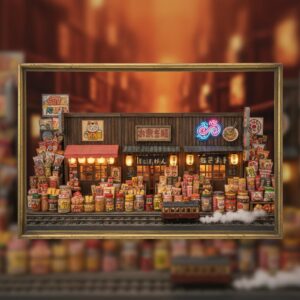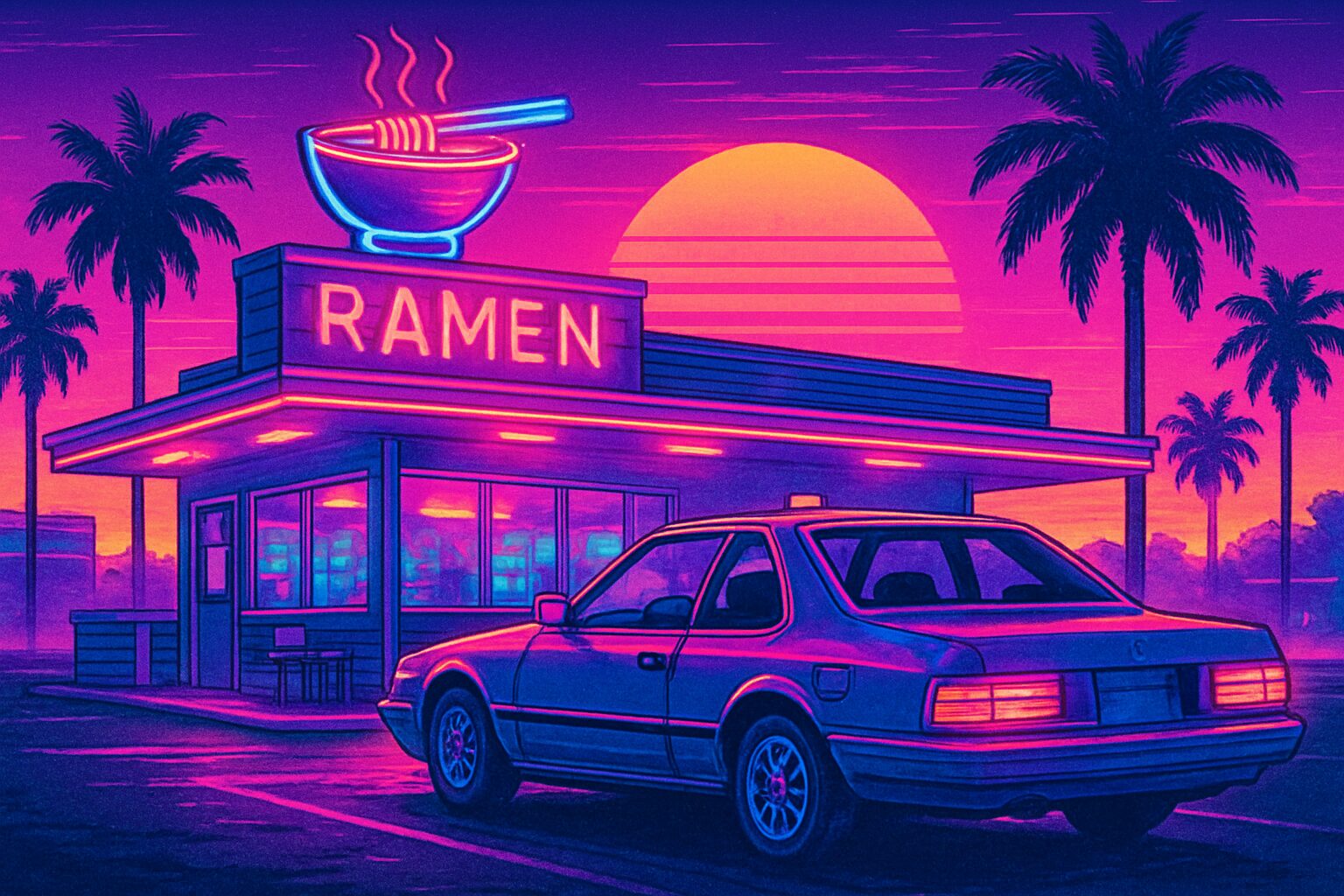
What’s up, fellow travelers and culture seekers! Yuki here, your go-to guide for navigating the real, unfiltered Japan. Today, we’re ditching the shinkansen and the packed city subways. We’re grabbing the keys, hitting the open road, and peeling back the layers of time to a place where neon lights hum a different tune and the best meals are served just off the asphalt. We’re diving headfirst into the world of Showa-era drive-in restaurants. Bet. This isn’t just about grabbing a bite; it’s a full-on vibe check of a bygone era, a trip that’s totally bussin’ with nostalgia. Forget what you think you know about roadside diners. In Japan, these spots are living, breathing museums dedicated to the golden age of motorization, a time of booming optimism, and a love for all things automotively awesome. Picture this: you’re cruising down a countryside highway as dusk settles, the sky turning a deep indigo. Up ahead, a soft, warm glow cuts through the darkness. It’s a beacon of neon kanji and glowing katakana, promising hot noodles, classic curry, and a portal to the 1970s. This is the magic of the Showa drive-in, a uniquely Japanese experience that’s becoming rarer by the day. These aren’t just restaurants; they’re cultural touchstones, time capsules preserving the dreams and daily lives of a generation that put Japan on wheels. It’s where blue-collar heroes, road-tripping families, and late-night truckers all found common ground over a steaming bowl of ramen. So, buckle up. We’re about to explore these low-key iconic establishments, from classic American-style diners with a Japanese twist to legit treasure troves filled with retro food vending machines that still serve up hot meals 24/7. This is your ultimate guide to finding the soul of Japan, one roadside stop at a time. It’s an IYKYK kind of journey, and trust me, you’re gonna want to be in the know.
If you’re captivated by this nostalgic Showa-era vibe, you might also enjoy exploring Japan’s real-life City Pop islands.
The Vibe Check: Decoding Showa Retro Culture
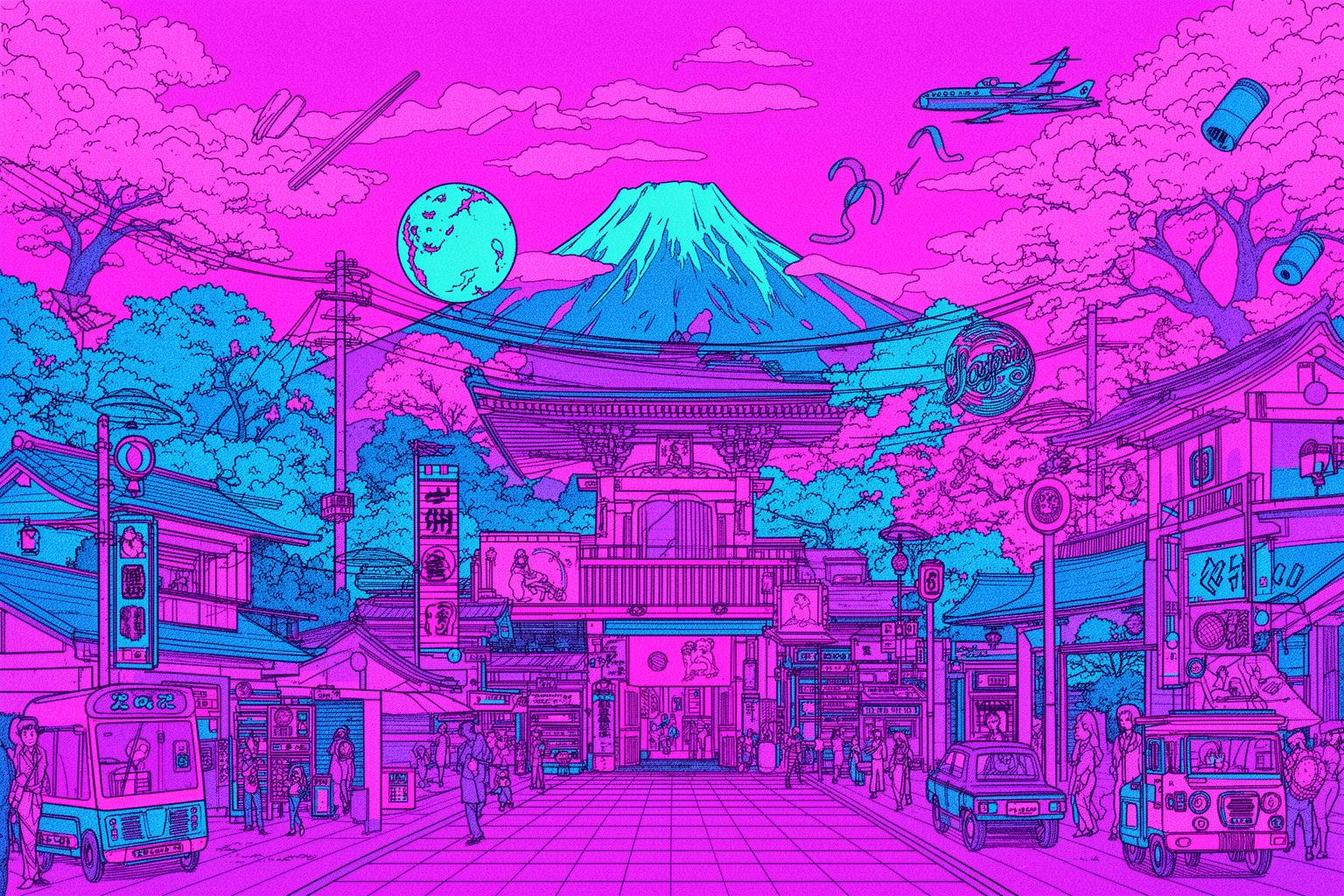
Before we hit the gas, let’s survey the scene. What exactly is this “Showa retro” vibe everyone’s raving about? The Showa Era (1926–1989) was a vast and transformative time for Japan, but the aesthetic we’re chasing comes from the post-war economic boom, roughly from the late 1950s to the early 1980s. This was Japan’s moment to shine. The country was rebuilding, innovating, and pulsing with a futuristic, can-do spirit. It’s the era that brought us the first bullet trains, Tokyo Tower, and a nationwide obsession with cars. Suddenly, owning a vehicle became attainable for families. The idea of a Sunday drive wasn’t just a dream; it became reality. Highways wound their way across the country, bringing with them a new culture of roadside stops. The drive-in emerged from this newfound freedom—it was a symbol of modernity, blending Americana with a distinctly Japanese twist. Think of it as the ultimate third place for a society on the move. The aesthetic is pure mood. Picture warm, wood-paneled walls, faded red vinyl booths that have hosted countless conversations, Formica tabletops, and the gentle, electric hum of vintage arcade games in the corner. Lighting is crucial—soft, often slightly dim, with flashes of neon signs advertising Kirin Beer or Coca-Cola in classic logos. It’s a palette of mustard yellows, avocado greens, and burnt oranges—a sharp contrast to the minimalist, sterile look of modern Japan. This atmosphere radiates pure nostalgia, even for those who never experienced it firsthand. It taps into a shared memory of a simpler, more hopeful time. The food in these spots matches the vibe perfectly. Known as yoshoku, or Western-style Japanese cuisine, it’s not fine dining but peak comfort food. Favorites like curry rice, hamburger steak (hanbagu), spaghetti Napolitan, and of course ramen were staples—hearty, affordable, and deeply satisfying after a long drive. And you can’t forget the drinks. A genuine Showa drive-in experience isn’t complete without a melon soda float—a bright green melon soda crowned with a scoop of vanilla ice cream. It’s the taste of childhood summers for generations of Japanese people. This whole cultural package—the cars, the freedom, the aesthetic, the food—is what makes these drive-ins far more than just dining spots. They’re sanctuaries of a bygone era, resisting the relentless flow of time and offering a treasured glimpse into the heart of mid-century Japan.
The Holy Grail: Hunting for Vending Machine Restaurants
Now, let’s take it up a notch. Within the realm of roadside stops lies an even more niche and wonderfully quirky subculture: the automated restaurant, or jihanki shokudo. These hidden gems are typically modest metal or wooden shacks perched beside rural roads, housing rows of vintage vending machines that serve not only drinks but entire hot meals. This is pure Showa-era futurism preserved in time. The idea was straightforward: offer hot, tasty food around the clock for truckers and late-night travelers in a time before convenience stores were everywhere. Discovering one of these spots feels like unlocking a secret level in a video game. You step inside and are welcomed by the gentle buzz of electricity and the charming, clunky designs of machines from the 70s and 80s. There’s no staff, no counter—just you and the machines. The experience is tactile and deeply rewarding. You insert your coins—these places are nearly always cash-only—and press a worn plastic button with a faded image of your chosen dish. Perhaps tempura udon, cheese toast, or a bowl of ramen. For a moment, nothing stirs. Then, a timer illuminates, counting down from 25 or 30 seconds. You hear spinning, clanking, and splashing inside the machine. It’s the sound of culinary magic. Finally, with a satisfying thud, a steaming bowl or neatly wrapped sandwich drops into the retrieval slot. The food itself is surprisingly, almost shockingly, delicious. The udon noodles come out perfectly cooked, bathed in a savory dashi broth that warms you from within. The toast is crisp and oozing with melted cheese. How is this possible? The secret lies with the dedicated owners behind the scenes. These aren’t faceless corporate machines; they’re cared for by passionate, often elderly individuals who rise at dawn to prepare fresh ingredients daily. They carefully cook the noodles, brew the broth, and hand-make the tempura patties, meticulously loading everything into the machine’s intricate internal system. They are the unseen chefs, the stewards of a fading tradition. For many fans of retro culture in Japan, visiting a vending machine restaurant is almost a pilgrimage. It’s an opportunity to connect with a spirit of creativity and devotion. It reminds you that the best experiences are often tucked away in unexpected places, far from the usual tourist spots. It’s just you, a quiet road, and a hot meal delivered by a ghost in the machine. It doesn’t get more authentic than that.
Legendary Pit Stops: A Road Trip Itinerary
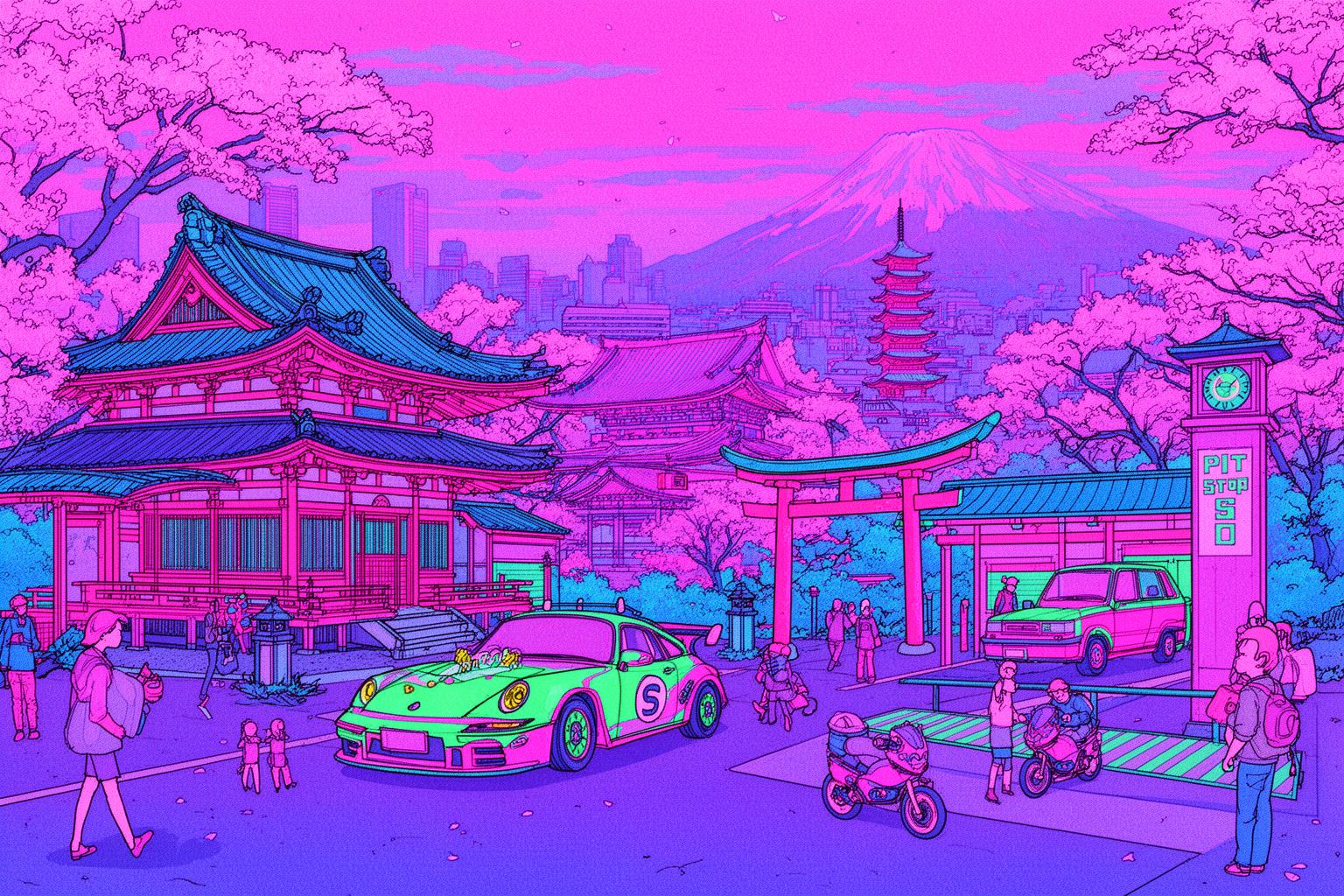
Alright, it’s time for the main event. You’ve got the context, you’ve caught the vibe. So, where do you actually go? I’ve put together a list of some of the most iconic, must-visit drive-ins and auto-restaurants throughout Japan. Each spot boasts its own unique character, its own story. Consider this your treasure map to Showa-era gold.
Drive-in Sagamiko Diner (Kanagawa)
Let’s begin with a true star, a place practically legendary in the retro scene: Drive-in Sagamiko. Situated in Kanagawa Prefecture, it’s easily reachable on a day trip from Tokyo, making it an ideal introduction to Showa dining culture. Nestled just off National Route 20, its huge, glowing sign is impossible to miss—a beacon of retro cool that draws you in. The moment you step out of your car, you’re immersed in the full aesthetic. The building itself is a 70s design masterpiece, featuring a sloped roof and large windows. Inside, it’s a time capsule. The booths are upholstered in deep red vinyl, the lighting warm and moody, and a collection of vintage American license plates and memorabilia offers a unique Japanese-Americana atmosphere. It’s the kind of spot you’d expect to see in a classic film. Sagamiko Diner is renowned for its extensive menu of hearty yoshoku classics. The standout here is their selection of meat dishes, served sizzling on cast-iron plates. The shogayaki (ginger pork) and hanbagu (hamburger steak) have achieved legendary status. When they arrive at your table, the sizzle and aroma are utterly captivating. Portions are generous, flavors bold and deeply satisfying—food designed to refuel tired travelers. The vibe is always impeccable. On weekends, the parking lot transforms into an informal car show, featuring classic Japanese sports cars, vintage American muscle cars, and custom motorcycles lined up. It’s a gathering place for enthusiasts who appreciate mechanical beauty and the freedom of the open road. My advice? Visit in the evening. Neon lights reflecting off the chrome of classic cars in the parking lot create pure magic. Claim a window booth, order a sizzling plate of ginger pork and a melon soda, and simply soak it all in. It’s a full sensory experience that feels both thrilling and warmly comforting.
Autorestaurant Tetsu no Ken (Gunma)
If Sagamiko is the polished movie star, then Autorestaurant Tetsu no Ken (The Iron Sword) in Gunma Prefecture is the gritty, authentic cult classic. This is sacred ground for vending machine restaurant enthusiasts. Located in a fairly remote area, getting here is part of the adventure—a true pilgrimage for those in the know. Tetsu no Ken isn’t just a place to eat; it’s an interactive museum of Showa-era entertainment. The exterior seems modest, but once inside, you’re transported to another world. The space is packed with rows of food vending machines, vintage arcade games like Street Fighter II and table-style Space Invaders, and a wild assortment of retro toys and memorabilia. The air is thick with the scent of dashi and the nostalgic sounds of 8-bit explosions and jingles. The main attraction, of course, is the food. The vending machine udon and ramen here are lauded as some of the best. For around 300 yen, you get a piping hot bowl of noodles that tastes remarkably good. The owner is a local legend, revered for his dedication to maintaining these old machines and preparing all the food from scratch every day. He’s the heart and soul of the place, and you can taste his passion in every bite. One special feature of Tetsu no Ken is its udon vending machine, which boasts a quirky digital display with a moving character. It’s these little touches that make the experience memorable. After finishing your noodles, try your luck at the gachapon machines or browse the shelves filled with vintage manga. It’s a place that invites lingering and exploration. For first-timers, the process is simple: have your 100-yen coins ready, choose your dish, and wait for the magic. Don’t miss the tempura udon; the shrimp tempura is crunchy and delicious. Tetsu no Ken stands as a testament to the enduring power of passion and nostalgia. It exists outside time, following its own rules, and it’s absolutely perfect.
Maruken Suisan (Akita)
Heading north to Akita Prefecture offers a different kind of roadside experience. Maruken Suisan isn’t a conventional restaurant. It’s a small, standalone shack in Akita City’s port area, home to one of Japan’s most legendary udon and soba vending machines. This is as raw and unpretentious as it gets. The machine has been operating for decades, serving local fishermen, truckers, and hungry travelers 24 hours a day, all year round. The setting adds to its charm—industrial, weathered by the sea air, and richly atmospheric. A small standing-only counter beside the machine allows you to slurp your noodles while gazing out at the port. There’s no seating, no music, just the sound of the wind and passing trucks. It’s a beautifully stark and solitary experience. The noodles here are the stuff of legend. For a couple hundred yen, you receive a bowl of soba or udon in a dark, flavorful dashi broth renowned for its rich taste. The secret lies in the katsuo (bonito) based broth, both delicate and deeply savory. It’s a flavor that warms you to your core, especially on a chilly morning by the sea. The machine itself is a stunning example of retro engineering: insert coins, press the soba or udon button, and 25 seconds later your meal is ready. Simplicity is what makes it so profound. Eating at Maruken Suisan feels like taking part in a long-held local ritual. It’s a place that has nourished the community for generations. Visiting early morning, as fishermen start their day, is a remarkable experience. You share space and meal with people whose lives revolve around the sea, gaining insight into a side of Japan few tourists encounter. It’s a humble, honest, and unforgettable culinary moment.
Drive In Restaurant GORILLA (Chiba)
Don’t be misled by the name; Drive In Restaurant GORILLA in Chiba is a warm and beloved local gem. This spot leans more towards the classic drive-in diner style, but with a quirky, unforgettable personality. Located in a quieter part of Chiba Prefecture, it’s a favorite among locals and road-trippers exploring the Boso Peninsula. The first thing you’ll notice is the huge, eye-catching gorilla sign out front, setting a fun and playful tone that continues inside. The interior exudes pure Showa charm, with cozy booths, wood-paneled walls, and a comfortable, lived-in vibe. It’s the kind of place where the staff know regular customers by name. GORILLA is famous for its teishoku, or set meals. They serve generous portions of classic Japanese comfort food at very reasonable prices. The ginger pork (shogayaki) set is a crowd-pleaser, featuring a mound of tender pork, a massive serving of rice, miso soup, and pickles. It’s a perfectly balanced, soul-satisfying meal. Another must-try is their ramen, a simple, old-school shoyu style that tastes like it’s straight out of the 1970s. What makes GORILLA special is its authenticity. This isn’t a place pretending to be retro for Instagram; it simply is retro. It’s been serving the same delicious food to the same community for decades. The atmosphere is relaxed and unpretentious. You’ll find families with kids, elderly couples, and groups of young friends all enjoying meals together. It feels like being welcomed into someone’s home. A pro tip for visiting GORILLA: come hungry. The portions are truly generous! It’s the perfect spot to refuel after a day exploring Chiba’s beaches and mountains. It’s a reminder that sometimes the best travel experiences are the simplest ones: good food, a welcoming atmosphere, and a genuine taste of local life.
The Menu: More Than Just Ramen
While ramen often takes center stage, the culinary landscape of Showa drive-ins is rich and varied. Knowing the menu is essential to truly savoring the experience. Let’s explore the top favorites of the roadside dining scene.
Ramen
The quintessential roadside meal. The ramen served at these drive-ins usually lacks the complex, layered broths found in renowned urban ramen shops. Instead, it’s old-school and straightforward. The most common variety is the classic Tokyo-style shoyu (soy sauce) ramen, featuring a clear, savory broth made from chicken or pork bones and dashi, alongside thin, curly noodles, a slice or two of chashu pork, bamboo shoots (menma), and a scattering of chopped green onions. It’s simple, sincere, and deeply comforting. Some locations also offer miso ramen, boasting a richer and heartier broth that’s perfect on chilly days. The vending machine ramen is a category unto itself—the noodles are flash-cooked with hot water inside the machine, but the magic lies in the owner’s pre-made broth.
Udon and Soba
These noodles reign supreme in vending machine restaurants. Udon are thick, chewy wheat noodles, while soba are thinner buckwheat noodles. Both are generally served in a hot, smoky dashi broth. The real highlight often comes from the toppings. The classic choice is tempura, commonly a mixed vegetable and shrimp patty called kakiage, or sometimes a single large prawn. Another favorite is kitsune udon, topped with a large piece of sweet, fried tofu skin that soaks up the broth magnificently. Slurping a steaming bowl of vending machine udon at a deserted roadside stop late at night is a cherished memory for retro enthusiasts.
Curry Rice
Japanese curry rice is the ultimate comfort food and a staple at nearly every Showa-era diner. This curry isn’t like Thai or Indian varieties. It’s a thick, mild, slightly sweet brown stew, typically containing chunks of potato, carrot, onion, and beef or pork. Served over fluffy white rice and often accompanied by bright red pickled ginger (fukujinzuke), it’s a hearty, satisfying, and deeply nostalgic dish that tastes like home cooking.
Toast Sandwiches (Tōsuto Sando)
A vending machine specialty that will amaze you. The concept is simple: pre-made sandwiches, often with fillings like ham and cheese or corn and mayonnaise, are loaded into the machine. When ordered, the machine toasts them to perfection and dispenses them in a small, warm cardboard box. The bread is perfectly crispy, the filling hot and melty, and the whole experience delightfully novel. It’s the ideal snack for the road and a feat of retro-engineering.
The Drinks: Liquid Nostalgia
No Showa meal is complete without the perfect drink. The melon soda float, known as cream soda in Japan, is iconic. The vibrant green soda, the fizz, the creamy vanilla ice cream melting into it—it’s pure joy in a glass. Classic glass bottles of Coca-Cola, Fanta, and Kirin Lemon are also common, tasting better than their plastic or canned versions. For coffee lovers, canned coffee—a Showa-era innovation that became popular with long-haul drivers—is another staple to seek out.
Your First Time-Slip: A Guide for Travelers
Ready to jump into your rental and start exploring? Awesome. A bit of preparation can make your journey into Japan’s retro past even more enjoyable. Here are some key tips for first-time drive-in adventurers.
Access is Crucial: You’ll Need a Car
This may seem obvious, but it’s the most important point. These are drive-in restaurants, located along highways and rural roads, far from train stations and bus stops. The entire experience centers around car culture. Renting a car in Japan is a fantastic way to discover a different side of the country. To do this, you’ll need an International Driving Permit (IDP) from your home country, along with your regular driver’s license. Be sure to obtain your IDP before you leave for Japan. The process is usually simple and affordable. Driving in Japan is generally very safe; the roads are well-maintained, and drivers are courteous. Just remember to drive on the left! Using a GPS or a map app on your phone is invaluable for navigating Japan’s sometimes confusing road network.
Cash is King
This is crucial. Don’t expect to use your credit card at these traditional spots, especially at the vending machine locations. These places operate on cash—and more specifically, coins. Before you set out, make sure your wallet is stocked with plenty of 1,000-yen bills and a good supply of 100-yen and 500-yen coins for the machines. Change machines are often unavailable, so being prepared is essential. This cash-only system adds to the charm, evoking a simpler era before digital payments became widespread.
Etiquette and Expectations
Most drive-ins are self-service. At diners, you might order at a counter and receive a number, or a waitress may take your order at the table. At vending machine spots, it’s all on you. Once you get your food, find a place to eat. When you finish, be sure to clean up after yourself. There will be designated areas to return your tray and sort your trash. This is standard practice in Japan and especially important at these small, independently-run businesses. As for the language barrier, don’t worry. Menus will likely be in Japanese only, but they almost always include pictures. Pointing to what you want (kore o kudasai – “this one, please”) works perfectly. The owners and staff are usually very friendly and appreciate the effort, even if you only know a few basic phrases. A smile and a polite nod go a long way.
Capture the Vibe, Respectfully
These places are incredibly photogenic, and you’ll definitely want to snap some pictures for social media. Go for it! Capture the neon signs, retro interiors, and beautifully presented food. However, be mindful and respectful. These are working businesses, not just photo sets. Avoid using flash, which can disturb other diners. Most importantly, be considerate when photographing people. Always ask permission before taking photos of staff or other customers. They are often proud of their establishments and happy to oblige, but asking first is a valued sign of respect in Japanese culture.
The Future of the Past: Why These Places are Vanishing
As much as we cherish these nostalgic havens, it’s important to face a bittersweet truth: they are becoming a dying breed. This makes visiting them now more meaningful and urgent than ever. The challenges they encounter are many. The foremost issue is the age of the owners. Many of these drive-ins were established in the 60s and 70s and are still operated by the original owners or their children, who are now well into their senior years. Finding successors to carry on the family business is incredibly challenging in modern Japan. The technology itself presents another major obstacle. The vintage vending machines are engineering marvels, but they are decades old. Spare parts are no longer produced, so when a machine breaks down, owners must rely on a small network of aging mechanics or their own creativity to repair it. Each machine is a ticking clock. Additionally, the competition is intense. Japan is the land of convenience stores, or konbini. On nearly every street, you’ll find a 7-Eleven, Family Mart, or Lawson offering cheap, decent food 24/7. Modern highway service areas are massive complexes with clean facilities and a wide variety of food options. For many, the traditional drive-in simply cannot match that level of convenience. However, there is a glimmer of hope. Recently, there has been a significant revival of interest in Showa retro culture, fueled by social media. A new generation of Japanese youth, along with international travelers, are discovering the unique charm of these locations. Photos and videos on Instagram and TikTok have transformed once-forgotten spots into viral sensations. This renewed attention has brought a vital influx of new customers and, in some cases, inspired younger people to take part in preserving these cultural landmarks. By visiting these drive-ins, you’re not just enjoying a meal; you’re casting a vote. You’re demonstrating to the owners that their efforts are valued and that there is still a place for this beautiful, analog culture in our fast-paced digital world. You’re becoming part of the story and helping to keep the neon lights glowing just a little longer.
Your journey into the world of Showa-era drive-ins is more than a road trip. It’s an exploration of Japan’s heartland, a taste of its history, and a connection to its people’s soul. It’s about the freedom of the open road, the joy of uncovering a hidden gem, and the simple, profound pleasure of a hot meal on a long journey. These places are rich with stories, filled with the ghosts of countless conversations and echoes of laughter. So next time you plan a trip to Japan, dare to stray from the beaten path. Rent a car, roll down the windows, put on some classic city pop, and just drive. You never know when you’ll spot that soft, neon glow on the horizon, calling you in for an unforgettable meal and a journey back in time. The road awaits.