Yo, what’s the deal with Japan and cute characters? Like, for real. You hop off the plane at Narita, and it hits you. It’s not just in the anime shops in Akihabara. It’s on bank ads. It’s on construction site barricades. It’s on your grandma’s keychain. And front and center, holding it down for decades, is the queen herself: Hello Kitty. You see her and her crew—the pastel twins, the friendly rabbit, the frog with the big eyes—and you gotta ask, how did this happen? How did a nation known for samurai, zen gardens, and hyper-efficient corporations become the undisputed global capital of cute? It feels like a paradox, a glitch in the matrix. You think you get Japan, and then a 50-year-old salaryman pulls out a My Melody phone case, and you’re back to square one.
The answer, the real source code for this cultural phenomenon, isn’t some ancient tradition. It’s a full-on vibe that exploded in a specific time and place: the 1980s. The decade of neon lights, shoulder pads, and a stock market that was absolutely off the rails. The 80s in Japan was the incubator. It was the perfect storm of money, social change, and a low-key psychological need that a company called Sanrio figured out how to satisfy. This wasn’t just about selling pencil cases. It was about dropping a new language into the culture, a way to communicate and feel good in a society that was getting more complex and high-pressure by the second. To get why that metro ad features a cartoon dog today, you have to rewind the tape and understand the 80s Sanrio revolution. It’s a story about economics, identity, and the quiet power of a small gift with a big smile. It’s a whole mood, and we’re about to break it down.
This explosion of cute in the 80s was perfectly complemented by the era’s defining soundtrack, a genre where the kawaii aesthetic of Japanese City Pop painted its own vibrant, pixelated world.
The Vibe Before the Storm: Japan Pre-80s
A World of Grey Suits and High Stakes
To truly grasp the spirit of the ’80s, you need to understand what came before. Imagine post-war Japan, where the focus was razor-sharp: rebuild, grow, and catch up with the West. The entire nation was driven by this mission, with the constant hum of factories providing the soundtrack rather than pop songs. The emblem of this era was the “salaryman”—a vast crowd of men in dark, identical suits flooding city centers each morning, working grueling hours, and dedicating their entire lives to their companies. It was a culture defined by sacrifice, conformity, and relentless forward drive. The collective good—the success of the company and the nation—was paramount. Individual expression was a luxury few could afford, and even fewer desired.
The era’s aesthetic perfectly reflected this mindset. Cities were functional, concrete jungles. Products were designed for durability, not delight. Design was sober, practical, and serious. There was a palpable sense of gravitas, as if everyone was part of a massive, important project. This was a world with little room for whimsy—a splash of color or playful design on mainstream goods would have felt frivolous, out of place, almost disrespectful to the national effort. The pressure to conform, follow the rules, and contribute to the economic miracle was immense. It was a society powered by discipline and ambition, and it was remarkably successful. But beneath the surface of all that monochrome efficiency, a quiet yearning for something softer, something more personal, was beginning to rise.
The Seed of ‘Kawaii’
Let’s be clear: the concept of ‘cute’ wasn’t born in the 1980s. The word ‘kawaii’ has existed for centuries, but its original meaning was different. It conveyed a sense of being pitiable, pathetic, or vulnerable—think of a tiny, lost kitten that inspires protectiveness. That was the traditional feeling behind kawaii. It was an emotion directed toward something small and helpless. You can see this aesthetic in traditional art like Edo-period woodblock prints depicting round, fluffy sparrows or other small creatures. It was well established but confined—it belonged to children, pets, and delicate art, not something adults sought in their daily lives.
The true transformation began brewing in the 1970s, setting the stage for what was to come. A major cultural shift stemmed from ‘shōjo’ manga—comics for young girls. Artists such as Macoto Takahashi and Riyoko Ikeda began drawing characters with enormous, sparkling eyes filled with stars. These characters were emotional, expressive, and inhabited worlds full of flowers, ribbons, and romance. This introduced a new kind of cuteness—not just small and pitiable, but aspirational, dreamy, and emotionally open. At the same time, a youth trend emerged with teenage girls developing a distinctive handwriting style, featuring rounded, almost childlike characters, sometimes adorned with little hearts or stars. This was known as ‘marui ji’ (round writing). The establishment despised it. Schools sought to ban it, viewing it as sloppy and infantile. But it was a harbinger of change—a new visual language created by youth, soft and personal in a world that demanded hardness and conformity. This was fertile cultural ground, ready for the Sanrio seed to be sown.
Enter the Bubble: The Lit 80s Economy and the Rise of the Individual
When Money Was No Object
The 1980s struck Japan like a lightning bolt made of money. This was the era of the Bubble Economy. Driven by real estate and stock market speculation, Japan became astonishingly wealthy. Stories from that time sound like urban legends. Executives flew helicopters to work to avoid traffic. Companies acquired iconic buildings in New York and Hollywood studios. There was a tangible energy in the air, a sense of endless possibility. And this extraordinary wealth didn’t remain confined to boardrooms; it trickled down, creating a generation of consumers eager to spend freely.
For the first time, ordinary people enjoyed significant disposable income. The national mindset shifted from saving and rebuilding to spending and enjoying life. It was a profound psychological transformation. People desired luxury. They sought out brands. They wanted to showcase their success. But it wasn’t only about big-ticket items like European cars or designer handbags. This new consumer culture sparked a craving for small indulgences, everyday objects beautifully designed to bring a spark of joy. People willingly paid a bit more for a pen that was more than just a pen—it was a statement. They wanted notebooks that made them smile. The practical, minimalist aesthetic of the past suddenly seemed outdated and dull. The market hungered for novelty, personality, and pleasure—and had the means to afford it.
A New Generation’s Flex
This economic boom coincided with a significant social shift, particularly among young people and women. The generation coming of age in the 1980s had no memory of post-war hardship. They grew up in a prosperous, stable Japan with different aspirations than their parents. They weren’t just focused on survival and security; they were thinking about self-expression and lifestyle.
Young women, in particular, emerged as a powerful consumer group. The ‘OL’ (Office Lady) became a new social archetype. These were young women working in corporate offices, typically before marriage. They earned their own income and wanted to spend it on fashion, travel, and personal goods. They navigated the rigid, male-dominated corporate world, which demanded conformity. But in their personal spaces—their desks, handbags, and apartments—they sought to create a world that was uniquely theirs. They wanted to assert their identity and bring a touch of softness and personality to the harshness of corporate life. It was a subtle act of rebellion. While company uniforms couldn’t be changed, a ridiculously cute pencil case was allowed. Strict office hierarchies had to be followed, but personal notes could be written on pastel-colored paper adorned with stars. This was their flex—a quiet declaration of self in a world that attempted to erase it.
Sanrio’s Masterstroke: The ‘Small Gift, Big Smile’ Philosophy
More Than Just a Toy Company
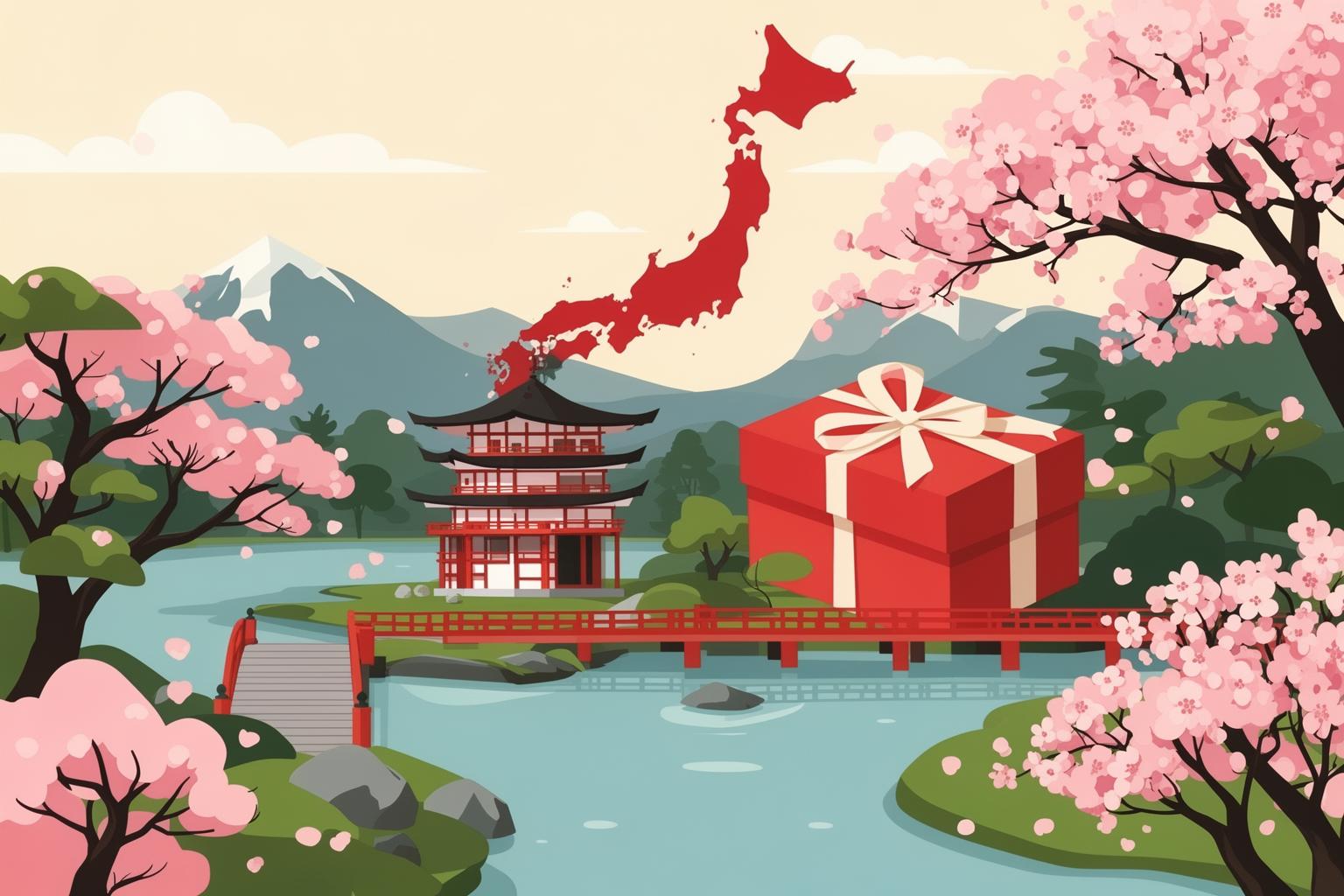
This is where Sanrio enters the scene and perfectly captures the moment. To grasp their success, you need to realize that their founder, Shintaro Tsuji, wasn’t merely aiming to sell toys. He had a grander vision. The company’s official philosophy was ‘Social Communication.’ He believed that in modern society, people were becoming increasingly isolated and had lost the ability to express their feelings to one another. His idea was simple yet groundbreaking: a small, thoughtful gift could serve as a bridge. It could communicate “I care about you,” “Thank you,” or “Let’s be friends” without needing awkward words.
This philosophy aligned perfectly with Japanese culture, which often values indirect communication and non-verbal cues. Directly expressing emotions can sometimes appear crude or burdensome to others. A gift, however, is a socially accepted and understood gesture. Sanrio’s brilliance was in creating a whole ecosystem of products designed to fulfill this purpose. They were affordable, making them accessible without a significant financial burden. They were beautifully designed and packaged. And they carried a sense of warmth and positivity. The company’s tagline summed it up: “Small Gift, Big Smile.” They weren’t just selling stationery; they were providing a tool for social connection. This core concept set them apart from any other company making cute products and gave their business a deeper meaning that resonated with the social needs of the era.
The Character is the Message
How do you imbue a product with emotion? You give it a face. This was Sanrio’s second stroke of genius. They developed a universe of characters, each with a simple, appealing design and distinct personality. The undisputed star of this strategy was, and remains, Hello Kitty. Her design is sheer brilliance. She’s simple, symmetrical, and instantly recognizable. But the most significant feature is the one she lacks: a mouth. Tsuji and his designers intentionally left her mouthless. Why? Because it turns her into an emotional mirror. You, the viewer, project your own feelings onto her. If you’re happy, Kitty appears happy. If you’re sad, she seems sad and comforting. She becomes a blank canvas for your emotions, making the connection profoundly personal.
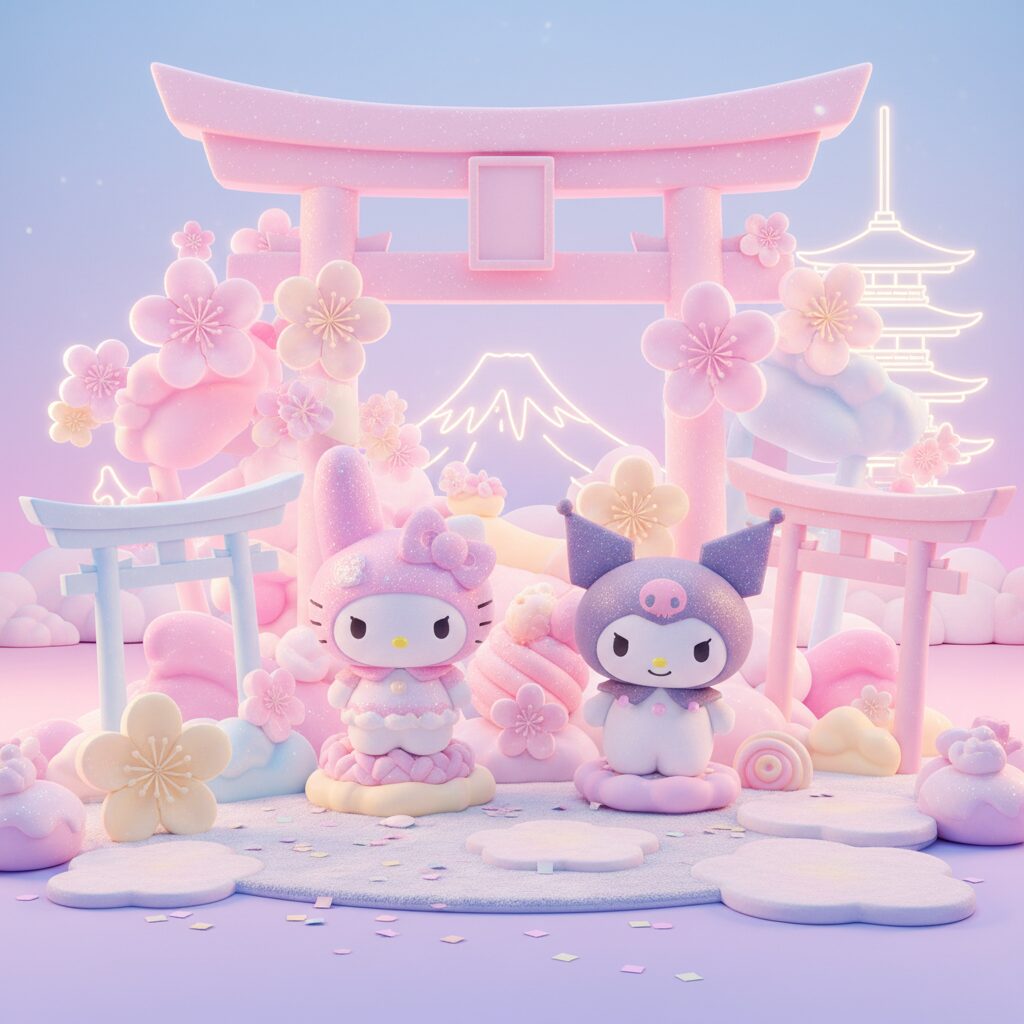
Other characters offered different shades of this emotional bond. The Little Twin Stars, Kiki and Lala, with their pastel colors, clouds, and dreamy vibe, appealed to a longing for fantasy and escape. They were pure, gentle, and ethereal—an ideal respite from a stressful day at school or work. My Melody, the sweet rabbit in the red hood, symbolized kindness and friendship. Her stories often featured her and her friends, like Flat the mouse, reinforcing themes of social connection. Sanrio wasn’t merely creating mascots; they were crafting emotional avatars. Buying a product was not just owning an item; it was aligning yourself with a feeling or ideal—friendship, fantasy, comfort. The character was the message, and the product was the medium.
The Stationery Takeover
Sanrio could have concentrated on toys or plushies, and indeed they did. But their Trojan horse, the means of infiltrating every corner of Japanese life, was stationery. Consider this: where do rules, conformity, and seriousness dominate? In schools and offices. These are the places where individual expression is most suppressed. What do people use daily in these environments? Pens, pencils, notebooks, erasers, rulers, letter sets. It was genius. Sanrio created a way for people to infuse a small dose of personality and joy into the most rigid parts of their day. A student trudging through a tough math class could glance at Keroppi’s cheerful face on their pencil. An office lady doing monotonous data entry could organize her papers with a Little Twin Stars folder. It was a micro-dose of rebellion. It was a small, personal comfort that made impersonal surroundings a little more tolerable. It was a hidden world of color and cuteness in plain sight. From there, they expanded. Once you had the pencil, you wanted the matching pencil case. Then the notebook. Then the bento box for lunch. Then the handkerchief for your pocket. Before long, Sanrio wasn’t just a brand you purchased; it was a lifestyle you cultivated.
The Social Fabric of Kawaii: More Than Just Cute
‘Iyashi’ – The Soothing Power of Cuteness
To truly grasp the deep-rooted appeal of these characters in 1980s Japan, you need to understand the concept of ‘iyashi.’ This Japanese term lacks a precise English equivalent but roughly translates to ‘healing,’ ‘comfort,’ or ‘soothing relief.’ It’s the sensation you experience when watching a gentle stream, petting a soft animal, or gazing at a sleeping baby. It evokes a calm, restorative feeling that offers a mental respite from daily stresses.
The intense, high-pressure culture of 1980s Japan generated significant stress. Students endured harsh ‘exam hell’ to gain entrance to reputable schools and universities. Workers spent extremely long hours in fiercely competitive corporate settings. Life was a relentless cycle of demands and responsibilities. Sanrio characters provided an ideal source of ‘iyashi.’ Their simple, rounded shapes, large eyes, and absence of any threatening or complex features made them psychologically easy to process. Seeing a Hello Kitty sticker offered a moment of straightforward, positive sensory input—a mental palate cleanser. In a world filled with sharp edges and looming deadlines, Sanrio’s soft, rounded world offered a safe, gentle, and healing escape. It acted as visual therapy, delivering a small dopamine boost amid a sea of cortisol. This ‘iyashi’ effect largely explains why the ‘kawaii’ aesthetic in Japan isn’t just for children; it also fulfills a genuine psychological need for adults.
The Exaggerated Culture of Gift-Giving
Japan’s culture of gift-giving is intricate and deeply embedded in society. It includes ‘o-miyage,’ the souvenirs you bring back for friends and colleagues after trips; ‘o-chugen’ and ‘o-seibo,’ the mid-year and end-of-year gifts given to those to whom you feel indebted; as well as presents for birthdays, new jobs, or moving homes. This ongoing exchange embodies goodwill and social obligation.
Sanrio tapped directly into this cultural system and amplified it. Their products perfectly suited a new category of gift-giving: small, casual, everyday gestures. Traditional gift-giving occasions were often formal, with many rules and expectations. But what if you simply wanted to brighten a friend’s day or offer a small ‘thank you’ to a helpful classmate? A Sanrio pen, sticker sheet, or memo pad was ideal. It was affordable, so it didn’t create social debt. It was cute, so it was sure to bring a smile. And it came with a built-in message of friendship, reflective of Sanrio’s core philosophy. By doing so, Sanrio effectively created a new market for low-pressure, high-frequency social gifting, making it easy and affordable for a generation to express their feelings through objects. This amplified a central Japanese cultural practice and integrated it into daily peer-to-peer interactions.
Establishing a Shared Language
In the pre-internet 1980s, identity was shaped by the things you purchased, the music you enjoyed, and the magazines you read. Fandoms helped people find their tribes. Among Japanese girls and young women, Sanrio functioned as a powerful shared language. The characters you favored conveyed something about your personality. Were you a dreamy, otherworldly Little Twin Stars fan? A sweet and kind My Melody type? Or did you embody the classic, cool confidence of Hello Kitty? Discussing and trading Sanrio goods became a social ritual. Kids brought sticker albums to school to trade. Friends went shopping trips to local Sanrio stores—pink-hued paradises—to check out the latest releases. Owning the newest Sanrio merchandise was a form of social currency, signaling you belonged to the in-crowd. It was a low-conflict way to express personal taste and connect with like-minded peers. This created a strong network effect: the more people involved with Sanrio, the more vital it became to join in. It evolved beyond a mere collection of products into a full-fledged subculture—a visual and material language that an entire generation mastered fluently.
The 80s Sanrio Pantheon: A Character for Every Mood
The Undisputed Queen: Hello Kitty
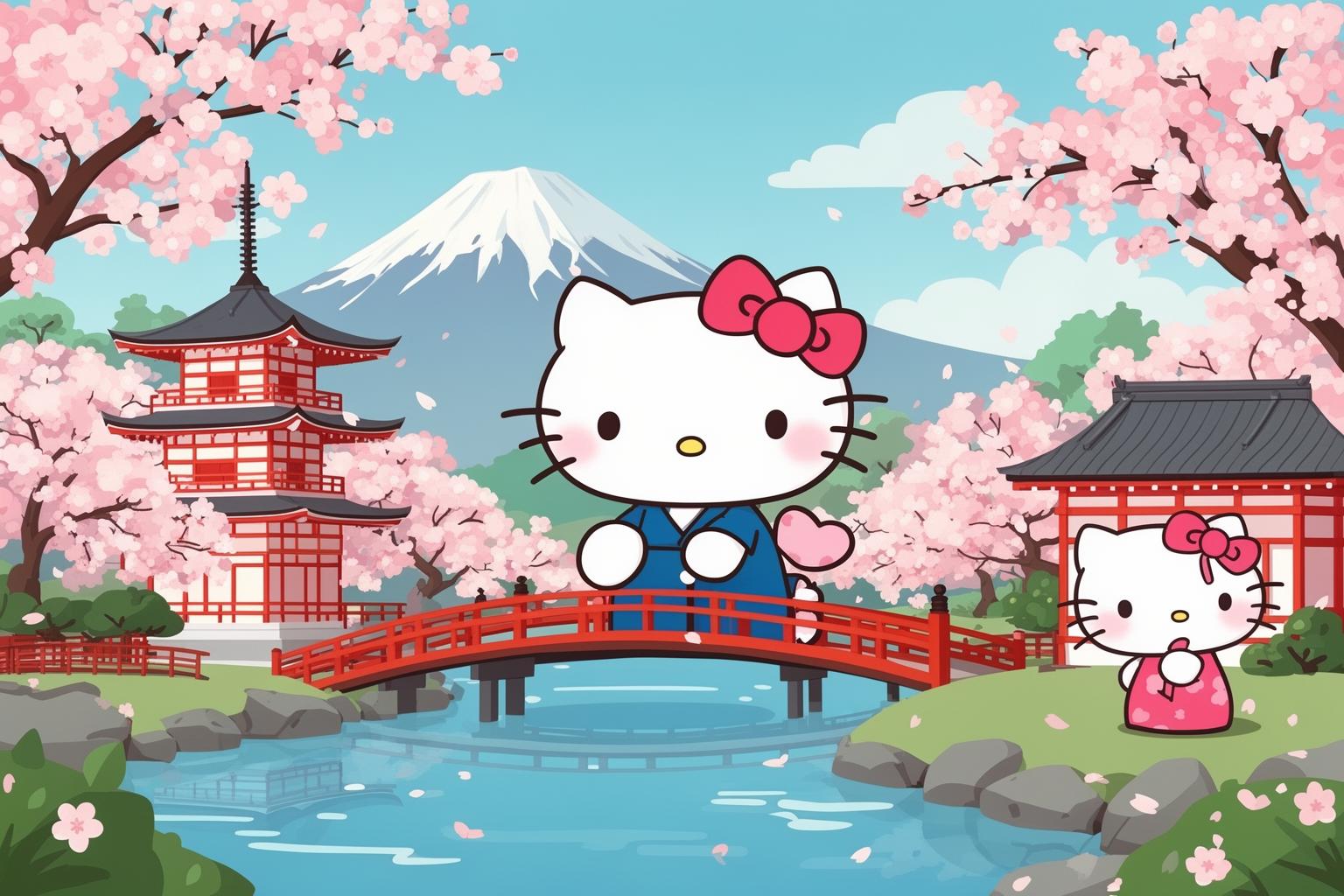
Let’s be honest, you can’t discuss Sanrio without honoring its queen. Hello Kitty, officially named Kitty White, first appeared in 1974, but it was the 80s when she truly reigned supreme. She served as the foundation, the gateway, the original that introduced everyone to the Sanrio universe. The product that defined her ascent was the tiny, red vinyl coin purse. Nearly every child in Japan during the late 70s and early 80s owned one. It was a simple, flawless design. From there, she expanded onto countless items—plastic bento boxes adorned with her face, making you the coolest kid at lunch; red mechanical pencils that sparked classroom envy; digital alarm clocks that woke you with her steadfast, mouthless gaze. Hello Kitty in the 80s wasn’t overly fussy or elaborate. She was bold, graphic, and self-assured. She embodied the brand’s essence: simple, iconic, and universally adored. She wasn’t merely a character; she was portable pop art.
The Dream Weavers: Little Twin Stars
If Hello Kitty was the pop-art emblem, the Little Twin Stars were the ethereal, ambient daydream. Kiki (the boy with blue hair) and Lala (the girl with pink hair) originated on Omoiyari Star (Compassion Star) and descended to Earth to learn how to become the brightest, most radiant stars. Their aura was pure escapism. Their color scheme was a soft-focus blend of pastel pink, blue, and yellow. Their world consisted of clouds, crescent moons, and twinkling stardust. Amid the high-pressure, concrete jungles of 80s Japan, the Little Twin Stars offered a gateway to a softer, more magical realm. Their merchandise perfectly reflected this vibe: fluffy pencil cases, dreamy stationery sets for writing to your closest friends, and musical jewelry boxes. They were especially favored as bedroom decorations, allowing fans to transform their rooms into pastel havens. They represented the whimsical, introspective side of kawaii.
The Sweet Friend: My Melody
Somewhere between Hello Kitty’s bold iconography and the dreamy aura of the Little Twin Stars stood My Melody. Debuting in 1975, she embodied gentle friendship and kindness. Portrayed as a modern-day Little Red Riding Hood, her signature pink or red hood—made by her grandmother—added a relatable, storybook charm. Unlike the more abstract themes of Kitty or the Twin Stars, My Melody often appeared with her friends, particularly Flat the blue mouse, reinforcing her core message: community and harmony. Her merchandise carried a slightly rustic, cozy vibe. She was the character you’d want as your closest companion—dependable, sweet-natured, and always supportive. She captured the hearts of those who prioritized friendship and a tender, nurturing aesthetic above all else.
The New Wave of the Late 80s: Keroppi, Pochacco, and Friends
Sanrio didn’t rest on past successes. As the 80s progressed, they showed they were in tune with shifting preferences. The late 80s introduced a fresh wave of characters that broadened the brand’s emotional spectrum. In 1988, Keroppi Hasunoue, the lively frog from Donut Pond, made his debut. With his large eyes, V-shaped mouth, and energetic personality, Keroppi became a huge hit and appealed as a more gender-neutral, even boy-friendly character. He was adventurous and optimistic. Then, in 1989, Pochacco arrived—an active, curious puppy who loved basketball and walks. He mirrored the era’s growing enthusiasm for sports and outdoor activities. These characters marked Sanrio’s evolution, moving beyond simply sweet and dreamy to embrace ‘genki’ (energetic) and sporty vibes. This diversification ensured there was truly a Sanrio character for every personality, sustaining the brand’s relevance as the trends of the decade shifted.
The Merch Game Was Unstoppable
Sanrio’s true secret to omnipresence was their relentless and ingenious merchandising strategy. Having a character on a notebook wasn’t sufficient. The objective was full lifestyle immersion. This level of market saturation is difficult to even fathom. Their characters appeared on everything. You’d wake up to a Sanrio alarm clock. Brush your teeth with Sanrio toothbrush and toothpaste. Clip your hair back with Sanrio hair accessories. Pack your lunch in a Sanrio bento box, complete with a matching water bottle and chopsticks. At school, your entire desk was decked out in Sanrio. At home, you stored your treasures in a tiny Sanrio chest of drawers. You dried your hands on a Sanrio towel and covered scraped knees with Sanrio bandages. This wasn’t just a casual interest; it was total immersion. By creating products for every imaginable daily routine, Sanrio wove themselves into the very fabric of a generation’s childhood and adolescence. They didn’t simply sell merchandise; they crafted an entire world.
The Backlash and the Legacy: Was It All Just Childish?
The Critical View
Naturally, not everyone embraced this surge of cuteness. As the ‘kawaii’ aesthetic, strongly promoted by Sanrio, transitioned from a children’s trend to a mainstream style for young women, a backlash began to emerge. Critics, both in Japan and internationally, started to question the phenomenon. Was this enthusiasm for all things cute a form of infantilization? Did it encourage adult women to behave like children, adopting a non-threatening, submissive persona in a deeply patriarchal society? This criticism was often linked to the ‘burikko’ trend of the 1980s, where young women would deliberately act cute and helpless, using high-pitched voices and childlike gestures. Some viewed Sanrio products as the perfect accessory for this performance of femininity. The argument suggested that by surrounding themselves with childhood imagery, women were unconsciously retreating from adulthood’s complexities and responsibilities. This is a valid and significant critique. The boundary between appreciating a cute aesthetic and enacting a regressive form of womanhood can be indistinct, and the 1980s ‘kawaii’ culture certainly treaded that line.
Why It Endured Beyond the Bubble
In the early 1990s, Japan’s economic bubble burst. The era of unlimited spending came to an abrupt end, plunging the country into a prolonged period of stagnation known as the ‘Lost Decade.’ The flashy, extravagant culture of the 1980s vanished almost instantly. Yet one thing persisted: kawaii culture. This stands as clear evidence that it was more than a frivolous trend born from excess wealth. The need fulfilled by Sanrio and the ‘kawaii’ aesthetic was far deeper. Social pressures, the desire for ‘iyashi’ (healing), and the need for non-verbal communication tools did not disappear when the economy collapsed. In fact, those needs became even more pronounced during the uncertain 1990s. The cute characters that once brought joy during the boom years turned into sources of comfort and nostalgia during the bust. They had become deeply ingrained in the cultural psyche, making them impossible to discard. For the generation raised with them, they remained a wistful reminder of more optimistic times, while for others, they served as a proven aid in emotional regulation. The bubble was temporary, but the cultural transformation Sanrio helped create was lasting.
The 80s Vibe Today: A Retro Revolution
Nostalgia is a Vibe
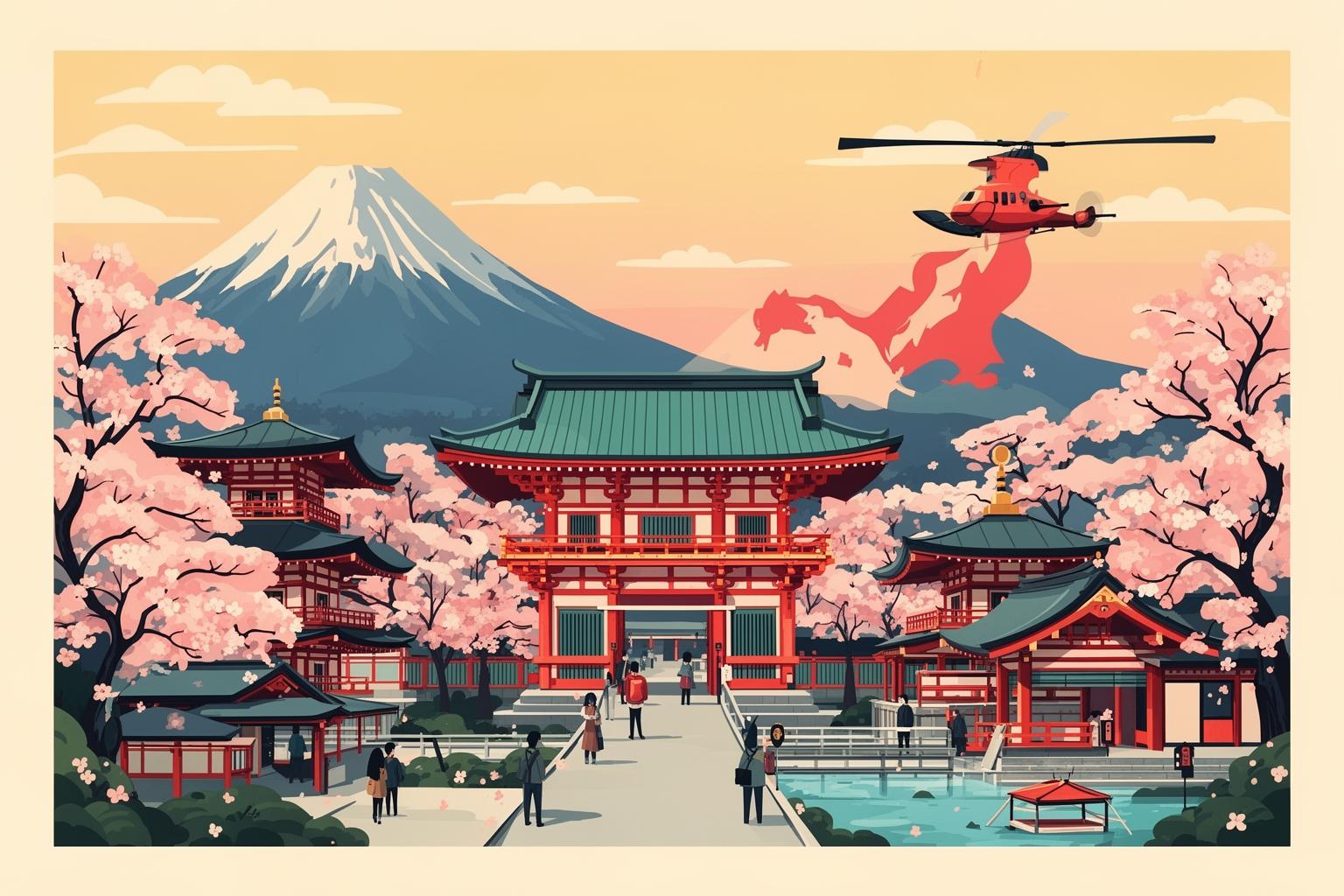
Jump to today, and that 80s Sanrio vibe has returned with full force. It’s a complete retro revival. Fashion brands ranging from high-end streetwear to fast fashion are launching collaboration lines showcasing the iconic 80s designs of Hello Kitty, My Melody, and the Little Twin Stars. Sanrio itself continuously reissues merchandise featuring the specific art styles and color schemes from that golden era. For those who grew up in the 80s, it’s a powerful wave of nostalgia. It serves as a tangible link to their childhood—a reminder of a simpler, more optimistic time. Holding a reissued Keroppi coin purse feels like holding a time capsule. But it’s not just about the original fans. For today’s Gen Z, who have no recollection of the 80s, this aesthetic is simply cool. It’s retro. It offers a distinctive visual style that contrasts with the sleek, minimalist designs of the current era. The soft faded pastels, the uncomplicated line work, the unabashed cuteness—it all comes across as genuine and fresh to them. It’s proof of the timelessness of these designs that they remain appreciated purely for their aesthetic appeal, independent of their original context.
The Global Takeover
At its core, the foundation Sanrio established in Japan during the 80s became the model for its worldwide success. The strategies they honed in their home market—the character as an emotional avatar, the ‘small gift, big smile’ philosophy, and comprehensive lifestyle merchandising—were highly effective and transferable. They realized that the craving for comfort, the need for non-verbal social tools, and the pure delight of a cute face are not uniquely Japanese feelings—they are universal. What began as a specific cultural response to the unique pressures and prosperity of 1980s Japan has transformed into a global language of cuteness. Today, you can enter a Sanrio store in Los Angeles, London, or Taipei and experience the same vibe first nurtured in Tokyo’s suburbs. Yet, to truly grasp why these characters hold such a lasting, powerful grip on our collective imagination, you must look back to that wild, transformative, and electrifying decade. The 80s were the crucible where modern ‘kawaii’ was forged, and its glow continues to illuminate the world.