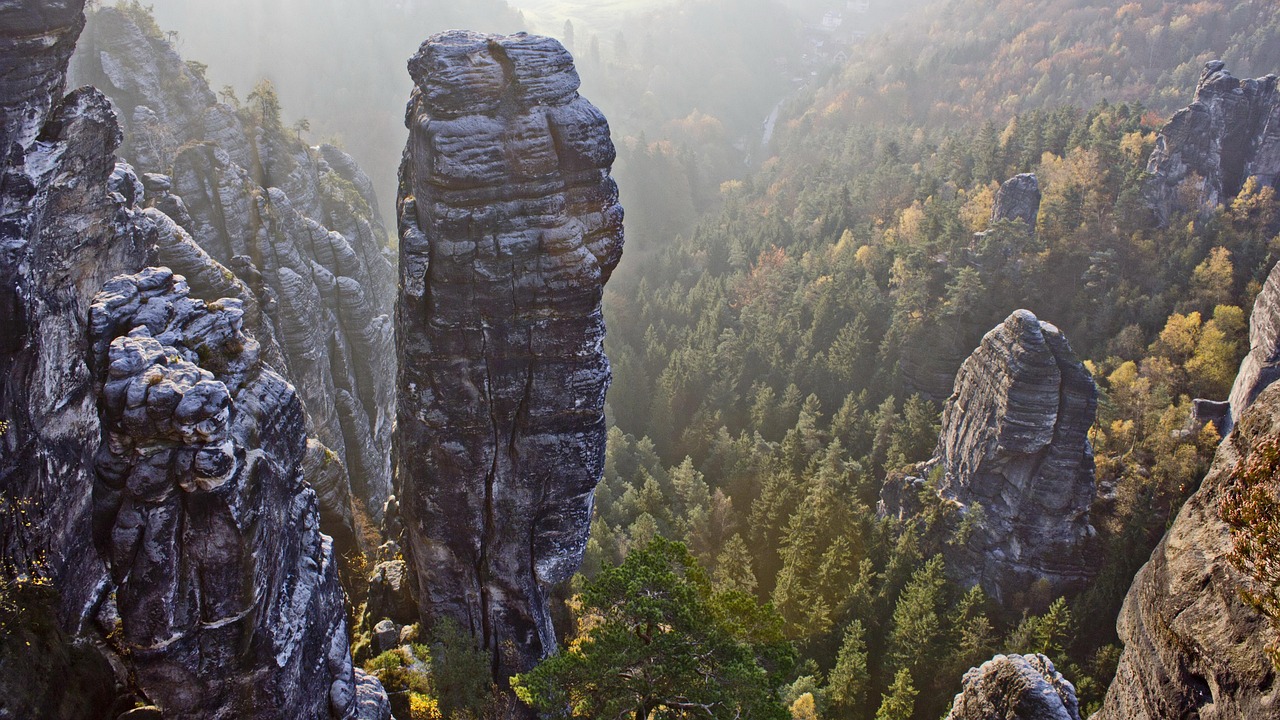
Yo, what’s up, fellow travelers and lore-seekers. Mia Kim here, and I’m about to drop a pin on a location that feels like it was ripped straight out of a final boss battle in a JRPG or a climactic scene from a fantasy anime. We’re talking about a place where the vibes are so ancient and powerful, you can practically hear the echoes of legendary clashes on the wind. Forget what you think you know about Kyoto—the serene temples, the bamboo forests, the whole zen garden aesthetic. We’re ditching the city and heading way out to the coast, to the wild, untamed Tango Peninsula. Here, on the edge of the Sea of Japan, stands a monolithic beast of a rock called Tate-iwa, and trust me, its backstory is absolutely lit. This isn’t just a pretty geological formation; it’s a jail. A supernatural prison holding a demon prince, sealed away by a legendary hero thousands of years ago. This is Kyotango’s Tate-iwa, a place where the earth tells a story, and that story is a straight-up epic. It’s a trip that recharges your soul and reminds you that Japan’s magic isn’t just in its meticulously crafted culture, but in its raw, myth-soaked landscapes. So, buckle up, because we’re about to dive deep into a legend that still breathes today. Peep the location below and let’s get this quest started.
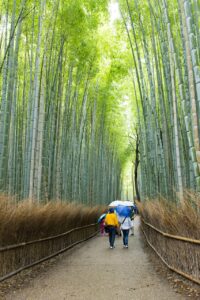
For a different kind of Kyoto magic, one that’s more serene than supernatural, consider a visit to the enchanting Arashiyama Bamboo Grove.
The Vibe Check: Crashing Waves and Ancient Rages
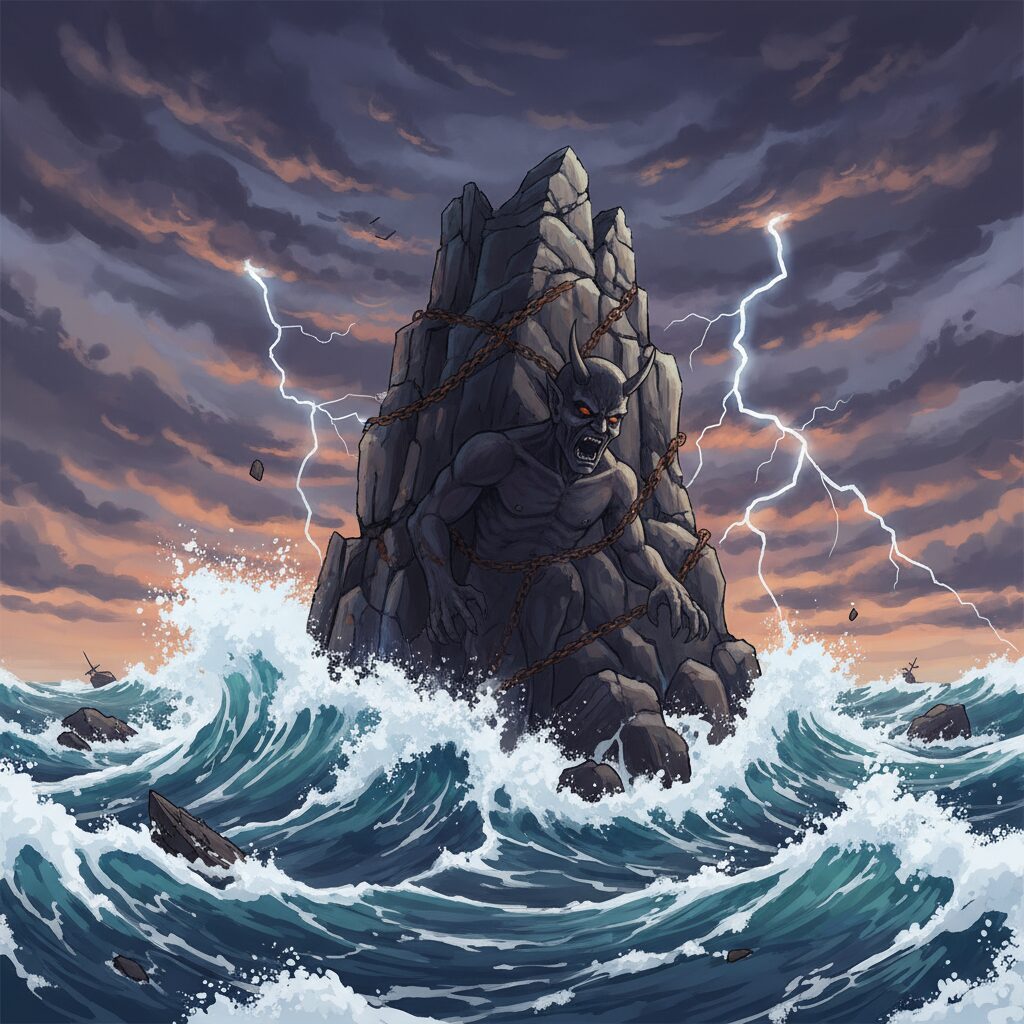
The first thing you need to grasp about Tate-iwa is the overwhelming presence of the place. The moment you step onto Hashiudo Beach, where this giant rock sentinel stands watch, the atmosphere feels completely different. It’s a full sensory assault. You hear it first: the relentless, rhythmic crash of the Sea of Japan. This isn’t just gentle waves; it’s a powerful, deep roar that pulses like the heartbeat of the planet. It’s the kind of sound that drowns out everything in your mind, pulling you fully into the present. Then you catch the scent—the crisp, salty freshness of sea spray, clean and sharp in your lungs. It’s a complete reset for your senses.
And then you see it. Tate-iwa. It rises from the coastline like a massive shield, which is exactly what its name means, “Shield Rock.” Standing 20 meters tall, it’s a sheer wall of dark, basaltic stone that looks as though it was carved by giants. The texture is wild—a chaotic pattern of hexagonal columns formed from cooling lava millions of years ago. It’s a dream for geology enthusiasts, but even if you can’t tell basalt from granite, the rock’s power is palpable. This stone has witnessed it all. It has endured countless typhoons, tsunamis, and the endless wrath of the northern sea. It’s a symbol of steadfastness in an ever-changing world.
The mood here shifts like a chameleon. On a bright summer day, with families splashing in turquoise waters and sunlight sparkling off the rock’s surface, it feels majestic and protective. Like a benevolent guardian watching over the beach. But come during a storm or at dusk in winter, and the atmosphere transforms completely. The sky turns moody gray, waves crash against the rock with monstrous force, and the wind howls. In those moments, Tate-iwa appears menacing, defiant, like a beast trapped within. That’s when the legend truly comes alive. You begin to believe something ancient and furious is imprisoned inside, its rage reverberating through the storm. Standing there, soaked by sea spray, you’re no longer just a visitor—you’re witnessing a primeval drama. It’s humbling, slightly frightening, and absolutely unforgettable. This is the wild side of Kyoto Prefecture, a raw, elemental force you won’t find amid the city’s carefully tended gardens.
The Main Quest: Unpacking the Legend of the Demon Prince
Alright, story time. The real essence of Tate-iwa isn’t its geology; it’s the epic legend that’s deeply embedded in its very soul. This isn’t some forgotten myth; it’s the living spirit of the place, the story that lends every crashing wave a profound meaning. The tale dates back to the Asuka period, around the 6th century. The hero here is Prince Maroko, younger brother of the legendary Prince Shotoku, one of the founding figures of the Japanese state. Prince Maroko was a formidable warrior prince, appointed by the emperor to embark on a demon-slaying mission across the provinces.
His main adversary? A fearsome oni, known as Shuten Doji in some legends, or Onimaro in local lore. This demon and its followers were wreaking havoc on the countryside, and it was Prince Maroko’s duty to end their reign of terror. So, the prince and his retainers set out for the Tango region. The battle that followed was nothing short of legendary. Picture swords clashing, divine powers unleashed—a true anime-level showdown. Armed with a sacred sword passed down from the gods, Prince Maroko confronted the demon right here on this coast.
After a fierce fight, the prince finally overcame the demon. But here’s the twist: this oni was too powerful to be killed by ordinary means. Its spirit was too malevolent to simply vanish. So, Prince Maroko resorted to a clever plan. Using the divine power of his sword and powerful Buddhist incantations, he sealed the demon’s soul inside a massive rock. The demon, however, didn’t surrender easily. In its last moments of freedom, it summoned an immense, impenetrable rock shield for protection—and at that very instant, the prince completed the seal, trapping the demon within the shield it had summoned. That shield is Tate-iwa.
Legend has it the demon still remains trapped inside. Local folklore insists that when the sea grows rough and waves smash violently against Tate-iwa, it’s the demon roaring in frustration, striving to break free from its eternal prison. Standing on that beach during a storm, feeling the ground shake with each impact, it’s easy to believe. This story transforms the landscape from a mere scenic coastline into a mythic battleground. The rock isn’t just stone; it’s a monument to a heroic deed and a prison for an ancient evil. This legend is deeply intertwined with the spirit of Kyotango. Children grow up hearing it, fishermen recount it, and it gives the people here a profound bond with their land. It’s a reminder that beneath modern Japan’s surface, these ancient, powerful tales are still very much alive.
More Than a Monolith: Exploring the San’in Kaigan Geopark
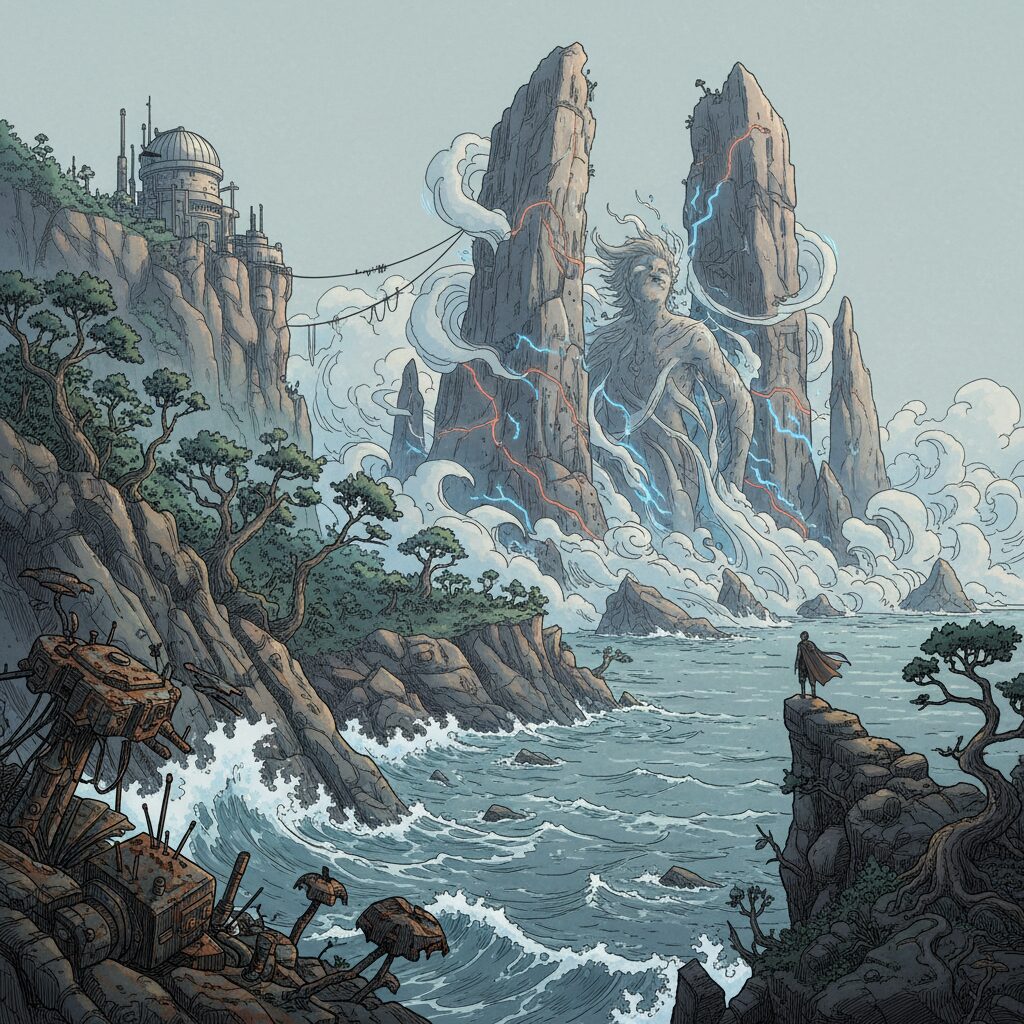
Tate-iwa might be the star attraction, but it’s actually part of a much larger and more spectacular creation: the San’in Kaigan UNESCO Global Geopark. Think of a geopark as a national park dedicated to geology. It’s a protected area celebrated for its remarkable landforms and the profound link between the earth, the ecosystem, and human culture. Stretching for miles along the Sea of Japan coastline, the San’in Kaigan Geopark is essentially a highlight reel showcasing the planet’s awe-inspiring creative power.
This entire region tells the tale of the Sea of Japan’s formation. Millions of years ago, volcanic activity here was intense. Magma rose from the Earth’s mantle and, as it cooled, formed these extraordinary rock structures. Tate-iwa, with its distinctive columnar joints, stands as a prime example of this volcanic heritage. Exploring the coastline around it is like walking through a geological museum crafted over millions of years.
So, after paying your respects to the imprisoned demon, be sure to explore the surrounding area. Renting a car is the best way to go, as the coastal drive along Route 178 is a spectacle in its own right. Just a short distance from Tate-iwa lies Byobuiwa, or “Folding Screen Rock.” This long, flat-topped cliff resembles a traditional Japanese folding screen sharply outlined against the ocean. Another stunning example of columnar jointing, it’s so precise it looks almost man-made.
Continuing along, you’ll find countless small coves, sea caves, and dramatic cliffs. The waters here are incredibly clear, varying in color from deep indigo to vibrant emerald green. It’s a paradise for photographers, drone enthusiasts, or anyone who simply wants to pull over and admire something beautiful. But the geopark is more than just a rock gallery. It’s about understanding how this extraordinary geology has shaped life in the area. The rugged coast created natural harbors, which helped Kyotango develop a rich fishing culture. The volcanic soil is fertile, supporting delicious local crops. And the dramatic landscapes inspired myths and legends, like that of Tate-iwa. Everything is intertwined. Exploring the geopark offers the full story. You see how the land, people, and legends form one grand, incredible narrative written in stone and sea.
The Kyotango Glow-Up: Leveling Up Your Trip
Alright, you’ve seen the rock, felt the vibes, and learned the lore. What comes next? Your journey in Kyotango is only beginning. This region is packed with side quests and chances to dive into the authentic local culture of coastal Japan. This is how you turn a quick sightseeing trip into a fully immersive adventure.
Beach and Temple Time
The beach right in front of Tate-iwa is called Hashiudo Beach, and during summer, it’s a true paradise. The sand is soft, the water clear and surprisingly warm, and the view is undeniably stunning. It’s an ideal spot for swimming, sunbathing, or simply relaxing. Since it’s located in a bay, the waves are usually gentle enough for everyone. Just beside the beach lies the Hashiudo Kannon-do Temple, a small, serene hall devoted to Kannon, the goddess of mercy. Stepping inside for a moment of calm after the ocean’s energy provides a beautiful contrast. It adds a spiritual dimension that links the Buddhist heroism of Prince Maroko’s legend to a place of modern-day worship.
A Foodie Mission for the Ages
If you visit Kyotango without indulging in the seafood, you’ve seriously missed out. This area is a culinary heavyweight, especially for catches from the Sea of Japan. The undisputed star is the Taiza-gani, or Taiza crab. This isn’t just any snow crab; it’s a specific, premium brand caught by small boats from the nearby Taiza port and tagged to certify its origin. Available only from November to March, eating it is almost a sacred experience. The meat is incredibly sweet and tender. Enjoy it as sashimi, grilled, or in a hot pot (nabe) at a local ryokan — a true bucket-list meal. Even if you’re not here during crab season, you’re still in for a treat. The local squid, yellowtail, and various shellfish are exceptionally fresh. Seek out a local restaurant or, better yet, stay at a minshuku (family-run inn) serving home-cooked dishes. This is the real Japan you won’t find in the big cities.
Onsen Break: Soak It All In
After a day spent exploring rocky shores and reflecting on ancient legends, there’s no better way to relax than slipping into a natural hot spring, an onsen. The Tango Peninsula boasts geothermal blessings, with several onsen spots and ryokans nearby. Soaking in the mineral-rich, steaming waters while overlooking the Sea of Japan is sheer bliss. It feels like you’re absorbing the landscape’s energy. It eases your muscles, calms your mind, and perfectly caps off a day of adventure. It’s an essential part of the Kyotango experience.
The Logistics Lowdown: Getting There and Getting Around
Kyotango isn’t a place you just happen to find. Situated on the northern coast of Kyoto Prefecture, reaching it is part of the experience. It takes some planning, but the reward is an authentic, crowd-free adventure.
Access Route: Heading North
If you’re traveling from a major city like Kyoto or Osaka, taking the train is your best option. Board a Limited Express train, such as the Hashidate, from Kyoto Station. This scenic route winds through mountains and valleys. You’ll arrive at stations like Amanohashidate or Miyazu, where you switch to the Kyoto Tango Railway, a charming private line that offers stunning coastal views as it circles the peninsula. Disembark at stations such as Amino or Mineyama. From there, Tate-iwa is still a bit of a hike, so you’ll need to catch a local bus or taxi—buses run infrequently, so planning ahead is essential.
In truth, renting a car is the best way to explore Kyotango and the San’in Kaigan Geopark. It gives you the freedom to stop at every scenic viewpoint, uncover hidden beaches, and travel at your own pace. Driving in rural Japan tends to be relaxed; roads are well-maintained and drivers courteous. Just be sure to have an International Driving Permit and feel comfortable driving on the left side of the road.
When to Visit
The best time to go depends on the atmosphere you want.
- Summer (July-August): Ideal for beach enthusiasts. The weather is hot and humid, the water perfect for swimming, and the area lively with a vacation vibe. It’s the busiest season, so expect more visitors.
- Winter (November-March): Perfect for food lovers and those seeking atmosphere. It’s Taiza crab season, attracting Japanese gourmets. The weather is cold, and the sea often wild and dramatic, with the coastline looking stunning under stormy skies. You’ll find the area mostly to yourself, with a deeply melancholic mood.
- Spring (April-May) and Autumn (October-November): These seasons offer mild, comfortable weather, great for driving, hiking, and exploring. Spring brings cherry blossoms to the mountains, and autumn paints the landscape in vibrant fall colors. It’s less crowded than summer and much more pleasant than winter.
Where to Stay
To fully appreciate the local culture, stay in Kyotango. Accommodations range from luxurious ryokans with private onsen and elaborate kaiseki dinners to more modest, cozy minshuku, which I personally prefer. Staying at a minshuku often means living with a local family. Meals are home-cooked and hospitality warm and genuine, offering the best way to experience life in rural Japan.
Mia’s Pro-Tips for Your Kyotango Saga
Alright, you have the plan. Now here are a few additional tips from me to you to ensure your trip is absolutely legendary.
- Chase the Sunset: I can’t emphasize this enough. The sunset at Tate-iwa is a truly spiritual experience. The way the sky bursts into color behind the dark silhouette of the rock is something no camera can fully capture. It will become a core memory, I promise. Arrive early, find a good spot, and simply enjoy the show.
- Talk to the Locals: Even if your Japanese is limited, a smile and a simple “Konnichiwa” can work wonders. The people of Kyotango are proud of their hometown. An old fisherman at the port or the grandma running a small shop might share stories or tips you won’t find in any guidebook.
- Footwear Matters: This is not the place for flimsy shoes. You’ll be on sandy beaches, but you’ll also likely be scrambling over volcanic rocks to reach the best viewpoints. Wear sturdy sneakers or walking shoes. Your ankles will thank you.
- Cash Is King: While Japan is becoming more card-friendly, in remote rural areas like this, cash remains the preferred—and sometimes only—method of payment at small inns, restaurants, and shops. Be sure to withdraw cash from an ATM in a larger town before heading to the coast.
- Master the Bus Schedule: If you’re relying on public transport, treat the bus timetable like sacred scripture. Take a photo, download the PDF, do whatever it takes. Buses may run as infrequently as once an hour or less. Missing one can seriously disrupt your plans.
- Embrace the Pace: This is slow travel. Things aren’t always convenient. Trains are far less frequent than in Tokyo. That’s the point. The journey, the waiting, the slight inconvenience—it all helps keep places like Kyotango so special and unspoiled. Lean into it. Relax. You’re now on coastal time.
The Final Scene: Why This Rock Is an Absolute Legend
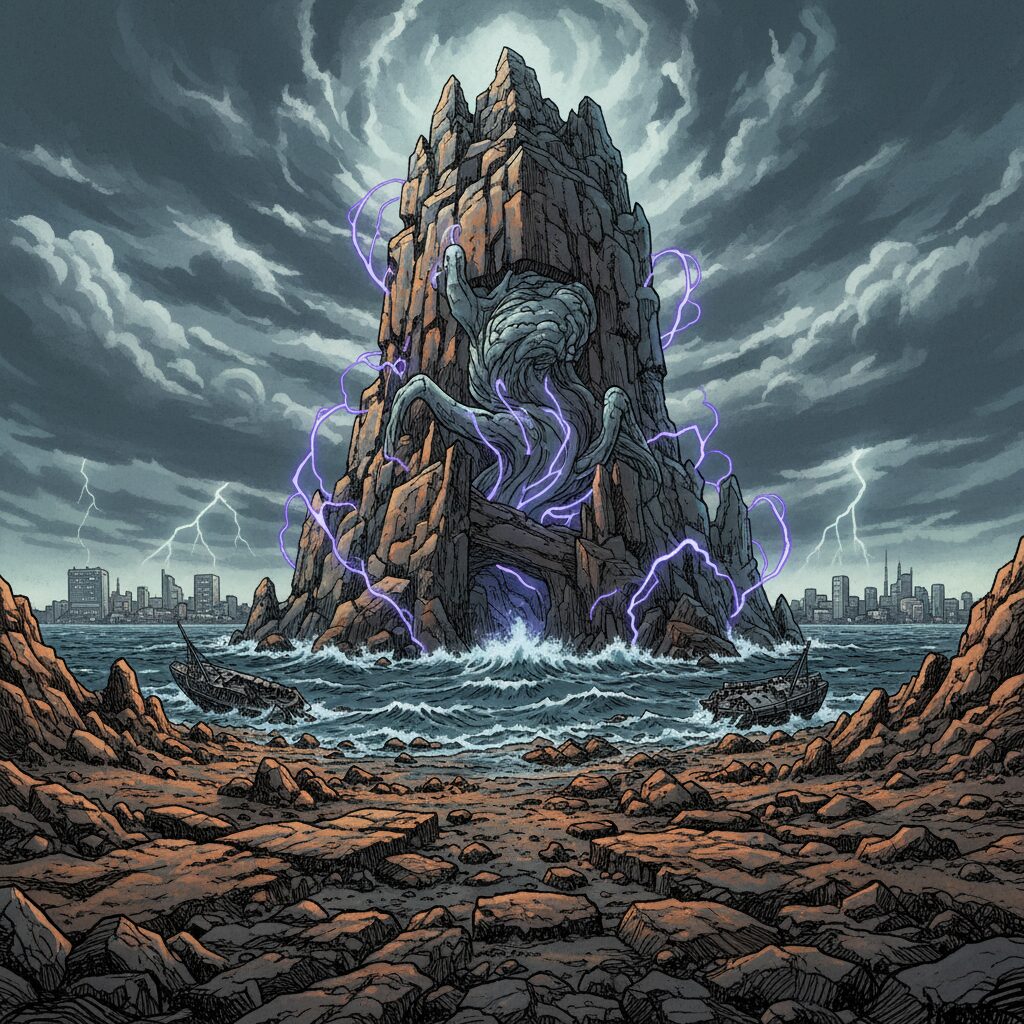
So, what’s the final takeaway? Tate-iwa is more than just a large rock on a beautiful beach. It’s a portal—a gateway to the deep, mythical core of Japan that often gets overlooked amid the rush to visit famous temples and neon-lit cities. It’s a place where you can physically touch a legend, where a fantastic tale of gods and demons feels tangible, grounded by 20 meters of solid basalt.
Visiting Kyotango and standing before Tate-iwa serves as a reminder that some of the most powerful travel experiences lie off the beaten path. It’s about more than merely seeing; it’s about feeling. It’s feeling the spray of the Sea of Japan on your face, hearing a roar that might just be an ancient demon, and realizing that the landscape itself is the greatest storyteller of all. It’s a place that connects you to the raw, elemental forces that have shaped not only Japan’s coastline but its culture and soul. So go. Go listen to the stories the waves are telling. Go feel the weight of a myth brought to life in stone. Go discover the wild, legendary Japan waiting for you on Kyotango’s coast.