A New Era of Tourism for a Storied Island
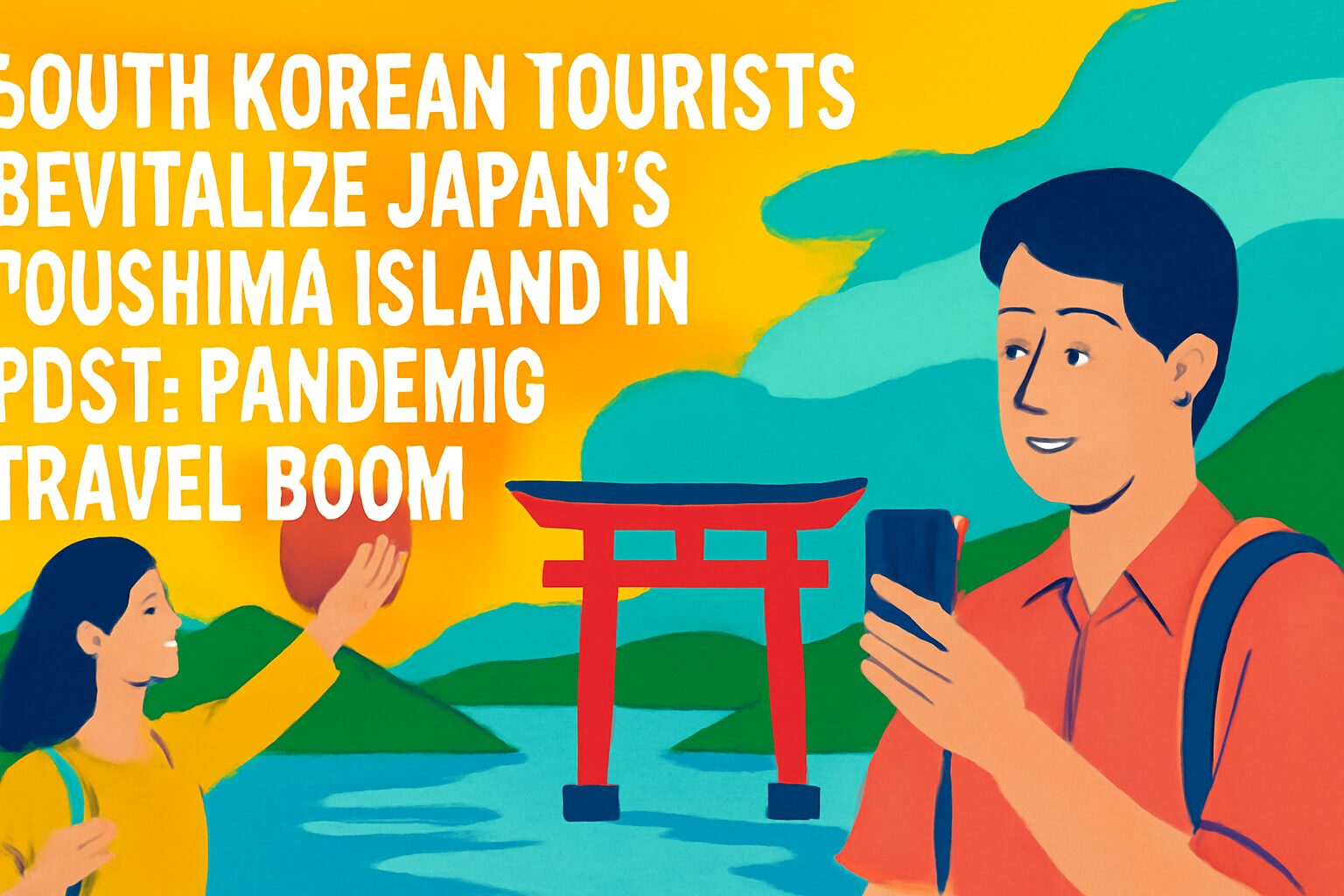
The Japanese island of Tsushima, strategically nestled in the strait between Japan and South Korea, is currently witnessing an unprecedented tourism renaissance. A massive influx of South Korean visitors is breathing new life into the island’s economy, showcasing a powerful example of post-pandemic travel recovery and strengthening cross-border ties. This trend not only highlights a significant shift in regional travel patterns but also offers a promising blueprint for economic cooperation driven by tourism.
The Driving Forces: Proximity, Affordability, and Renewed Connections
Several key factors are fueling this remarkable surge in tourism.
Geographical Advantage
Tsushima’s most compelling draw for South Korean tourists is its sheer proximity. The island is located just 50 kilometers from the South Korean mainland city of Busan. High-speed ferries connect the two in just over an hour, making Tsushima an easily accessible and attractive destination for a short getaway, often more convenient than domestic travel within South Korea itself.
Favorable Economics
The current weakness of the Japanese yen against the Korean won has made Japan an exceptionally affordable travel destination. South Korean visitors find that their money goes further in Tsushima, allowing them to enjoy shopping, dining, and activities at a fraction of the cost back home. This economic incentive is a major catalyst for the boom.
A Return to Normalcy
The lifting of COVID-19 travel restrictions and the full resumption of ferry services have been pivotal. Before the pandemic and a period of strained diplomatic relations starting in 2019, Tsushima was a popular destination for Koreans. The current trend represents a powerful rebound, with travelers eager to rediscover the island’s charms.
By the Numbers: A Remarkable Recovery
The data paints a clear picture of this dramatic turnaround. According to official data from Tsushima City, the number of South Korean visitors plummeted to near zero during the pandemic. However, following the resumption of sea routes, the numbers have soared.
In 2023, the island welcomed approximately 283,000 visitors from South Korea. While this is still below the peak of over 410,000 recorded in 2018, it marks a phenomenal recovery and demonstrates a robust and growing demand. Local businesses, from duty-free shops and restaurants to hotels and taxi services, are reporting a significant increase in revenue, directly attributable to this influx.
Economic Impact and Future Outlook
The economic benefits for Tsushima are undeniable. As a remote island with a limited industrial base, tourism is a vital lifeline. The spending by South Korean visitors supports local employment, encourages new business ventures, and contributes to the maintenance of public infrastructure. The streets of Izuhara, the island’s main town, are once again bustling with Korean-speaking tourists, and many local establishments now feature Korean-language signs and menus to cater to their primary clientele.
Looking Ahead: Opportunities and Challenges
This tourism boom is expected to continue in the near future, driven by the ongoing favorable exchange rate and the island’s unique appeal. Tsushima’s success could serve as a model for other regional Japanese destinations seeking to attract inbound tourism from neighboring countries.
However, this rapid growth also presents potential challenges.
- Sustainability: The island must manage the influx of visitors to avoid overtourism, which could strain local resources and impact the natural environment that makes Tsushima so attractive.
- Economic Diversification: While the current boom is welcome, over-reliance on a single tourist market carries risks. Future diplomatic shifts or economic changes could impact visitor numbers, highlighting the need for long-term strategies to attract a more diverse range of tourists.
- Infrastructure: Local infrastructure, including public transportation and accommodation capacity, will need to adapt and potentially expand to comfortably handle the growing number of visitors.
A Bridge Between Nations
Ultimately, the revival of tourism in Tsushima is more than just an economic story. It is a positive testament to the power of travel in fostering cultural exchange and mutual understanding at a grassroots level. As visitors from South Korea explore Tsushima’s beautiful landscapes and rich history, they are building a bridge of friendship and cooperation, demonstrating that shared interests can thrive and create mutual prosperity.