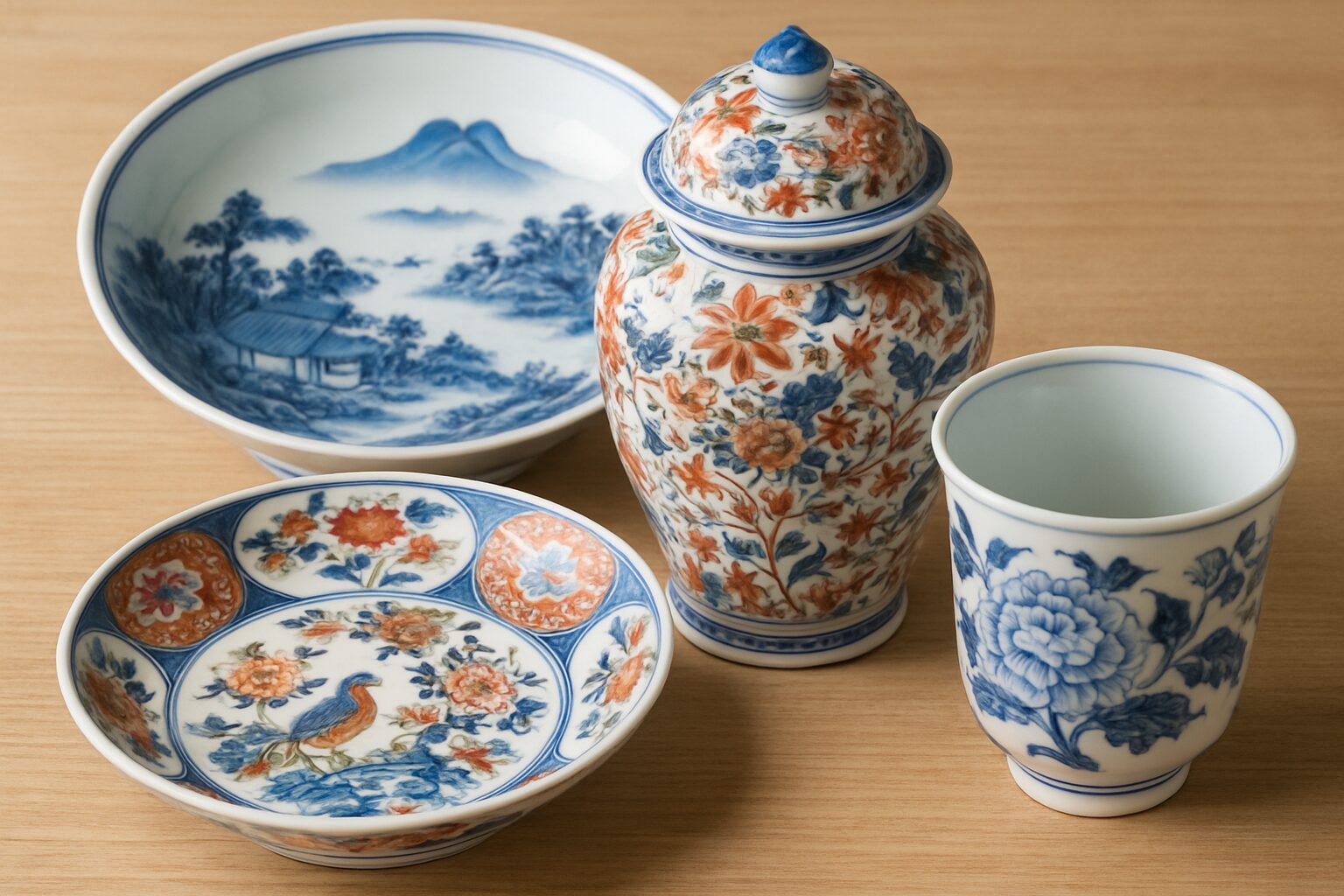
What’s up, world travelers? It’s your boy Hiroshi, coming at you straight from the heart of Kyushu. Today, we’re time-traveling. Not with a slick machine, but with our hands, our eyes, and a bit of soul. We’re diving deep into the world of Japanese porcelain, a story that’s been firing up for over 400 years. This ain’t just about pretty plates and fancy teacups you keep locked in a cabinet. Nah, this is a story about a single discovery that reshaped a nation’s culture, rocked the global art market, and created entire towns where the very air hums with the spirit of craftsmanship. We’re heading to Saga Prefecture, a place that might not be on your standard Tokyo-Kyoto-Osaka travel itinerary, but trust me, it’s a whole mood. This is the epicenter, the ground zero for Japanese porcelain, where a specific type of white stone, kaolin, was found, kickstarting a legacy of “white gold” that would captivate European royalty and define an aesthetic of perfection. Forget what you think you know about pottery. We’re about to explore quiet valleys where secret kilns once hid their techniques from the world, walk through a quarry that looks like a surrealist painting, and maybe even get our hands dirty creating our own masterpiece. This is a journey into the heart of monozukuri—the Japanese spirit of making things—and it’s a vibe that’s absolutely immaculate. Ready to get fired up? Bet. Let’s roll into the porcelain capital of Japan.
To fully appreciate the cultural and economic impact of Saga’s porcelain, it’s worth exploring how other sectors, like the Japanese hotel industry, are also evolving with new challenges and innovations.
The Spark: How a Mountain Became a Movement

To truly understand the story, we need to go back to the early 17th century. The year is 1616. Japan is well into the Edo period, an era of relative peace under the Tokugawa shogunate. Yet, in the quiet hills of western Kyushu, something revolutionary is unfolding. The tale centers on a man named Ri Sampei, a Korean potter brought to Japan after military campaigns on the Korean peninsula. At that time, Japan was renowned for its earthy, rustic stoneware—such as Karatsu-yaki, with its warm, wabi-sabi charm. While beautiful, the elite were obsessed with the pristine, translucent white porcelain imported from China. It was extraordinarily expensive and a true status symbol. The local lords, especially the powerful Nabeshima clan ruling the region, realized that cracking the secret to producing their own porcelain could change the economic landscape dramatically.
For years, potters searched for the right material. They knew a special kind of clay was essential, but it proved elusive. Then, Ri Sampei, trekking through the mountains of Arita, discovered it. At the Izumiyama quarry, he found a vast deposit of kaolin, the critical ingredient for authentic hard-paste porcelain. This wasn’t just any clay; it was a treasure trove—pure, white, and perfect. The find was like striking gold—literally. This white stone became known as “white gold,” and the Izumiyama quarry marked the birthplace of all Japanese porcelain. Kilns were quickly established, transforming the once quiet mountain town of Arita into a bustling industrial hub. The technology was in place, the raw material plentiful, and ambition boundless. Arita was poised to put itself on the world map.
At first, styles closely mirrored Chinese porcelain, especially the blue-and-white designs. But Japanese craftsmen, true to their nature, didn’t simply copy. They innovated—absorbing, adapting, and perfecting the art. Soon, distinctly Japanese styles emerged. One major advancement was overglaze enamel painting, which introduced a vibrant palette of colors including red, green, yellow, blue, and gold. This led to the development of iconic styles like Kakiemon, celebrated for its milky-white body (nigoshide) and delicate, painterly motifs, and Nabeshima ware, an ultra-premium product made solely for the ruling class, never sold publicly, renowned for its technical mastery and refined designs.
Then, history gave Arita a tremendous boost. In the mid-17th century, political upheaval in China disrupted its porcelain industry. European traders, chiefly the Dutch East India Company (VOC), who held exclusive trading rights with Japan via Nagasaki, urgently sought a new supply. Their eyes turned to Arita. Suddenly, this remote mountain town was producing massive orders for European aristocrats and royalty. The porcelain was shipped from the nearby port of Imari, which is why, for centuries, Arita ware was known in the West simply as “Imari.” The name endured, and even today, the term describes the lavish, intricately decorated porcelain featuring the characteristic blue, red, and gold palette made for export. The scale was staggering. Hundreds of thousands of pieces were sent to Europe, shaping tastes, inspiring local factories like Germany’s Meissen, and becoming prized treasures in the grandest European homes. Arita wasn’t just crafting ceramics; it was exporting culture worldwide.
The Arita Vibe: Walking Through a Living Museum
Visiting Arita today is an experience that distorts your sense of time. It’s not a city filled with grand monuments but a town where history is embedded in the very walls. The best way to soak up the atmosphere is to take a leisurely stroll through the Uchiyama district, the historic core of Arita. The streets are lined with traditional merchant houses and pottery workshops, many of which have been owned by the same families for generations. You’ll notice towering brick chimneys rising behind tiled roofs, silent witnesses to a fiery industry. Though not all are still in use, they remain as reminders of the town’s heritage.
Yet, the true magic of Arita lies in the details. Look closely at the walls along the backstreets. These are known as tonbai walls, constructed from a mix of discarded kiln tools, broken porcelain fragments, and reddish clay. They form a beautiful, accidental mosaic of the town’s industrial past. Each wall is a unique sculpture—a physical record of centuries of trial and error, of masterpieces and mishaps. Running your hand over the smooth, broken shards set in the rough clay feels like touching history itself. It’s a form of upcycling dating back 400 years, with a deeply profound aesthetic.
The atmosphere here hums with quiet dedication. You’ll hear the gentle clinking of porcelain wind chimes, their clear, high-pitched tones fluttering on the breeze. You might catch the low whirr of a potter’s wheel from an open doorway or the distant roar of a modern gas-fired kiln. This is a town that works. It’s not a perfectly preserved museum; it’s a community of artisans still pushing the boundaries of their craft. There is a strong respect for tradition, but also a wave of younger artists bringing fresh, contemporary energy to ancient techniques. This blend of old and new is what makes Arita feel so vibrant. You can enter a shop that looks unchanged for a century and find minimalist, modern designs displayed alongside classic blue-and-white patterns. The whole town is a gallery, and the ticket is simply a willingness to wander and stay curious.
The Porcelain Pilgrim’s Path: What to See and Do in Arita
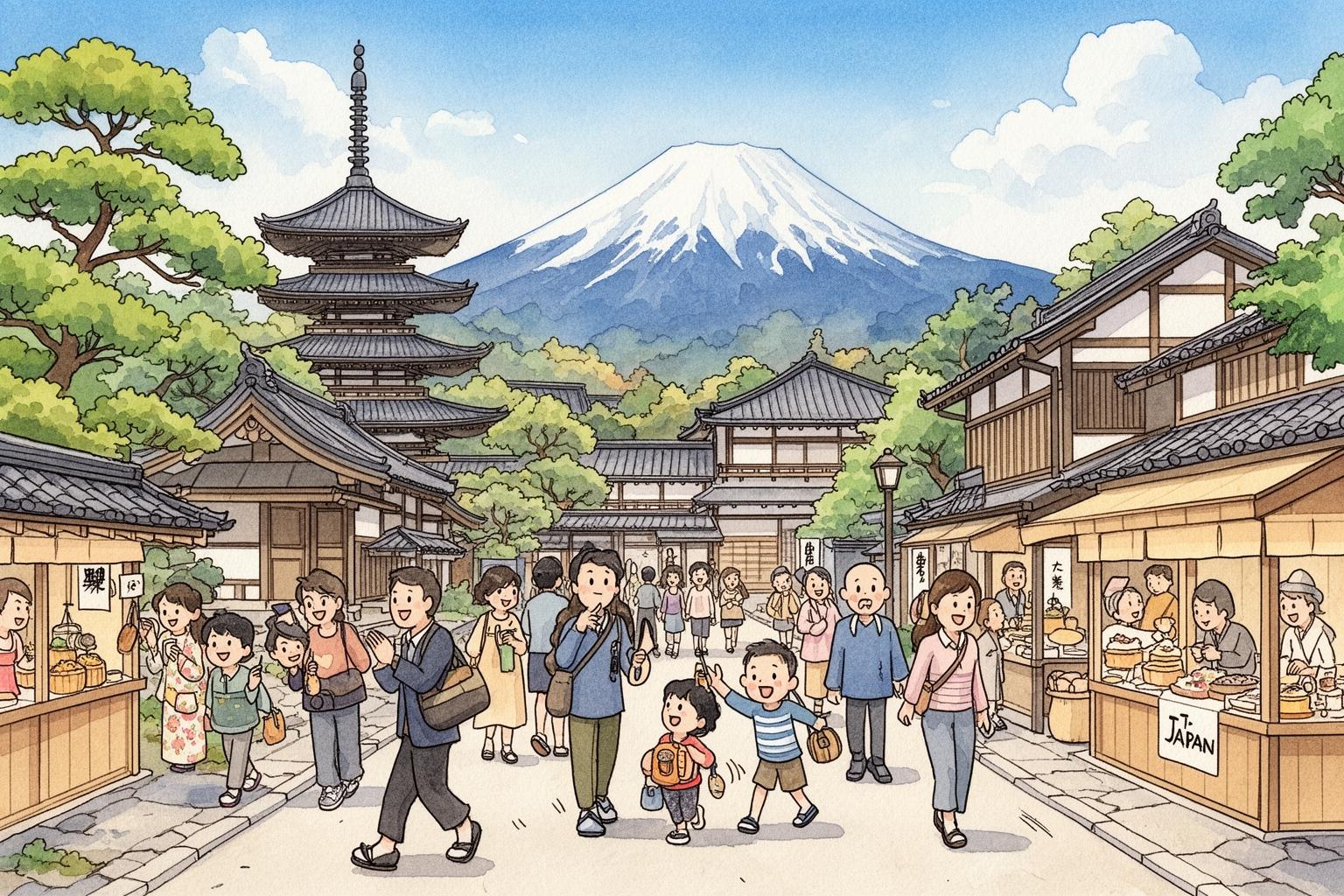
Arita is filled with sites that each tell a part of its story. You could easily spend days absorbing everything, but if you’re on a mission, there are several places you simply must see.
Izumiyama Quarry: The Starting Point
This is where it all began. Visiting Izumiyama Quarry feels less like a historical tour and more like stepping onto another planet. For nearly 400 years, this whole mountain was quarried for its porcelain stone, leaving behind a jagged, white and grey landscape that is strikingly stark and beautiful. It’s vast and eerily silent—a massive amphitheater shaped by human hands in pursuit of perfection. Standing there, you can almost sense the energy and ambition required to transform these rocks into delicate works of art. It’s a profound place for reflection, a raw, elemental contrast to the refined beauty of the finished pieces. It’s a bit of a walk from the town center, but absolutely worth it to connect with the very heart of Arita.
Tozan Shrine: Where Craft Meets the Divine
Only in Japan would you find a shrine dedicated to the god of pottery. Tozan Shrine is a serene and beautiful spot perched on a hillside overlooking the town, with one truly unique feature: a torii gate made entirely of porcelain. It’s stunning. The crisp white porcelain, decorated with subtle blue designs, contrasts beautifully with the lush green trees around it. The shrine also features porcelain lanterns, guardian dogs, and water basins. It showcases how deeply pottery is woven into the spiritual and cultural life of the town. While the shrine honors Emperor Ojin, as many do, it also enshrines Ri Sampei, the Korean potter who discovered kaolin. Elevating a craftsman to the status of a deity speaks volumes about the community’s respect for monozukuri. It’s a quietly powerful place.
The Kyushu Ceramic Museum: Deepen Your Knowledge
For an in-depth look at the art, history, and techniques, the Kyushu Ceramic Museum is a must. This world-class museum doesn’t focus solely on Arita but covers the ceramic traditions of the entire Kyushu island. The collections here are impressive, especially the Shibata Collection—a stunning assembly of Edo-period Arita porcelain made for export. Seeing the wide variety and quality—the vibrant Kakiemon, the lavish Imari, the refined Nabeshima—all in one place gives you invaluable context for everything you’ll see around town. It helps you understand styles, recognize motifs, and appreciate the extraordinary skill involved. Exhibits on modern ceramicists demonstrate how the tradition continues to evolve. It’s an essential stop to elevate your porcelain appreciation from casual interest to enthusiast level.
Gen-emon Kiln and Other Living Workshops
While museums are excellent, nothing compares to witnessing the craft in action. Several historic kilns in Arita remain operational and welcome visitors. Gen-emon Kiln is among the most famous, renowned for its exquisite traditional ko-Imari (Old Imari) style. Touring here is a fully immersive experience. You’ll observe artisans, many honing their craft for decades, working with intense concentration. Rows of unfired pottery, pale and fragile, await their transformation. You’ll feel the heat radiating from the massive climbing kiln, a traditional wood-fired noborigama. It’s a privilege to witness this uninterrupted lineage of knowledge passed down through generations. Many workshops also offer hands-on sessions where you can try painting your own porcelain piece. It’s much harder than it looks and gives you newfound respect for the masters.
Arita Sera: The Shopper’s Haven
If shopping is your goal, Arita Sera is paradise. This expansive, modern complex is just a short drive from the historic town center and houses over 20 shops and wholesalers. Here you’ll find everything from high-end art pieces to everyday tableware at reasonable prices. The sheer scale is overwhelming—in the best way. You can spend hours browsing, picking up pieces, feeling their weight, and admiring their glaze. It’s a wonderful place to experience the incredible diversity of modern Arita ware. Whether you seek a priceless vase or a set of charming chopstick rests, you’ll find it here. Pro tip: even if you’re not buying, it’s a fantastic place to see what’s currently being produced.
The Arita Ceramics Fair: The Pottery Super Bowl
If you can visit during Golden Week (late April to early May), you’re in for an unforgettable experience. This is when the Arita Ceramics Fair takes center stage, and the town bursts to life. For one week, the main street—which stretches several kilometers—becomes a pedestrian-only market lined with hundreds of stalls. Over a million visitors descend on this small town to hunt for bargains, discover new artists, and geek out over pottery. The energy is electric. You’ll see collectors with rolling suitcases, families on day trips, and international buyers mingling side by side. It’s a treasure hunt of epic scale. You’ll find incredible deals on slightly imperfect pieces, chat directly with potters, and enjoy fantastic street food. It’s crowded and chaotic, but also one of the most authentic and thrilling cultural experiences in Japan. For ceramic lovers, it’s a true pilgrimage.
Beyond Arita: The Porcelain Triangle
While Arita is the centerpiece, the story of Japanese porcelain spreads across its neighboring towns, forming a “porcelain triangle” that offers a delightful journey. Each location has its unique character and specialty.
Imari and the Secret Village of Okawachiyama
Imari, the port city that gave Arita ware its international acclaim, boasts its own proud ceramic heritage. The true treasure here is Okawachiyama, the “Village of the Secret Kilns.” Hidden in a narrow, misty valley, this village seems like something from a fairy tale. During the Edo period, it was the exclusive territory of the Nabeshima clan, who relocated their best potters there, isolating them from outsiders to protect the secret techniques used to craft the flawless Nabeshima ware for the shogun and other feudal lords. The level of control was strict—checkpoints, guards, no entry or exit without permission. Today, that isolation has preserved a remarkable atmosphere. Walking along the steep, cobbled streets, you are surrounded by the sound of the rushing river and pottery everywhere. The bridge is adorned with porcelain, the walls are embedded with ceramic shards, and about 30 kilns remain active. It feels more intimate and mysterious than Arita, a hidden realm where the quest for perfection was a well-guarded secret. The ambiance is quiet, reflective, and utterly enchanting.
Karatsu: The Earthy Counterpart
A short trip from Arita leads to Karatsu, home to an older and very different ceramic tradition. While Arita is known for pristine precision and vibrant colors, Karatsu embodies earthy, understated, and robust beauty. Karatsu-yaki is a type of stoneware rather than porcelain. It is recognized for its simple, strong shapes and its connection to the Japanese tea ceremony. The famous saying, “First Raku, second Hagi, third Karatsu,” places it among the most revered tea wares. The glazes are muted—iron-based browns and blacks, feldspar whites that craze and crackle with use. Karatsu bowls are meant to be used, to be held, and to develop a patina over time. Visiting Karatsu after Arita offers a wonderful perspective on the diversity of Japanese ceramics. It reminds us that beauty lies not just in flawlessness but also in imperfection, in the humble and handmade. It is the wabi-sabi to Arita’s yang.
A Practical Guide for Your Porcelain Journey
Ready to pack your bags? Here are some tips to help make your trip smooth and rewarding.
Getting There and Around
The easiest way to get to the Arita-Imari region is from Fukuoka, Kyushu’s largest city. From Hakata Station in Fukuoka, take the JR Midori Limited Express train and transfer at Haiki to the JR Sasebo Line headed for Arita Station. The entire journey takes about 90 minutes to two hours. Once in Arita, the main historic area can be explored on foot, but the town is fairly spread out. Renting a bicycle near the station is an excellent choice. To venture further, such as to Okawachiyama and Karatsu, renting a car is highly recommended. It allows you the freedom to explore winding mountain roads and discover smaller, hidden kilns at your own pace.
Best Time to Visit
Spring (March–May) is wonderful. The weather is pleasant, and the huge Arita Ceramics Fair takes place at the end of April. It’s the busiest season, so make sure to book accommodation well in advance. Autumn (October–November) is another ideal time. The weather is crisp and clear, autumn foliage colors the surrounding mountains beautifully, and many towns host smaller, more relaxed fall kiln festivals. Summer tends to be hot and humid, while winter is quiet and cold, though the snowy scenery can be stunning.
Local Tips for the Savvy Traveler
When shopping for porcelain, don’t hesitate to pick up items. Feel their weight, check the balance, and turn them over to examine the base, or kodai. This is often where the maker’s mark is found, and its quality can reveal a lot about the piece. If you visit a workshop or smaller shop, try to engage with the artist. Even with a language barrier, a smile and a gesture go a long way. Artists are passionate about their work and usually happy to share.
When packing your purchases, ask the shop to wrap them for travel. They are skilled at this, cushioning your items in layers of newspaper or bubble wrap to protect them in your suitcase. For especially valuable pieces, consider shipping them home directly from the shop or a local post office.
And don’t forget to eat! Saga is a gourmet prefecture. Seek out restaurants serving Saga beef, one of Japan’s top wagyu brands. Also, try Godofu, a local specialty from Arita. It’s a creamy, savory pudding made from kudzu starch, soy milk, and sesame — a unique and delicious local treat.
The Enduring Glow of White Gold
A journey to the porcelain towns of Saga is more than just a visit to admire pottery. It’s a profound connection to a narrative that spans centuries and continents. It tells of art, technology, trade, and the unwavering dedication of generations of artisans. To hold a piece of Arita ware is to grasp a fragment of that history. You feel the cool, smooth perfection of the glaze, observe the incredible precision of the brushstrokes, and realize that this item represents 400 years of accumulated knowledge and passion.
In a world dominated by mass production and disposable goods, there is something deeply grounding and inspiring about a place like Arita, where the pursuit of beauty and quality shapes life itself. It serves as a reminder that true craftsmanship possesses a soul. This legacy continues to be fired in the kilns today, a white flame glowing brightly after four centuries. So come and experience it yourself. Come and sense the history within the walls, meet the masters in their workshops, and discover that one special piece that speaks to you. It’s a story you will not forget.