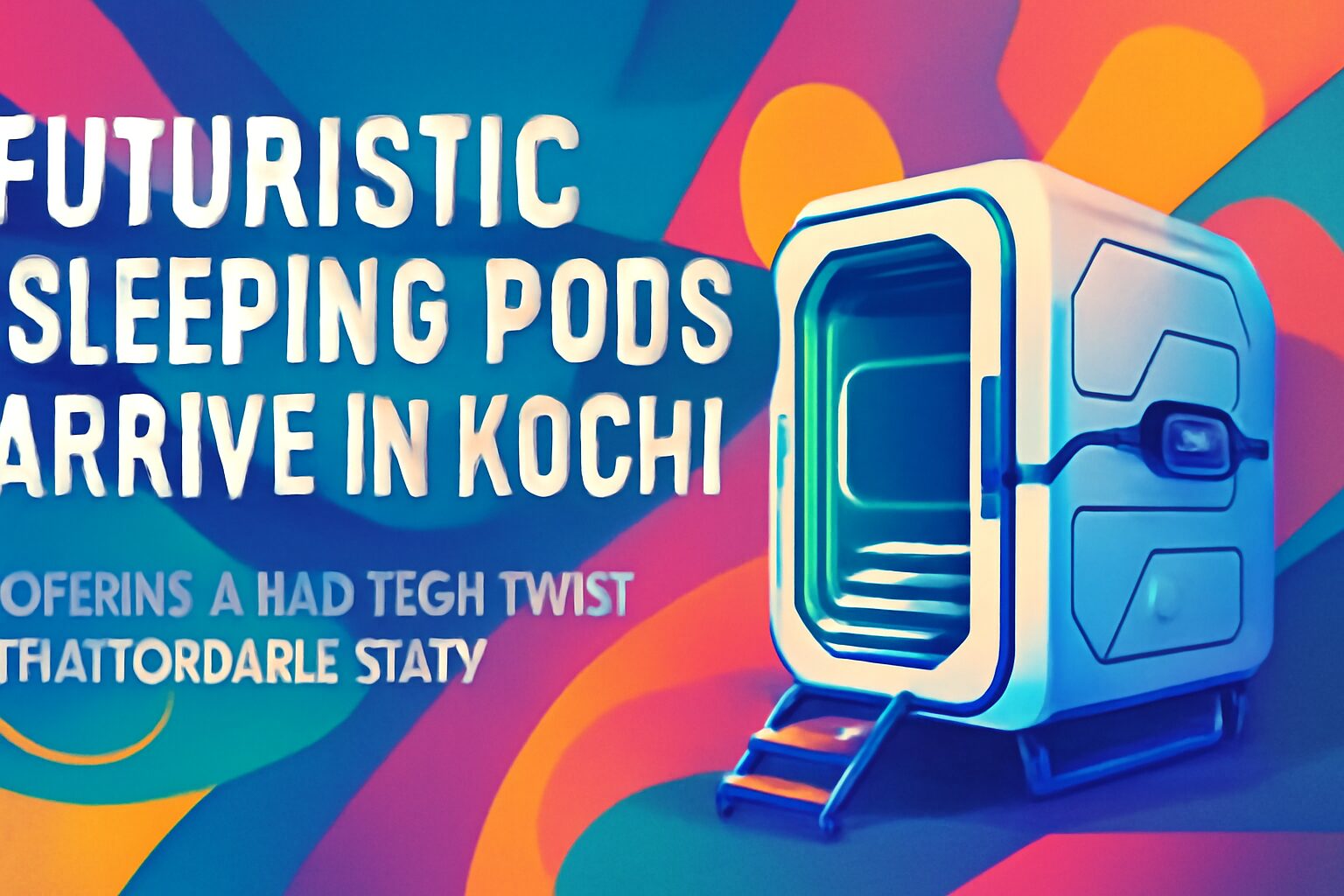
A new wave of travel accommodation has landed in Kochi City on the island of Shikoku. Inspired by Japan’s iconic capsule hotels, these futuristic ‘sleeping pods’ offer a blend of high-tech convenience, privacy, and affordability, signaling a modern evolution in micro-lodging for a new generation of travelers.
The Evolution of Japan’s Capsule Concept
To understand the significance of these new pods, it’s essential to look back at their origins. The world’s first capsule hotel, the Capsule Inn Osaka, opened in 1979, designed by renowned architect Kisho Kurokawa. Initially, these compact units were conceived as a practical, no-frills solution for Japanese “salarymen” who had missed the last train home after a long day of work and evening drinks.
Over the decades, the concept has shed its purely utilitarian image. Capsule hotels have transformed into stylish, comfortable, and increasingly popular options for budget-conscious international tourists and domestic travelers alike. Modern iterations often feature enhanced amenities, women-only floors, and sophisticated design, moving far beyond their humble beginnings. The arrival of these high-tech pods in a regional city like Kochi represents the next chapter in this uniquely Japanese innovation.
A Look Inside Kochi’s High-Tech Pods
These new sleeping pods are more than just a place to rest; they are self-contained personal spaces engineered for the modern traveler. While traditional capsules focused on maximizing occupancy, these new units prioritize individual comfort and digital connectivity.
Key Features Include:
- Enhanced Privacy and Security: Each pod is a fully enclosed unit, accessible via a smart card entry system, ensuring guests and their belongings are secure. The design also provides superior sound insulation compared to older models.
- Personalized Environment: Travelers can control their own environment with individual air-conditioning vents and adjustable ambient lighting, creating a personalized atmosphere for relaxation or work.
- Digital-Native Amenities: Recognizing the needs of today’s connected traveler, every pod comes equipped with multiple USB charging ports and free, high-speed Wi-Fi access.
Boosting Tourism and Infrastructure in Shikoku
The introduction of these sleeping pods is a strategic move for Kochi and the wider Shikoku region. By expanding the range of affordable lodging, the city can attract a broader demographic of visitors, including young backpackers, solo travelers, and digital nomads who might have previously been deterred by higher accommodation costs.
This development is particularly timely as Japan’s tourism sector continues its post-pandemic recovery. Before 2020, the Shikoku region was steadily gaining popularity among international visitors. In 2019, the four prefectures of Shikoku recorded a combined total of over 860,000 overnight stays by foreign tourists. High-quality, budget-friendly accommodations like these pods are crucial infrastructure for supporting the region’s goal to rebuild and exceed those numbers.
Furthermore, Kochi is a key destination on the famous Shikoku Pilgrimage, an ancient 1,200-kilometer route visiting 88 temples. These pods offer a modern, comfortable, and cost-effective resting place for pilgrims undertaking this long journey.
The Future of Micro-Accommodation
The Kochi sleeping pods are a clear indicator of the future direction of compact travel lodging. We can expect this trend to accelerate, with several key developments on the horizon:
- Deeper Tech Integration: Future pods may incorporate IoT (Internet of Things) technology, allowing guests to control everything from lighting and temperature to entertainment systems via their smartphones.
- Expansion to New Locations: While popular in major metropolitan areas, this launch in a regional capital like Kochi shows the potential for expansion into smaller cities, transport hubs like airports and train stations, and even temporary installations at major events.
- Focus on Sustainability: Their small footprint and efficient use of energy make pod hotels an inherently sustainable model. This aspect will likely become a stronger marketing point as travelers become more environmentally conscious.
In conclusion, the arrival of these futuristic sleeping pods in Kochi is more than just a new place to stay. It represents the fusion of a classic Japanese concept with cutting-edge technology, enhancing the region’s appeal and setting a new standard for affordable, efficient, and comfortable travel.