Alright, let’s talk about a side of Japan you won’t find in the glossy travel brochures. We’re going beyond the serene temples and the futuristic cityscapes. We’re peeling back the layers of time, stepping off the neon-drenched streets of modern Tokyo or Osaka, and pushing open a door that leads straight back to the 1980s. I’m talking about the Showa-era snack bar, or sunakku (スナック) as they’re known here. This isn’t just a bar; it’s a living room, a community hall, and a time machine all rolled into one smoky, whisky-scented, karaoke-fuelled package. It’s a total mood, a low-key portal to the heart and soul of Japanese neighbourhood culture, a place where the ghosts of bubble-era salarymen and the echoes of heart-wrenching enka ballads still hang in the air. Forget everything you think you know about Japanese nightlife. This is where the real magic happens, where strangers become friends over a shared bottle and a badly sung ’80s power ballad. It’s an experience that’s equal parts intimidating and utterly enchanting, and I’m here to give you the lowdown on how to find and fall in love with these incredible cultural institutions. Before we dive deep into this nostalgic world, here’s a map pointing to one of the most famous concentrations of these tiny bars, Shinjuku’s Golden Gai, to give you a sense of the kind of hidden-away places we’re talking about.
For a similar dive into Japan’s atmospheric retro nightlife, explore the cyberpunk-meets-Showa alleys of its iconic yokocho.
What Even IS a Showa Snack Bar? Busting the Myths
First things first, let’s clear up a common misconception. The term “snack bar” is likely one of the biggest misnomers in hospitality history. If you enter expecting a menu of gourmet snacks or even a decent bowl of chips, you’ll be surprised. The “snack” part charmingly refers to the small bowls of nibbles that appear before you—think rice crackers mixed with peanuts (kaki-pi), some salted nuts, or a sliver of dried squid. These aren’t the main attraction; they serve as salty interludes in an evening focused on conversation, camaraderie, and, naturally, drinks.
It’s Not About the Food, It’s About the Vibe
The snack bar concept centers on atmosphere and human connection. It’s a business built on familiarity and comfort. You’re not just a customer paying for a drink; you’re a guest in someone’s home. The emphasis is on creating a relaxed, intimate setting where people can decompress after a long day. The complimentary snacks, known as otoshi or tsukidashi, are part of a system that might seem unfamiliar to visitors. Typically, you pay a cover or table charge (sekiryo), ranging from a few hundred to a few thousand yen. This fee reserves your seat for the evening, covers the snacks, and often grants unlimited use of the karaoke machine. It’s a package experience rather than a simple transaction. This transforms the place from a public bar into a semi-private club for anyone bold enough to step inside.
The Heart of the Bar: The Mama-san (or Master)
If the snack bar is a stage, the Mama-san (or male Master) is its director, lead performer, and emotional center. Usually a woman, she defines the character of the establishment. The Mama-san is much more than a bartender—she’s a confidante, therapist, social orchestrator, and keeper of her regulars’ secrets. She remembers your favorite drink, asks about your family, and gently encourages you to sing if you’re shy. Her presence curates the guest list, maintaining a harmonious atmosphere. The bond between the Mama-san and her clientele is the foundation of the snack bar experience. Regulars, known as jouren, come not just for the whisky but for her—the comforting stability she provides in a rapidly changing world. Watching her work is a masterclass in social grace: effortlessly refilling glasses, lighting cigarettes, guiding conversations, and switching from a heartfelt chat with one guest to a lively duet with another instantly. Her bar is an extension of her home, and for a few hours, you’re treated as a cherished guest.
The “Set Charge” and “Bottle Keep” System Explained
The payment system can be the toughest part for newcomers, so let’s simplify it. As mentioned, the set charge is the norm—think of it as an entry fee to the gathering. It supports the Mama-san’s livelihood, as these venues are often tiny, seating a dozen people or fewer. After paying your cover, you order drinks. While you can order by the glass, the savvy move and what sustains these bars is the “bottle keep” (botoru kiipu) system. This is a game-changer. You buy a full bottle of spirits—typically whisky or shochu—at a price much lower than buying the same amount by the glass. The Mama-san labels your bottle with your name (often with a date) and stores it on a shelf behind the bar alongside many others. Your bottle awaits your return. On subsequent visits, you just pay the cover charge and drink from your bottle all night, only paying for mixers like water or soda. It’s a brilliant system that builds loyalty and turns first-time visitors into regulars. Seeing your name on a bottle behind the counter quietly declares: you belong here.
Hunting for the ’80s Vibe: A Sensory Guide
The charm of a Showa snack bar lies in its powerful, multi-sensory nostalgia. It’s an aesthetic preserved in time, a conscious departure from the sleek, minimalist design that characterizes modern Japan. Entering one is like stepping onto the set of a 1980s Japanese drama. It feels authentic rather than curated, with every detail telling its own story.
The Look: Wood Paneling, Velour, and Faded Memories
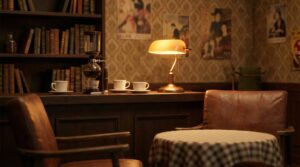
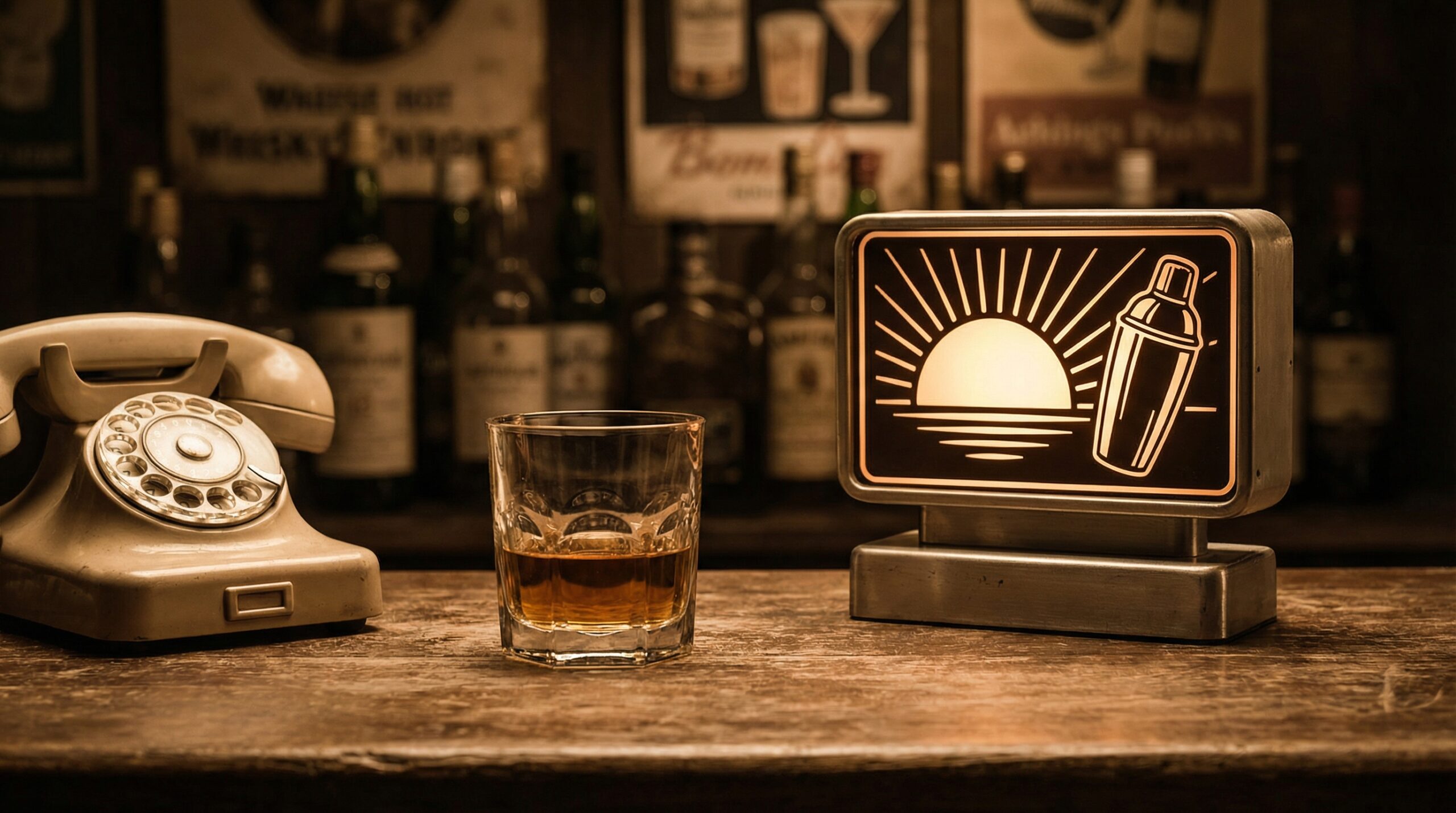
The iconic visual style of the snack bar is unmistakable. Dark wood paneling on the walls is typically the dominant feature, creating a warm, cozy atmosphere. The seating is plush and inviting, often covered in deep red, forest green, or occasionally a boldly patterned velour or worn faux leather. Lighting remains dim and atmospheric, cast by ornate, vaguely European-style sconces or perhaps a low-hanging Tiffany-style lamp over the bar. The bar itself, meticulously clean but marked by age, stands as the centerpiece. Behind it, shelves are packed with the well-known ‘keep bottles,’ each representing a loyal regular. The décor is an endearing mix of personal items and vintage kitsch: faded posters of ’80s pop idols (aidoru), liquor company calendars from 1987, a dusty ship-in-a-bottle, an oddly-placed porcelain cat, or even a small, bubbling fish tank in a corner. Many bars still house an old rotary phone or a chunky CRT television that defies time and still functions. This lived-in quality, the sense that nothing has been altered for decades, is what makes it so authentic.
The Sound: City Pop and Enka’s Lingering Echo
Before the first karaoke note fills the air, there is a defining sonic atmosphere. The background music is a carefully curated soundtrack to the Showa era dream. Smooth, sophisticated City Pop grooves — from artists like Tatsuro Yamashita, Mariya Takeuchi, and Anri — fill the room with a vibe of cool, urban optimism. This music evokes coastal highways, late-night drives, and breezy romance. Interwoven with this is the soul of Japanese traditional pop: enka. These powerful, melancholic ballads of love, loss, and longing, often sung with a dramatic, quivering vibrato, add depth. City Pop is the sound of the ’80s party, while enka is the sound of the heartache that follows. Together, they create a rich emotional tapestry, a bittersweet nostalgic soundscape perfect for setting the evening’s mood. And, naturally, there is the karaoke machine itself — the electronic heartbeat of the room, waiting to be awakened.
The Smell: A Nostalgic Blend
This aspect may be off-putting for some, but it’s an integral part of the genuine experience: the smell. An authentic Showa snack bar carries a distinct, instantly recognizable aroma. It’s a complex blend of aged wood, a faint sweetness from spilled whisky, and, most notably, cigarette smoke. Japan’s smoking regulations have been slow to evolve, and many of these small, independent spots remain sanctuaries for smokers. For non-smokers, it may come as a surprise, but this scent is inseparable from the Showa ambiance. It’s the smell of late-night conversations, deals struck, and hearts broken. It melds with the Mama-san’s perfume and the salty tang of rice crackers, forming a unique fragrance that, for lovers of these places, is the scent of homecoming.
The Whisky Journey: More Than Just Suntory
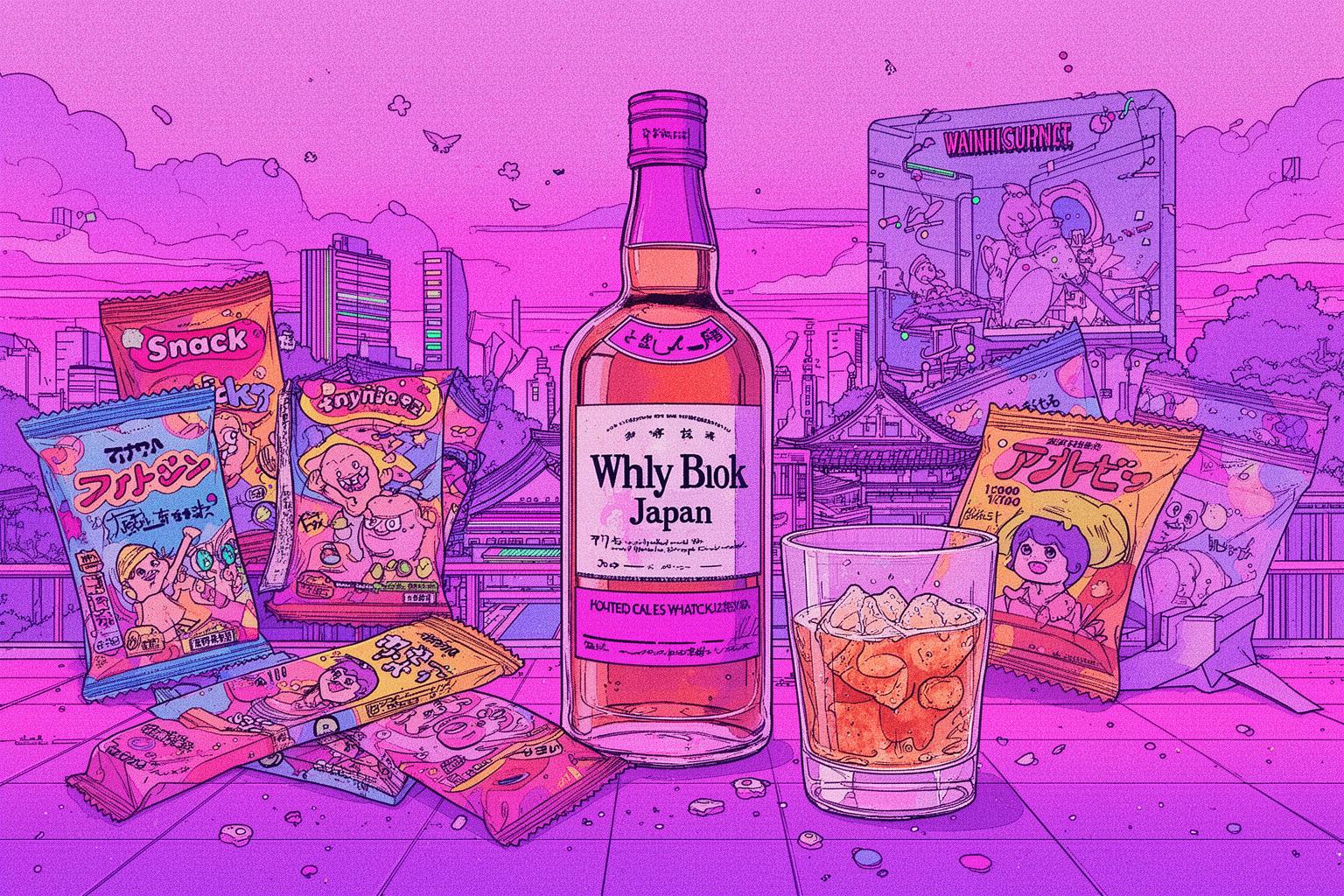
Whisky is the heart and soul of the snack bar. Although beer, shochu, and other beverages are available, it is the warm amber hue of Japanese whisky that truly shapes the experience. It became the iconic drink of the post-war salaried man, representing sophistication and success, and naturally found its place within the cozy atmosphere of the snack bar.
Why Whisky? A Post-War Romance
The emergence of Japanese whisky mirrors the growth of the modern Japanese economy. Pioneering brands like Suntory and Nikka, established by industry founders Masataka Taketsuru and Shinjiro Torii, mastered the craft of whisky-making throughout the mid-20th century. By the 1970s and ’80s, it was the preferred spirit for the diligent corporate workers who fueled the country’s economic miracle. They would gather at snack bars after work to unwind, choosing a whisky mizuwari (whisky mixed with water) as their drink of choice. The snack bar became a de facto clubhouse for these men, with whisky as their ritual beverage. This custom continues today, and although the clientele is more varied now, whisky remains the undisputed monarch of the snack bar shelf.
Navigating the Menu (or Its Absence)
Don’t expect a leather-bound cocktail list with detailed tasting notes. In most snack bars, the menu is spoken, or it’s simply the selection of bottles displayed behind the counter. The best way is to ask the Mama-san, “Uisukii wa nani ga arimasu ka?” (What kinds of whisky do you have?). The house pour is often the iconic Suntory Kakubin, recognizable by its distinctive turtle-shell shaped bottle. It’s the quintessential whisky for a highball. You’ll also likely find Nikka From The Barrel, a surprisingly strong and flavorful option. Many places offer a few premium selections as well, such as Yamazaki 12 Year Old or Hibiki Harmony, if you’re fortunate. How you drink it matters just as much. The most common styles include:
- Mizuwari: Whisky combined with cold water and ice. This is the classic salaryman style—smooth and easy to sip throughout the evening.
- Highball: Whisky topped with highly carbonated soda water and a twist of lemon. Exceptionally refreshing and wildly popular.
- On the Rocks: Simply whisky poured over ice. In Japan, the ice is often a mark of quality—crystal clear and slow to melt.
- Oyuwari: Whisky mixed with hot water, a warming choice for chilly nights.
The Mama-san is an expert at crafting these drinks, often with a practiced, graceful touch that is a delight to watch.
Karaoke: Unleash Your Inner ’80s Idol
If the Mama-san is the heart of the snack bar, then karaoke is its soul. This isn’t the private, soundproofed-box karaoke you might be familiar with. It’s communal, open, and utterly joyous. It’s less about performing and more about a collective emotional release.
The Soul of the Snack Bar Night
In a snack bar, when you sing, you sing for everyone. The intimate space means there’s nowhere to hide. Your audience consists of a handful of other patrons and the Mama-san herself. This may sound intimidating, but the atmosphere is almost always warm and celebratory. It’s not about vocal skill. No one cares if you’re off-key. It’s about taking part. It’s about having the courage to express yourself. Cheering on a fellow guest’s shaky rendition of a classic ballad is mandatory. Sharing a song breaks down barriers and turns a room full of strangers into a temporary family. It’s a powerful way to connect and the highlight of a great snack bar evening.
The Tech: From LaserDisc to DAM
The karaoke equipment can be a nostalgic portal. Some old-school places might still have a giant LaserDisc player, along with massive, phonebook-sized songbooks you need to flip through. The background videos on these are a treasure trove of cheesy ’80s fashion and low-budget, dramatic enactions of the lyrics. However, most venues have upgraded to digital systems like DAM or Joysound. These are usually operated via a small tablet or bulky remote control. Their vast libraries often offer an English interface and allow you to search for songs from back home. But I encourage you to venture beyond your usual selections.
Your Go-To ’80s Japanese Karaoke Hits
Picking a Japanese song will earn you major points with the locals. Here are some foolproof classics everyone will know and love:
- “Kanpai” by Tsuyoshi Nagabuchi: The ultimate anthem for celebration. The title means “Cheers!” and it’s an energetic, fist-pumping song that’s impossible not to get caught up in.
- “I LOVE YOU” by Yutaka Ozaki: A raw, emotional power ballad that’s a karaoke staple late at night. Everyone will join in on the chorus with heartfelt passion.
- “Blue Light Yokohama” by Ayumi Ishida: A timeless Showa-era ballad full of nostalgic elegance. Singing this will transport the whole room back to 1968.
- “Plastic Love” by Mariya Takeuchi: To capture the City Pop vibe, this is the song to choose. It’s a global cult hit with a smooth, melancholic groove perfect for a snack bar.
Karaoke Etiquette 101
To keep the karaoke fun and smooth, just follow a few simple guidelines. Don’t monopolize the microphone; share turns with everyone. Even if you’re not singing, be a participating audience—clap after every song. That supportive energy is what makes it enjoyable. If the Mama-san or a regular guest sings, pay attention and show your appreciation. And don’t be surprised if the Mama-san offers to sing a duet with you—it’s often her way of making you feel welcome. Lastly, if you really don’t want to sing, it’s fine to politely decline, but giving it one try can be a truly freeing experience.
Finding Your Perfect Showa Spot: An Explorer’s Guide
So, you’re convinced and ready to jump in. But where exactly do you find these hidden treasures? And how do you summon the courage to step through that mysteriously opaque door?
Where to Look: Beyond the Neon Jungle
Although famous bar districts like Tokyo’s Shinjuku Golden Gai or Omoide Yokocho are filled with small, atmospheric bars, they can also be quite touristy. For a truly authentic experience, you often need to go a bit further off the beaten path. Every Japanese city has its own snack bar districts, usually clustered around major train stations or in somewhat gritty entertainment areas. In Osaka, check out the backstreets of Namba or the retro-futuristic Shinsekai. In Fukuoka, explore the Nakasu district. In Sapporo, the sprawling Susukino area is packed with them. The key is to look up. Snack bars are rarely found on the ground floor; they’re typically tucked away on the second, third, or even higher floors of unassuming multi-tenant buildings called biru (ビル). Look for a simple, illuminated sign, often only in Japanese, featuring the magic word: スナック.
Overcoming “The Fear”: Is It Okay to Go In?
I understand. Standing outside a closed door on the fourth floor of a quiet building, with only a small, curtained window hinting at what’s inside, can be intimidating. The biggest concern for foreigners is the dreaded ichigen-san okotowari rule, meaning “no first-time customers without an introduction.” While this does apply in some very exclusive or traditional places (mostly in upscale districts like Kyoto’s Gion), it’s extremely rare in a typical snack bar. Most establishments are eager for customers, Japanese or foreign, and appreciate the business. Look for positive signs. Is there a price list posted outside? That’s encouraging. Is the door slightly open, letting music and laughter spill out? Even better. The key is to show politeness and genuine curiosity. A warm smile helps a lot. If you open the door and it’s absolutely full, just apologize and step back out. But more often than not, you’ll be met by the surprised but welcoming smile of the Mama-san.
A Few Magic Phrases
Having a handful of simple Japanese phrases can greatly ease your entry and demonstrate respect:
- When you peek inside: “Haitte mo ii desu ka?” (May I come in?)
- When asked how many: “Hitori desu” (I’m alone) or “Futari desu” (We are two).
- Upon entering, a polite greeting is: “Ojama shimasu” (Pardon the intrusion).
- To let them know you’re new: “Koko wa hajimete desu” (This is my first time here). This helps them understand you might need some guidance with their system.
A Personal Reflection: More Than Just a Bar
I’ll never forget my first experience. I was wandering through a quiet neighborhood in Tokyo, feeling somewhat lonely and overwhelmed by the city’s vastness. I noticed a small sign for a snack bar up a narrow flight of stairs. My heart raced, but I took a deep breath and opened the door. The room fell silent for a moment. Six pairs of eyes turned toward me. Then the Mama-san, a stylish woman in her sixties, smiled warmly and motioned to an empty seat at the bar. For the next three hours, I was welcomed into their world. With my broken Japanese and their limited English, we talked about Australia, their jobs, and their favorite baseball team. They taught me the chorus to an enka song, and I sang a shaky version of a Beatles classic. That night, I left feeling like I had uncovered a secret. I hadn’t just had a drink; I had made a real connection. That’s the true charm of the Showa snack bar. It’s a remedy for the anonymity of modern urban life. It’s a place where community grows through one drink, one conversation, and one karaoke song at a time. It stands as proof of the enduring human need for a “third place”—a space that’s neither work nor home, but somewhere you can simply be yourself. So be brave. Seek out that faded sign, climb the stairs, and open the door. You just might discover your own little piece of Showa magic inside.