What’s up, fellow explorers? Ami here, coming at you live from the streets of Tokyo. Let’s spill the tea on a legit time machine you can actually step into. We’re not talking sci-fi, we’re talking about a total vibe shift, a portal to a different era tucked away in the concrete jungle of modern Japan. I’m talking about the Showa Era Kissaten. Forget your minimalist, third-wave coffee shops for a sec. We’re going deep into a world of velvet seats, smoky jazz, and the most epically colorful, fizzy dream-in-a-glass you’ve ever seen: the legendary cream soda. This isn’t just about getting a caffeine fix; it’s about main character energy in a bygone decade. It’s a whole mood, a cultural deep-dive that tastes as good as it looks. The Showa Era (1926-1989) was Japan’s glow-up period—a rollercoaster of change, economic boom, and a wild mashup of Western trends with Japanese soul. And right at the heart of it all was the kissaten (喫茶店), the OG Japanese coffee house. It was the living room of the city, the office-away-from-the-office, the secret spot for creatives, lovers, and thinkers. Today, the surviving kissaten are more than just cafes; they’re living museums, precious capsules of a super aesthetic and deeply nostalgic time. They’re the real deal, an authentic slice of Japanese history where the clock seems to have stopped, and honestly, we’re so here for it. So, grab a seat. Let’s get into the magic of these retro wonderlands and find out why a simple, bubbly cream soda is the key to unlocking one of Japan’s coolest subcultures. It’s an iykyk situation, and you’re about to be in the know.
If you’re captivated by this nostalgic Showa-era atmosphere, you might also enjoy exploring Tokyo’s timeless highball havens for another sip of that pre-boom vibe.
The Vibe Check: Decoding the Kissaten Aesthetic
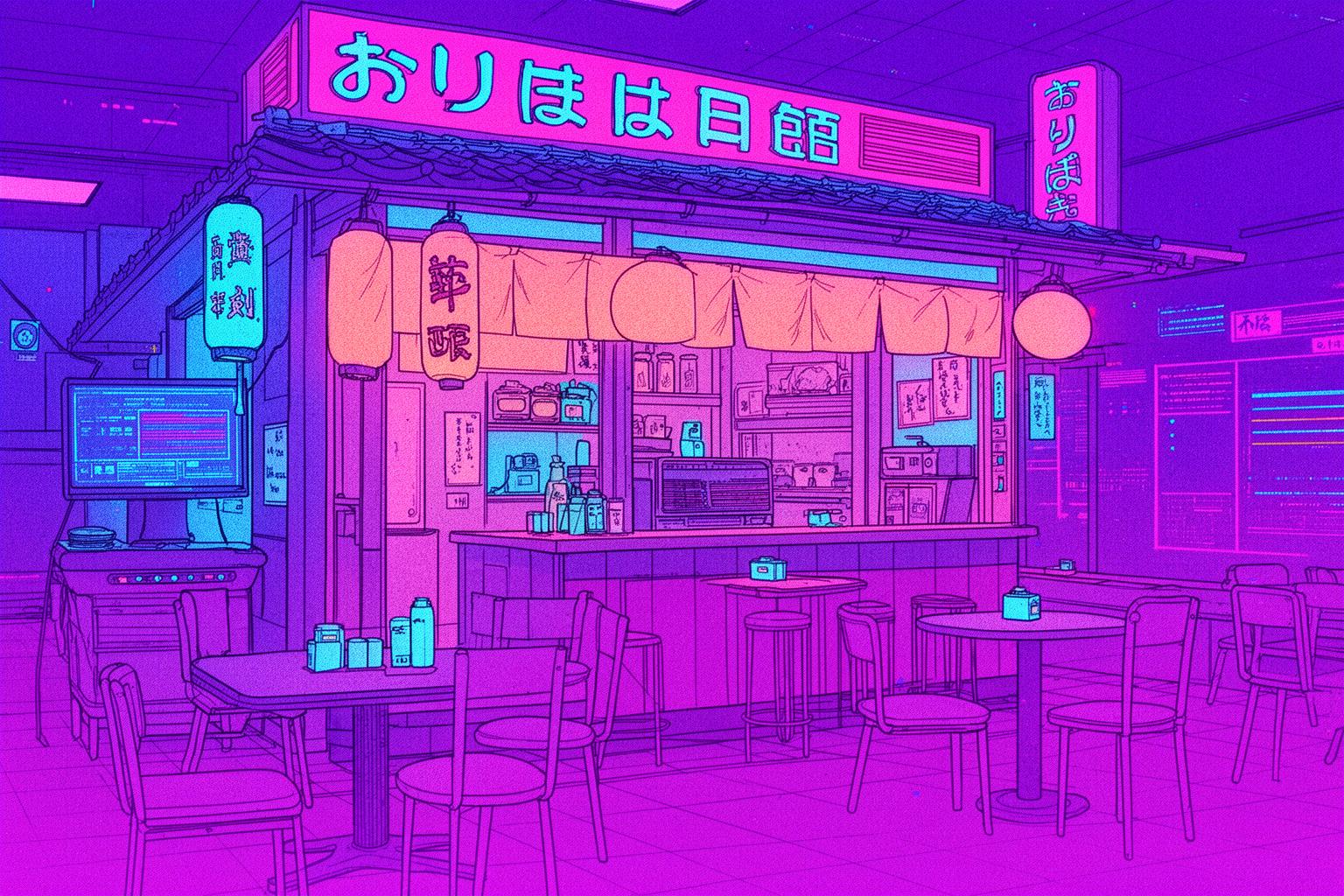
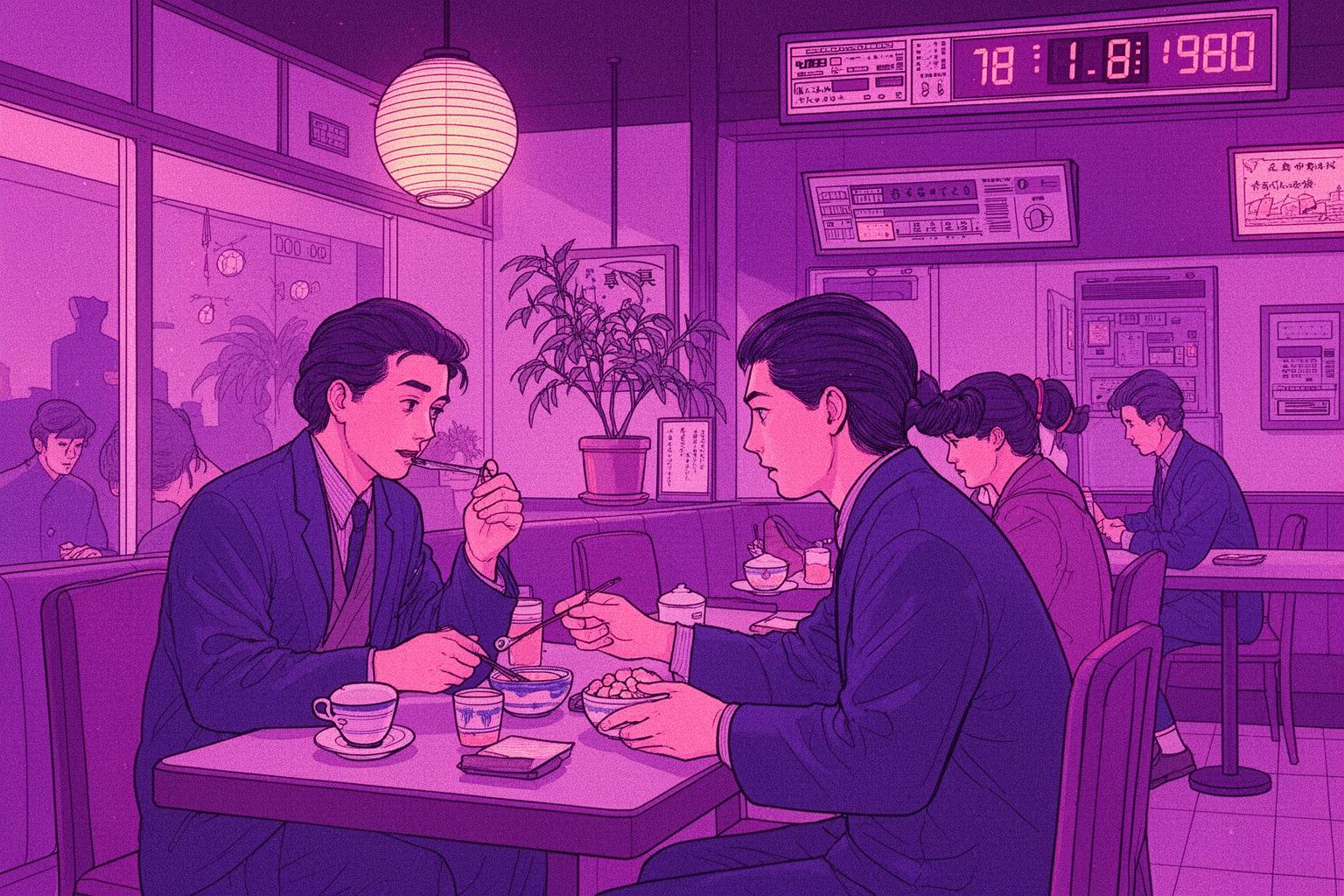
Stepping into an authentic Showa-era kissaten feels like entering a film set. The sensory richness is overwhelming, but in the most delightful way. It’s an immersive experience that begins the moment you push open the heavy, often intricately carved wooden door. The first thing you notice is the atmosphere—it’s dense, moody, and unapologetically nostalgic. This isn’t a place of bright lights and sterile surfaces. Instead, it features a carefully curated dimness, illuminated by the warm amber glow of Tiffany-style stained-glass lamps or ornate, almost baroque chandeliers hanging low above the tables. The light catches the faint haze lingering in the air—a remnant from when cigarette smoke was part of the ambiance, though thankfully most places today are non-smoking or have designated areas. Yet that lingering scent, mingling with the rich, intoxicating aroma of dark-roast coffee brewed meticulously in a siphon, creates a fragrance uniquely characteristic of kissaten.
A Feast for the Eyes
Your eyes take a moment to adjust, and when they do, the details begin to emerge. The color scheme features deep, rich hues: mahogany wood paneling lining the walls, plush velvet or worn leather seats in shades of burgundy, forest green, or mustard yellow. These aren’t mere chairs; they are thrones—curvaceous and inviting, encouraging you to settle in and stay for hours. The tables are often made of dark, heavy wood, sometimes adorned with intricate carvings on the legs. In some of the most iconic locations, you might even find vintage arcade tabletop games encased under glass, their ghostly screens flashing Pac-Man or Space Invaders, relics of 80s youth culture. The flooring adds another layer of texture, whether detailed tilework, patterned carpets worn by decades of footsteps, or dark polished wood creaking with history. Glance around, and you’ll see art on the walls—not generic prints, but oil paintings, vintage posters, or framed calligraphy, all selected by the owner, the “Master,” decades ago. It’s a personal gallery, a reflection of a unique taste preserved in time. Windows, if present, are often adorned with heavy drapes or stained glass, filtering the outside world and reinforcing the sensation of having entered a sanctuary, a bubble separate from the city’s hectic pace. Every single object, from the sugar dispenser to the coat rack, feels carefully chosen, solid, and enduring.
The Soundtrack of Solitude
The soundscape of a kissaten is as vital as its appearance. It’s a symphony of quiet, deliberate sounds. The dominant background is music. Forget algorithm-driven playlists. Here, the Master acts as the DJ, typically selecting classical pieces or moody jazz played from a vintage sound system, possibly even a record player. The music is the heartbeat of the space, a constant, soothing presence filling the silence without overwhelming it. It’s the perfect backdrop for reading, reflecting, or having a hushed conversation. Layered over the music are subtle, comforting sounds of the café itself: the gentle clink of porcelain cups on saucers, the soft scrape of a silver spoon stirring sugar into coffee, the hiss and bubble of the coffee siphon as it brews, the muted turning of newspaper pages by an elderly regular. There is a conspicuous absence of loud chatter. An unspoken rule in a kissaten is to keep your voice low. It is a place for introspection, and the shared quiet reflects mutual respect among patrons. You won’t hear the aggressive clatter of keyboards or the incessant ping of phone notifications. It is an analog refuge, and the soundscape is designed to soothe your nerves, not jolt them.
The Main Event: That Retro Menu Glow-Up
Alright, let’s turn the spotlight to the true star of the show—the reason your Instagram feed is about to burst with vibrant color: the menu. A kissaten menu is a masterclass in Japanese-Western comfort food (yoshoku), featuring dishes that are deeply nostalgic for Japanese people yet intriguingly unique to outsiders. It’s not about culinary innovation but rather achieving perfection through repetition, with recipes unchanged for fifty years because they are already flawless.
The Cream Soda: A Liquid Jewel
First and foremost, we must pay homage to the queen: the cream soda. This isn’t the cloudy, vanilla-flavored drink you might be familiar with. The Japanese cream soda is a work of art. Served in a tall, elegant glass, it’s filled with vibrantly colored, fizzy soda, topped with a pristine scoop of vanilla ice cream resembling an iceberg, and crowned with a striking, almost fluorescent-red maraschino cherry. The visual impact is everything. The classic color is a brilliant, electric melon green, but you’ll also find variations in strawberry pink, sky blue (sometimes called “Blue Hawaii”), lemon yellow, or grape purple. Holding one feels like grasping a liquid jewel. The experience engages all the senses: the vivid color, the fizzing sound as the ice cream gently melts into the soda, and that first heavenly spoonful blending creamy, cold ice cream with sharp, sweet, bubbly soda. It’s pure joy, evoking childhood, summer festivals, and a simpler, more optimistic era. Every kissaten has its own signature glass, unique ice cream scoop, and its own syrup-to-soda ratio. It’s the ultimate aesthetic drink, embodying the pop and playful spirit of the Showa retro vibe.
Siphon Coffee: The Alchemist’s Brew
While the cream soda steals the spotlight, the heart of the kissaten is its coffee. Many traditional cafés specialize in siphon coffee, turning its preparation into a theatrical performance. The siphon, or vacuum pot, is a stunning two-chambered glass device resembling something from a science lab. The Master, typically a serious, focused expert with decades of experience, performs a ritual: water is heated in the bottom globe until vapor pressure forces it up into the top chamber where the coffee grounds await. After a precise brewing time, the heat is removed, creating a vacuum that draws the brewed coffee back through a filter into the bottom globe, leaving the grounds behind. This method produces a remarkably clean, smooth, and aromatic cup of coffee, delivering nuanced flavors that a drip machine can’t replicate. The process is slow, deliberate, and hypnotic. The coffee itself is often a deep, dark roast, served in delicate, elegantly patterned porcelain cups and saucers that feel cherished in your hands. Ordering a “blend coffee” means savoring the Master’s signature creation—the shop’s unique identity in a cup.
More Than Just Drinks: A Yoshoku Paradise
The food menu is where genuine comfort waits. It’s a time capsule of post-war Japanese cuisine, when Western dishes were adapted with local ingredients to suit Japanese tastes.
Napolitan Spaghetti
The quintessential kissaten pasta. Forget authentic Italian bolognese—Napolitan is a distinct Japanese invention: thick, soft spaghetti noodles pan-fried with sausage, green peppers, and onions, all coated in a sweet and tangy ketchup-based sauce. It’s the ultimate comfort food, evoking nostalgia for generations of Japanese diners. Savory, slightly sweet, and incredibly satisfying, it’s served simply, sometimes accompanied by parmesan cheese and a bottle of Tabasco. It’s a delicious reminder of the Showa era’s hopeful embrace of Western culture.
Pizza Toast
A simple masterpiece. An extra-thick slice of fluffy Japanese milk bread (shokupan) is topped with pizza sauce (often ketchup-based), sprinkled with green peppers and onions, maybe a mushroom or sausage, and covered with a thick layer of melted cheese before being toasted to golden, bubbling perfection. The magic is in the bread: shokupan’s soft, pillowy interior contrasts with a crispy toasted base. It’s a savory, cheesy, carb-loaded dream—the ideal snack to accompany a coffee on a leisurely afternoon.
Tamago Sando
The Japanese egg sandwich is a work of art, and the kissaten version is often the gold standard. Two main types exist: the more common features creamy, rich egg salad made with high-quality Japanese mayonnaise, mashed and nestled between two slices of crustless, pillowy shokupan; the Kansai region’s style (Osaka, Kyoto) features a thick, warm, freshly made Japanese-style rolled omelet (tamagoyaki) between the bread. Both are divine—simple, elegant, and showcasing the Japanese gift for perfecting the basics.
Pudding a la Mode
For dessert, nothing epitomizes Showa-era charm better than Pudding a la Mode. This isn’t your ordinary wobbly instant pudding. Instead, it’s a firm, rich baked custard pudding (purin) topped with a dark, slightly bitter caramel sauce. What truly sets it apart is the “a la Mode”—the pudding is served in a fancy, boat-shaped dish surrounded by an artfully arranged mix of canned and fresh fruits, like orange segments, pineapple rings, melon slices, and, of course, a maraschino cherry. It’s finished with a generous swirl of whipped cream and sometimes a scoop of vanilla ice cream. This retro dessert is as much a feast for the eyes as it is a sweet indulgence.
The Heart of the Kissaten: The Master & The Culture
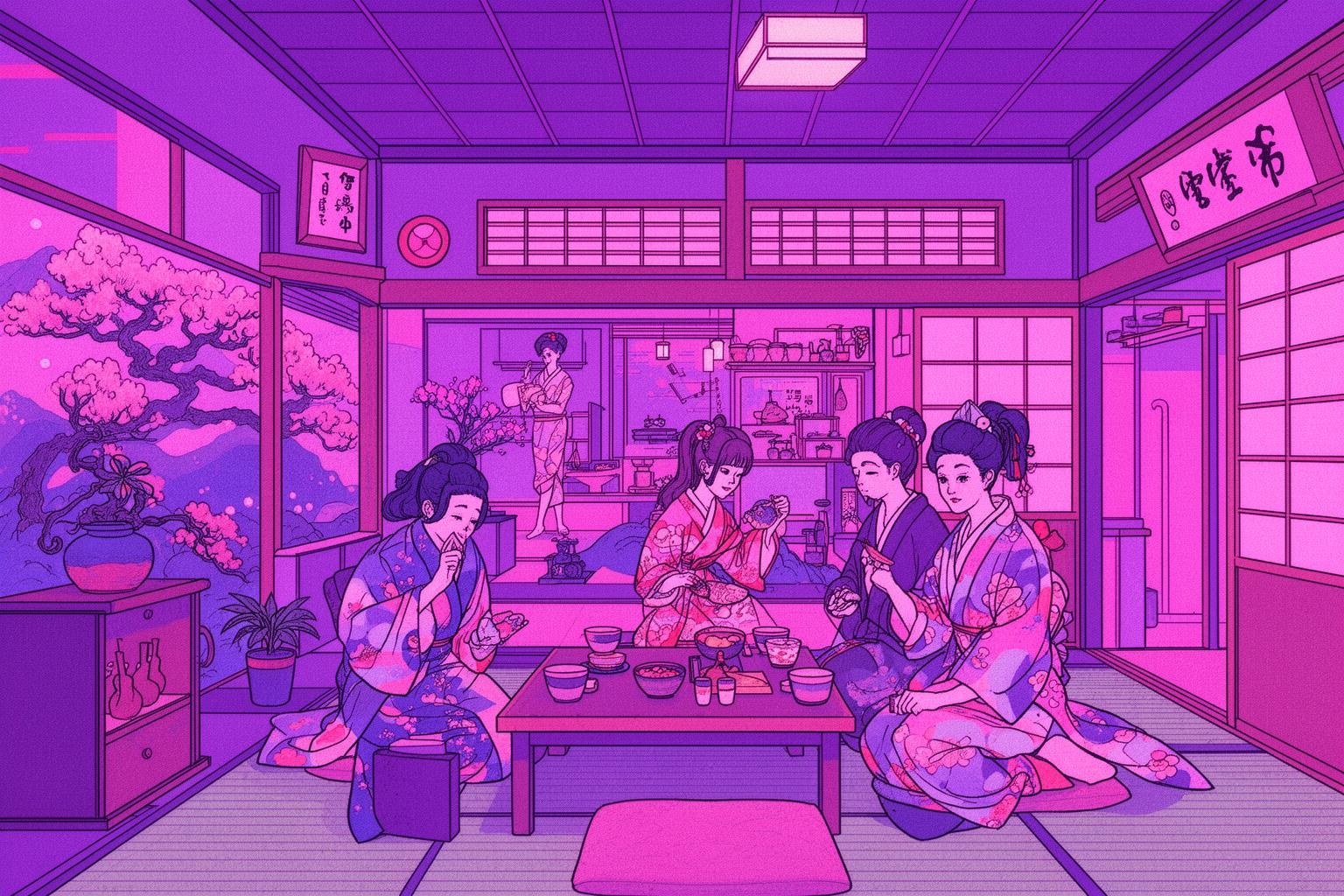
What truly distinguishes a kissaten from an ordinary cafe is the human element, personified by the owner, respectfully called the “Master.” The Master serves as the curator, artisan, and silent guardian of the space. Often an older individual, they have devoted their entire life to this single shop. They may not be talkative or overly friendly in the Western style of customer service. Their attention is on their craft—the perfect pour-over, the precise siphon brew, the consistent quality of their Napolitan. Their movements are practiced and efficient, refined through decades of repetition. But don’t confuse their quiet focus with aloofness. There is a profound sense of care and pride in their work. For regular customers, the Master is a steady, reassuring presence, remembering your usual order and knowing exactly how you take your coffee. They embody the soul of the kissaten.
These establishments originated as cultural hubs. During the Showa era, they were places where salarymen closed deals, students debated philosophy over inexpensive coffee, aspiring artists and writers sought inspiration, and couples experienced their first dates. Each kissaten cultivated its own distinctive clientele and atmosphere. Some were “meikyoku kissa” (classical music cafes) where conversation was prohibited, and patrons sat in silence, immersed in the music. Others were jazz kissa, filled with smoke and the soulful sounds of Miles Davis. This tradition as a “third place”—a venue separate from home and work—endures to this day. People visit a kissaten to escape, to disconnect, and to find a moment of calm in an overly connected world. It’s a space that invites you to stay. There’s no rush to finish your drink and leave. The price of a single cup of coffee grants you a seat, a tranquil atmosphere, and a temporary refuge from the outside world for as long as you need.
Your Field Guide: Where to Find These Retro Gems
Discovering these spots is part of the adventure. They’re not always found on main streets with flashy signs. Many are tucked away in basements of old buildings or up narrow staircases to the second floor. Look for old-fashioned, often handwritten signs, faded plastic food models in the window, and a noticeable absence of modern branding. Here are a few neighborhoods that are treasure troves for kissaten enthusiasts.
Kanda-Jimbocho, Tokyo
This is the sacred ground. Jimbocho is Tokyo’s book town, and its kissaten were the traditional hangouts for students, writers, and intellectuals from nearby universities. The atmosphere here is often dark, moody, and scholarly. Places like Sabouru and Sabouru 2 are legendary, with their rustic, log-cabin-like interiors and mountain-of-books vibe. Ladrio is another classic, famed as the birthplace of Wiener Coffee (coffee topped with whipped cream) in Japan. The ambiance feels rich with history and countless brilliant ideas born over cups of coffee.
Koenji, Tokyo
Famous for its vintage clothing stores, live music venues, and counter-culture scene, Koenji’s kissaten embody its artsy, bohemian spirit. They tend to feel quirky and lived-in. You might stumble upon a shop run by a former musician, with walls plastered with band posters and a fantastic rock and roll soundtrack. Exploring Koenji’s shotengai (shopping arcades) and side streets will inevitably lead you to hidden gems full of unique character.
Asakusa, Tokyo
In Asakusa’s historic district, home to the renowned Senso-ji Temple, kissaten have a distinctly shitamachi (old downtown) vibe. These are places that have served the local community for generations. They focus less on a particular subculture and more on being a comfortable, familiar spot for neighborhood residents. Angelus, which sadly closed recently after decades of operation, was a prime example of old-world, European-inspired charm. Many others still maintain that classic, unpretentious Showa-era character.
Beyond Tokyo: Kyoto and Osaka
Kissaten culture is not exclusive to Tokyo. Kyoto, with its rich history, boasts some incredible spots. François Kissa is a stunning example, featuring a baroque interior reminiscent of a European salon and is even registered as a Tangible Cultural Property. Smart Coffee is another Kyoto institution, known for its hotcakes and strong coffee. In Osaka, kissaten culture thrives, particularly with the tradition of “morning service,” where for the price of a morning coffee you receive a complimentary light breakfast, typically toast and a hard-boiled egg. Known for its great value and warm hospitality, Osaka’s kissaten are no exception.
Kissaten Etiquette: How to Vibe Like a Local
So you’ve found the ideal spot. What next? Here are a few tips to ensure you have the best experience while showing respect for these special places.
- One Order Per Person: This is a common expectation. Since you’re paying for the seat and ambiance as much as the drink, everyone in your group should order at least one item.
- Keep it Down: These are calm refuges. Use your indoor voice, avoid loud conversations, phone calls, or watching videos without headphones. It’s all about respecting the shared tranquility.
- Cash is King: Many of these traditional spots still don’t accept credit cards. It’s smart to carry cash just in case.
- Ask Before You Snap: These venues are highly photogenic but private businesses. Politely ask the Master if it’s okay to take photos, especially with a large camera, and be careful not to include other customers in your shots.
- Don’t Plan to Work: While some places may allow it, a traditional kissaten isn’t a co-working space. The lack of Wi-Fi and power outlets is often deliberate. The aim is to disconnect, not plug in. Bring a book, a journal, or simply your own thoughts.
- Ami’s Pro Tip for Solo Travelers: As a woman traveling alone, I find kissaten incredibly safe and comforting. They’re quiet, the Master keeps a watchful eye, and most customers are quietly enjoying their own company. It’s the perfect spot to sit, rest your feet, check a map, and plan your next move without feeling rushed or out of place. It’s your cozy personal hideaway in a bustling city.
The Neo-Kissaten: Retro Revival
The kissaten aesthetic is so influential that it’s now being embraced by a new generation. Across Japan, “neo-kissaten” are emerging—modern cafes that incorporate the retro style, featuring cream sodas, Napolitan pasta, and vintage furniture, but with a contemporary twist. These cafes often offer Wi-Fi, accept credit cards, and boast brighter, intentionally designed “Instagrammable” interiors. Though they lack the deep, lived-in history of the Showa-era originals, they reflect the lasting appeal of this culture. They serve as an excellent introduction for younger people to explore the charm of the past and provide a fun way to enjoy the trend for those seeking something more modern and accessible. They demonstrate that the kissaten vibe is not merely nostalgic but timelessly cool.
Your Invitation to Slow Down
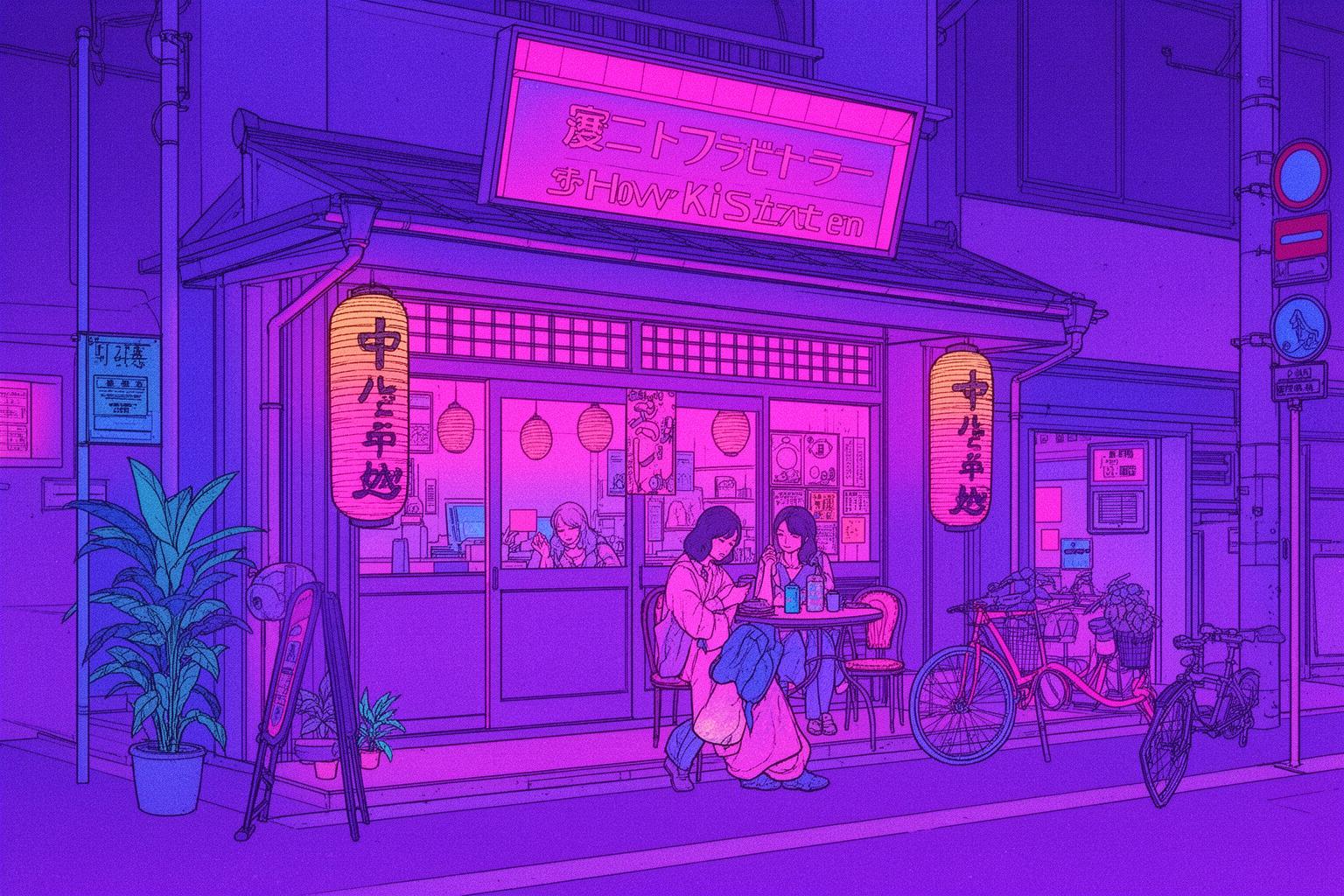
In a country that often feels overwhelmingly fast-paced and futuristic, the kissaten serves as an anchor to a different rhythm. It reminds us of the value found in slowness, craftsmanship, and creating spaces meant for human connection and quiet reflection rather than efficiency and quick turnover. Seeking out these hidden gems and spending a quiet hour within their historic walls is one of the most genuine and rewarding travel experiences you can enjoy in Japan. So, next time you’re here, look beyond the shiny, modern cafes. Spot a faded sign, push open the heavy door, and order a glowing, bubbly cream soda. Let the jazz wash over you, sink into that velvet chair, and simply be. It’s more than just a drink; it’s an entire mood, a taste of a beautiful, bygone era that, thankfully, still thrives today.