OMG, hey guys! Sofia here, and I am literally buzzing to spill the tea on one of Japan’s most iconic and, let’s be real, low-key mysterious drinks: shochu! Forget what you think you know about Japanese spirits, because we are diving headfirst into a world that’s way more than just sake. We’re talking about a drink that totally defined a whole era—the 2000s in Japan. This was a time of peak coolness, of vibrant izakaya culture, and shochu was the undisputed star of the show. It was this massive boom, a cultural moment, where everyone switched to this amazing distilled spirit, and honestly, the vibes are still immaculate. It’s not just a drink; it’s a whole aesthetic, a journey into the heart of Kyushu, Japan’s southern island, where the magic happens. This is the authentic, unfiltered story of shochu, from its earthy roots to its chic, modern glow-up. So grab a glass, get comfy, and let’s get this party started. We’re about to explore the heartland of shochu, and trust me, you’re gonna want to book a flight ASAP.
The 2000s Shochu Boom: A Whole Mood
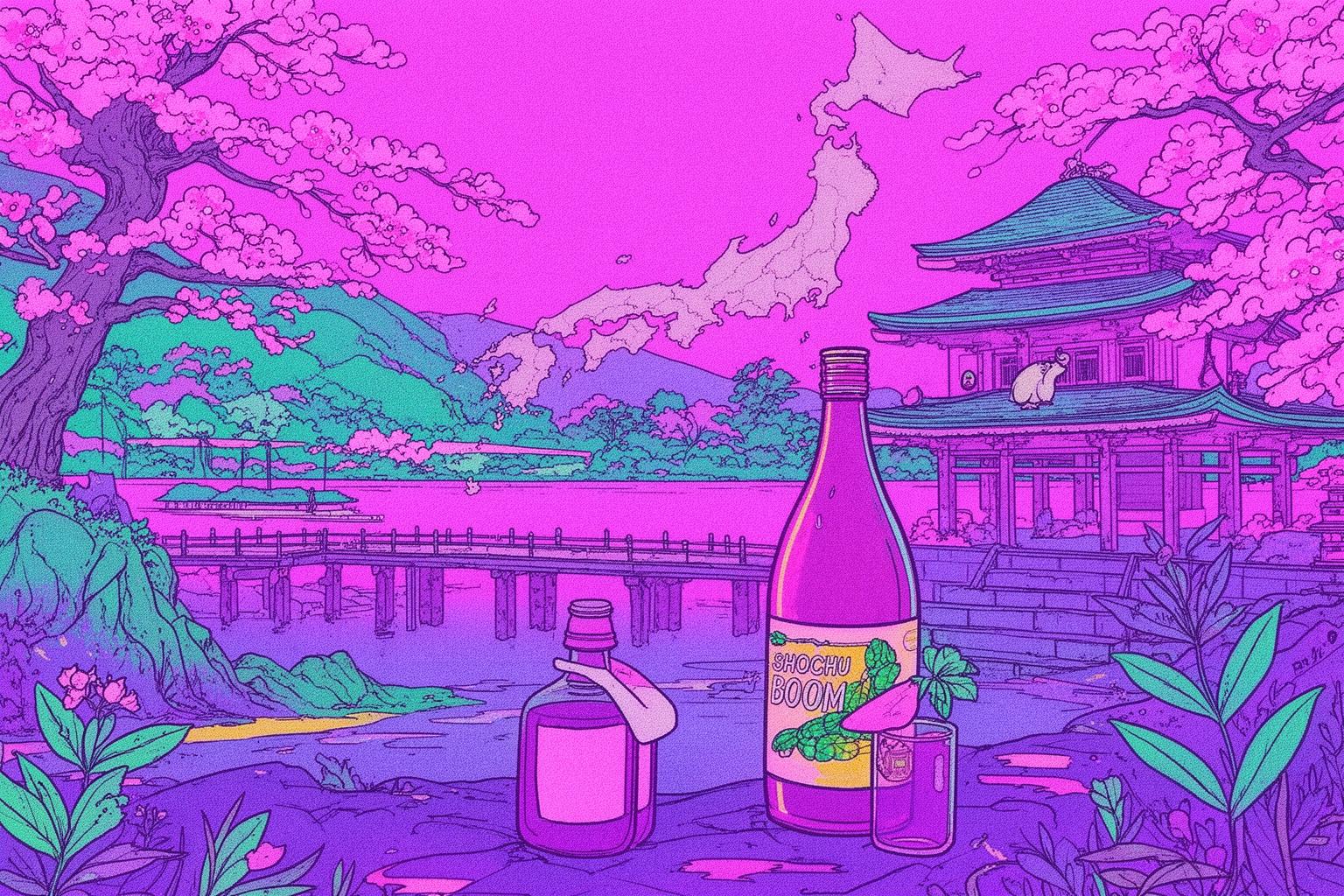
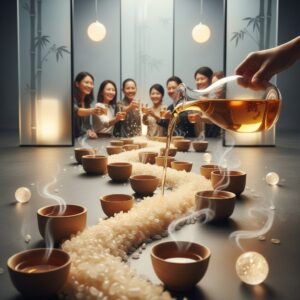
Alright, let’s set the scene. Imagine Japan in the early 2000s — the energy was electric. It was the era of cool flip phones, iconic J-pop, and a nightlife scene that was nothing short of legendary. At the heart of this cultural surge was the Great Shochu Boom. Seriously, it was a phenomenon. For ages, sake and beer had been the main stars at any drinking party, or nomikai. But suddenly, shochu took center stage and completely stole the spotlight. Why, you might ask? It was a combination of a few factors that were just perfectly timed. First, people were becoming more health-conscious. Rumors started circulating that shochu, as a distilled spirit, was lower in calories and purer than its brewed counterparts. It was seen as the smarter, cleaner choice, especially for the trendy urban crowd who wanted to enjoy drinks without the guilt. Plus, the incredible variety was a game-changer. Unlike sake, made solely from rice, shochu could be crafted from a whole pantry of ingredients like sweet potatoes, barley, rice, and even brown sugar. This meant a whole world of flavors to discover, and Japan’s foodie culture eagerly embraced it. This wasn’t just a passing fad; it was a revolution in a glass. Izakayas, the lively Japanese pubs that serve as the nation’s living rooms, started dedicating large portions of their menus to shochu. The concept of botoru kiipu (bottle keep), where you buy a full bottle and leave it at the bar with your name on it for future visits, became the ultimate social status symbol. It was your personal stash, your mark as a regular, a connoisseur. The boom transformed shochu from a regional, somewhat old-fashioned southern drink into the nation’s go-to spirit. It became the drink of sophistication, casual gatherings, deep conversations, and loud laughter. That 2000s vibe of discovery, effortless cool, and appreciation for authentic craftsmanship is still what makes drinking shochu in Japan today so special.
So, What Exactly IS Shochu? Let’s Get Into It
Before we dive deeper, let’s tackle the biggest question: what exactly is shochu? Many people confuse it with sake or even Korean soju, but trust me, it’s a unique and fabulous spirit all its own. The key point to remember is that shochu is a distilled spirit, whereas sake is brewed. Think of it like this: sake is more akin to wine or beer, made through fermentation. Shochu, on the other hand, undergoes distillation, similar to vodka, gin, or whiskey. This distinction defines its character and strength, which typically falls between 25% and 35% ABV—stronger than wine, but smoother and less intense than a 40% spirit like whiskey. This makes shochu perfect for sipping throughout a meal.
Shochu comes in two main types. The first is honkaku shochu, meaning authentic or single-distilled shochu. This is the premium variety where the fantastic flavors and aromas of the base ingredient truly shine. It’s distilled just once, a delicate process that preserves the essence of its source. When you taste sweet potato shochu, you can genuinely savor the rich, earthy sweetness of the potato. It’s pure magic. The second type is korui shochu, which is distilled multiple times. This process removes most of the original flavors, resulting in a clean, neutral spirit similar to vodka. It’s primarily used for mixed drinks like chu-hais and isn’t really meant for sipping and savoring. Our focus here is entirely on honkaku shochu, as that’s where the story, terroir, and character come alive.
Another crucial element in shochu production is koji. Koji is a type of mold (sounds strange, but bear with me!) essential for making both sake and shochu. It’s sprinkled onto steamed grains to convert starches into sugars, which yeast then ferments. The type of koji used has a huge effect on the final flavor. There are three main types, which you can think of as shochu’s fairy godmothers. Black koji (kuro koji) is the original, traditional type from Okinawa, producing a rich, robust, and lively flavor profile full of personality. White koji (shiro koji) is a mutation of black koji and results in a softer, sweeter, and more delicate flavor, popular for smooth, easy-drinking shochu. Lastly, yellow koji (ki koji), the same type used for sake production, is very sensitive to temperature and trickier to work with, but it creates a beautifully fragrant, fruity, and almost floral shochu—reminiscent of ginjo sake. Knowing these details transforms the tasting experience from simple drinking into a full sensory adventure.
The Flavor Universe: Meet the Main Shochu Stars
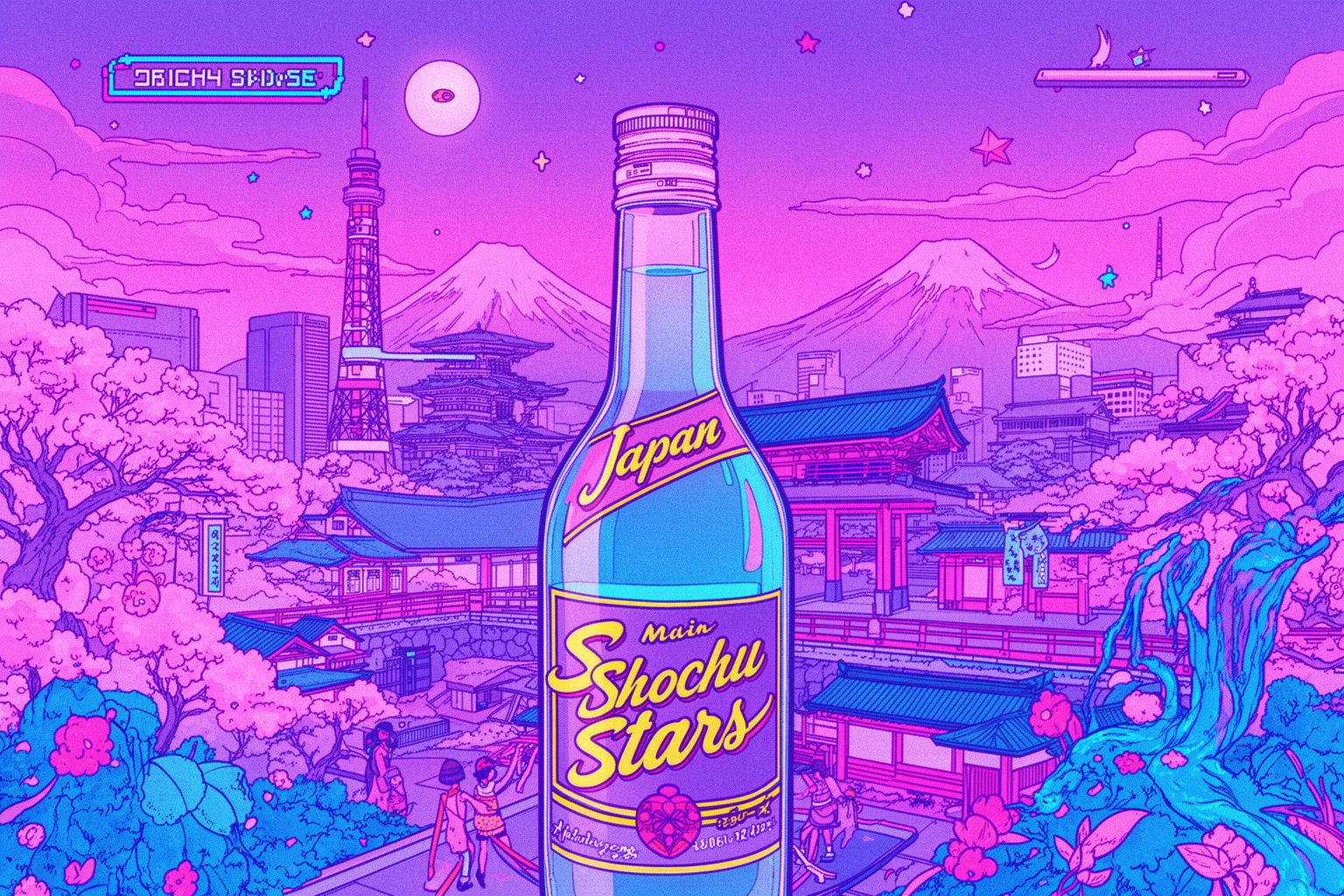
Alright, now for the most exciting part—discovering the various types of shochu! This is where you truly witness the incredible diversity of this spirit. Each base ingredient narrates a unique story and imparts a distinct personality to the bottle. It’s like a group of best friends, each with their own individual style.
Imo-jochu (Sweet Potato Shochu): The Soulful King
If shochu had a capital, it would be Kagoshima Prefecture in southern Kyushu, and the undisputed monarch would be imo-jochu. This variety truly put shochu in the spotlight during the 2000s boom. Made from sweet potatoes, imo-jochu is anything but subtle. It’s bold, earthy, and has an incredible, slightly funky aroma that becomes captivating once you get acquainted with it. The flavor is rich, full-bodied, and often carries a deep, natural sweetness that lingers beautifully. Don’t expect it to taste like a sweet potato fry—it’s much more complex, with notes ranging from floral and fruity to smoky and savory. Some might find its strong character intimidating at first, but it’s the variety that inspires the most devoted fans. Grown in the volcanic soil of southern Kyushu, these potatoes develop a unique character found nowhere else. Brands like Mao, Murao, and Mori Izo are so iconic they’re nicknamed the “3M’s” and have become collectors’ items. Enjoying imo-jochu, especially when mixed with hot water (oyuwari), feels like a warm, comforting embrace from the Japanese countryside. It’s the soul of shochu, and a must-try.
Mugi-jochu (Barley Shochu): The Smooth Operator
Next is mugi-jochu, the smooth and refined member of the group. Made from barley, this type often serves as a great introduction for beginners due to its flavor profile, which can be somewhat familiar—sometimes likened to a light, unaged whiskey or even gin, depending on the distillation method. But don’t be mistaken; it has its own distinct personality. Mugi-jochu is typically crisp, light, and very clean on the palate. It may feature lovely toasty or nutty notes from the roasted barley, and it’s incredibly versatile. It shines on the rocks, where its subtle complexities emerge, or mixed with cold water (mizuwari) for a refreshing drink that pairs well with nearly everything. The main production centers are Oita and Nagasaki Prefectures, especially Iki Island, which benefits from a protected geographical indication for its mugi-jochu, much like Champagne in France. It’s the perfect companion for a long, relaxed meal with friends—unpretentious, elegant, and consistently reliable. Unlike imo-jochu, it doesn’t demand attention; it simply elevates the experience effortlessly.
Kome-jochu (Rice Shochu): The Graceful Spirit
For sake lovers, kome-jochu might feel like meeting a cool cousin. Made from rice, it shares some of the same genetic makeup as sake, but with a distilled twist. Kome-jochu is known for its elegant, clean, and often fruity or floral aroma. Its texture is usually velvety smooth, with a delicate flavor and a gentle sweetness derived from the rice. The most renowned region for this variety is Kumamoto Prefecture, particularly the Kuma River basin, where Kuma-jochu enjoys a protected geographical indication. The pure, soft water from the river is said to be key to its exceptional quality. Comparable to a high-quality vodka but with far more character and a subtle, beautiful fragrance, it’s divine served chilled or on the rocks. It pairs wonderfully with delicate Japanese dishes like sashimi or light vegetable fare. Kome-jochu embodies purity, grace, and understated elegance.
Kokuto-jochu (Brown Sugar Shochu): The Tropical Getaway
Now, let’s escape on a vacation in a glass! Kokuto-jochu is a rare and marvelous treasure, legally restricted to production in the Amami Islands, a gorgeous subtropical archipelago between Kyushu and Okinawa. Made from brown sugar, it might remind you of rum—and you wouldn’t be entirely wrong! It shares some similar qualities: a slight sweetness, a rich, rounded flavor, and occasional hints of tropical fruit. However, since it’s produced using the traditional koji fermentation process, it’s officially classified as shochu, not rum. It’s the best of both worlds! Kokuto-jochu is incredibly smooth and easy to sip, finishing clean and refreshingly. It perfectly captures the laid-back, sun-soaked vibe of the Amami Islands. Drinking it is like being whisked away to a white-sand beach with turquoise waters. It’s wonderful on the rocks with a lime wedge or mixed into a simple highball. A truly unique spirit, it perfectly tells the story of its beautiful island home.
How to Drink Shochu Like You Know What’s Up
One of the best things about shochu is the variety of ways you can enjoy it. There’s no single “correct” method; it all depends on the type of shochu, the food you’re pairing it with, the season, and your mood. The locals have mastered these rituals, which completely transform the experience. Learning them is like unlocking a new level in your travel adventure.
Mizuwari: The Classic Refreshment
Mizuwari, meaning “mixed with water,” is probably the most popular way to drink shochu in Japan. It’s simple, refreshing, and allows you to enjoy shochu throughout a meal without becoming too intoxicated. The aim is to gently open up the spirit’s flavors, not to mask them. The traditional ratio is about 6 parts shochu to 4 parts cold, high-quality water, but feel free to adjust it to your preferred strength. It’s typically served in a glass filled with ice. The key is to pour the shochu first, followed by the water, so they blend naturally. This method suits nearly all types of shochu, but it’s especially good with crisp mugi (barley) or delicate kome (rice) shochu on warm days. It’s the ultimate drink for extended sessions.
Oyuwari: The Cozy Winter Warmth
Here’s where the magic shines, particularly with imo-jochu. Oyuwari, or mixing with hot water, is a beloved custom, especially in winter. It’s more than a warm drink; the heat releases aromatic compounds in the shochu, producing a fragrant steam that surrounds you even before you taste it. The flavor becomes softer, rounder, and sweeter. There’s a crucial technique: pour the hot water (around 70°C or 160°F, not boiling) into the cup first, then gently add the shochu on top. This allows the denser shochu to blend naturally with the water through convection, yielding a perfectly smooth mix. Reversing the order results in a harsh, uneven flavor. This ritual transforms imo-jochu’s bold, earthy notes into a comforting, delicious experience and creates the coziest atmosphere imaginable.
On the Rocks (Rokku): Simple and Elegant
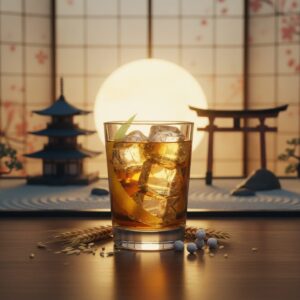
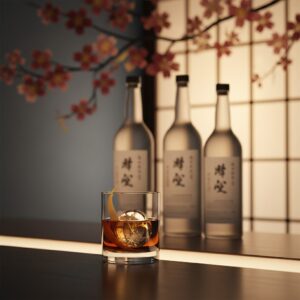
For those who want to savor the pure, undiluted flavor of premium shochu, serving it rokku, or on the rocks, is ideal. The trick is to use the best ice possible. In Japan, this is taken seriously. Bars often use a single, large, hand-carved ice sphere or a perfectly clear ice block. This isn’t just for aesthetics; dense, large ice melts slowly, chilling the spirit without diluting it too quickly. This lets you enjoy the subtle flavor and aroma changes as the shochu gradually opens up. This method works wonderfully for aged shochus, refined kome-jochus, or unique kokuto-jochus. It’s a simple, stylish, and confident way to enjoy a top-quality spirit.
Straight Up (Sutoreeto): For the Purists
Drinking shochu straight, or sutoreeto, is less common than other methods but offers the purest connection to the spirit. It’s usually reserved for very high-quality, exceptionally smooth shochus, or genshu (undiluted shochu) which tends to have stronger alcohol content and a more intense flavor. Served at room temperature in a small tasting glass like a sherry glass or a traditional Japanese ochoko, this method invites you to savor every subtle nuance and layer of aroma and taste. It offers a contemplative, focused experience, perfect for quietly appreciating the distiller’s craftsmanship.
The Shochu Terroir Tour: A Trip Through Kyushu
To truly appreciate shochu, you need to visit its birthplace: the island of Kyushu. This region is the core of shochu production, with each prefecture offering its own distinct styles, ingredients, and traditions. A journey through Kyushu is a pilgrimage for any spirit enthusiast, featuring breathtaking landscapes, delectable cuisine, and the warmest hospitality.
Kagoshima: The Undisputed Realm of Imo
Kagoshima stands as the epicenter of the shochu world. Dominated by the active Sakurajima volcano, this dramatic prefecture is the stronghold of imo-jochu. The volcanic soil provides the ideal environment for cultivating satsuma-imo, the sweet potatoes that lend the local shochu its distinctive flavor. With over 100 distilleries, many operated by families for generations, the shochu culture permeates every corner. Though many distilleries require appointments for tours, shochu is omnipresent in Kagoshima’s izakayas, where menus often list dozens or even hundreds of local imo-jochus. A must-try experience is visiting a satsuma-age (fried fish cake) shop and pairing the freshly made snack with a glass of local oyuwari. The atmosphere is warm, proud, and deeply rooted in the land and its most renowned product. It’s a place that truly breathes shochu.
Miyazaki: Sun, Surf, and Exceptional Shochu
Neighboring Kagoshima, Miyazaki is another shochu hotspot. Known for its stunning coastline, relaxed surf culture, and abundant sunshine, Miyazaki exudes a distinctive vibe. While it also excels in imo-jochu production, Miyazaki is celebrated for its outstanding mugi (barley) and even soba (buckwheat) shochus. The friendly yet intense rivalry with Kagoshima drives remarkable innovation and quality. A well-known brand from here is Kuro Kirishima, which played a major role in the 2000s shochu boom and remains one of Japan’s best-selling shochus. Exploring Miyazaki is like embarking on a sunny road trip—you can visit the stunning Takachiho Gorge in the morning and enjoy a refreshing mizuwari at a beach bar by evening. The local specialty, jidori chicken (charcoal-grilled local chicken), pairs perfectly with a robust Miyazaki shochu.
Oita: Onsen, Art, and Refined Barley Shochu
Travel north to Oita, the heartland of mugi-jochu. Renowned for its onsen (hot springs), particularly in Beppu and Yufuin, Oita offers a more refined and laid-back atmosphere. Its mugi-jochu is famed for its smoothness and clean flavor, reflecting the prefecture’s pristine water sources. Brands like Iichiko and Nikaido are household names throughout Japan, admired for their consistent quality and approachable taste. The quintessential Oita experience involves spending a day soaking in various geothermal hot springs, followed by a stay at a ryokan (traditional inn) where you enjoy an elaborate kaiseki dinner paired with local mugi-jochu served on the rocks. It’s pure relaxation and bliss.
Izakaya Survival Guide: Pro Tips for Your Shochu Adventure
Stepping into a lively izakaya for the first time can feel a bit overwhelming, but it’s also one of the most enjoyable and authentic experiences you can have in Japan. This is the natural home of shochu, so here are some tips to help you navigate it like a local.
First, ordering. Don’t hesitate to ask for the osusume (recommendation). The staff are usually very passionate and knowledgeable, and they’ll be excited to help guide you. You can order shochu by the glass (gurasu) or, for the full experience, by the bottle (botoru). When you order a bottle, they’ll bring a full setup including an ice bucket, water carafes (hot and cold), and glasses, so you can mix your drinks just the way you like them. This is where the famous botoru kiipu system comes into play. If you don’t finish your bottle, the staff will tag it with your name and the date, storing it behind the bar until your next visit (usually for a few months). This fantastic system really makes you feel like a regular.
Pairing shochu with food is key. The flavors are crafted to complement, not overpower, the dishes. Robust imo-jochu pairs wonderfully with rich, savory foods like tonkotsu (pork bone) ramen, braised pork belly (kakuni), or anything fried. Its earthy tones cut through the fat superbly. Crisp mugi-jochu is a versatile choice that goes well with everything from grilled fish and yakitori to salads and pickles. Delicate kome-jochu is ideal for sashimi, tofu, and other subtle dishes where you want the food’s flavor to shine. The basic rule is to match the intensity: strong shochu with strong dishes, light shochu with light dishes. But the best part is experimenting and finding your unique favorite pairings.
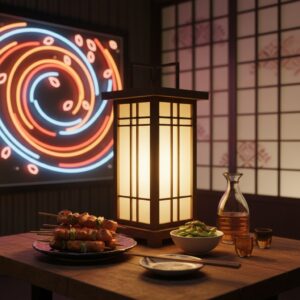
Lastly, soak in the atmosphere. Izakayas are lively, noisy, and communal places meant for relaxing after work, celebrating with friends, and sharing great food and drinks. Relax, enjoy yourself, and don’t worry about being perfect. The spirit of the izakaya is all about enjoyment and connection, and shochu is the perfect companion for that.
A Final Sip
What an incredible journey! From the cultural burst of the 2000s to the volcanic landscapes of Kagoshima, the world of shochu is far richer and more fascinating than most people realize. This spirit is deeply connected to the culture, history, and scenery of southern Japan. It can be bold and robust or delicate and refined, a cozy winter warmer or a refreshing summer delight. Shochu represents community, craftsmanship, and the simple pleasure of sharing good times. So, the next time you’re in Japan, I encourage you to go beyond the familiar and explore the remarkable world of shochu. Visit an izakaya, order a local bottle, and try it oyuwari. I assure you, it’s more than just a drink—it’s an experience, a genuine taste of Japan that lingers well beyond the last sip. Cheers, or as they say in Japan, kanpai!