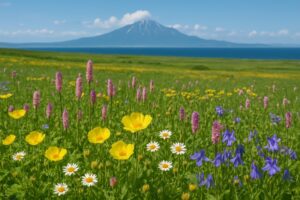
Yo, let’s get real for a second. When you think of Japan, you’re probably picturing neon-drenched Tokyo streets, serene Kyoto temples, or maybe a steaming bowl of life-changing ramen. All totally legit, all totally awesome. But what if I told you there’s a whole other side to this country? A place so wild, so untamed, it feels like you’ve stepped back in time to a world ruled by nature. I’m talking about Shiretoko National Park in Hokkaido, the northernmost island of Japan. This ain’t your average park; this is a UNESCO World Heritage site, a peninsula jutting out into the Sea of Okhotsk like a dragon’s claw, a place the indigenous Ainu people rightly called “the end of the earth.” And the absolute best way to plug into its raw power? A wildlife watching cruise. We’re talking front-row seats to brown bears chilling on the coastline, whales breaching in the deep blue, and eagles ruling the sky. This is Japan, unfiltered and unplugged. It’s an adventure that will straight-up rewire your brain and leave you buzzing with a kind of energy you can’t find anywhere else. Forget what you thought you knew. This is the real wild side, and it’s calling your name. It’s an experience that’s beyond epic, a memory that will stick with you for life, no cap.
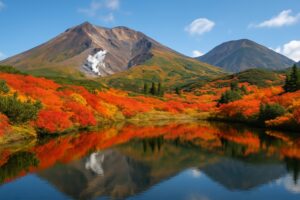
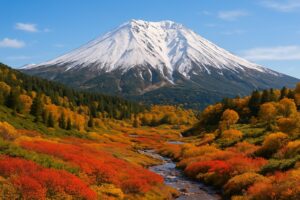
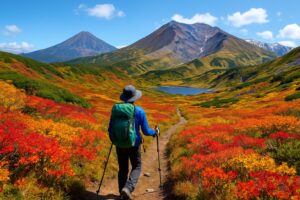
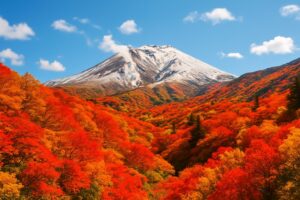
For a different kind of Hokkaido adventure, consider chasing the first autumn colors in Daisetsuzan National Park.
The Vibe: Plugging into Nature’s Mainframe
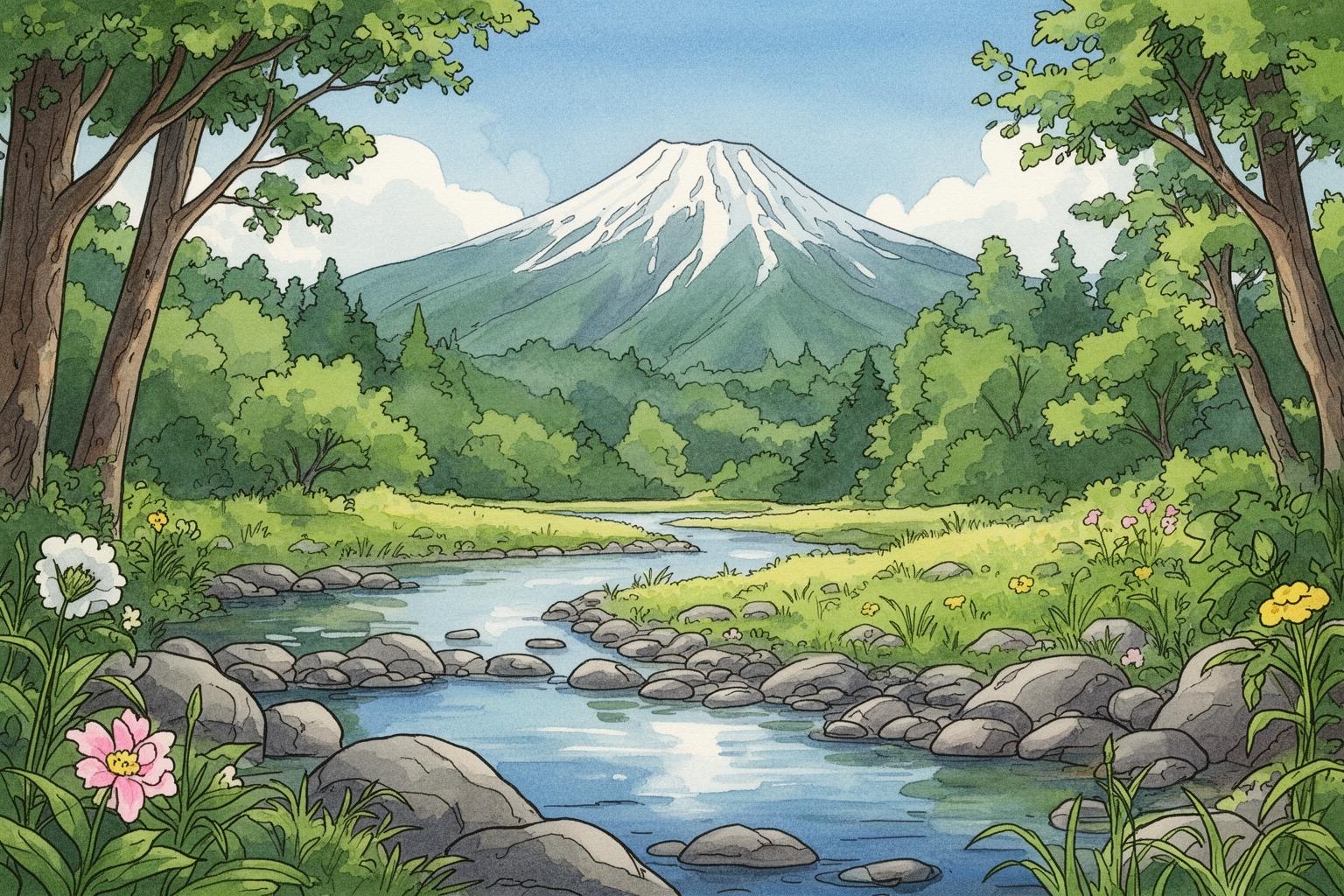
Before you even step onto the boat, you need to grasp the vibe of Shiretoko. It’s intense. The air here feels different—crisper, cleaner, and charged with the energy of a truly primal landscape. This land is shaped by fire and ice. Towering volcanic peaks form a rugged spine along the peninsula, their slopes cloaked in a dense, dark green ocean of primeval forest. Dramatic cliffs, carved by ancient glaciers and battered by the sea for millennia, plunge straight into the water. There are no roads along much of this coastline, which is exactly why it has remained such a pristine sanctuary for wildlife. It’s a powerful, humbling moment to gaze up at those cliffs and realize you are just a small visitor in a vast, wild kingdom. The indigenous Ainu people have always understood this. They saw gods, or kamuy, in everything—the bears, the sea, the waterfalls. One of the most famous stops on the cruise route is Kamuiwakka Falls, which literally means “water of the gods” in the Ainu language. It’s a hot spring that flows directly into the sea, and you can feel that sacred energy all around you. You’re not merely viewing scenery; you’re witnessing a living, breathing ecosystem that existed long before us and will, hopefully, endure long after. The silence is profound, broken only by the call of a seabird, the rush of a waterfall, or the sound of the wind. It’s a digital detox for your soul, a place that compels you to be present, to simply watch, listen, and feel. The sheer scale of it all makes your everyday worries seem incredibly small. This isn’t just about spotting animals; it’s about connecting with the raw, untamed spirit of the planet.
All Aboard the Wildlife Express: The Cruise Experience
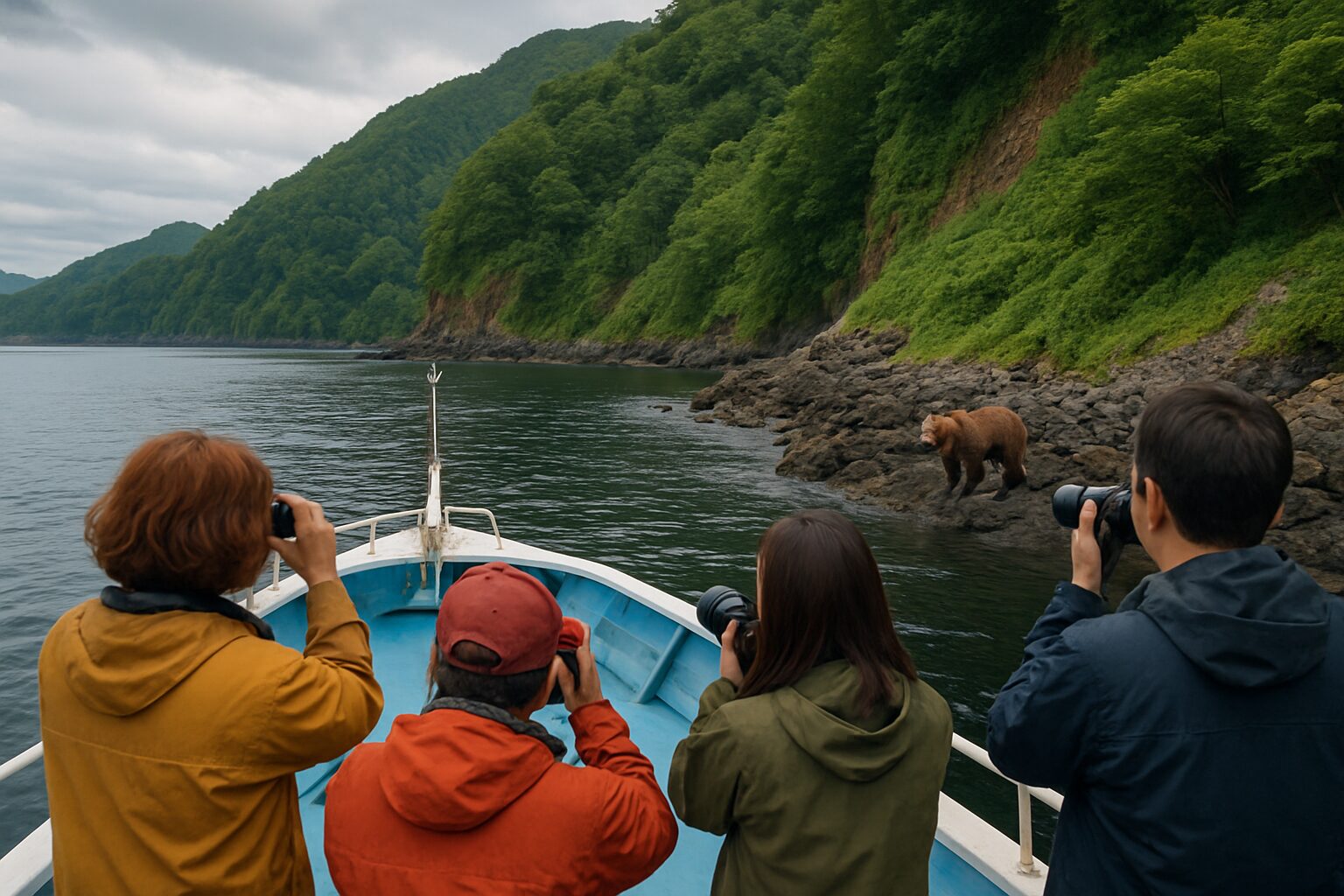
Hitting the water is where the true magic begins. Departing from the bustling little port of Utoro, a sense of adventure immediately takes hold. As the town fades behind you and the coastline unfolds, the excitement is electric. Everyone on the boat scans the shore, binoculars pressed to their eyes, united by one mission: to witness Shiretoko’s lords in their natural habitat. The guides are incredible, with eagle eyes that spot a flicker of brown fur on a distant shore that you’d otherwise miss entirely. They share stories and facts not only about the animals but also about the geology and history of the peninsula, adding rich layers of meaning to what you see. The salty spray hits your face, the boat engine hums, and with every passing minute, you venture deeper into an untouched world. The cruise is the key that opens this inaccessible paradise. Without it, the western coast of Shiretoko, where bears roam freely, would remain off-limits. It is a journey into the heart of the wild, with every moment brimming with potential.
The Main Event: A Royal Audience with the Higuma
Let’s be honest—the primary reason people flock to these cruises is for a chance to see the Ussuri brown bear, or higuma. Shiretoko is undoubtedly one of the best places worldwide for this. The population density here is exceptionally high, and because the coastal areas provide a rich, all-you-can-eat buffet, sightings are surprisingly common. But knowing this doesn’t prepare you for the actual moment. It often starts with a quiet, excited call from the guide. The boat slows, and all eyes follow their pointed finger. Then you see it—a massive, powerful silhouette moving along the rocky beach. It’s a breathtaking sight. These aren’t captive animals; these are magnificent wild creatures, completely in their natural element. You might witness a huge male turning over rocks in search of food, his muscles rippling beneath his thick coat. You might see a mother bear patiently teaching her clumsy, adorable cubs how to forage for plants or fish. The beauty of the cruise is that you observe them from a safe and respectful distance. The bears notice the boats but are mostly unbothered, allowing you to watch their natural behaviors without disturbing them. You could watch for hours as they roam the shoreline, sometimes even taking a dip in the sea to cool off. Seeing a higuma in the wild, framed by Shiretoko’s dramatic cliffs and lush forests, creates a lasting memory. It connects you to the raw power of nature like few other experiences can. It’s a profound reminder of who truly rules this land.
Ocean’s Finest Squad: Whales, Dolphins, and More
While the bears are the star attraction, Shiretoko’s marine life puts on an equally spectacular show. The waters here are a nutrient-rich crossroads where cold and warm currents meet, sparking an explosion of life that attracts a remarkable variety of cetaceans. The Rausu side of the peninsula, in particular, is a global hotspot for whale watching. One of the most thrilling sights is a pod of orcas, the undisputed monarchs of the ocean. Seeing their iconic black-and-white forms and towering dorsal fins slicing through the water is a moment of pure, heart-pounding awe. They are intelligent, powerful, and completely captivating as they hunt and play. From mid-summer, there’s also the chance to spot massive sperm whales. The boat ventures into the deep Nemuro Strait, and the captain cuts the engine. You wait in silence, scanning the horizon. Then a massive blow erupts from the surface, revealing the unmistakable shape of a sperm whale resting before diving deep for squid, its huge fluke lifting gracefully as it disappears beneath the waves. It’s pure drama. You’ll also often encounter playful Dall’s porpoises racing alongside the boat and pods of Minke whales. The sheer diversity is astounding. You never know what might surface from the deep blue, and that constant sense of surprise and discovery is a big part of the adventure. It’s a living, breathing aquarium on an unimaginable scale.
Lords of the Sky: Eagles on the Wing
The spectacle isn’t limited to land and sea. Look to the skies, and you’ll witness another icon of Shiretoko: its magnificent birds of prey. The white-tailed eagle is visible year-round, soaring high above the cliffs on enormous, broad wings. But it’s in winter that the real aerial show begins. Shiretoko is a world-renowned wintering ground for the Steller’s sea eagle, one of the largest and most impressive eagles on Earth. When drift ice, or ryuhyo, flows down from Siberia and clogs the Sea of Okhotsk, these majestic birds gather in remarkable numbers. A winter drift ice cruise offers the incredible vision of hundreds of these eagles perched on stark white ice floes, their bright yellow beaks and talons vividly contrasting the frozen landscape. It’s a scene straight out of a wildlife documentary—a gathering of giants both beautiful and awe-inspiring. Even outside winter, the cliffs are home to busy seabird colonies. You’ll spot cormorants, guillemots, and spectacled murres nesting on precarious ledges, their calls echoing over the water. The entire ecosystem—from the smallest fish to the largest bear—is interconnected, with birds playing a vital and dynamic role in this web of life.
Choose Your Own Adventure: Nailing the Logistics
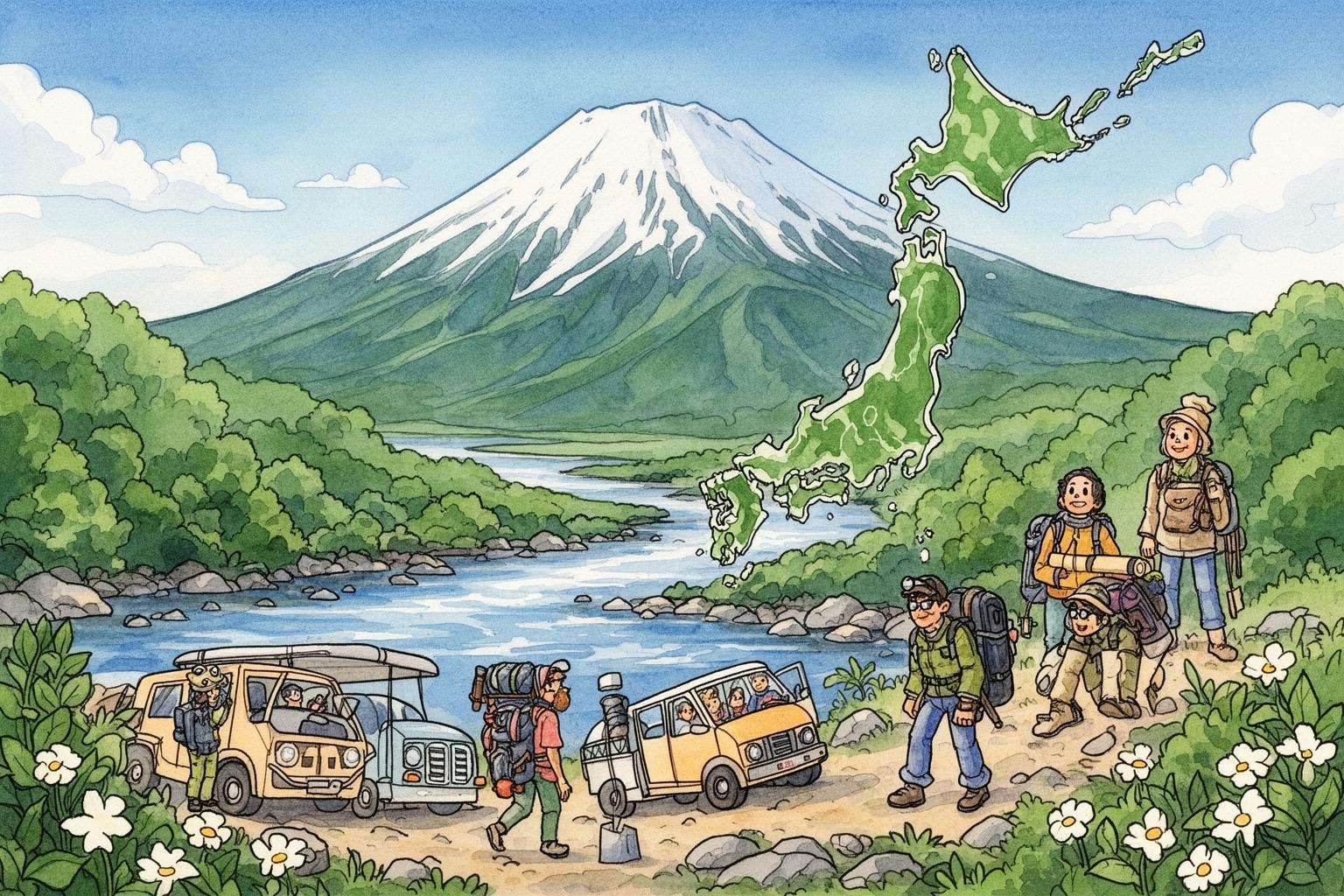
Alright, so you’re convinced of the epicness. But how do you actually make it happen? The great part is that you have options, allowing you to customize the trip to match your vibe and schedule. Most cruises leave from Utoro Port on the peninsula’s western side. When you arrive, you’ll find several companies offering slightly different experiences. There are the larger sightseeing ships, which are very stable, have multiple decks, and are perfect if you’re concerned about seasickness or traveling with family. They provide a comfortable, panoramic view of the scenery. Then there are the smaller, more nimble cruisers that can get closer to the shoreline and waterfalls, offering a more intimate and adventurous feel. They may be a bit bumpier, but the reward is a truly up-close perspective. There’s no right or wrong choice; it all depends on the type of journey you want.
Choosing the course is another important decision. The most popular option is a shorter course, usually lasting about one to two hours, which takes you to the stunning Kamuiwakka Falls. This is a great introduction and offers a solid chance to spot bears. If you have more time and a desire for deeper exploration, the longer course is definitely worth considering. This three-to-four-hour trip takes you all the way to the peninsula’s tip, Cape Shiretoko. The farther you go, the wilder it becomes. You leave most other boats behind, increasing your chances of seeing a wider range of wildlife, including more bears and possibly dolphins or whales. It’s a genuine immersion into the heart of the wilderness. Whichever course you pick, booking ahead is highly recommended, especially during the busy summer months of July and August, as slots fill up quickly. You don’t want to make the journey to the ends of the earth only to find the next available spot is the following day.
The Sacred Timeline: Decoding Shiretoko’s Seasons
Shiretoko is not a one-time visit destination; it transforms dramatically with each season, offering a completely unique and epic experience every time. The timing of your visit can shape your entire adventure.
Spring’s Awakening (May – June)
This season is pure renewal. After a long, harsh winter, the snow melts, and the peninsula bursts into vibrant, almost fluorescent green. Bears are just waking from hibernation and are hungry, making it the perfect time to see them foraging along the shore. Even better, it’s the season of cubs. Watching a mother bear with her playful offspring is an utterly heartwarming experience. The air is crisp and cool, crowds are smaller than in summer, and there’s a palpable sense of the world awakening around you. It’s a beautiful and hopeful time to be in Shiretoko.
Summer’s Peak Party (July – August)
This is Shiretoko in full bloom. The weather is at its warmest, the forests lush and green, and the entire ecosystem teeming with life. This peak season offers excellent bear sightings, and the warmer waters attract more marine life. Your chances of spotting dolphins and orcas are at their highest. Long days give you ample time to explore, whether by cruise or hiking the park’s trails. The atmosphere is lively and vibrant. While it’s the busiest time of year, the shared excitement—like a boat full of people gasping at a whale breach—is a memorable experience in itself.
Autumn’s Golden Hour (September – October)
For many, including myself, this is the most spectacular time to visit. The peninsula lights up with some of the most breathtaking autumn colors you’ll ever see. Summer’s green gives way to a vivid tapestry of fiery reds, electric oranges, and brilliant golds—a photographer’s dream. But the beauty goes beyond the trees. This is the salmon run season. Rivers brim with fish returning to spawn, providing a feast for bears. You’re more likely to spot them at river mouths, swiping salmon from the water. It’s a dramatic and powerful display of life’s cycle. The air grows cool and crisp, and the light takes on a glorious golden hue. It’s a visually stunning, intense, and deeply moving season.
Winter’s Icy Kingdom (February – March)
For true adventurers who thrive in the cold, winter in Shiretoko offers an extraordinary experience. This is drift ice season, or ryuhyo. The sea freezes, creating a surreal landscape of shifting white ice floes—stunning and profoundly silent. Special drift ice cruises, sometimes on icebreakers, take you into this frozen world. This is also when Steller’s sea eagles arrive in force. Seeing these massive birds perched on ice, hunting fish in open water gaps, is one of Japan’s greatest wildlife spectacles. Though visiting is challenging due to the cold and restricted park access, the reward is a raw, stark beauty few ever witness. It’s the ultimate hardcore Shiretoko adventure.
Beyond the Boat: Exploring the Onshore Kingdom
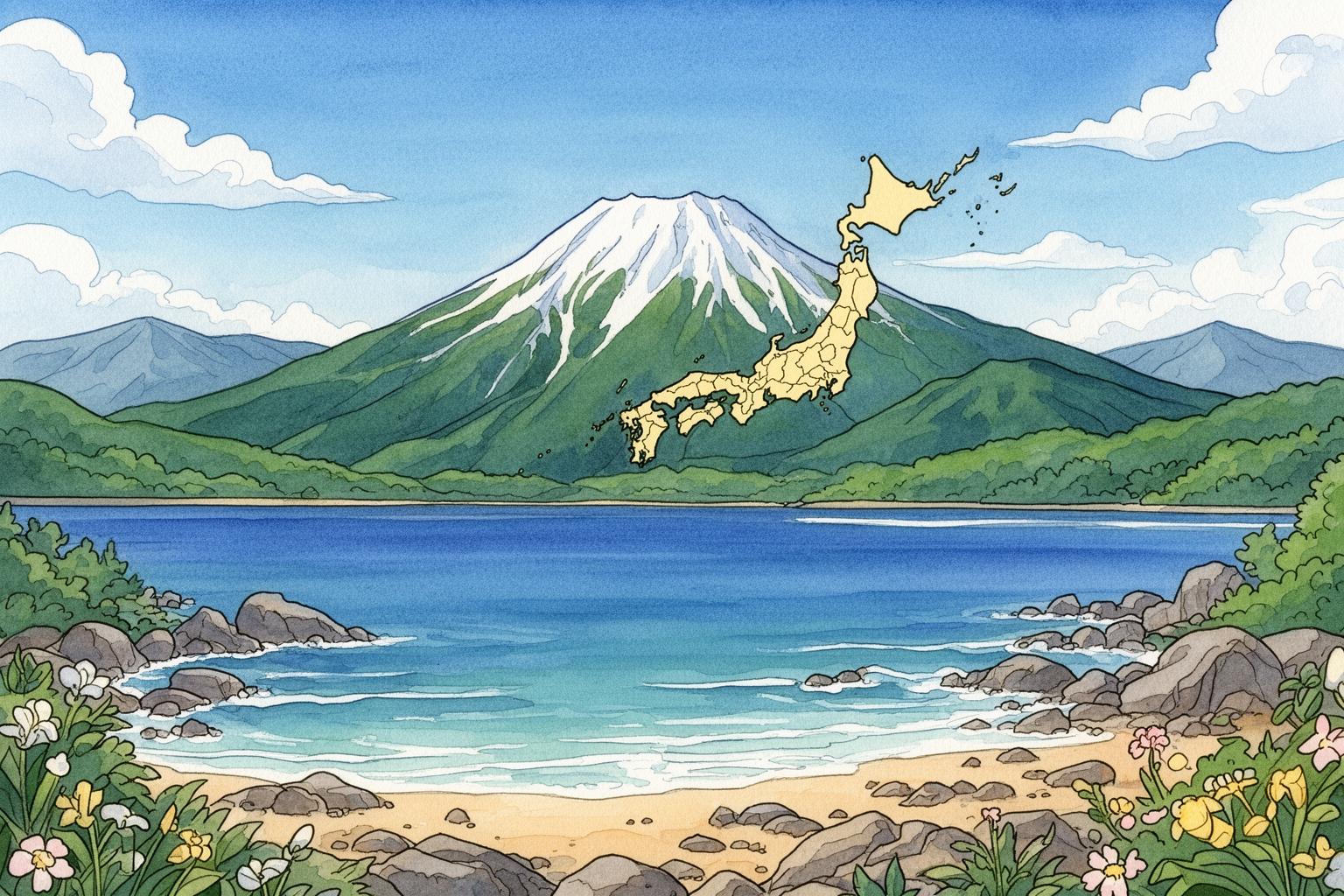
While the cruises remain the undeniable highlight, you should definitely set aside time to explore Shiretoko on land. The peninsula offers incredible experiences that perfectly complement your time on the water. The Shiretoko Goko, or Five Lakes, is an absolute must-visit. An elevated wooden boardwalk lets you stroll through the pristine forest and around the beautiful, mirror-like lakes. As it is prime bear habitat, the boardwalk is designed for safe viewing. Walking through this quiet, ancient forest with snow-capped mountains perfectly reflected in the still water is a deeply peaceful and meditative experience, making you feel a million miles away from anywhere.
For truly stunning views, take a drive up the Shiretoko Pass. This winding road connects the towns of Utoro and Rausu, offering breathtaking panoramic vistas across the peninsula. On a clear day, you can see all the way to Kunashir Island, one of the disputed Kuril Islands. It’s also an excellent spot to admire the autumn colors from above. Keep in mind that the pass closes during the long winter due to heavy snowfall. Don’t miss the Oshinkoshin Waterfall, also known as the “Twin Beauties.” It ranks among Japan’s top 100 waterfalls and is easily accessible right off the main road to Utoro. Its powerful cascade splits into two, and you can walk right up close to feel its spray. Be sure to visit the Rausu side of the peninsula as well. It offers a different, more rustic atmosphere than Utoro. It’s a hardworking fishing town and serves as the main hub for whale watching tours searching for sperm whales. The vibe is distinct, the views are unique, and it provides a more complete picture of life in this remote corner of the world.
Pro-Tips for Your Expedition
A little preparation goes a long way in making your Shiretoko adventure both smooth and unforgettable. First, consider what to wear. This is essential: layers. Even on a warm summer day, it gets much colder and windier out on the water. A windproof and waterproof jacket is indispensable. During spring, autumn, and especially winter, you’ll want to dress in thermal layers, a fleece, a hat, and gloves. It’s better to have these items and not need them than to be freezing while a bear is putting on a show.
Next, think about what to bring. Binoculars are absolutely essential. They completely change the experience, turning a distant brown dot into a detailed view of a magnificent bear. Most boats rent them, but if you have your own, bring them along. A camera with a good zoom lens is also crucial if you want to capture those amazing moments. Don’t forget sunglasses, sunscreen, and a hat—the glare off the water can be intense. And if you’re at all prone to motion sickness, take medication beforehand. The sea can get rough, and you don’t want to be queasy when the orcas appear.
Finally, and most importantly, respect the wild. This is the golden rule of Shiretoko. These are wild animals in their natural home. Keep your voice down on the boat to avoid disturbing them. Never, under any circumstances, feed the wildlife. Always follow your guide’s instructions. The entire approach to tourism in Shiretoko is based on responsible, sustainable observation. It’s a tremendous privilege to witness this incredible ecosystem, and we all have a role in preserving it for future generations.
The Echo of the Wild
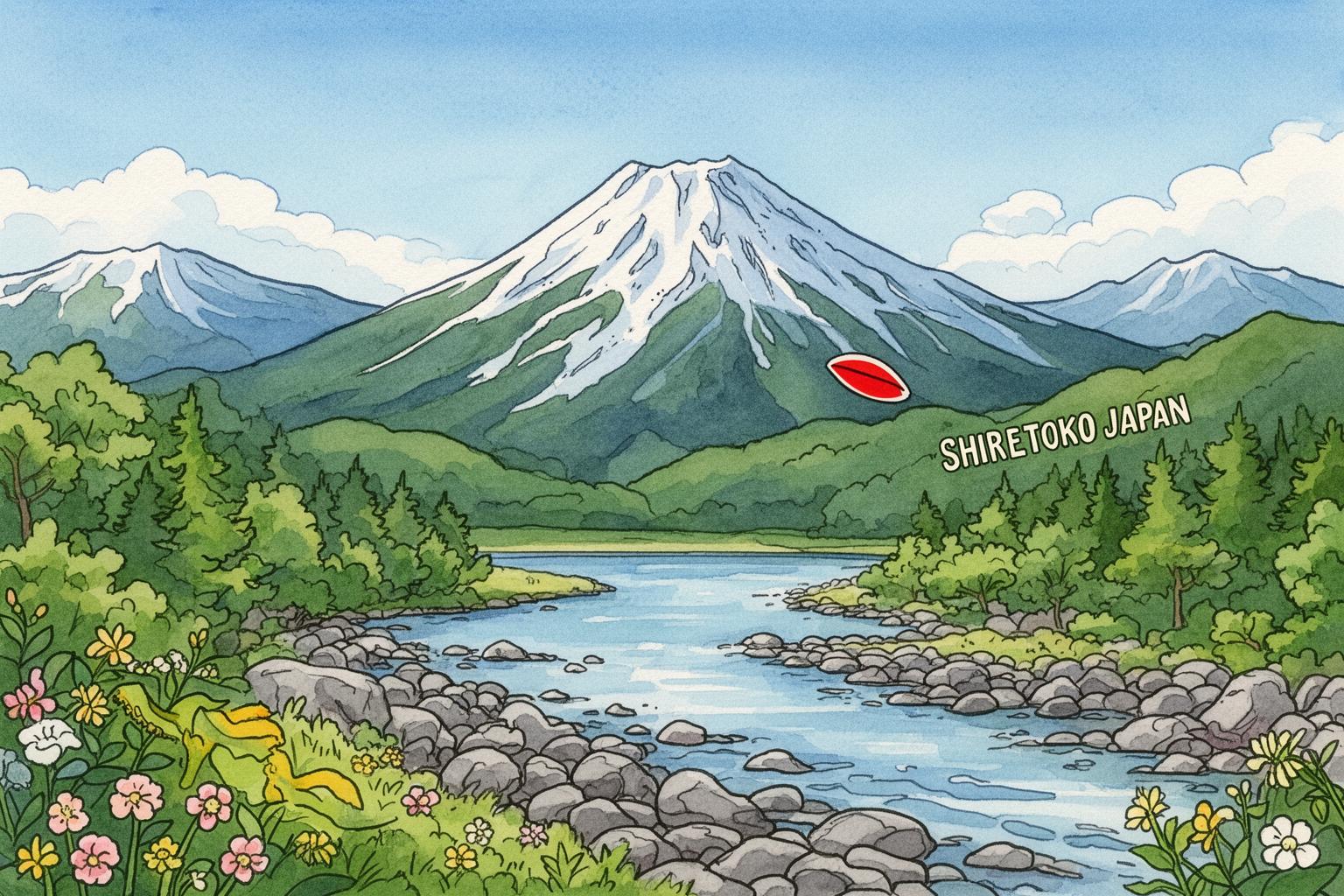
A trip to Shiretoko is more than a vacation; it’s a full immersion. It’s a journey to a land that reminds you of the raw, untamed power still present in our world. Cruising along its dramatic coastline is witnessing nature’s grand theater in its purest form. You’ll leave with more than just photographs; you’ll carry a feeling. The awe of a bear standing on its hind legs, the thrill of a dolphin leaping from the waves, the profound peace of a silent, frozen sea. Shiretoko is not merely a place to see with your eyes; it’s a place to feel deep within your soul. It leaves an echo, a quiet roar urging you to remember and protect wild places. It’s a journey to the edge of the earth that, in the best way, will stay with you forever.