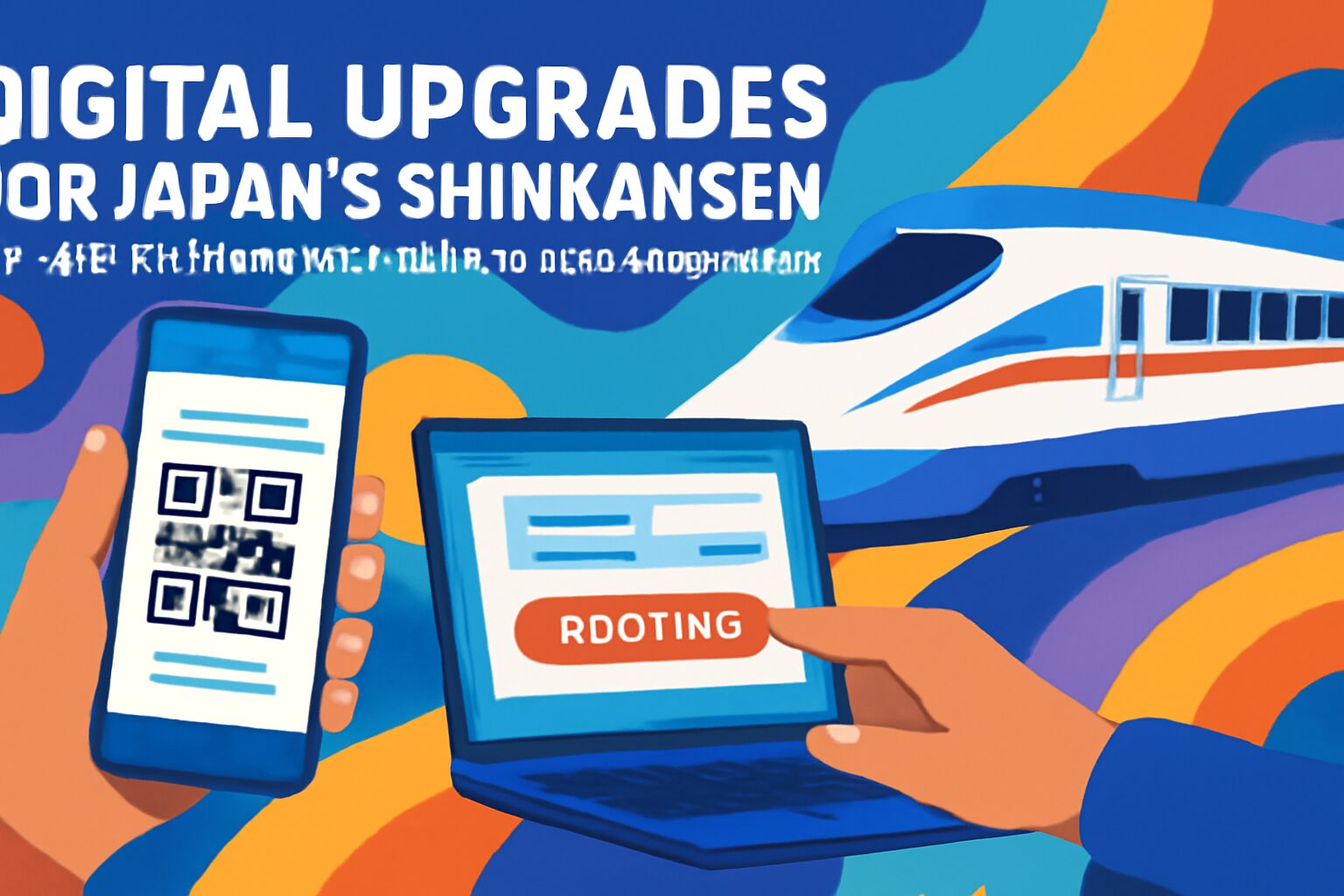
A New Era of Convenience for Japan’s Iconic Bullet Trains
Japan’s world-renowned Shinkansen (bullet train) network is undergoing a significant digital transformation, promising a more seamless and user-friendly experience for both domestic and international travelers. In a move to modernize its services, major railway operators and travel platforms are introducing QR code ticketing and dramatically faster online booking systems, signaling a pivotal shift in how people travel across the country.
The Push for Modernization in a Post-Pandemic Travel Boom
Background: Overcoming Traditional Hurdles
For years, navigating Japan’s extensive rail system, while efficient, has presented challenges for international visitors. Complex fare structures, language barriers at ticket machines, and the necessity of physical tickets or specific IC cards often created friction in the travel planning process. While the Japan Rail Pass has long been a popular option for tourists, purchasing individual tickets online has remained a less-than-intuitive experience on many platforms.
This digital push comes as Japan experiences a remarkable resurgence in tourism. According to the Japan National Tourism Organization (JNTO), the number of international visitors has been steadily climbing, with several months in 2024 surpassing pre-pandemic levels recorded in 2019. For instance, March 2024 saw over 3 million foreign visitors, a record high for a single month. This influx of tech-savvy global travelers has accelerated the demand for more accessible, mobile-first solutions.
What’s New? A Closer Look at the Upgrades
Trip.com Introduces QR Code Shinkansen Tickets
In a significant step forward for accessibility, the global travel platform Trip.com has now integrated a system allowing travelers to purchase Shinkansen tickets and receive a QR code directly on their smartphones. This eliminates the need to print tickets or exchange vouchers at a physical counter. Passengers can simply scan the QR code at the automated ticket gates to board their train. This innovation streamlines the entire process, from booking to boarding, saving valuable time and reducing the stress of navigating busy train stations.
JR East’s “One-Minute” Booking System
Concurrently, JR East, one of Japan’s largest railway companies, has revamped its online booking portal. The new, streamlined system is designed for speed and simplicity, enabling customers to complete a reservation in as little as one minute. By optimizing the user interface and reducing the number of steps required, JR East is directly addressing feedback about the complexity of its previous systems. This enhancement benefits not only international tourists but also domestic travelers, making spontaneous trips and last-minute bookings far more convenient.
The Future of Rail Travel in Japan and Its Impact
Enhancing the Tourist Experience
These digital upgrades are poised to have a profound impact on Japan’s tourism landscape. By lowering the barrier to entry for train travel, Japan becomes an even more attractive destination for Free Independent Travelers (FITs). The ability to book tickets effortlessly on a familiar platform and use a simple QR code for entry empowers visitors to explore beyond the typical tourist hubs like Tokyo and Kyoto, potentially encouraging travel to lesser-known regional areas.
A Catalyst for Nationwide Integration
The initiatives by JR East and partners like Trip.com are likely to create a ripple effect across Japan’s entire rail network. Other JR Group companies—such as JR Central and JR West—and private railway operators will face increasing pressure to adopt similar technologies to remain competitive. This could lead to a future where a unified, nationwide digital ticketing standard emerges, further simplifying cross-regional travel.
Paving the Way for Smart Mobility (MaaS)
Ultimately, these developments are crucial building blocks for a more integrated Mobility as a Service (MaaS) ecosystem in Japan. In the near future, travelers might be able to use a single application to plan, book, and pay for their entire journey, combining Shinkansen, local trains, buses, and even taxis. The data generated from these digital platforms will also enable railway companies to optimize schedules, manage crowd flow more effectively, and offer personalized travel recommendations, creating a smarter and more responsive transportation network for everyone.