
Shinjuku. The name itself crackles with an electric energy, a futuristic hum that seems to emanate from the very pavement. For most, it conjures images of the world’s busiest train station, a chaotic ballet of humanity surging beneath towering skyscrapers and a blinding galaxy of neon signs. It’s the Tokyo you see in films, a dazzling, overwhelming metropolis that feels like it’s living ten years in the future. But beneath that gleaming, high-tech veneer, a different kind of current flows. It’s an analogue pulse, a warm, crackling sound preserved in the grooves of countless vinyl records. Shinjuku is not just a hub of commerce and chaos; it is a pilgrimage site, a holy land for anyone who believes in the power of physical music. This is a journey into that other Shinjuku, a labyrinth of narrow staircases, basement shops, and towering buildings dedicated entirely to the art of the record. We’re going crate digging, but this is more than just a shopping trip. It’s an archaeological expedition into the heart of Tokyo’s counter-culture, a quest to uncover the sounds and stories that have defined the city’s rebellious, artistic soul for decades. Forget your streaming playlists for a moment and prepare to get your fingers dusty. The real soul of the city is waiting to be found, one spin at a time.
To truly understand this counter-culture soul, a great starting point is this vinyl junkie’s guide to digging for Group Sounds gold in Shinjuku.
The Shinjuku Soundscape: A Tale of Two Exits

To grasp Shinjuku’s vinyl scene, you first need to understand the layout of the station itself. It’s a city within a city, with its character shifting dramatically depending on which exit you take. Step out of the West Exit, and you enter a realm of order and ambition. Here, the Tokyo Metropolitan Government Building dominates the skyline, surrounded by luxury hotels and the sparkling headquarters of major corporations. The streets are wide, the vibe professional, and the air buzzes with the quiet efficiency of modern Japan. It’s impressive, but not where our story takes place.
Our focus is on the opposite side, through the East Exit. Stepping out here feels like entering another world. The energy is vibrant, chaotic, and irresistibly human. This is the Shinjuku of legend: the gateway to the glowing canyons of Kabukicho, the city’s notorious entertainment district; the lantern-lit haze of Omoide Yokocho’s tiny yakitori stalls; and the impossibly narrow alleys of Golden Gai, where history clings to the walls of its tiny bars. It was in this frenetic, free-spirited environment that Shinjuku’s counter-culture found fertile ground.
In the post-war era, especially during the 1960s and 70s, this part of Shinjuku became a hub of artistic and intellectual activity. University students, activists, writers, artists, and musicians flocked here. They populated the smoky basements of ‘jazz kissa’, unique Japanese jazz cafés where patrons sat in reverent silence, listening to imported records of John Coltrane and Miles Davis played on audiophile sound systems. These cafés were not just places to drink coffee; they were sanctuaries, classrooms, and secret meeting spots where new ideas circulated alongside the sounds of American free jazz and hard bop. The craving for these imported records—music that felt fresh, rebellious, and worlds apart from mainstream Japanese pop—laid the groundwork for the record stores that would soon come to define the neighborhood. Shinjuku became the destination for discovering music off the beaten path, and that spirit of exploration continues to drive the vinyl hunt today.
The Colossus of Crate Digging: Disk Union’s Shinjuku Empire
When discussing record shopping in Shinjuku, and indeed throughout Japan, one name stands above all others: Disk Union. Calling it merely a ‘record store’ greatly undersells its scope. Disk Union in Shinjuku isn’t a single shop; it’s a network of specialized outlets, a multi-building, multi-story complex devoted to the careful curation and sale of physical media. For newcomers, its vastness can be overwhelming. It’s common to see fellow music enthusiasts standing on the street, clutching small maps of the various Disk Union locations, planning their route like explorers navigating unknown territory. The best way to approach it is to embrace the experience, tackling it one floor and one genre at a time.
The Main Building: A Tower of Sonic Dreams
The flagship store, just a short walk from the station, is a seven-story structure that serves as an ideal introduction to the Disk Union world. The moment the elevator doors open on any floor, you’re greeted by a familiar, almost sacred scent—aging cardboard, paper sleeves, and vinyl—a fragrance steeped in countless memories. Each floor is a distinct realm, focused on a particular genre, curated with near-academic precision. The staff aren’t just retail clerks; they are guardians of sound, often deeply knowledgeable experts in their specialties. You’ll often see them examining recently arrived second-hand records with jeweler’s loupes, their movements precise and respectful.
Rock, Prog, and Heavy Metal Floors
Moving upward through the building is like tuning a radio across the history of rock. One floor is a sanctuary for ’60s and ’70s classic and progressive rock, with bins brimming with UK and US first pressings of iconic albums by bands such as Led Zeppelin, Pink Floyd, and King Crimson—often in pristine condition and, naturally, with the coveted ‘obi’ strip intact. The level of detail is astonishing. You’ll find sections not only dedicated to individual bands but also to specific labels, pressings, and countries of origin. It’s a testament to the Japanese collector’s passion for detail and completeness.
One floor above, the mood intensifies. This floor is dedicated to heavy metal and hard rock. The walls are lined with CDs and records encompassing every sub-genre imaginable: thrash, death, black, doom, and power metal. While the collection is global, the real treasure for many is the Japanese section. Spotting intricate kanji logos of bands like X Japan, Loudness, or Anthem on vinyl is a unique thrill. The crowd here spans generations—from older Japanese men in leather jackets who have followed the scene since the ’80s to younger international fans on pilgrimage. There’s a quiet camaraderie in the aisles, a shared appreciation for the power of a distorted guitar riff.
The Jazz Hub
For many visitors, the jazz floor is the jewel of the main building. It is a direct heir to the ‘jazz kissa’ culture that once thrived in Shinjuku. The atmosphere is quieter, more contemplative. Patrons often scrutinize the spines of Blue Note reissues or compare Japanese pressings from King or Toshiba EMI for their famed sound quality. The selection is vast, spanning from early swing and bebop to the furthest reaches of avant-garde and free jazz. Prized items are displayed behind glass cases: mint first pressings of landmark albums with prices to match. Yet the true delight lies in the browse bins, where you might uncover a hidden gem, a forgotten classic, or an affordable Japanese pressing of a beloved album that sounds superior to any version you’ve heard. It’s both a library of improvisation and a sanctuary for the serious listener.
The Japanese Music Annex (Showa Kayo Hall): A Journey Back in Time
Just around the corner from the main building is a separate Disk Union location — a must-see for any international visitor: the Showa Kayo Hall. This building offers a gateway into the vibrant, stylish, and often wonderfully quirky world of classic Japanese popular music. The term ‘Showa’ refers to Emperor Hirohito’s reign (1926–1989), a time of significant change and cultural energy in Japan. Entering this store feels like stepping back into that era.
The walls are adorned with vivid, evocative album art from the ’70s and ’80s. This is the heart of the City Pop revival, the once-overlooked genre of Japanese music now beloved worldwide for its breezy, sophisticated blend of soft rock, funk, and boogie. Here you’ll find original vinyl pressings of albums by Tatsuro Yamashita, Mariya Takeuchi, and Anri—records that have become icons among global fans. Holding a copy of Yamashita’s For You or Taeko Onuki’s Sunshower is like holding a piece of internet-age legend.
But the store offers much more than City Pop. It provides an in-depth education in Japanese music history. Sections dedicated to ‘kayokyoku,’ the more traditional, often orchestra-backed pop music of the ’60s and ’70s, sit alongside bins of ‘enka,’ the emotional ballads central to Japanese musical identity. You’ll also find Japanese folk, rock, and ‘New Music’ from pioneers like Happy End and Yumi Matsutoya, who paved the way for the J-Pop revolution. It’s an incredible place to explore even if you’re unfamiliar with the artists—the quality of the graphic design on the album covers alone makes a visit worthwhile. It’s a visual and auditory museum of a cool, bygone Japan.
Beyond the Union: Independent Havens and Collector’s Corners

While Disk Union can easily take up your entire day (and budget), part of Shinjuku’s charm lies in exploring the smaller, independent shops that offer a distinct experience. These stores often mirror the unique passions of their owners, providing a more curated and personal journey into the world of vinyl.
HMV Record Shop Shinjuku Alta: The Bright and Modern Contender
Situated on the 6th floor of the Alta building, a fashion-centered department store, HMV Record Shop presents a sharp contrast to the dense, library-like atmosphere of Disk Union. The space is bright, open, and modern, with a far more relaxed and approachable vibe. HMV excels at bridging the old with the new. A large portion of the store is devoted to brand-new releases and modern reissues of classic albums, making it an ideal first stop if you’re seeking the latest indie rock album or a freshly pressed City Pop compilation.
Their second-hand section is equally extensive and well-organized, covering a broad range of genres from rock and pop to soul, jazz, and Japanese music. While perhaps not as deeply specialized as Disk Union’s individual floors, the selection remains vast and expertly curated. HMV is also known for hosting in-store events, signings, and DJ sets, creating a lively cultural hub rather than just a retail space. It’s a great spot for both seasoned collectors and curious newcomers to gain a broad overview of the vinyl landscape, all within one bright, welcoming location. Finding an entire floor dedicated to records inside a bustling fashion building is a uniquely Tokyo experience—an excellent example of how niche hobbies are embraced and elevated in the city.
Natsubori Records: The Collector’s Sanctuary
For those in search of the truly rare, visiting Natsubori Records is a must. This isn’t a place for casual browsing; it’s a serious collector’s haven. Hidden in a nondescript building, stepping into Natsubori feels like entering a private library or secret vault. The store is small and impeccably organized, focusing on high-quality pressings of rare rock, psych, prog, and jazz. The owner is a renowned expert, and the selection reflects a lifetime of dedicated hunting.
Here, you’re unlikely to find bargain bin deals and far more likely to discover holy grail items—a pristine UK first pressing of a Nick Drake album, an obscure Japanese psychedelic rock gem from the late ’60s, or a rare jazz record owned by only a handful worldwide. Prices reflect the rarity and condition, but for dedicated collectors, it’s an invaluable opportunity. Visiting Natsubori is about the quality of the experience—a quiet, respectful space where records are treated as artifacts. Even if you leave without a purchase, simply being in the presence of such a meticulously curated collection is an education in itself.
Red Ring Records: A Punk Rock Hideout
Shinjuku’s counter-culture pulse beats strongest in its punk scene, and Red Ring Records is a central part of it. This small, intense shop is devoted to punk, hardcore, garage, and indie rock. The walls are plastered with flyers, stickers, and posters, and the air buzzes with raw, DIY energy. This is the spot to find 7-inch singles from obscure Japanese hardcore bands, limited pressings from international indie labels, and second-hand LPs from punk legends.
The owner is deeply embedded in the scene, and the shop serves as much as a community notice board as a store. It’s an excellent place to get a sense of Tokyo’s current underground music scene. You might discover a new local band just by browsing the flyers or striking up a conversation. Red Ring is a reminder that record collecting isn’t solely about nostalgia; it’s about supporting a living, breathing culture of independent artists. It’s an essential stop for anyone whose musical taste leans toward the loud, fast, and rebellious.
The Art of the Dig: A Practical Guide for the Vinyl Pilgrim
Exploring Japanese record stores can be an incredibly rewarding experience, and having a bit of local insight can make your search even more fruitful. The Japanese take their collecting seriously, and knowing their customs and terminology will unlock a deeper level of appreciation.
Understanding the Obi Strip: The Valued Paper Belt
One of the first things you’ll notice about Japanese-pressed records is the paper strip wrapped around the left side of the album sleeve. This is the ‘obi’ (帯), which means ‘sash’ or ‘belt’, similar to the one worn with a kimono. Originally, the obi served as a simple marketing tool, providing information about the album—such as track listings, price, and a catchy description—in Japanese for local buyers. Over time, however, the obi has become a crucial element for collectors. An album with its original obi intact is considered complete and is significantly more valuable than one missing it. For many collectors, the obi’s beautiful typography and design are as much a part of the artwork as the sleeve itself. When browsing, you’ll often see staff and customers handling sleeves with great care, specifically to protect this delicate paper strip. It’s a uniquely Japanese feature of the vinyl hobby that adds another layer of excitement to the hunt.
Decoding the Condition Ratings
Japanese record stores are known for being exceptionally honest and precise about the condition of their second-hand items. While they often use a familiar grading system, their standards are typically much stricter than those in the West. Letter grades are commonly used to describe both the vinyl (disc) and the sleeve (jacket).
- S (Sealed): The record remains in its original shrink wrap, unopened and unplayed.
- A (Mint or Near Mint): The record is in perfect or near-perfect condition. It may have been opened, but looks and sounds like new. There are no visible scratches or scuffs, and the sleeve shows no signs of wear.
- B (Excellent or VG+): This is the most common grade for well-maintained second-hand records. The vinyl might have very light superficial marks or scuffs that do not affect playback. The sleeve may show very minor corner wear or slight ring wear. In Japan, a ‘B’ grade often corresponds to a strong ‘VG+’ or even ‘Near Mint’ by Western standards.
- C (Very Good or VG): The record will have more noticeable marks or light scratches, and you may hear some surface noise or occasional pops, though it should not overpower the music. The sleeve will display more obvious wear, such as seam splits or writing.
Stores usually provide detailed grading, often adding plus (+) or minus (-) signs, and sometimes notes specifying particular flaws. Always check the grading sticker on the outer plastic sleeve before purchasing.
Tax-Free Shopping and Bringing Your Finds Home
For international tourists, many larger stores like Disk Union and HMV offer tax-free shopping for purchases over a certain amount (usually 5,000 yen). You’ll need to show your passport at the time of purchase to receive the discount. Be sure to ask at the counter.
After collecting your treasures, the next challenge is getting them home safely. Packing vinyl for a long-haul flight requires care. Some travelers bring dedicated record mailers with them, but a more practical method is to pack the records tightly in the center of your suitcase, cushioned between soft layers of clothing. Be sure to stand them upright, not lay them flat, and ensure there’s no room for shifting or bending of corners. A sturdy tote bag can also serve as a carry-on, but be prepared for it to become heavy. Safely returning your precious haul is the final, crucial step in a successful pilgrimage.
The Echoes of Shinjuku: The Culture Beyond the Crates
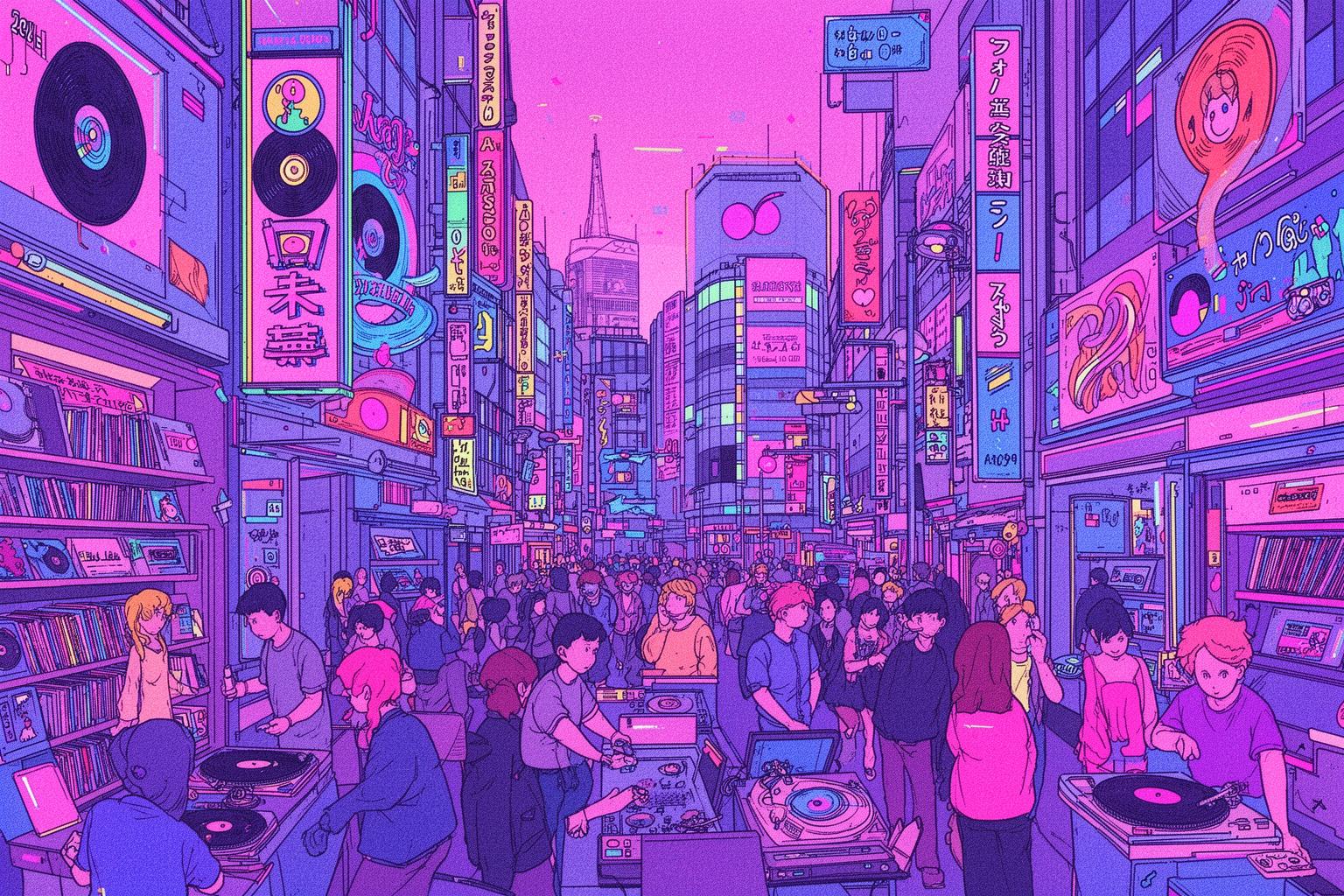
Your discovery of Shinjuku’s musical essence shouldn’t stop once the record shops close. The energy of the music you’ve just bought resonates through the neighborhood’s maze-like streets, in venues and establishments that share the same countercultural spirit.
From Jazz Kissa to Live House
The tradition of the ‘jazz kissa’ endures. Though fewer in number, iconic places like The Pit Inn still host world-class live jazz performances every night. Entering one of these dimly lit basements feels like stepping back into the post-war era of deep, focused listening. Beyond jazz, Shinjuku is filled with ‘live houses’—small, intimate venues showcasing rock, punk, and indie bands. Legendary spots like Shinjuku Loft have served as launching pads for countless Japanese rock acts over the decades. Check local listings or street-level signs announcing shows; catching a live gig is the perfect way to experience the city’s music scene in real time.
Golden Gai and Omoide Yokocho: Fueling the Night
After a long day of digging, there’s no better place to unwind and soak up the vibe than Golden Gai or Omoide Yokocho. Omoide Yokocho, or ‘Memory Lane’, is a narrow alley filled with tiny, open-fronted eateries, where the smoke from grilled chicken drifts into the night air. It’s a relic of the Showa era, wonderfully preserved and timeless.
Golden Gai is even more renowned: a maze of six extremely narrow alleys housing over 200 tiny bars, some seating only five or six people at once. In the 60s and 70s, these bars were popular haunts for writers, filmmakers, actors, and musicians—including the controversial author Yukio Mishima. Each bar has its own unique theme and character. Finding a welcoming spot and chatting with the bartender and fellow guests is an unforgettable Tokyo experience, offering a perfect, intimate conclusion to a day spent exploring the area’s rebellious artistic heritage.
The Enduring Groove: Why Shinjuku’s Vinyl Scene Still Spins
In an era dominated by endless digital streams and transient algorithms, the vinyl scene in Shinjuku offers something deeply grounding. It serves as a powerful reminder of the enduring human desire for the tangible, the curated, and the authentic. Holding a record is a multi-sensory experience: the weight of the disc, the broad canvas of the album art, the liner notes, the physical act of placing the needle in the groove, and the warm, immersive sound that follows. It commands your attention in a way that a digital file simply cannot.
Shinjuku’s record stores are more than mere shops; they function as archives, museums, and community hubs. They embody a city’s rich cultural history—a place where the spirits of free jazz, rebellious rock and roll, and refined City Pop coexist within meticulously organized bins. Spending a day here is more than a music hunt; it’s an engagement with the city on a deeper level, tracing the lineage of its artistic movements and connecting with a global community who shares a passion for sound. The groove of Shinjuku runs deep and endless. All you have to do is drop the needle and listen.