Yo, what’s the move? It’s Ayaka, and today we’re diving deep. Like, deep into the concrete heart of Tokyo, into a place that’s basically the final boss of city vibes: Shinjuku. But we’re not here for the basic tourist stuff, nah. We’re on a different kind of mission. We’re chasing a ghost, a vibe, a feeling that’s been hardwired into our brains since the 90s. We’re hunting for that gritty, neon-drenched, rain-slicked soul of cyberpunk anime. You know the one. That aesthetic from Ghost in the Shell, the overwhelming scale of Neo-Tokyo in Akira, the shadowy underworld of Cyber City Oedo 808. It’s a mood that feels both nostalgic and futuristic, a world of towering corporate monoliths and tangled, human-level alleyways where stories unfold in the shadows. For real, Shinjuku is where that digital ghost still lives, breathes, and pulses with electric energy. It’s not about finding a 1:1 replica of a scene; it’s about feeling that atmosphere in your bones, seeing how the past and future are all smashed together in this one epic place. It’s about becoming a modern-day ninja, a shadow operative navigating the urban labyrinth, observing the data streams of humanity, and finding the soul in the machine. This ain’t just a place on a map; it’s a whole entire mood board, a living level from a video game you’ve always wanted to play. So, lace up your most comfortable kicks, charge your phone, and get ready to jack into the mainframe. Shinjuku is waiting, and trust me, it hits different after dark. It’s a place where you can feel the weight of millions of stories, all happening at once, under the glow of a thousand neon signs. It’s loud, it’s chaotic, and it’s beautiful. Bet.
If you’re captivated by this blend of retro and futuristic aesthetics, you might also be fascinated by the world of retro-futuristic floral zakka.
The Neon-Soaked Heartbeat: Shinjuku’s East Exit and Kabukicho
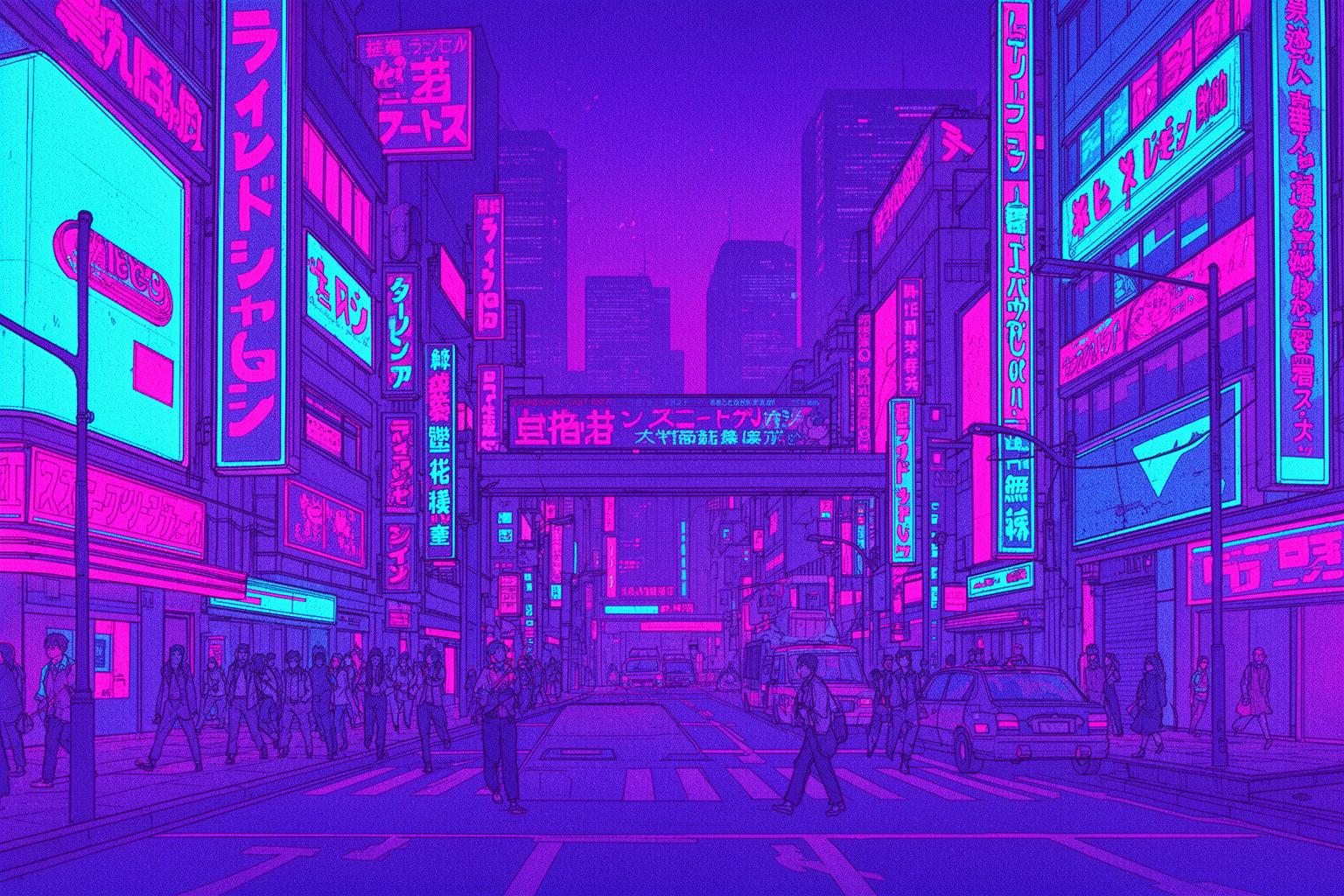
Stepping out of the East Exit of Shinjuku Station feels like entering an upgraded version of reality. The overwhelming density of light and sound assaults the senses—in the best way imaginable. This is the Shinjuku you’ve seen in films, anime, and daydreams. It’s the chaotic, vibrant, and slightly dangerous heart of the cyberpunk aesthetic. The air itself hums with electricity, thick with the mingling scents of ramen broth, perfume, and the faint metallic tang of rain on hot asphalt. This is ground zero for our mission. Forget everything you think you know about cities; Shinjuku’s east side vibrates on a different wavelength, a higher bandwidth of human experience. Here, every turn reveals a new scene, a fresh microcosm, a story waiting to unfold. The modern ninja carries no sword but wields a keen eye and an open mind, ready to absorb the torrent of information this environment delivers. The first rule of navigating this space is to surrender control. You can’t map it all mentally. Instead, you must let the crowd’s current guide you—to become part of its flow, a single data packet in a river of millions.
Kabukicho’s Electric Symphony
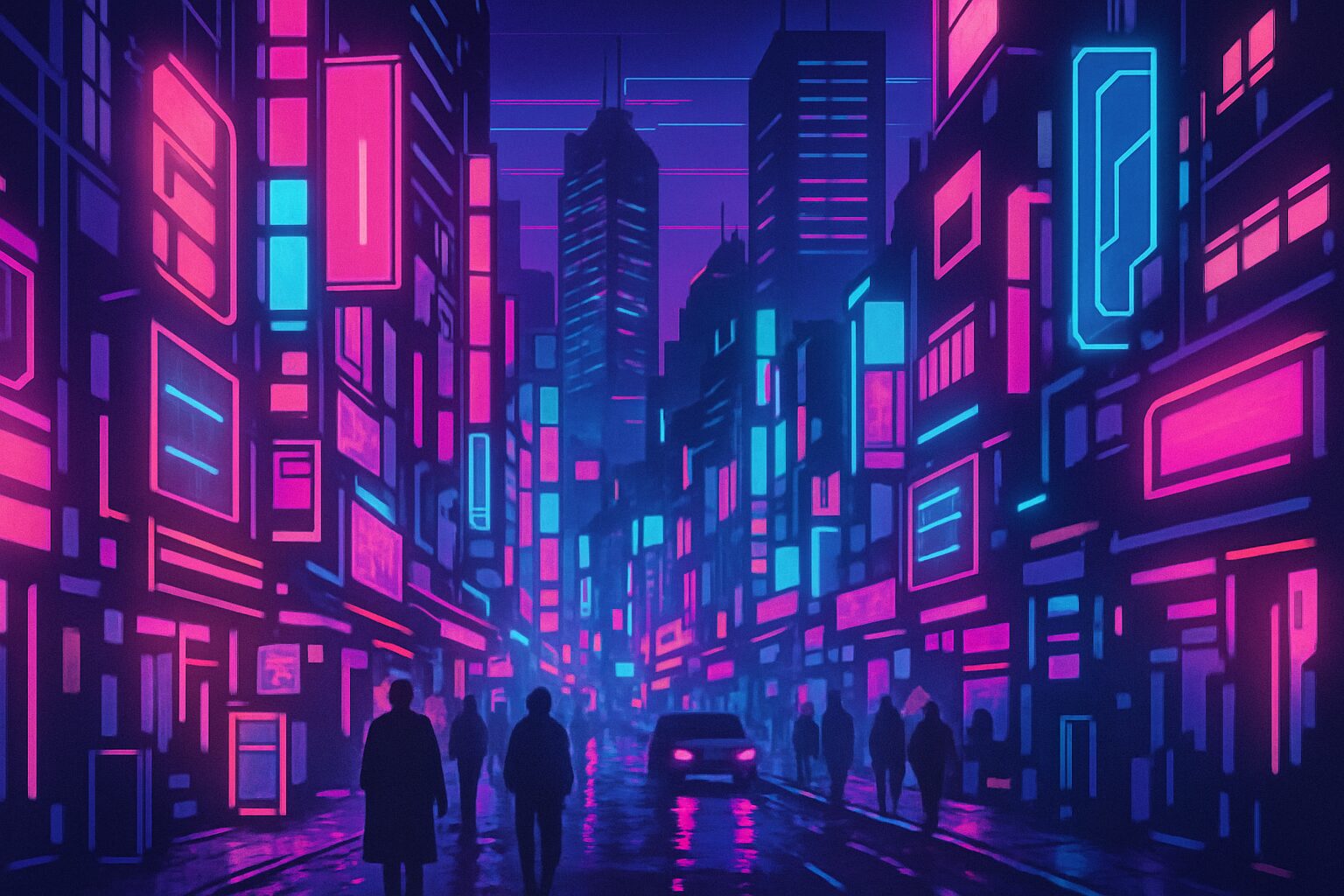
Passing beneath the iconic red arch of Kabukicho Ichibangai feels like crossing a threshold. Instantly, the world’s volume cranks to eleven. Towering signs emblazoned with dazzling kanji and flashing LEDs compete for your attention, bathing the night in magenta, cyan, and electric blue. The visuals are so dense and layered it’s as if the Blade Runner cityscape came alive, injected with pure adrenaline. Japan’s most famous red-light district carries a complex history and reputation, but for our purposes, it’s the quintessential cyberpunk playground. The streets perform a chaotic ballet: salarymen stagger from izakayas, sharply dressed hosts and hostesses beckon passersby, wide-eyed tourists mingle with locals who navigate the frenzy with practiced, almost bored ease. The soundscape is equally intense: a cacophony of J-pop pouring from storefronts, pachinko parlors clattering, the murmur of countless conversations, and the distant wail of sirens. It’s overwhelming—and that’s intentional. Cyberpunk often explores sensory overload, humanity struggling to find its place in a world that is too fast, too loud, too bright. Kabukicho embodies that theme perfectly. Your mission here is not to visit any specific venue but simply to exist amid the chaos. Find a spot, and just watch: observe crowd patterns, how light reflects off wet pavement after a brief shower, steam rising from a hidden ramen stand. You’ll encounter characters straight from sci-fi casting: the stoic bartender polishing glasses with precision, kids in futuristic streetwear, and an old woman sweeping her tiny shop’s steps, seemingly oblivious to this Blade Runner-esque world. This is where the ‘shadow’ vibe truly emerges. The bright main streets cast deep, dark alleys. Peeking into these lesser-traveled paths feels like discovering a glitch in the Matrix—a hidden level where real action unfolds. Here, deals are made, secrets whispered, and the city’s raw, unfiltered personality unveils itself. As a modern urban ninja, your skill lies in observation, blending into the scenery. Don’t be a tourist with a map; be an explorer—a ghost drifting through this electric dreamscape. Kabukicho’s true essence isn’t confined to any building but lives in its overwhelming, intoxicating, and slightly terrifying energy. It’s the feeling of being a small, anonymous part of a vast, complex, and beautiful machine.
Golden Gai: A Labyrinth of Memories
Just steps away from Kabukicho’s futuristic sensory overload lies a place that feels like a time capsule from another era: Golden Gai. This is pure, unfiltered cyberpunk aesthetic—the ultimate contrast between old and new, organic and artificial. Golden Gai is a tangled network of six narrow, fragile alleys packed with over 200 tiny bars, some seating only five or six people. The buildings are low, post-war wooden structures that look as though they might collapse at any moment, yet they stand defiantly beside sleek glass and steel skyscrapers towering like metallic gods. Stepping into Golden Gai is stepping into the past. The alleys are so narrow you can almost touch both sides simultaneously. Lanterns cast a warm, soft glow, stark against Kabukicho’s harsh neon. The air is thick with scents of aged wood, spilled beer, and grilling food. Each bar boasts its own unique theme and personality, testifying to the individuality flourishing in this enclave resisting corporate uniformity. Some bars are punk rock sanctuaries, others classic movie shrines; some are so niche only regulars know their themes. This is the ‘glitch in the system’ trope made real: a hideout, a safe house where protagonists might gather to swap intel and plan their next move. Here, the ‘ninja’ aspect shifts toward social stealth. Many bars charge tourists or restrict entry to regulars, preserving their intimate atmosphere. Scoring a welcoming spot and chatting with the bartender or locals unlocks a side quest. You’ll hear tales of the area’s history as a post-war black market and prostitution hub, and its resistance to developers in the ’80s bubble economy who sought to erase it. These stories are the soul of Golden Gai—the memories and data keeping it alive. Sitting shoulder-to-shoulder in these tiny bars, you sense a community and history entirely absent from the anonymous, futuristic city just outside. This is the human core often central to cyberpunk narratives: the fight to retain identity and connection in a world bent on erasing them. Golden Gai is a living archive of that struggle—an essential vibe, no cap.
Omoide Yokocho (Memory Lane): Smoke and Ghosts of the Past
If Golden Gai is the hidden bar scene, Omoide Yokocho is its culinary counterpart. Literally ‘Memory Lane,’ this maze of tight alleys near Shinjuku Station’s West Exit offers another portal to the past, specifically the gritty, hopeful, chaotic Showa era after World War II. Nicknamed ‘Piss Alley’ from a time when sanitation was rudimentary, don’t let that deter you. Today, it’s a smoky paradise for yakitori (grilled skewers) and affordable drinks. The moment you slip into one of its narrow entrances, you’re enveloped in savory smoke from dozens of tiny grills. The alleys are cramped, ceilings low, everything coated with a fine layer of soot and history. This is the working-class heart of the cyberpunk city, where street samurais and information brokers would grab quick, cheap meals. It feels vividly cinematic. Dim light from bare bulbs and the red glow of paper lanterns illuminate simple wooden stools, elbow-to-elbow with Japanese salarymen loosening ties after long days at megacorporations just blocks away. The experience is raw and unfiltered: point at what you want, the grill master nods, and moments later deliciously charred skewers are in your hand. Omoide Yokocho’s beauty lies in its authenticity; it’s not a theme park but a living piece of history that has endured decades of change. The contrast is striking—you sit in this smoky, Showa-era alley, and just by looking up, see the gleaming, futuristic Mode Gakuen Cocoon Tower piercing the skyline. This visual dichotomy—the ramshackle, human-scale past existing under the colossal, impersonal future—is the very essence of ’90s cyberpunk. It visually represents the genre’s core tension. For the urban ninja, this spot is an exercise in blending in: attend to etiquette, learn a few simple Japanese phrases, and soak in the vibe. Listen to clattering plates, sizzling grills, and hearty laughter from those unwinding. This is the city’s heartbeat, its rumbling stomach. It reminds us that no matter how futuristic a city becomes, people still need to eat, drink, and connect. Omoide Yokocho is a testament to that enduring human spirit—a smoky, delicious ghost in the machine.
The Corporate Citadel: Nishi-Shinjuku’s Concrete Jungle
If the East Side is the chaotic, pulsating heart of Shinjuku, then the West Side, or Nishi-Shinjuku, serves as its cold, calculating brain. Crossing the train tracks feels like entering an entirely different world, one defined by order, scale, and corporate dominance. This is the realm of the Zaibatsu, the Megacorps straight out of our favorite cyberpunk tales. The streets are wide, the sidewalks spotless, and the skyline is crowded with sleek, imposing skyscrapers that seem to reach the heavens. The atmosphere here is starkly different—quieter, more sterile, and almost intimidating in its flawless geometry. The human presence feels diminished, less significant, overshadowed by the overwhelming scale of the architecture. Here, the ‘shadow’ aspect of our mission takes on new meaning. Being a ninja means navigating a world not built for you, one inhabited by corporate workers and high-stakes business dealings, while discovering beauty and purpose in its cold, hard surfaces. It’s a unique form of urban exploration, emphasizing perspective, light, and the sensation of being an anonymous observer inside the belly of the beast.
The Tokyo Metropolitan Government Building: A View from the Sky
Dominating Nishi-Shinjuku’s skyline is the Tokyo Metropolitan Government Building, or ‘Tocho’. Designed by the renowned architect Kenzo Tange, this colossal structure exemplifies postmodern design. With its twin towers and intricate, circuit-board-like facade, it looks lifted straight from a sci-fi anime. It’s the final boss fortress, the headquarters of the all-powerful corporation controlling the city. Best of all, it offers free observation decks on the 45th floor of both towers, granting a godlike view of the vast metropolis below. The ascent in the high-speed elevator is an experience in itself—a swift, silent journey into the sky. When the doors open and you step out, the vista is breathtaking. Tokyo stretches endlessly in all directions, a complex tapestry of buildings, roads, and lights fading into the horizon. On a clear day, you can even glimpse Mount Fuji, a majestic analog icon in this digital cityscape. The real cyberpunk atmosphere emerges at dusk. As the sun sets and the city lights ignite, the view transforms into a scene from Akira. Streets become rivers of light—red taillights and white headlights flowing like streams of data. The city pulses like a living, breathing organism, a vast electronic network—and you hover above it, a silent observer in your watchtower. From this vantage point, you truly grasp the city’s scale. The chaotic, human-level worlds of Kabukicho and Golden Gai are mere bright clusters within a vast, intricate system. This perspective embodies a core cyberpunk experience: the sense of seeing the ‘big picture’, understanding the vast, interconnected network you belong to, whether you embrace it or not. The Tocho is your observation deck, your high-tech ninja perch—the perfect spot to contemplate power, control, and individuality within a sprawling megalopolis. And did I mention it’s free? An absolute pro-gamer move for any traveler.
Street Level Illusions: Reflections and Shadows
Once you descend from the heights of the Tocho, exploring the concrete canyons at street level offers an entirely different experience. Walking among Nishi-Shinjuku’s skyscrapers is disorienting due to their dizzying verticality. You constantly crane your neck, striving to see the tops of these glass and steel giants. The world becomes a cascade of reflections. Polished building surfaces capture and distort the sky, clouds, and surrounding structures, creating a fragmented, almost cubist reality. It feels like walking through a hall of mirrors, a digital simulation where reality wavers. This is where the shadow ninja thrives. The buildings’ sharp, geometric lines produce stark contrasts between light and shadow. You can vanish instantly into the darkness of an underpass or the long shadow cast by a skyscraper. The environment itself encourages stealth and careful observation. Pay attention to details: the afternoon sun glinting off a thousand windows creates a dazzling, nearly blinding effect; intricate steel beams and support structures reveal the ‘bones’ of these corporate beasts; the unique sounds—the humming air conditioners, distant traffic light echoes, and the soft whoosh of automatic doors—compose a subtler sensory landscape than the East Side, yet no less powerful. There is a strange beauty in the cold perfection of Nishi-Shinjuku—a beauty born of logic, order, and sheer power. Yet the landscape can feel alienating. The vast, empty plazas between buildings seem designed to control crowds rather than foster community. You are an anonymous figure moving through a system, a ghost in the corporate machine. Embracing this sensation is key to understanding the Nishi-Shinjuku vibe. It’s a melancholic, contemplative experience that perfectly balances the chaotic energy of the rest of Shinjuku.
The Digital Veins: Inside the Shinjuku Station Labyrinth
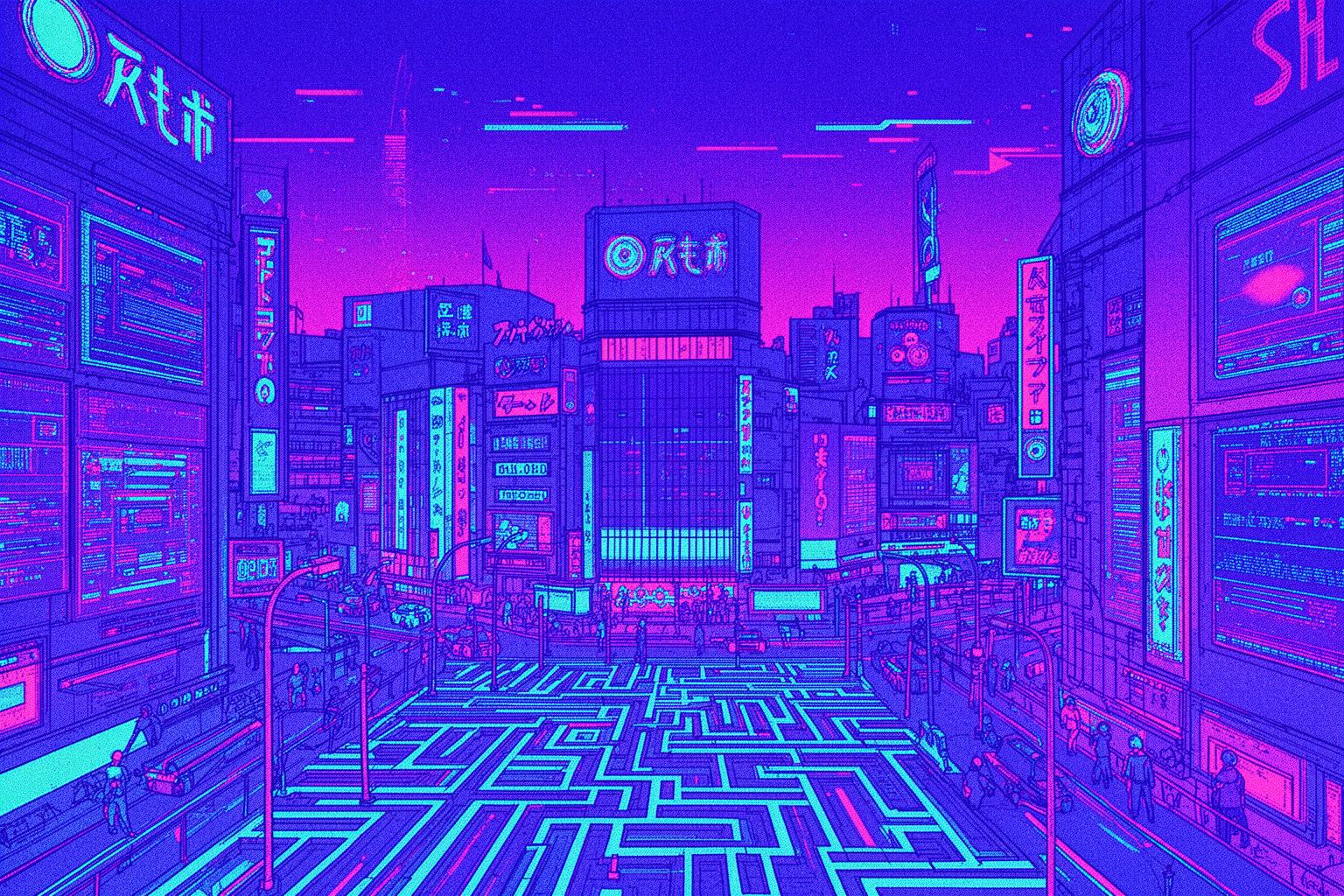
Shinjuku Station is more than just a train station; it is a city in its own right. As the busiest transportation hub globally, it sees over 3.5 million people passing through daily. If Nishi-Shinjuku represents the city’s brain and Kabukicho its heart, then Shinjuku Station serves as its circulatory system—a complex network of digital veins and arteries channeling people, the lifeblood of the city, to every corner of the metropolis. For those seeking a cyberpunk atmosphere, visiting the station is essential. It embodies the ‘Net’ in the real world: a physical labyrinth of interconnected nodes and pathways that is both awe-inspiring and daunting in its complexity. Navigating it challenges your urban ninja skills, testing your ability to find your signal amidst the overwhelming noise.
A City Within a City
Trying to grasp the scale of Shinjuku Station is nearly impossible. It boasts over 200 exits, numerous platforms serving multiple train and subway lines, and an almost infinite network of underground tunnels packed with shops, restaurants, and department stores. Getting lost isn’t just possible; it’s inevitable. Yet that’s part of the adventure. To fully appreciate the station, you must surrender to its logic. Your first journey into its depths feels like exploring a dungeon in a video game. Although extensive, the signage is often contradictory and confusing. You might follow a sign for your exit, only to end up down a long corridor leading to a totally different area. The crowds form a vast, flowing river of humanity, moving with a purpose and efficiency that is both mesmerizing and intimidating. They are like data packets streaming through the network at high speed. As a newcomer, you become the anomaly, the rogue program disrupting this flow. The station’s architecture is a chaotic blend of eras and styles. Sleek, modern passageways with digital signs sit alongside grimy, decades-old tunnels with flickering fluorescent lights and water-stained ceilings. This layered, almost archaeological character enhances the cyberpunk vibe. The station has been built, expanded, and patched together over decades, creating a complex, often illogical yet functional whole. The sensory tapestry here is unique: the steady rumble of trains, multilingual announcements, jingles signaling departures, the aroma of fresh baked goods mingled with a faint ozone scent from the tracks—all combine to create the unmistakable atmosphere of Shinjuku Station.
Finding Your Signal in the Noise
How does a modern ninja master this digital labyrinth? The key is to shift your mindset. Don’t fight the station; learn its language. Instead of panicking when lost, pause and observe. Watch how the crowds move—those heading in a particular direction are likely bound for a major exit or train line. Learning to read these human currents is a vital skill, akin to ‘hacking’ the system. Use landmarks. Rather than relying only on confusing exit numbers, memorize a specific shop or piece of public art as anchors amid the chaos. Another ninja strategy is to utilize vertical space. The station spans multiple levels; if a lower level is crowded, try a parallel route above. Sometimes, the easiest path isn’t the most direct. Perhaps the best advice is to embrace the experience of getting lost. Allow yourself to wander and you’ll uncover hidden gems: a tiny standing soba noodle stand, a secluded bench away from the crowds, or an old-style kissaten (coffee shop) that has endured within this modern behemoth. These discoveries become your rewards, secret treasures earned by successfully exploring the dungeon. Conquering Shinjuku Station—or at least learning to coexist with it—is a rite of passage for any Tokyo adventurer. It teaches adaptability, observation, and calm in the face of overwhelming complexity—essential skills for any urban shadow warrior. Ultimately, it is the supreme test of your ability to find your place within the vast, intricate, and often unforgiving system that is the city.
Shinjuku Gyoen: The Glitch in the System
In nearly every great cyberpunk tale, there is a moment of calm, a sanctuary amid the urban chaos. It could be a rooftop garden, a hidden temple, or a virtual reality oasis. This is where the protagonist can breathe, reflect, and recall what it means to be human in a world ruled by technology and concrete. In Shinjuku, that refuge is Shinjuku Gyoen National Garden. Just a short ten-minute walk from the overwhelming stimuli of the station and Kabukicho, this expansive, impeccably maintained park feels like an entirely different realm. It is the beautiful, unexpected glitch in the urban matrix, a pocket of analog reality in a digital world.
Nature’s Resurgence in a Concrete World
Walking through the gates of Shinjuku Gyoen is a transformative experience. The city’s noise fades instantly, replaced by birdsong, rustling leaves, and the gentle flow of water. The concrete jungle gives way to rolling lawns, tranquil ponds, and carefully shaped trees. The park is divided into three distinct styles: a traditional Japanese landscape garden with quaint bridges and teahouses, a formal French garden with symmetrical flowerbeds, and a romantic English landscape garden with wide-open spaces. This variety ensures every visit feels like a new discovery. The presence of such a vast, peaceful green space at the heart of one of the world’s most densely packed urban centers is a powerful statement. It reminds us of nature’s enduring power and the human need to connect with the natural world. In the cyberpunk narrative, Shinjuku Gyoen symbolizes the ‘soul’ within the machine. It’s the organic element that endures despite the relentless advance of technology. Walking its paths, you can glimpse the skyscrapers of Nishi-Shinjuku rising above the treetops, a constant reminder of the city you’ve just left behind. This contrast is striking, emphasizing the tension between nature and technology, a core theme in cyberpunk. It’s a place for the modern ninja to recharge and clear their mind after the sensory overload of the city. Find a bench by the pond, watch the koi carp swim slowly, and simply be present. It’s a form of meditation, a way to reset your senses and reconnect with yourself before diving back into the electric chaos.
A Seasonal Shift in the Matrix
One of the most enchanting aspects of Shinjuku Gyoen is how it transforms with the seasons, offering a unique experience year-round. In spring, it becomes one of Tokyo’s most popular hanami (cherry blossom viewing) spots. The park is covered in soft pink and white petals, creating a dreamlike, almost ethereal setting. This breathtaking display of fleeting beauty is deeply rooted in Japanese aesthetics. In summer, the gardens burst into lush, deep greens, providing a cool, shady refuge from the city’s heat and humidity. In autumn, the maple trees blaze with vibrant reds, oranges, and golds, painting the landscape in fiery hues. Winter reveals the stark, elegant beauty of bare trees against a crisp blue sky, offering a quiet charm of its own. This constant, cyclical change serves as a powerful counterpoint to the static, unyielding nature of concrete and steel surrounding the park. It reminds us of the analog world’s rhythms: the natural cycles of life, death, and rebirth. For the urban explorer, visiting Shinjuku Gyoen reveals a different facet of the city’s character. It adds depth and complexity to the Shinjuku experience, proving that even in the most futuristic environments, there is always space for a quiet, beautiful, and profoundly human sanctuary. It’s the ultimate hidden level, the secret garden that balances the entire system.
The Modern Ninja’s Toolkit: Practical Vibe-Hunting Tips
Alright, so you’re set to jack in and dive into Shinjuku’s cyberpunk essence. To maximize your mission, you need the proper approach, the right gear, and the right mindset. Consider this your pre-mission briefing—a crucial toolkit for the modern urban ninja. It’s not about having the most advanced equipment; it’s about perceiving the world in a distinct way and knowing how to navigate it. Subtly, these tips will elevate your entire experience.
Timing is Everything
This is essential: for the full cyberpunk vibe, explore Shinjuku at night. The city transforms completely after dark. The neon signs, which look like mere colored glass by day, light up and bathe the streets in an electric hue. Shadows deepen, and contrasts sharpen. To unlock the ultimate aesthetic, hope for rain. A rainy night in Shinjuku is peak cyberpunk. The asphalt turns into a dark mirror, reflecting neon signs in shimmering, distorted forms. Steam rises from manholes. People dart beneath translucent umbrellas, their faces briefly illuminated under glowing signs. The entire city feels like a scene straight out of Blade Runner or Ghost in the Shell. The sound of rain, reflections, and atmosphere come together to create a sensory masterpiece. So don’t shy away from some bad weather—embrace it. It’s the perfect camouflage and the ultimate mood booster.
Look Up, Look Down, Look Closer
The ninja’s greatest asset is keen observation. Cyberpunk’s soul lies in the details. As you stroll, don’t just focus ahead. Look up. The tangled web of electrical wires crossing over an alleyway is a classic cyberpunk image, speaking to a city grown organically and chaotically, with new technology layered haphazardly atop the old. Look down. A puddle might hold a flawless, shimmering reflection of a skyscraper. Worn manhole covers can showcase intricate, beautiful designs. Then, look closer. Notice rust stains on a building’s side, faded stickers on lampposts, and the complex array of pipes and ventilation fans tucked away in back alleys. These details tell the story of the city’s age, decay, and ever-restless life. This ‘grit’ gives the cyberpunk world its texture and authenticity. Don’t just see the city—read it. Every detail is data, a piece of the narrative.
Fuel for the Mission
An urban explorer must stay fueled. What you eat and drink can enhance the experience. Embrace quintessential cyberpunk street fuel. Rather than a fancy sit-down meal, grab a bowl of ramen from a shop where you order via ticket vending machine. It’s fast, efficient, and delicious—ideal fuel for a city that never rests. Quench your thirst with a can of coffee, hot or cold, from one of the countless brightly lit vending machines lining every street. These are integral to Japan’s urban landscape—a glowing beacon offering refreshment 24/7. For a quick energy boost, slip into a konbini (convenience store) like 7-Eleven, Lawson, or Family Mart. Grab an onigiri (rice ball) or a katsu sando (pork cutlet sandwich). These stores are cyberpunk oases: impeccably clean, brightly lit, and stocked with an impressive variety of futuristic snacks and drinks. Eating like this isn’t just practical savings—it’s immersing yourself in the city’s daily rhythm.
Dress the Part (Subtly)
This isn’t about full cosplay; it’s about mindset and practicality. The urban ninja prioritizes mobility and anonymity. Choose comfortable shoes—you’ll be walking miles. Dark, neutral clothing helps you blend into shadows and become an observer rather than standing out. A good hooded jacket is ideal for unexpected rain and adds to your shadowy, mysterious silhouette. Think techwear aesthetic: functional, minimalist, and designed for urban movement. Dressing like this isn’t a costume; it’s your mission uniform. It helps you get into the right mental space—to feel like a part of the world you’re exploring, not an outsider looking in. It’s about respecting your surroundings and moving through with intention and purpose.
The Ghost is Still in the Machine
Shinjuku is more than merely a district in Tokyo. It serves as a living archive, where the future once imagined—and feared—by creators of the ’90s unfolds in real time. Chasing the cyberpunk vibe here isn’t about locating exact spots from your favorite anime. You won’t find Section 9’s headquarters, nor will you see Kaneda’s bike parked on the street. The quest is subtler, deeper. It’s about sensing that spirit, that atmosphere, the essential themes of the genre woven into the essence of this place. It’s found in the sharp contrast between Golden Gai’s ancient, intimate world and the cold, corporate might of the towering skyscrapers above it. It’s evident in the overwhelming surge of light and information in Kabukicho, a district that challenges the limits of your senses. It’s present in the quiet, reflective moments at Shinjuku Gyoen, where nature stubbornly endures amidst the concrete giant. And it’s alive in the anonymous, ceaseless flow of people moving through the labyrinthine arteries of Shinjuku Station. The ghost—the soul of that ’90s vision—thrives within the machine of this city. To discover it, you simply have to look. Walk the streets, listen to the sounds, absorb the energy. Become a modern-day ninja—an observer of shadows and light, a seeker of stories hidden in plain sight. Shinjuku doesn’t just provide a setting for your cyberpunk dreams; it invites you to be a part of its ongoing, epic narrative. So go forth, explore, and craft your own tale amid the neon-lit streets. The city is logged on and ready for you.