Yo, what’s up, world travelers! Hiroshi Tanaka here, your go-to guide for the real, unfiltered Japan. Today, we’re ditching the neon chaos of Tokyo and sliding into a place that’s literally a time warp. I’m talking about a spot so magical, so dripping with nostalgia, it feels like you’ve walked straight onto a movie set. And honestly? You kinda have. We’re heading deep into the mountains of Gunma Prefecture to uncover the secrets of Shima Onsen, a legendary hot spring town that’s got some serious Ghibli vibes. For real, this place is widely whispered to be the inspiration behind the iconic bathhouse in Studio Ghibli’s masterpiece, Spirited Away. Forget just watching the movie; this is your chance to live it. Shima Onsen isn’t just a destination; it’s a whole mood, a portal to a Japan that’s slower, quieter, and steeped in a history so rich you can feel it in the steam rising from the river. It’s a place where ancient healing waters meet Showa-era retro cool, and trust me, it’s about to become your new favorite obsession. So, pack your bags, leave your worries behind, and get ready to get spirited away for real. This is Shima Onsen, and it’s absolutely next level.
If you’re captivated by the idea of stepping into a real-life Ghibli world, you’ll also want to explore the ancient forests of Yakushima, another stunning location brought to life by Studio Ghibli.
The Icon, The Legend: Sekizenkan Ryokan and the Ghibli Connection
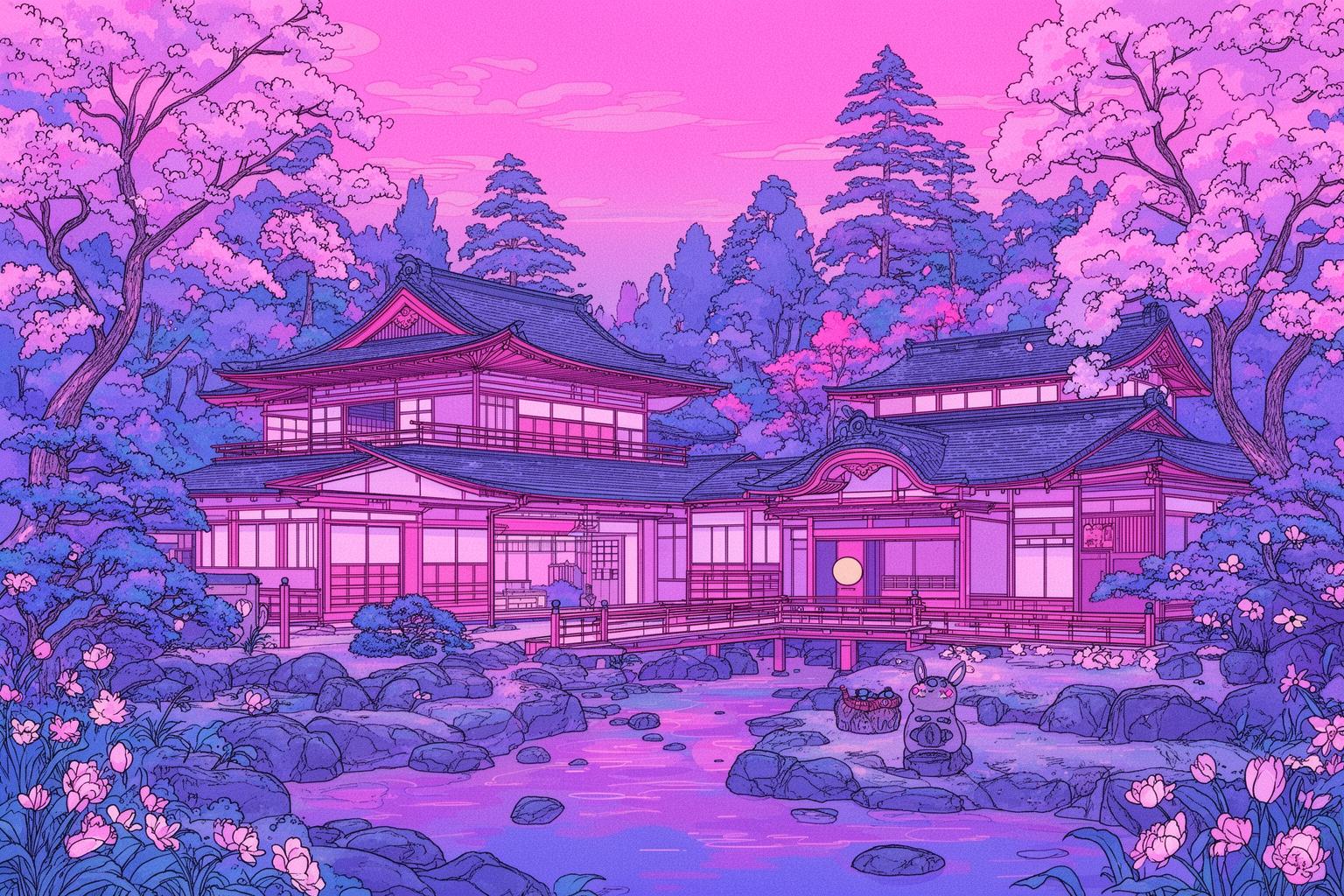
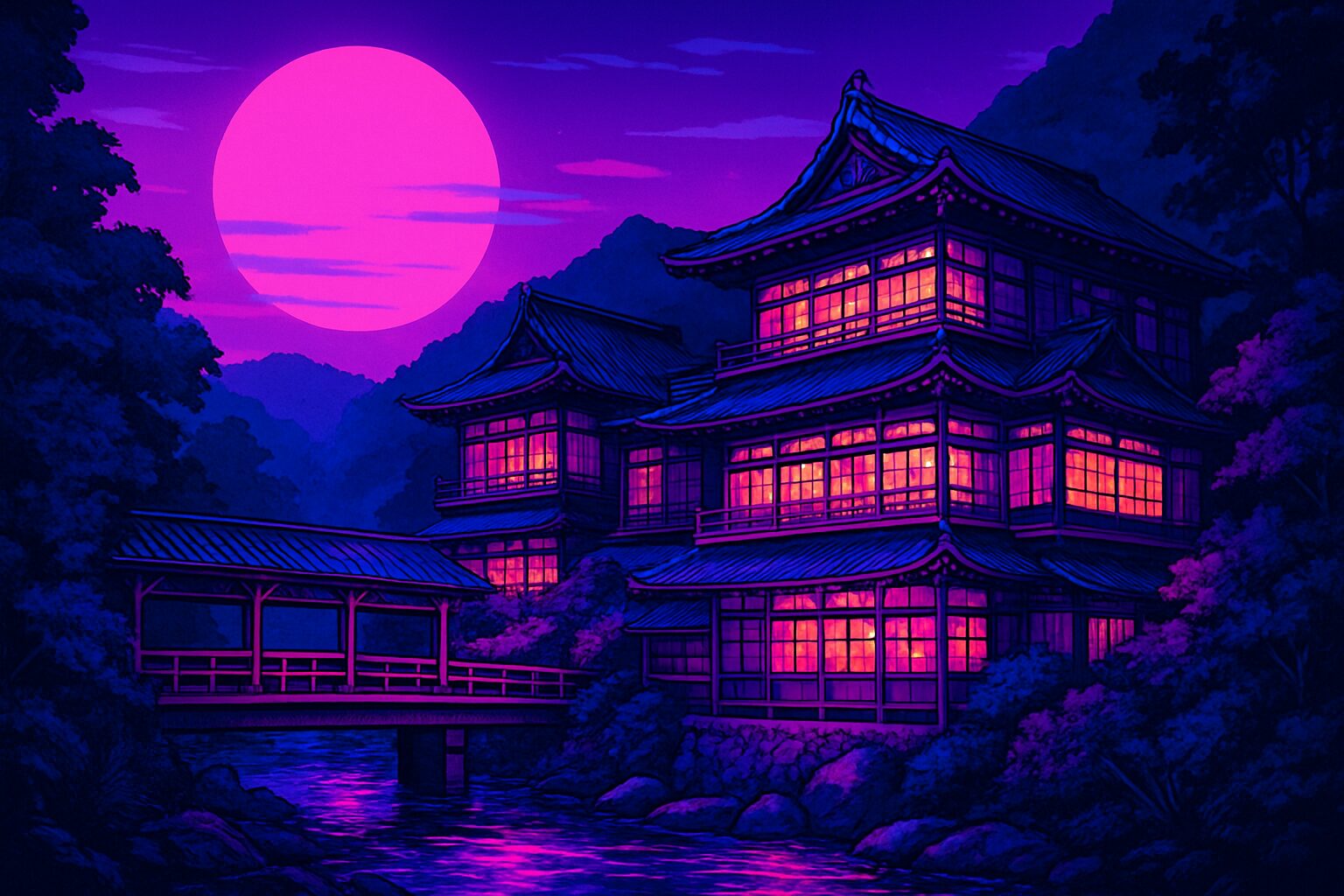
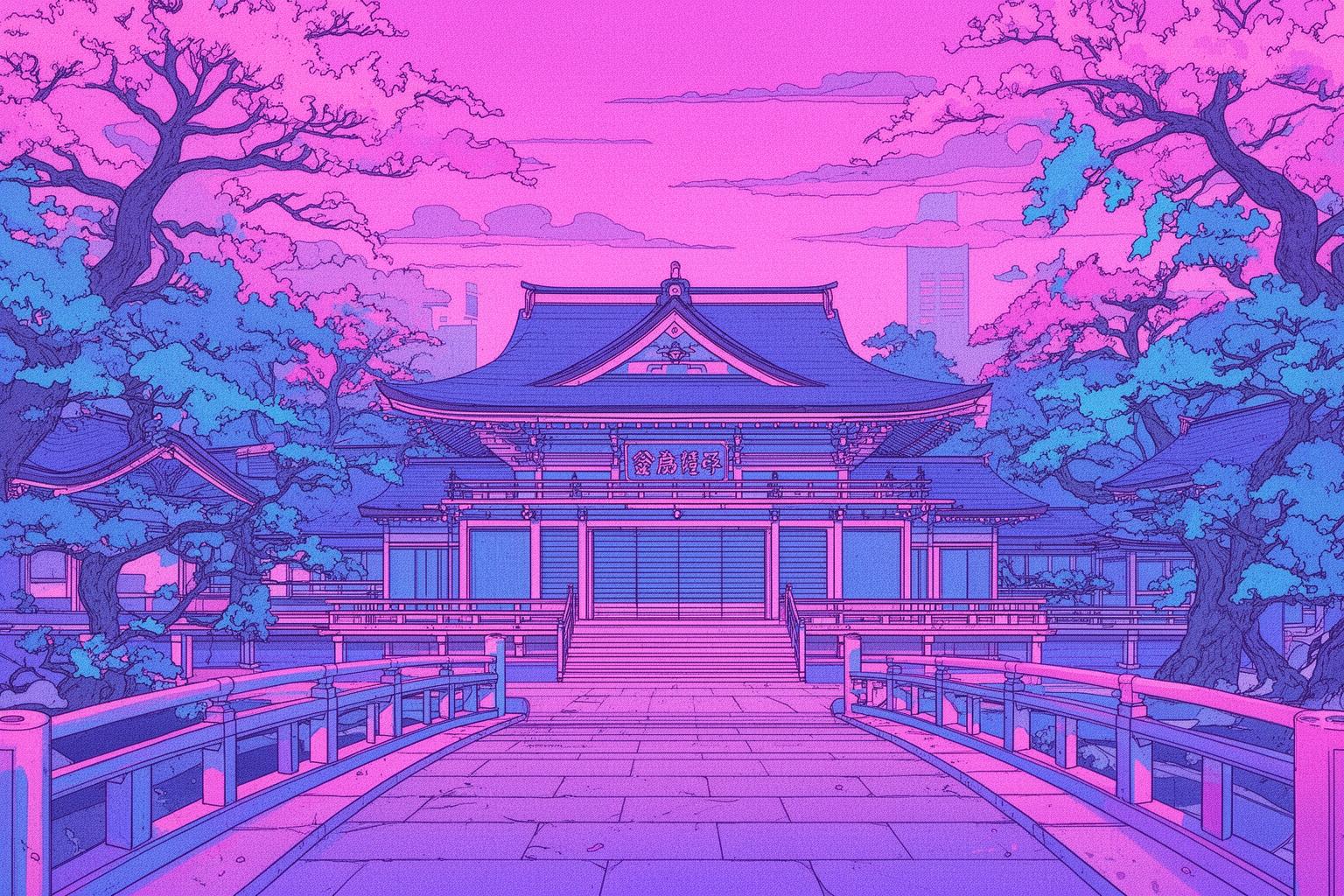
Alright, let’s dive right into the main event—the reason your Ghibli-loving heart is probably racing a bit faster right now. I’m talking about Sekizenkan Ryokan. This isn’t just any ordinary hot spring inn; it’s a living, breathing piece of history and the unmistakable soul of Shima Onsen. The moment you lay eyes on it, you’ll understand. As you approach the ryokan, the first thing that strikes you is the Keiun-bashi, a stunning, vibrant red bridge arching gracefully over the gentle Shima River. It’s a scene lifted straight from a fantasy. The red wood stands out boldly against the lush green valley and the traditional dark timber of the buildings. Crossing it, you hear the soft gurgle of the water below, and then you face the facade of the main building, the Honkan. It’s a multi-storied wooden masterpiece, with layers of windows, intricate railings, and sloping roofs, all clinging to the mountainside. It looks… familiar, doesn’t it? The paper shoji screens, the warm glow of lanterns at dusk, the complex, almost chaotic structure built in 1691. It’s pure magic.
Now, here’s the scoop. Although Studio Ghibli and Hayao Miyazaki have never officially confirmed it, the visual clues are overwhelming. Fans and locals alike are convinced that Sekizenkan’s otherworldly charm was the primary inspiration for Aburaya, the magnificent bathhouse for gods and spirits in Spirited Away. The resemblance is striking. That iconic red bridge is nearly identical to the one Chihiro holds her breath to cross as she enters the spirit world. The sprawling, intricate facade of the ryokan—with its endless windows and balconies—mirrors perfectly the chaotic, enchanting exterior of Aburaya. Step inside, and the sensation only grows stronger. The narrow, winding wooden hallways, the steep staircases, the feeling of a building with countless hidden rooms and endless stories—it’s all there. You can almost picture bustling spirits, the diligent Susuwatari, and the formidable Yubaba roaming its halls. The ryokan consists of three main sections: the Honkan (the original and most historic part), the Sanso (a slightly more modern yet still classically beautiful addition from the Showa era), and the Kashotei (the newest, most luxurious wing, perched higher up the mountain). This layered, somewhat haphazard development over the centuries gives it the same enchanting, slightly bewildering layout as the bathhouse in the film. Spending a night here isn’t merely a stay; it’s an immersive adventure. You’re not just a visitor; you’re stepping into a storybook. The ryokan’s staff are familiar with the Ghibli pilgrims and, while they keep a respectful distance from confirming any official ties, the knowing smiles and the palpable magic in the air speak volumes. This is the closest you can get to stepping through the screen. For any fan of the film, or simply anyone who appreciates breathtaking, historic architecture, Sekizenkan is an absolute bucket-list destination.
Bathing in History: The Genroku no Yu
Deep within the maze-like corridors of Sekizenkan’s Honkan lies a treasure predating even the Ghibli connection: the Genroku no Yu. This is no ordinary Japanese onsen. Entering this bathhouse feels like stepping into another era—and quite literally, another continent. It’s a Roman-style bath, built in 1930 during the Taisho period, a time when Japan was fascinated by Western design. The result is a stunning, high-arched hall with large floor-to-ceiling windows that wash the space in a soft, ethereal light. The baths themselves are small, stone-lined pools set into the floor. You descend a few steps into the steaming, crystal-clear water, and find yourself in a place both grand and intimate. The steam swirls around the European-style archways, creating a dreamlike ambiance. The architecture is a beautiful cultural fusion—a testament to a time of transformation and modernization in Japan, yet rooted in the timeless Japanese tradition of onsen healing. The Genroku no Yu is a designated Tangible Cultural Property of Japan, and bathing here is truly a one-of-a-kind experience. It’s a mixed-gender bath (bathing suits are not permitted, as is standard in most traditional onsen), which can surprise first-timers, though there are designated women-only hours as well. Soaking in these historic waters, in a room that looks as if it was plucked from ancient Rome and dropped into the Japanese mountains, is unforgettable. It’s a reminder that Shima Onsen’s magic runs deep—a current of history flowing as steadily as its healing waters. It’s a vibe unlike any other.
The Healing Waters: Why They Call It “Forty-Thousand” Onsen
Beyond the Ghibli allure, the true essence of Shima Onsen lies, of course, in its water. The name “Shima” (四万) literally means “forty-thousand.” According to legend, the waters here can cure forty-thousand different ailments, highlighting their remarkable healing qualities recognized for centuries. This isn’t just promotional hype; it forms the very core of the town’s identity. The onsen features a sodium-calcium chloride sulfate spring, with water that is exceptionally soft and gentle on the skin. It is said to be especially effective for gastrointestinal issues, rheumatism, and enhancing beautiful skin. After just one soak, you’ll notice it—your skin feels silky smooth, while a deep, penetrating warmth relaxes you to the core. The water’s purity and benefits are such that Shima Onsen is among the few places in Japan that actively encourages insen, the practice of drinking onsen water. Around town, you’ll find public drinking spots called insembā, where you can cup your hands or use a provided ladle to sample the slightly salty, mineral-rich water straight from the source. This is believed to help digestion and support overall health from within. The taste might seem unusual at first, but it’s an essential Shima experience. This profound belief in the water’s therapeutic power has attracted visitors to this secluded valley for over a thousand years. It was once a place for toji, long-term therapeutic stays where people came for weeks to heal body and spirit. Though modern visits are shorter, that same peaceful, restorative energy still fills the town. You sense it in the steam rising from vents along the streets, see it in the relaxed faces of people strolling in yukata, and feel it firsthand when you immerse yourself in the sublime warmth of the onsen. This is the heart of Japanese wellness culture, and Shima remains one of its most authentic and powerful sources.
A Town Frozen in Time: Exploring the Retro Streets
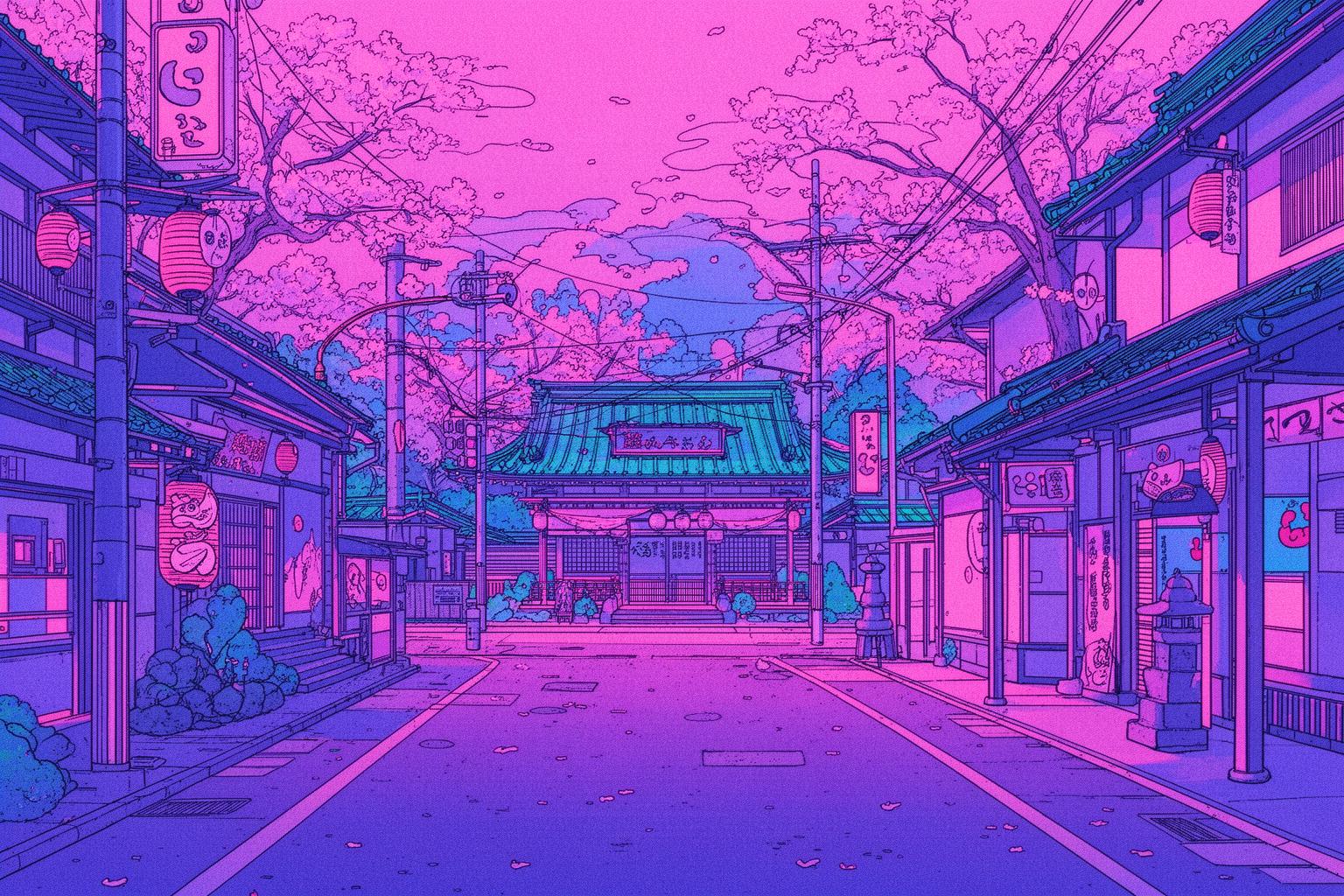
After immersing yourself in the history and healing waters, the next best activity in Shima Onsen is simply to wander around. The town itself is a beautifully preserved snapshot of mid-20th-century Japan, specifically the Showa era (1926-1989). It feels like a place time forgot, in the most charming way. The main street, which meanders along the Shima River, is a narrow lane lined with traditional wooden ryokans, tiny souvenir shops, cozy eateries, and a rare sight today: old-fashioned amusement parlors. These aren’t flashy modern arcades, but nostalgic havens. You’ll find shateki (cork-gun shooting galleries) where you can test your luck at winning simple prizes, alongside vintage pinball machines that clink and whir with delightfully analog sounds. It’s pure, wholesome fun that offers a genuine taste of the past. Visiting one of these spots is essential to fully experience the Showa atmosphere. The overall environment is remarkably tranquil. The dominant sound isn’t traffic; it’s the gentle, soothing rush of the river, a natural soundtrack to the town. You can rent a yukata (a lightweight cotton kimono) and geta (wooden clogs) from your ryokan and simply stroll about. The clip-clop of the geta on the pavement is a classic Japanese sound that perfectly matches the retro surroundings. You can explore shops selling local crafts, pick up some onsen manju (sweet buns steamed in onsen steam), and let yourself wander aimlessly. There are several charming little cafes where you can have a coffee and watch life drift by at a leisurely pace. In the evening, the town transforms into a magical scene. Traditional lanterns outside the ryokans cast a warm, golden light on the streets, the steam rising from the river thickens, and the entire place feels like a dreamlike escape. This is the Japan many envision but rarely encounter. It’s not about grand attractions; it’s about the feeling, the kuuki (atmosphere), that makes it so uniquely special. It’s a chance to disconnect from the modern world and reconnect with a simpler, more beautiful way of life.
Hidden Gems and Local Flavors
As you explore, keep an eye out for the small details that make Shima truly special. Free public footbaths, or ashiyu, are scattered around town and offer a perfect spot for a quick, refreshing break. Simply sit on the edge, dip your tired feet into the naturally hot water, and feel exhaustion melt away. It’s also a social hub where you might chat with locals or fellow travelers. When it comes to cuisine, Shima Onsen serves up authentic Gunma mountain dishes. Look for restaurants offering handmade soba noodles, grilled river fish (ayu or iwana) seasoned simply with salt, and meals highlighting local mountain vegetables (sansai). Many ryokans take pride in their kaiseki dinners—elaborate multi-course meals showcasing the finest seasonal ingredients. It’s a culinary adventure in itself. And don’t leave without sampling the local sake. Gunma’s pure mountain water produces excellent sake, so ask for a local recommendation at a restaurant or liquor shop. A small bottle of this local brew makes a perfect souvenir. One beloved spot is the cozy Kashiwaya Cafe, known for its excellent coffee and cakes, along with a lovely river view. It’s an ideal place to pause, reflect, and soak in the town’s peaceful atmosphere. These authentic, small-scale experiences are what turn a visit to Shima from a simple trip into a treasured memory.
Beyond the Town: The Mesmerizing Shima Blue
Although the onsen town is the main draw, the breathtaking natural beauty surrounding it truly deserves a prominent place in your itinerary. Shima Onsen is nestled deep within a valley, and the Shima River running through it is renowned for a unique, almost surreal phenomenon known as Shima Blue. The water boasts a striking cobalt blue hue that appears to vary in intensity depending on the time of day and the light. This entirely natural color is believed to result from the water’s specific mineral content. The best spot to witness this remarkable spectacle is Lake Okushima, a reservoir formed by the Shimagawa Dam, located a short bus or car ride up the valley from the onsen town. The view of the vast, serene lake, with its impossibly blue water set against a backdrop of dense green forest, is simply breathtaking. You can stroll across the dam for panoramic vistas or explore walking trails that follow the lake’s edge. It’s a paradise for photographers and a dream location for nature lovers. The area is stunning in every season. In spring, fresh green leaves provide a vibrant contrast to the blue water. Summer offers a cool, refreshing retreat from the heat. In autumn, the mountains burst into fiery red, orange, and yellow foliage, reflected in the blue lake surface, creating a scene of unmatched beauty. Winter blankets the landscape in pure white snow, transforming it into a silent, monochromatic wonderland. Another well-loved spot is Ao no Doumon (Blue Grotto), a section of the river where Shima Blue is especially vivid. Several waterfalls grace the area as well, such as the elegant Shima Otanotaki Falls. Exploring the natural surroundings of Shima Onsen adds a rich new dimension to your visit. It serves as a powerful reminder of the raw, untamed beauty of the Japanese wilderness and the source of the healing waters that sustain the town. Don’t remain confined to the town alone; be sure to venture out and experience the magic of Shima Blue firsthand. It’s an unforgettable sight that will linger in your memory long after you depart.
Your Practical Playbook: Getting to Shima and Making the Most of It
So, you’re convinced. You’re ready to immerse yourself in the world of Shima Onsen. Let’s go over the logistics, because reaching this mountain paradise is part of the experience. Although it may seem remote, it is actually quite easy to access.
Getting There from Tokyo
The most common way is from Tokyo. Your trip will involve a few transfers, but it’s smooth and highlights the efficiency of Japanese public transportation. First, board a Joetsu or Hokuriku Shinkansen (bullet train) from Tokyo Station or Ueno Station to Takasaki Station. This is the main hub in Gunma Prefecture, and the ride takes about 50 minutes. It’s fast, comfortable, and offers lovely views as you leave the urban sprawl behind. At Takasaki Station, transfer to a local train on the JR Agatsuma Line, heading toward Naganoharakusatsuguchi or Manza-Kazawaguchi. Your destination is Nakanojo Station. This part of the journey is very scenic, as the train winds through river valleys and quaint rural towns. It takes about an hour. Once you reach Nakanojo Station, you’re nearly there. Just outside the station is a bus terminal. Look for the Kanetsu Kotsu Bus heading to Shima Onsen. The bus ride is picturesque, climbing into the mountains and following the river. It takes about 40 minutes and drops you right in the heart of the onsen town. For those who prefer driving, it’s roughly a 3-hour drive from central Tokyo via the Kan-Etsu Expressway. Having a car gives you more freedom to explore nearby nature spots like Lake Okushima at your own pace.
Where to Stay and When to Visit
Shima Onsen is all about the ryokan experience. Staying in a traditional inn is key to fully soaking in the atmosphere. Naturally, Sekizenkan is the top pick for many, especially given its history and Ghibli connection. It offers rooms across its three wings, catering to various budgets and tastes, from the historic (and simpler) Honkan to the luxurious Kashotei. However, there are many other lovely ryokans in town, each with its own distinctive charm and onsen baths. Kashiwaya Ryokan is well known for its stylish, modern Japanese design and private onsen baths. Tamura Ryokan is another historic and highly regarded choice. It’s important to book your accommodation well ahead of time, especially if you plan to visit on weekends, national holidays, or during the peak autumn foliage season (late October to mid-November). As for the best time to visit, honestly, there’s no bad season. Autumn is arguably the most popular for its breathtaking colors. Winter offers the quintessential Japanese experience of soaking in a steaming outdoor onsen while snow gently falls around you—it’s pure magic. Spring features cherry blossoms and fresh, vibrant greenery. Summer is a perfect escape from the city’s oppressive heat and humidity, allowing you to enjoy the cool mountain air and lush surroundings.
Pro Tips for First-Time Visitors
To ensure your trip goes smoothly, here are some insider tips. First, embrace the onsen culture—don’t be shy! Familiarize yourself with onsen etiquette beforehand. The basic rules are: wash thoroughly at the washing stations before entering the bath, don’t put your towel in the water, and relax quietly. Onsens are places for peaceful contemplation, not for swimming or splashing. Second, bring some cash. While larger ryokans accept credit cards, many small shops, eateries, and retro arcades in town are cash-only. Third, pack light but wisely. Bring comfortable walking shoes for exploring the town and nature trails. The ryokan will provide a yukata, towels, and basic toiletries. Finally, take your time. Shima Onsen is not somewhere to rush. The true joy lies in slowing down, wandering without an agenda, taking multiple dips in the onsen, and soaking in the deeply peaceful, nostalgic atmosphere. Let the town’s slow, gentle magic work on you—it’s a detox for the soul.
The Lingering Magic of Shima
Leaving Shima Onsen feels like awakening from a beautiful dream. As your bus winds its way down the mountain road, the gentle rush of the river and the warm glow of the lanterns become etched in your memory. This place is more than a travel destination; it’s a feeling. It’s the thrill of seeing a beloved film brought to life, the deep relaxation of soaking in ancient healing waters, and the pure joy of stepping back into a simpler, more elegant time. It stands as a testament to the enduring power of tradition, nature, and storytelling. Whether you arrive seeking the spirit of a Ghibli masterpiece or simply a quiet escape from the relentless pace of modern life, Shima Onsen offers an experience that is both profound and deeply restorative. It’s a low-key legend, a place that doesn’t clamour for attention but rewards those who seek it with a quiet, unforgettable magic. So, when planning your Japan adventure, look beyond the usual destinations. Venture into Gunma’s mountains, cross that iconic red bridge, and allow yourself to be carried away by the timeless charm of Shima Onsen. You won’t just return with photos; you’ll come back with a story, a sense of peace, and perhaps, a touch of its healing magic to keep with you. It’s a journey truly worth making.