What’s up, fellow wanderers! Li Wei here, coming at you with a story that’s been living in my head rent-free ever since I experienced it. Picture this: a calm, shimmering sea, dotted with gentle, rolling green islands. The air is thick with the scent of salt and pine, and the only soundtrack is the low thrum of a ferry engine and the distant cry of a black kite. Now, imagine that scattered across these tranquil islands, tucked into sleepy fishing villages, abandoned industrial sites, and breathtaking natural vistas, is some of the most profound and mind-bending contemporary art on the planet. This isn’t some fever dream; it’s the Setouchi Triennale, an art festival that’s so much more than just a festival. It’s a full-on vibe, a pilgrimage for art lovers, and a testament to the wild, healing power of creativity. Forget what you know about stuffy galleries and white-walled museums. Here, art lives and breathes with the tide. It’s a place where you don’t just see art; you journey to it, you stumble upon it, you feel it in your bones. The Seto Inland Sea, or Setouchi, was once a bustling artery of Japanese maritime life, but like many rural areas, it faced the slow fade of depopulation and aging communities. The islands were becoming quiet, their stories fading. Then came an idea, a seriously epic one: to use contemporary art to pump life back into the region, to reconnect people with the land and with each other. The Setouchi Triennale, held once every three years, is the ultimate expression of this vision. But the magic isn’t confined to those festival years. The spirit and many of the artworks are permanent, making this a timeless destination. This is your deep dive into island hopping through a sea of dreams, a place that will seriously change the way you see art, nature, and the beautiful, messy, and totally awesome connections between them.
This transformative journey through the Setouchi Triennale echoes the spirit of discovery found in other hidden Japanese islands, where art and landscape are inextricably linked.
The Vibe Check: What It Actually Feels Like to Be Here
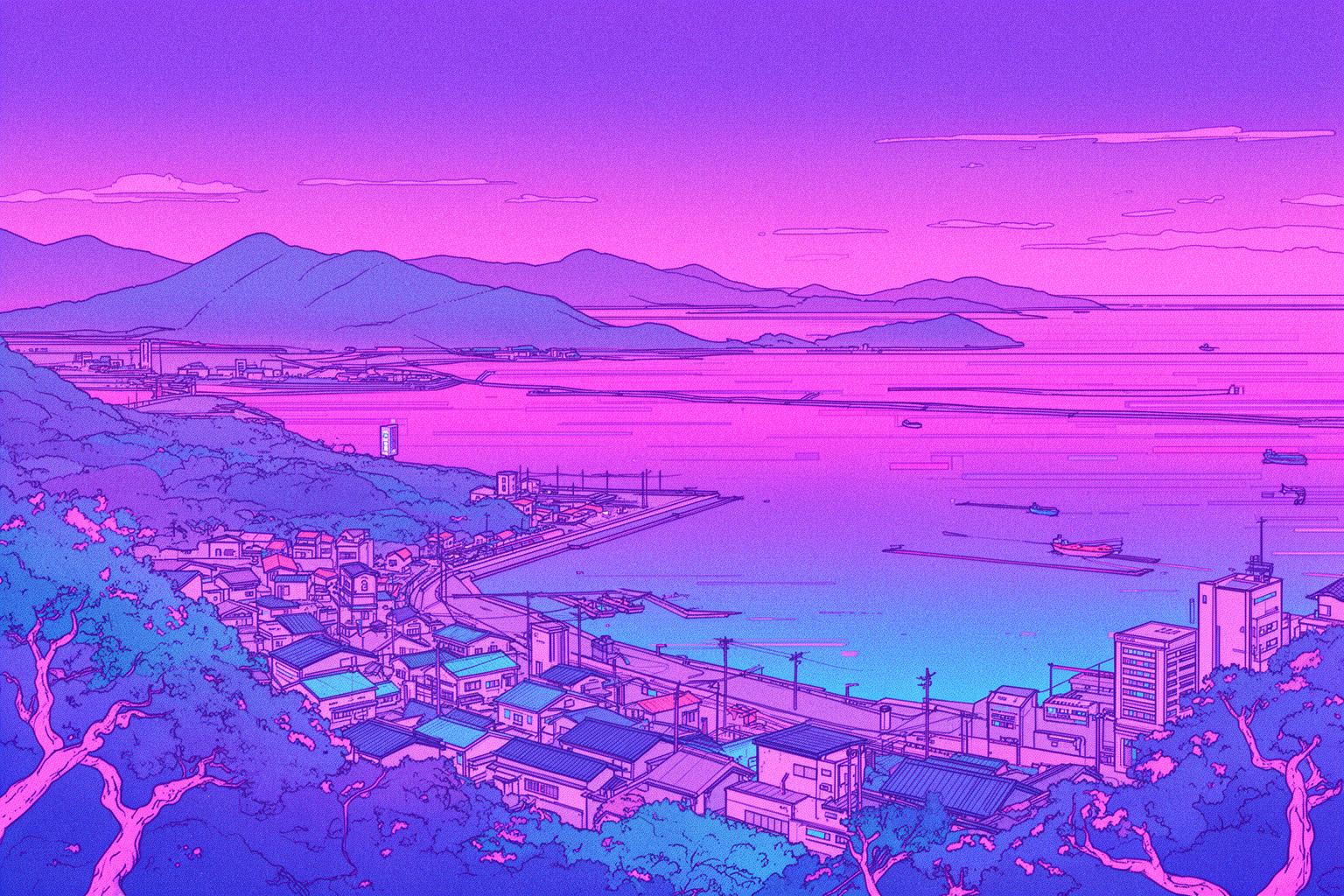
You can read as many guides as you like, but nothing truly prepares you for the actual feeling of the Setouchi region. It’s a multi-sensory experience that begins the moment you board your first ferry. It’s not about rushing through a checklist of sights; it’s about embracing a different kind of time—one measured by ferry schedules and sunsets.
The Rhythm of the Ferries
The ferries are the lifeblood of Setouchi, and traveling on them is as much a part of the artistic experience as the destinations themselves. There’s a certain magic in it. You stand on deck, the wind in your hair, watching the island you left fade into the distance while your next adventure slowly takes shape through the morning haze. These aren’t just means of transportation; they are floating observation decks, spaces for reflection. You’ll notice local high school students commuting, elderly residents returning with groceries, and fellow art pilgrims studying their maps, all sharing this in-between space. The slow, steady pace encourages you to slow down. You begin to notice subtle changes in the water’s color, the way light plays over granite hills, and the geometric patterns formed by fishing nets and oyster rafts bobbing on the surface. It becomes a meditative pause, a palate cleanser between intense artistic encounters on each island. The thrill of anticipation as you near an island, catching the first glimpse of an outdoor sculpture or uniquely shaped museum, never grows old.
A Dialogue Between Nature and Art
What makes Setouchi legendary is the seamless, almost spiritual dialogue between art and environment. This isn’t art that’s arbitrarily placed in a box; it reacts to the landscape, history, and soul of the place. You might find yourself walking along a windswept shore and suddenly face Yayoi Kusama’s iconic Yellow Pumpkin, its bold polka dots joyfully contrasting with the blue sea and sky. You enter a quiet village’s dark, traditional wooden house, only to discover the entire space transformed into an immersive light installation that plays with your sense of time and space. The Chichu Art Museum on Naoshima is literally buried within a hillside, designed by Tadao Ando to preserve the natural beauty of Seto Inland Sea National Park. You feel the earth’s weight above as you contemplate a Monet painting. The Teshima Art Museum is a stunning concrete shell shaped like a water droplet, where wind, light, sound, and water merge to become the artwork itself. This profound respect for context elevates the experience beyond simply “viewing art” to truly feeling it. The natural world is not just a backdrop—it’s an active participant.
The Warmth of ‘Omotenashi,’ Island Style
Beyond the world-class art and breathtaking scenery, the true heart of Setouchi lies in its people. These are communities that have opened their homes and hearts to this vast, ongoing art project. The Japanese spirit of omotenashi, or wholehearted hospitality, thrives here but with a unique island twist—quieter, more subtle, and deeply sincere. You’ll find it in the smile of an elderly woman guiding you when you’re lost on your rental bike. You’ll taste it in a simple, delicious lunch at a small family-run café where generations have lived on the island. Many volunteers guiding visitors through the Art House Projects are locals whose personal stories add rich depth to the artworks. They are the keepers of the islands’ memories. This project hasn’t just brought art to the islands; it has brought fresh energy, new connections, and a renewed sense of pride. You quickly realize you’re not just a tourist but a welcomed guest participating in a vibrant, living story of revitalization. This human element is the invisible thread weaving the entire Setouchi experience together, resonating on a deeply emotional level.
The Big Three: Your Art Island Starter Pack
While the Triennale covers a dozen islands, a sacred trio lies at the heart of the Setouchi art scene: Naoshima, Teshima, and Inujima. For first-time visitors, these islands will amaze you and offer the perfect introduction to this artistic paradise. Each island boasts a distinctly unique character, so skipping any one of them is not an option.
Naoshima: The Original Art Island Where It All Started
Naoshima is the undisputed champion, the birthplace of it all. Here, the Benesse Corporation, led by visionary Soichiro Fukutake, launched the art-as-revitalization initiative in the late 1980s. The island is a showcase of architectural brilliance, mainly influenced by the legendary Tadao Ando, whose hallmark use of smooth, exposed concrete creates a compelling dialogue with the surrounding natural environment.
The Benesse House Museum Complex
More than a museum, Benesse House is a groundbreaking concept that allows you to literally stay within an art gallery. It consists of four distinct areas: Museum, Oval, Park, and Beach. The Museum is the centerpiece, a stunning Ando design spiraling down a cliffside, blending indoor and outdoor spaces. The collection features works by artists like Andy Warhol, David Hockney, and Yasumasa Morimura, yet the true masterpiece is the architectural space itself. Waking here and exploring the galleries before public hours is an unmatched experience. The Oval is an exclusive six-room hotel perched at the highest point and accessible only by private monorail—a dream for architecture lovers. Even if you’re not staying, you can explore the Park and Beach areas, dotted with incredible outdoor sculptures by artists such as Niki de Saint Phalle and Karel Appel, all set against a breathtaking sea backdrop.
Chichu Art Museum: An Underground Masterpiece
Prepare to have your idea of a museum transformed. Chichu, meaning “in the earth,” is another Tadao Ando masterpiece built almost entirely underground to preserve the natural scenery. The journey through geometric concrete corridors skillfully manipulates natural light, creating an atmosphere of respect and anticipation. The museum is dedicated to just three artists, yet its impact is profound. Among the highlights are five paintings from Claude Monet’s “Water Lilies” series, exhibited in a bright, naturally lit white room that transports you inside the paintings. Walter De Maria’s “Time/Timeless/No Time,” a cathedral-like space housing a giant granite sphere and gold-leaf wooden sculptures, feels both timeless and futuristic. The climax for many is James Turrell’s light installations, especially “Open Sky,” where you sit in a room with a ceiling opening to the sky, offering a perception-altering experience that challenges your understanding of light and space. Here, you don’t just view art—you become enveloped by it.
Art House Project: Integrating Art into Everyday Life
Naoshima’s true spirit shines in this project. In the old fishing village of Honmura, abandoned houses were transformed into permanent art installations rather than demolished. Artists infused these spaces with new life, creating a living museum intertwined with the community. Equipped with a map, visitors wander through narrow alleys, discovering remarkable spaces one by one. Kadoya, the first house, features a mesmerizing digital counter installation by Tatsuo Miyajima, flickering above a pool of water. At Go’o Shrine, Hiroshi Sugimoto crafted a surreal glass staircase linking earth and sky. The most impactful is Minamidera, a new building by Tadao Ando housing another James Turrell piece, “Backside of the Moon.” Entering total pitch-black darkness, your eyes slowly adjust to reveal faint light forms, delivering a profound sensory journey that lingers in memory. The Art House Project perfectly demonstrates how Setouchi art honors and revitalizes history rather than erasing it.
The Iconic Pumpkins and More
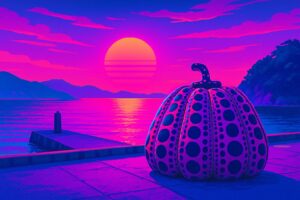
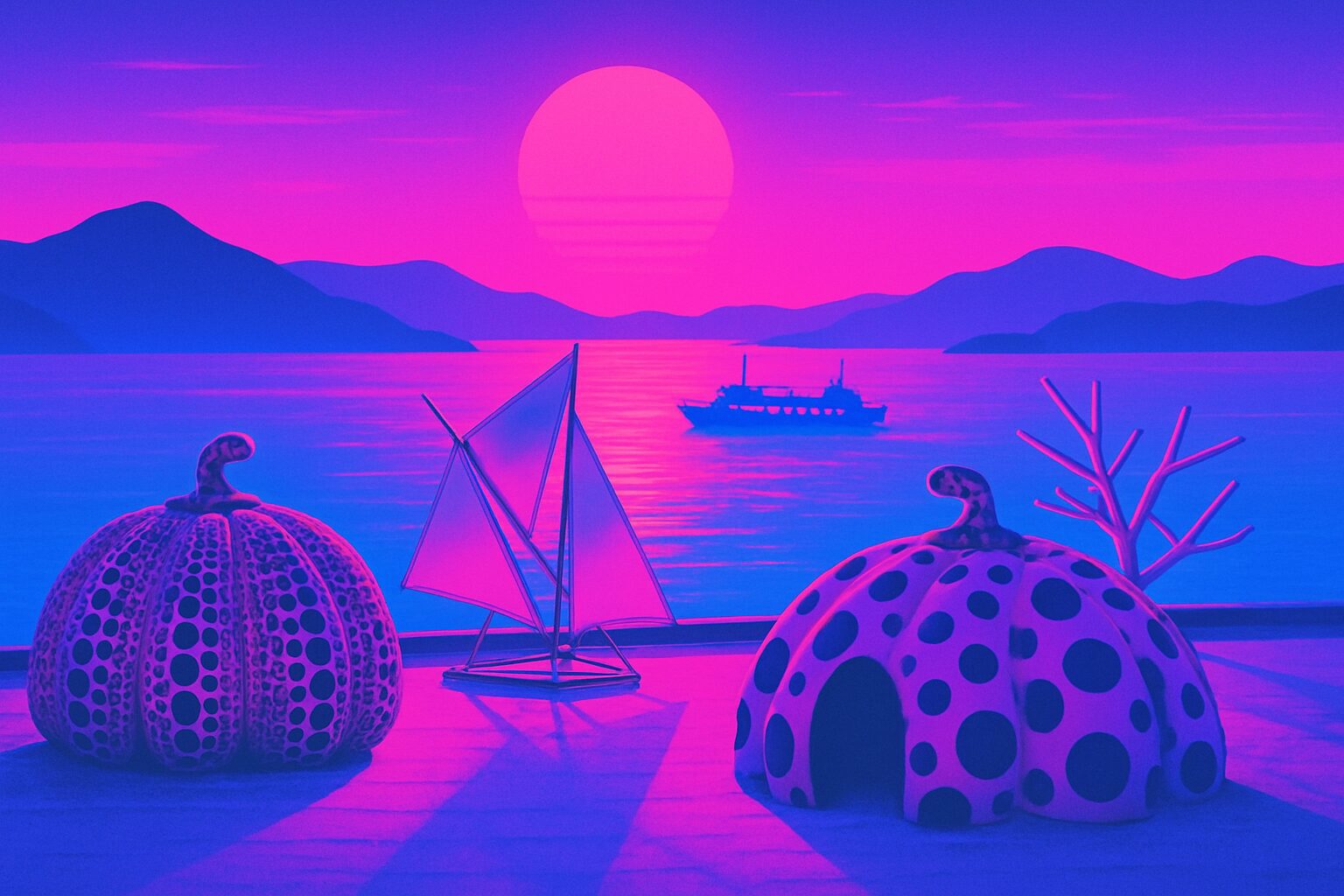
No visit to Naoshima is complete without paying tribute to Yayoi Kusama, the queen of polka dots. Her vibrant pumpkins have become global symbols of the art islands. The iconic Yellow Pumpkin, resolutely perched at a small pier’s end, is a joyful beacon, restored after a typhoon swept it away—a metaphor for the region itself. Near Miyanoura Port stands the Red Pumpkin, a larger hollow sculpture you can walk inside. These are more than photo ops; they’re cherished landmarks capturing Naoshima’s playful yet profound spirit.
Teshima: Where Art Flows Like Water
Teshima feels wilder, more rustic, and more spread out than Naoshima. Its name means “island of abundance,” evident in the lush terraced rice paddies cascading toward the sea. The art here is contemplative, elemental, intimately connected to themes of life, death, and memory. The best way to explore Teshima is by renting an electric-assist bicycle, allowing you to follow the island’s gentle curves and breathtaking sea views at your own pace.
The Teshima Art Museum: A Singular, Stunning Experience
If you choose to visit only one spot in the Setouchi region, this should be it. The Teshima Art Museum defies traditional museum concepts; it’s a singular experience. Designed by architect Ryue Nishizawa, the building is a large white concrete shell shaped like a water droplet and nestled among green rice terraces. Inside, there is one artwork: “Matrix” by Rei Naito. No paintings or sculptures—just the floor with tiny, nearly invisible holes allowing water droplets to seep out, forming pools and trickling away repeatedly. Two large ceiling openings invite natural light, wind, bird songs, and sometimes rain inside. Visitors remove their shoes and enter this sacred space, where time seems to stop. It’s a place of pure reflection on life’s cyclic nature, the passage of time, and the beauty of the natural world. People often lie on the floor, mesmerized for hours. The emotional, meditative experience stays with you long after you leave.
Les Archives du Cœur (The Heart Archives)
On a secluded beach lies another powerful installation by French artist Christian Boltanski. “The Heart Archives” is a simple building containing a growing collection of human heartbeats from around the world. In a dimly lit room, visitors listen to anonymous recordings, their rhythmic throbbing creating a universal, poignant symphony of life. You can add your own heartbeat to the archive, leaving a small trace of your existence on this remote island. This deeply moving meditation on memory, mortality, and human connection contrasts the visceral sounds inside with the calming waves outside, creating a profound experience.
Exploring Teshima by Bike
Renting an electric bike near the port is essential on Teshima. The hills are steep, and e-assist makes cycling a joy. Biking lets you explore at your own pace and discover scattered hidden gems. Stop for a tasty meal at Shima Kitchen, a community restaurant in a renovated house. Visit Teshima Yokoo House, a psychedelic collaboration between artist Tadanori Yokoo and architect Yuko Nagayama that turns a traditional house into a vivid, chaotic environment. Outdoor installations like Tobias Rehberger’s “Was du liebst, bringt dich auch zum Weinen” (“What you love also makes you cry”), a brightly colored café doubling as artwork, await around corners. The open road, sea breeze on your face, and art at every turn embody the quintessential Teshima experience.
Inujima: Industrial Ruins Reimagined
Inujima is the smallest of the three main islands but leaves a powerful impression. Its name means “dog island,” and its history is one of dramatic rise and fall. Once thriving due to its copper refinery, the collapse of copper prices led to abandonment and population decline. Today, Inujima is a stunning example of how art can transform post-industrial sites into places of beauty and reflection.
The Seirensho Art Museum: Rising from Ruins
The Inujima Seirensho Art Museum is a triumph of ecological and historical preservation. Rather than demolishing the atmospheric ruins of the copper refinery, artist Yukinori Yanagi and architect Hiroshi Sambuichi revitalized them. The museum critiques Japan’s rapid modernization through the lens of author Yukio Mishima’s words and home. The architecture ingeniously uses existing smokestacks and natural energy sources like solar and geothermal power to regulate light and temperature. Visitors navigate dark, labyrinthine corridors, encountering powerful installations reflecting the tension between industry and nature. The experience is haunting yet hopeful, revealing how beauty can emerge from decay and why the past deserves preservation rather than erasure.
Inujima “Art House Project”: A Living Gallery Walk
Like Naoshima, Inujima has its own Art House Project with a unique twist. Spread throughout the small village are five galleries, created through collaboration between artist Haruka Kojin, art director Yuko Hasegawa, and architect Kazuyo Sejima. Constructed from transparent or semi-transparent acrylic and reflective materials, the galleries harmonize with the surrounding landscape, creating an ethereal, dreamlike atmosphere. They feel like a continuous, connected gallery as you stroll village paths. The colorful, playful artworks often draw inspiration from the island’s natural forms, beautifully contrasting with the somber industrial mood of the Seirensho Museum. This project offers a delightful, leisurely walk through a community sustained and enlivened by art.
Beyond the Main Trio: Venturing into the Deeper Setouchi
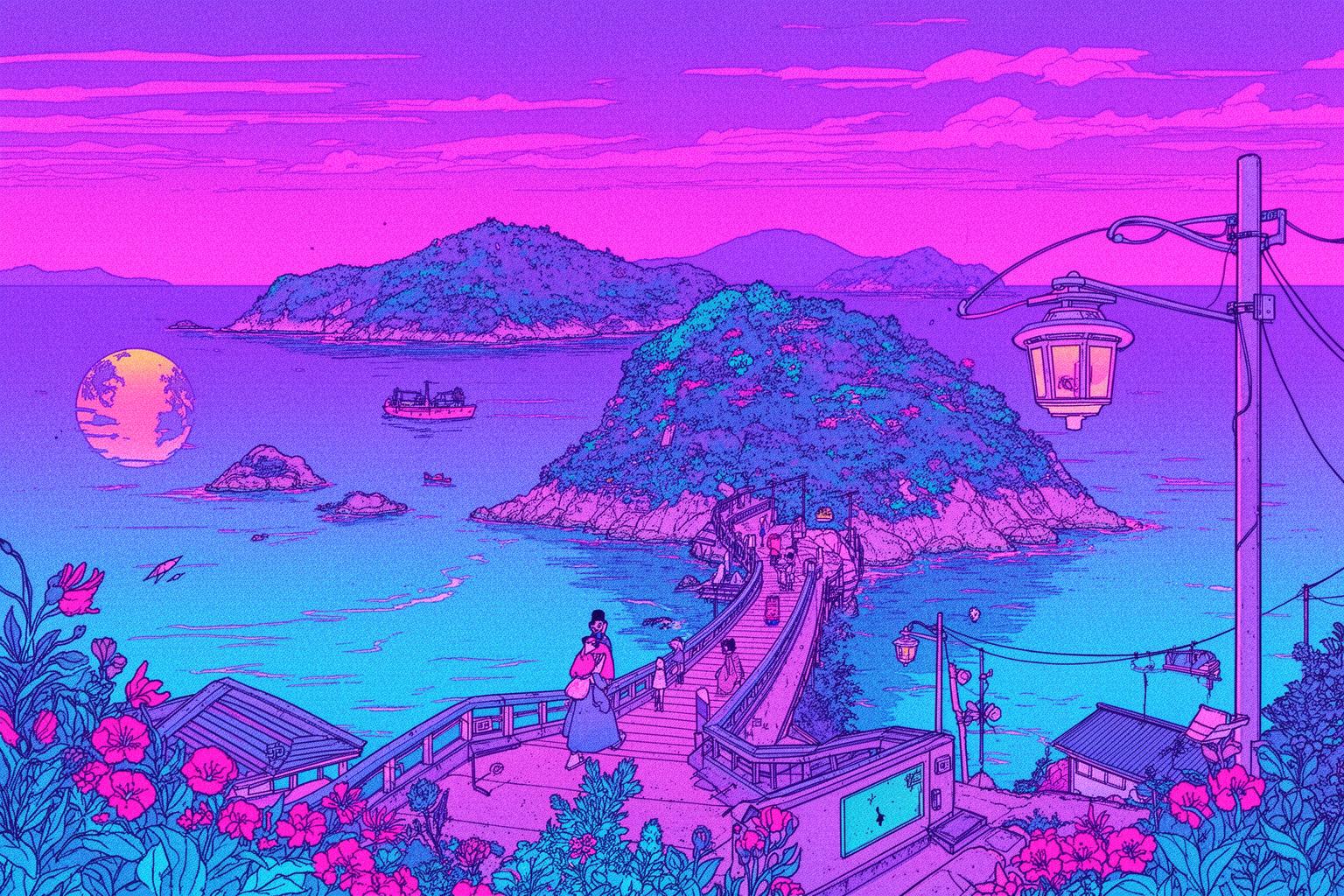
Once you’ve experienced the major highlights, the true magic of Setouchi begins to reveal itself as you explore the lesser-known islands. These spots offer a different, often quieter and more rustic, perspective on the blend of art and island life. They may require a bit more effort to reach, but the rewards are significant, providing a genuine sense of discovery.
Shodoshima: The Island of Olives and Soy Sauce
Shodoshima, the second-largest island in the Seto Inland Sea, has a unique character all its own. It feels less like a curated art project and more like a vibrant, lived-in island that also features some fantastic art. Known as the birthplace of olive cultivation in Japan, its hills are blanketed with silvery-green olive groves, giving it an unexpectedly Mediterranean atmosphere. You can visit olive farms and taste fresh olive oil. The island is also renowned for its centuries-old soy sauce tradition, where you can tour historic breweries still producing soy sauce in giant wooden barrels. Artistically, Shodoshima offers remarkable diversity. One of its most famous sites is “Gift of the Sun,” a large wreath-shaped sculpture made of golden olive leaves by Choi Jeong Hwa, located at the port. Installations are scattered across the island, from the striking bamboo piece “Anger from the Bottom” by Wang Wen-Chih to whimsical works in the soy sauce district. Don’t miss the breathtaking Kankakei Gorge, especially in autumn, or the enchanting Angel Road, a sandbar that appears twice daily at low tide, connecting three small islets to Shodoshima. It’s a truly multifaceted island where nature, industry, and art beautifully intertwine.
Ogijima and Megijima: The Charming Cat and Ogre Islands
Just a short ferry ride from Takamatsu, these two small islands make an ideal and easy day trip and are often visited together. Megijima is known in folklore as “Ogre Island” (Onigashima) from the famous story of Momotaro, the Peach Boy. You can explore the large caves near the top of the island, said to be the ogres’ former homes. The island also features several art installations, many situated along the pretty beachfront. Ogijima, located a bit farther out, is an absolute treasure. Its village is a compact maze of houses clinging to steep hillsides, with narrow, winding paths. The island is famous for two things: art and cats, making it a true cat paradise where friendly felines lounge everywhere. The art is wonderfully integrated into the village. The port building itself is a work of art, “Ogijima’s Soul” by Jaume Plensa, a striking structure made of white latticed letters. As you wander the village, you’ll discover the “Onba Factory,” where artists have transformed traditional baby strollers (onba) into quirky mobile sculptures, along with many other charming installations. The view from Toyotamahime Shrine at the top is well worth the climb.
Awashima, Honjima, Takamijima: Echoes of a Seafaring Past
For the truly devoted art adventurer, especially during the Triennale years, islands such as Awashima, Honjima, and Takamijima offer a glimpse into the rich history and quiet resilience of the Setouchi region. These islands were once home to the Shiwaku Suigun, expert mariners who controlled the sea routes. The art here often directly engages with this maritime heritage and themes of memory. On Awashima, you may find art within the buildings of a former naval academy. Honjima, with its beautifully preserved historic district, hosts artworks in old homes, reflecting on the lives of the carpenters who once built ships there. Takamijima, known for its steep terraced village, features installations addressing the island’s depopulation. Visiting these islands feels like stepping back in time. The pace is slower, the communities smaller, and the connection between the art and the specific local stories is deeply powerful. These islands serve as a reminder that the Setouchi Triennale is, at its heart, a project about people and their history.
The Logistics Lowdown: Planning Your Epic Art Adventure
Alright, let’s get practical. Jumping between islands filled with world-class art sounds like a dream, but it takes a little planning to turn it into a smooth reality. Don’t worry, it’s not as complicated as it seems. Think of it as part of the adventure—you’re the captain of your own art journey!
When to Go: Triennale Year vs. The Off-Years
This is the big question. The Setouchi Triennale takes place every three years (with upcoming events in 2025, 2028, etc.). Visiting during a Triennale year offers an unforgettable experience. The whole region buzzes with energy, special events pop up, and more islands and artworks are accessible. The festival typically runs in three seasons: Spring (mid-April to mid-May), Summer (early August to early September), and Fall (late September to early November). Each season has its unique appeal—cherry blossoms in spring, lively beach days in summer, and pleasant temperatures with autumn foliage in fall. The downside? It gets very crowded, and you must book accommodation and ferries well in advance. Visiting in an “off-year” is a completely different but equally worthwhile approach. The main islands like Naoshima, Teshima, and Inujima have core museums and artworks open all year. The atmosphere is calmer and more reflective. You’ll enjoy more personal space in museums and a relaxed pace getting around. It’s ideal for a slower, deeper immersion. So, choose what suits you best: the vibrant festival buzz or a quiet, intimate pilgrimage.
Your Gateway Cities: Takamatsu and Uno Port
Most Setouchi adventures start in one of two locations. Takamatsu, in Kagawa Prefecture on Shikoku Island, is the largest and most convenient hub. It has its own airport (Takamatsu Airport, TAK) and is easily reached by JR trains from major cities like Osaka and Kyoto (via Okayama). Takamatsu Port is a major ferry terminal with connections to many islands, including Naoshima, Teshima, Shodoshima, Megijima, and Ogijima. The city itself is worth exploring, featuring the stunning Ritsurin Garden—one of Japan’s most beautiful landscaped gardens—and an amazing food scene. This is the birthplace of Sanuki udon, so be sure to savor several bowls. The other main gateway is Uno Port in Okayama Prefecture on Honshu, the main island. It’s a smaller town but offers the most direct and frequent ferry access to Naoshima. It’s easily reached via a short train ride from Okayama City, a major Shinkansen (bullet train) stop. Many travelers choose Uno as their base specifically for exploring Naoshima and Teshima.
Mastering the Ferries: Your Lifeline in the Seto Inland Sea
The ferry network is essential for island hopping. It’s extensive but requires some preparation. There are two main types of boats: larger, slower car ferries and smaller, faster passenger speedboats. Car ferries are cheaper, provide great open-deck views, and offer a relaxing ride. Speedboats get you there faster but cost more and are enclosed. Your best resource is the official Setouchi Triennale website or ferry company sites like Shikoku Kisen, which have the most updated timetables. Important tip: Timetables can be limited for smaller islands and change seasonally. Always check the schedule the day before you travel. Plan your day around the ferry times—not vice versa. During the Triennale, a multi-day Ferry Pass is available and can be a great value if you plan frequent island hopping. Outside the festival, you’ll need to buy tickets for each leg of your journey.
Where to Lay Your Head: Island Stays vs. Mainland Bases
Where you stay will shape your experience significantly. Staying on one of the islands, especially Naoshima or Teshima, is magical and immersive. Imagine waking up to the quiet sounds of a fishing village, watching the sunset over the sea after the last ferry carrying day-trippers has left. The ultimate splurge is a stay at Benesse House on Naoshima, but there are also many lovely and affordable minshuku (family-run guesthouses) and small inns on the islands. These provide a chance to connect with local life and enjoy amazing home-cooked meals. The downside is traveling light and carrying luggage on and off ferries. Alternatively, you can base yourself in Takamatsu or Uno Port and take day trips to the islands. This option offers more convenience, a wider variety of accommodations and dining, and no luggage hassles. Naoshima or Teshima can be visited comfortably as day trips from either port. A good strategy might be a mix of both: spend a few nights on an island for full immersion, then return to a mainland base to explore other, more distant islands.
Getting Around the Islands: Rent-a-Cycle is Your Best Friend
Once on the islands, you need transportation. On Naoshima and especially Teshima, renting a bicycle is by far the best way to explore. Most rental shops are near the ferry terminals. I highly recommend electric-assist bikes. They cost a bit more but make the sometimes-hilly terrain much easier to handle, letting you focus on the stunning scenery. Cycling offers the freedom to stop anywhere, discover hidden spots, and truly soak in the island atmosphere. For those who prefer not to cycle, local buses operate on the larger islands. These buses are timed to ferry arrivals and connect main ports, villages, and museums. They’re reliable but follow a fixed schedule. Taxis are rare and expensive, so don’t rely on them.
A Taste of Setouchi: Fueling Your Art-Filled Days
Exploring the art islands can build up an appetite, and fortunately, the Setouchi region provides some truly delicious nourishment. The food here is fresh, straightforward, and deeply connected to the local land and sea. It’s a vital part of the cultural experience, so arrive with an empty stomach and an open mind.
Sanuki Udon: Kagawa’s Soul Food
When passing through Takamatsu, you’re in the heart of Kagawa Prefecture, affectionately known as “Udon Prefecture.” Sanuki udon is a thick, chewy wheat noodle with a distinctive square shape and firm texture, famous throughout Japan. It’s the ultimate soul food here and a must-try cultural ritual. Udon shops are everywhere, from sleek city eateries to simple rural shacks. Many use a self-serve system that’s enjoyable to experience. You grab a tray, choose your noodle style (hot broth, cold with dipping sauce, etc.), slide down the line to pick your tempura or onigiri rice ball toppings, and pay at the end. It’s quick, extremely affordable, and delicious. A perfect bowl of udon with a light, flavorful dashi broth is truly unforgettable.
Island-Specific Flavors
Each island presents its own culinary specialties, often shaped by the local environment. The seafood, as expected, is exceptional. Seek out restaurants offering fresh sea bream (tai), octopus (tako), and Spanish mackerel (sawara), commonly served as sashimi, grilled, or tempura. Shodoshima, known as the Olive Island, is the place to sample everything olive-related—from premium olive oil to olive-fed beef and even olive cider. Don’t miss the local soy sauce (shoyu) and its surprisingly tasty counterpart, soy sauce-flavored ice cream. On Teshima, watch for strawberries in the spring and locally grown lemons. Many islands have embraced tourism by opening charming cafes and restaurants, often housed in beautifully renovated old homes, serving simple, wholesome dishes made with local ingredients. Enjoying lunch at places like Shima Kitchen on Teshima or the cozy cafes in Honmura on Naoshima is a highlight.
Art Cafes and Museum Restaurants
The fusion of art and life extends into dining. Numerous museums feature fantastic cafes and restaurants that are attractions themselves. The Chichu Cafe inside the Chichu Art Museum on Naoshima offers straightforward sandwiches and drinks alongside stunning panoramic views of the Seto Inland Sea—it ranks among the world’s best coffee break spots. The Benesse House Museum boasts its own upscale French restaurant, Terrace Restaurant, which serves exquisite dishes paired with breathtaking sea views. On Teshima, Il Vento combines a café and art installation, offering creative hot dogs and drinks right by the sea. These venues are more than places to refuel; they provide an opportunity to rest, reflect on the art you’ve encountered, and soak in the islands’ incredible atmosphere.
Pro Tips from a Fellow Traveler
Having navigated the ferries, cycled the hills, and gotten wonderfully lost a few times, here are some additional tips I wish I’d known before my first trip. Consider this a friendly heads-up to help make your Setouchi journey even smoother.
Pack Smart, Travel Light
Island hopping involves boarding and disembarking boats frequently, along with plenty of walking or cycling. The key rule is to wear comfortable, well-broken-in walking shoes—you’ll thank yourself later. The sun can be strong even on cloudy days, so a hat, sunglasses, and sunscreen are essentials. Many smaller shops and cafes on the islands accept only cash, so be sure to carry enough Japanese Yen. While ATMs are available in Takamatsu and Uno, they can be difficult to find on smaller islands. A portable phone charger is a lifesaver since you’ll be relying on your phone for maps, photos, and ferry schedules. Finally, if you’re staying overnight on the islands, try to pack as lightly as possible or make use of luggage storage and forwarding services available at major train stations.
Embrace the Slow Pace
The biggest mistake you can make in Setouchi is trying to cram too much into one day. It may be tempting to visit three islands in a day, but you’ll end up exhausted with only a shallow experience. The true charm of this place emerges when you slow down. Limit yourself to one or two islands a day at most. Allow time to wander without plans, relax on a beach, or enjoy a long coffee break. Let the ferry schedule guide your pace. If you miss a boat, don’t worry—use the extra time to discover something unexpected while you wait for the next ferry. Here, the journey is the destination. Embrace island time.
Look Beyond the Museum Walls
The renowned museums are undoubtedly impressive, but some of the most memorable experiences in Setouchi happen outside of them. The whole region is like a living canvas. Notice the charm of traditional villages with their tiled roofs and narrow streets. Observe the terraced fields, small fishing boats in the harbor, and moss-covered stone walls—these all contribute to the area’s aesthetic. Don’t hesitate to connect with locals, even if only through a smile or nod. The elderly residents represent the living history of these islands, adding a poignant and beautiful layer to the landscape. The art is meant to highlight the beauty that already exists, so keep your eyes and heart open to everything around you.
Check Museum Closures!
This simple but crucial tip can truly make or break your trip. Most major art sites on Naoshima—including the Chichu Art Museum, Benesse House Museum, and the Art House Project—are closed on Mondays. When Monday is a national holiday, they usually close the following Tuesday instead. Teshima and Inujima have similar closing days, often on Tuesdays. Always, always, always check the official Benesse Art Site Naoshima calendar online before planning your itinerary. There’s nothing more disappointing than making the long trip to an island only to find the museum you wanted to visit closed for the day.
The Deeper Meaning: More Than Just an Art Fest
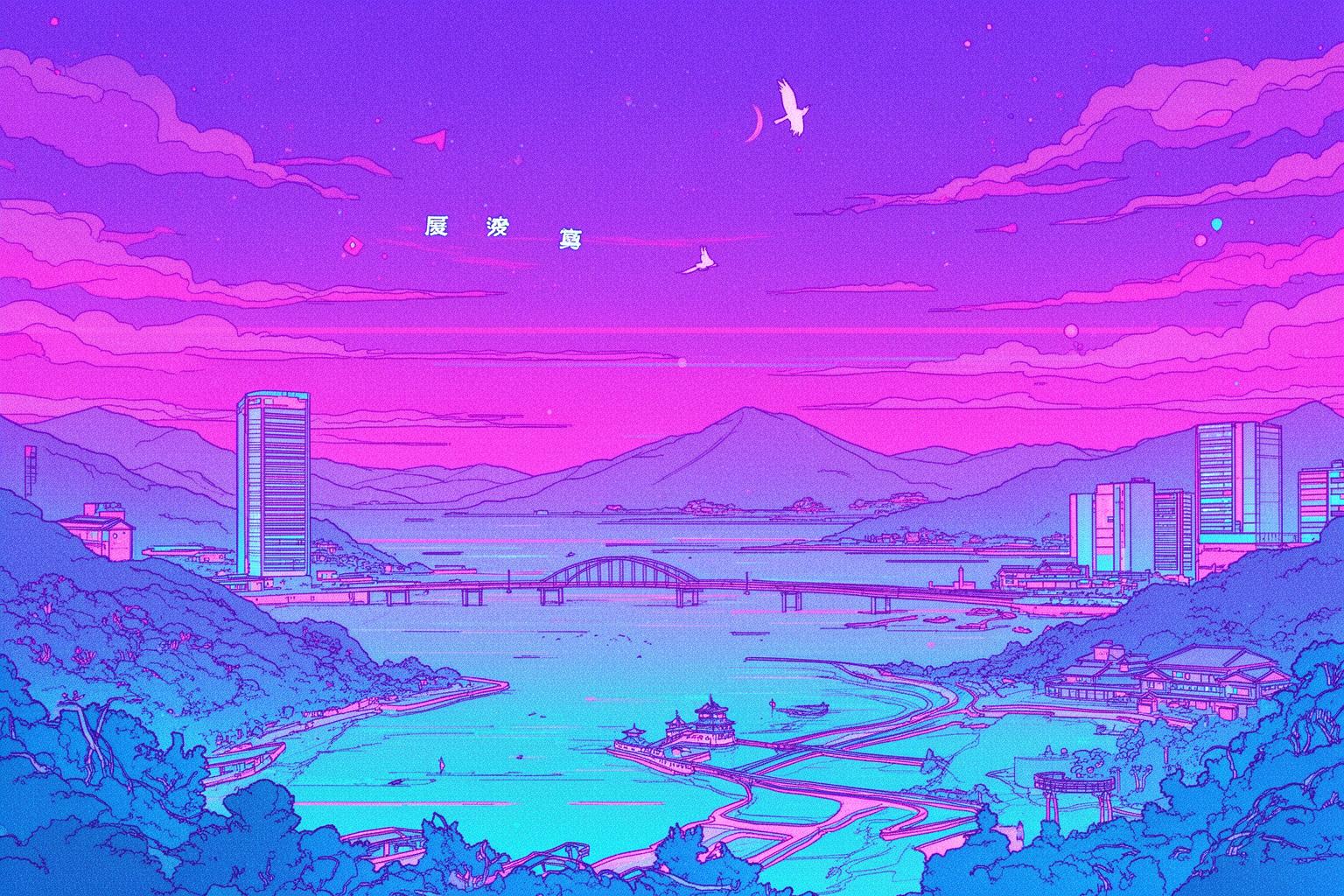
It’s easy to be captivated by the beauty of the art and landscapes, but it’s important to pause and appreciate the profound vision behind the Setouchi Triennale. From my viewpoint as someone fascinated by the intersection of tradition and modernity in East Asia, this project stands out as one of the most hopeful and inspiring examples I’ve encountered. It serves as a compelling counter-narrative to the common story of rural decline seen not only in Japan but throughout the developed world.
The Triennale’s official theme is the “Restoration of the Sea.” This goes beyond environmental cleanup; it focuses on revitalizing the vitality and pride of the communities that call this sea home. The project emerged from deep concern about the islands’ fading culture due to depopulation and aging (kaso). Young people were leaving for metropolitan areas, schools were shutting down, and the unique island heritage faced the risk of disappearing. The brilliance of Soichiro Fukutake and his collaborators was in viewing art not as mere decoration, but as a catalyst for renewal. By inviting world-class artists and architects to create works intimately connected to each island’s history and environment, they generated new reasons for visitors to come and, more importantly, new opportunities and renewed purpose for the residents. The art became a bridge, linking the islanders’ past with a viable future, and connecting them with visitors worldwide. This initiative is built on collaboration, respect, and a long-term vision, making a powerful statement that modernity need not erase the past, and that a sustainable future can be achieved through creative and thoughtful engagement with existing heritage.
A Final Brushstroke: Your Setouchi Story Awaits
Traveling through the Setouchi islands means becoming part of a story—a story of loss, memory, and ultimately, remarkable rebirth. It’s a place that seeps into your soul and lingers long after you leave. You’ll return with a camera full of images capturing stunning art and breathtaking scenery, but the true keepsakes are the emotions: the calm felt on a quiet ferry, the excitement of exploring a coastal road by bike, the wonder of standing in a space that shifts your sense of reality, and the warmth of a shared smile with a local islander. This is not a passive journey. It invites you to be curious, patient, and fully present. It reminds you that art is not merely to be seen but to be experienced. So pack your bags, check the ferry schedules, and begin writing your own chapter in the extraordinary, ongoing story of the Seto Inland Sea. Your adventure awaits.