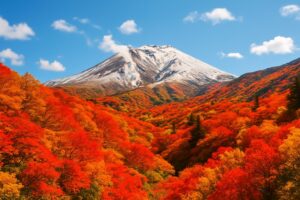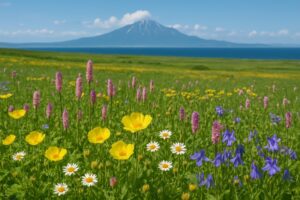
Yo, let’s get real for a second. There are places on the map that are just dots, and then there are places that get into your soul. We’re talking about spots that have a pulse, a rhythm you can feel in your bones the moment you step off the boat. Okushiri Island, a remote teardrop of land floating in the Sea of Japan off the southwest coast of Hokkaido, is that kind of place. This isn’t your typical, polished tourist track. This is raw, unfiltered Japan. It’s an island forged by fire, sculpted by relentless waves, and inhabited by some of the most resilient people you’ll ever meet. Its story is written in the volcanic cliffs that bleed into an ocean so blue it feels unreal. And look, you can drive around it, you can hike a bit of it, but to truly understand Okushiri, to really hear what it’s trying to tell you, you have to get on the water. You have to grab a paddle, slide into a sea kayak, and meet its wild coastline on its own terms. This is an adventure that’s straight-up primordial. It’s about disconnecting from the noise and plugging into something ancient, powerful, and ridiculously beautiful. It’s a full-system reset, a vibe check from Mother Nature herself. Okushiri isn’t just a destination; it’s a conversation with the planet, and a sea kayak is your front-row seat.
After experiencing Okushiri’s raw coastal beauty, continue your Hokkaido adventure by exploring the legendary Hakodate Morning Market squid challenge for another unforgettable taste of local culture.
Dropping In: The Vibe of Okushiri
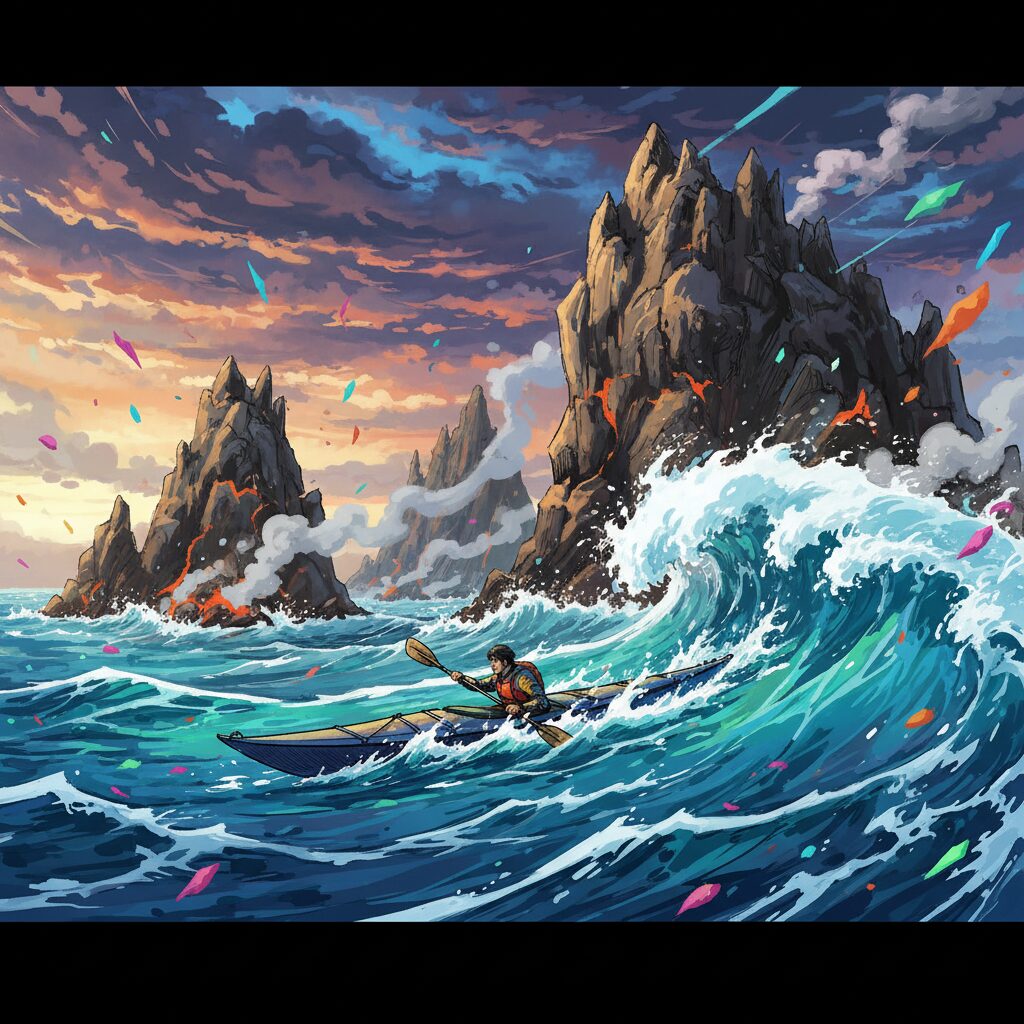
The journey itself is an integral part of the vibe shift. Whether you board the ferry from Esashi or Setana, the two-hour crossing serves as a mental buffer zone. You watch the Hokkaido mainland dissolve into a hazy line on the horizon, along with the noise of everyday life. The air transforms—becoming saltier, fresher, and carrying the faint, briny aroma of kelp and cold, deep waters. When Okushiri Island finally emerges from the sea mist, it doesn’t appear as a gentle paradise. It looks imposing. Jagged green hills rise sharply from the ocean, hinting at the volcanic forces that shaped this land. This isn’t merely a place; it’s a presence with weight. The name itself, Okushiri, offers a clue to its essence. It comes from the Ainu language, from the words “I-kus-un-sir,” meaning “the island on the other side” or “the island over there.” For the indigenous Ainu people, it was a remote and meaningful land, a place set apart. That sentiment remains. It still feels like the island beyond the known world. Stepping onto the docks at Okushiri Port, you’re not confronted by touts or flashy ads. Instead, you’re welcomed by the quiet rhythm of a fishing community. Weathered fishermen repair their nets, squid boats gently bob in the harbor, and the calls of black-tailed gulls echo off the hills. The pace is slower, more intentional. Life here moves with the rhythms of the sea and seasons, not the clock. There’s a quiet strength in the atmosphere, a deep-rooted resilience. This is, after all, a community that has weathered nature’s fiercest fury and chosen to remain, rebuild, and thrive. It’s a low-key epic vibe that’s both humbling and profoundly inspiring. It’s the ideal mindset before embarking on an adventure that brings you face-to-face with that very same nature.
Gearing Up: Why Kayaking is the Only Way
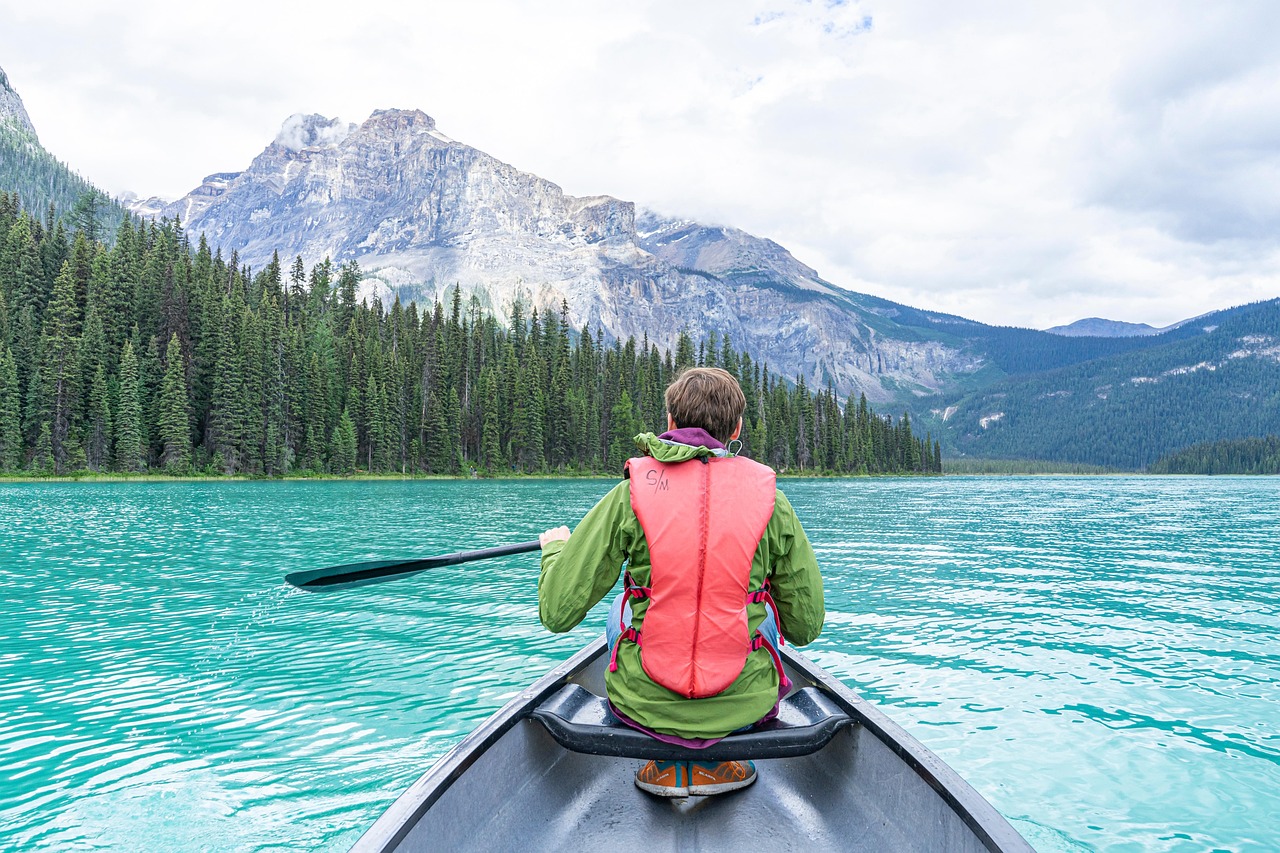
To truly experience Okushiri, you need to leave the road behind. While a car can reveal the island’s outline, it’s like peering at a masterpiece through a keyhole. Sea kayaking is the key that opens up the entire gallery. It’s not about thrill or speed; it’s about closeness. It’s a slow, immersive connection with one of Japan’s most stunning and wild coastlines. Paddling here is an overwhelming sensory delight in the best way. The first thing you notice is the sound—the soft slap of water against your hull, the steady dip of your paddle, the distant roar of waves hitting unseen cliffs, and the calls of seabirds above. It’s a natural symphony that silences all mental noise. From the kayak’s low vantage point, the island’s cliffs don’t simply appear tall; they seem like colossal, god-like monuments towering over you. This makes you aware of your smallness in the vastness of nature, a deeply grounding sensation. Here, you catch the details that land-bound visitors miss. You can slip into narrow sea caves glistening with mineral deposits, paddle through natural rock arches shaped by millennia of waves, and find hidden, tiny beaches accessible only from the water. It’s a realm of secret spots. Yet the true highlight is the geology. The entire island is a volcanic display. The cliffs are not just sheer rock but intricate tapestries of cooled lava flows, compressed ash, and strange formations that seem otherworldly. You can paddle close enough to touch rock that was once molten lava, feeling the rough, porous surface left by ancient eruptions. This is where local guides become invaluable. They’re more than instructors; they’re storytellers of the island. They decipher subtle shifts in the sea’s mood, forecast the famously unpredictable weather, and navigate the complex currents swirling around headlands. Even more, they share the tales behind the rocks—pointing out a formation resembling a sleeping dragon, recounting a legend about a hidden cove, and explaining the geological forces behind the archway you’re about to pass through. They turn a beautiful paddle into a rich, meaningful journey through time and culture. Without them, you’re just a tourist with a boat. With them, you become an explorer.
The Southern Slay: Nabetsuru-iwa and the Volcanic Playground
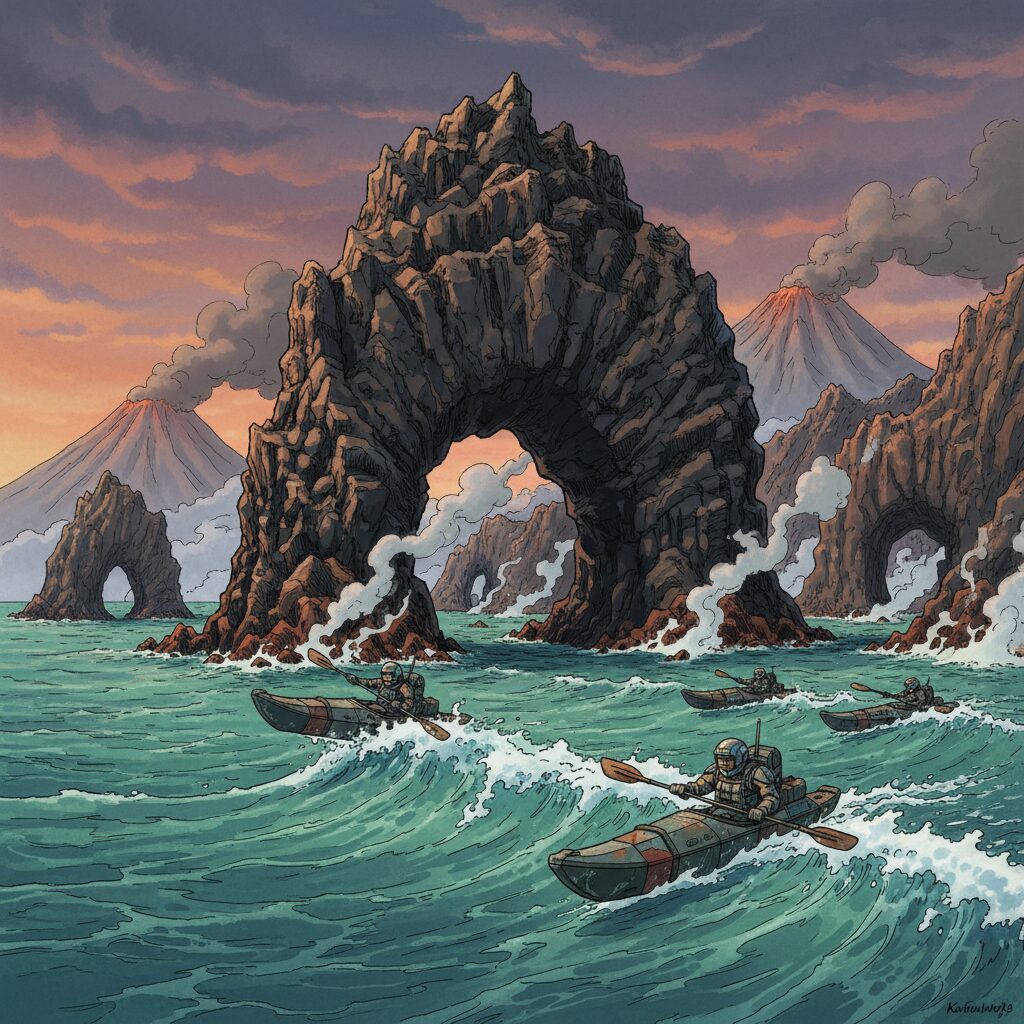
While Okushiri’s entire coastline is spectacular, it’s the southern shore where the experience truly reaches new heights. This area is the island’s geological core—a concentrated masterpiece of volcanic artistry that will leave you awestruck. The undeniable symbol of Okushiri’s wild essence is Nabetsuru-iwa Rock. You’ve likely seen photos of it, but no image can fully capture its grandeur in person. This massive, donut-shaped rock formation lies just off the coast, a natural arch so flawlessly shaped it seems crafted by an artist’s hand. The name Nabetsuru-iwa literally means “pot handle rock,” reflecting its resemblance to the handle of a traditional Japanese cast-iron pot—a quirky yet fitting name for such a magnificent landmark. Paddling from the main port toward it is a journey filled with growing wonder. The water’s clarity is astonishing—they call it “Okushiri Blue” for good reason—it’s a deep, vibrant sapphire that reveals the kelp forests swaying on the seabed below. As you approach, the immense size of Nabetsuru-iwa becomes clear. The real enchantment occurs when you guide your kayak through the arch. For a moment, you find yourself inside the rock, framed by this natural window to the sea. The acoustics shift, the light changes, and you feel a profound connection to the millennia it took for the waves to carve this passage. Navigating through this arch is a rite of passage for island visitors. Yet Nabetsuru-iwa is only the beginning. The entire southern coastline presents an ongoing marvel of sea stacks, towering cliffs, and hidden caves. Every paddle stroke reveals a new shape, texture, or shade of green where resilient plants cling to the rocks. You’ll glide past formations that look as if dripped from a celestial candle and cliffs adorned with hexagonal basalt columns resembling a giant’s staircase. It’s a living, dynamic sculpture garden. Expert guides will take you into the Muroto Sea Caves, a maze of caverns you can paddle through when the sea is calm. The experience is surreal—the air turns cool and damp, your voice echoes oddly, and the water glows with an ethereal light filtering in from the entrance. It feels as though you’ve entered the very soul of the island. This is more than sightseeing; it’s active immersion in a landscape continually reshaped by the powerful forces of the Sea of Japan. You’re not just observing it—you’re part of its ongoing story.
More Than Just Rocks: Okushiri’s Living Waters
After your mind has been thoroughly amazed by the volcanic geology, it’s time to look down. The world beneath your kayak is just as breathtaking as the one above. The cold, nutrient-rich waters around Okushiri are teeming with marine life, creating a world-class ecosystem that you get to float right over. The clarity of the Okushiri Blue water means you don’t even need a snorkel to observe what’s happening below. On a calm day, it feels like gliding over a Japanese garden under the sea. Dense forests of kombu kelp, with their long, ribbon-like fronds, sway gracefully with the ocean’s current. This isn’t just seaweed; it forms the foundation of the local ecosystem and plays a major role in Japanese cuisine. Nestled among the kelp and on the rocky seabed, you’ll find the island’s most prized treasures: uni (sea urchin) and awabi (abalone). Okushiri is renowned throughout Japan for having some of the finest uni in the country. From your kayak, you can see hundreds of them, spiky black orbs scattered across the seafloor. Knowing these are the very delicacies that fetch exorbitant prices in Tokyo sushi restaurants, while you simply float above them, is an incredible feeling. It ties your adventure directly to the island’s culture and economy. This isn’t just a nature paddle; it’s a culinary preview. The coastline is also a lively hub for seabirds. Black-tailed gulls and cormorants are your constant companions, perched on rocky ledges, preening their feathers, or bursting into flight as you approach. You might even be lucky enough to spot a majestic white-tailed eagle soaring on thermal currents high above the cliffs. Their sharp calls contribute to the raw soundtrack of the island. While not guaranteed, the waters are also home to larger marine mammals. Keep your eyes open for the sleek, dark heads of seals or sea lions surfacing to check you out, or the thrilling sight of a pod of dolphins arcing through the waves in the distance. Every moment on the water holds the potential for a magical encounter. Kayaking here is a powerful reminder that this dramatic landscape is not an empty backdrop. It is a vibrant, flourishing, and delicious ecosystem, and you are its privileged guest.
Island Life: Beyond the Paddle
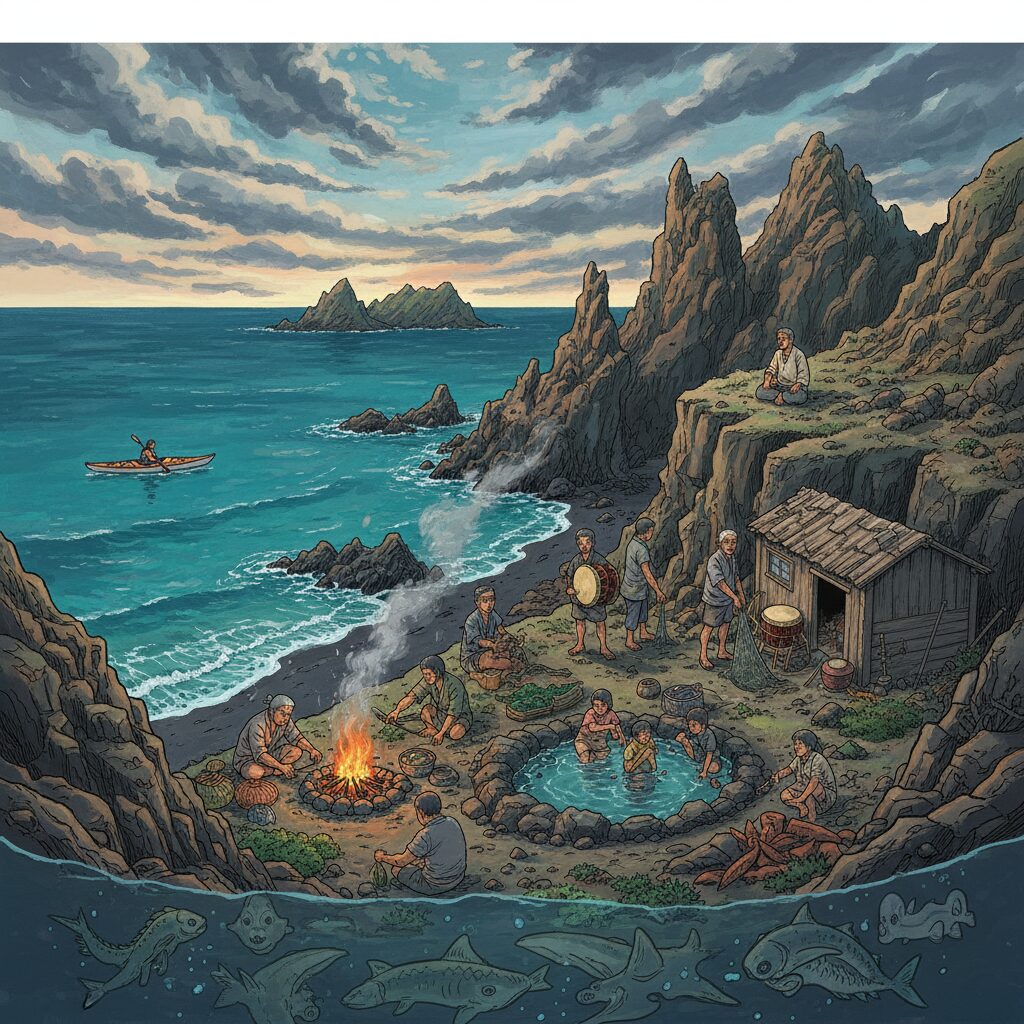
As thrilling as the kayaking is, your Okushiri experience remains incomplete until you fully immerse yourself in the island’s life on land. This is where the adventure for your senses truly continues, especially for your taste buds. After a day of paddling and burning calories against the wind and waves, you will have earned your dinner, and Okushiri does not disappoint. The local cuisine is, unsurprisingly, centered around the ocean’s bounty. We’re talking about seafood so fresh it was likely swimming that very morning. The highlight is, of course, the uni. Tasting fresh Okushiri uni is truly life-changing. It’s creamy, sweet, and embodies the pure essence of the clean, cold sea. Forget any preconceived notions you have about uni; this is the genuine article. You’ll also enjoy incredible abalone, often simply grilled with a touch of butter and soy sauce, along with a rotating selection of seasonal fish that will forever change how you view mainland sushi. The best way to savor this is at a local minshuku, a family-run guesthouse. Here, you’ll be served a multi-course kaiseki-style dinner featuring whatever the family’s fishing boats have brought in that day. It’s not just a meal; it’s an education in local flavors and a generous dose of Japanese hospitality. To ease your paddle-weary muscles, a visit to the Okushiri Kankou Center is essential. It features a public onsen (hot spring) with baths overlooking the Sea of Japan. Soaking in the hot, mineral-rich waters while watching the sunset color the sky over the ocean you just conquered is pure bliss. It’s the perfect way to conclude a day of adventure. Yet, the heart of the island lies in its people and their history. You cannot discuss Okushiri without acknowledging the devastating earthquake and tsunami of 1993. This event shaped the island both physically and emotionally. Visiting the Okushiri Tsunami Memorial Hall is a sobering but vital experience. It’s a thoughtfully curated museum that documents the disaster and, more importantly, the incredible spirit of community recovery. This experience fosters a deep respect for the cheerful, hardworking people you meet in the local restaurants and shops. Their resilience is the true foundation of the island. For a change of scenery, explore some of the island’s other unique spots. Head to the northern tip to discover Sai no Kawara, a stark, mystical landscape that feels like the edge of the world. It’s a vast, windswept field of gray stones where visitors have built thousands of small cairns as offerings for the souls of children. The gentle clinking of stones in the wind is both haunting and beautiful. For something entirely unexpected, visit the Okushiri Winery. Yes, a winery on this remote fishing island. They produce surprisingly elegant wines, including Pinot Noir and Chardonnay, distinguished by a unique, slightly saline minerality from the sea breeze. It’s a testament to the islanders’ innovative and resilient spirit.
The Deets: Your Okushiri Mission Plan
Alright, you’re convinced. You’re ready to answer the call of the wild coast. Here’s the scoop on how to turn your Okushiri kayaking adventure into reality. Getting there is part of the journey. The main way to reach the island is by ferry. Heartland Ferry operates from two ports in southern Hokkaido: Esashi (about 2 hours and 20 minutes) and Setana (about 1 hour and 40 minutes). The ride can be a bit rough, so if you’re prone to seasickness, come prepared. The alternative is flying. Hokkaido Air System (a JAL subsidiary) runs a small prop plane once daily from Hakodate Airport. The flight takes only 30 minutes, and the view of the island as you descend is simply breathtaking. It feels delightfully old-school cool. Timing is everything. The best season for sea kayaking is summer, from June to August. During these months, the weather tends to be more stable, the seas calmer, and the days longer and sunnier. That said, this is the Sea of Japan, and the weather can change on a whim. Flexibility is essential. Always book your kayaking tour with a trustworthy local operator who prioritizes safety and will reschedule if conditions are unfavorable. For packing, think layers and quick-drying fabrics. Even on sunny days, the wind off the water can be chilly. Pack a waterproof/windproof outer layer, synthetic tops, a sun hat, sunglasses with a strap, and plenty of sunscreen. Water shoes or old sneakers you don’t mind getting wet are essential. Most tour operators supply essential gear like the kayak, paddle, life vest, and spray skirt, but confirm when you book. When it comes to lodging, booking in advance is crucial, especially in summer, as accommodations are limited. For a truly authentic experience, choose a minshuku. You’ll enjoy delicious home-cooked meals and the chance to connect with a local family. If you prefer more privacy, there are a few small hotels, such as the Okushiri Port Hotel Inaho. Finally, to explore the island beyond the port, renting a car is a must. Public transportation is very limited. Several rental agencies are near the ferry terminal. Having your own vehicle gives you the freedom to chase sunsets, visit Sai no Kawara, and stop by the winery at your own pace. It turns your trip from a kayaking excursion into a full island exploration.
The Takeaway: More Than a Trip
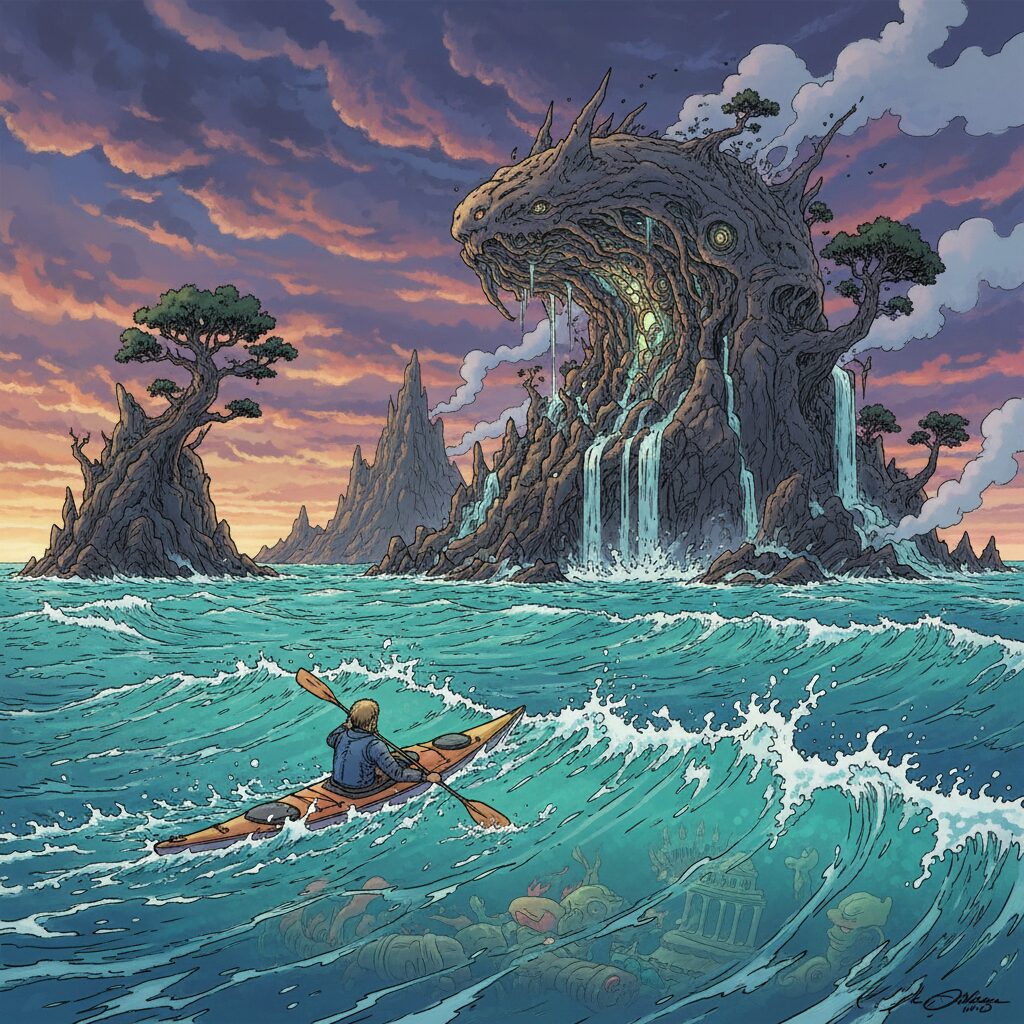
Leaving Okushiri is difficult. As the ferry moves away and the island fades into a silhouette on the horizon, you realize it has changed you slightly. This place gets under your skin. It’s more than just a collection of beautiful views or enjoyable activities. Okushiri is a feeling. It’s the sensation of being completely present, your world narrowing to the rhythm of your paddle, the sound of the waves, and the vast expanse of the sky. It’s the taste of salt on your lips and the ache in your shoulders after a long day on the water. It’s the humbling perspective gained from floating beneath cliffs that existed long before humanity. Paddling along Okushiri’s volcanic coastline is a dialogue with deep time. You follow the lines of ancient lava flows with your eyes and sense the immense power of the ocean that has shaped them over millennia. You connect with a community that understands resilience on a level most of us can barely grasp. This isn’t the fast-paced, neon-lit Japan seen in magazines. This is the country’s wild, beating heart. It reminds you that true adventure isn’t always about conquering peaks or pushing limits. Sometimes, it’s about slowing down, listening carefully, and letting a place share its story. Okushiri’s story is one of fire, water, and remarkable strength. It’s a complete reset for your soul. Go experience it.