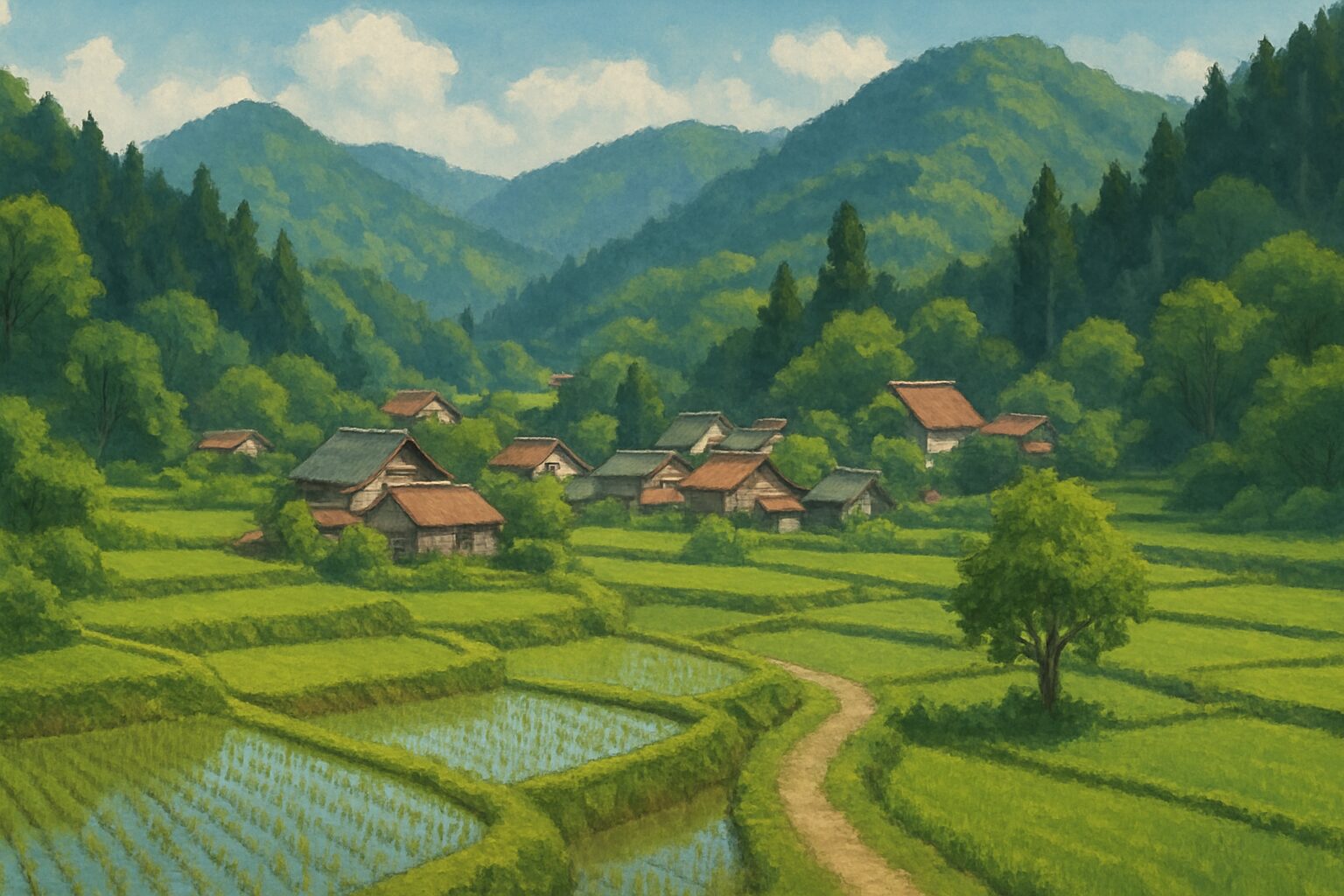
Alright, let’s have some real talk. You’ve seen the pics—the neon-drenched streets of Tokyo, the serene bamboo forests of Kyoto, the epic powder snow in Hokkaido. Japan’s highlight reel is absolutely legendary, no question. But what if I told you there’s another side to this country? A place that’s less about the grand spectacle and more about a quiet, profound connection to the land. A place where the clock seems to tick a little slower, in rhythm with the seasons. I’m talking about Satoyama, and honestly, it’s the travel glow-up you’ve been searching for. This isn’t just a location; it’s a whole vibe, a living philosophy of sustainability that’s been practiced for centuries. It’s the ultimate escape from the grind, a chance to get your hands dirty, breathe in air that actually feels clean, and experience a Japan that’s deeply, authentically rooted in nature. It’s the space between the sprawling city and the wild, untamed mountains—a mosaic landscape of rice paddies, farmhouses, and community forests that are literally the lifeblood of rural Japan. This is the slow life, dialed up to eleven. It’s where you’ll find the heart of Japan, beating strong and steady. Forget just being a tourist; a trip to a Satoyama region is an invitation to participate, to learn, and to reconnect. It’s an experience that stays with you, a low-key whisper that reminds you of a simpler, more sustainable way of living. Ready to trade the concrete jungle for rice terraces and fireflies? Let’s get into it.
For a deeper look at how Japan’s tourism infrastructure is evolving to welcome more visitors, consider the recent surge in foreign investment in Japan’s hotel sector.
So, What’s the Real Deal with Satoyama?
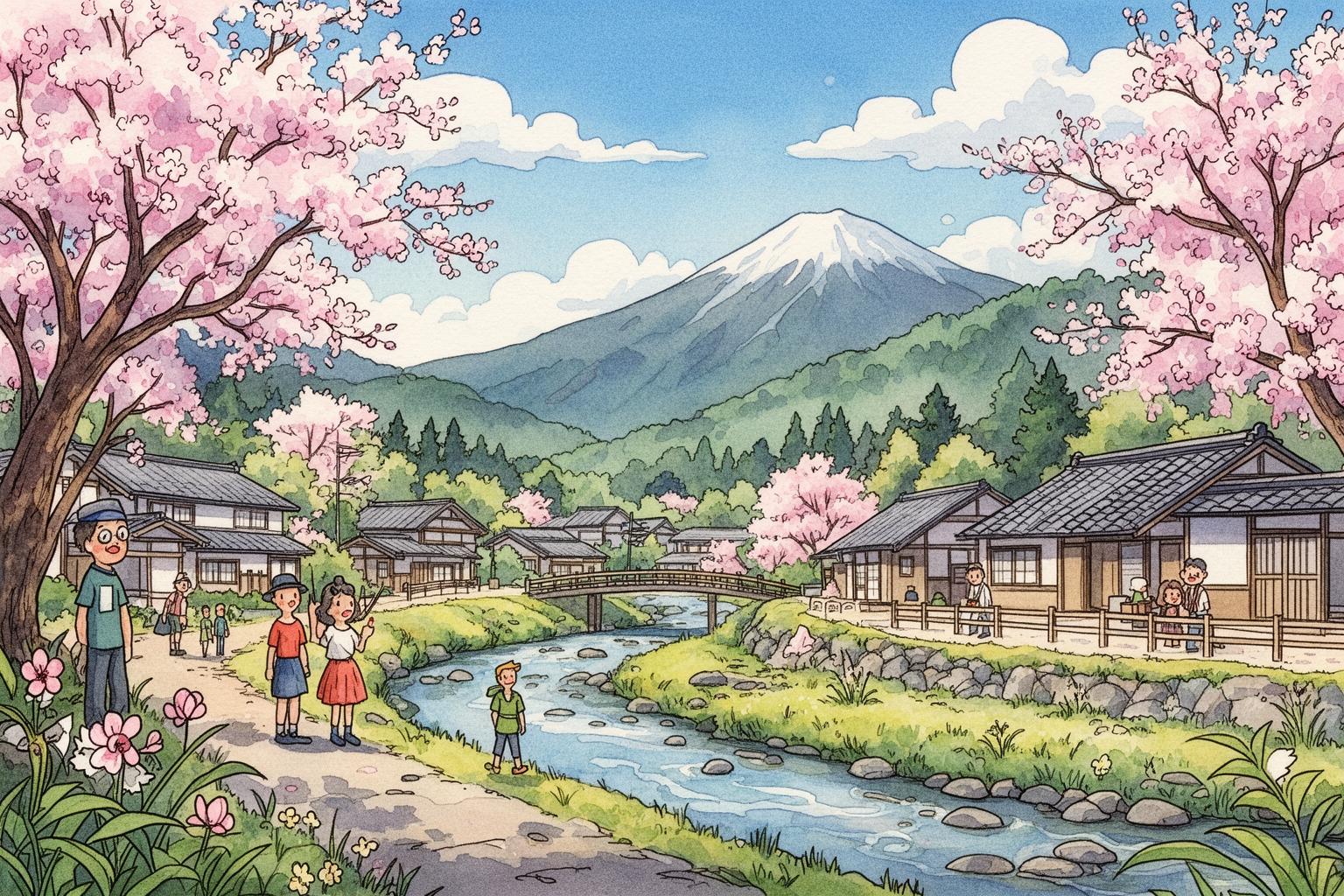
Before we explore packing lists and train schedules, let’s first understand what Satoyama really is, as it’s a concept as beautiful as the landscapes it depicts. The term combines two Japanese characters: `sato` (里), meaning village or arable land, and `yama` (山), meaning mountain or hill. Together, they translate literally to ‘village-mountain.’ But Satoyama is much more than that. It signifies the border zone, the transitional area between human settlements and the deep, untouched wilderness of the mountains, called `okuyama` (奥山). This is not pristine, wild nature; it’s a landscape gently and respectfully shaped by human hands over generations. Think of it as a collaboration between people and nature—a centuries-old partnership that has created a rich, biodiverse, and remarkably resilient ecosystem. These landscapes are managed for sustenance and survival, where every component serves a purpose. The terraced rice paddies, or `tanada`, climbing the hillsides are not only for growing rice but also serve as intricate irrigation systems that prevent landslides and provide habitats for numerous creatures. The forests are more than just trees; they are managed woodlands where villagers sustainably harvest timber for building, charcoal for fuel, and wild vegetables for food. Streams and ponds are carefully maintained for irrigation and fish farming. It’s an entirely interconnected system. This delicate balance lies at the heart of the Satoyama philosophy: taking from nature only what is needed without depleting it, while actively managing the environment to help it flourish. This human involvement is crucial; without farmers tending the fields and villagers caring for the forests, these unique habitats would become overgrown and lose their biodiversity. Satoyama stands as a living, breathing testament to a pre-industrial, sustainable way of life that feels more relevant today than ever before. In a world consumed by growth and consumption, Satoyama offers a quiet yet powerful counter-narrative, showing us that a truly fulfilling life can be achieved through harmony with nature, not its domination. It is a cultural landscape, a historical archive, and an ecological marvel all in one.
Vibe Check: What Does Satoyama Feel Like?
Stepping into a Satoyama landscape is an immersive sensory experience. The first thing you notice is the soundscape—or rather, the absence of the usual urban noise. The steady hum of city traffic gives way to nature’s symphony. In spring and summer, it’s the chorus of frogs from the rice paddies, a sound so distinctly Japanese that it becomes almost meditative. It’s the buzz of dragonflies skimming over the water, the relentless chirp of cicadas on a warm afternoon, and the faint call of a bird from the forest canopy. The air itself feels different—heavy with the scent of damp earth after morning rain, the sweet fragrance of blossoms in spring, or the smoky aroma of burning wood from a farmhouse hearth in autumn. You can sense the humidity rising from the rice fields, a tangible warmth that surrounds you. Visually, it’s a panorama of greens—not just one hue but a spectrum—from the bright, almost neon green of newly planted rice shoots to the deep, dark emerald of cedar forests on the hillsides. The landscape is a mosaic of textures: the smooth, reflective surface of the flooded paddies, the rough bark of trees, the thatched roofs of old farmhouses (minka), and the carefully tended rows of vegetable gardens. Beyond the sensory details, the atmosphere is defined by the rhythm of life, moving with intention and guided by the seasons rather than a digital calendar. You’ll see elderly farmers, their backs bent from years of labor, carefully tending their small plots of land. Communities come together to plant rice or clear irrigation channels, embodying a quiet diligence and strong sense of connection. It’s a feeling of being grounded, part of something ancient and lasting. The mood is one of humble self-reliance and profound respect for the land. This subdued, peaceful energy sinks into your bones, urging you to slow down, notice the small details, and simply be. This is the ultimate digital detox. Your phone will feel oddly irrelevant here, just a clunky piece of metal and glass unable to capture the depth of the experience. It’s a place that reconnects you with the natural world—a connection we often lose amid the rush of modern life.
Your Eco-Conscious Passport: Why Satoyama is the Future of Travel
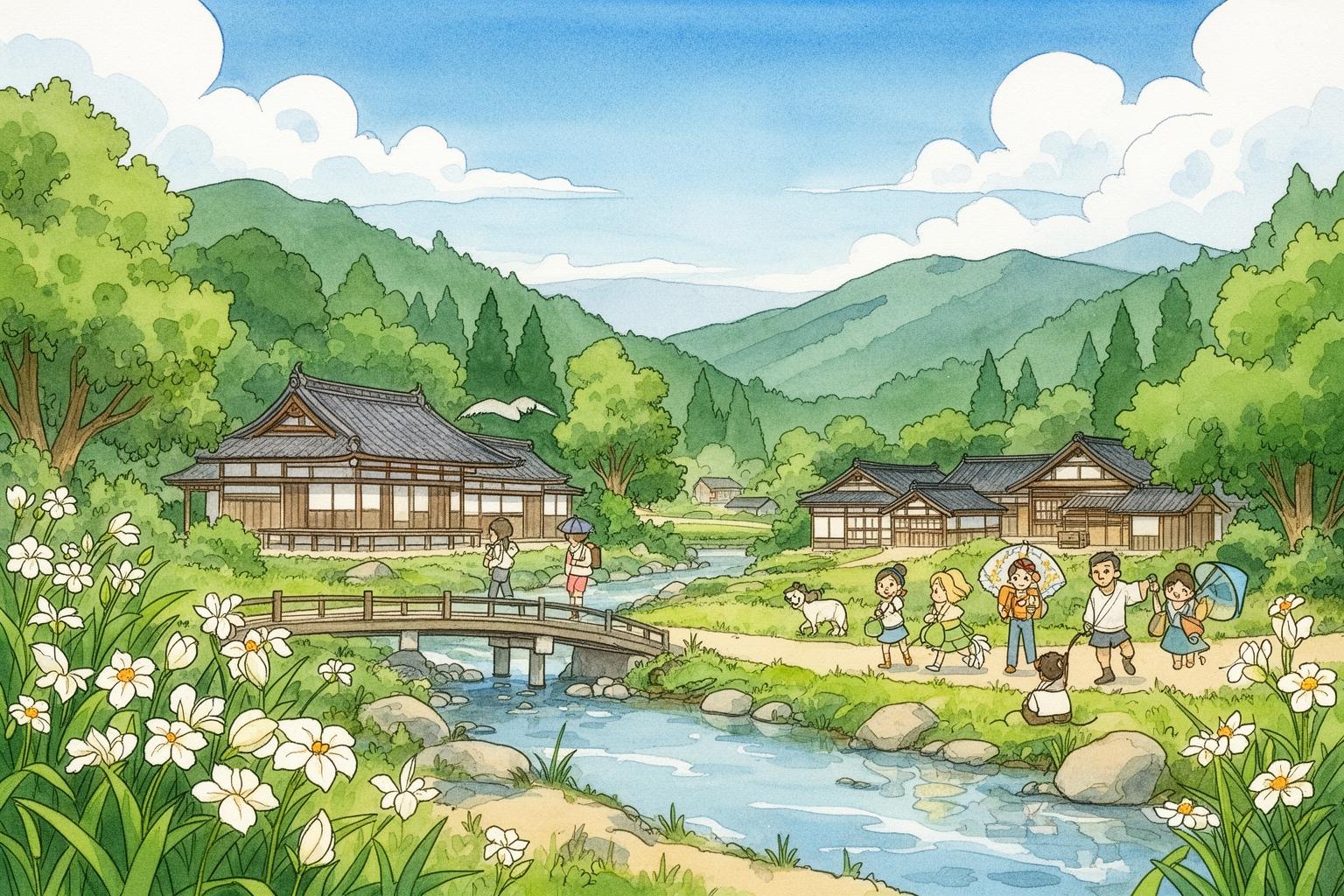
In an era when many of us strive to be more mindful of our impact on the planet, Satoyama stands out as a genuine advocate for sustainable tourism. This isn’t a new, trendy idea; it’s a time-honored way of life that perfectly aligns with the values of today’s eco-conscious traveler. Visiting a Satoyama region means you’re not merely a passive spectator; you’re actively helping to preserve an important cultural and ecological heritage. Many of these communities face significant challenges, particularly depopulation and an aging population. Younger generations often relocate to cities for work, leaving fewer people to maintain the labor-intensive landscapes. Your visit, your stay in a local guesthouse, the meal you enjoy at a family-run diner—all directly support the local economy and provide a real incentive for these communities to sustain their traditional practices. This is travel that empowers. Moreover, Satoyama landscapes are biodiversity hotspots. The patchwork of environments—rice paddies, grasslands, ponds, forests—creates diverse habitats that support an impressive variety of flora and fauna, many of which are endangered elsewhere in Japan. By encouraging the continuation of traditional agriculture, you help protect these fragile ecosystems. This is a stark contrast to mass tourism. The Satoyama experience is inherently small-scale and intimate. It emphasizes slow travel, inviting you to truly understand a place rather than just check off sights. It promotes deeper engagement, whether it’s learning to make tofu from scratch, helping harvest vegetables, or simply sharing a cup of tea with your host. This style of travel nurtures genuine human connection and cultural exchange, breaking down the divide between ‘tourist’ and ‘local.’ It’s also a deeply educational experience. You witness firsthand where your food comes from and the immense care involved in producing it. You learn about traditional resource management methods that are remarkably sophisticated and sustainable. It’s a masterclass in living simply, valuing community and connection over material goods. Ultimately, a trip to Satoyama is a vote for a different kind of future—one that honors tradition, community, and ecological harmony. It’s a way of traveling that not only refreshes your spirit but also helps sustain the very places you’ve come to cherish.
Where to Find Your Satoyama Zen: A Guide to Japan’s Rural Heartlands
Satoyama isn’t a single location you can mark on a map; rather, it is a type of landscape and lifestyle found throughout the Japanese archipelago. Each area has its own distinct character, shaped by its climate, geography, and history. Here are some remarkable places where you can fully experience Satoyama.
Hida-Takayama & Shirakawa-go, Gifu Prefecture
Let’s begin with the iconic example. If you’ve ever seen a postcard of rural Japan, it’s likely featured the `gassho-zukuri` farmhouses of Shirakawa-go and its neighbor, Gokayama. These architectural wonders, with their steep thatched roofs resembling hands in prayer, are a UNESCO World Heritage site for good reason. They lie at the heart of a classic Satoyama landscape, tucked away in the mountainous Hida region. The entire village serves as a living museum, where families have lived and worked for centuries, practicing a unique type of sericulture (silk farming) in the spacious attics of their homes. The sense of community here is incredibly strong, known as `yui`, where neighbors cooperate to handle the huge task of re-thatching roofs every few decades. While Shirakawa-go can become crowded with day-trippers, staying overnight reveals a much more magical experience. When the tour buses depart, a peaceful calm settles over the valley. Rising to see morning mist curling around the thatched roofs is unforgettable. Nearby, the city of Takayama, often dubbed ‘Little Kyoto’, is an excellent base. Its well-preserved old town is a delight to explore, but the true charm lies in the surrounding countryside. Rent a bike and cycle through the Hida Folk Village or venture further into the valleys to discover smaller, quieter hamlets living the Satoyama way away from the crowds. This region perfectly combines iconic sights with off-the-beaten-track adventures.
The Noto Peninsula, Ishikawa Prefecture
Extending into the Sea of Japan, the Noto Peninsula presents a wilder, more rugged form of Satoyama. Here, mountains dramatically meet the sea, and life is deeply connected to both. The landscape is defined by its striking coastline, tranquil fishing villages, and stunning terraced rice paddies. The most famous example is `Shiroyone Senmaida`, known as the ‘A Thousand Rice Paddies of Shiroyone.’ This breathtaking amphitheater of over a thousand small paddies cascades down a steep hillside directly to the ocean. It is a remarkable feat of agricultural engineering and a testament to the dedication of local farmers. The view is spectacular throughout the day but especially enchanting at sunset when the light glimmers off the water-filled paddies. Beyond the rice terraces, Noto is renowned for its traditional crafts. In Wajima, you can watch the meticulous creation of Wajima-nuri lacquerware, a craft refined over centuries. Along the coast, the unique `agehama` method of salt production persists, where seawater is hand-raked over sand flats to evaporate, a technique unchanged for over 400 years. The Noto Peninsula feels remote and beautifully preserved, perfect for long coastal drives, exploring hidden shrines, and enjoying extraordinarily fresh seafood. The community here embodies strong resilience and a profound bond with their rugged yet beautiful surroundings.
Asuka Village, Nara Prefecture
For history enthusiasts, Asuka is a Satoyama dream. Situated in the Nara Basin, this region is often regarded as the birthplace of the Japanese nation. It served as the imperial capital from 592 to 710 AD, an era that introduced Buddhism and centralized governance. Today, Asuka is not a city of grand temples like nearby Nara or Kyoto but a protected historical landscape where the past feels vividly alive. The entire village functions as an open-air museum. You can cycle along quiet country roads, passing ancient burial mounds (`kofun`) of emperors and nobles, mysterious stone carvings such as the Turtle Rock, and ruins of former palaces and temples. The terrain is gentle, with rolling hills, terraced fields, and charming farmhouses. This Satoyama carries a deep sense of history and spiritual meaning. Life here flows slowly, and cycling remains the preferred mode of transport for visitors, ideal for absorbing the atmosphere. Visiting Asuka feels like stepping back in time, offering a glimpse into the land when it was Japan’s political and cultural heart. It offers a unique combination of archaeology, agriculture, and profound tranquility, providing a distinct and equally compelling Satoyama experience.
Biei, Hokkaido Prefecture
Travel north to the expansive open spaces of Hokkaido for a different interpretation of Satoyama. Biei is known for its stunning ‘patchwork hills,’ rolling landscapes of farmland that create a vibrant mosaic of colors shifting with the seasons and crops. In summer, fields of green wheat, yellow canola, purple lavender, and white potatoes stretch in flowing, beautiful patterns across the hills. This is not the traditional wet-rice paddy Satoyama of Honshu but an excellent example of a striking, productive landscape shaped by agriculture. The scale here is grander, with wider horizons, evoking a sense of openness and freedom. The best way to explore Biei is by car or, for the adventurous, by electric bicycle, allowing you to traverse the undulating roads of ‘Patchwork Road’ and ‘Panorama Road.’ Scattered throughout the landscape are iconic solitary trees—such as the Ken & Mary Tree and the Seven Stars Tree, famous from old advertising campaigns—that stand as lone sentinels in the vast fields. Nearby, the Blue Pond (`Aoiike`) offers a surreal, almost otherworldly scene with its mineral-rich, brilliant blue water and submerged larch trees. Biei’s Satoyama presents grand vistas and painterly beauty, a testament to how agriculture can shape landscapes of extraordinary aesthetic appeal.
Level Up Your Trip: How to Truly Experience Satoyama
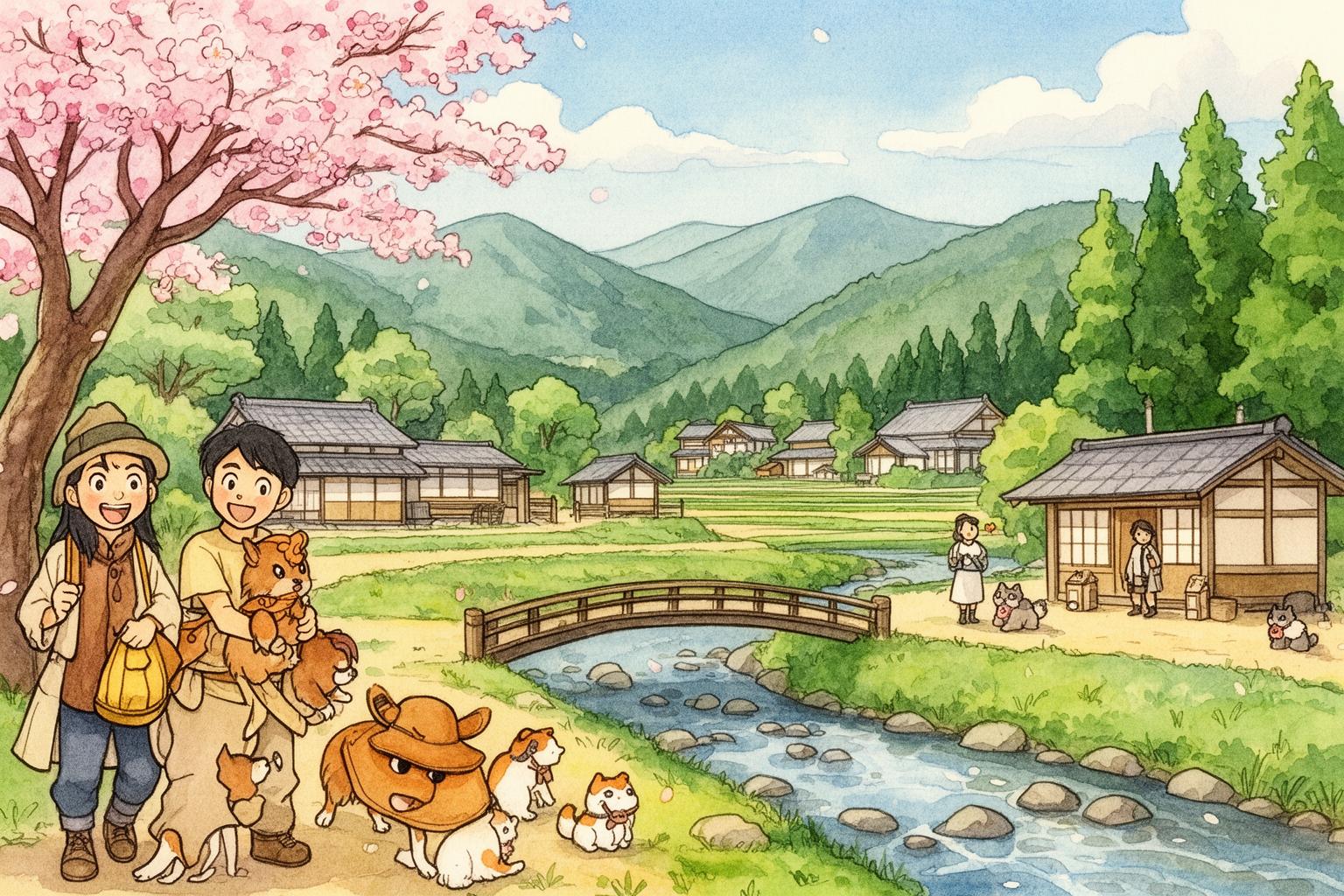
Experiencing the landscape is one thing, but to truly immerse yourself in Satoyama, you need to dive in and get your hands dirty. It’s all about participation and connection. Here are some of the most fulfilling ways to engage with the local culture.
The Farm Stay (`Noka Minshuku`)
Undoubtedly, this is the crown jewel of Satoyama travel. A `noka minshuku` is a farm stay where you live with a local family in their home, share meals, and take part in their daily activities. It’s the most immersive way to grasp the rhythm of rural life. Your experience will vary greatly depending on the season and the type of farm. In spring, you might find yourself in muddy boots, helping plant rice seedlings in a paddy. In autumn, you could be harvesting vegetables or bringing in the rice crop. You’ll rise early with the family, eat their food, and learn firsthand about their bond with the land. The accommodation is usually simple—a tatami mat room in a traditional farmhouse—but the hospitality is warmly genuine. The highlight is the shared meals. You’ll likely help prepare the dishes, often using ingredients you’ve just harvested, then gather around the table to eat and converse with your hosts. Communication can be challenging if you don’t speak Japanese, but a smile, eagerness to help, and a translation app go a long way. It’s an experience that’s humbling, heartwarming, and unforgettable.
Foraging for Mountain Vegetables (`Sansai`)
Foraging is a core part of Satoyama culture. The forests and hills serve as a natural pantry, offering a wealth of wild edible plants called `sansai`. Each season brings new delights. In early spring, as the snow melts, locals head into the mountains to find treasures like `fukinoto` (butterbur buds), known for their distinct bitterness, and `kogomi` (fiddlehead ferns). Later seasons bring `takenoko` (bamboo shoots) and `warabi` (bracken). Foraging is a skill passed down through generations, requiring intimate knowledge of the environment—knowing where to search, what to pick, and, importantly, what to avoid. For visitors, foraging with a local guide is an incredible experience. It’s a forest treasure hunt, a lesson in plant identification, and a deeper way to connect with nature. The reward comes when you return to the kitchen to prepare your harvest. `Sansai` are often simply prepared—blanched and served with miso or soy-based dressings, or deep-fried as tempura—to highlight their fresh, unique, sometimes bitter flavors. It’s a taste of the wild, a flavor that speaks directly of the season and the mountains.
Master a Traditional Craft
Satoyama communities often preserve traditional Japanese crafts (`kogei`), many tied closely to local natural resources. Attending a workshop is a wonderful way to engage with this heritage and create a lasting memory of your trip. In pottery regions like Mashiko or Bizen, you can try the potter’s wheel under the guidance of a master artisan. In the Iya Valley and other mountain areas, workshops on `aizome` (indigo dyeing) allow you to dye a handkerchief or t-shirt in beautiful blue shades using a traditional fermentation vat. Washi paper making is another classic Satoyama craft, using bark from the paper mulberry tree and clean mountain water to handcraft beautiful, durable paper. These workshops are more than just fun activities; they offer insight into a craftsmanship philosophy valuing patience, precision, and deep respect for natural materials. You’ll gain a new appreciation for the skill and dedication behind these beautiful, functional creations.
Forest Bathing (`Shinrin-yoku`) and Hiking
The forests around Satoyama villages are more than resource providers; they are places for recreation and spiritual renewal. The concept of `shinrin-yoku`, or ‘forest bathing,’ developed in Japan in the 1980s, is not about exercise but about simply being in nature and connecting with it through all your senses. The practice involves walking slowly, pausing, listening to forest sounds, breathing in phytoncides (aromatic compounds released by trees), touching tree bark, and observing your surroundings. Scientifically proven to reduce stress, lower blood pressure, and boost the immune system, this practice is perfectly suited to the well-maintained trails that weave through Satoyama forests. These paths lead past small shrines, through cedar and bamboo groves, and up to viewpoints overlooking valleys. Hiking here offers a wonderful way to understand the land’s layout and see how village, fields, and forest are all interconnected.
The Taste of Satoyama: Fuel for Your Soul
Food in Satoyama is not merely an afterthought; it lies at the very core of the culture. The cuisine, often called `satoyama ryori`, represents the ultimate expression of the local environment. It is highly seasonal, deeply nourishing, and elegantly simple. Forget about fancy restaurants and elaborate sauces; this cuisine celebrates the natural flavor of ingredients often harvested from the soil or river just hours before they reach your plate. The undisputed centerpiece is rice. Locally grown and freshly polished, rice forms the foundation of every meal, and you’ll be amazed at how delicious it is on its own. Alongside the rice are various dishes made from whatever is in season. In spring, this means a bounty of `sansai`—bitter, fresh, and vibrant. Summer brings an abundance of garden-fresh vegetables: juicy tomatoes, crisp cucumbers, and sweet corn. Autumn, the harvest season, offers new rice (`shinmai`), mushrooms, chestnuts, and sweet potatoes. Winter is reserved for preserved foods, or `tsukemono`. Vegetables are pickled in salt, rice bran, or miso to last through the cold months, developing complex, funky, and delightful flavors. Protein often comes from the rivers in the form of grilled freshwater fish like `ayu` (sweetfish) or `iwana` (char), simply seasoned with salt. Miso soup is a daily staple, often made with homemade miso and packed with seasonal vegetables and tofu. A typical meal in a `noka minshuku` is a beautiful arrangement of small dishes, each highlighting a different ingredient and cooking technique. It’s a balanced, healthy, and deeply satisfying way to eat. This food tells a story—a story of the land, the season, and the people who nurtured it.
Practical Slay: How to Plan Your Satoyama Adventure
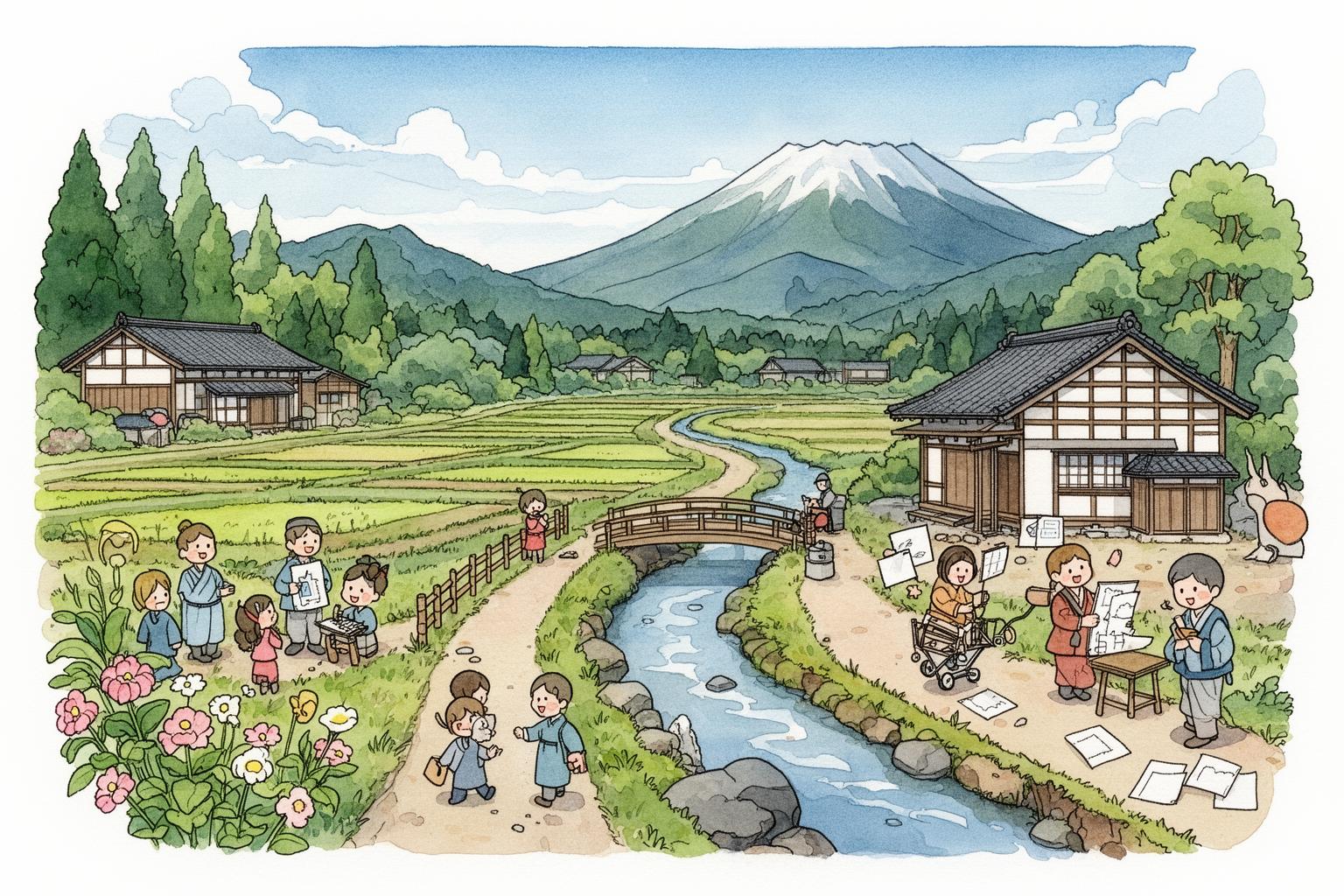
Exploring rural Japan requires a bit more preparation than visiting Tokyo, but the rewards are truly worth it. Here are some helpful tips to ensure your trip is smooth and enjoyable.
The Best Time to Visit
To be honest, there’s no wrong time to visit Satoyama, as each season provides a unique and equally stunning experience. Your choice depends on what you want to see and do.
- Spring (March-May): This season symbolizes renewal. You’ll catch the cherry blossoms, naturally, but also the vibrant hues of many other flowers. It’s also the time for rice planting, a visually captivating process where the dry paddies are flooded, turning them into mirrors reflecting the sky. Additionally, it’s peak season for `sansai` foraging.
- Summer (June-August): The landscape is at its greenest and most lush. Cicadas and frogs fill the air with their sounds. This is firefly season, and when summer festivals (`matsuri`) take place, along with the chance to cool off in mountain streams. Be prepared for heat and humidity, especially in July and August.
- Autumn (September-November): A favorite time for many. It’s harvest season, with fields glowing golden from ripe rice. The weather is comfortably cool, and the autumn foliage (`koyo`) sets the hillsides ablaze with red, orange, and yellow. This season offers an abundance of mushrooms, chestnuts, and other delicious produce.
- Winter (December-February): The quietest season. In many places, a thick blanket of snow turns the landscape into a serene, magical monochrome scene. Life slows down even more. It’s a perfect time to cozy up by the hearth, enjoy hot pot dishes (`nabe`), and relax in hot springs (`onsen`). While some activities are limited, the peacefulness and beauty are unmatched.
Getting Around
This is a crucial point. Public transport in rural Japan can be infrequent or even unavailable. While some areas are reachable by train and local bus, renting a car is often the best, and sometimes the only, way to truly explore. Having your own vehicle lets you discover hidden valleys, stop at roadside stalls spontaneously, and travel at your own pace. Be sure to acquire an International Driving Permit from your home country before arriving in Japan. If you must rely on public transport, plan your itinerary carefully. Check bus and train schedules ahead of time (which may be very sparse, sometimes only a few trips per day), and be prepared to walk. Taxis are an option but can be costly for longer distances.
What to Pack
Focus on practicality and comfort.
- Sturdy, comfortable shoes: Expect plenty of walking, often on uneven terrain. Waterproof hiking shoes are recommended.
- Layers: Mountain weather can change rapidly. Bring layers that are easy to add or remove—a fleece, a light jacket, and a waterproof outer layer are essential.
- Cash: Very important. Many small shops, restaurants, and guesthouses in rural areas don’t accept credit cards. Always carry enough cash.
- Insect Repellent: Especially useful in the summer.
- A Small Gift (`Omiyage`): If staying on a farm, it’s a thoughtful gesture to bring a small gift from your home country for your host family. It doesn’t need to be elaborate—local sweets or a small craft item make perfect gifts.
- A translation app: Download an offline translation app. It will be invaluable for interacting with locals and understanding signs or menus.
Mindful Manners for a Positive Experience
Remember, you are a guest in a close-knit community. Being respectful and considerate will enhance your experience and that of the people around you.
- Greetings matter: A simple ‘Konnichiwa’ (hello) or ‘Arigato gozaimasu’ (thank you) goes a long way.
- Respect private property: Avoid entering private fields or farms without permission. These beautiful landscapes are also people’s workplaces and livelihoods.
- Be careful with photography: Always ask before taking close-up photos of people or their homes.
- Take your trash with you: Public bins are rare. Follow local customs by carrying your rubbish until you find a suitable disposal spot.
- Embrace the slower pace: Things move more slowly here. Be patient, flexible, and don’t rush. The whole experience is about slowing down.
The Future of Satoyama: A Story of Challenge and Hope
It’s important to recognize that these idyllic landscapes are not static or unchanging. They face significant and urgent challenges, with Japan’s demographic shift being the most critical. The population is aging rapidly, while young people migrate to cities, leaving many rural areas with a shrinking and elderly workforce. This makes the labor-intensive tasks of maintaining the Satoyama landscape—such as tending fields, managing forests, and repairing irrigation systems—extremely difficult. Consequently, many rice terraces and forests are being abandoned (kochihokichi), leading to biodiversity loss and increased risks of landslides and wildlife encroachment on villages. However, there is also a hopeful story. Awareness of Satoyama’s immense value is growing both within Japan and internationally. The Japanese government has launched initiatives to support these regions, and international organizations like the UN have designated many Satoyama areas as Globally Important Agricultural Heritage Systems (GIAHS). A new generation of Japanese, weary of urban life, are returning to rural areas in what is called the ‘I-Turn’ or ‘U-Turn’ phenomenon. They bring fresh energy, ideas, and enterprises—starting organic farms, opening cafes, or renovating traditional farmhouses into guesthouses. Eco-tourism, such as the trip you might be planning, plays a crucial role in this renewal by providing sustainable income and demonstrating that these communities’ traditional ways are valued and appreciated globally. The future of Satoyama is uncertain, but with deliberate effort and thoughtful support, these precious landscapes and their cultures can continue to flourish for generations ahead.
Your Invitation to the Slow Life

Travel can take many forms—a thrilling adventure, a cultural immersion, or a peaceful getaway. Exploring Japan’s Satoyama embodies all of these, yet it offers something beyond. It provides an opportunity to stray from the usual routes and discover a quieter, more genuine side of Japan. It invites you to connect not only with a place but with a philosophy—a lifestyle that embraces community, sustainability, and a deep, mutual bond with nature. While it may lack the immediate impact of a soaring skyscraper or an ancient shrine, its charm unfolds gradually, seen in the terraced contours of a rice field, tasted in a freshly harvested vegetable, and felt in the warmth of a shared meal. This journey encourages you to slow your pace, observe closely, and cherish the simple yet profound beauty of living in harmony with the seasons. So, if you seek an experience that reveals a different facet of Japan while offering fresh insight into your own life, you may find exactly that, nestled between village and mountain.