Yo, let’s get real for a sec. Imagine a city that doesn’t just endure winter, but decides to totally own it. A place where the streets don’t just get covered in snow, they get transformed into a legit, larger-than-life art gallery made of ice and packed snow. That’s Sapporo in early February. The capital of Hokkaido, Japan’s northern frontier, goes full beast mode and hosts the Sapporo Snow Festival, or Sapporo Yuki Matsuri as the locals call it. This ain’t your backyard snowman competition; we’re talking a world-class spectacle that draws millions, and for good reason. It’s a full-on cultural flex, a testament to human creativity battling the elements and winning in the most beautiful way possible. The entire city catches a vibe—a mix of awe, childlike wonder, and the cozy warmth of good food and shared experiences in the freezing cold. It’s a scene that’s both massive in scale and deeply personal, a place where you can lose yourself in the crowd and find a quiet moment of wonder in front of a sculpture that looks like it was plucked from a dream. This festival is the main character of winter, and you’re invited to be part of its story. It’s a core memory waiting to happen, a trip that will have your friends back home shook. Bet.
After soaking in the icy artistry, you can continue exploring Hokkaido’s unique culture by checking out the historic western-influenced architecture in Hakodate’s Motomachi district.
The Vibe Check: What It Actually Feels Like
Stepping onto the festival grounds for the first time is an exhilarating sensory overload in the best way. The air is so crisp it almost crackles, and your breath billows before you like a dragon’s. Beneath your feet, the snow crunches with a satisfying sound that sets the rhythm for your visit. During the daytime, the atmosphere is bright and lively. When the sun is shining, it makes the enormous white sculptures gleam with an almost blinding brilliance. You can admire every meticulously carved detail—the texture of a dragon’s scales, the delicate folds of a kimono on a historical figure, and the precise lines of a famous castle sculpted from ice. Families stroll around, children laugh, and a genuine sense of communal joy fills the air. Tour groups, couples, and solo travelers share the same expression of pure amazement.
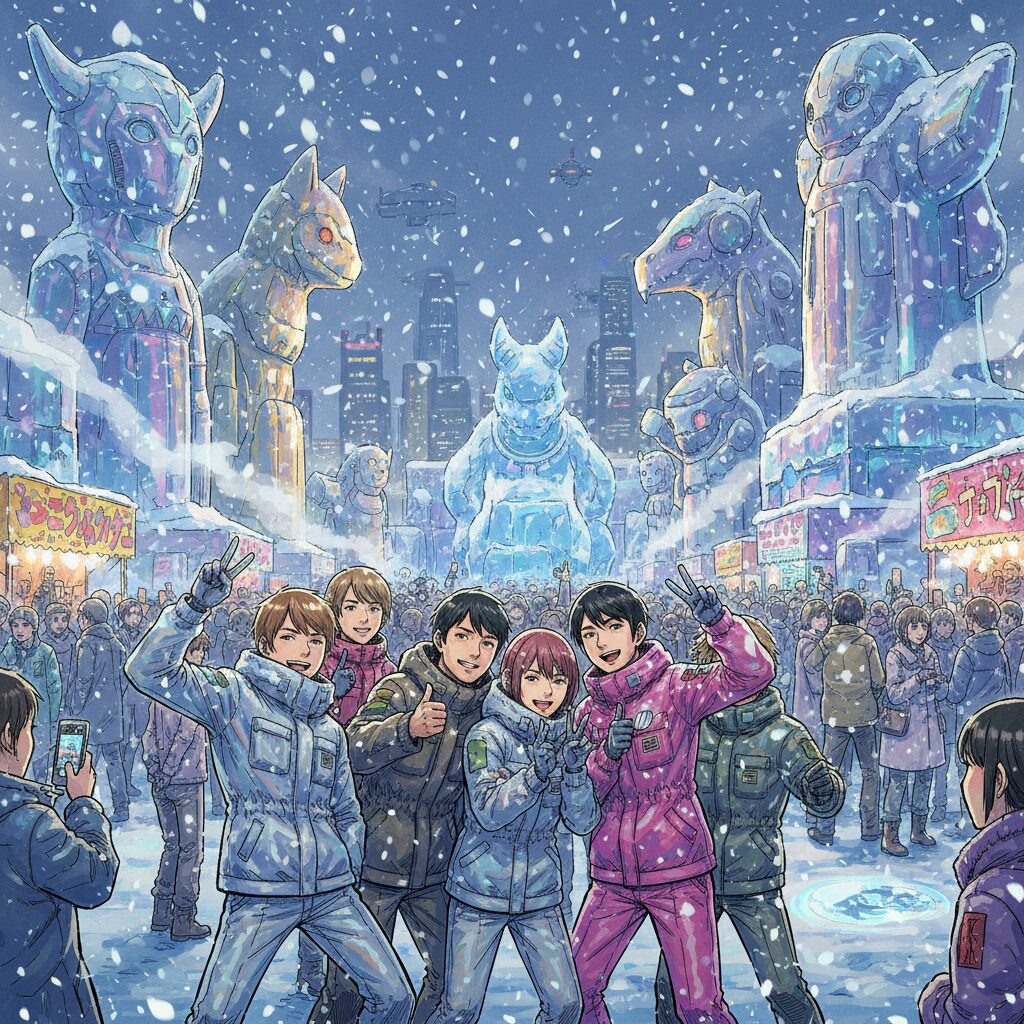
But as the sun sets, the festival’s entire mood transforms. It’s a complete glow-up. The sculptures, impressive monoliths by day, turn into radiant canvases for spectacular light shows. Neon purples, electric blues, and warm golds wash over the ice and snow, accompanied by dramatic music echoing through the park. The vibe becomes electric—almost club-like, but in a wholesome, wintry way. Projection mapping animates the largest sculptures, turning them into breathtaking, moving stories. The cold bites a little deeper at night, making the steam rising from countless food stalls all the more inviting. The scent of grilled corn brushed with butter and soy sauce, savory ramen broth, and sweet, warm amazake fills the air, drawing you in. The nighttime atmosphere is magical, romantic, and utterly unforgettable. It feels like a different world, transforming the city into a fantasy realm far removed from everyday life.
The Main Stages: Where the Magic Happens
Calling the Sapporo Snow Festival a single event is somewhat misleading. It’s more accurately described as three distinct festivals happening simultaneously, each with its own unique character. There’s the central hub at Odori Park, the sparkling ice wonderland of Susukino, and the pure, unfiltered fun zone at Tsudome. Experiencing all three is the ultimate goal, and trust me, you’ll want to.
Odori Site: The Ultimate Snow Sculpture Arena
This is the main attraction, the heart and soul of the festival. Odori Park is a long green space stretching through the center of Sapporo, transformed during the festival into a 1.5-kilometer outdoor museum. The sheer scale of the sculptures here is breathtaking. These are not simple snow carvings; they are massive, multi-story snow structures. The largest pieces are often created in collaboration with the Japan Self-Defense Forces (JSDF), who bring in heavy equipment and numerous personnel to build these frozen wonders. It’s an impressive logistical achievement. One year you might see a flawless replica of a famous European cathedral, the next a sprawling blockbuster movie scene or an iconic anime tableau. The detail is astonishing, down to the smallest architectural accents and expressive character faces you recognize and love.
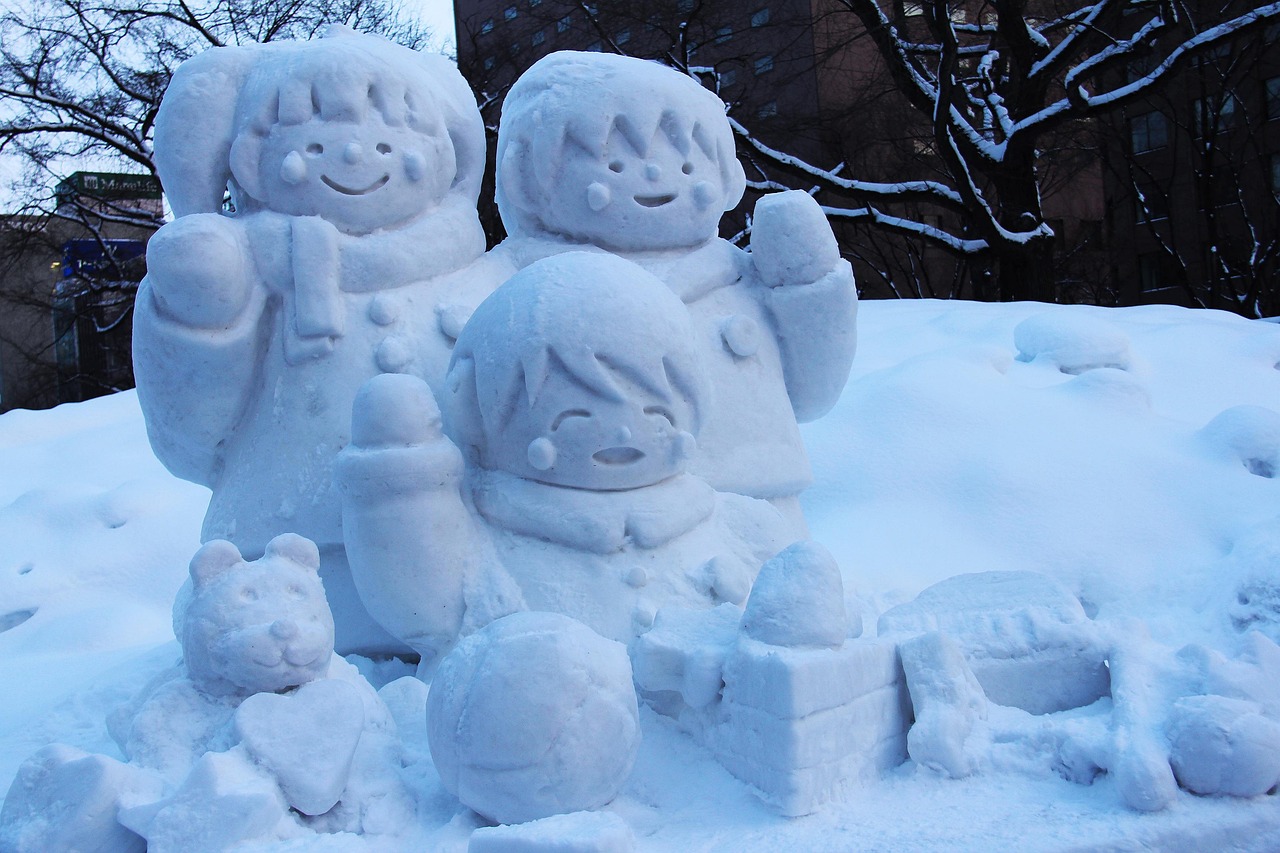
But it’s not just about the giants. Scattered among these colossal works are hundreds of smaller sculptures crafted by locals and international teams. These tend to have a more personal, sometimes quirky, always charming vibe. You’ll find humorous caricatures, cute animals, and intricate abstract designs—a testament to the community’s passion. At night, as mentioned, the area transforms completely. The projection mapping shows are a must-see. Imagine a giant snow castle turning into the screen for an animated story, with dragons flying across its ramparts and vibrant colors bursting in sync with a powerful soundtrack. It’s a full multimedia spectacle that will leave you speechless. No exaggeration, Odori Park is the undisputed king of snow festival venues.
Susukino Site: The Ice Experience
Just a short walk or one subway stop south of Odori is Susukino, Sapporo’s renowned entertainment and nightlife district. During the festival, its main street shuts down to traffic and becomes the Susukino Ice World. This area is all about ice, not snow. The atmosphere is sleeker, more crystalline. Beneath the dazzling neon lights of bars and restaurants, over a hundred intricate ice sculptures line the street, each a sparkling gem. The ice’s transparency allows for a unique form of art. Sculptors create pieces that manipulate light by embedding items like real fish or flowers inside the ice blocks, producing stunning frozen moments. You’ll see mythical creatures that gleam as if made from pure diamond, interactive sculptures you can sit on or pose beside, and even full-service ice bars serving drinks in, you guessed it, ice glasses. It’s a visually stunning experience, perfect for Instagram. The way city lights reflect and refract through the ice is pure magic. It feels more mature, a bit more refined, and it’s the ideal spot to stroll before heading to one of Susukino’s excellent restaurants or izakayas for dinner.
Tsudome Site: The Family-Friendly Fun Zone
While Odori and Susukino focus on awe and admiration, the Tsudome Site emphasizes participation and play. Located somewhat outside the city center (reachable by shuttle bus or a subway-and-walk combo), this is where you can unleash your inner child. Tsudome is a massive community dome, but the real excitement is outdoors. Here, you’ll find gigantic snow slides to ride on tubes, snow rafting where you’re pulled behind a snowmobile on a rubber boat, and beginner bamboo skiing. It’s pure, unfiltered winter fun. The slides are genuinely impressive in size, delivering real thrills as you zip down the packed snow. Inside the dome, there are additional activities, rest areas, and numerous food stalls to warm up. This site is an absolute must if you’re traveling with children, but honestly, adults will have a blast too. There’s something wonderfully liberating about screaming with joy while sliding down a massive snow hill. It’s less about art and more about the simple, joyful essence of winter, making it a fantastic contrast to the other two sites.
A Trip Back in Time: The Festival’s Origin Story
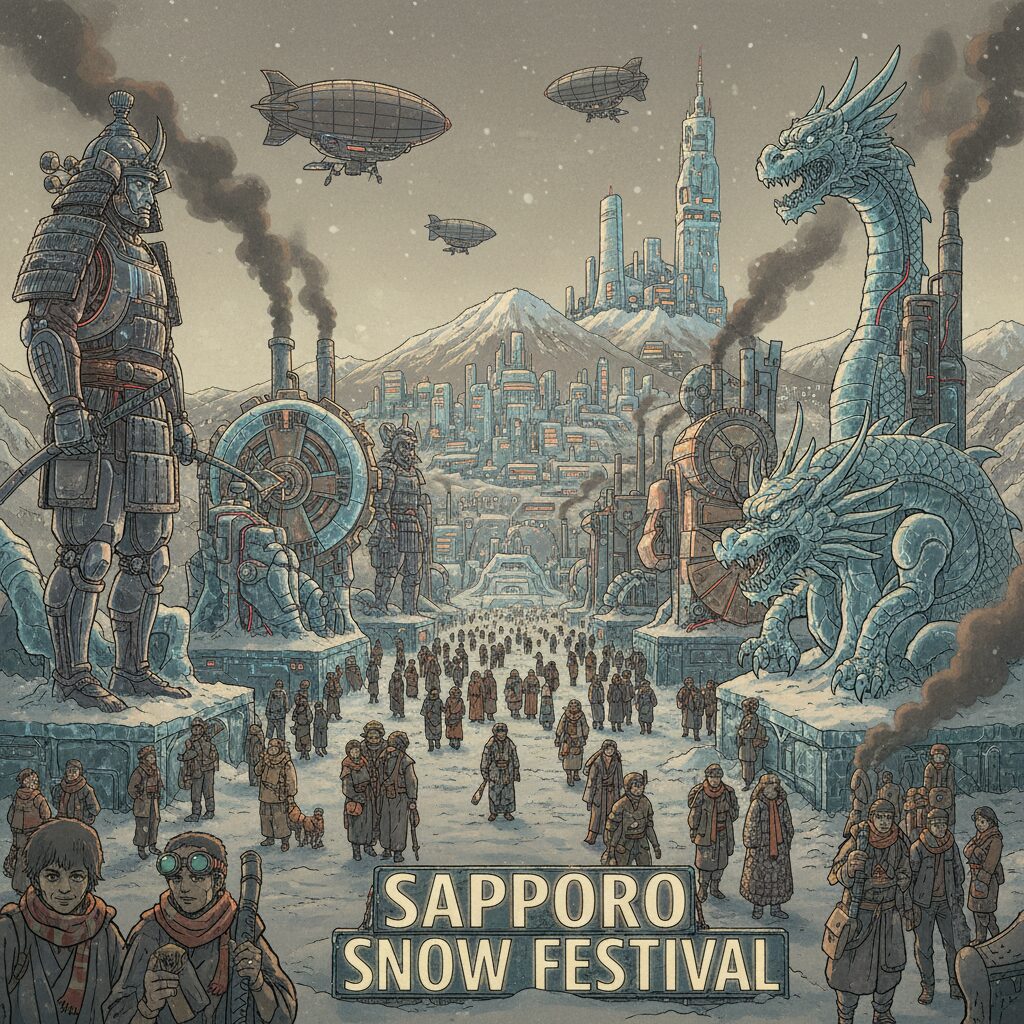
This global phenomenon began with very humble origins. Let’s go back to 1950. Japan was still recovering after the war, and Sapporo was a much quieter, more isolated city. In a burst of creative inspiration, a group of local high school students built six snow statues in Odori Park. That was it. That was the first festival—a simple act of finding joy during a long, harsh winter. But the idea caught fire. The local community embraced it. It was a small beacon of light during difficult times.
The festival’s major transformation occurred in 1955. The Japan Self-Defense Forces from the nearby Makomanai base were seeking training exercises and a way to engage with the community. They volunteered their manpower and equipment to create the first-ever massive snow sculpture. This was the turning point. The festival evolved from featuring man-sized statues to showcasing architectural marvels carved from snow. This collaboration still continues today and is the key to the impressive scale of the Odori Site’s main attractions.
The festival gained international attention in 1972 when Sapporo hosted the Winter Olympics. The world’s eyes turned to the city, and the snow festival became an unofficial emblem of Sapporo’s winter charm. From then on, it was firmly placed on the global map. The International Snow Sculpture Contest was introduced in 1974, attracting teams worldwide to compete and share their cultures through snow art. The festival has also become a living record of pop culture. The sculpture themes reflect current events, from the first Shinkansen bullet train to global sensations like Star Wars, and more recently, popular characters from anime and video games. What began as a small local event has grown into a massive, world-famous celebration, a true testament to the power of a simple idea to unite people.
Level Up Your Visit: Pro Tips for Slaying the Snow Fest
Arriving at the Sapporo Snow Festival unprepared is a rookie error. The cold is serious, and the crowds can be overwhelming. However, with a bit of planning, you can handle it like a pro and have an unforgettable experience. Here’s the scoop.
Gear Up or Get Rekt: What to Wear
Let me be clear: your trendy city coat won’t suffice. The average February temperature in Sapporo is around freezing during the day and drops significantly at night. Layering isn’t optional; it’s essential. Start with a thermal base layer (top and bottom)—this is non-negotiable. Add a fleece or wool mid-layer for insulation. Your outer layer should be waterproof and windproof—an excellent ski jacket works perfectly. For your legs, wear ski pants or waterproof trousers over your thermal layer. Your footwear is critical; warm, waterproof, insulated boots with great grip are a must. Sapporo’s sidewalks become slippery sheets of packed ice, causing countless slips and falls. The savvy move is to buy clip-on ice cleats (called `suberi-dome`) at convenience stores or shoe shops as soon as you arrive. They stretch over your boots and will save you from many mishaps. Accessories are key—a warm hat covering your ears, a scarf or neck gaiter to shield your face from the wind, and waterproof gloves are indispensable. The ultimate Japanese winter hack is `kairo`, disposable heat packs you can put in your pockets, gloves, or even on your back. They’re inexpensive, last for hours, and make a big difference. Don’t underestimate the cold; staying warm and comfortable is the foundation of enjoying the festival.
Navigating the Crowds: The Strategy
The festival is extremely popular, so expect large crowds, especially on weekends and evenings. For a more relaxed experience and better photo opportunities without crowds, visit on weekday mornings. The light is lovely, and you’ll have more space to appreciate the sculptures. During busy periods, Odori Park implements a one-way walking system to control the flow of visitors. Follow the signs and move with the crowd to avoid bottlenecks. Here’s a smart tip for getting around: use the Sapporo Chikagai (underground pedestrian network) and the Pole Town/Aurora Town underground shopping arcades. These heated tunnels connect Sapporo, Odori, and Susukino subway stations, letting you stroll between key areas without facing the cold or icy sidewalks above. They’re also filled with shops and eateries, providing perfect spots to rest and warm up.
Fueling the Adventure: Festival Eats
One of the highlights of the Sapporo Snow Festival is the food. The festival grounds, particularly Odori Park, are lined with `yatai` (food stalls) offering an incredible variety of hot dishes. This is your opportunity to sample Hokkaido’s renowned cuisine. Don’t miss the local specialties. A steaming bowl of Sapporo Miso Ramen, with its rich broth, wavy noodles, and a pat of butter, feels like a warm embrace. Soup Curry is another Sapporo favorite—a spicy, soupy curry loaded with tender chicken or pork and chunky vegetables. Jingisukan, named after Genghis Khan, is a grill-your-own mutton and vegetable dish that’s incredibly tasty. Being in Hokkaido, the seafood is exceptional. Look for stalls grilling fresh scallops (`hotate`) with butter and soy sauce or skewers of king crab legs (`kani`). Then there are the classic festival treats. Hot, fluffy baked potatoes (`jaga-bata`) topped with a big pat of Hokkaido butter are simple yet divine. Grilled corn on the cob, slathered with butter and soy sauce, offers a sweet and savory delight. To drink, try a cup of hot `amazake` (a sweet, non-alcoholic fermented rice drink) or hot chocolate. Enjoying piping hot food amid snow and ice is an essential part of the experience. Come hungry—you’ll want to taste it all.
Beyond the Ice: Exploring Sapporo and Hokkaido
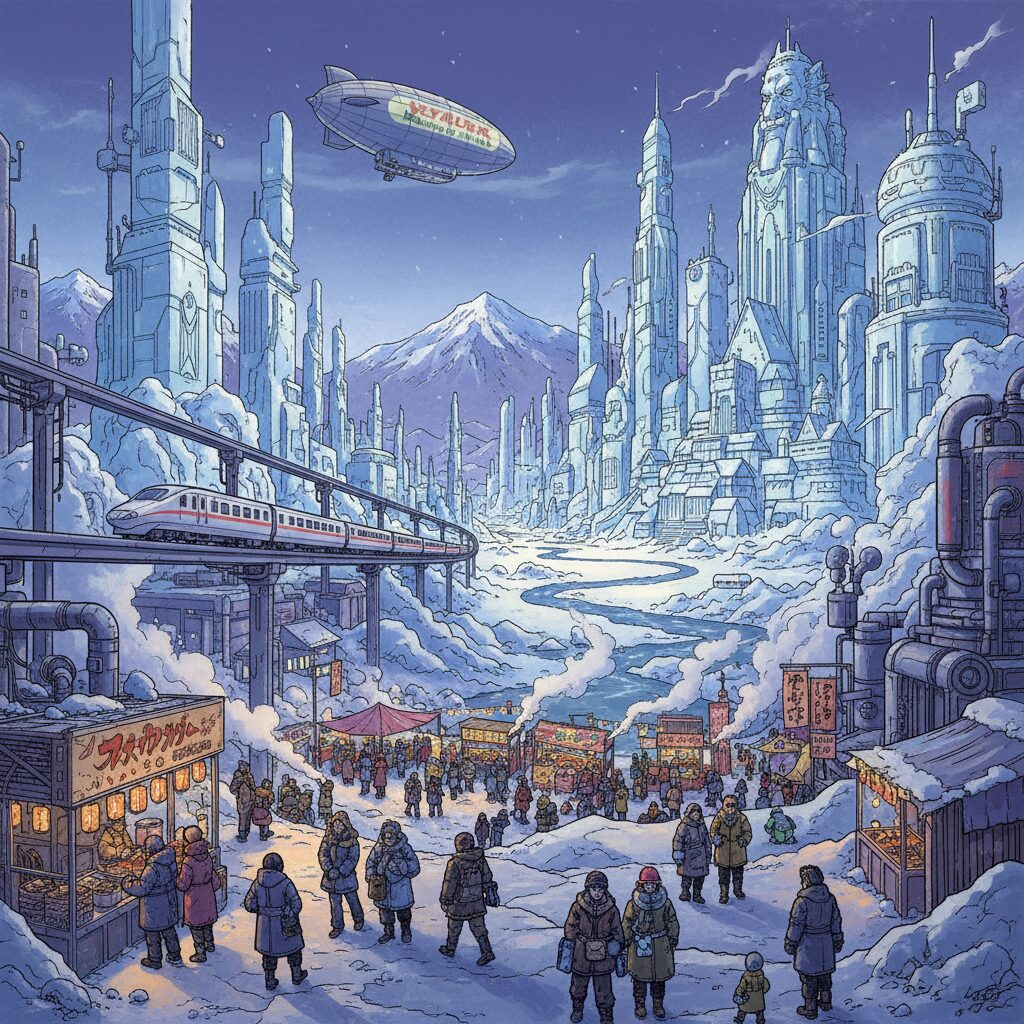
The Snow Festival is the main highlight, but don’t overlook what the rest of the city and surrounding region have to offer. Staying a few extra days is a smart move. There’s so much to see and do that will enhance your winter trip.
Sapporo City Deep Dive
Begin your journey at the Sapporo Beer Museum. It’s the only beer museum in Japan and shares the story of one of the country’s most beloved brands. The historic red-brick building is stunning, the exhibits are captivating, and best of all, you can enjoy a beer tasting at the end. For a taste of local life, get up early and visit Nijo Market. This bustling, century-old market is packed with vendors selling incredibly fresh Hokkaido seafood. The best way to experience it is by having a `kaisendon` (a bowl of rice topped with a generous variety of fresh, raw seafood) for breakfast. To get a different view of the festival, visit one of the city’s observation decks. The Sapporo TV Tower, located at the eastern end of Odori Park, offers an excellent head-on view of the main festival site. Alternatively, the JR Tower Observatory 38, on the 38th floor of the JR Sapporo Station building, provides a panoramic view of the entire snow-covered city. For something unique and whimsical, consider a visit to Shiroi Koibito Park, a theme park run by the famous cookie company. It’s a charming, European-style complex where you can see how the iconic cookies are made and even try your hand at decorating your own.
Day Trip Game Strong
If you have the time, taking a day trip outside Sapporo is highly recommended. Just a short train ride away is the port town of Otaru, which is unbelievably romantic in winter. Its famous canal is lined with old warehouses and gas lamps, and it’s especially enchanting during the Otaru Snow Light Path Festival, which often coincides with the Sapporo Snow Festival. The town is covered in snow, and the canal is illuminated by hundreds of flickering candles and lanterns, creating an immaculate and serene atmosphere. After days in the cold, nothing beats soaking in a traditional Japanese hot spring, or `onsen`. The well-known onsen towns of Jozankei (within Sapporo’s limits) and Noboribetsu are easy day trips. There is truly nothing like sitting in a steaming, mineral-rich outdoor bath (`rotenburo`) while delicate snowflakes fall around you. It’s a quintessential Japan experience and the perfect way to relax and recharge.
The Logistics Lowdown: Getting There and Staying There
Getting to the party requires some planning, especially when it comes to making reservations. The festival is a major event, so accommodations and transport get booked quickly.
Access and Transport
Most international and domestic visitors will arrive at New Chitose Airport (CTS), the primary gateway to Hokkaido. From the airport, the quickest and most convenient way to reach Sapporo is by taking the JR Rapid Airport train, which takes about 40 minutes to arrive directly at JR Sapporo Station. Once in the city, the subway system is your best option. It’s clean, efficient, and will take you to all the key festival venues and attractions. The three main stations you’ll use are Sapporo, Odori (right in the center of the Odori Site), and Susukino (near the Ice World). Buying a prepaid IC card like a Suica, Pasmo, or the local Kitaca card will make travel easier. For the Tsudome Site, take the Toho (blue) subway line to Sakaemachi Station, then it’s about a 15-minute walk or a short shuttle bus ride.
Accommodation: Book Early or Regret It
Here’s the most important advice I can give: secure your accommodation as far in advance as possible—ideally six months to a year ahead. Hotels in Sapporo fill up extremely fast during the festival, and prices soar. Waiting until the last minute is a recipe for disaster. The most convenient places to stay are near Sapporo Station, Odori Park, or Susukino. This will keep you within walking distance or a short subway ride from the main festival spots and numerous restaurants. Sapporo offers a variety of options, from luxury international hotel chains to budget-friendly business hotels (which are clean, comfortable, and great value) and charming guesthouses. Whatever your budget, the crucial thing is to book early. Seriously, don’t delay—this could make or break your trip.
The Final Word: More Than Just a Festival
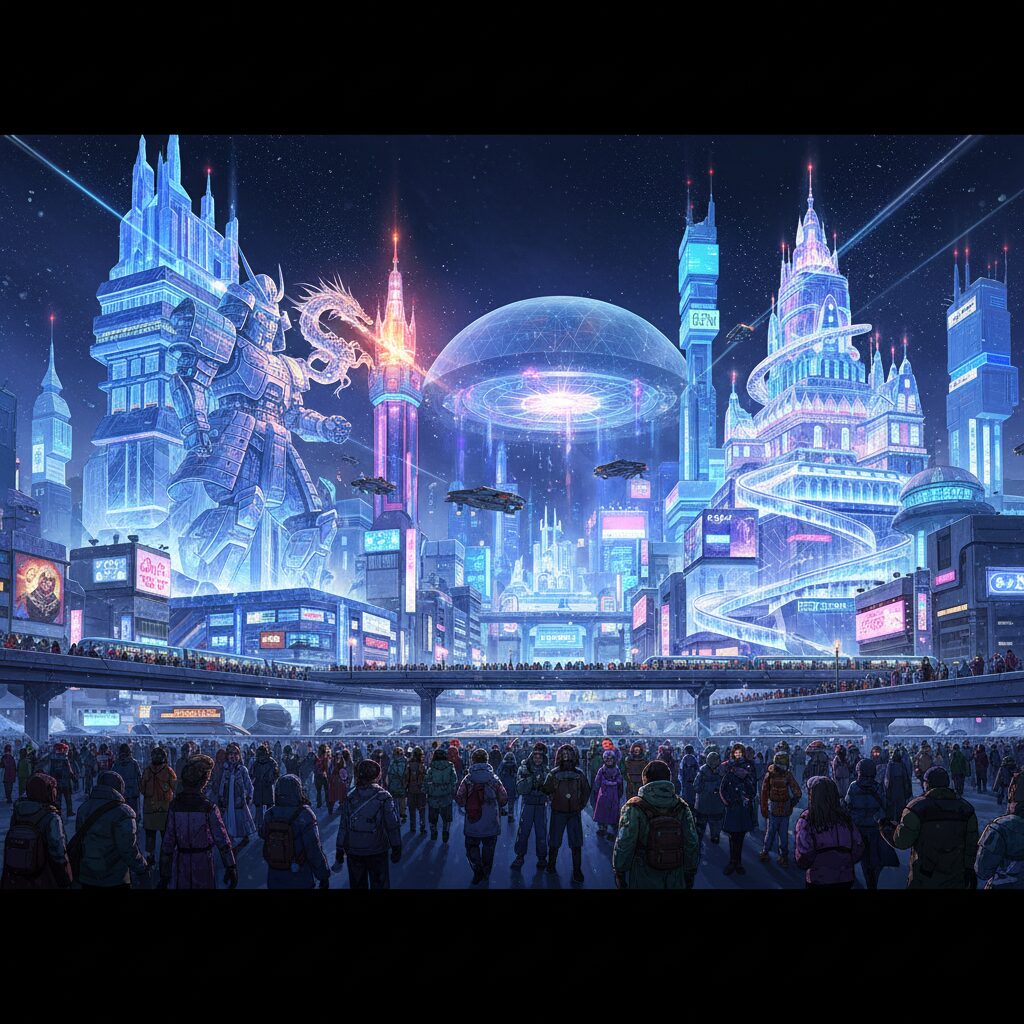
When all is said and done, after you’ve admired the giant snow sculptures, marveled at the ice carvings, indulged in endless ramen, and warmed your soul in an onsen, you’ll understand that the Sapporo Snow Festival is more than just the sum of its parts. It’s a powerful expression—a community coming together to create beauty from harshness. It’s a celebration of a season many cultures merely endure. In Sapporo, winter is not an enemy; it’s a canvas. The festival presents an extraordinary mix of grand artistic ambition, precise craftsmanship, and pure, simple joy. It’s a place where you can feel the immense force of nature and the limitless creativity of humanity simultaneously. It’s a reminder that even in the coldest, darkest months, there is light, warmth, and remarkable joy to be discovered. So go. Experience the magic, embrace the energy, and let Sapporo’s winter wonderland leave a lasting impression on you. It’s a journey that will stay with you long after your footprints in the snow have disappeared.