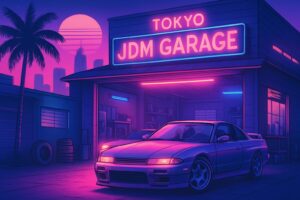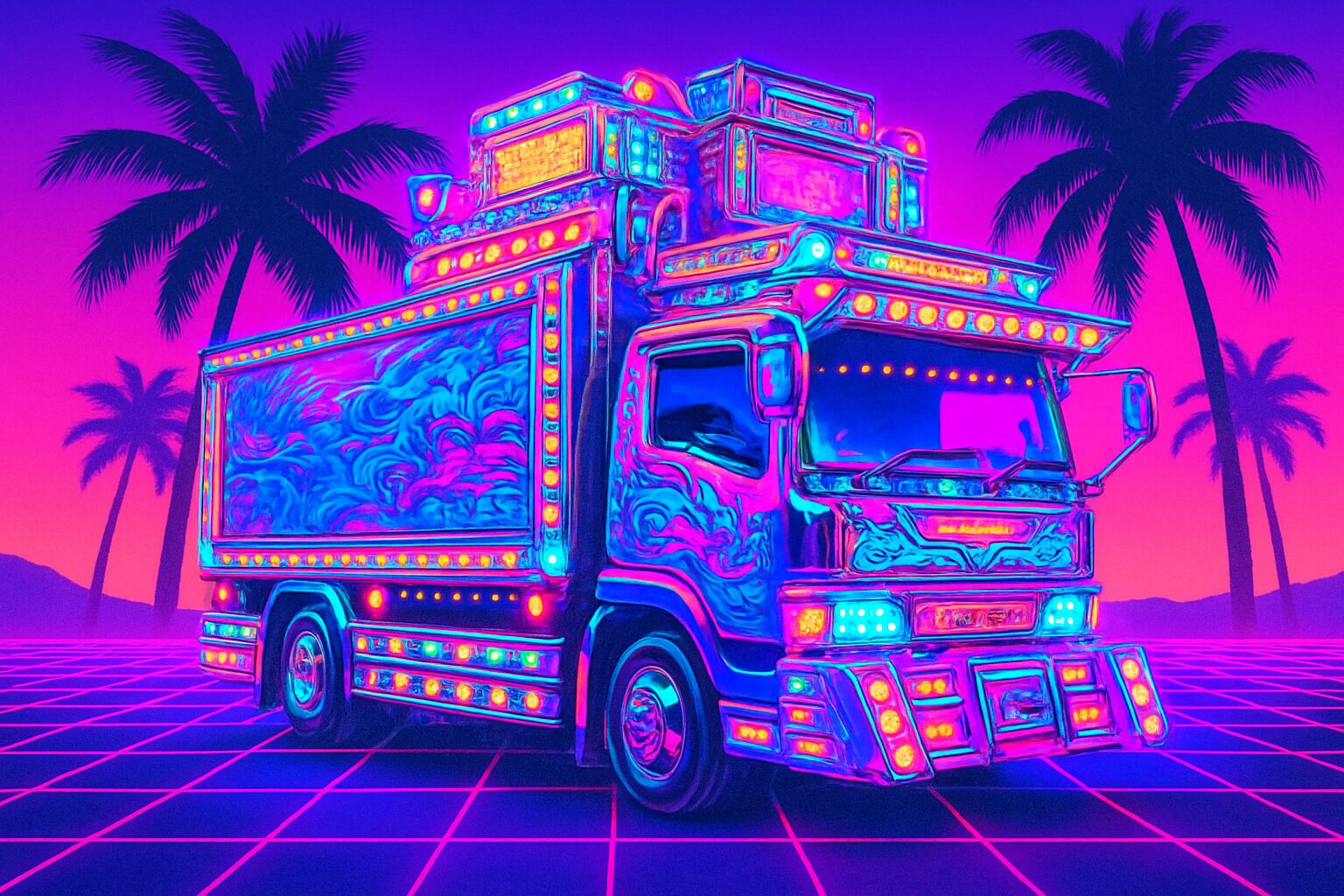
Yo, what’s the deal? It’s Ayaka, coming at you straight from the heart of Japan, where the rice paddies stretch for miles and the traditions run deep. But tonight, we’re ghosting the quiet life. We’re chasing neon dreams down a ribbon of dark asphalt. Picture this: you’re cruising down the Tomei Expressway late at night, the only sounds are the hum of your engine and some low-fi beats on the radio. It’s a total vibe. Then, in your rearview mirror, you see it. A glow. Not just headlights, but a whole constellation of lights—pink, green, blue—pulsing and moving. It gets closer, and the glow morphs into a shape that’s straight-up sci-fi. Is it a UFO? A traveling pachinko parlor? A Gundam that got lost on its way to battle? Nah, fam. You’ve just had your first encounter with a Decotora, and trust me, your life is never gonna be the same. Decotora, which literally mashes up “decoration” and “truck,” is more than just a hobby; it’s a full-blown subculture, an art form, a way of life that’s so extra it loops back around to being high art. These aren’t just work vehicles; they are rolling canvases of Japanese identity, decked out in chrome, custom steel, blinding lights, and airbrushed masterpieces that would make a tattoo artist weep. It’s where the blue-collar soul of a trucker meets the flamboyant spirit of a kabuki actor, and the result is something so unbelievably, unapologetically Japanese that you just have to see it to believe it. This ain’t your average truck stop scene. This is a whole different level of automotive expression, a subculture that’s been lighting up the highways and backroads of Japan for decades. It’s a world built on passion, brotherhood, and a whole lotta yen. So buckle up, because we’re about to dive deep into the world of Decotora, where the chrome is brighter, the lights are louder, and the spirit is unbreakable. Bet.
To truly understand Japan’s unique automotive subcultures, you should also explore the legendary mountain passes that inspired the iconic Initial D pilgrimage.
From the Silver Screen to the Streets: The OG Decotora Story
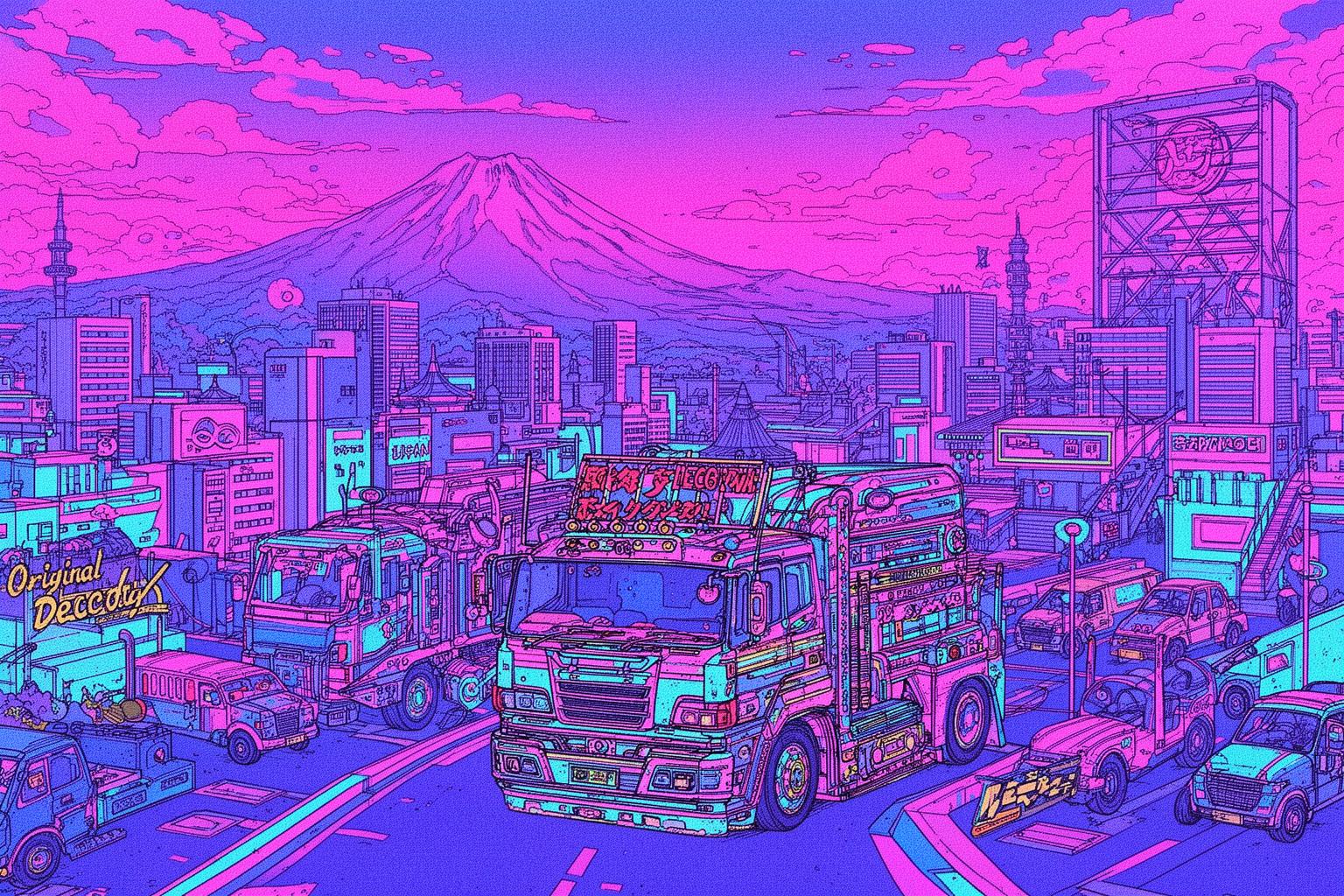
So, how did this entire wild phenomenon even begin? No joke, it all started with a movie. More specifically, a series of ten films that struck Japan like a lightning bolt in the 1970s. We’re talking about the legendary Torakku Yarō (Truck Guys) series. Before these movies, a decorated truck was a rare sight—maybe a few extra lights here or a small painting there, often done by fishermen for luck and a good catch. But Torakku Yarō took that modest tradition and turned it up to eleven, then smashed the dial off. Produced by the iconic Toei studio, the series was a pop culture sensation that defined an era and single-handedly sparked the Decotora movement as we know it today. The films masterfully blended action, comedy, and plenty of heart, following the adventures of two truckers who became instant legends.
The main character was Momojiro Hoshino, played by the effortlessly cool Bunta Sugawara. His rig, the “Ichibanboshi” (First Star), stole the spotlight. Momojiro was the classic hero with a heart of gold—a bit of a troublemaker, quick to fall for every beautiful woman in each town he visited, but always ready to fight for his friends and do what’s right. He embodied the working man’s fantasy: free, strong, and behind the wheel of the coolest truck on earth. His sidekick was the funny, long-suffering family man Kinzo Matsushita, nicknamed “Jonathan,” played by Kinya Aikawa. Their chemistry was pure magic, a buddy-cop tale on ten wheels that struck a chord with audiences across Japan. Each film followed a familiar, comforting pattern: Momojiro would arrive in a new part of Japan, fall head over heels for a local beauty (the “Madonna”), get into trouble with local rivals or yakuza, then use his wit, fists, and incredible truck to save the day—even if he didn’t end up with the girl. It was a formula that succeeded, movie after movie.
But the real impact wasn’t just the story—it was the visual spectacle of the Ichibanboshi itself. With each film, the truck grew more elaborate: more lights, increasingly detailed airbrushed art, and bolder chrome accents. It became a moving advertisement for a lifestyle of rebellious creativity. Real-life truckers across the country watched this on the big screen and thought, “I want that. I can do that.” They began modifying their own trucks—not just as a pastime, but as a form of self-expression, a way to reclaim their identity on the long, lonely highways. The films provided a blueprint, a shared language of style. Suddenly, truck stops and ferry ports turned into unofficial showrooms for this new art form. The series ended in 1979, but its legacy was already etched into the asphalt. It created a culture from the ground up, giving a voice and a vibrant, glittering identity to the often-overlooked working-class heroes of Japan’s logistics backbone. The spirit of Momojiro and the Ichibanboshi lives on in every Decotora you see today, a rolling tribute to a cinematic revolution.
More Than Just a Truck: Decoding the Decotora Aesthetic
Alright, so you know the history. But what really defines a Decotora? It’s an entire aesthetic language, a universe of styles and parts that owners blend and combine to craft their unique masterpiece. It’s a realm where more is always more. The level of detail is genuinely mind-blowing, with every inch of the vehicle treated as a potential canvas. It’s not just about adding some lights; it’s about creating a cohesive, often overwhelming, work of art. The cost can be astronomical, easily reaching hundreds of thousands of dollars on top of the truck’s base price. This is a serious dedication, a lifelong passion for many owners. Within this wild world, distinct styles, regional influences, and an intricate anatomy of custom parts fuel endless debates and admiration among enthusiasts. It’s a deep rabbit hole—let’s just start scratching the surface.
The Kanto Flow vs. The Kansai Flex
Like many things in Japan, there’s a friendly rivalry between the Kanto region (around Tokyo) and the Kansai region (around Osaka), and Decotora is no different. The styles that emerged in these areas are distinctly different, and true fans can often identify a truck’s origin from afar. It’s like the East Coast vs. West Coast rap rivalry, but with more chrome and fewer diss tracks. IYKYK.
The Kanto Style is often considered the more traditional, original approach. It favors a somewhat restrained (I say that loosely) aesthetic heavily influenced by trucks from the Torakku Yarō era. Think retro. There’s a strong emphasis on custom-fabricated stainless steel parts, especially those with intricate etchings and patterns. The windshield visors are often massive yet elegantly shaped, and the bumpers, while large, tend to have a cleaner, more classic appearance. Kanto trucks frequently use sheet metal to build out the body, creating a solid, powerful silhouette. The lighting tends to be dense but arranged in neat, orderly patterns. This style speaks to a deep respect for the culture’s history—a nod to its pioneers.
Then there’s the Kansai Style, where things get truly wild. If Kanto is classic rock, Kansai is futuristic EDM. Kansai builders love pushing the limits of what’s possible. Their bumpers are enormous, architectural pieces, jutting out with aggressive angles and loaded with an insane number of lights. The visors and other front-end parts are layered and complex, sometimes resembling giant robot armor. There’s less focus on sheet metal and more on creating a frame or skeleton of custom parts, filled with lights. The vibe is modern, flamboyant, and unapologetically over-the-top. Kansai trucks often look like they’re defying physics, with a visual drama that’s pure spectacle. These days, styles are blending as builders draw inspiration from everywhere, but the core philosophies—Kanto’s refined power versus Kansai’s extravagant showmanship—still define the two main schools of thought in the Decotora scene.
A Symphony in Stainless Steel: Breaking Down the Build
To truly appreciate a Decotora, you need to examine the individual components that form the whole. Every part is an opportunity for owners and fabricators to showcase skill and creativity. It’s a masterclass in craftsmanship, a tradition of monozukuri (the art of making things) applied to an unlikely object. Let’s dive into the anatomy of these steel beasts.
The Front Game: Bumpers and Visors
The truck’s face is everything—a first impression that Decotora owners ensure is unforgettable. The front bumper is one of the most significant features. Among the various styles, the iconic fune-gata or “boat-shaped” bumper stands out. It’s a massive, V-shaped chrome giant that extends from the front, making the truck resemble an icebreaker ready to plow through anything. Some modern Kansai styles have evolved this into even more complex, multi-layered structures that look like they belong on a spaceship. Then there’s the visor, the giant metal awning above the windshield. It’s not just for sunshade; it’s a major design element framing the cab. Visors come in many shapes and sizes, from simple straight designs to elaborate, curved ones adorned with rows of lights and intricate stainless steel etchings. The combination of bumper and visor sets the truck’s entire personality.
Lighting It Up: The Art of Illumination
If there’s one hallmark of Decotora to the casual observer, it’s the lights. Hundreds, sometimes thousands, of individual lights cover the truck. The wiring is a nightmare—a spaghetti monster of cables requiring a true artist to organize. But it’s not about quantity alone; the arrangement is an art form. Marker lights outline every edge of the truck and trailer, creating a glowing silhouette in the dark. There are also iconic “rocket” lights—conical lamps perched atop the cab or visor. Then you have the andon, custom-built light boxes featuring painted text or images, often displaying the truck’s name, club, or poetic phrases. The real magic happens at night when the owners flip the switches. Many trucks are wired with complex relay systems, allowing lights to flash in dazzling, rhythmic sequences known as the naitoshīn (night scene). Being amid a Decotora gathering during the night scene is an overwhelming sensory experience—a rolling festival of light that’s absolutely unforgettable. It’s pure, incandescent joy.
The Canvas on Wheels: Airbrush Art That Slaps
Though the lights and chrome draw immediate attention, the soul of many Decotora lies in the incredible airbrush paintings that adorn the rear and side panels of the trailers. Here, the artistry reaches its peak. These aren’t mere pinstripes or logos; they’re massive, hyper-detailed murals—true masterpieces. Their themes are deeply tied to Japanese culture and aesthetics. You’ll see fierce kabuki actors striking dramatic mie poses, faces contorted with intensity. Graceful goddesses like Benten, the deity of arts and eloquence, surrounded by flowing water or cherry blossoms, frequently appear. Mythological creatures are favorites—powerful dragons winding along the trailer, ferocious tigers, majestic eagles. Folklore scenes, like Kintaro wrestling a giant carp, are common, too. These paintings are crafted by a select few legendary artists specializing in this niche medium. The skill required to paint on such massive, corrugated surfaces is astounding. The art transforms the truck from mere machine into storyteller, carrying tales of heroism, beauty, and national pride down the highway.
The Hidden Gem: Inside the Cabin
If you’re lucky enough to glimpse inside a Decotora cab, prepare to be shocked. The interior is a whole other world—a sharp contrast to the rugged, industrial exterior. It’s like stepping into a VIP room from the Showa era. The aesthetic is pure, over-the-top luxury. Dashboards, seats, and ceilings are often upholstered in rich fabrics like gold brocade or deep velvet, sometimes featuring intricate patterns. Tassels and frilly nylon lace curtains hang at the windows. The centerpiece is often a massive, glittering chandelier, salvaged from an old tour bus or hotel, hanging from the ceiling. The gear shifter is almost always custom—sometimes a ridiculously long chrome pole or a piece of acrylic with flowers or other objects embedded inside. It’s an opulent, comfortable, utterly personal space where drivers can escape the harsh realities of the road. It’s their castle, their sanctuary—just as much a part of the Decotora art form as the chrome on the outside.
The Soul of the Scene: It’s a Family Thing

With all the buzz about flashy trucks and outlaw aesthetics, it’s easy to misunderstand the people involved in the Decotora scene. You might imagine them as similar to the rough-and-tumble bosozoku motorcycle gangs, but that’s far from accurate. The Decotora community is actually one of the most passionate, welcoming, and warm-hearted groups you could ever meet. At its heart, this subculture is founded on camaraderie, mutual respect, and a shared love for these impressive machines. It’s a brotherhood, a family, united by diesel fuel and a passion for chrome.
The `-kai` Life: More Than Just a Club
At the center of the Decotora world are the clubs, known as kai. Their names are proudly displayed on the andon light boxes of the trucks: Utamaro-kai, Nagasaku-kai, Ayukawa-kai, and many others. These clubs form the organizational backbone of the community. They aren’t street gangs fighting over turf; rather, they resemble social clubs or guilds for enthusiasts sharing the same passion. They offer a network for drivers to exchange information, trade parts, find skilled fabricators, and—most importantly—gather to show off their creations. These clubs organize huge charity events that have become key highlights of the Decotora calendar. Often these events raise funds for disaster relief, children’s traffic safety campaigns, or other local causes. It’s a way for the community to give back while challenging the unfair outlaw stereotype sometimes associated with them. Joining a kai is a serious responsibility, representing the group’s name and upholding values of safety, respect, and community service. These clubs have allowed the culture not only to endure but thrive for decades, creating a strong sense of belonging and shared purpose among members.
Meet the OGs: The Drivers Behind the Wheels
So who are the people investing their blood, sweat, and life savings into these trucks? They’re everyday, hardworking Japanese individuals from many walks of life. Yes, some are long-haul truckers, but they also include fishermen, farmers, construction workers, and small business owners. What unites them is a passion so intense it borders on spiritual. Building and maintaining a Decotora isn’t a casual pastime—it’s a lifestyle demanding immense dedication. Many spend every spare moment and every spare yen on their trucks. After working a full day, they might spend the entire night in their garage welding, wiring, and polishing. It’s truly a labor of love. And almost without exception, they’re incredibly friendly and proud of their work. If you approach them with genuine curiosity and respect, they’re often eager to share stories about their truck—the meaning behind the rear artwork, the custom fabrication of the bumper, and maybe even a light show if you ask nicely. They are artists, and their canvas just happens to be a ten-ton truck. They preserve a unique piece of Japanese folk art, one highway trip at a time, and their passion is contagious.
Wanna See It IRL? Your Guide to Spotting Decotora
Okay, I know what you’re thinking: this all sounds incredible, but how can you actually see these metal beasts up close? They’re not exactly parked on every street corner. Spotting a Decotora in the wild takes a bit of know-how and some luck. But when you finally catch sight of one, roaring down the road or glowing in a parking lot, the excitement is absolutely real. So here’s the scoop on how to get your own Decotora fix.
Event Hopping: The Ultimate Decotora Experience
The absolute best, no-doubt way to immerse yourself in Decotora culture is by attending one of their major events. These are usually charity fundraisers hosted by the top kai, and they transform into full-on trucking festivals. Hundreds of owners from across the country gather in massive lots—often at racetracks or large parks—for a day and night filled with celebration. Walking through one of these events is sensory overload in the best possible way. By day, you can get up close to admire the stunning detail of the chrome and airbrushed art in the bright sunlight. The air is thick with the aroma of festival foods like yakisoba and takoyaki, the rumble of powerful diesel engines idling, and the distinctive sound of enka (a sentimental Japanese ballad style) blasting from the cabin speakers. You’ll see owners carefully polishing their trucks and chatting with fellow enthusiasts. But the main event everyone eagerly awaits is the naitoshīn. As dusk falls, silence spreads through the crowd. Then, one by one, the trucks come alive, and the entire lot erupts into a dazzling sea of pulsing, swirling, impossibly bright lights. It’s a breathtaking spectacle, like standing in the middle of a futuristic city. To find these events, you’ll need to do a bit of digging. The best sources are Japanese truck enthusiast magazines like Truck Spirits or following prominent clubs and members on social media. These events often take place in rural areas, so getting there without a car can be tricky, but the experience is well worth the effort.
Highway Hunting: The Thrill of the Chase
If you can’t make it to an event, your next best option is to hunt for them in their natural environment: the highways and byways of Japan. This is a bit more of a gamble, but the payoff can be even more thrilling. The key is to hang out at major Service Areas (SA) and Parking Areas (PA) along big expressways like the Tomei or Meishin. These are the modern-day oases for truckers, where they stop to rest, eat, and refuel. On any given night, especially weekends, you have a good chance of spotting a Decotora or two parked among the regular trucks. The larger SAs are your best bets, as they offer more amenities and bigger parking lots. Seeing a fully lit-up Decotora roll into a dark service area is like a scene straight from a movie. If you do spot one, it’s important to observe proper etiquette. Be respectful—the driver might be sleeping or on a tight schedule. Don’t touch the truck without permission; that’s a big no-no. If the driver is outside and seems approachable, a polite nod and compliment go a long way. Use gestures and simple Japanese phrases if you can. Showing genuine admiration for their work is key. They’ve poured their soul into that truck, and they appreciate when people recognize the craftsmanship. It’s a quieter, more personal way to experience the culture—a magical moment on a long journey.
The Future is Bright (and Full of LEDs): Decotora in the 21st Century
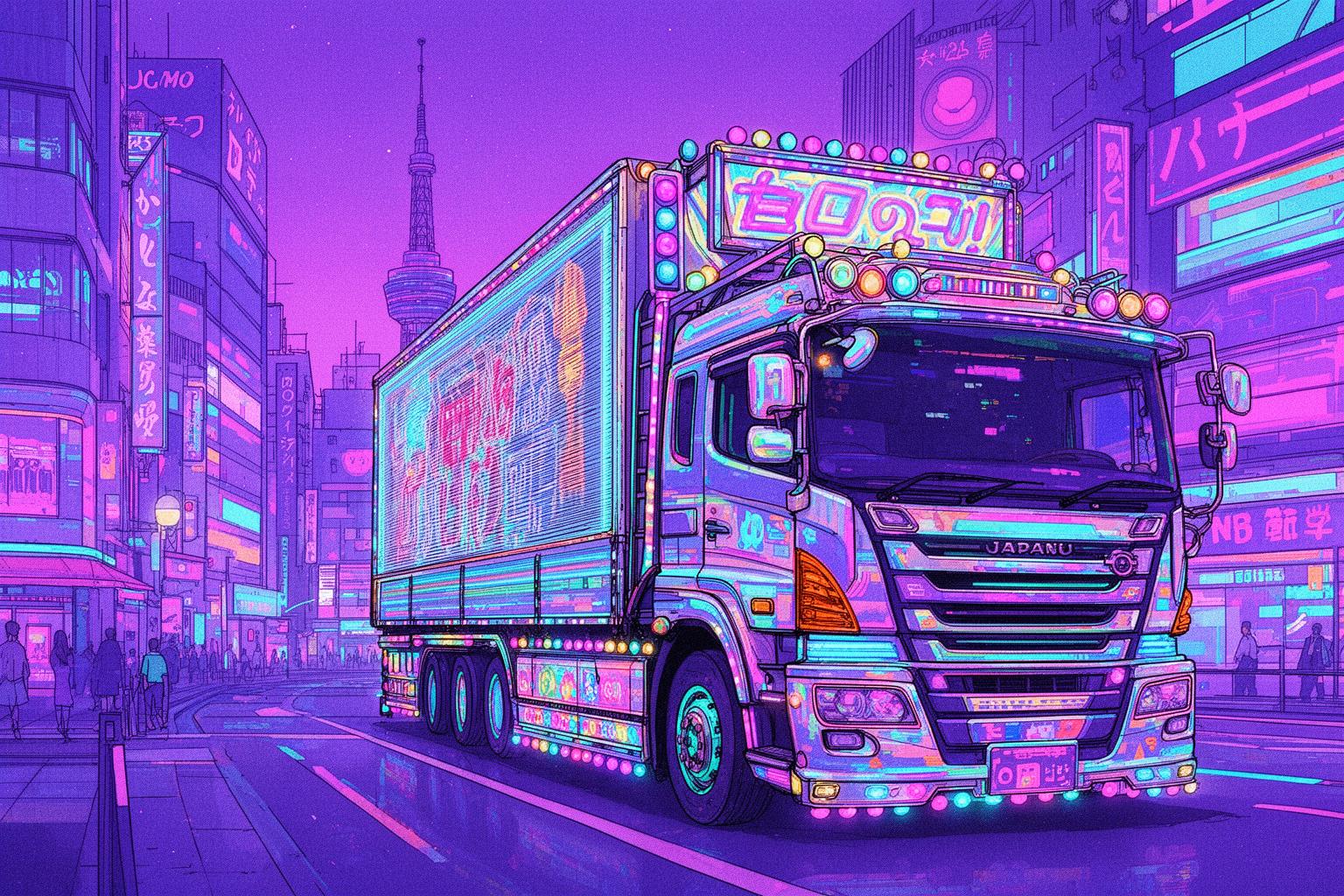
The world of Decotora is far from a static museum exhibit. It is a vibrant, evolving culture that adapts with the times. Although it faces significant challenges, the spirit of creative expression on wheels remains robust, discovering new forms and attracting new fans in today’s era. The scene now is a captivating blend of traditional roots and modern innovation, with a new generation adding their own touch to the art form.
The New Wave: Gundam, Anime, and Going Global
While traditional themes like kabuki and mythology remain beloved, many younger builders are drawing inspiration from another facet of Japanese pop culture: anime and manga. It is increasingly common to see trucks boasting sleek, futuristic designs heavily influenced by mecha series such as Gundam. These creations, often called Gundam-style Decotora, showcase sharp, angular body panels, complex spoilers, and lighting setups reminiscent of space battles. Instead of samurai, airbrushed artworks may depict giant robots or popular anime characters. This evolution comes naturally, as the core idea remains: drawing inspiration from heroic and dramatic figures in popular culture. Meanwhile, the internet and social media have opened the doors wide. What was once a niche, domestic Japanese subculture is now capturing the attention of a vast international audience. YouTubers, photographers, and car enthusiasts worldwide are fascinated by Decotora, shining a global spotlight on these mobile masterpieces. This global recognition has fostered a new sense of pride and validation within the community, proving their distinctive vision resonates universally.
The Struggle is Real: Keeping the Culture Alive
Despite its enduring vitality, Decotora faces real challenges ahead. Perhaps the greatest hurdle lies in Japan’s notoriously strict vehicle inspection system, the shaken. The regulations have tightened over time, making it increasingly difficult to legally register and drive these heavily modified trucks. Many extreme modifications, such as oversized protruding bumpers, are technically illegal on public roads, forcing owners to remove or alter them for inspection and reinstall them afterward—a costly and time-consuming cycle. The high cost of building and maintaining a Decotora also presents a significant barrier for younger enthusiasts. Prices for custom fabrication have risen, and the number of skilled, traditional craftsmen capable of producing these detailed parts is steadily shrinking. Additionally, the original generation of drivers inspired by Torakku Yarō in the 1970s is growing older, raising concerns about who will carry the torch going forward. Yet despite these difficulties, the culture persists. The passion runs too deep to simply vanish. The community continues to innovate ways to work within regulations and to pass on their expertise, ensuring that Japan’s highways will remain illuminated for many years ahead.
That Final Glow: Why Decotora is Pure Japan
When the night ends and the last truck rumbles off into the dawn, the lingering glow of its lights stays with you. Gradually, you realize that Decotora is far more than just a collection of flashy trucks. It’s a perfect, chaotic, and beautiful expression of many elements that define Japan. It embodies the spirit of monozukuri—the deep cultural pride in meticulous craftsmanship—not applied to a sword or pottery, but to the humble working truck. It reflects the otaku mindset, that all-consuming passion driving someone to dedicate their life to perfecting a singular, niche interest. The airbrushed art and dramatic silhouettes echo the flamboyant visual language of kabuki theater and the bold lines of ukiyo-e woodblock prints. But it’s also a story of rebellion. In a society that often values conformity and subtlety, Decotora stands as a roaring, glittering, thousand-light testament to the power of individual expression. It’s a way for the working man to become a king of the road, transforming his everyday tool of labor into a chariot of fire. It’s about discovering profound beauty and personal identity in the most unexpected places. So next time you find yourself on a lonely Japanese highway late at night, keep your eyes open. You might just see a shooting star, a rolling dream, a piece of art that refuses to be ignored. You might just see a Decotora. And you’ll know you’ve witnessed something truly special—a flash of the real, untamed soul of Japan.