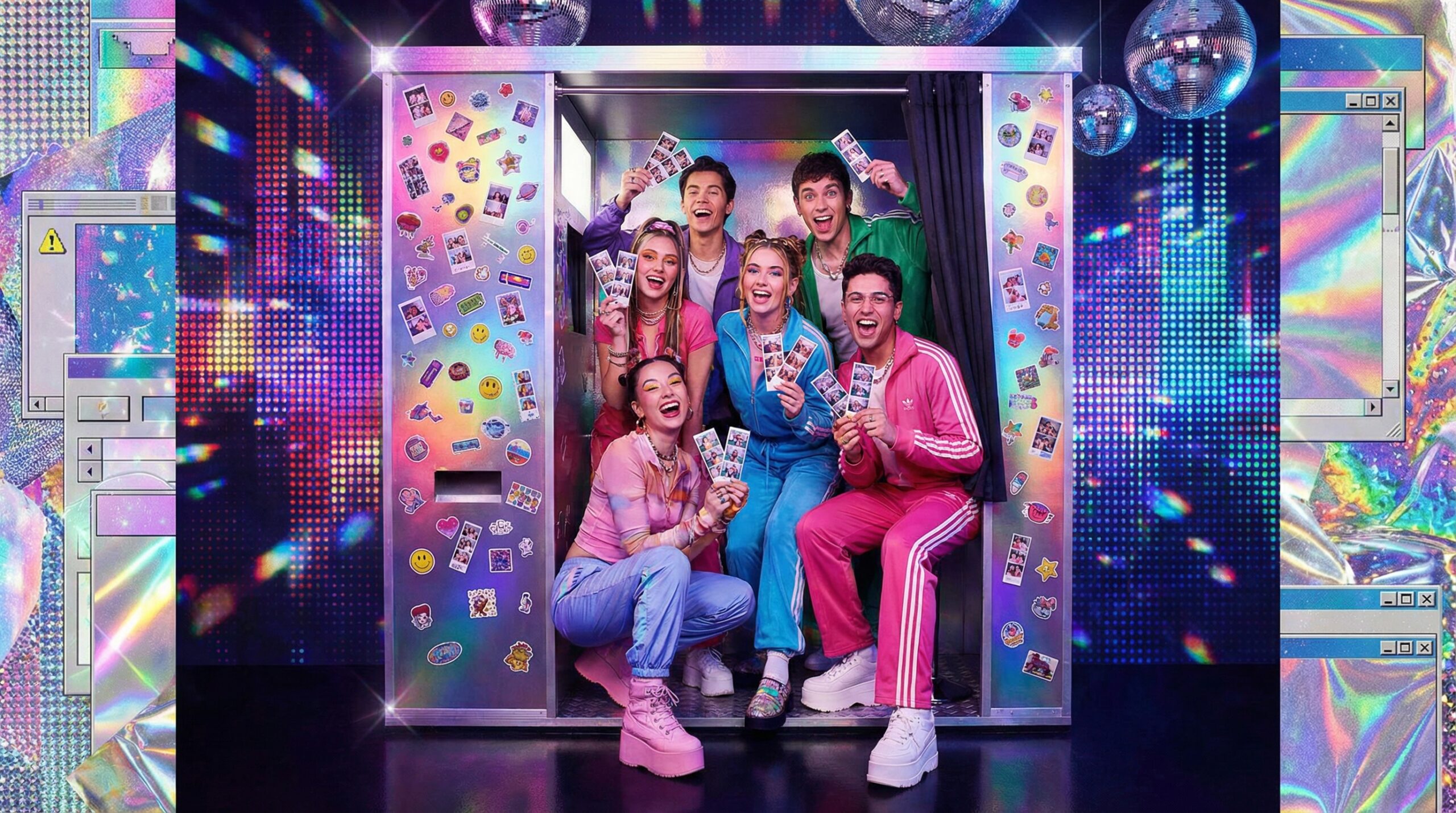
Yo, what’s the deal? Mia Kim here, tuning in from the electric heart of Tokyo. If you’re a repeat visitor like me, you’ve probably done the temple runs, crushed the foodie tours, and maybe even mastered the Yamanote Line loop. You get the surface-level magic. But now, you’re craving that next-level deep dive, that cultural hit that doesn’t just show you Japan but lets you feel it. Bet. So, let’s talk about a real one, a cultural artifact that’s more than just a picture—it’s a time machine. I’m talking about Purikura, the legendary Japanese photo booths that basically invented the selfie aesthetic decades before smartphones were even a thing. We’re not just talking about any Purikura, though. We’re zeroing in on its peak era, the unapologetically extra, glitter-bombed, high-key chaotic energy of the late 90s and early 2000s—the Y2K vibe. It’s an aesthetic that’s having a massive comeback, but Japan never truly let it go. It’s been preserved in these glowing, noisy little boxes, waiting for us to rediscover it. Forget your minimalist, clean-girl aesthetic for a minute. We’re about to get loud, colorful, and completely over-the-top. This isn’t just about taking a cute photo; it’s about participating in a ritual, a sacred ceremony of friendship and self-expression that defined a generation. It’s the raw, unfiltered (well, heavily filtered, but you know what I mean) source code for so much of today’s digital culture. If you really want to understand the heart of modern Japanese youth culture, you have to go back to its Y2K roots, and there’s no better portal than a Purikura booth. So, grab your coin purse and your bestie, because we’re about to step into the light. It’s time to slay the Purikura game, Y2K style.
To fully grasp the evolution of Japan’s youth subcultures, you might also be interested in exploring the rebellious roots of 80s Japanese Yankī culture.
The Birth of an Icon: What Even IS Purikura?
Before we plunge into the glittering depths, let’s cover the basics. What exactly is Purikura? The name itself is a super cute blend of “Print Club” (Purinto Kurabu), and that’s precisely what it was—a club you joined briefly to get a sheet of tiny, shareable photo stickers. This phenomenon didn’t just emerge spontaneously; it was a cultural eruption ignited in 1995 by video game companies Atlus and Sega. Imagine a world without front-facing cameras, Instagram filters, or TikTok. The idea of taking a photo of yourself and instantly being able to customize it with cute frames and text? That was pure science fiction. It was revolutionary. The first machines were fairly simple compared to today’s digital art studios, but they had the essentials: a camera, a booth for privacy, and the ability to add a bit of flair. It tapped directly into the Japanese concept of kawaii (cuteness) and the burgeoning desire for personalization within youth culture.
But it was more than just a tech novelty. It became a social ritual, especially for high school girls, or joshi kousei (JK). After school, they would swarm game centers—not just for the crane or rhythm games—but for the sacred act of taking Purikura with their friends. It wasn’t a solo activity; it was a performance, a bonding experience. You’d cram four, five, sometimes six friends into a booth built for two, laughing and jockeying for the best spot. The photos weren’t meant to be stored digitally; they were physical keepsakes. The printed sticker sheets were carefully cut with tiny scissors, and each friend received a piece of the shared memory. These stickers went into personal albums called purichō, which became detailed chronicles of their social lives—every hangout, birthday, and new friendship preserved in glossy, 4×6-inch glory. In a pre-social media age, your purichō was your profile, timeline, and entire social graph made tangible. It was, no exaggeration, the analog ancestor of the Instagram feed.
The Tech Behind the Trend
The early technology truly defined the iconic Y2K aesthetic. The cameras weren’t high-definition. They had a certain softness, a lo-fi charm that was incredibly flattering. The flash was harsh, often washing out skin and giving it a porcelain-smooth finish by default. This wasn’t a flaw; it was a feature. It marked the birth of automated beauty enhancement. The software was simple, allowing basic stamps—hearts, stars, sparkles—and pre-set frames shouting late-90s graphic design. The color schemes were bold, almost neon, designed to pop on the small sticker format. This technological simplicity created a distinct look: crunchy, pixelated charm that feels deeply nostalgic now. The hardware limitations defined the entire aesthetic. It wasn’t about realism; it was about crafting a hyper-cute, idealized version of yourself and your friends. It was a fantasy world you could enter for 400 yen, with the sticker sheet as your proof of admission.
The Cultural Zeitgeist: Gyaru and the Purikura Boom
You can’t discuss Y2K Purikura without mentioning gyaru culture. This was the dominant youth subculture of the time, a rebellion against traditional Japanese beauty ideals of pale skin and dark hair. Gyaru embraced tanned skin, bleached hair, dramatic makeup with white eyeliner and concealer, and elaborately decorated nails. They were loud, confident, and unapologetically glamorous. Fashion magazines like egg and Popteen were their bibles, and J-pop icons like Namie Amuro and later Ayumi Hamasaki were their muses. Purikura booths became the ultimate stage for gyaru—where they honed their look, practiced poses, and documented their fire outfits. The machines evolved specifically to cater to them, with features that enhanced tans, enlarged eyes, and added extra sparkle to their already dazzling accessories. The aesthetic of Purikura and gyaru culture became inseparable. The energetic vibe, love of decoration, emphasis on friendship groups, and creation of an idealized, hyper-feminine identity all merged into a perfect storm. Photos from this era serve as a time capsule of an incredible subculture, capturing the fashion, makeup, and pure, unfiltered confidence of Y2K gyaru.
Deconstructing the Vibe: The Sacred Elements of Y2K Purikura
Okay, so we know the history. But what exactly makes the Y2K Purikura aesthetic so unique? What are the key elements that make you see a sticker and instantly think, “That’s from 2002”? It’s a complete visual language, a fusion of chaos and cuteness that’s both an art form and a science. Let’s explore it, piece by piece, to truly grasp the magic.
The Visual Overload: More is More
The core rule of Y2K Purikura decoration was simple: more. More glitter, more stars, more hearts, more everything. Negative space didn’t exist. Every inch of the photo became a canvas for decoration. It wasn’t about subtly enhancing the picture; it was about creating an entirely new artwork layered on top. The digital stamps, or sutanpu, were the main tools. We’re talking about a treasure trove of sparkling, animated GIFs before GIFs were widely known. Rainbow-colored stars that twinkled, chubby hearts that bounced, and cascades of glitter streaming down the screen. The vibe was pure, unrestrained digital maximalism.
Then there were the fonts. Oh, the fonts. Forget Helvetica. These were bubbly, rounded, graffiti-inspired styles, often outlined thickly with contrasting colors and drop shadows. Every word you typed—your name, the date, an inside joke—was a design statement. Penmanship mattered. The stylus, or pen, at the decoration station was your magic wand. You could draw cat whiskers on your friends, write slang like cho beri ba (super very bad, meaning awesome), or scribble declarations of eternal friendship (zッ友, zuttomo, friends forever). Writing on the screen, known as rakugaki (doodling), was as vital as the photo itself. It added a personal touch, the signature that made the photo uniquely yours. The blend of preset stamps and hand-drawn doodles created a layered, collage-like look that was gloriously chaotic and deeply personal.
The Pose-abilities: A Language of Gestures
Before the peace sign became a global photo pose, Purikura culture had developed its own complex pose vocabulary. Striking poses inside the booth was serious business. You had about ten seconds per shot to get it right, and everyone had their signature moves. The classic V-sign was a staple, but it was just the beginning. There was the gyaru peace, a high-held, often reversed peace sign brimming with confidence and sass. Another pose involved holding your hand near your face to frame your eye, subtly slimming the face and highlighting dramatic eye makeup. The “duck face” also originated here, though it was usually a softer pout. Pointing at your own cheek was another classic gesture, emphasizing cuteness and youth.
These poses weren’t random; they were carefully chosen to create a particular look. They aimed to make your face appear smaller (kogao), your eyes larger, and your body slimmer. The booth often offered pose suggestions, with animated figures showing you how to pose for maximum effect. It was a performance, a collaboration between you, your friends, and the machine. The goal was to produce a lively, energetic shot that captured the fun of the moment. No one simply stood smiling politely. You interacted, connected, and crafted a mini-performance during your ten-second window. It was a physical expression of the energy and joy that defined the entire Purikura experience.
The OG Filter: Engineering Cuteness
Long before smartphone filters were a thing, Purikura machines were the original digital enhancement pioneers. The main goal was to make everyone look as cute as possible—whether humanly or inhumanly so. This began with lighting. Booths were equipped with bright, flattering lights designed to erase shadows and create a soft, ethereal glow. The camera software then smoothed skin automatically, removing blemishes and pores for a flawless, doll-like complexion. The real revolution, however, was the eye-enlarging feature. Starting in the late ‘90s, machines began using software that detected eyes and made them subtly, then boldly, bigger. This feature became so beloved it turned into a standard, an expected element of the Purikura aesthetic. It drew from the anime style, where large, expressive eyes symbolize youth and beauty. Combined with face-slimming effects that gently tapered the jawline, the machine transformed your real face into a perfected, kawaii version of yourself. It was an aspirational self-portrait. You didn’t just appear as a better version of yourself; you looked like the star of your own shojo manga. This bold, unapologetic use of digital alteration is the foundation of many modern beauty filters. Purikura did it first—and arguably, with more iconic flair.
The Ritual: A Step-by-Step Guide to the Purikura Experience
Grasping the aesthetic is one thing, but embodying it is another. The Purikura experience unfolds as a multi-stage ritual—a journey starting from the lively arcade floor and culminating in the cherished sticker sheet in your hand. It’s sensory overload in the most delightful way. Let’s explore the entire process because if you’re going to do it, you might as well do it right.
Phase 1: Selecting the Machine
First, you step into the arena: the Japanese game center, or gesen. You’re immediately engulfed by a wall of sound—the clinking of pachinko balls, the triumphant tunes of rhythm games, the cheers of crane game enthusiasts. You need to locate the Purikura corner, typically a dazzling, brightly lit haven, often occupying its own floor. Here, you face a bewildering array of choices. Dozens of machines line up, each boasting a massive poster with impeccably styled models highlighting the machine’s distinct aesthetic. This decision is crucial. Each machine brand (like FuRyu or GiGO) and model offers a unique vibe. Some promise a more “natural” look, others a “doll-like” effect, and occasionally, if you’re lucky, there’s a retro or Y2K mode. Branding matters. Examine the sample photos: do they feature that vintage glitter and chaotic energy? Does the model sport the iconic gyaru-inspired makeup? You and your friends cluster together, dissecting the options, debating “Twinkle Eyes” versus “Glamour Shot.” This deliberation is part of the fun. Once you pick your champion, you insert the required 400 or 500 yen. The journey officially begins.
Phase 2: Inside the Booth – The Performance
You pull aside the curtain and step inside. The outside world fades away. It’s just you, your crew, and the giant screen before you—your studio. First, you select the background (usually a green screen setup), the number of shots, and the sticker sheet layout. Then the countdown starts. A cheerful, high-pitched voice cries “San, ni, ichi!” and the flash fires. Chaos ensues. You have only seconds to switch from a cute pout to a sassy gyaru peace sign, to coordinate a group pose, and ensure no one blinks. The machine guides you with on-screen prompts: “Look cool!” “Act surprised!” “Show your friendship!” It’s a whirlwind of energetic laughter and frantic excitement. You’re not just taking photos; you’re performing for the camera, for each other, cheered on by the lively AI voice. The camera shoots from a slightly elevated angle—a deliberate choice to enlarge your eyes and slim your chin, the golden standard of kawaii. After six to eight shots, the performance concludes. You’ve tackled the toughest part. Or so you think.
Phase 3: The Rakugaki Corner – The Creative Frenzy
Now arrives the true heart of Purikura: the decoration station, or rakugaki corner. You leave the booth and move to a separate terminal nearby. This is where the magic happens, and the clock is ticking. A large timer, usually around three to five minutes, appears on screen. The pressure is real. Two styluses are provided because this is a team effort. You and your friend communicate and coordinate, dividing and conquering the sticker sheet. One starts adding stamps and frames while the other focuses on writing. The user interface is gloriously chaotic, offering a vast array of options. You can change pen color and thickness, choose from hundreds of stamps, add pre-written messages, and even apply digital makeup like blush, lipstick, and colored contacts. This is where your inner Y2K artist shines. You sprinkle glitter over the background, draw hearts on your cheeks, jot down the date and location, and add silly inside jokes. The timer ticks down relentlessly, elevating the frenzy. “Ato ippun desu!” (One minute left!) the machine chirps, triggering a surge of panic and creativity. It’s a high-stakes, fast-paced art session. When the timer hits zero, your masterpiece is saved automatically. No do-overs. What you created in that exhilarating rush is your final product.
Phase 4: The Revelation – Printing and Sharing
You stand beside the machine, anticipation mounting. After a brief pause, a soft whirr announces the arrival of a warm, glossy sticker sheet. This is the moment of truth. You and your friends gather around, admiring your handiwork. You laugh at the funny faces, marvel at how flattering the filters made you appear, and appreciate the chaos of your decorations. The machine often prints two copies, but if your group is larger, negotiations begin. This is where the scissors come into play. Most Purikura corners provide a small counter with scissors for this very purpose. You carefully cut the sheet, dividing the photos so everyone takes home a piece of the memory. This act of cutting and sharing is fundamental to the ritual; it cements the shared experience. The stickers are promptly put to use—stuck on the back of your phone, your student ID, your planner, or saved in your precious purichō. The Purikura isn’t just a digital file forgotten on your camera roll; it’s a tangible token of a moment in time, a physical fragment of your social life that you carry with you.
The Y2K Revival and Purikura’s Enduring Legacy
Fashion and culture move in cycles, and right now, we are fully immersed in a Y2K revival. Low-rise jeans, butterfly clips, Juicy Couture tracksuits—they’re all making a comeback. Along with this resurgence comes a renewed appreciation for the aesthetic that Purikura introduced. During the 2010s, Purikura machines shifted toward a more “natural” appearance. Filters became subtler, eye-enlarging effects were softened, and decorations turned more chic and minimalist. This mirrored the evolving beauty standards of that era. However, now the trend is reversing. People are once again craving the authentic, unapologetic, and playful Y2K spirit.
The OG Influencer
Scrolling through TikTok or Instagram today reveals the undeniable influence of Purikura. The face-altering filters that have become so common? Purikura pioneered them. The sparkly, animated stickers you add to your stories? Pure Purikura vibes. The trend of photo-dumping and making digital collages? It’s the modern-day purichō. Purikura established the visual language for how we present ourselves online. It taught us to curate our image, use technology to craft idealized versions of ourselves, and treat photos as a key mode of social communication. It was social media before social media existed, encouraging a culture of sharing, commenting (through scribbles on photos), and preserving memories. The young women adept at the rakugaki corner in 2001 were among the first digital natives, developing skills in visual storytelling and personal branding now vital in today’s creator economy.
Modern Purikura Embraces the Retro
Purikura companies have taken note of the Y2K revival. Newer machines often feature “retro” or “90s style” modes that mimic the classic aesthetic. They bring back harsher lighting, stronger skin-smoothing, and the traditional stamp designs. Nostalgia becomes a selling point. Yet for Purikura enthusiasts, the real excitement lies in discovering an actual vintage machine from the early 2000s, often hidden away in a quiet arcade in a smaller neighborhood. Finding one is like unearthing a classic arcade cabinet. The photos it produces have an authentic, grainy quality that modern “retro modes” struggle to replicate. It’s a testament to how iconic that original look remains, with people actively seeking it out two decades later.
A Global Phenomenon
Though Purikura is distinctly Japanese, its influence has spread worldwide. The rise of Korean-style photo booths, such as Life4Cuts, is a natural evolution of the Purikura concept. These booths typically adopt a minimalist approach, focusing on high-quality, unfiltered images arranged on a simple four-frame strip. While they offer a different vibe, the core idea—a private, fun space for friends to capture moments in a shareable way—remains unchanged. In some respects, the stripped-down Korean style acts as a reaction to Purikura’s maximalism, but both are part of the same cultural dialogue about self-expression and friendship. The global resurgence of the Y2K aesthetic means a new generation worldwide is discovering the excitement of extravagant photo decoration, whether through apps, filters, or the authentic booths themselves. But to truly grasp the roots of this phenomenon, you must visit Japan. Step inside the booth, hear the countdown, and experience the lively, glitter-filled magic of Purikura firsthand. It’s more than just a photo—it’s a cultural pilgrimage. Bet on it.