Imagine a Japan before the internet, before a thousand Instagram accounts could beam the sun-drenched aesthetic of Venice Beach skate culture directly into a teenager’s bedroom in suburban Tokyo. Picture the mid-1970s. The country was in the thick of its post-war economic miracle, a period of intense, high-speed growth. Society was largely defined by conformity, rigid hierarchies, and the ideal of the diligent, suit-clad “salaryman.” Information on foreign culture, especially youth culture, trickled in slowly, often filtered through a handful of gatekeepers. For a young person looking for an identity outside the prescribed path, the options felt limited. The world outside Japan was a distant, almost mythical place, pieced together from movies, imported records, and the occasional grainy photograph.
Then, in 1976, a magazine landed on newsstands that would change everything. It was called Popeye. Its cover was vibrant, its pages were thick with a strange and exhilarating energy, and its tagline was simple yet revolutionary: “Magazine for City Boys.” This wasn’t just a fashion publication; it was a manual for living. And the life it was selling was a world away from the gray, structured reality of urban Japan. It was a life of sunshine, surfboards, skateboards, university campuses with sprawling green lawns, and effortlessly cool clothes. It was the life of the American West Coast. Popeye didn’t just report on this culture; it imported it wholesale, translating its values, its products, and its entire worldview for a generation of Japanese youth hungry for something new. It became a cultural bible, teaching its readers not just what to wear, but how to be. This is the story of how a single magazine became a window to a California dream, and in doing so, created a uniquely Japanese subculture that continues to influence style around the world today: the City Boy.
Popeye’s bold reinterpretation of American style paved the way for Japan’s own innovative trends, a spirit that lives on in unexpected places like the quirky world of gachapon—a detail we delve into in our gachapon culture overview.
The Birth of a Bible
To grasp the significance of Popeye, one must first recognize the gap it addressed. In the early 1970s, Japanese magazines for young men tended to be conservative. While they featured fashion, it was typically formal, favoring the classic “Ivy League” look that had long been popular, or domestic trends. None truly captured the raw, unrestrained energy of global youth culture.
Enter Yoshihisa Kinoshita, an innovative editor at Heibonsha (which later became Magazine House). Kinoshita and his team noticed a shift. They observed a generation of young Japanese men who were increasingly affluent, inquisitive, and disengaged from the stoic, work-focused values of their parents. These young men didn’t just want to read about the world—they wanted to engage with it, at least aesthetically and culturally. Their bold goal was to create a magazine that would serve as a direct bridge to the most vibrant youth culture in the world.
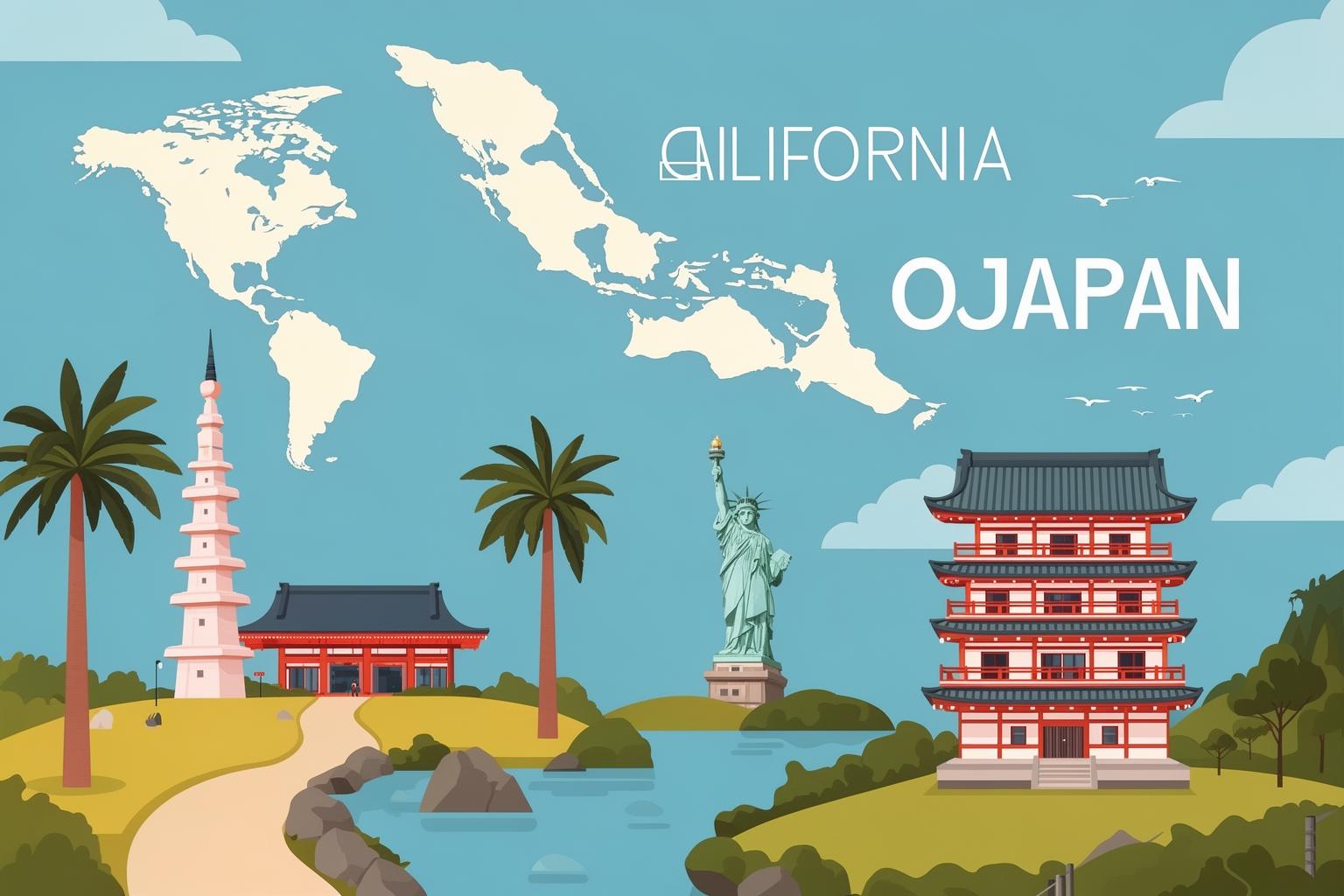
The chosen site for this cultural exploration was California. Why California? Because in the 1970s, it symbolized an ideal utopia—an embodiment of freedom, leisure, and relaxed self-expression. It was a world of endless summer, dominated by surfing in Malibu, skateboarding in Dogtown, and hanging out on the campuses of UCLA and Berkeley. For young men in a society often governed by entrance exams, strict corporate hierarchies, and a focus on the collective rather than the individual, this imagery was compelling.
The magazine’s name, Popeye, was a brilliant choice. Referencing the iconic American cartoon sailor, it symbolized strength, optimism, and a can-do spirit. It was both familiar and exotic, playful, and instantly distinguished the magazine from the more serious publications on the market. The first issue, released in July 1976, was an in-depth look at UCLA. The editorial team didn’t simply write from afar; they traveled to Los Angeles, spent weeks on campus, and documented everything thoroughly. They photographed real students, not models. They recorded what these students wore, what they ate, what cars they drove, which sports they played, and the slang they used. The detail was meticulous, nearly anthropological. This dedication to genuine, on-location authenticity made Popeye feel less like a magazine and more like a guidebook from a cooler, older brother recently returned from abroad.
This was more than journalism; it was cultural translation. The editors of Popeye acted as explorers, venturing into the heart of American consumer culture and bringing back treasures for their Japanese audience. They weren’t merely showcasing a Nike sneaker; they explained its history, the technology behind its waffle sole, and the cultural context that made it stylish. They were teaching a new language of fashion, and an entire generation was eager to learn.
“Magazine for City Boys” – Decoding the Slogan
The phrase “Magazine for City Boys” encapsulates the core philosophy of Popeye. Though it sounds simple, the term “City Boy” (シティボーイ, shiti bōi) carried a rich significance, representing a carefully crafted ideal that extended well beyond mere geography. One didn’t need to live in a major city to be a City Boy; rather, it required a certain mindset: a refined curiosity, an appreciation for quality and design, and an active engagement with culture.
More Than Fashion, a Lifestyle
At its essence, the City Boy identity embodied a holistic approach to life. Fashion served as the entry point but was deeply connected to everything else. Popeye asserted that your choice of sneakers mattered as much as your taste in music, which was just as important as your preferred hamburger joint. It was about shaping a complete identity through a carefully curated range of interests and possessions.
The magazine’s content consistently reinforced this philosophy. An article on running shoes would be featured alongside a guide to the best record stores in San Francisco. A piece on varsity jackets could be followed by an in-depth exploration of the emerging skateboarding scene, complete with diagrams detailing different board shapes and wheel hardness. Sports coverage wasn’t traditional; it didn’t focus on professional athletes or scores, but rather the culture surrounding the sport. Surfing wasn’t merely a physical pursuit; it represented a lifestyle with its own uniform (board shorts, Vans), soundtrack (The Beach Boys), and philosophy.
This perspective transformed consumption from a passive habit into an active, creative act. To be a City Boy was to be a connoisseur. You didn’t just buy a pair of Levi’s 501s; you understood the distinctions between various production eras, the importance of the red tab, and the craft behind achieving the perfect fade. Elevating everyday items to cultural artifacts was one of Popeye’s most impactful contributions. It encouraged readers to view the world through an editor’s lens, finding meaning and beauty in the details of a finely crafted sweatshirt or an expertly designed tennis racket.
The West Coast as an Ideal
The lifestyle championed by Popeye was distinctly Californian. For its audience, the West Coast was less a physical location and more a state of mind—a sun-drenched paradise full of possibilities, contrasting sharply with the often cramped and conformist atmosphere of Japanese urban life. The magazine’s pages were filled with captivating images: students tossing frisbees on manicured lawns, skaters carving empty swimming pools, surfers waxing boards under a Pacific sunset.
UCLA, in particular, was depicted as a kind of City Boy utopia. Recurring features on the university painted a detailed picture of an ideal student life. Readers discovered the UCLA student uniform: college sweatshirts, corduroy shorts, tube socks, and classic sneakers. They glimpsed dorm rooms adorned with sports pennants and stereo systems. They learned about social rituals, popular hangouts, and the entire ecosystem of American campus life. This was more than mere escapism—it was aspirational, offering a blueprint for an alternative way of youth.
This emphasis on the West Coast was intentional. While the East Coast Ivy League style was established and somewhat formal, the California look was casual, democratic, and rooted in active pursuits. It was a style born from function—clothing designed for surfing, skating, and outdoor leisure. This struck a chord with a generation seeking a more relaxed, authentic mode of self-expression. The “Made in U.S.A.” label became a symbol of unquestionable authenticity, assuring buyers that they were acquiring a piece of the genuine Californian dream.
The Anatomy of an Issue
Browsing through a vintage issue of Popeye from the late 1970s or early 1980s offers an immersive experience. The design is dense, vibrant, and filled with information. The magazine possessed a distinctive visual and editorial style that was as impactful as the products it showcased. It established a fresh blueprint for what a men’s magazine could be, blending aspiration with education.
The Power of the Catalog
A key innovation of Popeye was its catalog-style layout. This differed from the glossy, untouchable fashion photography typical of other magazines. Instead, Popeye presented items with almost scientific precision. A feature on backpacks, for example, wouldn’t just show a stylish person wearing one. It would display a dozen different models from brands like The North Face, JanSport, and Eastpak, laid flat against a white background. Each product came with detailed notes: its price in US dollars (and the Japanese yen equivalent), its materials, specific features (such as a leather-reinforced bottom or an ice axe loop), and a brief brand history.
This method achieved two goals. First, it demystified the products. It treated readers as intelligent consumers who wanted to understand the “why” behind a product’s appeal, not just the “what.” It was a form of product journalism that equipped the reader with knowledge. Second, it transformed the magazine into a practical shopping guide. Although many of these items were hard to find in Japan back then, Popeye provided the information needed to track them down in specialty import shops or during trips abroad. It created a treasure map for a generation of style-driven youth.
This catalog format extended to every topic. A feature on running shoes would dissect the anatomy of a Nike Cortez. An article on food would painstakingly photograph every ingredient in a California-style hamburger. This meticulous documentation became an encyclopedia of cool—a reference that readers would study and revisit repeatedly. It respected its audience’s intelligence and fueled their passion for detail.
On-the-Ground Reporting
The authenticity permeating every page of Popeye was deliberate. It stemmed from the editorial team’s steadfast commitment to firsthand reporting. They avoided press releases and stock photos. Editor-in-chief Yoshihisa Kinoshita sent teams of editors, writers, and photographers—such as the renowned Kurao Hikosaka—to the United States for extended periods with a simple mission: discover what’s truly cool. They acted like cultural anthropologists, immersing themselves in the scenes they covered.
They rented houses in Los Angeles and spent their days wandering the UCLA campus, hanging out at Venice Beach, and exploring suburban malls. They spoke with real people—students, skaters, surfers—and documented their lives with a natural, documentary-style approach. The photos felt spontaneous and immediate, capturing the authentic energy of the moment. This lent the magazine tremendous credibility. Readers felt as though they were gaining a genuine, unfiltered glimpse into this foreign world, guided by a trusted friend.
Though costly and labor-intensive, this approach was the magazine’s secret ingredient. It enabled Popeye to identify trends before they went mainstream and present them with unmatched depth and context. When covering the emerging skateboarding scene, the magazine didn’t just show tricks; it explained the rivalries among skate teams and subtle regional style differences. This immersive reporting elevated Popeye from a simple style guide to a cultural landmark.
The Language of Cool
Popeye also crafted a unique editorial voice. The writing was enthusiastic and informative, laced with American slang often printed in English (or romaji) alongside Japanese explanations. This linguistic blend contributed to the magazine’s charm; reading it felt like being inducted into a special club. The tone was never patronizing but always one of shared discovery, as if the editors were just as excited as the readers about the things they were uncovering.
Expressions like “West Coast,” “Heavy Duty,” and, naturally, “City Boy” entered the youth lexicon. The magazine created a common vocabulary that enabled a generation to articulate their interests and shape their identity. Reading Popeye was a cultural education—you learned about brands, music, and places, but also a new way of talking and thinking about style. This new language was vital in building the community and subculture that grew around the magazine.
The Lasting Legacy: From Heisei to Reiwa
The impact of Popeye‘s golden age cannot be overstated. It didn’t merely document a subculture; it created one. The seeds sown by the magazine in the 1970s and 80s have grown into a towering tree that has shaped Japanese fashion and culture for decades. The City Boy aesthetic has shown remarkable resilience, evolving with the times while preserving its core values of curiosity, quality, and a thoughtful approach to life.
Shaping Japanese Menswear
The clearest legacy of Popeye is visible in Japan’s retail scene. The magazine sparked a huge demand for American goods, which led to the emergence of “select shops.” Stores like Beams, which opened its first small outlet in Harajuku in 1976—the same year Popeye debuted—were essentially physical embodiments of the magazine’s pages. They imported the very brands Popeye championed, from Nike sneakers to L.L. Bean tote bags, making the City Boy lifestyle accessible to all.
These select shops evolved into cultural hubs, further refining and reinterpreting the American styles introduced by Popeye. This eventually gave rise to Japan’s own world-class menswear industry. Designers and brand owners who grew up reading Popeye began creating products that infused American workwear, military, and outdoor styles with a distinct Japanese sensibility—an obsessive attention to detail, a focus on craftsmanship, and a knack for subtle innovation. Globally acclaimed brands such as Visvim, Engineered Garments, and nanamica all belong to a lineage traceable directly to the cultural foundation established by Popeye.
Even fast-fashion giants like Uniqlo owe a debt to the City Boy ethos. Uniqlo’s “LifeWear” concept—the creation of simple, high-quality, functional basics forming the foundation of a wardrobe—is a mass-market adaptation of the Popeye ideal. It emphasizes well-made essentials over fleeting trends, a principle central to the original City Boy look.
The Modern “City Boy”
Like any subculture, the City Boy aesthetic has evolved. In 2012, Popeye underwent a major relaunch under new editor-in-chief Takahiro Kinoshita (no relation to the founder). This new version of the magazine expertly updated the City Boy concept for the 21st century. The slogan remained “Magazine for City Boys,” but the focus shifted.
The new Popeye is less about a literal fascination with American culture and more about the spirit of curiosity that the original magazine embraced. The modern City Boy remains stylish, but his interests are broader and often more localized. Now the focus is on life in Tokyo. A typical issue might include a guide to the best neighborhood sandwich shops, an exploration of the art of listening to records on a vintage sound system, or tips for properly caring for your favorite sweater. The West Coast utopia has been replaced by a carefully curated and romanticized vision of urban life in Japan.
Fashion has evolved, too. While American casual influence remains, it now blends with European brands, cutting-edge Japanese designers, and a more relaxed, often oversized silhouette. The new City Boy is less focused on historical authenticity and more interested in crafting a personal style that is comfortable, thoughtful, and a bit playful. Yet, the core DNA is unmistakable. It still centers on a holistic lifestyle, the value of quality, and the joy of discovering hidden gems within your city.
Beyond Japan’s Borders
Perhaps the most intriguing part of the Popeye legacy is how it has come full circle. The aesthetic it helped create—a mix of American heritage styles filtered through a Japanese lens of quality and precision—has become a global phenomenon. Menswear enthusiasts from New York to London now look to Japan for style inspiration. “City Boy” has been adopted worldwide to describe this distinct look: clean, functional, slightly preppy, and effortlessly cool.
Japanese brands embodying this style have gained cult followings across the globe. In many ways, the student has become the master. Japan, which once looked exclusively to America for stylistic cues, is now a global leader in menswear, exporting its unique interpretation of classic styles. This global movement stands as a testament to the enduring power of the vision first articulated in the pages of Popeye nearly fifty years ago.
In the end, Popeye was far more than a magazine. It was a passport to another world, an educator, and a catalyst for cultural transformation. It took the raw materials of American style and taught a generation of Japanese men how to make them their own. It championed a philosophy that prized curiosity, knowledge, and personal expression over conformity. It provided a blueprint for navigating the modern world with style and intelligence. Clothes have changed, cities have changed, and the world is more connected than ever, but the fundamental question Popeye has always explored remains: What does it mean to be a City Boy? For decades, finding the answer within its pages has been one of Japan’s most rewarding cultural pursuits.