Yo, what’s the move? If you’re scrolling for a Japan trip that’s way off the beaten path of neon cities and packed temples, I got you. We’re talking about a journey to the heart of Japan’s great north, Hokkaido. But we’re not just here for the legendary powder snow or the ramen that’ll change your life—we’re going deeper. We’re tuning into a frequency that’s ancient, powerful, and absolutely alive. We’re heading to Nibutani, a quiet riverside district in the town of Biratori that’s the undisputed epicenter of contemporary Ainu culture. Forget what you think you know about Japan. Nibutani is where you connect with the Indigenous soul of this land, a place where traditions aren’t just artifacts behind glass; they’re breathing, evolving, and being carved into wood and woven into textiles right before your eyes. This isn’t just a sightseeing spot; it’s a full-on cultural immersion. It’s about understanding a worldview where gods, or kamuy, live in everything—the trees, the river, the fire, the animals. Coming here is about feeling that connection, seeing the resilience of a people, and witnessing artistry that’s straight-up spiritual. It’s a low-key, high-vibe experience that will stick with you for the long haul. So, if you’re ready to catch a different kind of wave, let’s drop in on Nibutani.
If you’re craving some of Hokkaido’s famous ramen after your cultural journey, be sure to check out our guide to the best ramen spots in Sapporo.
The Heartbeat of Ainu Culture: What’s the Real Deal with Nibutani?
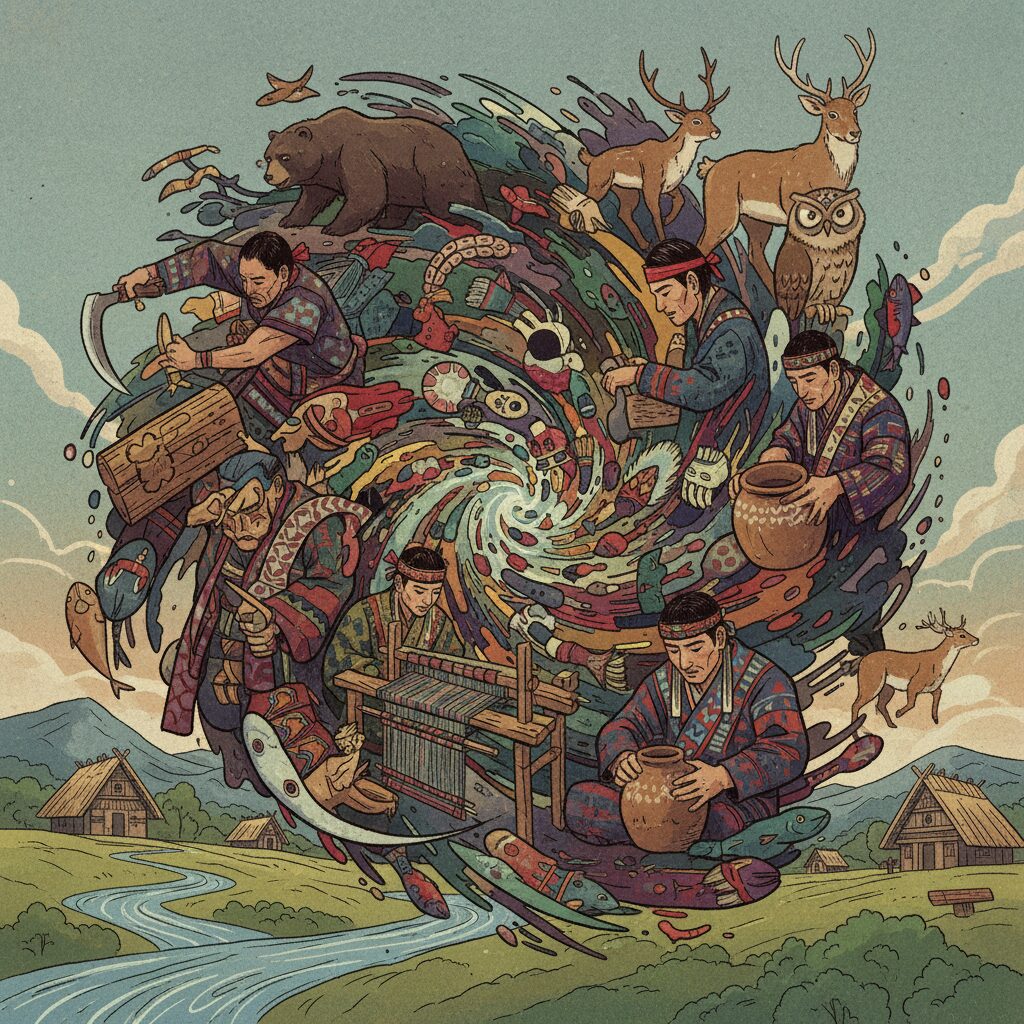
Rolling into Nibutani doesn’t feel like reaching a major tourist hotspot. There are no flashy gates or towering hotels. Instead, the atmosphere is subtle and grounded. You sense a shift in the air as you approach, a quiet hum that seems to rise from the land itself. The district is nestled among mountains and divided by the legendary Saru River, a waterway so essential to the Ainu that it is regarded as a kamuy in its own right. Its clear waters have sustained this community for centuries, providing salmon and a spiritual connection that links the past to the present. This place is genuinely an officially designated “Important Cultural Landscape of Japan,” a distinction it carries with quiet dignity. It’s not a reconstructed historical village; it is a living, breathing community where families have preserved their cultural heritage across generations. The houses often include workshops, the sound of chisels on wood may float through the air, and the designs you’ll soon admire are proudly displayed on local signposts and buildings. The atmosphere is one of deep respect—for ancestors, for the kamuy residing in the surrounding nature, and for the crafts that embody the Ainu spirit, or ramat. It’s a place that invites you to slow down, to listen, and to see beyond the surface. This isn’t about taking a quick photo; it’s about feeling the enduring, resilient heartbeat of a culture that has overcome tremendous challenges and is now proudly sharing its story with the world.
The Art of the Soul: A Deep Dive into Ainu Woodcarving
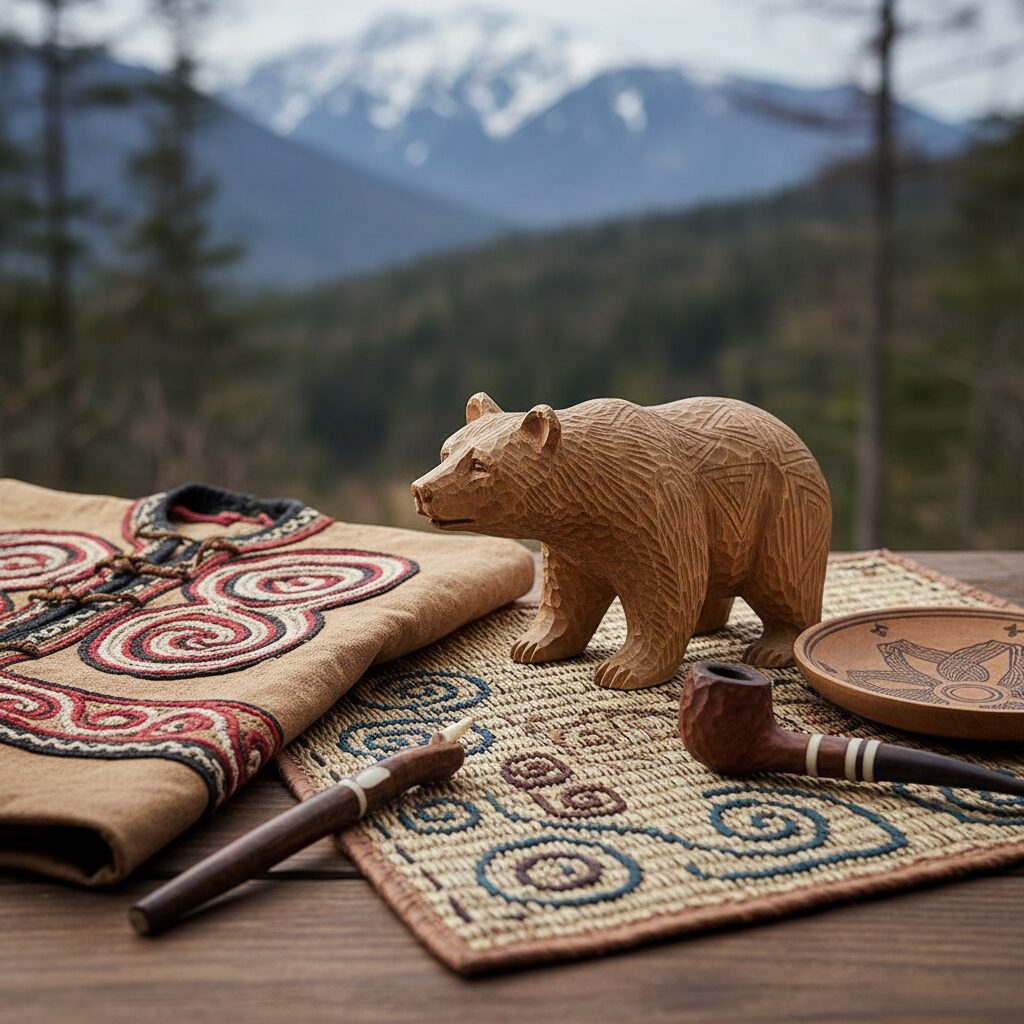
One of the first things that will captivate your soul in Nibutani is the woodcarving. This is far from ordinary souvenir-shop whittling. Ainu woodcarving, especially the distinctive Nibutani ita (carved trays), is a profound art form—a tangible expression of prayer and protection. It represents a dialogue with the wood, the spirit of the tree, and the kamuy.
Beyond Wood: The Philosophy Behind the Craft
To fully appreciate it, you need to understand that for the Ainu, every object—whether a simple bowl or a ceremonial tool—holds a spirit. Carving was not simply about creating something useful or beautiful; it was about honoring that spirit and endowing the object with power. The intricate patterns flowing across the wood’s surface form a sacred language. These designs serve as talismans, meant to shield the user from malevolent spirits that might enter the body. That’s why the most elaborate carvings often appear around the rims of bowls or handles of tools—they act as spiritual protectors. The act of carving itself is a meditative ritual, a way of channeling respect for the natural world. The artisan does not merely impose a design on the wood; they collaborate with it, following its grain and sensing its energy. When you hold a piece of Ainu woodwork, you can almost sense that focused intention and deep spiritual connection etched—carved—right into it.
Signature Styles: Decoding the Patterns
At first glance, Ainu carvings may look like a complex swirl of abstract shapes, but once you understand the vocabulary, the story comes into view. The patterns represent a lexicon of nature and spirituality. The most fundamental designs include the moreu-noka (gentle spiral), symbolizing strength and power, and the ayus-noka (thorn-like shape), which serves as a sharp protective barrier against evil. Then there is the sik-noka (eye shape), often regarded as the eye of the kamuy, watching over and safeguarding the user. In Nibutani, artisans have developed a uniquely mesmerizing style that sets their work apart. They cover entire surfaces with incredibly fine, scale-like carvings called ramu-ramu-noka. This creates a shimmering, textured effect that feels incredible to the touch and adds another layer of dynamic energy to the piece. It’s this meticulous detail, combined with the bold, flowing lines of the primary patterns, that makes Nibutani carving so instantly recognizable and absolutely captivating. It’s a masterful balance where delicate texture meets powerful form.
Hands-On Experience: Workshops and Master Artisans
Viewing these masterpieces in a museum is one thing; witnessing them come to life is an entirely different experience. Nibutani is dotted with workshops where master artisans work, and some even offer hands-on opportunities. Stepping into one of these spaces is a full sensory immersion. The air is rich with the sweet, earthy aroma of freshly carved katsura or walnut wood. The only sounds are the rhythmic scraping and tapping of the makiri (a type of carving knife) and the artist’s quiet concentration. The Nibutani Ainu Craft & Culture Center is a great place to start. Here, you can purchase authentic, high-quality crafts directly from the makers and often see artisans demonstrating their techniques. For a small fee, you can even try carving a coaster yourself. Don’t worry if you’re a complete beginner—the instructors are incredibly patient and guide you through carving a traditional pattern. It’s a humbling and deeply rewarding experience. You’ll leave with a new appreciation for the extraordinary skill involved, and a personal connection to the craft. This is your chance to engage with the culture keepers—those ensuring this incredible tradition continues for generations. Their passion is contagious, and their stories add a depth to the art that no book could ever convey.
Threads of Identity: Weaving the Ainu Story in Attus Textiles

Just as wood conveys a story of protection and spirit, so too do the textiles of the Ainu. The traditional Ainu robe, called attus, is a wearable work of art—a garment that expresses identity, resilience, and a close bond with the forest. The creation of one showcases the ingenuity and patience of Ainu women, who have traditionally been the custodians of this craft.
From Bark to Fabric: The Magic of Attus
Here’s something remarkable: the fabric for attus robes isn’t made from cotton or silk but from the inner bark of the mountain elm tree (ohyo). The process spans an entire year and demands complete dedication. In early summer, when the trees are full of sap, the bark is carefully stripped from the trunk. It is then soaked in water—sometimes for weeks in a hot spring to accelerate the process—until the tough outer bark can be separated from the soft inner fibers. These fibers are meticulously cleaned and split into fine, thread-like strands, all by hand. The strands are tied together one by one to create a continuous thread, which is then spun and woven on a traditional backstrap loom called a kera-an-kar-pe. The resulting fabric has a beautiful, natural beige hue. It is breathable, durable, and water-resistant—ideal for the harsh Hokkaido climate. Consider that for a moment. This is fashion literally born from the forest, a sustainable and deeply ecological practice perfected centuries ago. It powerfully reflects the Ainu philosophy of yaunmosir, the inner land, the world we live in, emphasizing the importance of harmony with nature, taking only what is needed, and using it with gratitude.
Stitched with Spirit: The Power of Ainu Embroidery
An attus robe is striking on its own, but it is the bold, graphic embroidery and appliqué that truly bring it to life. A plain robe was viewed as incomplete, even dangerous, since the Ainu believed evil spirits could enter the body through its openings. Thus, the collar, cuffs, and hem of a robe were richly decorated with protective patterns. Like the woodcarvings, these designs served as powerful talismans. Spirals and thorn motifs were stitched in bold cotton thread—originally dyed with natural pigments from roots and berries—creating a vivid contrast against the pale bark cloth. The patterns are generally symmetrical, conveying a sense of balance and cosmic order. Often the back of the robe features a large, intricate design acting as a spiritual shield for the wearer’s most vulnerable side. These patterns were not mere decoration; they declared identity, with regional variations in motifs and techniques revealing a person’s origins. Viewing these robes, one can feel the strength and pride woven and stitched into every fiber. They stand as symbols of cultural survival, garments of power telling the story of a people profoundly connected to their spiritual and natural worlds.
Where to See the Real Deal
To truly appreciate the beauty and significance of Ainu textiles, seeing them in person is essential. The Nibutani Ainu Culture Museum holds a breathtaking collection of historical attus robes and other garments. Here you can closely examine the intricate embroidery, admire the fine hand-woven bark cloth, and observe the evolution of designs over time. The exhibits are remarkable, showcasing not only finished pieces but also the tools and materials involved in their creation, providing a comprehensive view of the entire process. Nearby, the Kayano Shigeru Nibutani Ainu Museum presents a more personal, intimate collection curated by the family of the late Kayano Shigeru, a key figure in the Ainu rights and cultural revitalization movement. This museum feels less like a formal institution and more like a treasure trove, filled with items Kayano-san gathered throughout his life to safeguard his heritage. The textiles here carry a palpable energy, evoking a sense of having been worn and loved. Experiencing these garments firsthand transcends mere admiration of craftsmanship; it is a connection to the ancestors, a silent dialogue with the women whose hands brought these extraordinary works to life.
Beyond the Crafts: Soaking Up the Full Nibutani Experience
While woodcarving and weaving take center stage, the whole Nibutani district serves as an immersive cultural classroom. To fully experience it, you need to visit the key sites that reveal the broader story of the Ainu people and their deep connection to this land.
Must-Visit Spots for the Culture Enthusiast
Your first stop should definitely be the Nibutani Ainu Culture Museum. This place is world-class. Forget dusty exhibits; the museum uses stunning life-sized dioramas to immerse you in the Ainu world. You’ll see recreations of seasonal activities, from salmon fishing in autumn to hunting in the snowy winter forests. The collection is vast—over 10,000 artifacts—and expertly curated. You’ll find everything from intricately carved ceremonial items like ikupasuy (prayer sticks) to everyday objects such as cooking pots and hunting tools, each illustrating a part of life along the Saru River. It’s an essential base for understanding all the other experiences in town.
Next, head to the Kayano Shigeru Nibutani Ainu Museum. As noted, this has a different, more personal atmosphere. It showcases the lifetime efforts of a man dedicated to preserving the Ainu language and culture from extinction. The collection is eclectic and captivating, full of tools, textiles, and folk art that Kayano-san personally collected. It feels like stepping inside a passionate collector’s home and offers deep insight into the modern history of the Ainu cultural revival. Don’t miss it.
Before anything else, be sure to stop by the Biratori Ainu Cultural Information Center, ‘ci-no-mi.’ This is your starting point. The friendly staff can provide maps, advise on open workshops, and answer any questions you have. It’s the perfect spot to get oriented and plan your visit.
Living History: Exploring a Traditional Cise
Several locations in Nibutani, including the museum grounds, have reconstructions of traditional Ainu homes, or cise. Be sure to step inside one. As you enter through the low doorway, you’ll notice the scent of woodsmoke from the central hearth, the ape-oi, which was kept burning constantly. This hearth was the sacred heart of the home, dedicated to the most important kamuy, Kamuy Fuchi, the goddess of the hearth. The interior is a single, large room, ingeniously arranged for communal living. You’ll see the rorun-puyar, or sacred window, on the wall opposite the entrance. This window was reserved for the kamuy’s use and was never to be looked through by humans. Observing the layout—the seating by status, placement of tools, and altars—gives you a vivid sense of Ainu social structure and spirituality. It’s a powerful, immersive experience that ties together what you learn from the museum exhibits.
A Taste of Ainu Cuisine: Fuel for Your Adventure
Exploring Ainu culture means savoring its flavors as well. Traditional Ainu cuisine is hyper-local and seasonal, based entirely on what could be hunted, fished, or foraged from the surrounding land and rivers. The food is simple, hearty, and closely connected to nature. Key ingredients include salmon (kamuy-cep, or ‘god’s fish’), venison, and a wide variety of wild mountain vegetables like pukusa (wild garlic) and kitopiro (Siberian onion). A staple dish is ohaw, a savory soup made with a bone broth base and filled with meat or fish and seasonal vegetables. Another traditional dish is rataskep, where beans, pumpkin, and wild plants are mashed together and seasoned. While dedicated Ainu restaurants are rare, some local eateries and the shop at Nibutani Dam occasionally serve dishes inspired by this cuisine, such as venison curry or snacks made from local potatoes. Sampling these flavors is a delicious way to connect with the land and the Ainu philosophy of receiving food from the kamuy with gratitude.
The Practical Playbook: Nailing Your Nibutani Trip

Alright, so you’re convinced by the Nibutani vibe. Let’s get down to the essentials of making this trip a reality. It’s a bit off the usual tourist path, but that’s a big part of its appeal. A little preparation goes a long way.
How to Get There: The Journey to Ainu Country
Reaching Nibutani is an adventure in itself. The easiest and most flexible way is by renting a car. From New Chitose Airport (CTS), Hokkaido’s main international gateway, it’s a scenic drive of about an hour and a half. From Sapporo, expect around two hours. The drive takes you through Hokkaido’s beautiful rural scenery, and having a car lets you explore the nearby Hidaka region, famous for its horse ranches and stunning coastline.
If you prefer public transportation, it’s definitely possible but requires more coordination. The standard route is to take a JR train from Sapporo or New Chitose Airport to Tomakomai Station. From there, you’ll catch a Donan Bus bound for Biratori. The bus ride takes about an hour. Once you reach Biratori town, Nibutani is still a few kilometers away, so you might need a local taxi to get to the museum area. Always check the latest bus schedules online, as services can be infrequent, especially on weekends. It’s a bit of a journey, but well worth the effort.
When to Go: Timing is Everything
Nibutani offers a unique beauty each season. Spring (April-May) brings the landscape back to life, with cherry blossoms and fresh greenery everywhere. It’s a season of renewal and ideal for comfortable exploring.
Summer (June-August) is lush and vibrant. The days are long, and the forests and Saru River are full of life. August features the Cipsanke, a traditional boat-launching ceremony, providing a spectacular glimpse into Ainu ritual culture.
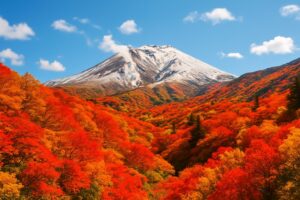
Autumn (September-October) is arguably the most breathtaking season. The mountains around Nibutani burst into a riot of red, orange, and gold. The air is crisp, and it’s the time of the salmon run, a hugely significant event in the Ainu calendar. The atmosphere is perfect.
Winter (December-March) turns the area into a quiet, snow-blanketed wonderland. It’s peaceful, reflective, and stunningly beautiful. While some smaller shops may have reduced hours, the main museums remain open, offering a cozy refuge. Seeing a traditional cise under a layer of snow on its thatched roof is pure magic.
Pro Tips for First-Timers
To ensure a smooth and respectful visit, keep a few things in mind. First, allow yourself plenty of time. You could technically rush through the main sites in a few hours, but you’d miss the point. Plan at least a full day to fully absorb the experience, visit the museums, and perhaps join a workshop. Slow travel is key here.
Second, remember this is a living community. Be a considerate guest. Always ask permission before photographing people or their homes and workshops. A simple smile and gesture go a long way.
Third, engage! The staff at the museums and craft centers are knowledgeable and passionate about sharing their culture. Don’t hesitate to ask questions. Genuine interest will open up a much deeper and more memorable experience.
Also, bring some cash. While larger museums accept cards, smaller workshops and local eateries may only take cash. Finally, say hello! The Ainu greeting is Irankarapte (pronounced ee-ran-ka-rap-tay), which roughly means “Let me touch your heart softly.” Using it is a small gesture of respect that will be warmly welcomed.
The Takeaway: More Than a Souvenir
A trip to Nibutani leaves a lasting impression deep within you. You may take home a beautifully carved wooden tray or a small piece of woven art, but the true souvenir is intangible. It’s a newly gained understanding of Japan’s rich cultural tapestry. It’s the sense of connection to a worldview that finds the divine in a flowing river and a towering tree. It’s the inspiration drawn from a community that has steadfastly maintained its identity with grace and strength. The patterns you come to recognize in the wood and textiles will continue to appear in your mind’s eye long after you’ve departed. The stories of the kamuy and ancestors will resonate in your quiet moments. Visiting Nibutani is more than a cultural experience; it’s a lesson in resilience, in the beauty of living harmoniously with nature, and in the enduring power of art to carry the spirit of a people. It’s a side of Japan that many travelers overlook, and it’s a journey certain to touch your heart.