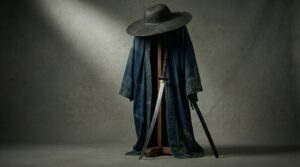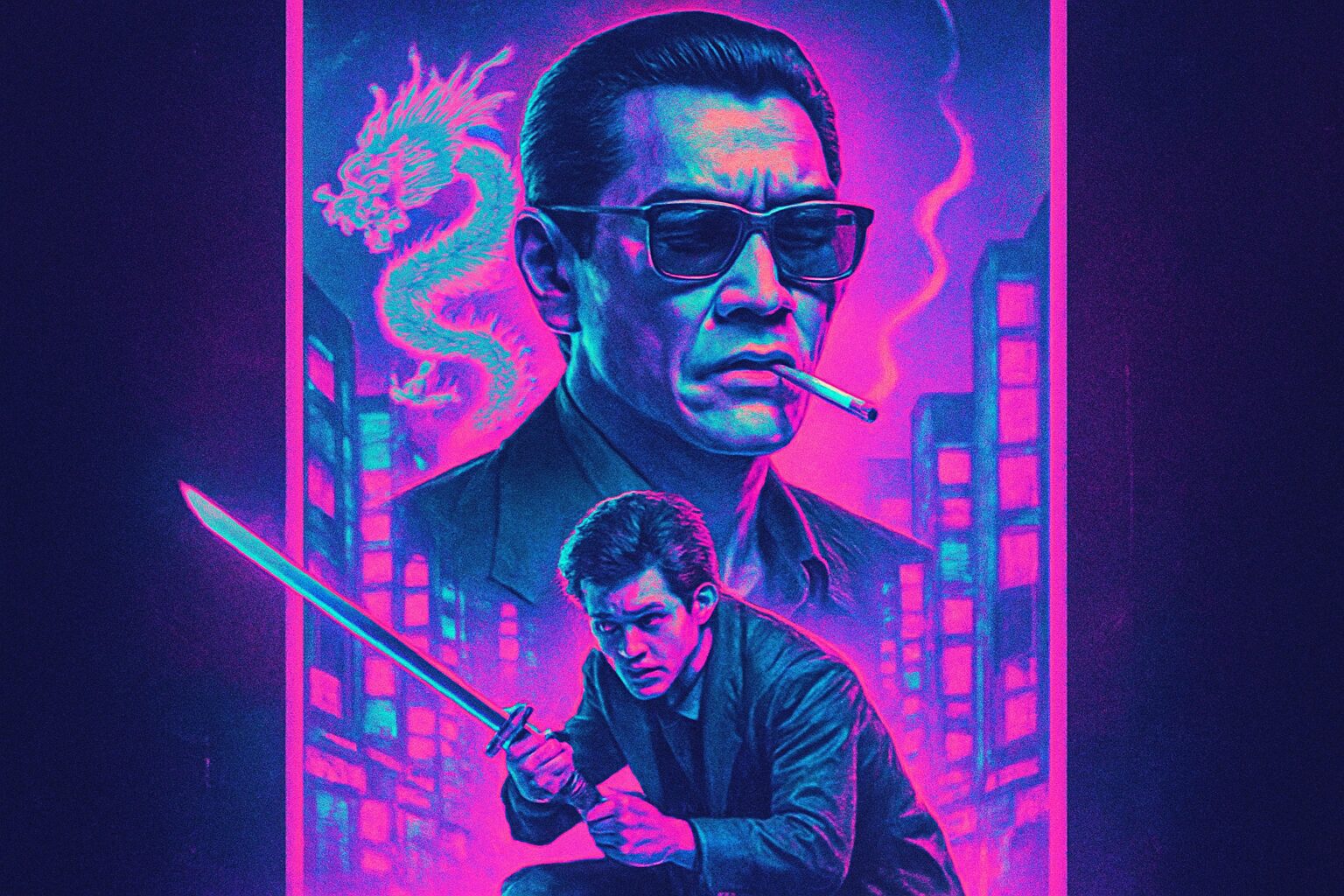
Yo, what’s the vibe? Let’s take a trip. Not just to Japan, but to a specific time and a specific feeling. We’re diving deep into the smoky, rain-slicked streets of 1960s Japan, but we’re seeing it through the lens of a movie camera. This isn’t your typical travel guide to cherry blossoms and temples. Nah, this is a journey into the soul of an era, a look at how the ancient code of the samurai, Bushido, found its last, most dramatic life on the silver screen, embodied by the tragic, honorable gangsters of Yakuza cinema. It’s a whole mood, a cinematic universe where loyalty was currency and honor was worth more than life itself. These weren’t just gangster movies; they were modern-day fables, a cry from a nation grappling with its identity in the dizzying rush of post-war progress. The heroes of these tales, the so-called ‘modern samurai,’ were outlaws who paradoxically upheld the very virtues Japan feared it was losing. They were walking contradictions, tattooed figures in sharp suits who lived and died by a code forged centuries ago. Understanding this genre, the `ninkyo eiga` or ‘chivalry film,’ is like finding a secret key to the Japanese psyche. It’s about exploring the tension between tradition (`giri`) and human feeling (`ninjo`), a conflict that still echoes in Japanese society today. So, grab your popcorn, and let’s get into the world where the sword was replaced by the switchblade, but the spirit remained unbroken. This is a guide to the heart of Neon Bushido.
To see how this cinematic evolution continued into the next decade, explore the samurai soul in 1970s Yakuza cinema.
The Soul of the Samurai: What Even is Bushido?
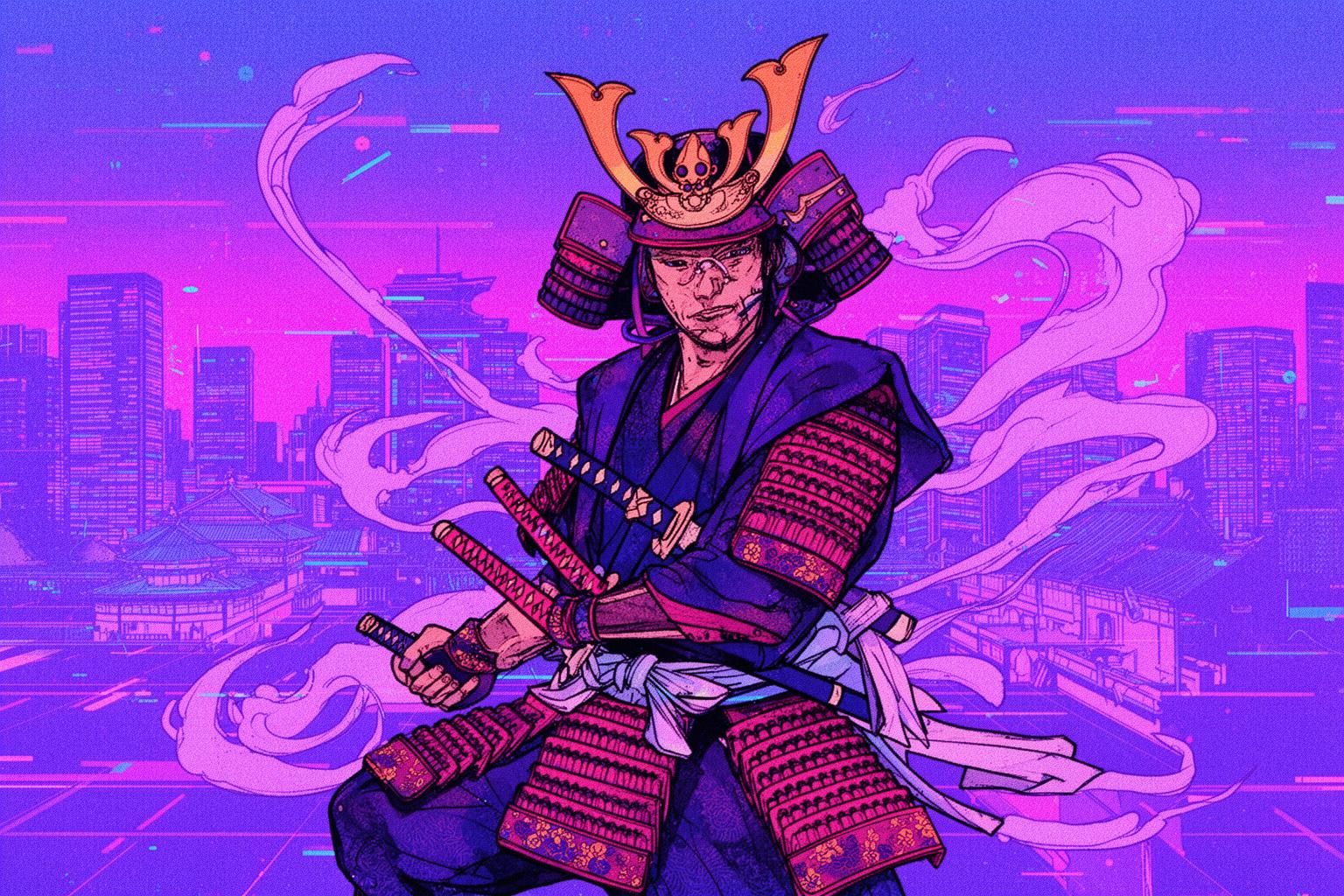
Before we even dive into yakuza films, we need to get the lowdown on Bushido. The term is tossed around a lot, often imagined as a dusty, ancient rulebook for samurai. But it’s far more fluid and profound than that. Bushido, or ‘the way of the warrior,’ wasn’t a single written document until much later. For centuries, it was a living ethos—an unwritten code of conduct guiding the samurai, Japan’s elite warriors. It was less a set of laws and more a moral compass, emphasizing virtues meant to shape a warrior’s whole being, from the battlefield to the tea ceremony.
Let’s unpack the core principles, the true heart of the code. First is `Gi` (義), meaning righteousness or justice. This is a major point. It’s about having a strong moral backbone, discerning right from wrong, and acting without hesitation. It means doing the right thing, even when it’s the toughest choice. Next is `Yu` (勇), or courage. This isn’t just fearlessness in battle; it’s the courage to stand up for what’s right—the moral courage to confront injustice. Together with `Gi`, they form a powerful pair. You can’t have one without the other.
`Jin` (仁) stands for benevolence or compassion. This might seem unusual in a warrior code, but it’s essential. Bushido taught that a true warrior should feel sympathy for the weak and strive to help others. Power without compassion was mere brutality. This humanized the warrior, transforming them from a mere killer into a protector. Then there’s `Rei` (礼), meaning respect. This refers to proper conduct, politeness, and deference. It was shown through intricate etiquette shaping every interaction—from how you bowed to how you held your sword. It was a way to show respect for others and, equally important, for oneself.
We also have `Makoto` (誠), which means honesty and sincerity. A samurai’s word was his bond. Deceit or lying was an enormous dishonor. Words and actions needed to align, coming from a genuine, sincere place. This built trust, vital in a hierarchical society founded on loyalty. This brings us to `Meiyo` (名誉), or honor. This was the central pillar of a samurai’s life. Every deed was measured against whether it would bring honor or shame to oneself, family, and lord. Life was secondary to honor; a samurai would rather die than live in disgrace. This is the origin of the infamous `seppuku` ritual—a way to die with honor rather than be captured or live with shame.
Finally, there’s `Chugi` (忠義), loyalty. This was the foundation of the feudal system. A samurai’s loyalty to their `daimyo` (feudal lord) was meant to be absolute and unwavering. This bond held the entire social structure together. As a cultural analyst, I find this especially fascinating when comparing it to other East Asian philosophies. While Confucianism emphasizes filial piety and loyalty broadly, the Japanese take in Bushido intensified loyalty to a single lord to an extreme, often generating profound and tragic dramatic conflicts. It’s a distinct kind of devotion that defines much of the Japanese historical narrative.
After the samurai class was abolished during the Meiji Restoration in the late 19th century, Bushido didn’t vanish. Instead, it became a romanticized, nostalgic ideal for Japan—a symbol of a ‘pure’ Japanese spirit believed to have been lost amid modernization. This romanticized version of Bushido was exactly what simmered beneath the surface of 1960s Japan, waiting for a new kind of hero to claim it.
A Nation in Flux: The 1960s Japanese Vibe Check
To truly understand why these yakuza films resonate so powerfully, you need to grasp the mood of 1960s Japan. It was an era full of intense contradictions. On one side, there was the ‘Japanese Economic Miracle.’ The nation was rapidly rebuilding from the devastation of World War II at an astonishing speed. Tokyo had transformed into a vast, neon-drenched metropolis, hosting the 1964 Olympics and introducing the Shinkansen bullet train. The future appeared bright, modern, and brimming with consumer goods. There was a strong sense of optimism and national pride in this remarkable recovery.
Yet beneath that shining exterior, there was a profound anxiety—a cultural identity crisis. Rapid Westernization and modernization left a spiritual emptiness. Traditional values, which had defined Japan for centuries, seemed to be fading. The old customs of family, community, and honor were being overtaken by corporate culture, materialism, and a feeling of disconnection. People moved from rural areas to enormous, impersonal cities. The suit-and-tie ‘salaryman’ emerged as the new ideal, a mere cog in the corporate machine, far removed from the noble samurai image.
This tension did not remain silent; it burst into open conflict. The 1960s in Japan were also marked by significant political upheaval. Massive student protests, led by groups like the Zengakuren, opposed the US-Japan Security Treaty (`Anpo`), which they considered a violation of Japan’s sovereignty and pacifist constitution. These protests were often violent and shook the entire nation. Society felt deeply divided—caught between old and new, right and left, tradition and progress.
Amidst this turmoil, people longed for heroes. They were weary of the moral ambiguity of the modern era and yearned for figures who stood for something solid and resolute. Politicians were viewed as corrupt, corporations as greedy, and the future as uncertain. Working-class men, who frequently visited cinemas, felt alienated and nostalgic for a simpler time when good and evil were clearly defined. They desired a hero who could cut through the hypocrisy of contemporary society with one clear, decisive act. Cinema, as it often does, delivered exactly what they sought—but from an unexpected source: the criminal underworld.
Enter the Ninkyo Eiga: Cinema’s Last Stand for Honor
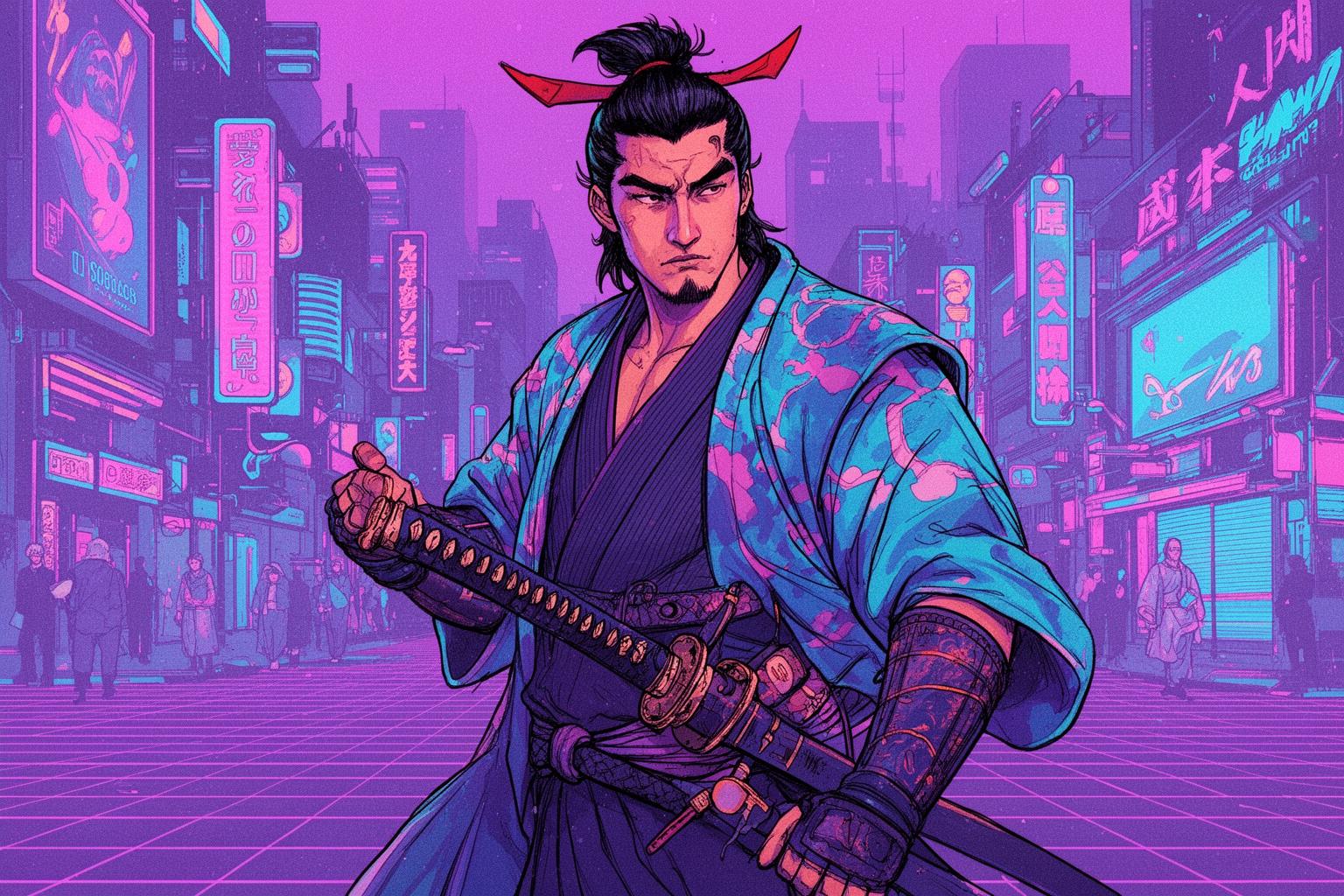
This is where the `ninkyo eiga`, or ‘chivalry films,’ make their entrance. Primarily produced by the legendary Toei Company, this genre dominated the Japanese box office during the 1960s. It’s crucial to distinguish these films from the yakuza image you might associate with modern movies or video games. The `ninkyo` yakuza was not a ruthless, backstabbing gangster; he was a tragic hero, an outlaw with a heart of gold, a man who lived by an ancient code in a society that had long forgotten it.
The formula of a `ninkyo` film was as ritualized as a kabuki performance. The storyline was almost always consistent. The hero is a stoic, honorable yakuza, typically a member of a traditional clan that values heritage and protects the local community. They see themselves as guardians of the common people. But a new danger arises: a rival yakuza gang that is ruthless, greedy, and allied with corrupt politicians or corporations. These new yakuza embody everything wrong with modern Japan—they care only for money and power, showing no respect for tradition or honor. They attempt to seize the hero’s territory, often through deceit, intimidation, and harm to innocent people.
For much of the film, the hero endures this. He practices `gaman` (a fundamental Japanese value of stoic endurance) to an almost superhuman extent. He takes the insults, beatings, and humiliation all in the hope of avoiding a full-scale conflict that would damage the community. Bound by his code, he shows restraint. But eventually, the villains cross a line—they kill his beloved `oyabun` (clan boss), harm a woman he has vowed to protect, or push local merchants to the verge of collapse. This is the breaking point.
At that moment, the hero performs a solemn ritual. He removes his Western suit to reveal magnificent full-body tattoos (`irezumi`) that narrate the story of his life and his resolve. He drinks a final cup of sake, says his farewells, and picks up a sword (`katana` or `tanto`). Then, alone, he walks to the enemy’s headquarters for the final confrontation—a bloody raid known as a `nagurikomi`. Aware it’s a suicide mission and that he will not survive, he proceeds out of duty and honor. He single-handedly slaughters the villains in a storm of righteous fury before succumbing to his wounds, dying a tragic but noble death. The aesthetic was striking: the stark contrast of a traditional kimono worn beneath a modern suit, epic sword fights erupting in unlikely settings such as a steel mill or busy train station, and the recurring, poignant imagery of cherry blossoms falling like snowflakes—a symbol of life’s beautiful, fleeting nature—often mingled with blood.
The Icons of the Era: Faces of Modern Bushido
The `ninkyo eiga` genre would not have reached its legendary status without its titans—the actors who became living symbols of this modern Bushido. Their faces came to represent honor and stoicism for an entire generation.
First and foremost, there is the king, Ken Takakura. He was the very embodiment of the `ninkyo` hero. With his penetrating gaze and granite-like stoicism, Takakura defined the archetype of the silent, suffering protagonist. He was the master of `gaman`. His characters rarely spoke, and when they did, it was with quiet, weighty sincerity. He could express more with a single pained glance than many actors could with pages of dialogue. You felt the weight of the world on his shoulders. In iconic series like Abashiri Prison and Showa Zankyoden (Brutal Tales of Chivalry), he perfected this role. His characters were not violent by nature; they were pushed to it. They were men of extraordinary patience who endured all until the sacred line was crossed. When Takakura’s characters finally snapped, it was a cathartic eruption of violence that audiences cheered because it was violence in service of justice, of `Gi`.
Then there was Koji Tsuruta, the other pillar of the genre. If Takakura was the stoic wanderer, Tsuruta was the world-weary, tragic patriarch. He often portrayed the `oyabun`, the clan boss, a man burdened with heavy responsibility. His characters felt more mature, more melancholic. They recognized the changing times and knew their way of life was fading, but they faced their end with dignity. Tsuruta’s performances carried profound sadness. You could see the inner conflict in his eyes—the struggle between personal feelings (`ninjo`) and heavy obligations (`giri`). In masterpieces like Bakuchi-uchi: Socho Tobaku (Gambler: The President’s Wager), he depicted the immense pressures of leadership and the inevitability of self-sacrifice for the good of the ‘family.’ He was the tragic king, destined to die protecting his kingdom.
And you absolutely cannot discuss `ninkyo eiga` without mentioning the queen, Junko Fuji. In a male-dominated genre, she was a revolutionary presence. Starring in the wildly popular Hibotan Bakuto (Red Peony Gambler) series, she created an unforgettable female hero. Her character, Oryu, embodied grace, beauty, and deadly skill. She was a wandering gambler who upheld the yakuza code as strictly as any man. With a dagger (`tanto`) hidden beneath her exquisite kimono, she often restored order and justice when the men around her failed. Junko Fuji proved that the Bushido ideals—honor, loyalty, and righteousness—were not exclusively male. She became a symbol of female strength and resilience, embodying quiet determination as powerful as the explosive rage of her male counterparts. Her presence added a new layer of depth and appeal to the genre, making her a massive star and a feminist icon of her era.
Decoding the Bushido Vibe in Ninkyo Flicks
Alright, we’ve covered the history and the key figures. Now let’s dive into the heart of the matter: how exactly did these films reinterpret the ancient Bushido code for a 1960s audience? It was a brilliant adaptation of traditional virtues into the language of modern cinema.
Gi (義) – Righteousness in a Corrupt World
This was the driving force of the `ninkyo` narrative. The hero’s motives are never selfish; he fights not for money or power, but for `Gi`, or righteousness. The conflict is always framed as a struggle to protect the vulnerable. A common scenario is a local shopping street or fish market, home to honest, hardworking people, threatened by greedy, modern yakuza aiming to replace it with a hotel or nightclub. The hero becomes their defender, the sole figure brave enough to confront the villains. This directly reflects the idealized samurai role as protector of the common folk. The yakuza hero emerges as a modern folk hero—an outlaw who enforces a higher justice than the corrupt, ineffective police or legal system.
Chugi (忠義) – Loyalty Above All
If `Gi` was the engine, `Chugi` was the fuel. Loyalty in these films is absolute, a sacred bond that surpasses everything else. The core relationship is almost always that between the `oyabun` (the boss, literally ‘father figure’) and his `kobun` (his underlings, literally ‘child figures’). This `oyabun-kobun` dynamic parallels the lord-vassal bond of the samurai. Loyalty is cemented in a solemn, beautiful ceremony called `sakazukigoto`, where sake is exchanged in special cups, symbolizing the creation of a new family. A `kobun` would, without hesitation, lay down his life for his `oyabun` or the welfare of the clan (`-gumi`). In a modern world where such ties seemed to be fading, this unwavering loyalty was deeply appealing to audiences, representing a stability and sense of belonging that were vanishing from Japanese society.
Gaman (我慢) – The Art of Stoic Endurance
Though not one of Bushido’s ‘official’ seven virtues, `gaman`—the capacity to endure hardship with patience and dignity—is a core Japanese cultural value elevated to an art form in these films. Ken Takakura epitomized `gaman`. For much of the film’s first two acts, his character faces relentless provocation: beatings, sabotage, and slander. Throughout, he remains stoic and impassive, absorbing the abuse without complaint. This is not weakness, but a display of immense inner strength, showing control over his emotions and disdain for petty conflicts. This stoicism was regarded as the pinnacle of masculinity and self-control. The eventual outbreak of violence resonates so powerfully with the audience precisely because of this prolonged period of `gaman`. It is not a rash reaction but a deliberate, righteous judgment finally enacted.
Meiyo (名誉) – A Name Worth Dying For
Honor. `Meiyo` is the paramount virtue, for which all else is sacrificed. The entire existence of the `ninkyo` hero centers around upholding his honor and that of his clan. When an enemy insults his `oyabun`, it’s an assault on the family’s collective honor. Every decision is measured against this code. This is why the hero frequently faces tragic choices, sacrificing his own happiness, love, or even life to preserve `Meiyo`. A vivid cinematic representation of this is `yubitsume`, or finger-shortening. In the films, this ritualized act of apology serves to atone for failures that bring shame on the clan. By severing part of his own finger, a yakuza demonstrates the depth of his remorse and commitment to restoring honor. It’s a shocking yet powerful symbol of how seriously this code is regarded.
The Inevitable Tragedy: The Aesthetics of a Beautiful Death
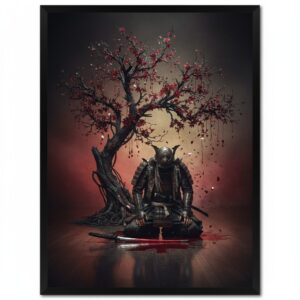
This is where `ninkyo eiga` most profoundly connects with the samurai ethos. Bushido is often described as ‘the way of dying.’ A true samurai lived ready to die honorably at any moment. This aestheticizing of death is central to every `ninkyo` film’s climax. The final `nagurikomi` raid is a conscious acceptance of death for the sake of honor and duty. The hero knows his fate. The film dwells on preparations: ceremonial dressing, blade sharpening, silent farewells. This story is not about victory but about facing a final, unwinnable battle. The climax is often visually poetic—a ballet of blood and violence intercut with images of nature, such as falling cherry blossoms or crashing waves. This ties the hero’s death to the Japanese concept of `mono no aware`, a tender sadness for life’s transience. Like the cherry blossom, the hero’s life is brief but beautiful, and his death the ultimate expression of his honorable existence.
Beyond the Blade: Experiencing the Ninkyo Spirit Today
So you’re excited and ready to explore this world. But how do you actually experience this piece of Japanese culture today? It requires a bit of searching, but it’s definitely worth the effort.
Where to Watch These Classics
Tracking down these films can feel like a treasure hunt. In the West, your best option is specialty physical media labels like Arrow Video, Eureka, or Criterion, which have released beautifully restored Blu-rays of `ninkyo` classics. For streaming, services like the Criterion Channel occasionally offer collections of Japanese cinema that include these gems. If you’re in Japan, you might be lucky to catch a screening at a repertory cinema, particularly in Tokyo’s Jimbocho neighborhood, renowned for its old bookstores and classic movie theaters. Look for posters featuring the intense faces of Ken Takakura or Koji Tsuruta—that’s a good sign you’re in the right place.
Walking Through the Silver Screen: Filming Locations
Though most of the specific bars and docks from the 1960s have disappeared, you can still immerse yourself in the atmosphere that inspired these films. The top destination is the Toei Uzumasa Eigamura in Kyoto. This is Toei’s actual film studio, now operating as a theme park. Many of the `ninkyo` and `jidaigeki` (period drama) films were shot here. You can stroll through carefully recreated Edo-period and Meiji-era streets—the very backdrops where these modern samurai enacted their battles. It’s a surreal, captivating experience that provides a tangible connection to cinematic history.
For a feel of old Tokyo as depicted in the films, take a walk through Asakusa. With its iconic Senso-ji Temple, traditional shopping streets, and vintage entertainment halls, Asakusa preserves a strong Showa-era atmosphere. Historically a center of entertainment and, yes, a hub for yakuza activity, it carries an authentic grit straight out of a Toei film. Similarly, wandering the narrow, lantern-lit alleys of Shinjuku’s Golden Gai at night offers a glimpse of that intimate, slightly dangerous post-war mood where these stories come alive. Port towns like Yokohama, blending Japanese and international influences, also evoke classic `ninkyo` settings—a place where old values clash with fresh, foreign forces.
A Taste of the Culture: Modern Echoes
The spirit of `ninkyo eiga` hasn’t completely faded. Its themes still echo in modern Japanese culture. The intense loyalty once expected in Japanese corporate life, though evolving, has roots in the same lord-vassal, `oyabun-kobun` relationship. The cultural focus on the group over the individual, fulfilling obligations, and valuing `gaman` as a virtue remain very much alive. To sense the social world portrayed in these films, find a small, local `izakaya` (Japanese pub) tucked away on a side street. The intimate atmosphere, close-knit regulars, and respect shown to the owner can feel like a microcosm of the community-centered world the `ninkyo` hero strove to protect.
A Viewer’s Guide: How to Vibe with Ninkyo Eiga
If you’re experiencing this for the first time, here are some tips to make the most of it. First, be patient with the pacing. These films unfold slowly, dedicating much time to world-building and quietly developing the hero’s character through deliberate, nuanced scenes. The thrilling action serves as the payoff, not the main focus. Learn to value the long, silent gazes of Ken Takakura and the moments of quiet suffering—this is where the true drama lies.
Next, familiarize yourself with the archetypes. Once you identify the stoic hero, the greedy villain dressed in flashy Western attire, the wise old boss, the suffering yet resilient woman, and the loyal but hot-headed sidekick, you’ll begin to appreciate the subtle variations each film introduces to this powerful formula. Observe the visual details closely. The `irezumi` tattoos are more than decoration; they are intricate art pieces that convey the character’s identity and determination. Notice the costumes—the tension between tradition and modernity is often symbolized by a character wearing a kimono beneath their suit or switching between the two at a critical moment.
Finally, and most importantly, don’t expect realism. These aren’t documentaries about the yakuza, but highly romanticized, mythic stories. Think of them as the Japanese counterpart to the American Western. The `ninkyo` hero is like the lone gunslinger—a man bound by his own code of honor, who rides into a corrupt town to restore order. They are legends, not gangsters, and the films operate on the level of grand, tragic mythology.
The Sun Sets on the Ninkyo Hero
Like all golden ages, the era of `ninkyo eiga` eventually came to an end. By the early 1970s, the atmosphere in Japan had shifted once more. The optimism of the economic boom was giving way to cynicism and disillusionment. Audiences grew weary of the romantic, predictable formula and sought something more real and gritty.
Thus, a new genre emerged: the `jitsuroku rosen`, or ‘actual record route’ films. Led by the groundbreaking 1973 film Battles Without Honor and Humanity directed by Kinji Fukasaku, these new yakuza movies stood in stark contrast to the `ninkyo` films. They were filmed in a chaotic, handheld documentary style. The yakuza were no longer honorable heroes; instead, they were depicted as they often were in reality: greedy, treacherous, paranoid thugs engaged in a relentless, ugly scramble for power. They betrayed their bosses, broke every code, and died pathetic, meaningless deaths in the gutter. The `jitsuroku` films ruthlessly deconstructed the `ninkyo` myth, mirroring a Japan that had lost faith in traditional honor. The modern samurai had died, replaced by the modern gangster.
Yet, though the sun set on the `ninkyo` hero, his shadow remains large. These 1960s films are more than a forgotten genre of gangster movie; they are a valuable cultural time capsule, a glimpse into the soul of a nation at a pivotal moment. They offer a passionate, dramatic lament for a world of clear-cut morality, where honor mattered—a world gradually swept away by the tide of modernity. They captured a profound sense of loss and a deep yearning for the spirit of Bushido, for better or worse.
Watching these films today reveals the complex, ongoing dialogue Japan maintains with its past. The spirit of the modern samurai, that flickering flame of Bushido amidst the neon glow, still resonates because it expresses a universal desire: to live a life of principle, to stand for something in a world that often appears to stand for nothing. It serves as a reminder that even in the most modern societies, the pull of ancient codes and the quest for an honorable life is a story that never truly ends.