Alright, let’s talk about what you’ve been seeing on your feed. You’re scrolling through endless pics from Tokyo and you keep seeing it: a cafe that looks like it was teleported straight from your grandparents’ basement. There’s dark wood paneling, maybe some funky velvet chairs, and on the table sits a drink that’s a frankly radioactive shade of green, topped with a scoop of vanilla ice cream and a single, perfect maraschino cherry. Next to it, there’s a wobbly, caramel-topped custard pudding that looks almost too perfect to be real. The person in the photo is probably in their early twenties, decked out in the latest Harajuku drip. And you’re thinking, “What is this? Is this an actual 70s-era diner that just… survived? Or is this some kind of super-niche, retro-themed cosplay?” The vibe is immaculate, but the timeline is confusing. You’re not wrong to be puzzled. This isn’t a time capsule. It’s a full-blown cultural revival, and it goes by the name “Neo-Kissaten.” It’s the intersection of Showa-era nostalgia and Reiwa-era aesthetics, and understanding why it’s poppin’ off right now is like getting a cheat code for understanding contemporary Japan. It’s not just about old-school cool; it’s a quiet rebellion against the hyper-modern, super-efficient world that exists right outside its doors. Before we dive deep, here’s a pin in the map to give you a feel for the kind of place we’re talking about—a real-deal spot in the heart of one of Tokyo’s trendiest neighborhoods.
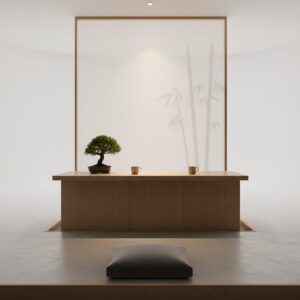
This revival stands in stark contrast to the serene, modern aesthetic of Japan’s minimalist coffee shops.
The OG Kissaten: Japan’s Original Social Hub
To understand why the “neo” version is such a big deal, we need to rewind time—way back. Let’s talk about the original blueprint: the kissaten (喫茶店). Literally meaning “tea-drinking shop,” these establishments were Japan’s answer to coffeehouses, but they were much more than just places to grab a caffeine fix. They were the cultural heartbeat of the Showa Era (1926-1989), a time of great upheaval, economic growth, and artistic flourishing in Japan.
A Third Place Long Before Starbucks Existed
Well before “third place” became a marketing term for international coffee chains, the kissaten had already perfected the idea. It was the essential space that was neither the rigid confines of home nor the demanding atmosphere of the office. It was a sanctuary, a refuge, a clubhouse. Each kissaten had its own character, often shaped by the passions of its owner, known as the “Master” (マスター). This was no mere job title; the Master curated the entire experience, serving as DJ, therapist, and guardian of the ambiance. You didn’t just visit a kissaten; you went to the Master’s kissaten. This personalized touch is worlds apart from the standardized, interchangeable nature of modern chain cafés. These were deeply personal, sometimes quirky spaces. There were jazz kissaten, where patrons would listen to rare American vinyl records in near silence to fully appreciate the music. There were classical music kissaten, equipped with immense speakers and acoustics reminiscent of concert halls. Manga kissaten offered shelves full of comics where you could spend hours for the price of a single cup of coffee. These places nurtured subculture—aspiring writers would linger for hours, chain-smoking and typing furiously on manuscripts; artists gathered to debate and sketch; businessmen, or “salarymen,” used them as unofficial meeting spots or hiding places from their bosses, with smoke serving as a protective veil. They provided privacy in a society where it was scarce. In small, cramped apartments, the kissaten functioned as your living room. It was where you went on a first date, closed a business deal, thought deeply, created, or simply did nothing at all.
The Showa Aesthetic: A Historical Vibe Check
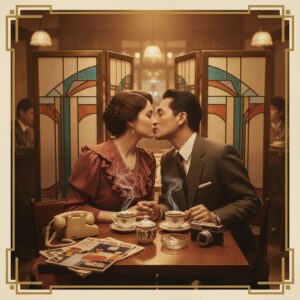
The classic kissaten’s look and feel are deeply embedded in Japan’s cultural memory. Its aesthetic is unmistakable: dark, hefty wooden walls and counters, often polished to a shiny finish over decades. Seating was plush, usually upholstered in velvet or faux leather, in rich, moody colors like burgundy, forest green, or mustard yellow. Lighting was low and cozy, cast by ornate, slightly kitschy lamps, sometimes featuring stained glass or fringed shades, creating warm pools of light in an otherwise dim space. The very air was part of the experience—a thick, complex mix of dark-roasted coffee, caramelized sugar, and, most notably, tobacco. Until recently, smoking wasn’t just permitted; it was integral to the kissaten atmosphere. The menu was a comforting collection of dishes, a unique blend of Western-style fare adapted to Japanese tastes, now regarded as classic yōshoku (Western-style Japanese food). Coffee was king, but not the third-wave, single-origin pour-over style of today. Instead, coffee was often brewed using a siphon, a theatrical, scientific-looking apparatus of glass globes and open flames, producing a strong, dark, and sometimes bitter cup. Alongside coffee came the iconic “Morning Service” or simply “Morning”—a clever marketing invention where, for the price of your morning coffee, you’d also receive a thick slice of toast (with butter or red bean paste) and a hard-boiled egg. This was a small, affordable indulgence to start the day. For lunch or dinner, you’d find dishes like Napolitan spaghetti—a sweet, ketchup-based pasta with sausage and green peppers that bears no resemblance to anything from Naples but offers intense nostalgic comfort. And then there were the sweets: towering coffee jelly parfaits, glowing cream sodas, and the star of the revival, purin (プリン). This wasn’t ordinary pudding; it was a firm, rich crème caramel with a distinct bitter dark caramel sauce, served cold and often topped with a dollop of whipped cream. It’s a flavor that brings childhood memories to generations of Japanese people.
The “Lost Decades” and the Slow Fade of the Kissaten
If these places were truly essential and culturally significant, what became of them? The decline of the kissaten reflects Japan’s evolving economy and social habits. The end of the Showa Era in 1989 coincided with the bursting of Japan’s economic bubble, ushering in the “Lost Decades” of economic stagnation. This period brought dramatic shifts to the cultural landscape.
The Arrival of the Chain Empire
The greatest disruptor was the emergence of global coffee chains, led by Starbucks, which opened its first Japanese store in Ginza in 1996. It caused a sensation. These new cafes offered what the traditional kissaten lacked or avoided: brightness, speed, and consistency. Featuring large windows and light wood, they created an airy, open atmosphere, the opposite of the dark, enclosed kissaten. They included non-smoking sections, appealing to a growing audience. Equipped with Wi-Fi, laptop outlets, and a business model focused on customer turnover and efficiency, they allowed customers to grab coffee to go—something almost unheard of in the sit-and-linger culture of the kissaten. These cafes were clean, modern, and importantly, less intimidating. In contrast, the old kissaten, often run by a somewhat gruff Master who might frown if you lingered without ordering another coffee, suddenly seemed outdated. With society accelerating, the slow, deliberate rhythm of the kissaten started to feel like a relic. Many original Masters were growing old with no successors to take over the family business. Rising rents added to the pressure. Gradually, these cherished local institutions began closing, unable to compete with the convenience and marketing power of the large chains.
A Generational Shift in Coffee Culture
For an entire generation—those who came of age in the late 1990s and 2000s—the kissaten became somewhat of a cultural blind spot. It was seen as a place for their parents or grandparents. It smelled of smoke, served bitter coffee, and the atmosphere could feel somewhat exclusive. The sleek, American-style cafe became the new norm. Coffee culture in Japan grew faster, more globalized, and more focused on the technical aspects of brewing—the beans’ origin, roast profile, and extraction method. The kissaten, emphasizing atmosphere and comfort over coffee craftsmanship, was left behind. It seemed destined to become a historical footnote, a charming but irrelevant relic fondly remembered but seldom visited by anyone under 60.
The Plot Twist: How Retro Got Its Groove Back
Then something amusing occurred. Around the mid-2010s, the trend began to shift. Young people, the very group that had deserted the kissaten, started to seek them out again— not only the few remaining originals, but newly established places carefully crafted to evoke a nostalgic, old-fashioned atmosphere. This marked the birth of the Neo-Kissaten, which became a defining aesthetic of the late Heisei and current Reiwa periods. So, what fueled this surprising reversal? It wasn’t just one cause but a perfect storm of social media influence, cultural nostalgia, and a subtle yet powerful yearning for an alternative way of living.
Heisei Retro: Nostalgia for an Era You Didn’t Experience
To grasp the Neo-Kissaten surge, one must understand the concept often referred to as “Heisei Retro.” While the kissaten aesthetic is purely Showa, the nostalgia for it originates from the Heisei Era (1989-2019) and beyond. For the Gen Z and younger Millennial generations driving this trend, the Showa era is not a firsthand experience. They didn’t grow up during that time and have no personal memories of gathering in a jazz kissaten or eating Napolitan after school. Their connection to that past is entirely filtered through pop culture—old films, anime, city pop album art, and their parents’ photo albums. This creates a unique kind of nostalgia: not a longing for the “good old days,” but an aesthetic admiration for a romanticized, curated vision of the past. It’s the vibe of the era, divorced from its real-world complications. Think of it as similar to the Western world’s fascination with 80s synthwave or 90s fashion: adopting the cool, visual elements of a time without having lived through its actual reality. Seen from afar, the Showa era appears strikingly stylish, analog, and cool—a perfect antidote to the slick, digital overload of modern life.
The “Emoi” Factor: Crafting Emotions for the ‘Gram
You can’t discuss modern Japanese youth culture without mentioning the term emoi (エモい). This slang is a Japanized form of the English word “emotional,” used to describe a distinct, intense feeling of poignant nostalgia. It’s the bittersweet ache you get watching an old home movie or the sensation of witnessing a sunset that feels almost too beautiful to bear. It’s a deeply felt, slightly sentimental mood. Neo-Kissaten are, to put it simply, peak emoi. Every detail is designed to evoke this feeling. That glowing melon cream soda? Emoi. The perfectly imperfect wobble of the purin? Emoi. The worn velvet seats and retro-patterned wallpaper? Super emoi. This makes them incredibly compelling content for social media platforms like Instagram. The visual language of the Neo-Kissaten—the vivid colors of the drinks against moody, dim interiors—is extraordinarily photogenic. It’s not just about snapping a picture of your food; it’s about capturing a mood. It’s about crafting a personal brand and aesthetic identity online. The Neo-Kissaten offers a perfect, ready-made backdrop for a curated post that says, “I’m someone who values history, style, and tranquil moments.” The food and drinks serve as both subject and prop in a carefully staged photo shoot.
A Quiet Rebellion Against Efficiency
But dismissing this as merely another Instagram trend misses the deeper narrative. The fascination with the slow, deliberate, and slightly inefficient world of the kissaten also serves as a powerful, if subconscious, response to the relentless demands of modern Japanese life. Japan is a society renowned for valuing efficiency, punctuality, and optimization. Everything is designed to be fast, convenient, and seamless. Chain cafes exemplify this: order, pay, receive your drink in 90 seconds, find a seat with an outlet, and get back to work. The Neo-Kissaten is the polar opposite. The coffee might be brewed with a siphon—a process beautiful to observe but requiring several minutes. The food is simple yet prepared with care. You’re encouraged to sit, linger, and take your time. There’s a yearning for what the Japanese call nukumori (温もり), a kind of human warmth and tangible feeling. In an age of QR code menus and digital payments, the experience of being served by a person, drinking from a unique, heavy glass instead of a paper cup, and sitting among objects that carry character and history, feels grounding. It’s a form of escapism. For an hour or two, you can step away from the relentless forward march of time and enter a space that moves at its own, much slower pace.
The Anatomy of a Neo-Kissaten: What’s New, What’s Old?
So what exactly defines a kissaten as “neo”? It’s all in the details. These new-wave cafés excel at remixing, expertly blending genuine retro elements with contemporary tastes. The result is a space that feels both nostalgically familiar and perfectly aligned with today’s vibe.
The Space: Curated Authenticity vs. Loving Tribute
Neo-kissaten typically fit into two categories. First, there’s “The Revival.” This happens when a younger entrepreneur discovers a closed original Showa-era kissaten and decides to reopen it. They act as preservers, thoughtfully restoring the original interior—the worn countertops, vintage light fixtures, and quirky wallpaper. They maintain the authentic spirit of the place but might give it a thorough cleaning, update the wiring, and perhaps add a modern sound system. Their aim is to honor the history while making it functional for a new generation. Second, there’s “The Recreation.” These are brand-new cafes created from scratch, yet designed with meticulous attention to retro details. The owners may spend months hunting for vintage furniture, scouring flea markets for Showa-era glassware, and commissioning custom wallpaper inspired by old patterns. Nostalgia here is an intentional design choice. Sometimes these places can feel a bit too perfect, like a movie set, but their commitment to crafting an authentic vibe is unquestionable. In both scenarios, there’s one major, transformative update: they almost always prohibit smoking. This single change makes them accessible and appealing to a far wider audience than the originals ever attracted.
The Menu: Classic Favorites with a Modern Twist
The menu is where the “neo” aspect truly shines. The classic kissaten staples—coffee, cream soda, and purin—remain central, but everything receives a subtle, refined upgrade. The coffee, instead of the usual dark roast, is often high-quality specialty coffee from a respected local roaster. You might still find siphon coffee on offer, but also newer options like single-origin pour-over. The familiar dishes are there, but made with better ingredients. The Napolitan may feature artisanal sausage or fresh mushrooms, and the toast served with the “Morning Service” could come from a renowned local bakery. The most obvious evolution is in sweets and drinks. The iconic melon cream soda now shares the spotlight with a whole rainbow of flavors—strawberry, blue curaçao, grape, lemon. The syrups are frequently house-made using real fruit, a far cry from the artificial green syrup of the past. The purin might be crafted from eggs sourced from special free-range farms and vanilla beans from Madagascar. Presentation is elevated as well—every item is styled to be as visually stunning as it is delicious, mindful of how it will appear in photos. Glassware is special, arrangements precise, and the cherry always perfectly perched on top.
The Crowd and the Rules: A Distinctly Modern Atmosphere
The final element shaping the experience is the crowd and the new social rules. The clientele of a neo-kissaten is a world apart from the old salarymen and artists. It’s young, fashionable, and often predominantly female. Groups of friends come dressed up, coordinating outfits to match the café’s aesthetic. Because these spots have gained popularity through social media, they often enforce new rules that would have been unimaginable in the Showa era. It’s common to see signs at the entrance outlining house policies: “One drink and one food item order per person is required,” “Please limit your stay to 90 minutes when busy,” and “Please refrain from taking photos that include other customers.” These regulations directly respond to the challenges of being an “Instagrammable” destination. They help manage long lines and ensure customers are there to pay and enjoy, not just to use the café as a free photo backdrop. It’s an intriguing paradox: a space designed to evoke a slower, more relaxed era must enforce strict rules to handle the fast-paced demands of modern social media culture.
So, Is It All Just a Fake, Instagrammable Fad?
It’s easy to view the Neo-Kissaten trend with cynicism. Seeing the carefully curated photos, the long queues, and sometimes-strict rules, you might think, “This isn’t genuine. It’s merely a superficial fad, retro styles repackaged for social media attention.” And to be fair, you wouldn’t be entirely mistaken. Instagram’s influence is undeniable, and for many visitors, capturing the perfect photo is definitely the main aim. However, I believe there’s something far more profound happening here. To write it off as just a passing craze is to overlook what it reveals about Japan’s current cultural climate.
A Tangible Connection to a Vanishing Past
Japan is a nation perpetually reinventing itself. Cities like Tokyo are in constant flux, with old structures frequently demolished to make room for the new. This ongoing cycle of destruction and renewal can foster a sense of dislocation. The Neo-Kissaten, in its modest way, resists this. Whether it’s a carefully restored original or an accurate reproduction, it offers a rare, tangible link to history. It allows the younger generation to physically inhabit a fragment of their heritage. It’s more intimate and immersive than a museum display. It’s a space where you can genuinely taste and experience a different era, creating a bond with the generations before you. It’s about understanding your origins—not through textbooks, but through the simple delight of a perfect pudding in a room that feels like a memory.
The Comfort in Beautiful Imperfection
In the end, the charm of the Neo-Kissaten likely lies in the pursuit of an alternative kind of perfection. Contemporary life, especially in Japan, often demands sleek, flawless, optimized perfection. The Neo-Kissaten presents a different ideal, closer to traditional Japanese aesthetics like wabi-sabi—the art of appreciating beauty in imperfection and transience. The slightly kitschy decor, the occasionally awkward furniture, the non-standardized menu—these are qualities, not flaws. They feel human. They possess character. In a world dominated by mass-produced, universally consistent experiences, the unique, slightly quirky personality of a kissaten is comforting and authentic. It quietly asserts that not everything needs to be new, shiny, or efficient to be valuable. It’s a place that encourages you to slow down, to be unproductive, to simply exist. It’s a gentle act of rebellion to spend an afternoon doing nothing more than sipping a brightly colored soda and listening to vintage records. So, the next time you see that glowing green drink on your screen, you’ll understand what it truly represents. It’s not just a retro beverage. It’s a glass filled with a complex mix of history, aesthetics, social commentary, and a very modern quest for something genuine. It’s Japan’s present generation looking back to its past to navigate the present, one perfectly wobbly pudding at a time.