Yo, what’s the deal? It’s your girl Amelia, and today we’re ditching the neon chaos of Tokyo and the ancient vibes of Kyoto for something totally different. We’re hopping on a ferry and gliding across the chillest body of water, the Seto Inland Sea, to an island that’s basically the main character in the world of art. I’m talking about Naoshima. This ain’t just an island with a few museums slapped on it; it’s a full-blown masterpiece where art, nature, and minimalist architecture decided to get together and create something truly epic. Think of it as the ultimate collab between Mother Nature and some of the most visionary artists and architects of our time. Before Naoshima became the global art icon it is today, it was a sleepy industrial island facing the same struggles as many rural spots in Japan—a dwindling population and an uncertain future. Then, in the late 1980s, the Benesse Corporation and its visionary leader, Soichiro Fukutake, had a wild idea: what if they could regenerate the island not with factories, but with art? They brought in the legendary architect Tadao Ando, a master of concrete and light, and the rest is history. They didn’t just build museums; they wove art into the very fabric of the island, creating a place where you don’t just look at art, you live it. It’s a low-key revolution, a testament to how creativity can transform a community and a landscape. It’s a place that asks you to slow down, to breathe, and to see the world a little differently. This is the pilgrimage for anyone who stans art, architecture, or just needs a serious vibe shift. So, grab your comfiest shoes, clear your phone’s memory, and let’s get into it. This is Naoshima, and trust me, it’s about to be your new obsession.
To dive deeper into the transformative journey of this incredible destination, explore our feature on Naoshima’s artistic glow-up.
The Vibe Check: What Naoshima Actually Feels Like
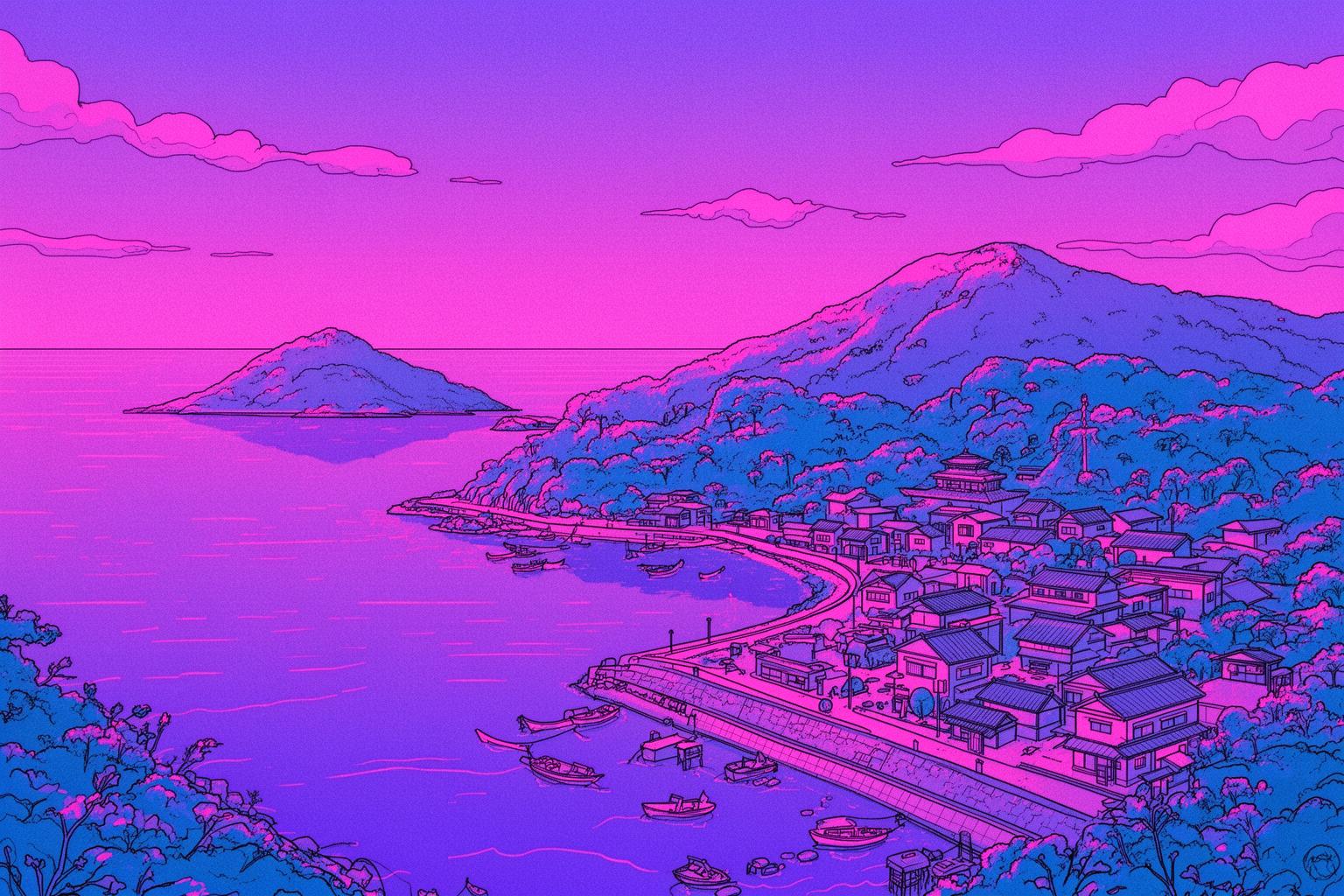
Before we explore the specific art sites, we need to talk about the vibe, because Naoshima’s atmosphere is the true star. Stepping off the ferry at Miyanoura Port feels like turning down the noise of the outside world. The air here is different—fresher, with a salty hint from the Seto Inland Sea. Life’s pace slows to a near standstill. There are no hurried salarymen chasing trains, no blaring ads, no overwhelming crowds. Instead, you hear the gentle chug of the ferry, the calls of seabirds, and the soft whir of electric bicycles gliding along coastal roads. It’s a sensory reset.
This island doesn’t demand your attention loudly. It whispers. The art isn’t confined to galleries; it’s everywhere, hiding in plain view. You might be cycling down a quiet lane and suddenly spot a quirky sculpture tucked into a garden. You could walk past a traditional Japanese house and realize its interior has been transformed into a mind-bending installation. This element of discovery is at the heart of the Naoshima experience. It makes you feel less like a tourist and more like an explorer on a treasure hunt. The island invites you to be present, to notice the subtle details—the way light touches a concrete wall, the rustle of wind through bamboo, the texture of an old wooden building.
The dominant architectural language here is that of Tadao Ando. His distinctive style—smooth, exposed concrete, geometric shapes, and masterful use of natural light—defines the island’s main museums. His buildings don’t dominate the landscape; they engage with it. They frame views of the sea, channel sunlight into underground spaces, and create moments of quiet reflection. Standing inside one of his structures, you feel a deep sense of peace and order. It’s minimalism that feels warm and human, not cold or sterile. The concrete seems to soak up the island’s tranquility, creating spaces that are both grand and intimately comforting.
Exploring by electric bike is unquestionably the best way to absorb this atmosphere. It gives you the freedom to stop whenever a view captures your eye or a hidden path calls. You’ll pedal past quiet beaches with turquoise waters, through small fishing villages where locals greet you warmly, and up winding hills that reward you with stunning panoramic views of the sea and nearby islands. Each turn of the pedals draws you deeper into the island’s rhythm. It’s a feeling of pure, unfiltered freedom. In a world that constantly demands our attention, Naoshima offers a rare gift: the space simply to be. It’s a digital detox, a creative pilgrimage, and a spiritual retreat all in one. The vibe is pristine, serene, and utterly unforgettable. It seeps into your soul and lingers long after you’ve gone.
The Main Attraction: Art Sites That are Straight-Up Fire
Alright, let’s dive into the heavy hitters. The art on Naoshima isn’t just impressive; it’s a collection of world-class installations that will challenge your perception and leave you speechless. Each site offers a complete experience, so let’s break down the must-see spots.
Chichu Art Museum: The Underground Legend
If you have time for only one attraction on Naoshima, make it the Chichu Art Museum. But honestly, you’ll want to see it all. Chichu, meaning “in the earth,” is an architectural marvel by Tadao Ando. To preserve the island’s natural coastline, Ando chose to bury the entire museum underground. From the outside, it’s barely noticeable except for a few geometric openings that let in sky and light. This place perfectly embodies quiet confidence.
Your journey starts before you enter the museum. The ticket center is in a separate building, and from there, you walk along a serene path past a small pond inspired by Monet’s garden at Giverny. This gentle transition sets a contemplative mood. Inside, you enter Ando’s world of concrete, light, and shadow. The corridors are spacious and silent, evoking reverence. The museum relies solely on natural light, so the art’s appearance shifts with the time of day, weather, and seasons. It’s a living, breathing environment.
The museum focuses on the work of just three artists. It’s not about quantity but deep, immersive engagement.
Claude Monet’s “Water Lilies”
First is a room dedicated to five paintings from Monet’s “Water Lilies” series. This isn’t your typical gallery visit. Before entering the main chamber, you remove your shoes and slip on soft slippers. The floor is made of 700,000 tiny cubes of Carrara marble, cool and smooth beneath your feet. The walls are a soft off-white with curved corners, making the room feel infinite. Soft, diffused natural light filters down from an unseen ceiling, creating the sensation of stepping inside a cloud. And there are the Water Lilies. Without harsh artificial lighting, the colors glow like never before. You can get close, see every brushstroke, and feel the texture. It’s an intimate, meditative encounter with the master impressionist. You’re not just viewing the paintings; you’re sharing the light and atmosphere Monet aimed to capture.
Walter De Maria’s “Time/Timeless/No Time”
Next, you ascend a grand, sunlit staircase into a cavernous hall showcasing Walter De Maria’s work. The scale of this installation is awe-inspiring. A massive, 2.2-meter polished granite sphere sits at the top of the stairway like a deity from another dimension. Twenty-seven gilded wooden geometric sculptures line the walls. Light pours in through a long skylight, and as the sun moves, light and shadows dance across the space, transforming it. Depending on the time, the sphere may reflect a perfect slice of blue sky or a fiery orange sunset. It’s a powerful meditation on time, space, and our place in the universe. You feel both small and utterly amazed.
James Turrell’s Works of Light
Finally, you step into James Turrell’s realm, where light itself becomes sculpture. His Naoshima works are some of his most renowned and truly mess with your perception. In “Afrum, Pale Blue,” a glowing blue square appears to float in the corner. As you approach, you realize it’s not projected light but an opening filled with light, creating a solid illusion. It’s both disorienting and magical. In “Open Field,” you climb a short flight of stairs into a frame of deep blue light resembling a flat screen. You’re invited to walk into the light, where walls, floor, and ceiling dissolve, creating a sense of infinity. The grand finale, “Open Sky,” has you seated inside a square room with a large ceiling opening perfectly framing the sky. You watch clouds drift by as daylight shifts from pale blue to deep indigo at sunset. During a special program, hidden LEDs around the opening change the room’s color, altering your perception of the sky itself. Is the sky really changing colors, or is it the shifting light? It’s a mind-bending, profoundly beautiful experience connecting you to the cosmos.
A critical note: You MUST book your Chichu Art Museum tickets online well in advance. They sell out weeks or even months ahead, especially for popular time slots. Don’t expect to buy a ticket at the door—you’ll be disappointed. Planning ahead ensures one of the most profound art experiences of your life.
Benesse House Museum: Where Art Meets Accommodation
Benesse House, another Tadao Ando creation, combines a museum with a luxury hotel. Its concept blurs the lines between art, architecture, nature, and lodging, creating an environment constantly infused with creativity. Even if you don’t stay overnight, the museum is a must-visit. The building features massive glass windows offering stunning views of the Seto Inland Sea, with architecture designed to bring nature inside through ramps and walkways that guide you through the collection.
The art collection is eclectic and impressive, showcasing works by international and Japanese artists like Andy Warhol, Jean-Michel Basquiat, David Hockney, and Yasumasa Morimura. Unlike conventional museums, art here spills beyond the main galleries into corridors, terraces, and even along the coastline. The complex is divided into four main areas:
- Museum: The main building with spacious, light-filled galleries that allow each piece room to breathe. The spiraling ramp through the core is an architectural highlight.
- Oval: The most exclusive hotel wing, accessible only to overnight guests via private monorail. This secluded building houses just six rooms around a large oval pool open to the sky—a poetic architectural gem with breathtaking views.
- Park and Beach: These accommodation wings near the shore are surrounded by a sculpture park open to visitors. Here, some of Naoshima’s most iconic outdoor artworks dot the cliffs and beach. Walking this area is a delight, discovering playful and thought-provoking sculptures against the sparkling sea.
Staying at Benesse House is a serious splurge but comes with a major perk: 24-hour access to the museum galleries. Imagine wandering silent halls at midnight, sharing a private moment with a Basquiat. It’s a once-in-a-lifetime treat for art lovers.
The OG Icons: Yayoi Kusama’s Pumpkins
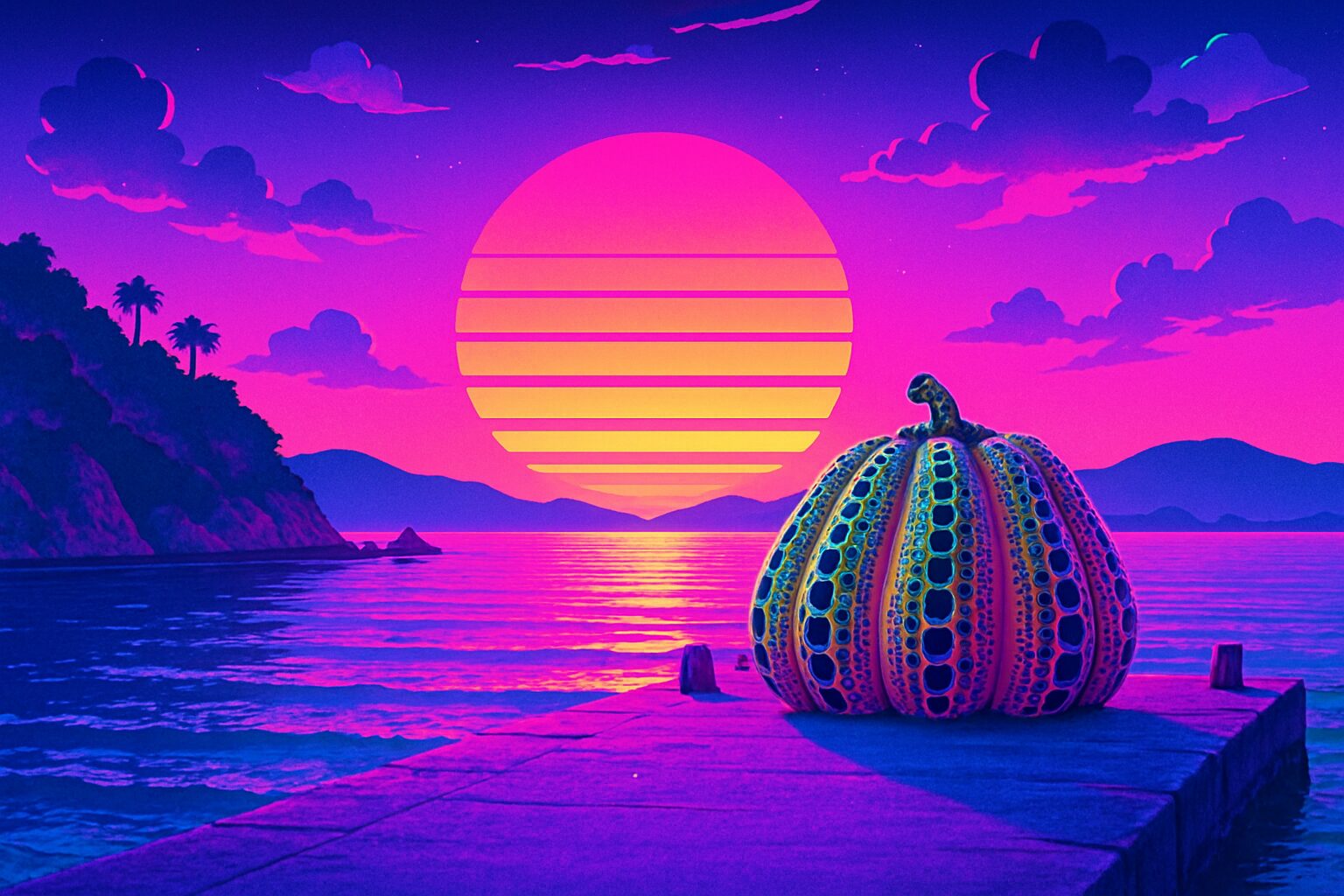
No discussion of Naoshima is complete without mentioning the pumpkins. For years, Yayoi Kusama’s “Yellow Pumpkin,” perched at the end of a pier, was the island’s iconic symbol. It was the quintessential shot for Instagram—quirky, colorful joy against the blue sea. In 2021, a typhoon swept the beloved pumpkin into the sea, badly damaging it. The art world mourned. But Naoshima is an island of resilience and renewal. In 2022, a newly made Yellow Pumpkin was installed in the same spot, reaffirming its symbolic power. Seeing it there, bright and defiant against the elements, is a special experience.
Don’t overlook its counterpart! At Miyanoura Port, where the main ferry docks, you’re greeted by the “Red Pumpkin” (officially Akakabocha). Larger than the yellow one, you can actually enter it. Its hollow interior is dotted with black polka-dot windows casting playful circles of light on the ground. This interactive piece offers a perfect welcome and farewell to the island. It’s the first and last artwork you’ll see, perfectly capturing Naoshima’s playful, accessible art spirit.
Honmura’s Living Art: The Art House Project
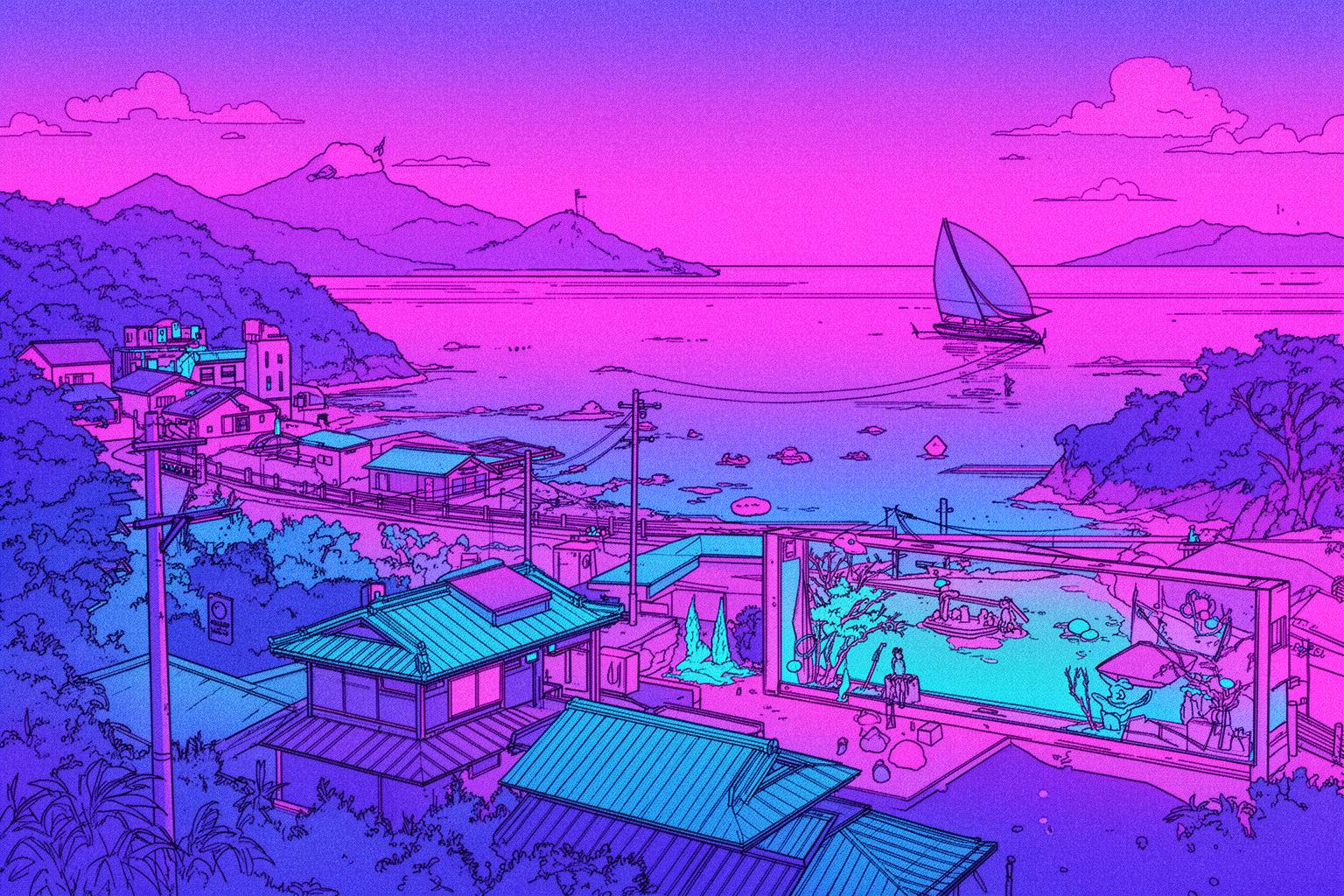
While the major museums are impressive, the Art House Project in the port town of Honmura might just capture your heart. This initiative adopts a completely different approach. Rather than constructing new buildings, it revitalizes old, vacant houses, transforming them into permanent, site-specific art installations. It’s a brilliant way to blend contemporary art with everyday community life while preserving the town’s historic charm.
You purchase a combination ticket granting access to six of the seven houses (one, Kinza, requires a separate, timed reservation). Then, equipped with a map, you wander the charming, narrow streets of Honmura in search of them. It feels like a magical scavenger hunt. Each house is a world unto itself.
Kadoya: Sea of Time
The first house in the project, this 200-year-old building has been restored to its original splendor. Inside, artist Tatsuo Miyajima presents a mesmerizing installation. A pool of water covers the floor, beneath which are 125 multicolored LED counters, each flashing numbers from 1 to 9 at varying speeds. Each speed was set by a Naoshima resident, making it a deeply personal and moving reflection on life, death, and the passage of time. It is beautiful, meditative, and a remarkable beginning to the journey.
Minamidera: Backside of the Moon
This is the showstopper. A collaboration between concrete maestro Tadao Ando and lighting master James Turrell. From the outside, it looks like a new building—a stark, dark wooden structure designed by Ando to blend into the traditional townscape. Inside, it’s an entirely different experience. You enter a space of utter, pitch-black darkness where you can’t see your hand in front of your face. It’s disorienting, and you must feel your way along the wall to find a bench. You sit in the void, senses heightened. Gradually, after five or ten minutes, a faint deep-blue rectangle of light appears at the far end of the room. It seems like a mirage. Is it real? As your eyes adjust further, the light sharpens, revealing the space and people around you. Turrell plays with your sensory perception, demonstrating that seeing is a physical, subjective process. This is an unforgettable, almost spiritual experience that will remain with you forever. Be sure to get a numbered ticket for a specific time slot for this one, making it a priority upon arrival in Honmura.
Go’o Shrine: The Glass Staircase
This one is a journey. Artist Hiroshi Sugimoto reimagines a centuries-old Shinto shrine. While the main and worship halls have been restored, the true marvel is the connection between them. Sugimoto designed an optical glass staircase descending from the main hall into an underground stone chamber, symbolizing the bond between heaven and earth. For a small extra fee and a bit of climbing, you can descend into the dark chamber with a flashlight to look up at the ethereal light filtering through the glass steps. It’s a stunning fusion of ancient Shinto tradition and contemporary artistic vision.
Ishibashi: The Falls
Once owned by a wealthy salt merchant, this house now showcases two magnificent paintings by Hiroshi Senju, famous for his large-scale waterfall depictions. The paintings reside in a traditional storehouse with dark wooden walls. One is painted directly on the plaster walls—a vivid, powerful image of a cascading waterfall. The other is a subtler, monochrome painting on fusuma (sliding panels) in a tatami room overlooking a tranquil Japanese garden. The contrast between the dynamic energy of the falls and the peaceful traditional setting is simply sublime.
Gokaisho: Camellia Dreams
This small building was formerly a gathering spot for Go players. Artist Yoshihiro Suda has created a deceptively simple installation here. In a quiet tatami room lies a single, exquisitely carved and painted wooden camellia flower on the floor, as if recently fallen from the beautiful camellia tree outside. Another camellia sculpture is scattered in the next room. It is a quiet meditation on the boundary between nature and art, the real and the artificial. This subtle artwork invites you to slow down and observe closely.
Haisha: The Scrapbook House
Literally meaning “dentist,” Haisha was once the home and office of the local dentist. Artist Shinro Ohtake has transformed it into a chaotic, whimsical, and wonderfully overwhelming scrapbook of a house. It’s a collage of various styles and materials—part scrapyard, part sculpture, part painting. You can peek through holes in the floor, spot a giant Statue of Liberty replica inside, and marvel at the sheer creative energy packed into one building. It stands in stark contrast to the minimalist serenity of the other houses and is a whole lot of fun.
Kinza: The Exclusive One
This is the only Art House requiring a separate online reservation, booked well in advance, allowing only one person inside at a time for 15 minutes. This tiny, 200-year-old house has been transformed by artist Rei Naito into a space for quiet contemplation on the experience of being alive. It is a highly sought-after, deeply personal experience.
Getting Around: The Island Logistics Lowdown
Alright, so you’re hooked on the vibe. But how do you actually get to and navigate this art paradise? Don’t worry, it’s simpler than you think, though a bit of planning definitely helps.
Getting to Naoshima
Since Naoshima is an island, your final leg will always be by ferry. There are two main ports serving as entry points:
- From Uno Port (Okayama Prefecture): This is the most popular route if you’re coming from cities like Osaka, Kyoto, or Hiroshima. Take the Shinkansen (bullet train) to Okayama Station, then switch to a local JR Uno Line train for the roughly 50-minute trip to Uno Port. The train station is right next to the ferry terminal. Ferries to Naoshima’s Miyanoura Port run frequently and take about 20 minutes. The scenic journey is part of the overall adventure.
- From Takamatsu Port (Kagawa Prefecture): If you’re exploring Shikoku, this is your gateway. Takamatsu is a major city with an airport and a large JR station, and the ferry terminal is a short walk away. Ferries run to both Miyanoura Port (about a 50-minute ride) and Honmura Port (a smaller, less frequent passenger ferry). Takamatsu is famous for its udon noodles, so be sure to grab a bowl before boarding!
The ferry ride itself sets the mood perfectly. Standing on deck, feeling the wind, and watching the small pine-covered islands of the Seto Inland Sea drift by is the ideal way to slip into “island time.” And spotting the Red Pumpkin for the first time as you arrive at Miyanoura Port is a genuine thrill.
Getting Around the Island: Transport Options
Naoshima is small but quite hilly, so choosing the right mode of transport makes all the difference.
- Electric Bicycles (E-Bikes): This is the way to go—truly the best option. Renting an e-bike offers freedom to explore at your own pace, stop for photos whenever you like, and uncover hidden parts of the island. There are several rental shops near Miyanoura Port. Why choose an e-bike over a regular bike? Because of the hills—there’s a particularly tough climb on the way to Benesse House and the Chichu Art Museum. With an e-bike, you’ll cruise up with a smile while others struggle. It’s definitely worth the extra cost. Book in advance if possible, especially on busy weekends.
- Town Bus: The island has a small public bus system timed to connect with most ferries. It runs between Miyanoura Port, Honmura, and the Tsutsuji-so bus stop near Benesse House Museum. It’s inexpensive and reliable but runs only once or twice an hour, so you may spend some time waiting and checking schedules. There’s also a free shuttle bus operating between the Benesse art sites (Benesse House, Chichu Museum, Lee Ufan Museum). Combining the town bus and shuttle is an effective way to reach the key spots.
- Walking: You can explore certain areas on foot. The Honmura district, home to the Art House Project, is ideal for strolling, as is the Benesse House area. However, walking the entire island isn’t practical for most unless you’re a serious hiker with plenty of time.
- Taxis: They’re available but very limited—only a few on the whole island—so don’t count on flagging one down. You can have a taxi called from your hotel or a museum, but they’re best for short, direct rides like getting from the port to your hotel with luggage.
My insider tip? Rent an e-bike for maximum freedom, but keep a bus timetable handy in case of bad weather or fatigue. That way, you get the best of both worlds.
Stay and Slay: Where to Crash and What to Eat
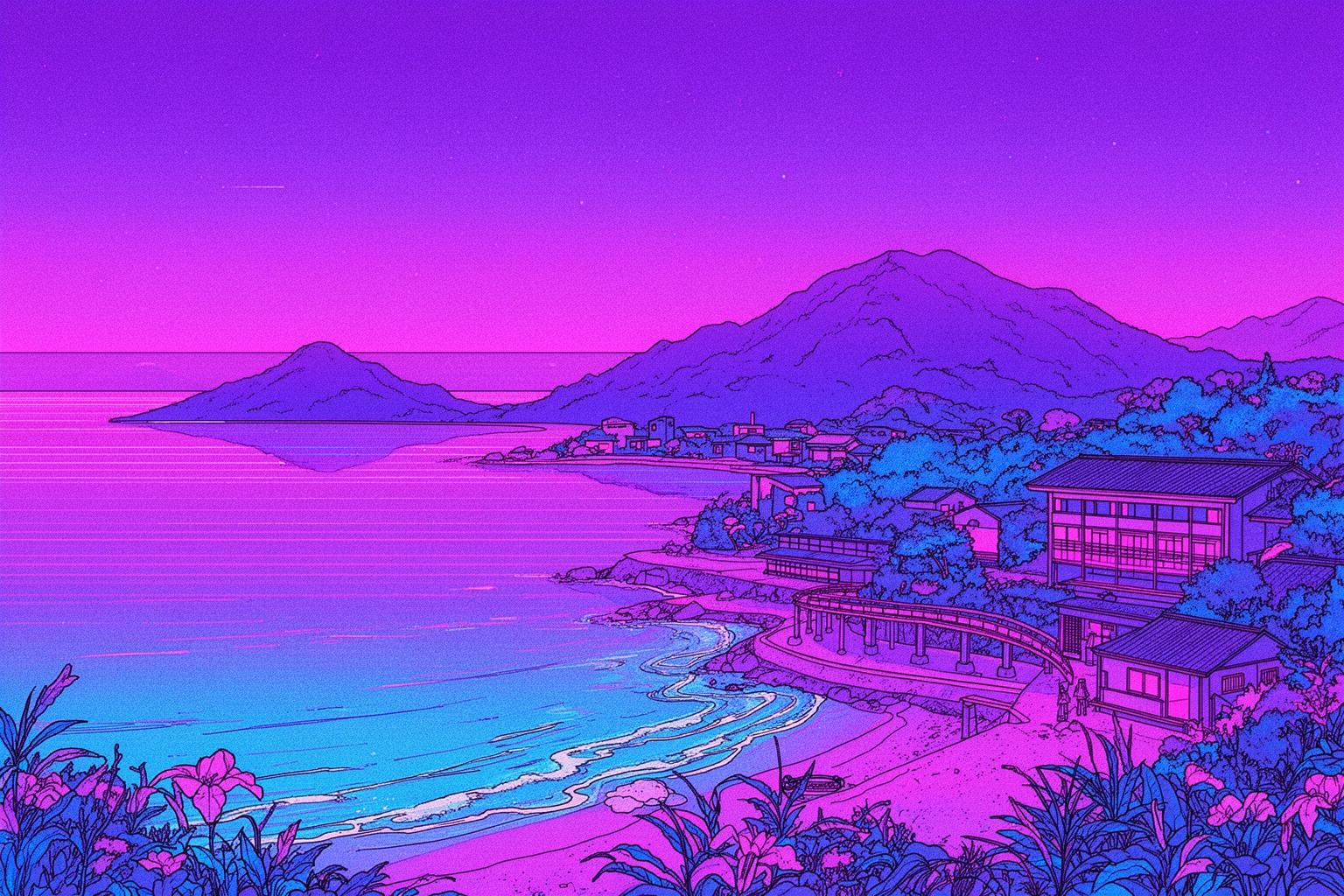
Naoshima embraces a slow-paced lifestyle, so staying overnight is highly recommended. A day trip feels rushed and hectic, while an overnight stay allows you to enjoy the island’s magical tranquility in the evening and early morning.
Accommodation: Options from Luxurious to Budget-Friendly
- Benesse House: As mentioned, this represents the ultimate lodging experience on Naoshima. If your budget permits, it’s unforgettable. Waking up inside a work of art, with sea views and 24/7 museum access, is a traveler’s dream. You can choose to stay in the main Museum building, the exclusive Oval, or the Park and Beach wings by the sea.
- Minshuku (Japanese Guesthouses): For a more authentic and economical experience, consider staying at a minshuku in Honmura or Miyanoura. These family-operated guesthouses often occupy traditional Japanese homes. You’ll likely sleep on a tatami mat floor with a futon and share a bathroom. Many hosts are warm and offer delicious homemade Japanese breakfasts and dinners. It’s a fantastic way to experience local hospitality. Just be sure to book early, as the best ones fill up quickly.
- Boutique Hotels and Hostels: Recently, more modern and stylish accommodations have appeared. Small, design-focused inns and a few contemporary hostels offer a middle ground between the luxury of Benesse House and the tradition of minshuku. They provide excellent value and a chance to meet fellow travelers.
Important tip: Accommodation on this small island is very limited. For weekends, holidays, or during the Setouchi Triennale, you must book your room months in advance. Seriously, spontaneity won’t work when trying to secure a bed on Naoshima.
The Food Scene: Simple and Genuine
Naoshima isn’t a major foodie destination like Osaka, but it offers plenty of charming and tasty options to keep you fueled for your art explorations.
- Cafes Galore: The island features numerous cute cafes, many visually appealing themselves. The Chichu Cafe inside the Chichu Art Museum serves simple dishes and boasts a terrace with one of the best sea views on Naoshima—a perfect spot for coffee and cake in the afternoon. You’ll also find many others in Honmura and Miyanoura serving light lunches, curry rice, and coffee.
- Local Eateries: For heartier meals, check out small restaurants in the port towns. They serve fresh seafood from the Seto Inland Sea, ramen, and udon (Kagawa Prefecture is famously Japan’s udon capital). Many are family-run, offering a cozy and welcoming atmosphere.
- I ♥ Yu: This is a Naoshima staple. It’s a working public bathhouse (sento) that doubles as a wild art installation by Shinro Ohtake. With its kitschy chaos—from the giant elephant sculpture outside to the vibrant tile murals inside—it’s worth a visit even if you don’t bathe. There’s also a small attached cafe/bar.
A piece of advice: On Naoshima, places close early. Many cafes and restaurants operate only during lunchtime. Dinner options, especially in Honmura, can be very limited. It’s wise to eat at your accommodation if possible or plan ahead by checking the evening hours of the few restaurants that stay open late.
The Nitty-Gritty: Pro-Tips for Your Naoshima Pilgrimage
A little insider knowledge can elevate your trip from great to absolutely perfect. Here are some final tips.
- The Golden Rule: BOOK IN ADVANCE. I’ve mentioned this before, and I’ll say it again. Chichu Art Museum tickets, Kinza Art House tickets, and your accommodation—if you plan to visit during a busy season, secure these as soon as your dates are set.
- Avoid Mondays: Most art venues, including Chichu, Benesse House Museum, and the Art House Project, are closed on Mondays. If a Monday falls on a national holiday, they usually remain open but close the following Tuesday. Always double-check the official Benesse Art Site Naoshima calendar online before finalizing your plans.
- Carry Cash: While major places like museums and hotels accept credit cards, many smaller minshuku inns, bike rental shops, and local cafes may only take cash. It’s wise to have a good amount of Japanese Yen on hand.
- Pack Light: You’ll be frequently boarding ferries and possibly cycling uphill. Travel light. If you have large luggage, use coin lockers at Miyanoura Port or ask your accommodation if you can drop off your bags early. Don’t be the person hauling a bulky roller suitcase through the charming streets of Honmura.
- Timing Matters: Spring (March-May) and Autumn (October-November) offer the most comfortable weather for sightseeing. Summer (June-August) is hot and humid but lush and green. The Setouchi Triennale, a major art festival held every three years, is an incredible time to visit, featuring extra exhibits and events, but the islands get very crowded. If you prefer tranquility, skip the Triennale years.
- Give Yourself Time: Is it possible to “do” Naoshima in a day? Technically yes, if you rush like crazy. But you’ll miss the essence. The island’s magic unfolds when you slow down. I highly recommend staying at least one night and spending two full days, which allows you to explore the main sites without hurrying and truly absorb the atmosphere. Three days is even better, giving you a chance to revisit favorites or take a day trip to the nearby art island of Teshima.
The Gentle Closing: A Vibe That Stays With You
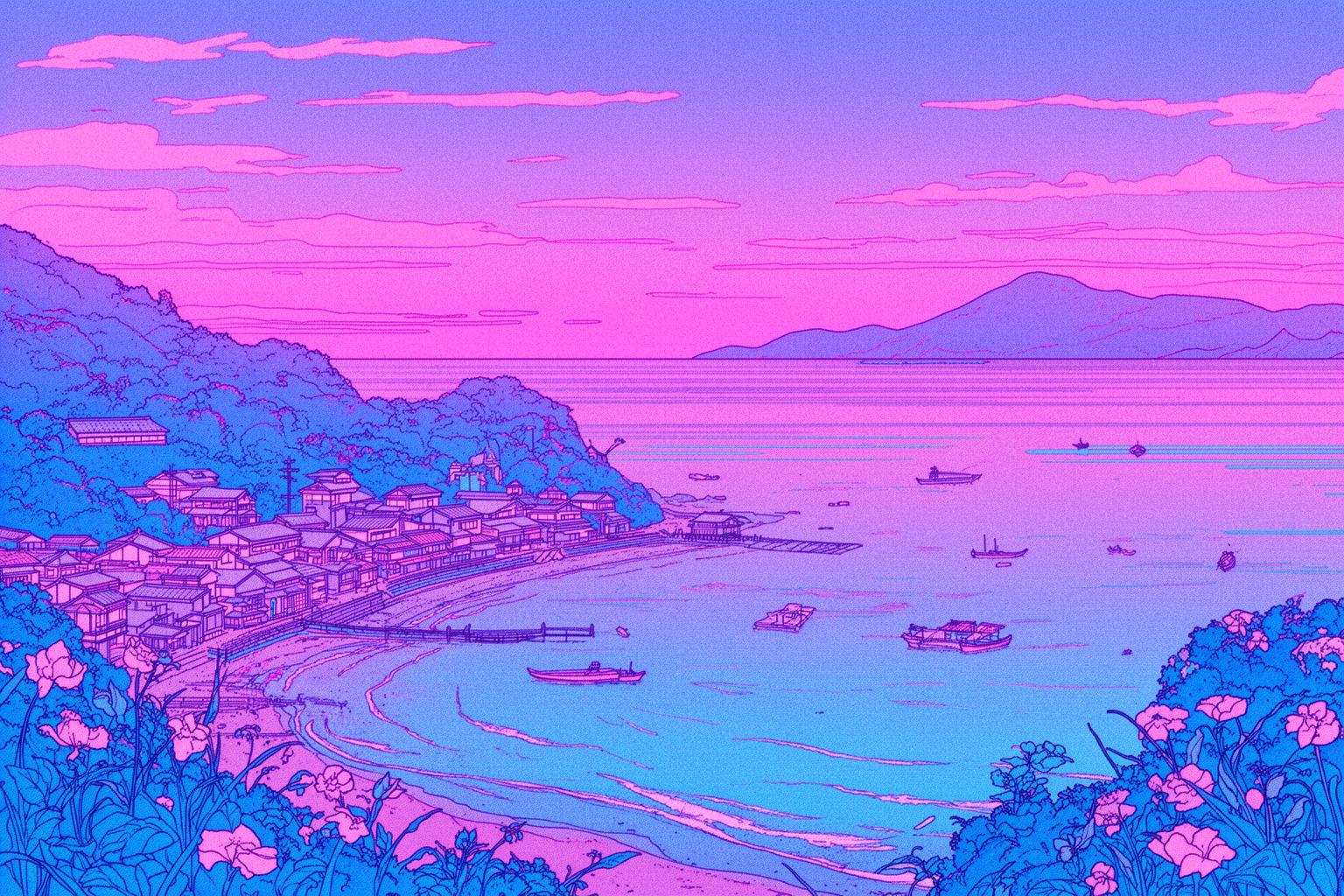
Leaving Naoshima feels like awakening from a beautiful, minimalist dream. As the ferry departs from the port and the Red Pumpkin fades into a tiny dot on the horizon, you’ll realize the island has given you more than just a camera roll full of stunning photos. It offers you a fresh perspective. It reminds you that art doesn’t have to be confined to stuffy galleries, that architecture can coexist harmoniously with nature, and that there is profound beauty in simplicity and silence.
Naoshima is a conversation. It’s the dialogue between a Tadao Ando concrete wall and the shifting sunlight. It’s the exchange between a centuries-old shrine and a futuristic glass staircase. It’s the quiet connection between a sleepy fishing village and the global art world. It’s a trip that recharges your creative spirit and soothes your soul. It’s a place not just seen with the eyes, but felt with the heart. A visit to Naoshima is more than a vacation; it’s an experience that subtly rewires your mind and lingers like a gentle hum in the background long after you’ve returned to everyday life’s noise. So go ahead, make the pilgrimage. It’s a total vibe. Bet.