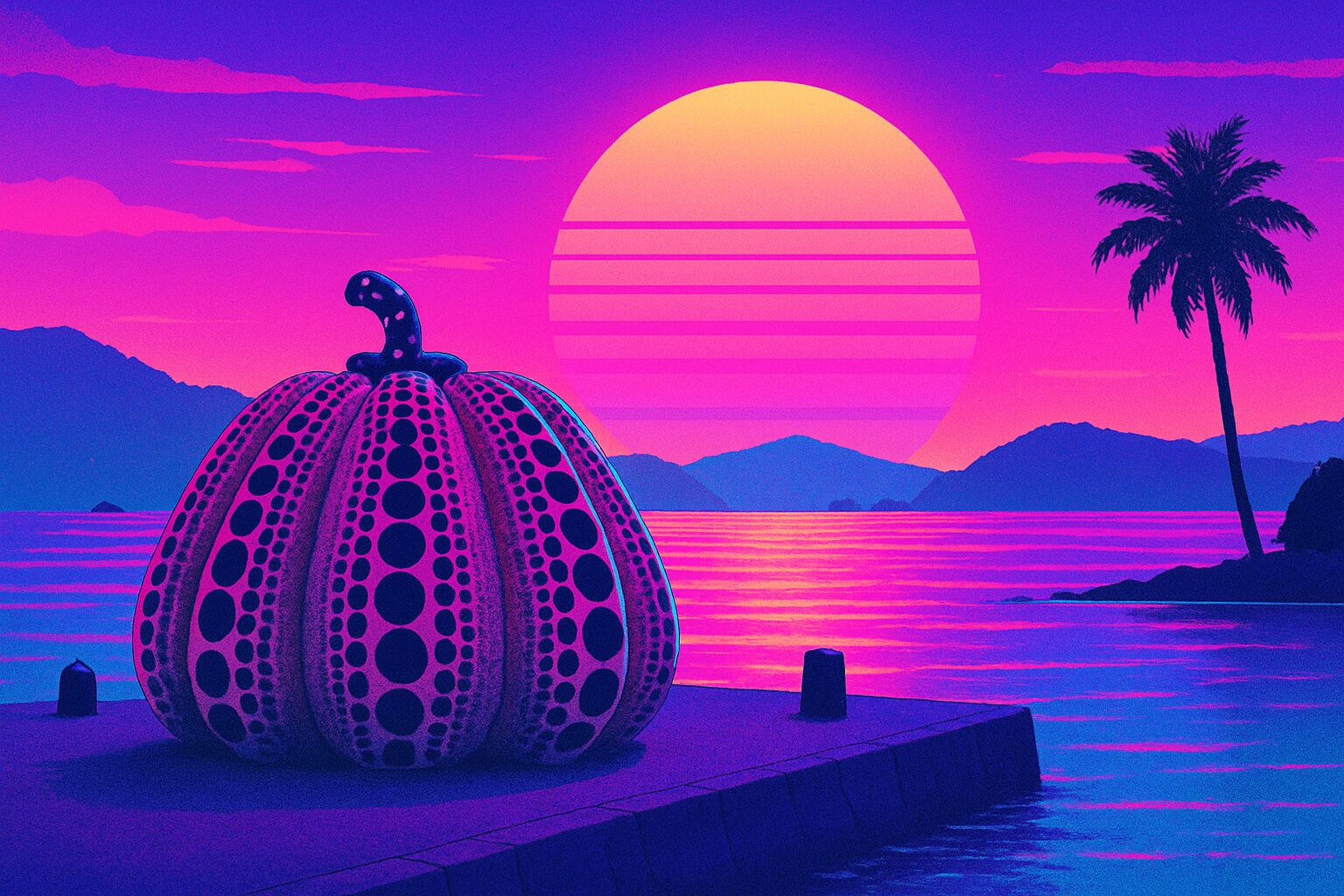
Alright, let’s spill the tea. Picture this: you’re floating on the calm, sparkling waters of Japan’s Seto Inland Sea. You see an island on the horizon, not just any island, but one where a giant, polka-dotted pumpkin greets you from the pier. You step off the ferry and the air feels different—thick with creativity, sea salt, and a low-key magical buzz. This isn’t a dream sequence from your favorite indie film; this is Naoshima, the legendary “art island.” Once a sleepy industrial island facing decline, Naoshima went through the most epic glow-up imaginable, transforming into a world-class destination where art, nature, and architecture don’t just coexist, they’re in a full-blown, beautiful situationship. It’s a place that proves art isn’t just something to be hung on a white wall; it’s something to be lived, breathed, and experienced. This is the spot where you can wander from a Monet masterpiece housed in a subterranean concrete sanctuary to a centuries-old village where empty homes have been reborn as mind-bending art installations. Naoshima isn’t just a travel destination; it’s a whole mood, a pilgrimage for anyone whose heart beats for aesthetics, architecture, and the kind of surreal beauty that makes you question, like, everything. It’s a quiet rebellion against the ordinary, a masterpiece painted on the canvas of an entire island. So, if you’re ready to have your mind blown and your camera roll blessed, stick with me. We’re about to dive deep into the island that put the Setouchi region on the global art map and basically redefined what a museum can be. Get ready, because your definition of reality is about to get a serious remix.
Naoshima’s transformation is a key part of the larger Setouchi Triennale, a world-renowned contemporary art festival that revitalized the entire region.
The Vibe Check: What It Actually Feels Like on Naoshima
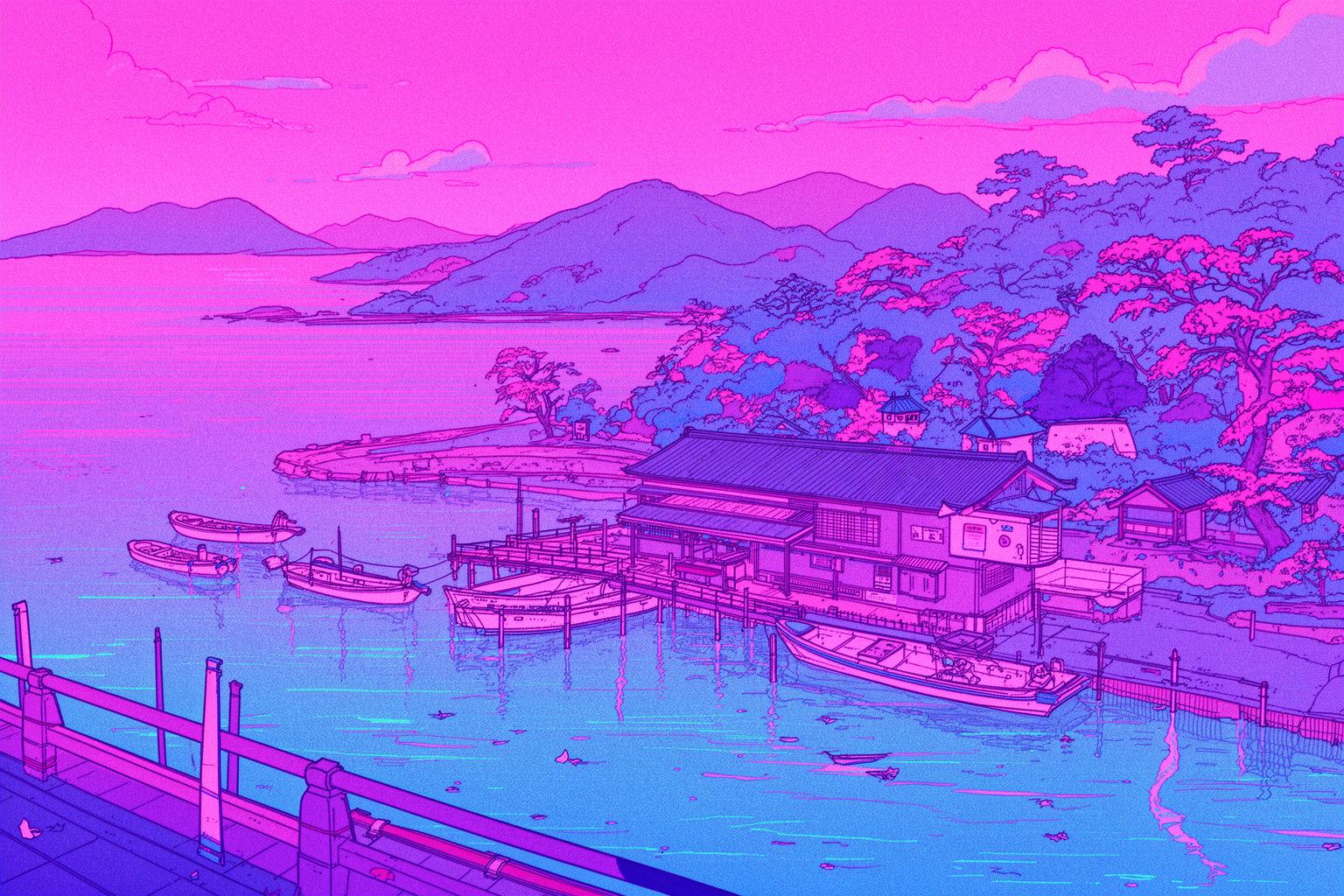
Before diving into the details of what to see and do, we need to discuss the vibe. On Naoshima, the atmosphere takes center stage. Stepping onto the island feels like passing through a subtle filter. Colors appear more vivid, sounds grow softer, and time itself seems to slow. It’s a sensation difficult to capture in a single Instagram story—a deeply personal, immersive experience unfolding with every step. The island is surprisingly quiet, especially away from the main ferry ports of Miyanoura and Honmura. The soundtrack is the gentle lapping of waves, rustling leaves, and the distant hum of a passing fishing boat. This profound peace lets the art truly speak to you. You’re not rushing between exhibits in crowded, noisy galleries. Instead, you cycle along a coastal road where a vibrant, abstract sculpture suddenly emerges against the blue sea and sky. This surprise, discovering art in its natural habitat, makes Naoshima so captivating.
There’s a compelling tension here, a duality defining the island’s character. Remnants of its industrial past remain—the massive, still-operating Mitsubishi Materials refinery on the northern side is a stark, almost dystopian sight. Yet this gritty industrialism doesn’t clash with the pristine, high-concept art. Instead, it creates a powerful contrast, narrating transformation and rebirth. It’s a constant reminder of the island’s origins and the visionary effort behind its evolution. The architecture, largely dominated by Tadao Ando’s minimalist concrete poetry, plays a significant role. His structures don’t dominate the landscape; they engage with it. They curve with hills, sink into the earth, and use light and shadow as primary materials. Walking through one of his buildings, like the Chichu Art Museum, feels less like visiting a museum and more like participating in a sacred ritual. The air cools as you descend, your eyes adjusting to dim light, leaving you alone with your thoughts and a single, powerful artwork. It’s an intensely personal, meditative experience demanding presence. This is the essence of the Naoshima vibe: it’s not passive viewing, but active engagement with your surroundings. It’s the freedom felt pedaling an electric bike up a winding hill, the panoramic view of the Seto Inland Sea unfolding before you. It’s the quiet contemplation before a Monet, the playful joy of a selfie with a giant pumpkin, and the warm connection of sharing a meal at a small, family-run restaurant. It’s a place inviting you to slow down, look closer, and find art everywhere—the curve of a coastline, the texture of concrete, the flavor of fresh seafood. It’s a full-body, full-soul experience leaving an indelible mark, a surreal tranquility you carry long after boarding the ferry back to the mainland.
The Main Characters: Iconic Art You Can’t Ghost
While the overall atmosphere plays a huge role in the appeal, let’s be honest—you’re here to see the A-listers of the art world. Naoshima is filled with iconic artworks and architectural wonders that have become emblematic of the island itself. These are the highlights, the pieces that have adorned countless magazine covers and topped art enthusiasts’ bucket lists. Experiencing them in person is truly a ‘pinch me’ moment, each offering a uniquely unforgettable encounter.
Queen Kusama’s Pumpkins: The Original Influencers
You can’t discuss Naoshima without mentioning Yayoi Kusama’s pumpkins. They are the island’s undisputed mascots, the vibrant, polka-dotted symbols that greet you on arrival and bid you goodbye. Seeing them for the first time feels like meeting a celebrity. The initial encounter is often with the “Red Pumpkin” (Akakabocha) at Miyanoura Port, right where most ferries arrive. It’s massive, hollow, and covered in large black polka dots. Unlike much art, this piece is fully interactive—you can step inside, look out through the holes, and become part of the artwork itself. It’s playful, joyful, and perfectly sets the tone for your island adventure. It’s the ultimate icebreaker, instantly inviting you to let go of your inhibitions and embrace Naoshima’s whimsy.
But the true icon, the enduring emblem of the island, is the “Yellow Pumpkin.” Positioned at the end of a small pier on the Benesse House grounds, it stands splendidly alone against the backdrop of sea and sky. Its placement is pure genius. The contrast between the bright yellow and black and the natural blues and greens of its surroundings is just chef’s kiss. The experience shifts throughout the day—bright and cheerful in midday sun, dramatic and silhouetted at sunset. The original pumpkin was famously swept away by a typhoon in 2021, a poignant loss to the art world. Yet in a resilient act mirroring the island’s own spirit, a new, sturdier version was installed in 2022, ready to continue its reign. Standing before it, with gentle waves lapping at the pier, you understand why this simple sculpture has captured so many hearts. It symbolizes joy, endurance, and the delicate, beautiful relationship between art and nature.
Chichu Art Museum: The Underground Glow-Up
If the pumpkins are the playful welcome party, the Chichu Art Museum is the profound, soul-stirring main event. Brace yourself—it’s on another level. Designed by master architect Tadao Ando, “Chichu” means “in the earth,” and the museum is almost entirely underground to preserve the island’s natural coastline. From outside, it’s barely visible—just a few geometric concrete openings carved into a lush green hill. The brilliance of this design is how it compels you to leave the outside world behind and enter a realm devoted solely to art contemplation. The entire experience is carefully choreographed, from your arrival at the ticket center to the walk up the hill past a garden inspired by Monet’s at Giverny. You’re being gently prepared for what lies ahead.
The museum permanently showcases works by just three artists: Claude Monet, Walter De Maria, and James Turrell. This focused curation allows for deep, unhurried engagement with each piece. The Monet room is breathtaking. You remove your shoes and step onto cool, white marble flooring. Soft natural light filters down from a hidden skylight. Five massive paintings from Monet’s “Water Lilies” series adorn the walls. Seeing them here, in this serene, minimalist space, offers a vastly different experience than a traditional museum. With no frames, natural light, and impressive scale, it almost feels as if you could step into Monet’s pond at Giverny. It’s profoundly moving.
The Walter De Maria installation is a moment of pure spectacle and awe. You enter a grand, cathedral-like hall. At the center rests a huge, 2.2-meter polished granite sphere on a sweeping staircase. Along the walls are gilded wooden sculptures. Light pours in from the ceiling, shifting the room’s mood throughout the day. The scale is monumental, the geometry flawless, producing a feeling of reverence and wonder. It’s a space that humbles you in the best way, showing the sheer power of art and architecture working together.
But it’s James Turrell’s works that truly challenge your perception of reality. Turrell, a master of light and space, delivers mind-bending installations at Chichu. In “Afrum, Pale Blue,” a blue square of light seems to float in the dark corner of a room, so solid you want to reach out and touch it. In “Open Sky,” you sit on a bench in a square chamber and gaze upwards through a hole in the ceiling at the sky itself—a living, ever-changing canvas framed perfectly by Turrell’s design. The experience is subtle yet profound, heightening awareness of the very act of seeing. A crucial tip: you must book Chichu tickets online well in advance—weeks or even months ahead. They use a timed-entry system and sell out fast. Photography is prohibited inside, which is a blessing—it encourages full presence, allowing you to store memories in your mind, not on your phone.
Benesse House Museum: Where You Can Literally Sleep with the Art
Imagine waking up, gazing out at the sparkling sea, then wandering through world-class art galleries before breakfast—all without leaving your hotel. That’s the reality at Benesse House, a unique fusion of a contemporary art museum and a luxury hotel. Also designed by Tadao Ando, Benesse House is the heart of the Benesse Art Site Naoshima project. It’s a sprawling complex made up of four distinct areas: Museum, Oval, Park, and Beach.
The Museum building is the core of the experience. It boasts soaring ceilings, sweeping coastal views, and gallery spaces that seamlessly connect with guest rooms. The art collection is remarkable, featuring big names like Andy Warhol, Jean-Michel Basquiat, David Hockney, as well as Japanese artists such as Hiroshi Sugimoto and Shinro Ohtake. Yet the real magic lies outdoors. The lawns and beaches surrounding the museum are dotted with dozens of sculptures. You can freely wander among them, discovering works by Niki de Saint Phalle, Karel Appel, and, of course, the iconic Yellow Pumpkin. It’s an art lover’s paradise, where masterpieces can be stumbled upon at any hour. Guests of the hotel enjoy 24-hour access to the Museum galleries, enabling private late-night viewings—an experience priceless in its intimacy.
The Oval is the most exclusive section of Benesse House. Perched on a hilltop and accessible only by a private monorail for guests, it contains just six rooms arranged around a large, oval water feature open to the sky. The views are breathtaking, the ambiance peaceful, making it the ultimate splurge. The Park and Beach buildings sit closer to the sea, offering a more resort-like atmosphere, yet art remains integrated throughout their spaces. Even if you’re not staying at Benesse House, you can visit the museum galleries and enjoy the outdoor sculptures during opening hours. It’s a must-see area that perfectly captures Naoshima’s philosophy of harmony between art and nature.
The Art House Project: A Full-Blown Village Takeover
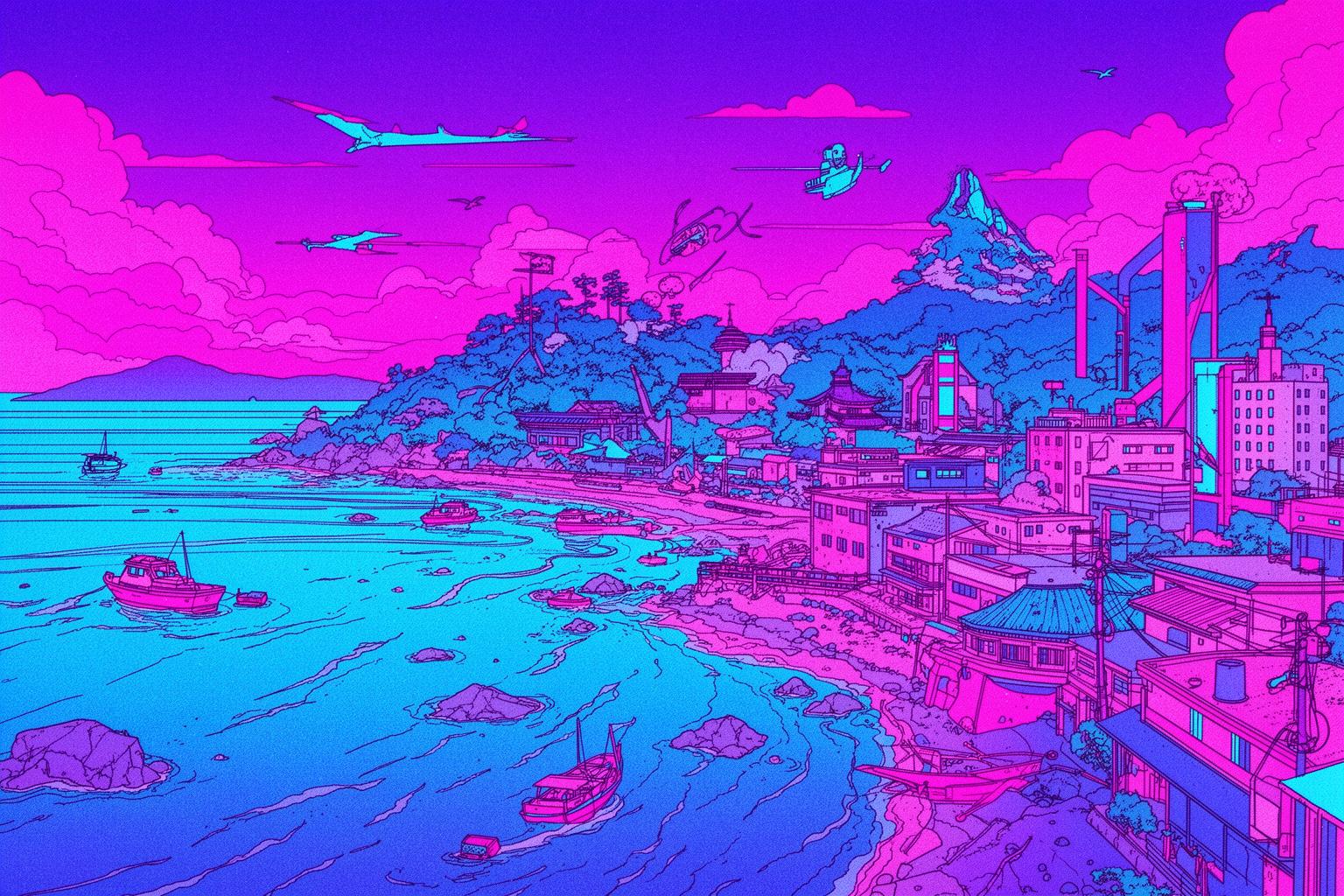
If museums are the main stage, the Art House Project is the immersive, avant-garde theater that spills onto the streets. Located in the Honmura district, this project is one of Naoshima’s most brilliant and unique features. Here, art is not confined to a single building; it envelops an entire community. The creators of the project took several empty, centuries-old houses scattered throughout this traditional port town and invited artists to transform them into permanent art installations. The result is a living, breathing exhibition where you wander through narrow, maze-like alleys, discovering incredible artworks hidden within modest traditional Japanese homes. It’s an art-based scavenger hunt that connects you intimately to the village’s history and soul.
Exploring Honmura: It’s Like a Scavenger Hunt
The Art House Project is all about the journey. Honmura is a quiet residential area where locals still live and work. As you stroll through its charming streets, you’ll pass traditional wooden houses with tiled roofs, small vegetable gardens, and fishing nets drying in the sun. Then, around a corner, you’ll spot the subtle entrance to an art house. The contrast between the village’s everyday, historic life and the high-concept contemporary art inside is what makes it truly special. You’ll need to purchase a multi-site ticket (covering six of the seven houses) or individual tickets at the Honmura Lounge & Archive. From there, you receive a map and set off. It’s best to allow at least half a day to explore them all at a relaxed pace.
Each house offers a completely different world. Let’s highlight a few standouts. Kadoya, the first house completed, features Tatsuo Miyajima’s “Sea of Time ’98.” You enter a darkened traditional room with a shallow pool of water on the floor. Within the water, 125 colorful LED counters blink at varying speeds, from 1 to 9, then go dark before repeating. Each counter’s speed was set by a resident of Naoshima, creating a powerful and personal reflection of the community and the passage of time. It’s hypnotic and deeply moving.
Then there’s Minamidera, a must-see experience that requires booking a specific time slot, as only a small group may enter at once. From the outside, it is a new wooden building designed by Tadao Ando on the former site of a temple. Inside is James Turrell’s “Backside of the Moon.” You are led into absolute, complete darkness—unable to see your hand before your face. Disorienting and challenging, your eyes search for something to focus on. Guided to a bench to sit and wait, you spend several minutes in pure blackness, your other senses heightened. Slowly, a faint, deep blue rectangle of light begins to emerge in the distance. It seems like an illusion at first, a trick of the mind. As your eyes adjust, the light sharpens, and you’re invited to approach it. This mind-bending exploration of perception, light, and darkness is unforgettable and one of the most powerful art experiences you can have.
Another highlight is Go’o Shrine, a project by photographer Hiroshi Sugimoto that stunningly reinterprets an old Shinto shrine. The main hall is beautifully restored, but the showstopper is the glass staircase descending from the hall into an underground stone chamber. The optical glass steps appear to capture and transmit light, linking the heavens (the shrine above) with the earth (the chamber below). It’s a brilliant fusion of ancient spiritual tradition and minimalist contemporary design. You can even walk through a narrow tunnel to emerge from the chamber on the other side, symbolizing rebirth.
Pro Tips for the Art House Tour
To get the most out of the Art House Project, a little planning is essential. First, buy the multi-site ticket. It offers the best value and includes access to Kadoya, Gokaisho, Ishibashi, Haisha, Shinro Ohtake’s chaotic and wonderful scrapbook-like house, and Go’o Shrine. Minamidera requires a separate ticket with timed entry, which you should book at the Honmura Lounge upon arrival or even in advance, as slots fill quickly. Wear comfortable shoes for all the walking. Most importantly, allow yourself to get a little lost. The magic of Honmura lies not just in the art houses, but in the spaces between—the quiet lanes, the friendly cats, glimpses of local life. Don’t just rush from point A to point B on the map; take your time, absorb everything, and let the village reveal its secrets to you.
Beyond the Big Names: The Deets and Hidden Gems
While the headliners are undeniably impressive, the supporting cast on Naoshima is equally captivating. To fully appreciate the island, you need to delve into the realities of island life and discover some of the lesser-known spots that add richness and depth to your visit. This is when you shift from being a mere tourist to becoming a true explorer.
Getting Your Art Fix: The Logistics
So, how do you actually reach this art haven? Naoshima is an island, so taking a boat is essential. The two main entry points are Uno Port in Okayama Prefecture (on Japan’s main island of Honshu) and Takamatsu Port in Kagawa Prefecture (on the island of Shikoku). Most travelers coming from Tokyo, Kyoto, or Osaka take the Shinkansen (bullet train) to Okayama Station. From there, it’s about a 50-minute local train ride on the JR Uno Line to Uno Port. The ferry terminal is directly opposite the train station, and ferries to Naoshima’s Miyanoura Port run frequently, taking roughly 20 minutes. If you’re coming from another area or exploring Shikoku, the ferry from Takamatsu is a fantastic option. It takes a bit longer—around 50-60 minutes—but offers stunning views of the Seto Inland Sea.
Once on the island, you’ll need a plan to get around. Naoshima is quite hilly, so walking everywhere isn’t really practical unless you stick to a single area. The best and most popular way to explore is by renting an electric bicycle. Several rental shops are conveniently located near Miyanoura Port. An e-bike, or ‘dendo-jitensha,’ is a total game-changer. Those steep hills leading up to the museums become effortlessly manageable thanks to the electric assist. It gives you ultimate freedom to explore at your own pace, stop whenever something catches your eye, and enjoy the sea breeze on your face. Just make sure to book in advance, especially on weekends or holidays, since they can sell out.
If cycling isn’t your preference, the town bus is a reliable alternative. The bus system is surprisingly efficient, with routes connecting the main ports (Miyanoura and Honmura) to the art sites, including the Chichu Art Museum and Benesse House. The schedule is coordinated with ferry arrivals, but buses can be infrequent, so it’s wise to take a photo of the timetable at the port to plan your day. A one-day bus pass can be a good value if you plan to hop on and off frequently. Additionally, a free shuttle bus runs between the Benesse Art Site museums, which is very convenient.
More Art, Bet: Other Spots to Hit Up
Beyond the big three, several other spots are well worth a visit. The Ando Museum in Honmura is a hidden treasure for architecture enthusiasts. Housed in a 100-year-old traditional wooden home, the interior has been completely transformed by Tadao Ando’s signature smooth concrete work. It’s a fascinating dialogue between old and new, tradition and modernity. The museum highlights Ando’s contributions to Naoshima through sketches, models, and photographs.
For a truly unique experience, visit the Naoshima Bath “I♥︎湯”. The name is a playful pun, as “yu” means hot water in Japanese. Created by artist Shinro Ohtake, this fully functional public bathhouse, or sento, is also a wildly creative and vibrant work of art. The exterior is a chaotic collage of materials, featuring neon signs and a giant elephant statue on the roof. Inside, the colorful tiles, quirky paintings, and extravagant design continue the whimsical theme. You can admire it from outside, but the real fun is taking a bath with the locals. It’s a quirky, fun, and uniquely Japanese way to engage with art.
New additions to the Benesse site include the Valley Gallery, another structure designed by Ando nestled into a valley, and the Hiroshi Sugimoto Gallery: Time Corridors. These spots showcase even more world-class art and demonstrate that the island’s artistic landscape is constantly evolving, providing fresh reasons to visit again. Always check the official Benesse Art Site website before your visit for current opening hours and any temporary closures, as these can vary.
When to Slide Into Naoshima: Seasonal Swag
Naoshima can be enjoyed year-round, but some seasons offer a better experience than others. Spring (March–May) and autumn (September–November) are generally considered the optimal times to visit. The weather is mild and pleasant, perfect for cycling around the island, and the natural surroundings are at their most striking—with cherry blossoms in spring and colorful foliage in fall.
Summer (June–August) can be hot and humid, but it’s also a lively time to be on the island. Just be sure to bring sunscreen, a hat, and plenty of water. Winter (December–February) is the quietest season. The weather is cool and crisp, and many art sites are virtually deserted. Some smaller cafes and shops may have reduced hours, but the main museums usually remain open.
The biggest event to keep in mind is the Setouchi Triennale. This major international art festival occurs every three years across numerous islands in the Seto Inland Sea, with Naoshima as one of the primary venues. During the Triennale, the whole region buzzes with new, temporary art installations, performances, and events. It’s an incredibly exciting time to visit, but it also means huge crowds and accommodations booking up more than a year in advance. If you plan to visit during a Triennale year, you’ll need to secure your bookings early. If you prefer a quieter, more reflective experience, it’s best to avoid the festival periods.
Fueling the Adventure: Where to Eat and Crash
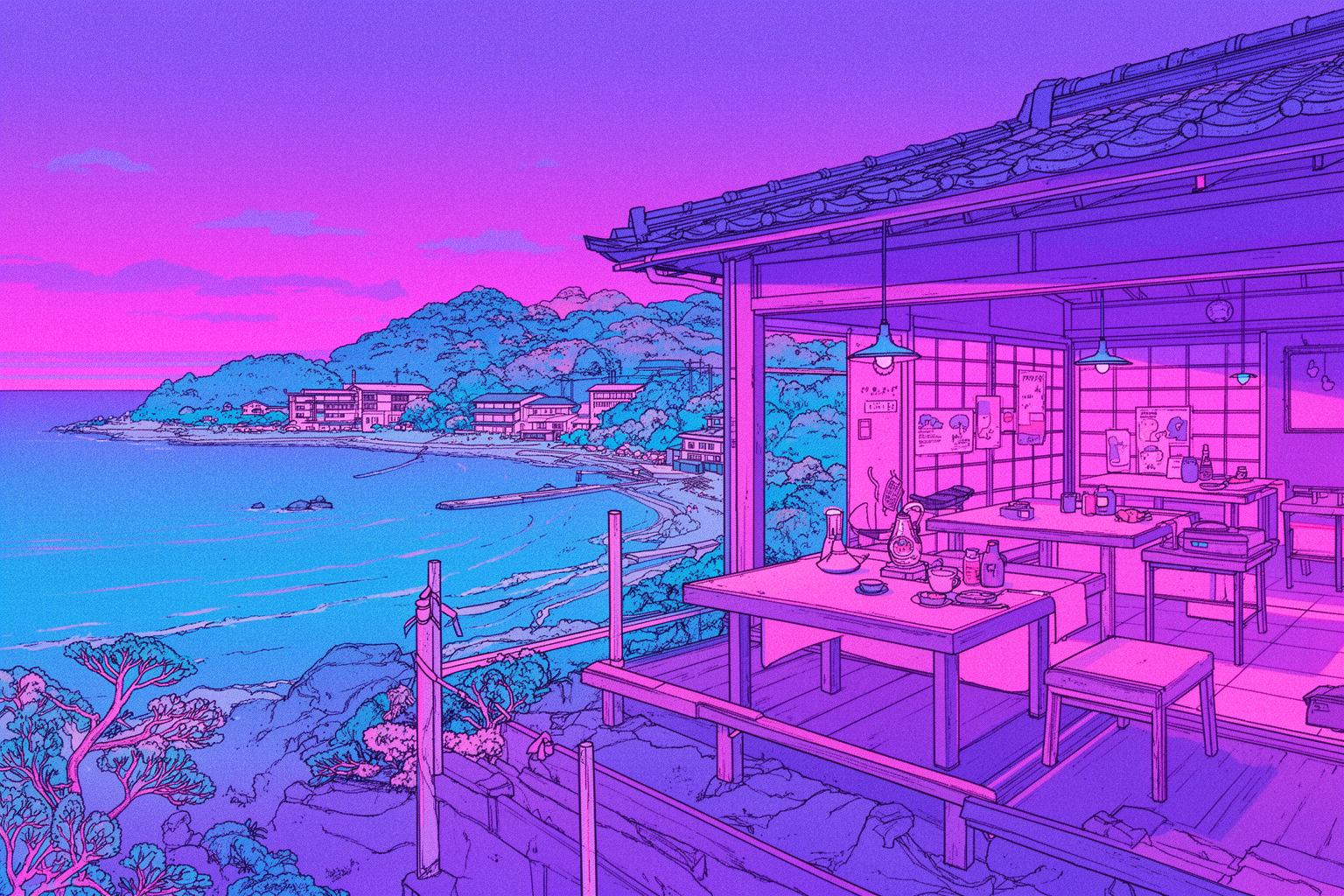
Spending the entire day exploring art is genuinely hard work, and you’ll need to recharge. While Naoshima may not be a top culinary hotspot, it offers a charming and satisfying array of places to eat and stay, from stylish museum cafes to cozy, family-run guesthouses. Making wise choices here can transform your trip from great to unforgettable.
Naoshima’s Food Scene: More Than Just Visual Delight
Most food options on Naoshima are concentrated in the two main villages, Miyanoura and Honmura. You’ll find a mix of traditional Japanese restaurants, modern cafes, and even some food trucks. Given the island’s location, sampling the local seafood is a must. Many establishments serve fresh fish caught in the Seto Inland Sea, prepared as sashimi, grilled, or tempura.
In Miyanoura, close to the main ferry port, you’ll discover several great spots for a quick lunch after arriving or before leaving. There are casual udon noodle shops, a popular burger joint, and cafes offering coffee and cake. Cafe Konichiwa, with its retro atmosphere, is well-loved for its solid menu featuring Japanese curry and other lunch sets. In Honmura, dining options are more scattered, adding an element of fun to your exploration. Aisunao, a well-known cafe, specializes in healthy, organic meals centered on brown rice—a perfect wholesome break from your art tour. You’ll also find small, intimate restaurants tucked away in side streets, often run by single families, where you can experience authentic local flavors. Reservations are recommended for dinner, as many places are small and fill up quickly.
Don’t overlook the museum cafes. The Chichu Cafe, with its panoramic sea view, is a stunning spot to relax. Benesse House Museum Cafe also offers incredible vistas alongside a light menu. While these cafes can be a bit pricey, the setting is unbeatable. For a quick bite, you might even come across locals selling grilled squid or other snacks near the port, adding to the island’s unique charm.
Where to Stay: From Luxury to Budget-Friendly
To fully appreciate Naoshima’s magic, staying overnight is highly recommended. After the last ferry departs, a special tranquility settles over the island. Crowds vanish, allowing you to enjoy the sunset and the peaceful evening ambiance—a completely different vibe.
For the ultimate indulgence and a once-in-a-lifetime experience, staying at Benesse House is a dream come true. As mentioned, it’s more than a hotel—it’s an essential part of the art experience. Waking up inside a museum is unforgettable. If it fits your budget, definitely go for it. You won’t regret it.
For those seeking a more local and budget-friendly option, there are plenty of wonderful choices. The island is dotted with minshuku (family-run guesthouses) and small inns, offering traditional Japanese-style rooms with tatami mats and futon bedding. The hosts are usually warm locals who can provide valuable insider tips about the island. Many minshuku also serve home-cooked meals, giving you a fantastic chance to taste authentic Japanese home cooking. Staying in a minshuku in Honmura or Miyanoura lets you feel part of the community, even if just for a night or two. There are also some modern hostels and guesthouses catering to backpackers and solo travelers. Regardless of your budget, the key is to book well in advance. Accommodation on Naoshima is limited and highly sought-after, especially during peak seasons and weekends. Don’t leave it to the last minute!
The Naoshima Etiquette: Don’t Fumble the Bag
A bit of know-how can significantly enhance the smoothness and respectfulness of your trip. Naoshima is a unique place, and by following a few simple guidelines, you help preserve its special nature for future visitors and the residents who call it home.
Booking is Essential
This is the top rule for Naoshima. I’ve mentioned it before, but it’s worth emphasizing: book everything ahead of time. This includes your accommodation, Chichu Art Museum tickets (purchased online as soon as they’re available), and your time slot for Minamidera in the Art House Project. If you’re traveling during peak periods, it’s also wise to reserve a rental bicycle in advance. Arriving without reservations, especially for Chichu, almost always leads to disappointment. A bit of planning upfront will save you a lot of stress and ensure you experience everything you intended.
Cash Matters (Sometimes)
Although Japan is becoming more credit card-friendly, it’s essential to carry a good amount of Japanese yen with you while on Naoshima. Major museums and hotels accept cards, but many smaller restaurants, cafes, rental shops, and minshuku only take cash. There are ATMs at the post office and 7-Eleven on the island, but arriving prepared with cash is much easier. Having yen on hand for bus fares, snacks, and small souvenirs just simplifies your visit.
Respect the Art (and the Locals)
This may seem obvious, but it’s vital. Most museums on Naoshima, particularly Chichu and Benesse House, enforce a strict no-photography rule inside the galleries. This isn’t meant to be a nuisance; it’s to protect the artwork and, more importantly, to encourage you to fully engage with it in the moment. Rather than experiencing the art through a phone screen, you’re invited to appreciate it with your own eyes. Embrace the experience — the memories will be richer than any photo.
Also, keep in mind that Naoshima is more than a tourist site; it’s a vibrant, living community. People live, work, and go to school here, especially in the Honmura district. Be considerate as you explore: keep your voice low in residential areas, avoid trespassing on private property, and never leave trash behind. A simple ‘Konnichiwa’ (hello) and a friendly smile to locals you pass can make a big difference. The people of Naoshima have generously shared their home with visitors — it’s our duty to be respectful guests.
Pack Wisely
Comfort is crucial for a great Naoshima trip. You’ll be walking and/or cycling a lot, so comfortable shoes are a must. The weather can be unpredictable, so dressing in layers is always recommended. Bring sunscreen, a hat, and sunglasses since the sun reflecting off the sea can be intense, even on cloudy days. A reusable water bottle helps you stay hydrated, and a portable phone charger can be a lifesaver if you’re using your device for maps and photos throughout the day. Finally, a small towel is handy for wiping sweat on hot days or for your visit to the I♥︎湯 bathhouse.
The Afterglow: Why Naoshima Stays With You
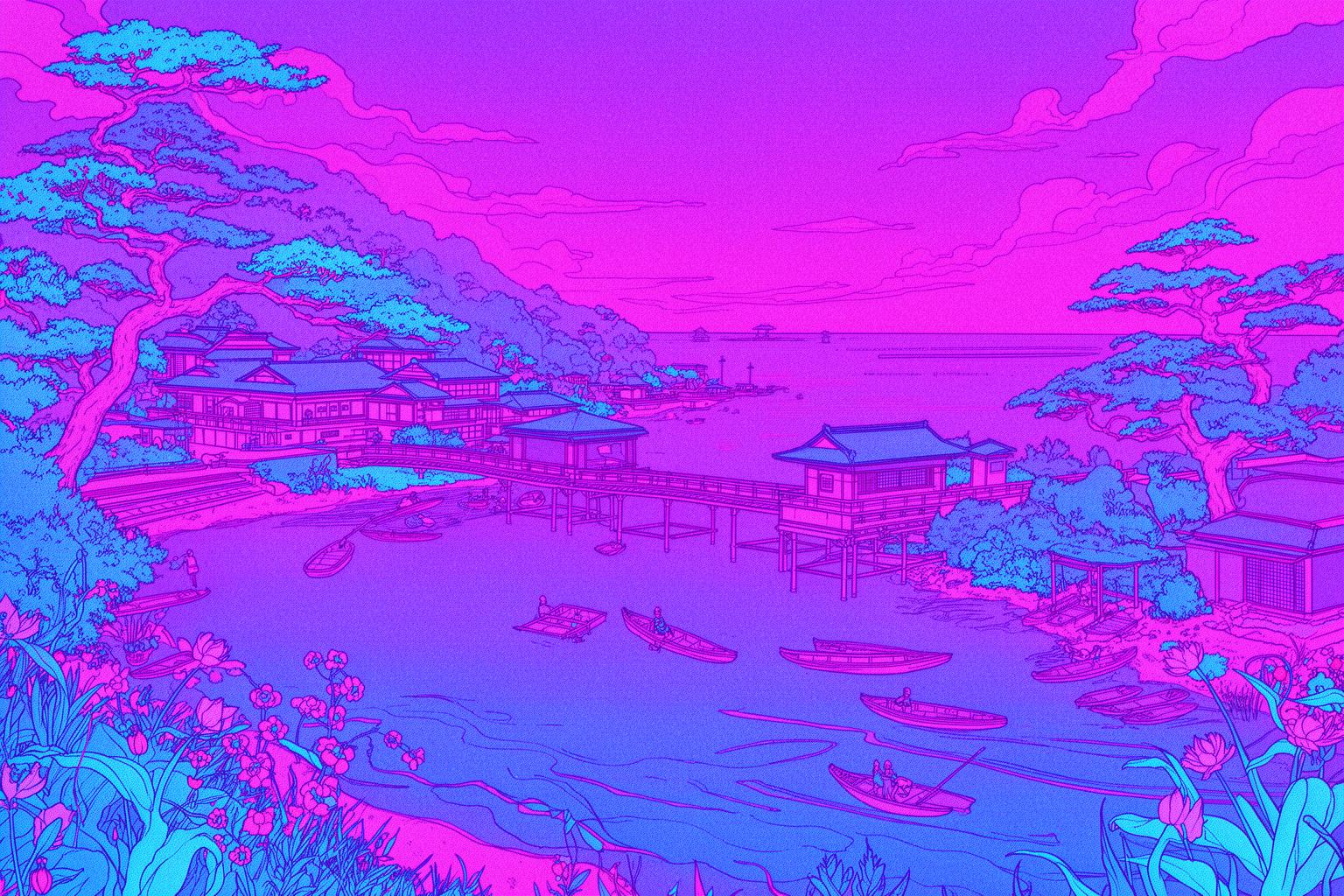
Leaving Naoshima feels like emerging from a strange and beautiful dream. As the ferry drifts away from the pier and the Red Pumpkin diminishes in the distance, you’ll find yourself replaying the moments in your mind: the overwhelming darkness in Minamidera giving way to a gentle blue glow, the tranquil grandeur of Monet’s water lilies in their sunlit room, the simple pleasure of standing beside a yellow pumpkin by the sea. This island does something to you. It seeps beneath your skin and reshapes your understanding of what art can be and where it belongs. It’s a bold and successful experiment that shows art isn’t merely a luxury or an afterthought; it has the power to breathe new life into a place, build community, and create a fresh identity from the remnants of the old.
What you carry away from Naoshima is more than just a camera roll filled with stunning images. It’s a feeling. It’s the memory of quiet reflection, unexpected discoveries, and a deep connection to nature and creativity. You leave with a heightened awareness, a renewed appreciation for the play of light and shadow, and the way a single object can transform a landscape. The island’s slow, intentional pace compels you to slow down from your busy life, to be present, and simply see. It’s a lesson in the beauty of simplicity, the power of vision, and the magic that unfolds when human creativity harmonizes with the natural world. Naoshima isn’t just a place you visit; it’s a place you live through. And that experience becomes its own work of art, one that remains in your mind, rent-free, long after you’ve returned to the real world—a world that might now appear a little different, a little more filled with possibility, than it once did.