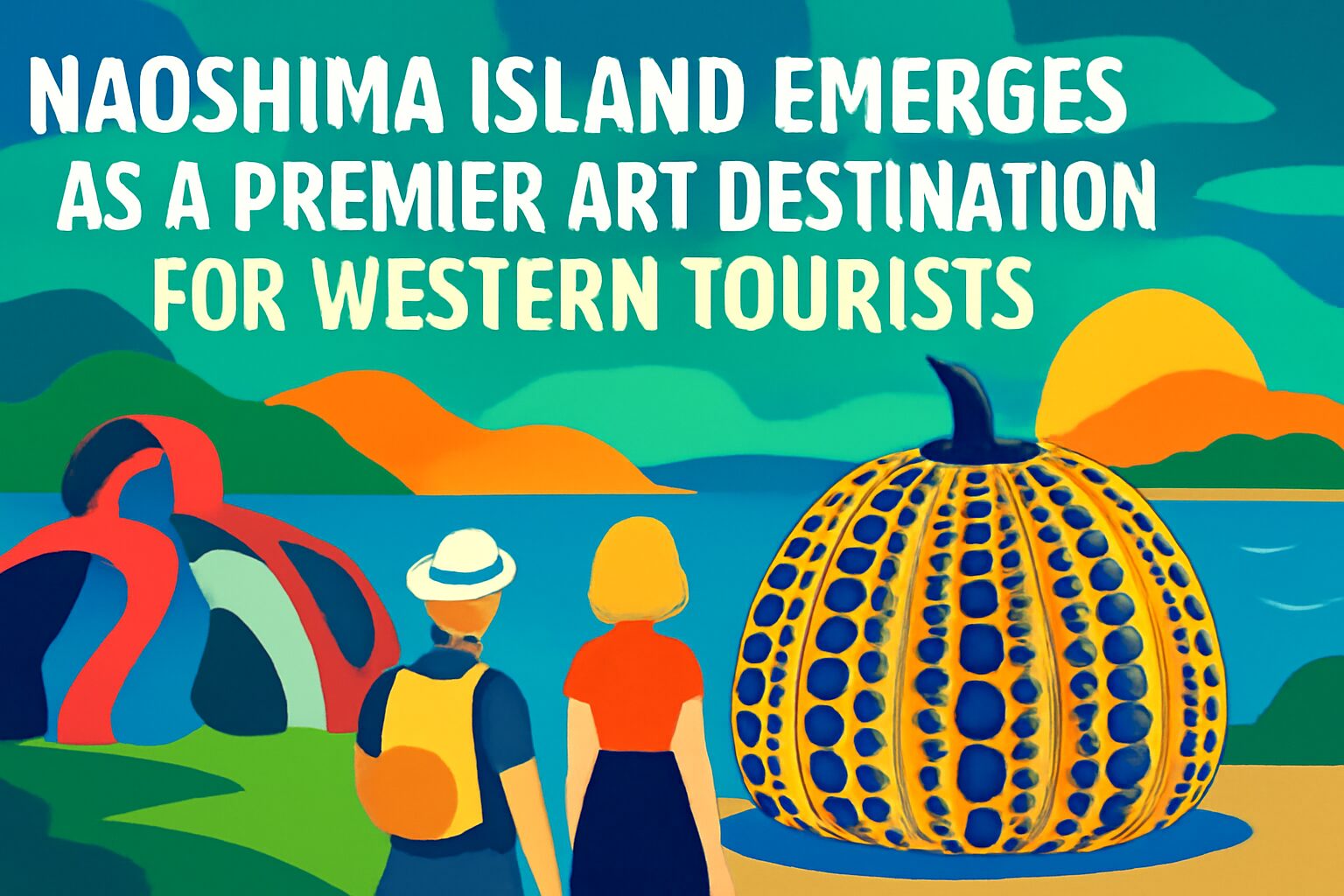
Once a quiet island in Japan’s Seto Inland Sea, Naoshima has transformed into a global hub for contemporary art, now attracting a significant and growing number of Western tourists. Recent data reveals a remarkable trend: the proportion of visitors from Europe and the Americas on Naoshima is 2.3 times higher than in Kyoto, Japan’s iconic former capital. This surge, further amplified by the opening of new architectural marvels, signals a major shift in Japan’s tourism dynamics, proving that unique cultural experiences can draw high-spending international visitors far beyond the traditional “Golden Route.”
A New Center of Gravity for International Art Lovers
For decades, Kyoto has been the quintessential destination for travelers seeking traditional Japanese culture. However, Naoshima is carving out a new niche. The island’s appeal lies in its immersive art experience, where world-class museums, site-specific installations, and stunning architecture are seamlessly integrated into the natural landscape.
The numbers paint a clear picture of this changing tide. While Japan as a whole sees a diverse mix of tourists, Naoshima’s visitor demographic skews heavily towards Western travelers passionate about art and design. This concentration of interest is turning the island into a key driver for regional tourism, bringing economic benefits to the wider Setouchi region.
The Ando Effect: Architecture as a Destination
A pivotal force behind Naoshima’s success is the visionary work of world-renowned architect Tadao Ando. His minimalist concrete structures, which masterfully play with light and nature, are destinations in themselves. Museums like the Benesse House Museum, Chichu Art Museum, and the Lee Ufan Museum have long been pillars of the island’s identity.
The recent opening of the “Valley Gallery,” another Ando-designed masterpiece inaugurated in 2022, has added fresh momentum to the island’s allure. This new gallery, alongside other recent additions, reinforces Naoshima’s reputation as an evolving, must-see location for architecture and art aficionados. These spaces are designed not just to house art, but to create a profound, contemplative experience for every visitor.
Shifting Tourism Beyond the Metropolis
Naoshima’s rise highlights a growing trend among international travelers: the search for authentic and unique experiences off the beaten path. This phenomenon is a welcome development for the Japanese government and local authorities, who are actively working to disperse the intense concentration of tourists in major cities like Tokyo, Osaka, and Kyoto.
The island serves as a powerful case study in how a region can leverage its unique cultural assets to build a sustainable tourism model. By attracting “high-value” tourists—those who often stay longer and spend more on cultural activities, accommodation, and local cuisine—Naoshima is fostering a healthier, more resilient local economy. This success story provides a blueprint for other rural areas in Japan looking to revitalize their communities through culturally-focused tourism.
The Future: A Sustainable Art-Led Renaissance
As Naoshima’s global fame continues to grow, so does its influence. The island is the centerpiece of the Setouchi Triennale, a major contemporary art festival that spreads across several islands in the Seto Inland Sea, further boosting the region’s profile every three years.
The future for Naoshima and its neighboring art islands looks bright, but will require a careful balance between development and preservation. The challenge will be to manage the increasing number of visitors while protecting the serene natural environment and the intimate quality of the art experience that defines the island. If successful, Naoshima will not only solidify its status as a premier art destination but also stand as a global model for sustainable, art-led regional regeneration.