You asked me why Japanese people still go to public baths, the sento, when almost everyone has a perfectly good shower at home. It’s a great question, because on the surface, it seems redundant, almost archaic. But to think of a sento as just a place to wash is like thinking of a British pub as just a place to buy a drink. You’d be missing the entire point. The sento isn’t about hygiene; it’s about community. It’s the living, breathing, steaming heart of a neighborhood, a place where the social rules of the outside world are gently washed away, and something more fundamental takes over. This is where you find the concept of hadaka no tsukiai—literally, “naked communion” or “naked fellowship.” It’s an idea that, once you’re stripped of your clothes, you’re also stripped of your job title, your wealth, your status. You’re all just people, sharing the simple, profound pleasure of hot water. Forget the tourist-brochure images of serene, silent bathing. The real sento is a place of chatter, of shared sighs of relief, of neighborhood gossip and quiet solidarity. It’s where generations mix, where unspoken social bonds are forged and reinforced, and where, for a few hundred yen, you can feel deeply and truly part of something. To understand the sento is to understand a crucial piece of the Japanese social puzzle—the importance of the collective, the comfort of shared ritual, and the enduring need for a place to simply be together.
Moreover, exploring Japan’s onsen culture can reveal another dimension of how communal bathing traditions forge deep social bonds in Japan.
The Anatomy of a Neighborhood Fixture
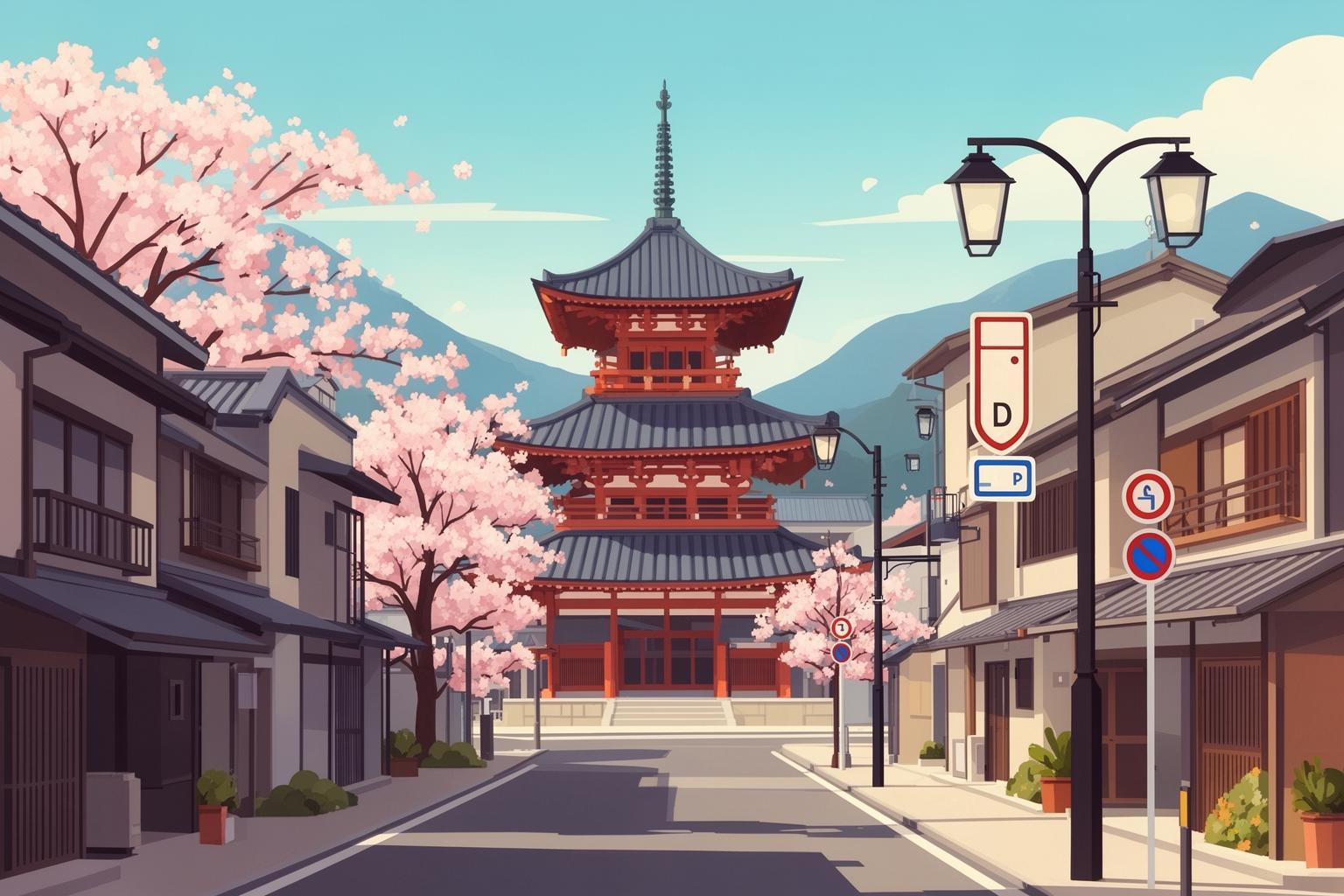
Before delving into the culture, let’s first get oriented. What exactly is a sento? It’s important to first differentiate it from its better-known counterpart, the onsen. An onsen is a natural hot spring, heated geothermally and rich in minerals. In contrast, a sento uses tap water warmed by a boiler. While some sento may add charcoal or minerals to enhance the water, its source is municipal. This distinction is key: onsens are often destinations you travel to for a special visit, whereas sento are local, everyday establishments embedded within residential neighborhoods.
From the outside, a sento often stands out. Look for a tall chimney—a relic of old wood or coal-fired boilers—and a traditional, shrine-like roof style called karahafu on older buildings. The entrance is marked by noren, the iconic split fabric curtains hanging in the doorway. Typically, there are two: one blue for men (男) and one red for women (女), each leading to separate entrances.
Upon entering, you step into the getabako area, a small entryway lined with wooden shoe lockers. You slide your shoes inside, take a wooden key, and move toward the central dividing wall where the attendant sits. This raised platform, called a bandai, allows staff to oversee both the men’s and women’s changing rooms (datsuijo). In modern sento, the bandai is often replaced by a standard front desk, but the classic setup reflects its history as a family-run business where one person managed everything.
You pay the fee—typically an affordable 400 to 500 yen—and purchase any forgotten essentials, like a small towel or soap. Then you enter the changing room, where you’ll find rows of lockers or, more traditionally, simple wicker baskets (kago) on shelves for clothing. This is your first encounter with the culture of trust: people leave their belongings in open baskets, relying on a shared, unspoken agreement of mutual respect. The changing room is more than just a place to store things; it’s a social space where neighbors chat, elderly men weigh themselves on large, vintage scales, and mothers assist their children.
Through a sliding glass door lies the main attraction: the bathing area, or yokujo. The air is thick with steam, punctuated by the sounds of water splashing and soft conversations echoing off tiled walls. Along the perimeter are washing stations, each equipped with a low stool, a plastic basin, a faucet, and a shower head. And, of course, several tubs are set at different temperatures, often intensely hot. Dominating one wall is almost always a grand mural, famously of Mount Fuji. This isn’t just decoration; it’s a core part of the sento’s identity—a symbol of permanence and majesty that elevates the simple act of bathing into a meaningful experience.
A Social History Written in Hot Water
To understand why the sento became such a vital part of community life, you need to look back in history. Public bathing has a long tradition in Japan, originating from Buddhist purification rituals, but the sento as we recognize it truly thrived during the Edo period (1603-1868). In the densely populated city of Edo (modern-day Tokyo), homes were small, fire was a constant danger, and private baths were a luxury reserved for the wealthy elite. The sento became an indispensable part of everyday life for ordinary people.
These early baths were often steam baths (mushiburo) or featured very shallow tubs where people would half-crouch. They were lively, sometimes chaotic spaces, serving as community hubs, centers for exchanging information, and even venues for storytellers and entertainers. The sento was the neighborhood’s social network long before the advent of the internet.
However, its golden age came after World War II. During the rapid post-war reconstruction, cities were rebuilt quickly and densely. Millions of new apartments and houses were constructed without private baths to save on cost and space. For decades, the local sento wasn’t optional; it was essential. Entire generations grew up with the sento as a daily ritual. It was a place not only to get clean but also to catch up with neighbors, for children to play, and for families to unwind together after a long day’s work. It was the great equalizer, where factory workers and shop owners bathed side by side.
The number of sento peaked in the late 1960s, with over 18,000 operating across Japan. But as the economy prospered, so did living standards. By the 1980s, the uchiburo, or private home bath, became standard. The daily necessity of the sento began to diminish. This change marked the start of a gradual decline. The sento was no longer the only place to get clean, so it had to depend on its other role: a place to connect. Its survival now hinges on its ability to preserve and convey its value not as a utility, but as a cultural institution.
The Unspoken Rules of the Water
The sento follows a set of unspoken rules and rituals. This isn’t about being overly formal or exclusive; it’s about creating a comfortable, respectful, and hygienic environment for everyone. Adhering to these steps demonstrates your understanding and respect for the shared nature of the space.
Step One: The Pre-Rinse
After undressing and placing your clothes in a basket or locker, take your small towel and washing supplies and enter the humid bathing area. The very first thing you must do is go to the washing stations. Before even considering dipping into the bathwater, you need to rinse your body thoroughly. This process is known as kakeyu. Use a basin to scoop hot water from a designated tap or the bath itself and pour it over your body, starting at your feet and moving upward. This serves two purposes: it removes the initial layer of sweat and grime, and it helps your body adjust to the hot temperature of the tubs. It is the essential gesture of respect for the purity of the shared bathwater.
Step Two: The Thorough Scrub
Next, find an empty stool at one of the washing stations and sit down. Standing while showering is considered impolite, as it can splash water onto others. This is when you wash yourself thoroughly. Using your small towel (which doubles as a washcloth) and soap, clean your entire body, including hair. Be mindful of those around you; avoid letting soap suds fly onto the next person. Once finished, rinse all soap off your body, stool, and basin, leaving the area clean for the next user. This is non-negotiable: the bathtubs are solely for soaking, not for washing. Entering a tub with soap on your body is a serious breach of etiquette.
Step Three: The Soak
This is the moment to relax. Once you are completely clean, you may finally enter the baths. The small towel used for washing should not go into the water. Most people fold it and place it on their head, which also helps to keep you cool, or set it aside by the tub.
Enter the water slowly and gracefully; avoid jumping or splashing. Find a spot and settle in. The goal is to relax and allow the heat to ease your muscles and bones. Sento often have multiple tubs—there may be a main tub that’s very hot (typically 42-44°C, or 107-111°F), a slightly cooler one, and perhaps a jet bath (denki buro with a mild electrical current, an acquired taste!) or a specialty bath with herbs or minerals. It’s common to move between them. The social etiquette here is simple: be considerate. Don’t monopolize the jet bath for too long. Keep your voice at a conversational level, and most importantly, tie up long hair to prevent it from touching the water.
Step Four: The Exit
When you finish soaking, the final etiquette step is essential. Before returning to the changing room, use your small towel to wipe off as much water from your body as possible. The goal is to avoid dripping on the changing room floor. The datsuijo floor should stay dry. This small act of consideration is a clear sign of an experienced sento-goer. It’s a simple gesture that shows you’re thinking about the comfort of the entire group, not just yourself.
Hadaka no Tsukiai: The Great Equalizer
Now we reach the core of it all: hadaka no tsukiai. This concept is essential to grasping the spirit of the sento. It means that once you remove your clothes, you also shed your social status. In the bath, no one knows or cares whether you’re a CEO, a student, or a plumber. This shared vulnerability creates a unique social equalizer. Pretense becomes impossible when everyone is naked.
This setting encourages a particular style of communication. Conversations in the sento tend to be light and easy rather than deep or intense. They focus on the present moment: remarks about the water’s temperature, the weather, a local festival, or the neighborhood baseball team’s performance. Yet beneath these casual exchanges, a strong sense of connection is quietly built. You might hear about a neighbor’s ill parent, a nearby shop closing, or a young couple welcoming a baby. In many ways, the sento acts as the neighborhood’s analog social media feed.
The regular visitors, or joren, are the custodians of this culture. These elderly men and women have been coming daily for decades. They know everyone, and everyone knows them. While they may seem intimidating at first, quick to correct any breach of etiquette, they are the foundation of this community. They look out for one another. If a regular doesn’t appear for a few days, someone will notice and may check on them. In a nation facing a rapidly aging population and rising numbers of people living alone, this simple act of noticing one another serves as an invaluable social safety net.
This is also where children absorb important social lessons. They learn to respect their elders, value cleanliness and order, and share communal spaces. A mother might scold her child for splashing, an older man might gently teach a boy how to rinse his bucket properly. These are lessons in communal living, imparted in the most natural, relaxed environment possible. The sento serves as a classroom for civic responsibility, cleverly disguised as a bathhouse.
The Art and Soul of the Bathhouse
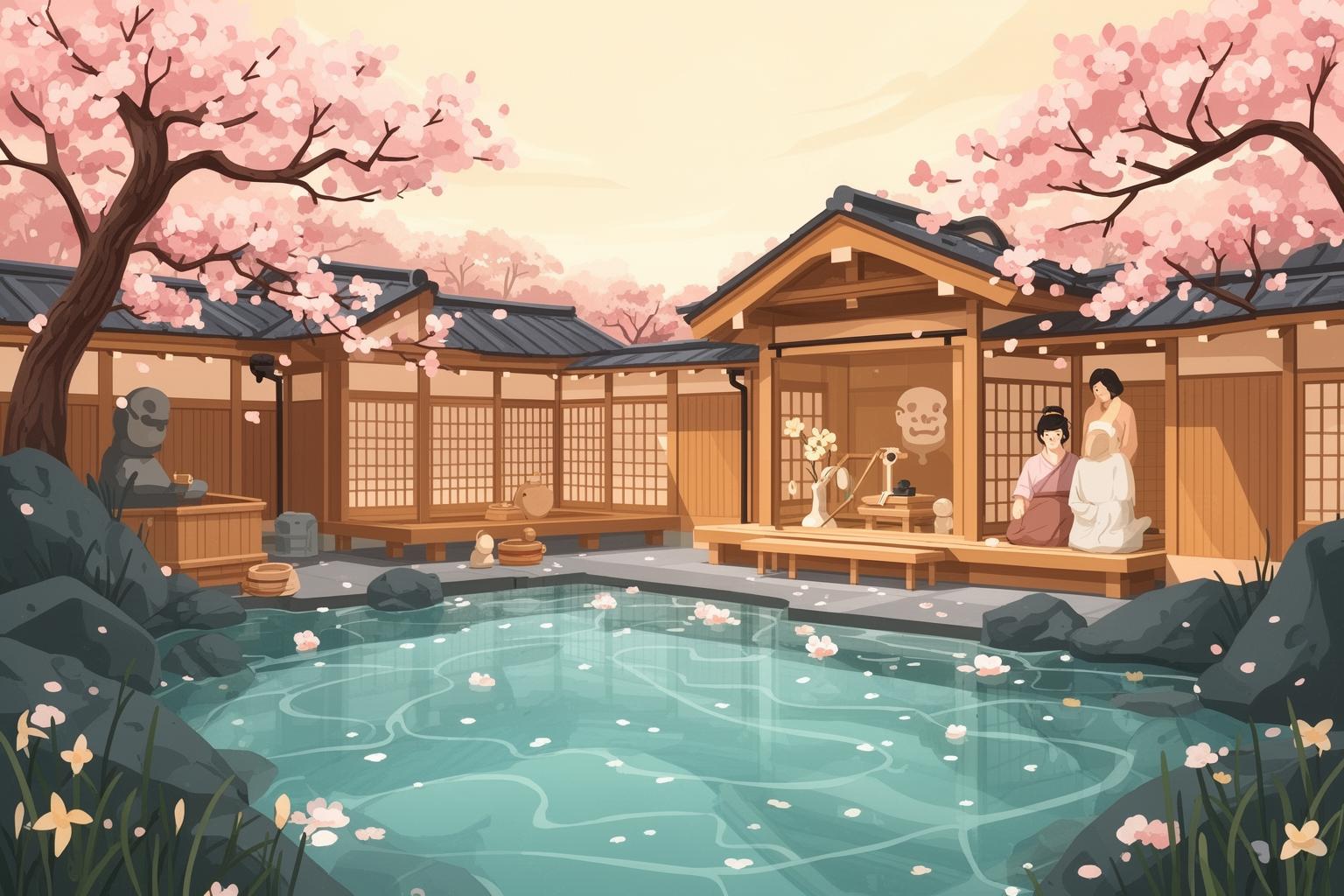
The experience of a sento is not merely social; it is profoundly aesthetic. The design of these spaces is intentional, crafted to evoke a sense of escape and tranquility, transforming a functional place into something extraordinary.
The most iconic element is the mural on the wall dividing the men’s and women’s sections. Although other scenes like beautiful landscapes or mythical creatures appear, Mount Fuji reigns supreme in sento art. Why is this? The tradition is believed to have begun in 1912 at a sento in Kanda, Tokyo, where the owner, originally from Shizuoka Prefecture (home to Fuji), commissioned a painting to remind him of home. It was a success. Fuji is Japan’s most sacred and emblematic peak, symbolizing permanence, beauty, and national identity. Gazing at a stunning painting of Mount Fuji while soaking in a hot bath created a sense of expansive freedom, a mental escape from the cramped city outside. For many urban residents, this was their only “view” of Fuji. These paintings represent a specialized art form, with only a handful of dedicated sento mural artists remaining in Japan today.
The architecture itself enhances the atmosphere. Ceilings are usually very high and vaulted, often featuring vents at the top. This is not just aesthetic; it serves a practical purpose by allowing the vast amounts of steam to escape, preventing the space from becoming oppressively foggy and permitting natural light to enter through high windows.
The tile work, or tairu-e, is another form of artistry. From intricate floor patterns to colorful tiles depicting koi fish, flowers, or folklore scenes, these details infuse character and beauty. They were both decorative and functional, easy to clean and durable in the humid environment. The sound of water echoing off these tiles adds to the sento’s distinctive soundscape.
The Unofficial Fifth Act: The Post-Bath Ritual
The sento experience doesn’t conclude when you step out of the water. The cool-down period in the changing room after the bath is a vital part of both the ritual and the social atmosphere. Once dried off, people tend to linger, sitting on benches—often facing a large, rumbling old fan—allowing the last remnants of the day’s stress to melt away.
This is the perfect moment for the traditional post-sento drink. Vending machines or vintage refrigerators offer specific, iconic beverages served in small glass bottles. The revered trio includes fruit milk (furutsu gyunyu), coffee milk (kohi gyunyu), and, for adults, a cold beer. There’s something uniquely satisfying about enjoying a cold, sweet milk drink after emerging clean and warm from the bath. It evokes a taste of childhood for many Japanese, a simple and nostalgic delight that completes the experience.
Here, conversations from the bath continue, now with clothes on. People gather around, watch the sumo match on the communal television, and chat a bit longer before heading home. This in-between space—between the deep relaxation of the bath and the outside world—is where the sense of community truly takes hold. You’ve shared a moment of vulnerability and comfort, and now you share a moment of simple, everyday joy.
The Future of the Neighborhood Heart
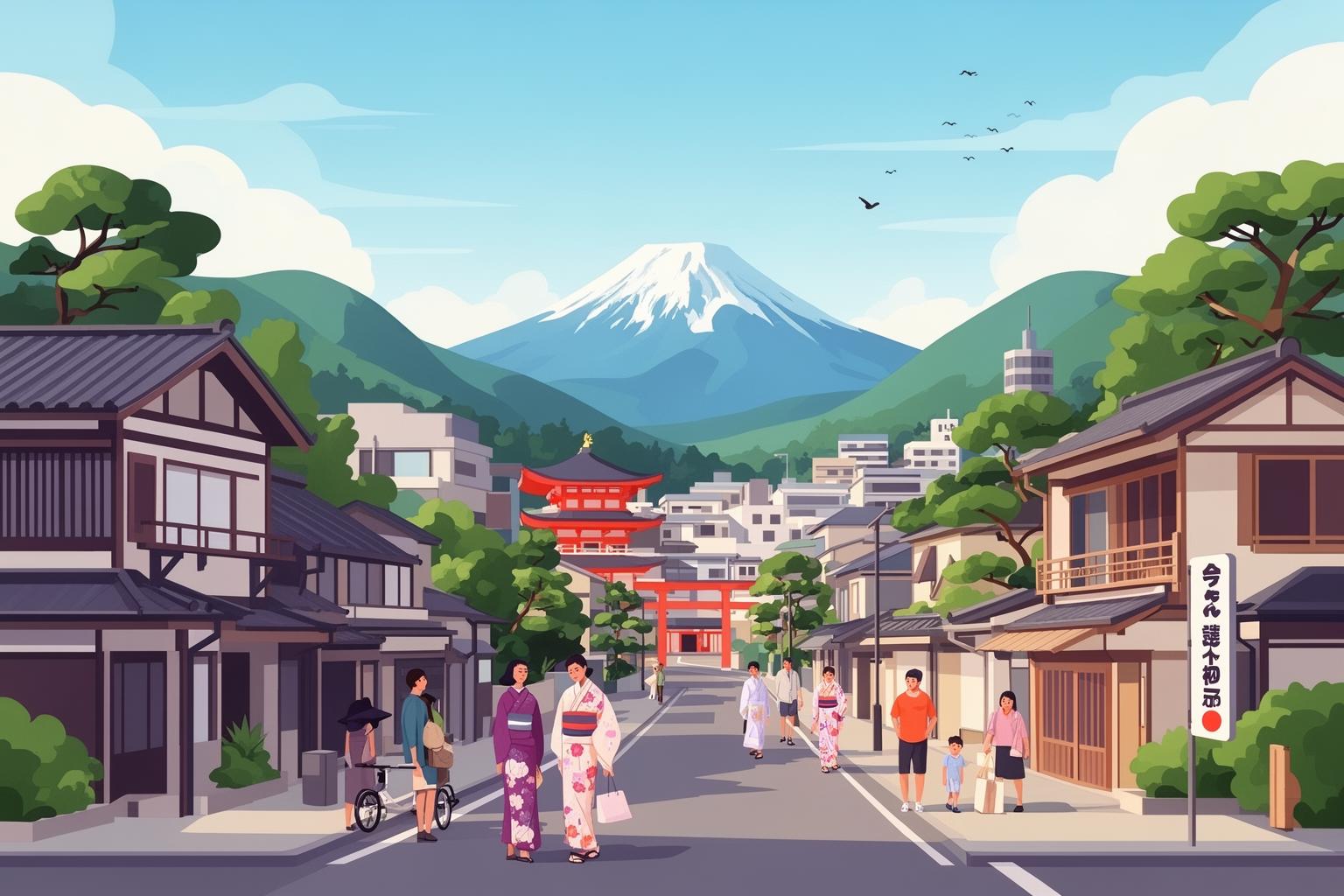
It would be misleading to depict the sento without acknowledging its fragile state. From a peak of over 18,000, the number of sento in Japan has sharply declined to fewer than 2,000 today. Each year, more shut down. The reasons are clear: the widespread presence of home baths, the increasing expense of fuel to heat the water, and, most importantly, the aging owners whose children often show little interest in taking over the demanding, round-the-clock business.
Yet the story is not finished. A new generation is rediscovering and reimagining the sento, not as a daily necessity, but as a cherished cultural space. Young architects and designers are refurbishing old bathhouses, preserving their traditional appeal while incorporating modern elements like cafés, bars, co-working spaces, or even DJ booths. These “designer sento” attract a younger audience who appreciate this analog, communal experience as a counterbalance to an overly digital, isolated world.
The sento has also demonstrated its value during crises. After major earthquakes, when water and gas supplies are disrupted, local sento often open their doors free of charge, providing a crucial place for communities to bathe, stay warm, and exchange information. In these times, their original role as an essential part of neighborhood infrastructure vividly resurfaces.
More Than a Bath
So, why do people continue to visit the sento? They come for the scorching hot water that a home bath can never quite match. They come for the sense of nostalgia. But above all, they come to be together. They come to see familiar faces, to experience the quiet rhythm of their neighborhood, and to take part in a ritual that has united people for centuries.
The sento serves as a reminder that some experiences are better shared. In an era of growing individualism and digital isolation, this simple, steamy, and bare space provides a powerful form of connection. It’s about the unspoken understanding between strangers, the collective sigh of relief as you sink into the water, and the sense that, if only for an hour, you belong to a community that both literally and figuratively washes away your troubles. It’s not just about cleanliness. It’s about feeling human, together.