Yo, let’s talk about a place that’s seriously the main character of the Japanese Alps: Matsumoto. Forget the neon chaos of the big cities for a sec. Picture this: a majestic, black-on-black samurai castle standing guard over a city breathing crisp mountain air. Streets lined with old-school storehouses that now house the coolest indie boutiques and cafes. The sound of a clear river rushing through town. This is Matsumoto, a city in Nagano Prefecture that’s got its priorities straight, and let me tell you, those priorities are world-class soba noodles and mind-blowingly good sake. This isn’t just a quick stopover; it’s a full-on sensory deep dive into the heart of what makes Japan so freaking magical. It’s where history isn’t just in a museum; it’s in the texture of the noodles you’re slurping and the clean finish of the sake you’re sipping. It’s a place that’s low-key sophisticated but high-key delicious. Before we get into the nitty-gritty of why you absolutely need to put this city on your radar, get your bearings. This is the stage where our culinary adventure is about to unfold.
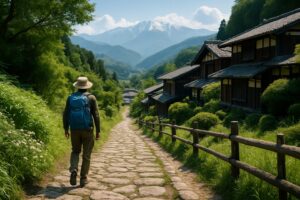
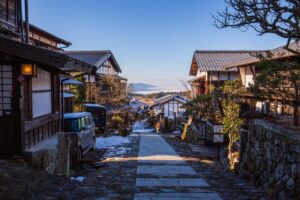
To fully immerse yourself in the region’s history, consider exploring the nearby Nakasendo Trail, an ancient samurai highway.
Catching the Vibe: What Matsumoto Feels Like
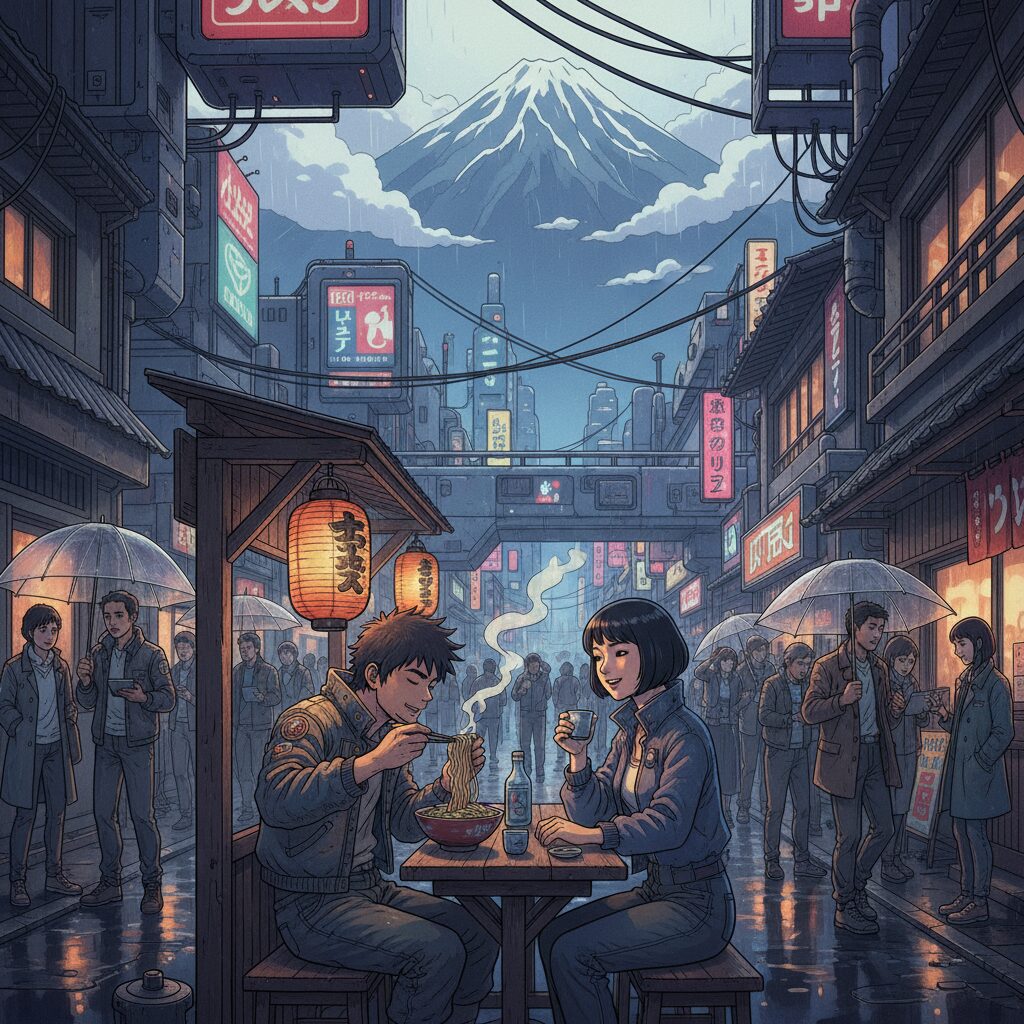
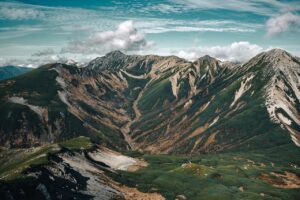
First and foremost, the ambiance here sets a unique mood. Stepping off the train at Matsumoto Station, you immediately sense a change. The air feels different—fresher, lighter, with a subtle hint of pine from the surrounding Japanese Alps, which embrace the city like a protective shield. It’s a place that invites you to slow down and truly breathe. Unlike the relentless pace of Tokyo or Osaka, Matsumoto follows its own rhythm, a steady, unhurried tempo shaped by centuries of history and a profound bond with nature. This is a city best explored on foot, allowing your curiosity to lead you through its captivating streets.
The Story of Two Streets: Nakamachi and Nawate
Your exploration of Matsumoto’s essence naturally brings you to two iconic streets: Nakamachi and Nawate. Running parallel along the gentle Metoba River, they offer distinctly different yet equally enchanting experiences.
Nakamachi Street showcases the city’s rich merchant history in full glory. The street is lined with stunning kura—traditional storehouses featuring thick, fireproof white-and-black patterned earthen walls. These structures are architectural masterpieces, their crisscrossing namako-kabe patterns exuding a chic, monochrome aesthetic that feels both timeless and ultra-modern. Originally warehouses for wealthy merchants, these buildings have now been transformed. Inside these historic spaces, you’ll find curated artisan shops, minimalist cafés serving pour-over coffee, pottery galleries highlighting local craftsmanship, and stylish boutiques. It’s an ideal spot to wander, peek through doorways, and uncover something beautiful and unexpected. The atmosphere here is sophisticated, creative, and effortlessly cool. This is the place to find unique, one-of-a-kind souvenirs beyond the ordinary.
Just a short walk away lies Nawate Street, fondly called “Frog Street,” a theme embraced wholeheartedly. This pedestrian-friendly street brims with frog-themed statues, souvenirs, and imagery. The tale is that the clean waters of the Metoba River once teemed with frogs, but pollution caused them to disappear. To revive the street’s spirit and honor its history, locals adopted the frog as their mascot. In Japanese, kaeru means both “frog” and “to return,” symbolizing the hope for frogs’ return as well as the return of prosperity and visitors. Nawate offers a nostalgic, quaint, and irresistibly charming atmosphere. It’s lined with small, old-fashioned shops selling everything from senbei (rice crackers) and taiyaki (fish-shaped cakes) to antiques and traditional toys. Walking down this street feels like stepping back into the Showa era, impossible to do without smiling. The contrast between Nakamachi’s sleek sophistication and Nawate’s playful spirit captures the essence of Matsumoto—a city that honors its past while embracing a bit of fun.
Soba: The Soul Food of Shinshu
Alright, let’s get straight to it. You can’t visit Matsumoto without trying soba—that’s like going to Paris and skipping the croissants; it’s simply not done. Nagano Prefecture, historically known as Shinshu, is indisputably the birthplace of soba in Japan, and Matsumoto stands as one of its most revered centers. The secret lies in what locals call the “Three Bests”: the finest buckwheat, the purest water, and the most skilled artisanal techniques. The high-altitude climate, with its dramatic temperature swings between day and night, is ideal for cultivating buckwheat with intense flavor. The water, flowing down from the Northern Alps, is pristine, soft, and pure—the essential ingredient that elevates simple buckwheat flour into something extraordinary. And the technique? It’s a traditional craft perfected over generations in the city’s countless dedicated soba shops.
Decoding the Soba Menu: A Beginner’s Guide
Stepping into a traditional soba-ya might feel a bit overwhelming at first—the wooden interiors, the hanging noren curtains, the chef’s quiet concentration—it’s almost ceremonial. But the menu is actually pretty straightforward. You’re mostly choosing between hot or cold soba, with the rest being finer details.
Your go-to choice, the purest way to enjoy the noodles, is Zaru Soba or Mori Soba. These are chilled soba noodles served on a bamboo tray (zaru), paired with a small cup of concentrated dipping sauce called tsuyu, along with freshly grated wasabi and finely chopped scallions (negi). This lets you fully savor the noodle’s nutty, earthy flavor and firm, chewy texture. It’s the ultimate test of soba quality.
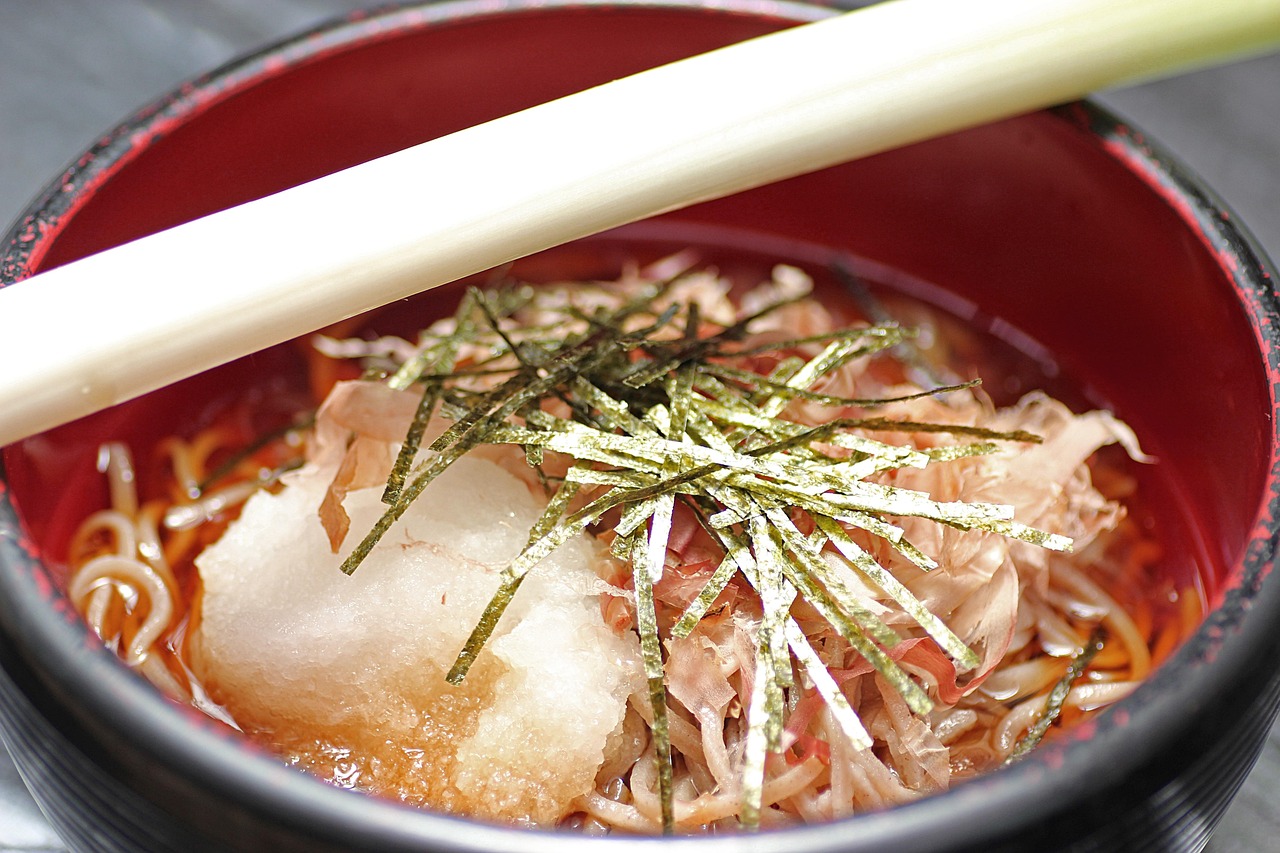
If the mountain chill gets to you, Kake Soba is the perfect comfort—warm soba noodles served in a generous bowl of hot, savory dashi broth. It’s cozy, heartwarming, and rich in flavor. A popular twist is Tempura Soba, which adds a piece of light, crispy tempura—often a large shrimp or assorted vegetables—on top. As the tempura batter slowly absorbs the broth, the experience becomes truly divine.
The Art of the Slurp: Eating Soba Like a Pro
Now for the key ritual: how to eat soba properly to enhance the experience. When your Zaru Soba arrives, resist the urge to mix everything together immediately. Take a moment to admire the noodles, maybe even try one on its own to appreciate the pure buckwheat taste.
Next, prepare your dipping sauce. Use the small plate of wasabi and scallions to add a little to your tsuyu. Don’t stir in the wasabi completely; instead, dab just a tiny bit onto a few noodle strands before dipping. This preserves the wasabi’s sharp, fresh kick.
Here’s the crucial move: pick up a small bundle of noodles with your chopsticks, then dip only the bottom third or half into the tsuyu. Do not, I emphasize, do not submerge the entire noodle bundle. You want to coat, not drown the noodles. This balance is essential to harmonizing the flavor of the sauce with that of the soba.
And now, slurp—loudly and enthusiastically. This isn’t just allowed; it’s encouraged. Slurping signals enjoyment, and it also aerates the noodles and sauce as they enter your mouth, enhancing their aroma and flavor. Plus, it cools hot noodles like Kake Soba. So don’t hold back—make some noise. It’s the highest compliment to the chef.
The Grand Finale: Sobayu
Just when you think the meal is finished, a small steaming pot or teapot will appear at your table. This is sobayu, the water in which the soba was boiled. Cloudy and slightly thick, it’s packed with nutrients and flavor from the buckwheat. Pour this hot liquid into your remaining tsuyu, diluting it to create a delicious, savory broth. Drink it directly from the cup. This warm, comforting finish ensures none of the buckwheat’s goodness is wasted. It’s an unexpected encore that sets the authentic soba experience apart from the rest.
Going Deeper: Juwari vs. Nihachi
For true soba enthusiasts, pay attention to the noodle composition—terms like Juwari and Nihachi will often appear. Juwari soba is the purist’s dream, made from 100% buckwheat flour. It offers a robust, earthy flavor and a slightly brittle texture but is more difficult to craft since buckwheat lacks gluten. Finding a masterful maker is a special treat. Nihachi soba, meaning “two-eight,” combines 80% buckwheat with 20% wheat flour. The wheat adds gluten, which gives the noodles a smoother, more elastic texture and makes them easier to prepare. It’s the most common type and strikes a beautiful balance of flavor and texture. Sampling both is the best way to appreciate the subtle yet meaningful differences. Many shops proudly showcase which style they specialize in—often featuring a stone mill in the window to demonstrate they grind their own flour on-site, a clear mark of a top-tier establishment.
Sake: The Spirit of the Alps
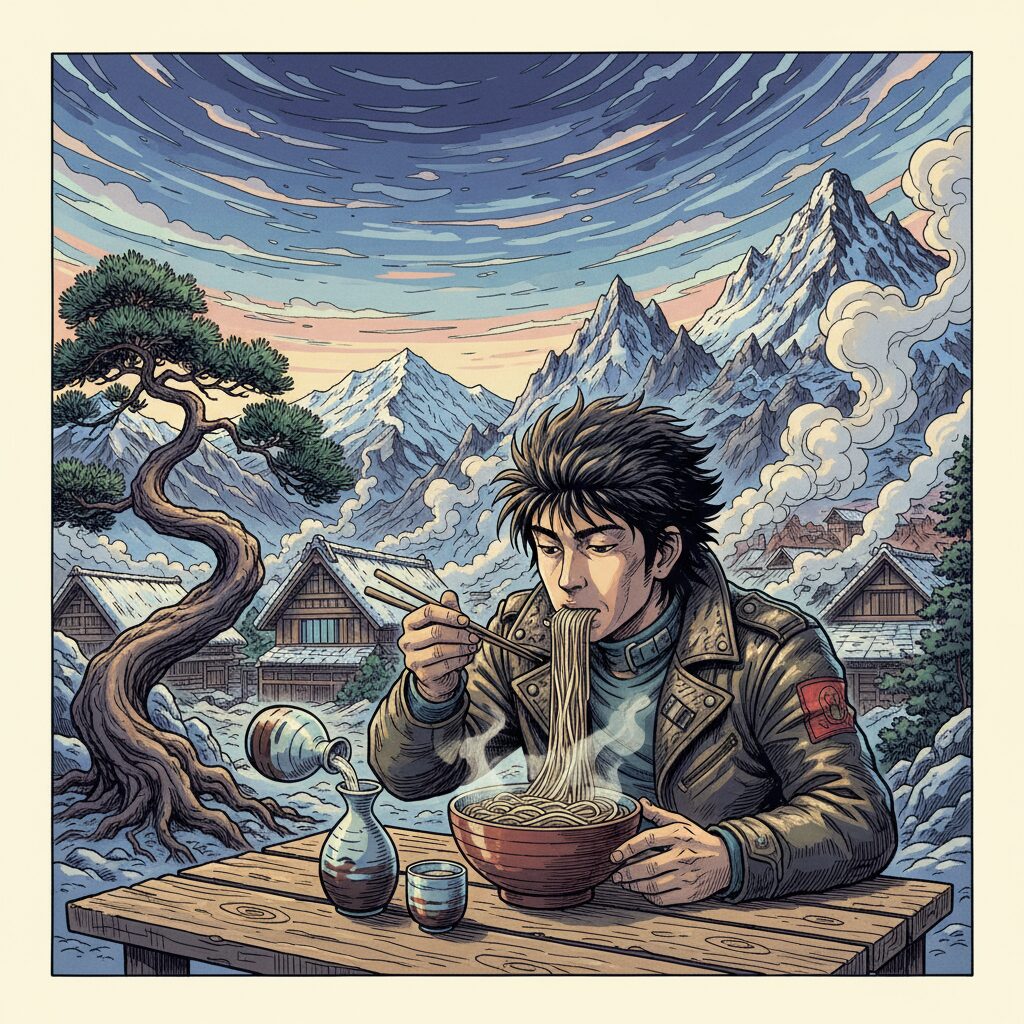
If soba represents the soul of Matsumoto, then sake embodies its spirit. The same pristine snowmelt from the Japanese Alps that enhances the soba serves as the lifeblood of the region’s sake. Clean, pure water is the most crucial ingredient in sake brewing, comprising about 80% of the final product. The cold, crisp winters of Nagano also provide the ideal conditions for the slow, careful fermentation process that produces clean, aromatic, and complex sake. Throughout Matsumoto and its surroundings, historic sake breweries abound, many of which have been operated by the same families for generations.
A Crash Course in Sake Styles
Navigating a sake menu can be overwhelming, but grasping a few key terms opens up a whole new world of flavor. The main distinction is based on the rice milling ratio—how much of the outer layer of the rice grain is polished away before brewing. The more polishing, the more the pure starch core of the grain is revealed, usually resulting in a more refined, delicate, and aromatic sake.
Junmai: The original style, meaning “pure rice,” signifies that the sake is made solely from rice, water, yeast, and koji (the magical mold that converts starch to sugar) with no added brewer’s alcohol. Junmai sakes tend to be rich, full-bodied, and savory, featuring a distinct rice-forward profile.
Ginjo and Daiginjo: These are the premium classes. For Ginjo, at least 40% of the outer rice grain is polished away, while for Daiginjo, the figure is at least 50%. This meticulous polishing produces sakes that are exceptionally light, aromatic, and often fruity or floral. They are brewed at colder temperatures over longer periods, a process demanding great expertise. When labeled Junmai Ginjo or Junmai Daiginjo, it means the sake is premium and made in the “pure rice” style without added alcohol.
Temperature matters, too. Some sakes are best served chilled to preserve their delicate aromas, while others, especially heartier Junmai varieties, can be gently warmed (atsukan) to highlight their deeper, savory notes. Don’t hesitate to ask for recommendations at an izakaya or sake bar—the staff are usually passionate and knowledgeable and eager to guide you.
Finding Your Pour: Where to Sip in Matsumoto
One of the finest ways to experience local sake is by visiting a brewery. Many breweries in and around Matsumoto offer tours and tastings. A notable example is the Kametaya Brewery, situated right in the city center with a history spanning generations. Touring a brewery offers a behind-the-scenes glimpse into the craft—from steaming vats of rice to huge cedar tanks. The air is filled with the sweet, fruity aroma of fermentation. The tasting rooms are where the magic unfolds, allowing you to sample flights of their various offerings, from their flagship Daiginjo to seasonal, unpasteurized namazake. It’s a wonderful way to discover what you enjoy.
Naturally, the classic way to savor sake is at a local izakaya (Japanese gastropub). Matsumoto is dotted with them, ranging from tiny, lantern-lit corners tucked into back alleys to lively, modern venues. Here, you can pair sake with a variety of delicious small plates, or otsumami, such as grilled fish, fresh sashimi, mountain vegetables, and local pickles. The blend of excellent food, superb sake, and a vibrant atmosphere captures the essence of a perfect Japanese evening. Look for izakayas specializing in jizake—local craft sake—where you’ll find hidden gems not available elsewhere.
Beyond the Bowl and Bottle: Matsumoto’s Must-Sees
While soba and sake alone justify a visit, Matsumoto packs a cultural punch that will truly amaze you. You simply can’t, and shouldn’t, miss the local icons.
The Crow Castle: A National Treasure
Matsumoto Castle is undoubtedly the city’s crown jewel. It’s one of the few original castles in Japan that hasn’t been destroyed and rebuilt. This authentic fortress dates back to the late 16th century. Its striking black lacquered exterior has earned it the nickname Karasu-jo, or “Crow Castle.” It looks utterly imposing, surrounded by a wide moat filled with koi and elegant swans. What makes it truly unique is its dual-keep design, with a main keep connected to a smaller secondary one. Inside, it’s an entirely different experience. The original wooden interiors have been preserved, and climbing the steep, narrow staircases—almost like ladders in some spots—makes you feel like a ninja on a secret mission. As you ascend through the various floors, you can peer through arrow slits and rock-dropping windows, imagining the samurai who once defended this stronghold. The view from the top floor is your reward: a breathtaking panoramic vista of the city sprawling below, framed by the majestic Japanese Alps on the horizon. It’s a stunning moment that links you directly to centuries of Japanese history.
Art Attack: Yayoi Kusama and the City Museum
Matsumoto boasts a surprisingly vibrant art scene, with its most famous export being the incomparable Yayoi Kusama. The avant-garde queen of polka dots was born here, and the Matsumoto City Museum of Art stands as a lively tribute to her work. You can’t miss it—the building itself is adorned with her iconic red-and-white dots, and a large, whimsical outdoor sculpture titled “The Visionary Flowers” welcomes you at the entrance. Inside, you’ll discover a permanent collection of her pieces, ranging from early paintings to her renowned immersive installations. It’s a burst of psychedelic color and creativity that wonderfully contrasts with the city’s more traditional side. It demonstrates that Matsumoto isn’t just rooted in the past; it’s a city that nurtures and celebrates visionary art that changes the world.
The Practical Playbook: Your Matsumoto Trip, Sorted
Alright, you’re convinced. You’re ready to pack your bags and head out. Here’s the essential info to help make your trip smooth and stress-free.
Getting There and Getting Around
Matsumoto is surprisingly easy to reach. From Tokyo’s Shinjuku Station, the JR Azusa Limited Express train will get you there in about 2.5 to 3 hours. The ride is scenic, taking you from the bustling city into the heart of the mountains—it’s an experience in itself. Once in Matsumoto, the city is very walkable. The main sights—the castle, Nakamachi, Nawate, and the museum—are all within a comfortable walking distance of each other and the main station. For destinations a bit farther out, or if your feet need a rest, the “Town Sneaker” loop bus is a convenient and affordable option that covers all the major tourist spots.
Choosing Your Season: A Year in Matsumoto
Truly, there’s no bad time to visit Matsumoto. The city transforms with each season, showcasing a unique kind of beauty every time.
Spring (April-May): This is cherry blossom season, and the sight of the stoic black castle framed by delicate pink sakura is incredibly beautiful. The castle grounds turn into a huge picnic spot, creating a festive and joyful atmosphere.
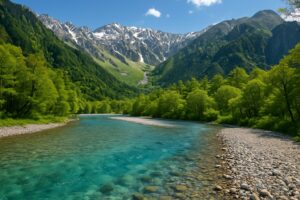
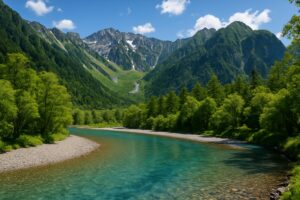
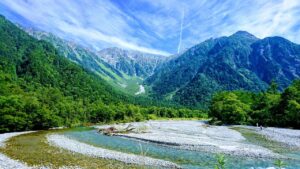
Summer (June-August): While much of Japan swelters, Matsumoto’s higher elevation keeps the weather relatively cool and pleasant. It’s an ideal base for hiking and exploring the stunning natural beauty of the nearby Kamikochi alpine area.
Autumn (October-November): Many locals consider this the best season. The air is crisp, skies are clear, and the mountains burst into fiery shades of red, orange, and yellow. This is also the season for shin-soba, the fresh harvest of buckwheat, known for its fragrant and rich flavor. The annual Matsumoto Soba Festival is a major event celebrating this harvest and is a must for any food lover.
Winter (December-February): The city becomes a quiet, magical snow-covered wonderland. The castle stands out dramatically against the snowy backdrop. It’s the perfect time to warm up in an izakaya with a bowl of hot Kake Soba and some heated sake. Plus, world-renowned ski resorts like Hakuba are just a short trip away.
Tips from a Fellow Traveler
From one traveler to another, here are some extra tips to enhance your Matsumoto visit. As a solo female traveler, I found Matsumoto to be remarkably safe and welcoming. The streets are well-lit, and people are genuinely kind and helpful. Use common sense as always, but you can feel very comfortable exploring here.
Bring cash. Although Japan is gradually becoming more card-friendly, many smaller, family-run soba shops, izakayas, and market stalls still accept cash only. It’s wise to carry some yen.
At an izakaya, you’ll often be served a small appetizer you didn’t order. This is called the otoshi, and it also serves as a table charge. It’s standard practice, so just enjoy it as part of the cultural experience!
Don’t be afraid to explore beyond the main streets. Some of the best discoveries lie in quiet residential alleys or on the less-visited side of the river. Matsumoto rewards the curious traveler.
The Final Sip
Matsumoto is more than just a city; it’s an experience. It’s a place where every meal tells a story, and every sip of sake carries the essence of the mountains. It’s the striking silhouette of a samurai castle framed by an alpine sky, the quiet dignity of centuries-old craftsmanship, and the playful charm of streets filled with frogs. It’s a city that balances profound history with refreshing modernity, deeply rooted traditions with vibrant creativity. It reminds us that the most memorable travel experiences often aren’t in the largest cities, but in places with a strong, unshakable identity. So come to Matsumoto. Come hungry, come thirsty, and come with an open heart. The city, its soba, and its sake are ready to share their story with you.